









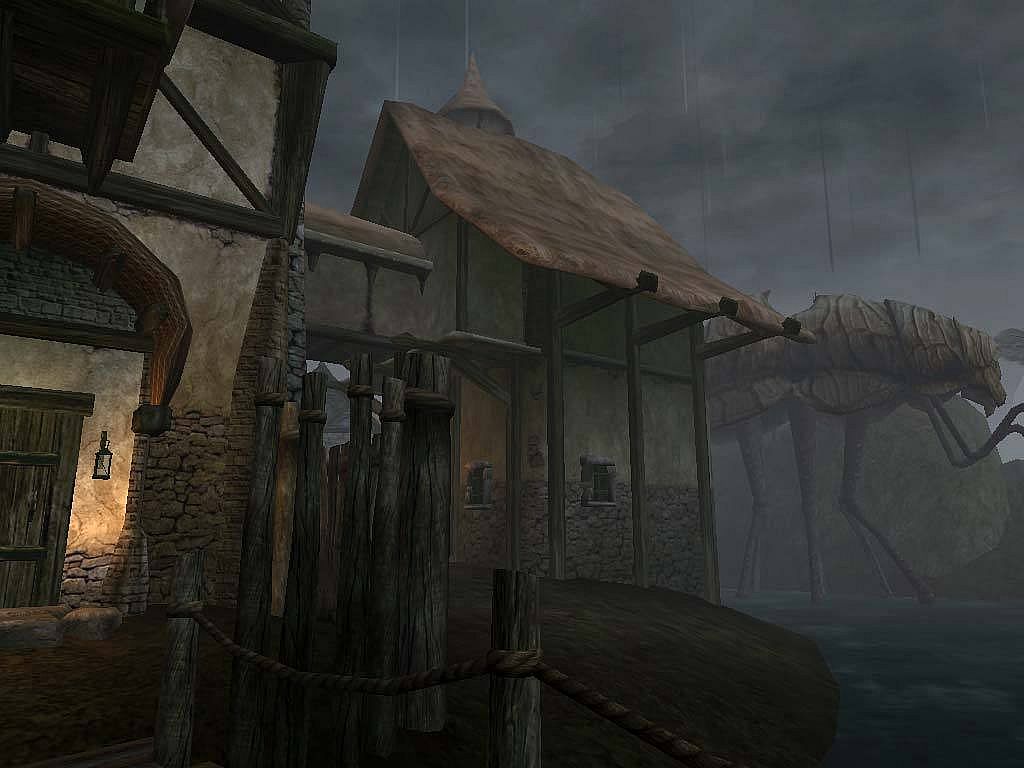

The Elder Scrolls III: Morrowind Game of the Year Edition stands as a landmark RPG that redefined open-world exploration and character freedom when it launched in the early 2000s. This version bundles the base game with its two major expansions, Tribunal and Bloodmoon, delivering a vast single-player experience set in the mysterious land of Morrowind. Players step into the shoes of a customizable character released from prison, tasked with unraveling a prophetic destiny amid political intrigue, ancient prophecies, and supernatural threats. With its emphasis on choice-driven narratives and nonlinear progression, this title appeals to those who enjoy deep role-playing mechanics and immersive world-building in a fantasy setting.
Gameplay
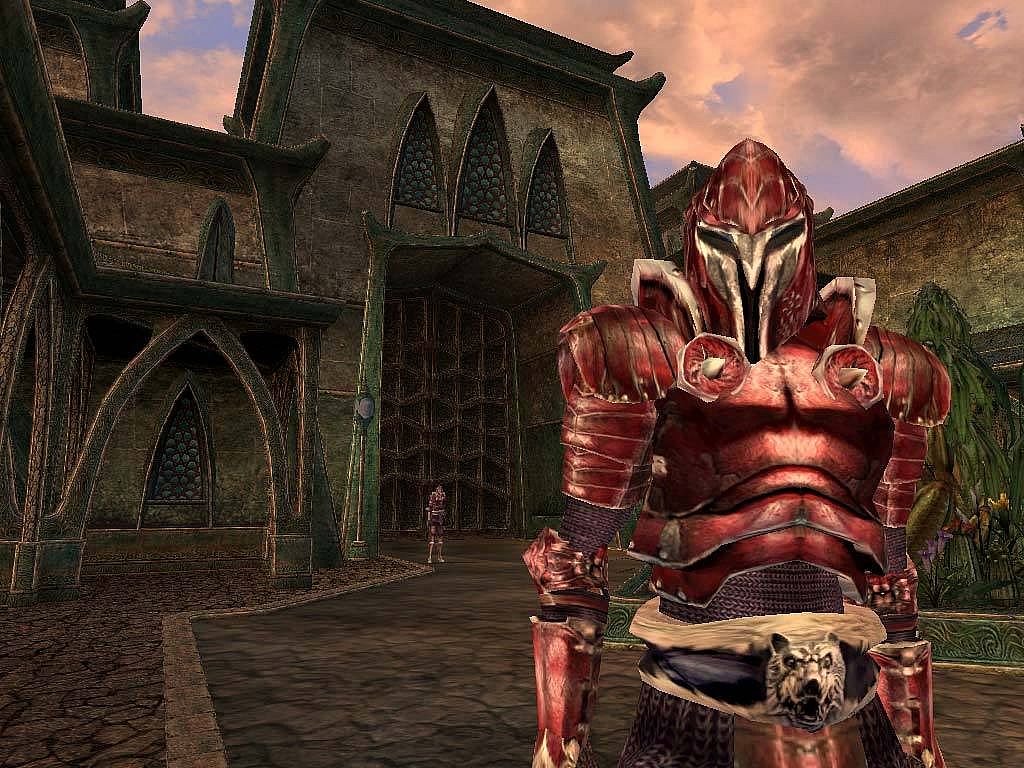
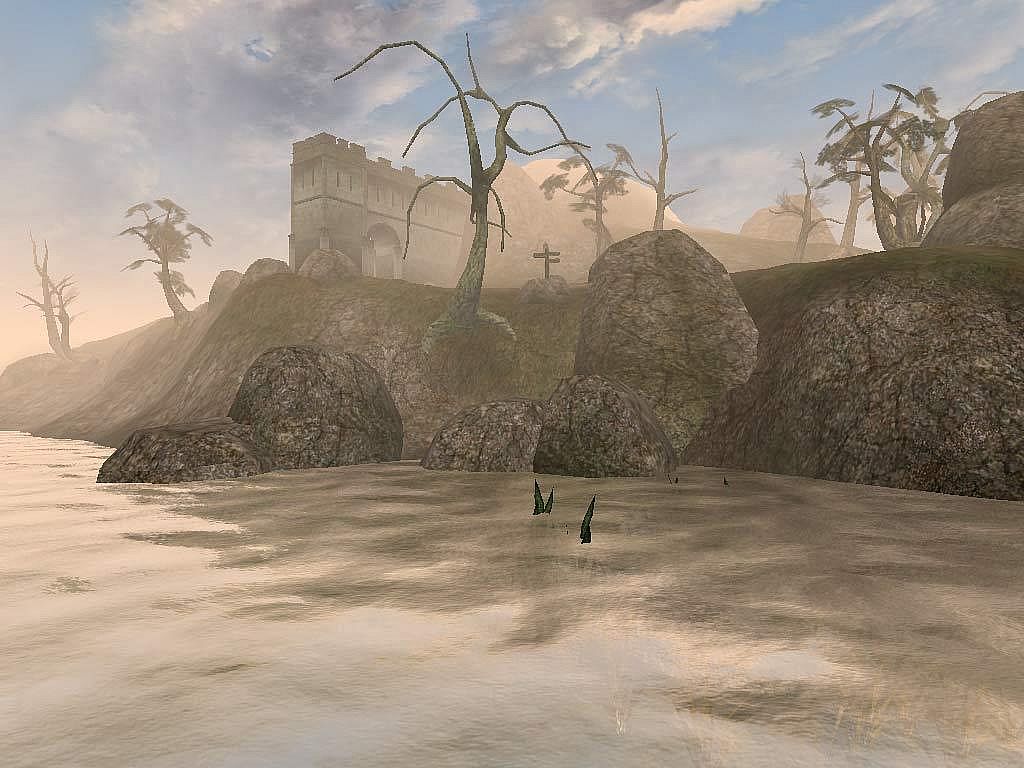
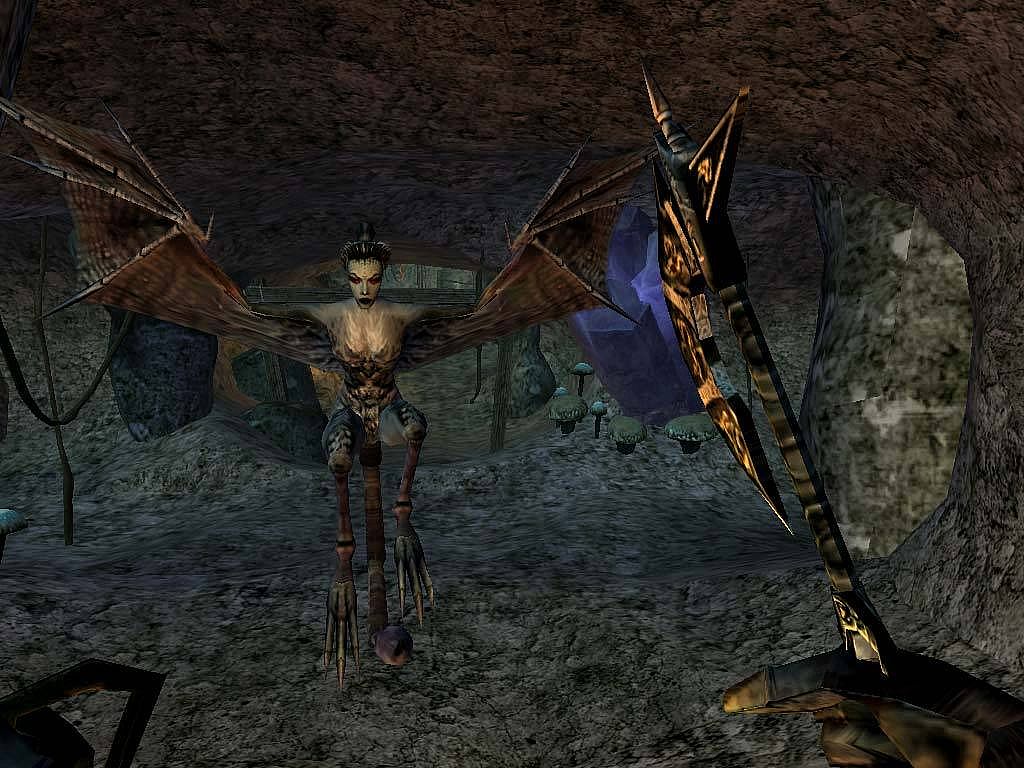
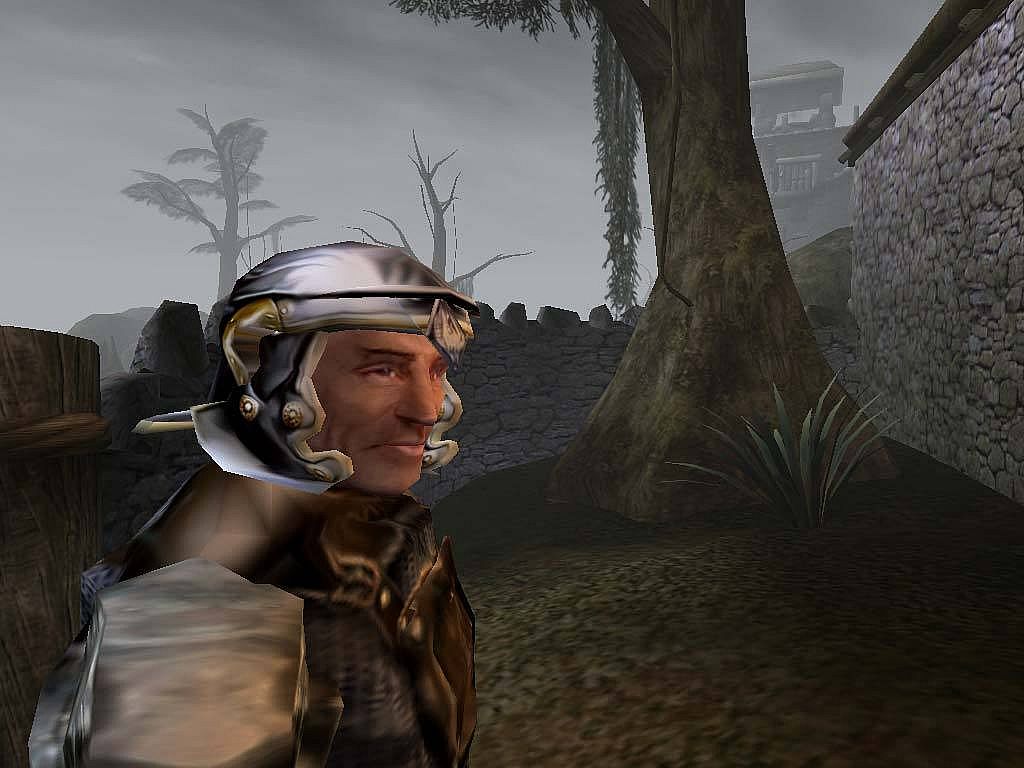
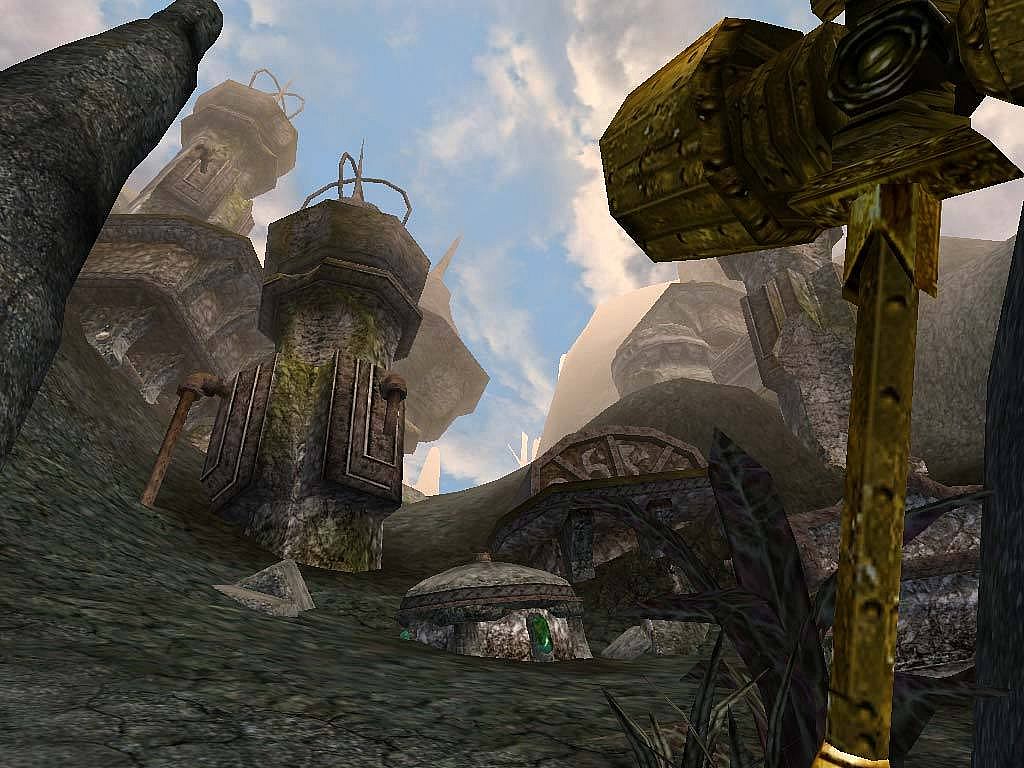
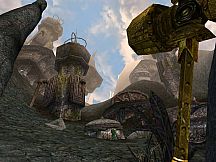
At its core, Morrowind revolves around a skill-based progression system where actions directly influence character development. You start by selecting from various races, classes, and birthsigns, but true growth comes from using skills like alchemy, acrobatics, or weapon handling in real-time. Combat relies on a dice-roll mechanic tied to your stats, which can feel unpredictable at first, especially with lower skills, leading to missed swings even when visually connecting. Exploration forms the backbone, with a massive island filled with diverse biomes, from ash-strewn wastelands to lush forests, encouraging free-form wandering without hand-holding markers.
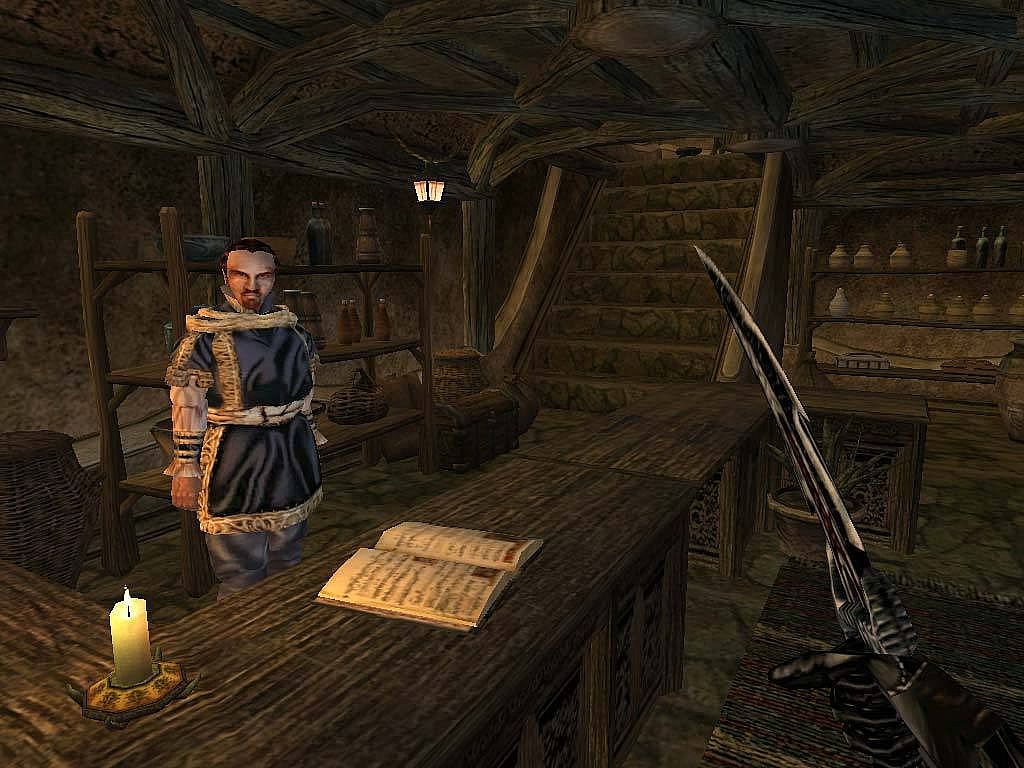
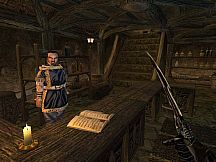
Magic plays a significant role, allowing spell creation and enchantment of items, while stealth mechanics support thievery or assassination paths. The game's economy involves bartering with NPCs who remember your reputation, and joining organizations like guilds or houses unlocks unique quests and advancements. Quests often branch based on decisions, with no quest log forcing reliance on a journal for notes. This setup rewards experimentation, such as levitating over obstacles or brewing potions for superhuman jumps, though the interface and controls show their age without community modifications.
Game Modes
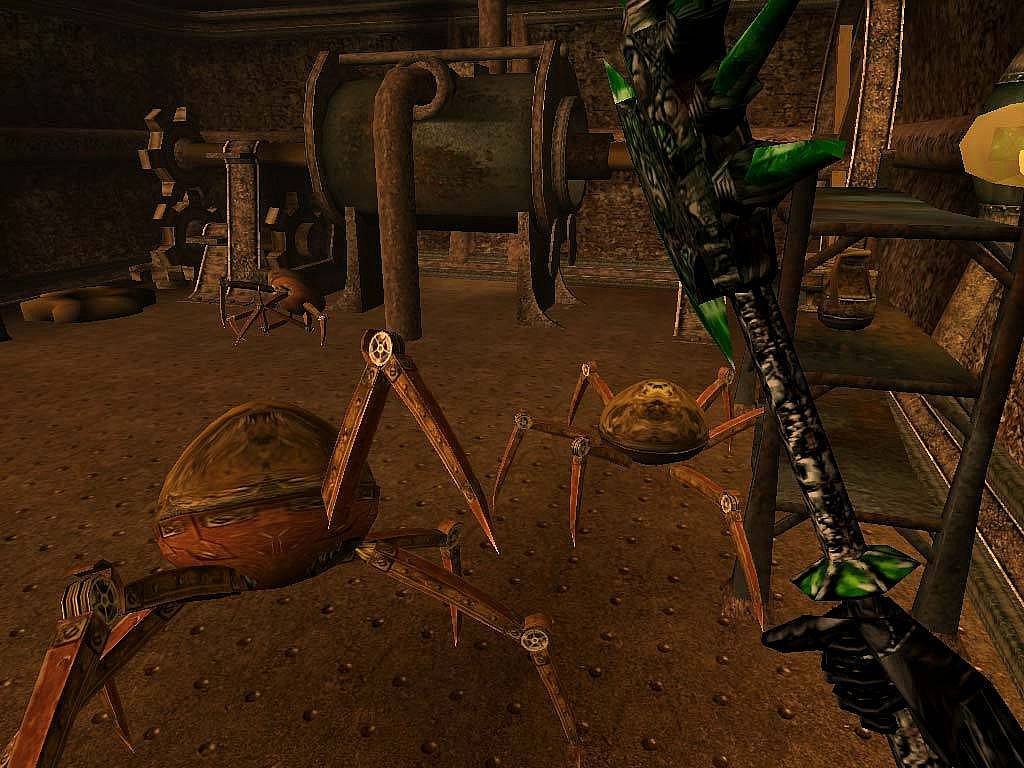
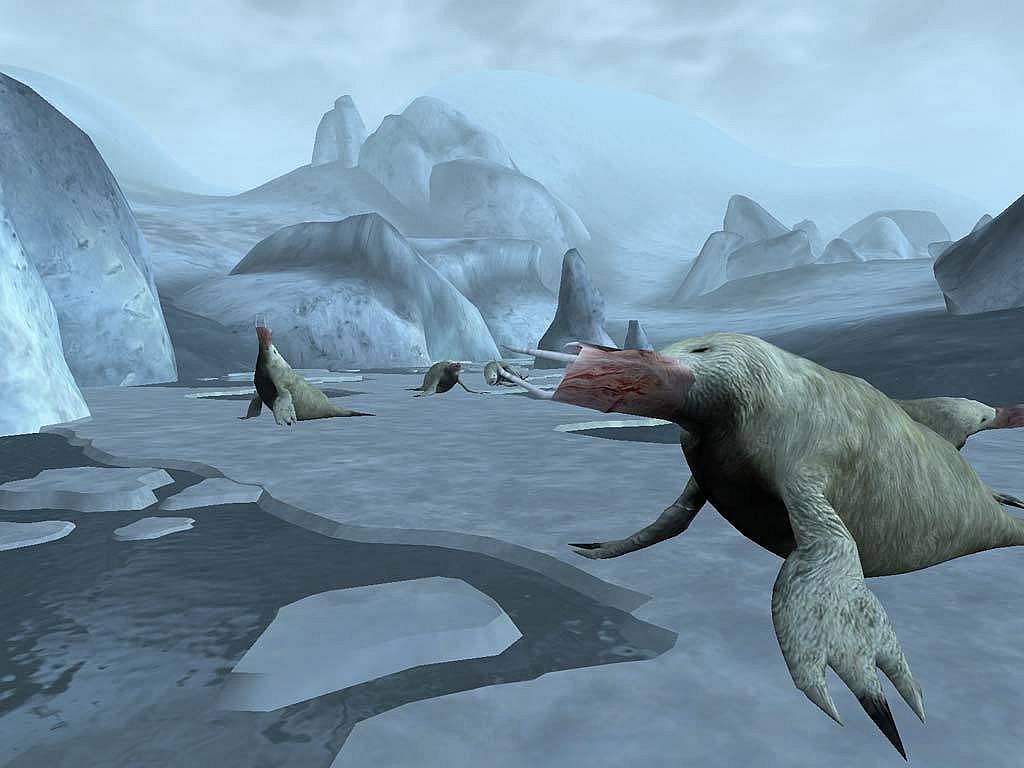
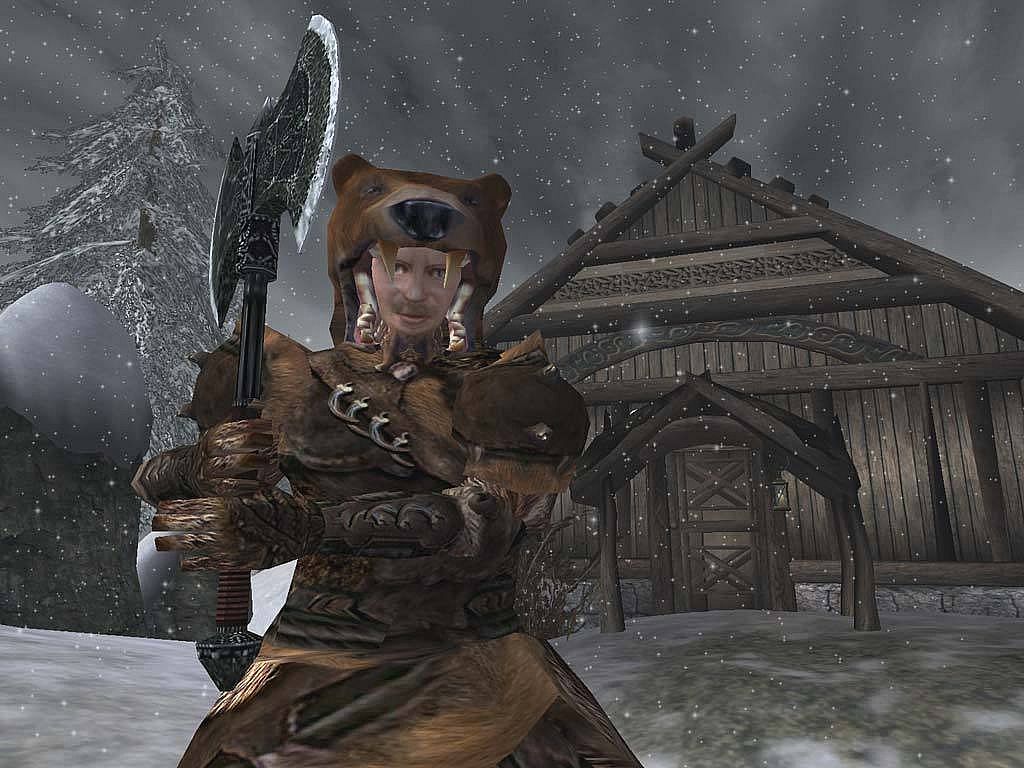
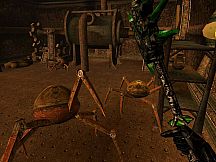
Morrowind operates as a purely single-player RPG without traditional multiplayer components, focusing instead on distinct narrative paths within its open world. The main questline centers on investigating a blight disease and fulfilling an ancient prophecy, spanning dozens of hours with opportunities for deviation into side activities. Expansions introduce self-contained story arcs: Tribunal shifts to the intrigue-heavy city of Mournhold, involving encounters with divine figures and dungeon crawls in the Clockwork City, while Bloodmoon transports you to the icy island of Solstheim for colony-building challenges and werewolf transformations.
These modes blend seamlessly, letting you import characters between them for continuous play. Alternative playstyles emerge through faction affiliations, such as aligning with religious temples or criminal syndicates, each offering ranked progression and exclusive missions. Free exploration mode dominates, where you ignore quests entirely to roam, trade, or build custom homes, emphasizing personal storytelling over structured matches or sessions.
Expansions and Content
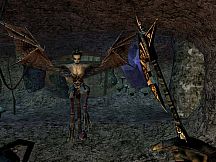
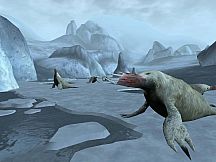
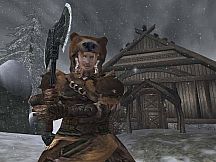
The Game of the Year Edition enhances the base experience with Tribunal and Bloodmoon, adding roughly 80 hours of content. Tribunal delves into political machinations in Mournhold, pitting you against goblins, liches, and mechanical Fabricants in expansive underground lairs. Bloodmoon contrasts with harsh wilderness survival on Solstheim, featuring blizzards, frost trolls, and the option to direct a mining colony's growth or embrace lycanthropy for altered abilities like enhanced strength and hunting instincts.
New gear, such as Nordic Mail armor and Ice blades, integrates into the core mechanics, while creatures like bears, wolves, and spriggans expand combat variety. These additions maintain the game's open-ended nature, allowing seamless transitions and character carryover for a unified adventure.
Is It Worth Playing?
For fans of intricate RPGs that prioritize freedom and depth over polished modern conveniences, Morrowind remains a compelling choice even in 2024. Player reception highlights its enduring appeal, with an overall score of 85 from detailed reviews praising the story and controls. The community keeps it alive through mods like OpenMW, which improve compatibility on current hardware and address clunky elements like combat.
No ongoing official updates exist, as development ended years ago, but the lack of microtransactions or live services preserves its timeless quality. If you thrive on self-directed exploration and don't mind dated graphics or learning curves, it's absolutely worth diving into for the sense of discovery it provides. Those seeking fast-paced action or guided narratives might find it challenging, but for dedicated role-players, it offers unmatched replayability.