




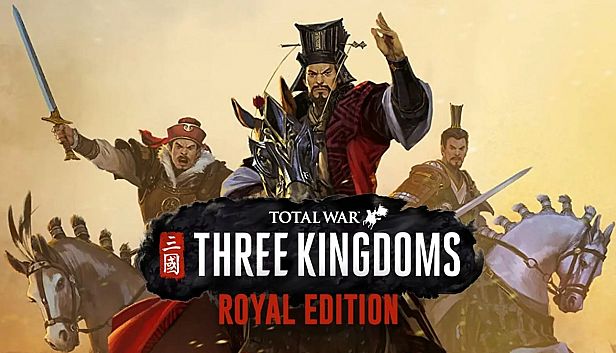








Total War: Three Kingdoms Royal Edition is a strategy game that places players in second-century China during a period of division and conflict. It combines turn-based management of territories and resources with real-time command of armies on the battlefield. The experience centers on selecting a warlord, expanding influence through alliances and conquest, and directing forces in large-scale engagements that determine the fate of regions.
Gameplay
The core loop revolves around the campaign map, where turns allow movement of armies, development of settlements, and interactions with other factions. Players manage food supplies, income, and population while navigating a detailed diplomacy system that supports negotiations, trade agreements, and shifting loyalties. Unique traits for each faction influence available strategies, encouraging different approaches such as military expansion or political maneuvering.
Battles occur in real time once armies clash. Commanders position units including infantry, cavalry, and ranged troops while accounting for terrain and formations. Generals play a prominent role, with options to issue special abilities or engage in direct confrontations. The campaign and battles connect closely, as outcomes on the map affect available forces and strategic options in subsequent turns.
Two distinct settings alter how generals function during combat. One emphasizes heroic individual actions and personal duels between leaders. The other maintains a more grounded representation of command structures and unit performance without exaggerated personal feats.
Game Modes
Single-player campaigns form the primary experience, with options to begin at different historical starting points that shape initial faction positions and objectives. Multiplayer supports cooperative campaigns where participants coordinate or compete toward shared or separate goals. Separate battle modes include ranked online matches, custom scenarios with troop selection budgets, and a selection of historical reenactments that recreate notable conflicts from the era.
Local play options exist alongside online features for both campaign cooperation and direct battles. These modes allow up to eight participants in certain custom setups and emphasize tactical preparation before engagements begin.
Factions and Mechanics
Twelve factions offer varied starting positions and playstyles divided among categories such as coalition leaders, regional governors, and independent forces. Each brings specific advantages that affect army composition, diplomatic leverage, or internal stability. The diplomacy overhaul introduces greater flexibility in forming coalitions, declaring wars, and managing relations compared to earlier entries in the series.
Resource systems track income, food, and population growth across controlled territories. Settlement development includes building upgrades that provide ongoing benefits or defensive capabilities. Army recruitment and maintenance require careful planning to sustain campaigns without overextending supplies.
Is It Worth Playing?
The game remains available for single-player and multiplayer sessions on PC. Development of major new content concluded several years ago, leaving a stable version with prior patches applied. Players who enjoy detailed strategy campaigns and tactical battles in a historical setting will find substantial depth in the faction mechanics and interconnected systems.
Those seeking ongoing seasonal updates or frequent new content may find the experience more limited in the current state. The combination of empire management and battlefield command suits individuals interested in long-term planning and decisive engagements rather than fast-paced action. Reception among strategy enthusiasts highlights the improved diplomacy and faction variety as strengths that support repeated playthroughs with different starting choices.


