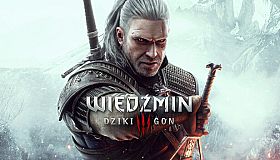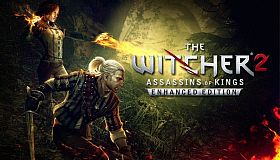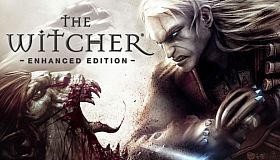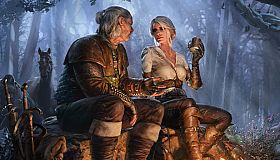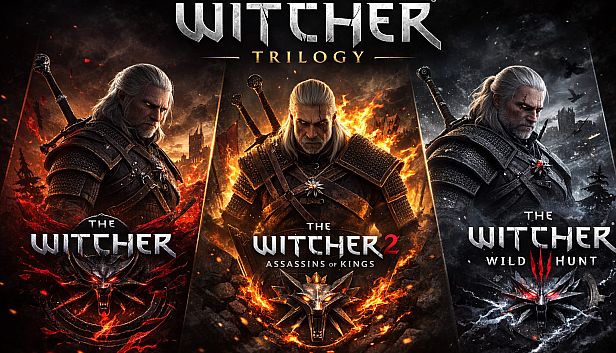






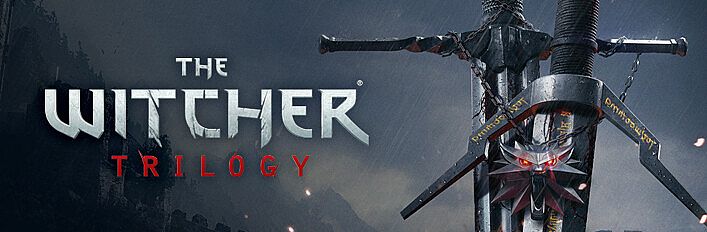
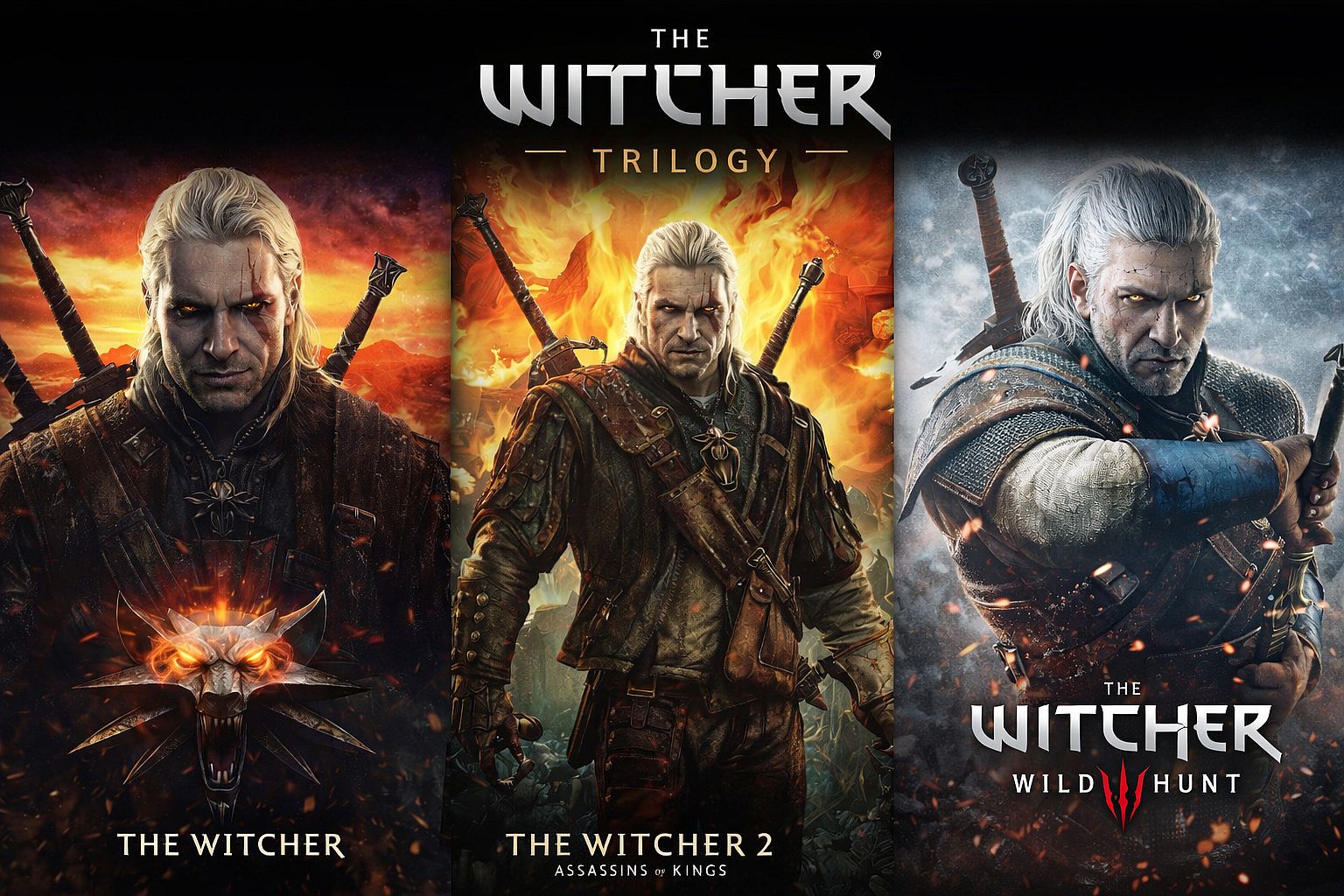
The Witcher Trilogy is a collection of three single-player action RPGs developed by CD Projekt Red for PC. Players take on the role of Geralt of Rivia, a professional monster hunter navigating a dark fantasy world filled with political intrigue, moral choices, and supernatural threats. The series emphasizes narrative depth, character progression, and combat that blends swordplay with magical signs and alchemy.
Gameplay
Core mechanics revolve around controlling Geralt in third-person perspective across linear and open environments that expand with each entry. Combat involves selecting between steel and silver swords for different enemy types, executing light and heavy attacks, blocking, and dodging. Five signs provide utility: Aard for telekinetic blasts, Igni for fire damage, Axii for mind influence, Yrden for slowing foes, and Quen for protective shielding. Alchemy supports preparation through potions, bombs, and oils that enhance effectiveness against specific monsters.
Skill systems allow customization through trees focused on combat, signs, alchemy, and general abilities. Players manage inventory, craft gear, and make dialogue choices that influence quest outcomes and story branches. Exploration includes tracking monsters via clues, completing contracts, and engaging in side activities that reveal more about the world's factions and history. Difficulty settings adjust enemy aggression, damage output, and resource regeneration to suit different experience levels.
Game Modes
The trilogy operates entirely in single-player campaign format. Each game presents a main storyline divided into acts or chapters, supplemented by optional side quests and monster hunts. Progression follows a linear narrative structure with branching decisions that lead to multiple endings based on player actions.
Difficulty modes vary by title but generally include options ranging from story-focused easing of combat to high-challenge settings that demand precise timing and preparation. The third entry incorporates Gwent, a standalone card game with faction decks and tournament elements that can be played at various points without affecting the main progression.
Narrative and World
Stories center on Geralt's contracts and personal entanglements, drawing from a shared universe of Northern Kingdoms, sorceresses, and monster species. Choices in conversations and quest resolutions carry consequences across individual titles, affecting alliances, character fates, and available paths. The setting features detailed locations that grow in scope, from contained regions in earlier games to vast interconnected areas in the final installment.
Supporting systems include horse travel, meditation for recovery, and crafting that ties into both combat and exploration. Factions such as the Scoia'tael, Nilfgaard, and various monster groups influence events through quests and background lore.
Is It Worth Playing?
The trilogy delivers hundreds of hours of content across its three entries, with strong emphasis on writing, quest design, and character development. Critical reception highlights the series for its mature themes and reactive storytelling, particularly in the concluding game. Ongoing updates, including a recent remastered version of the third title that incorporates prior expansions, maintain accessibility on modern hardware.
This collection suits players who prefer deliberate pacing, meaningful decisions, and systems that reward preparation over reflex alone. Those seeking fast-paced action or multiplayer elements will find less appeal, while fans of choice-driven RPGs with strong single-player campaigns stand to gain the most from the complete experience.