




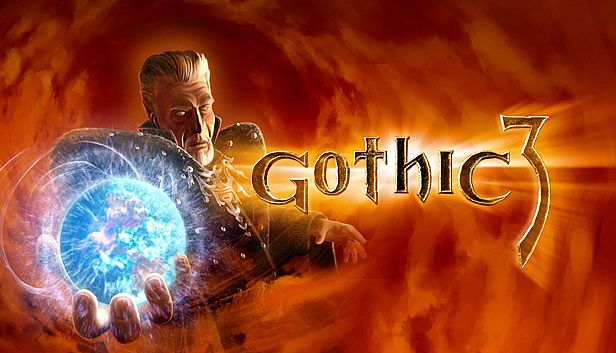


Gothic 3 Game of the Year Edition is a single-player action role-playing game set in a vast fantasy world divided into distinct regions. Players control a hero who arrives in a land occupied by orcs and must navigate conflicts between various groups through exploration and decision-making. The experience emphasizes freedom in how quests are approached and how relationships with different communities develop over time.
Gameplay
The core loop revolves around traveling across a large open world filled with towns, camps, and wilderness areas. Progress comes from completing tasks for local leaders and residents, which builds reputation with specific groups. Higher reputation unlocks better equipment, training opportunities, and access to key figures who assign major objectives. Character development uses learning points earned through experience to improve combat skills, magic abilities, or crafting proficiencies at trainers and special locations. Combat focuses on real-time melee and ranged attacks against enemies that include orcs, wildlife, and hostile humans, though encounters often require careful positioning due to the way opponents react.
Exploration rewards players with hidden items and side activities scattered throughout the landscape. The world includes three main territories, each with its own environmental challenges and population dynamics. Reputation shifts based on actions taken, such as helping one side against another, which can alter how different groups respond during future encounters. This system encourages repeated playthroughs to test alternate paths without forcing a single narrative route.
Game Modes
The game operates entirely in a single-player format centered on the main campaign. Within this structure, players experience an open-ended progression where order of objectives remains flexible and multiple solutions exist for many situations. No separate competitive or cooperative modes exist, keeping the focus on individual choices that shape interactions across the world.
World and Factions
The setting spans Myrtana, Nordmar, and Varant, each presenting unique terrain and cultural elements. Factions operate through a reputation mechanic rather than direct membership, allowing players to support or oppose groups like orcs, rebels, nomads, and others by completing aligned tasks. These choices influence availability of quests and equipment while creating ongoing consequences in the form of altered enemy behaviors. The design places emphasis on how actions in one area ripple into others, creating a sense of a living conflict that players can tip in various directions.
Is It Worth Playing?
Players who enjoy older open-world role-playing games with strong emphasis on exploration and consequence-driven decisions will find value in the experience. The title benefits from community patches that address technical issues present in the original release, improving stability for modern systems. Those seeking polished real-time combat or streamlined progression may encounter frustrations with the dated mechanics. It suits individuals comfortable with lengthy campaigns that reward patience and experimentation over fast-paced action. Availability on PC makes it accessible for those interested in revisiting or discovering this entry in the series.