




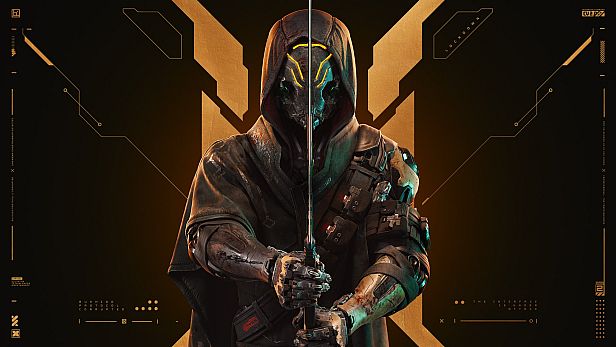





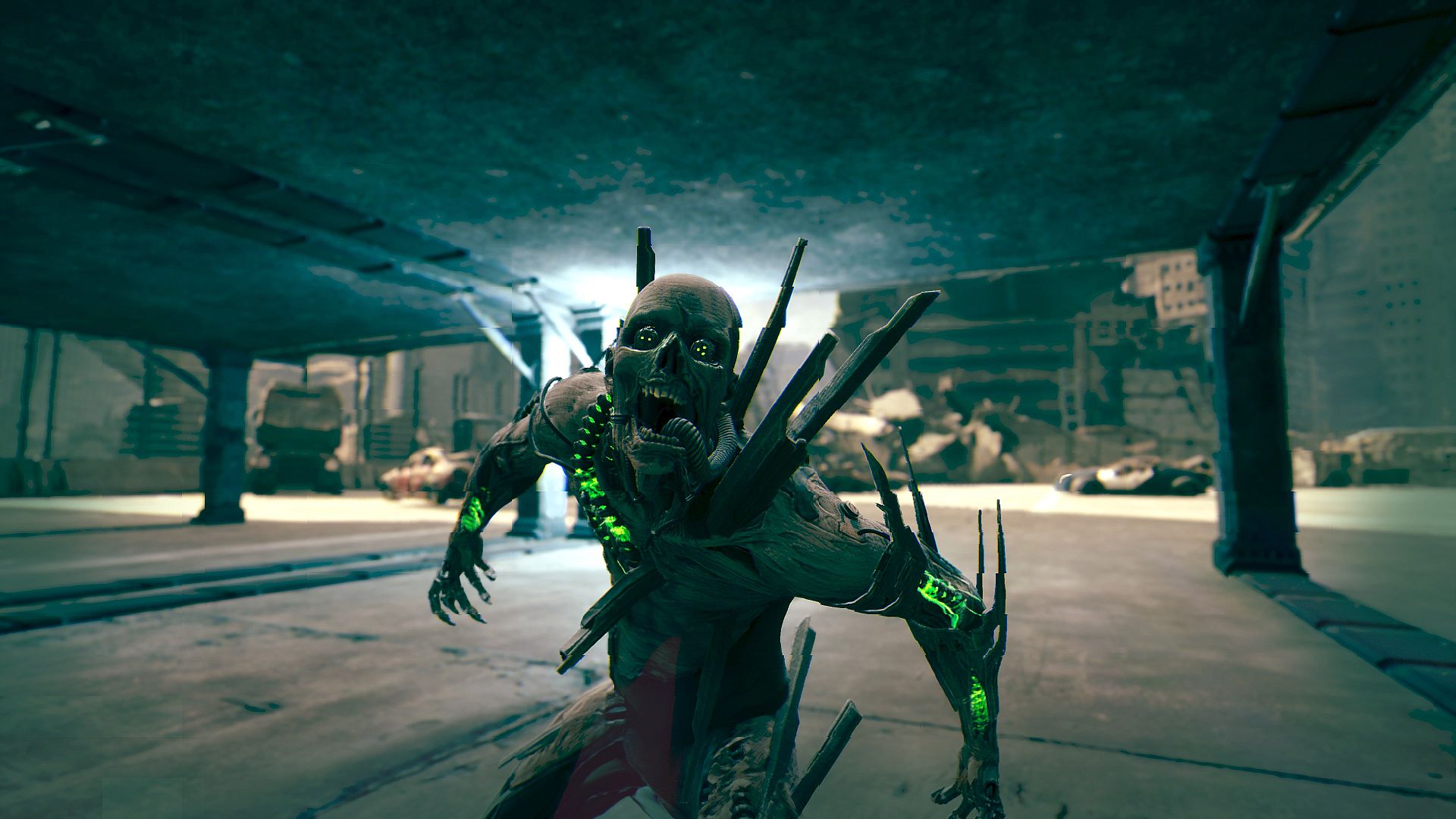
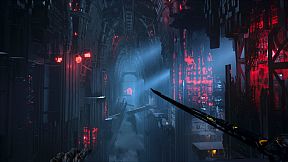
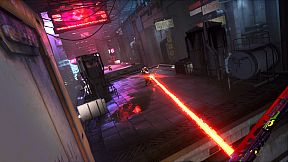
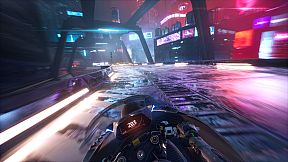
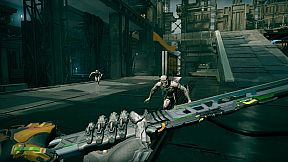
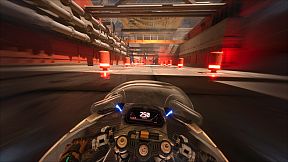
Ghostrunner 2 is a first-person action platformer that blends precise katana combat with high-speed parkour in a post-apocalyptic cyberpunk setting. Set one year after the events of the original, the game follows Jack as he confronts a violent AI cult beyond the walls of Dharma Tower. The experience emphasizes one-hit lethality for both the player and enemies, demanding constant movement and split-second decisions to survive linear yet varied levels filled with platforming sequences, combat arenas, and motorcycle segments.
Gameplay
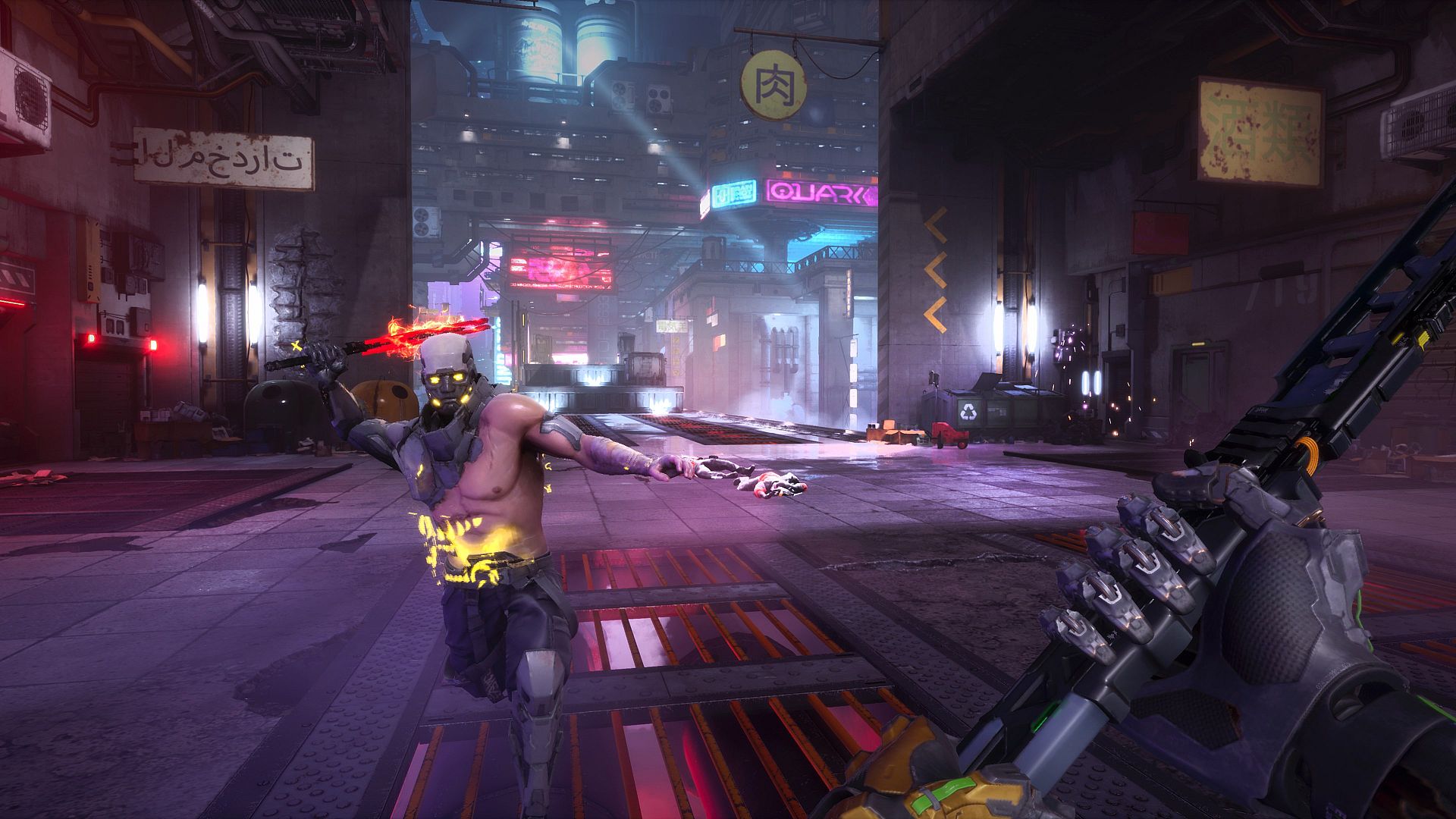
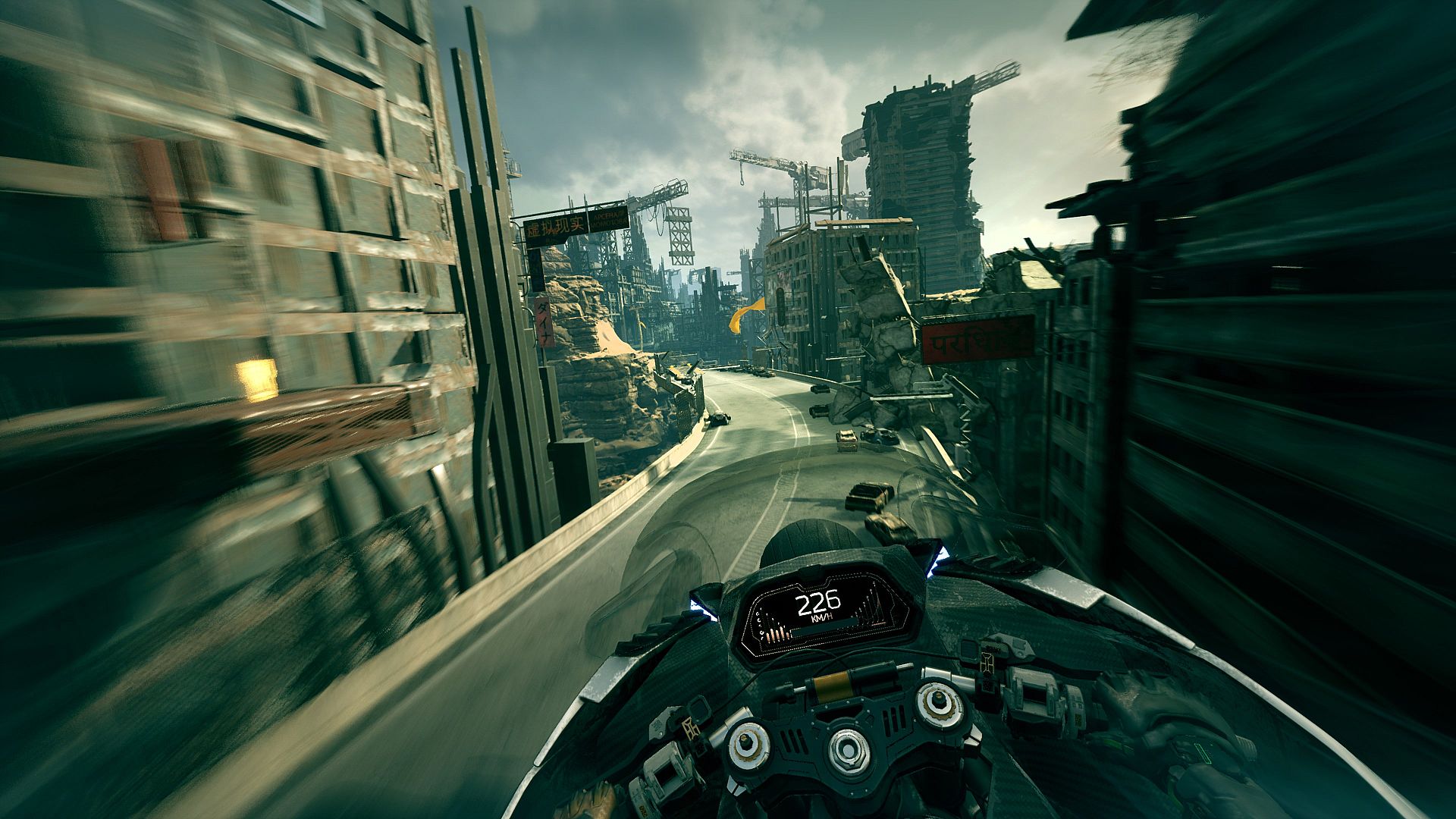
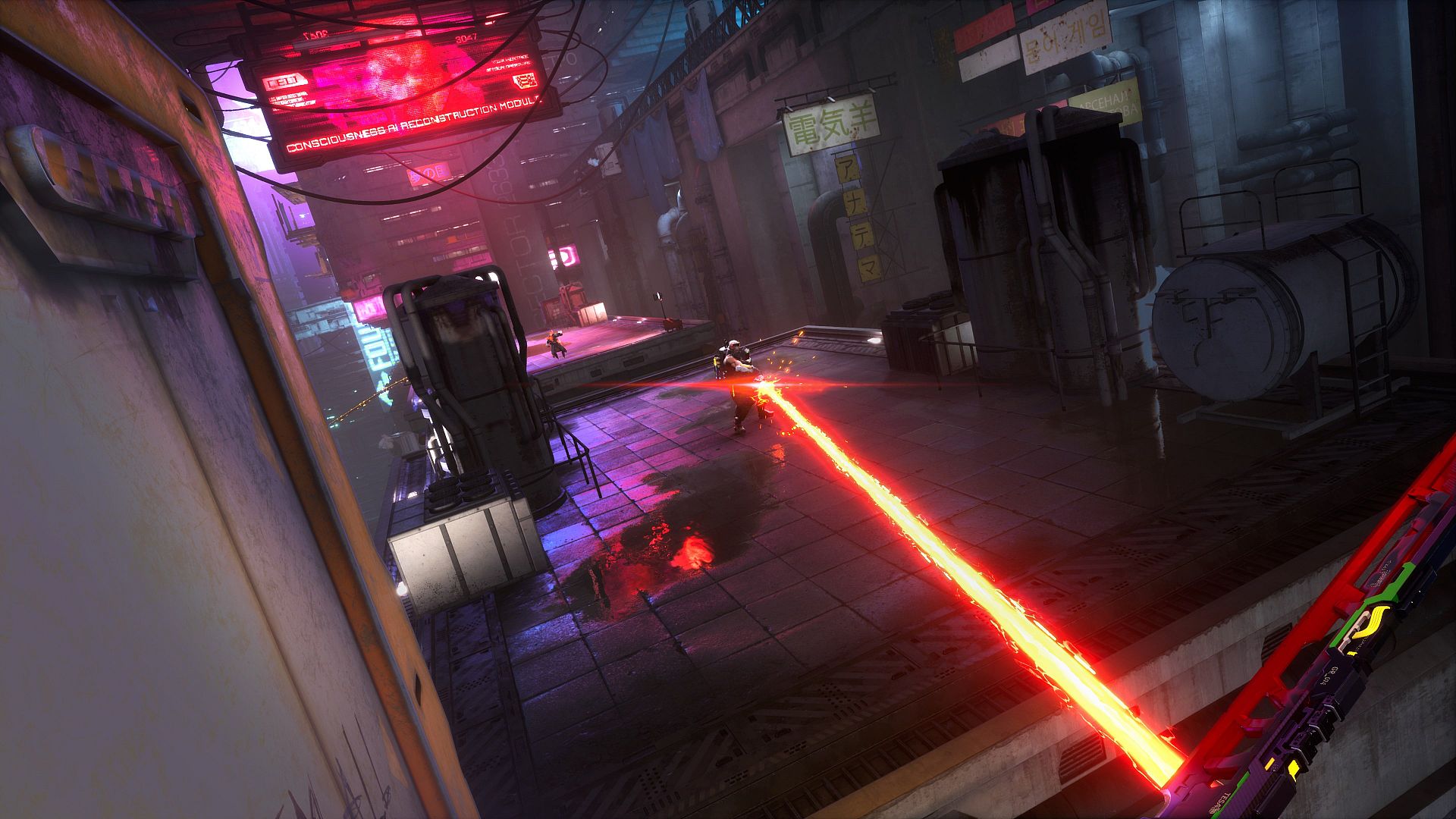
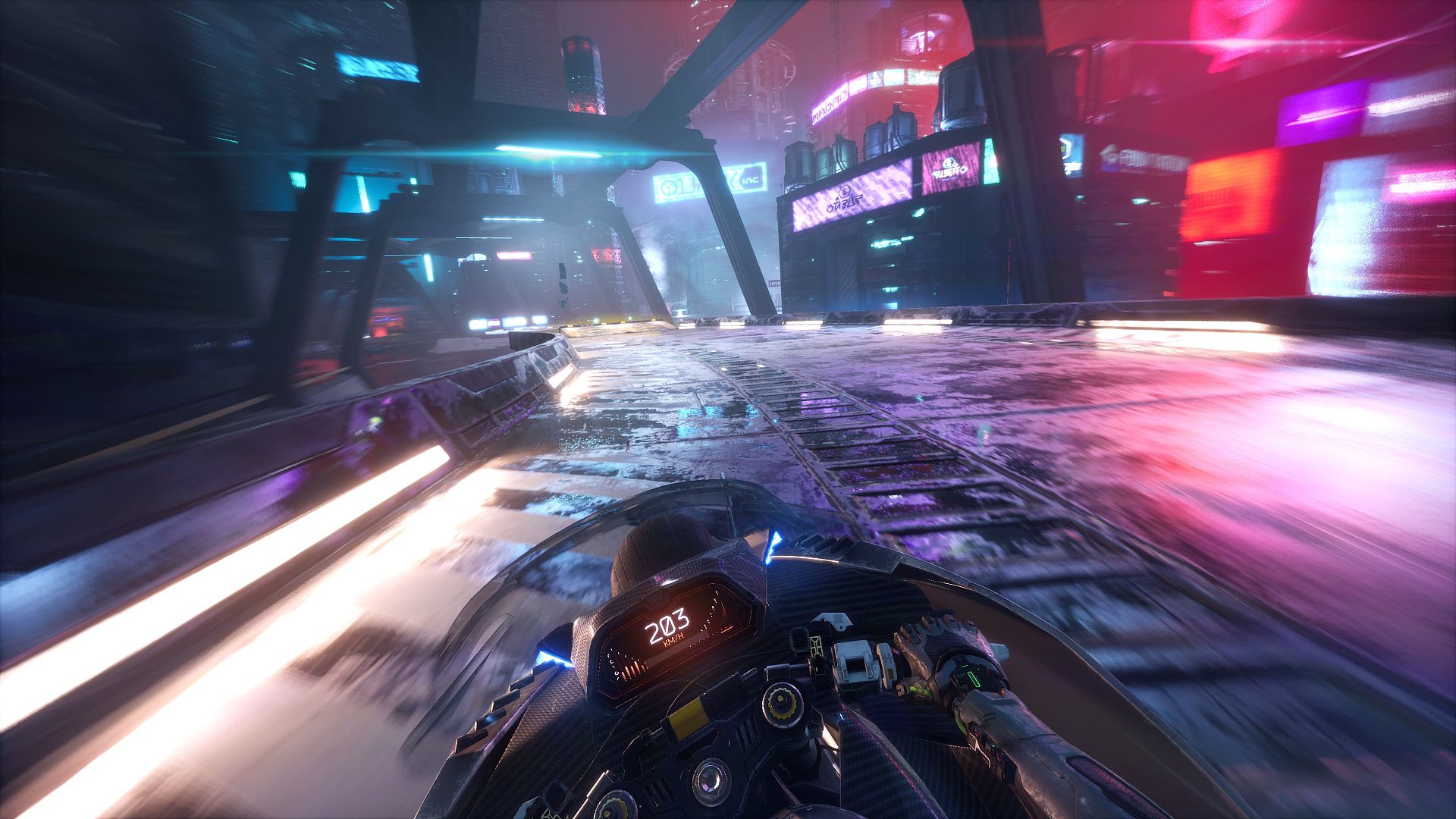
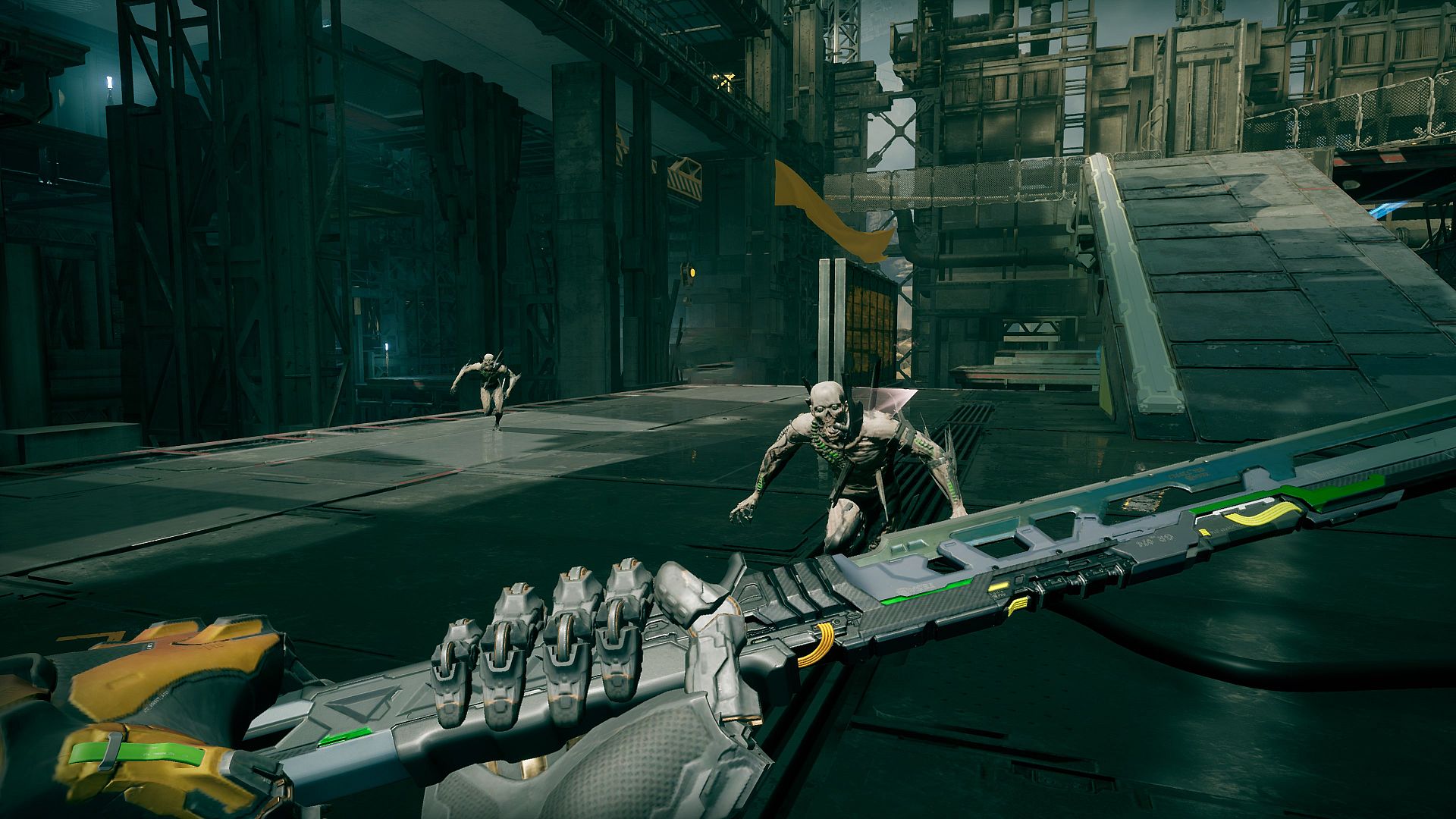
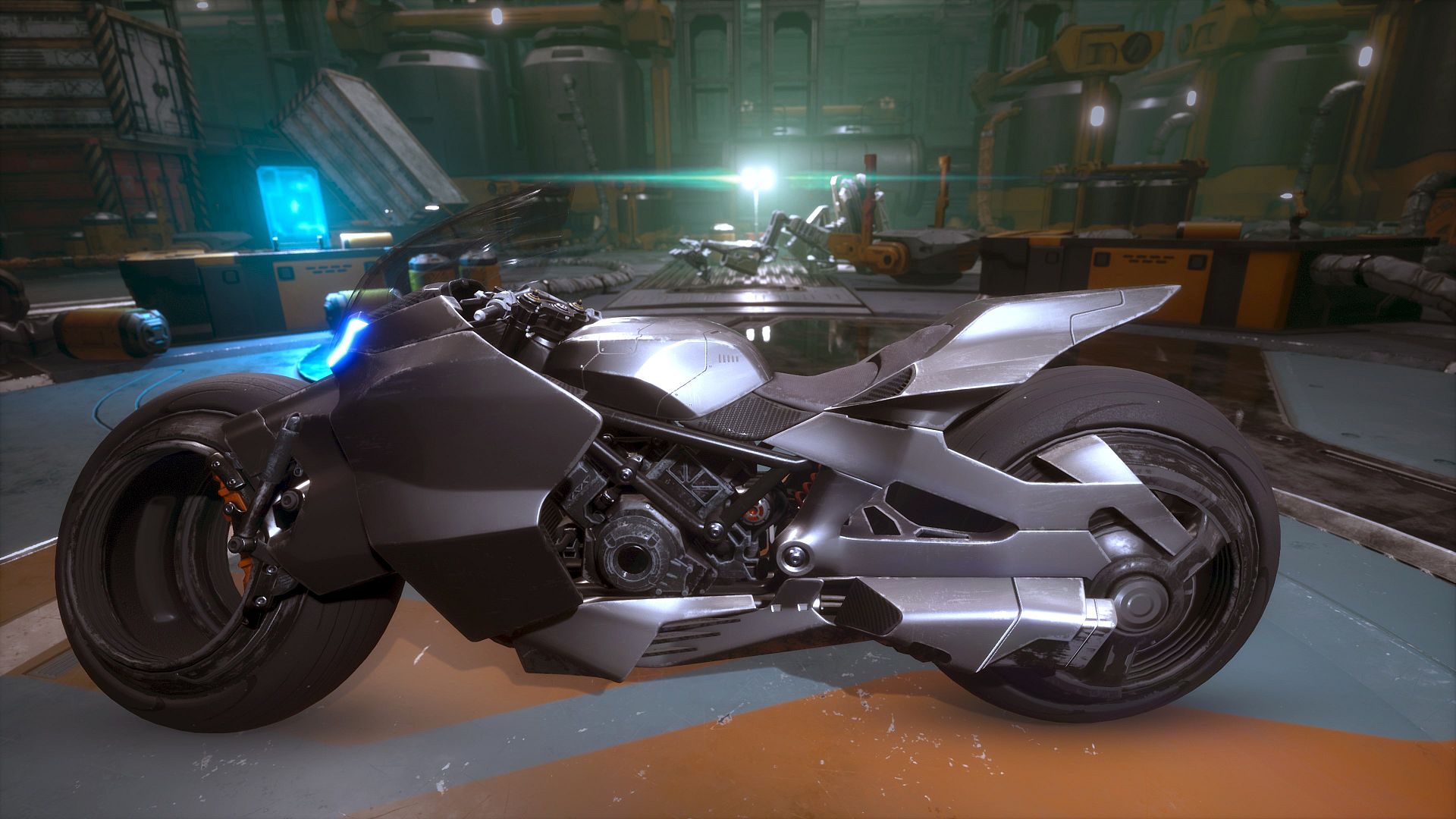
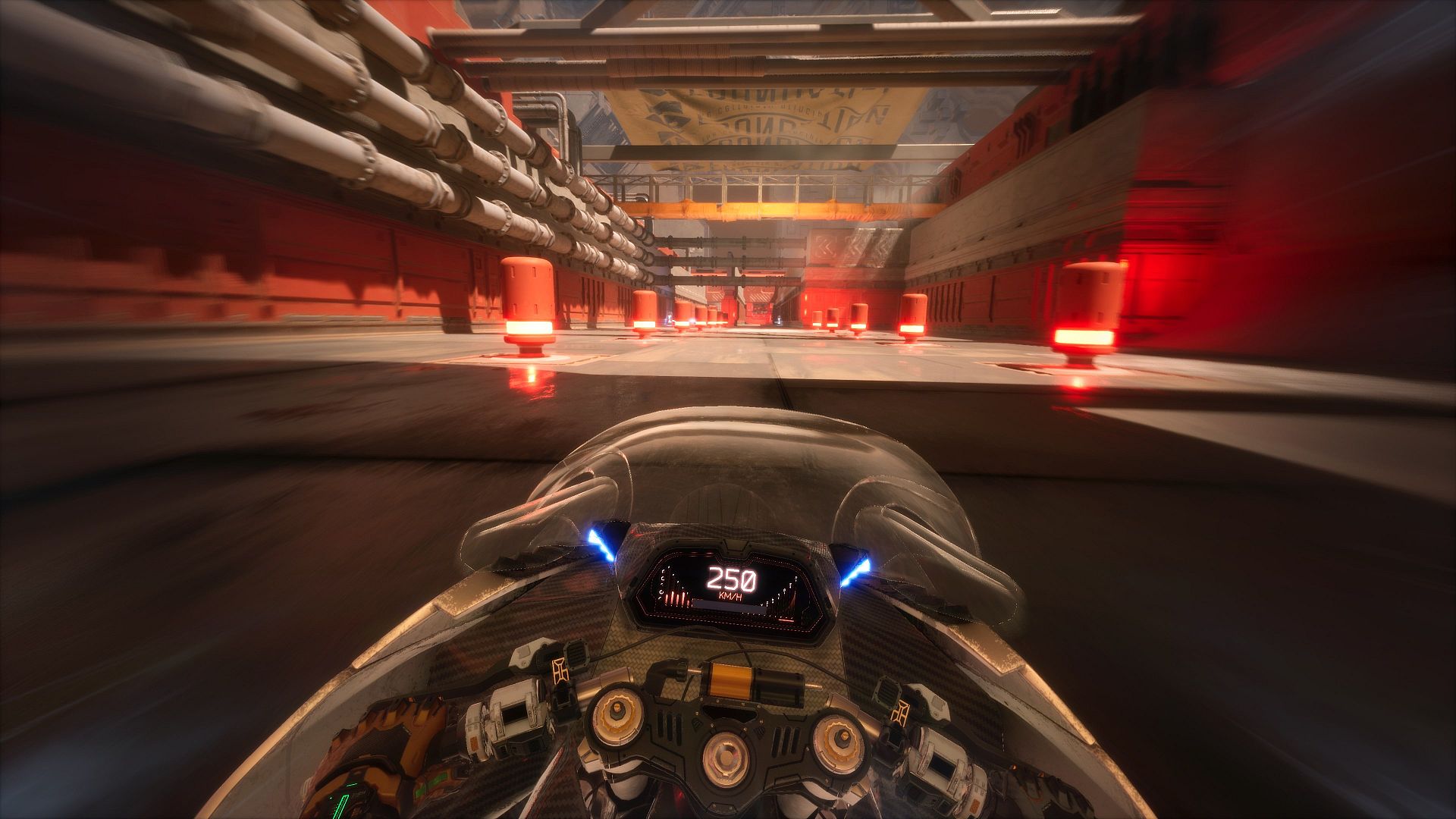
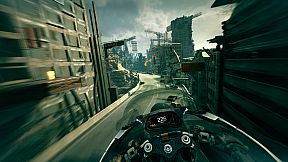
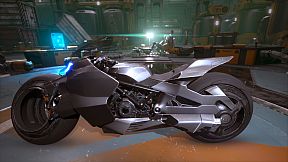
The core loop revolves around fluid traversal and aggressive melee. Jack dashes, jumps, wall-runs, slides, and grapples through hazardous environments while using Sensory Boost to briefly slow time and line up attacks or dodges. Katana strikes deliver instant kills when timed correctly, and players can deflect projectiles back at foes or use environmental hazards like exploding barrels and destructible walls to clear groups efficiently. New abilities expand options for creativity in encounters, with a reworked progression system that lets players experiment and customize loadouts through collected resources. Boss fights incorporate more interactive elements, allowing multiple approaches to survive against tougher opponents rather than following rigid patterns. Motorcycle sections add another layer, requiring players to maintain momentum while navigating obstacles and transitioning between riding and on-foot action. Interactive elements such as neutral entities and varied enemy behaviors keep each run feeling distinct, while the synthwave soundtrack drives the relentless pace.
Game Modes
The main campaign delivers the primary single-player experience through a series of nonlinear levels that mix platforming challenges, combat arenas, and extended motorcycle sequences. Rogue Runner serves as a roguelike side mode that randomizes parkour and combat challenges, starting players with basic abilities and offering choices between different level types for escalating rewards. Endless Moto Mode provides an endless motorcycle challenge where players navigate procedurally arranged tracks filled with obstacles like laser walls and blocks, with each attempt presenting unique sequences. These modes extend replayability beyond the story without altering the fundamental one-hit precision focus of the core gameplay.
World and Atmosphere
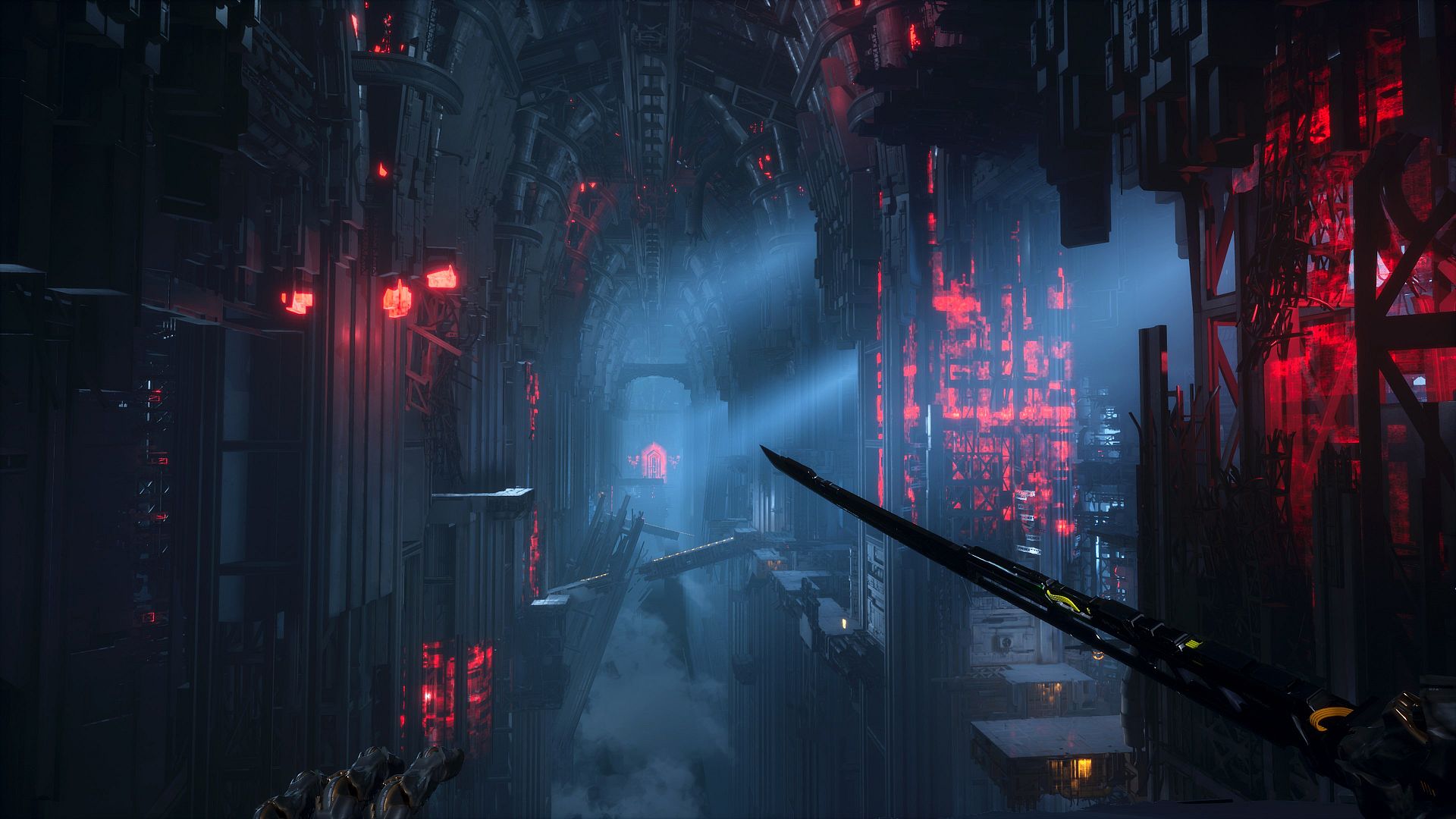
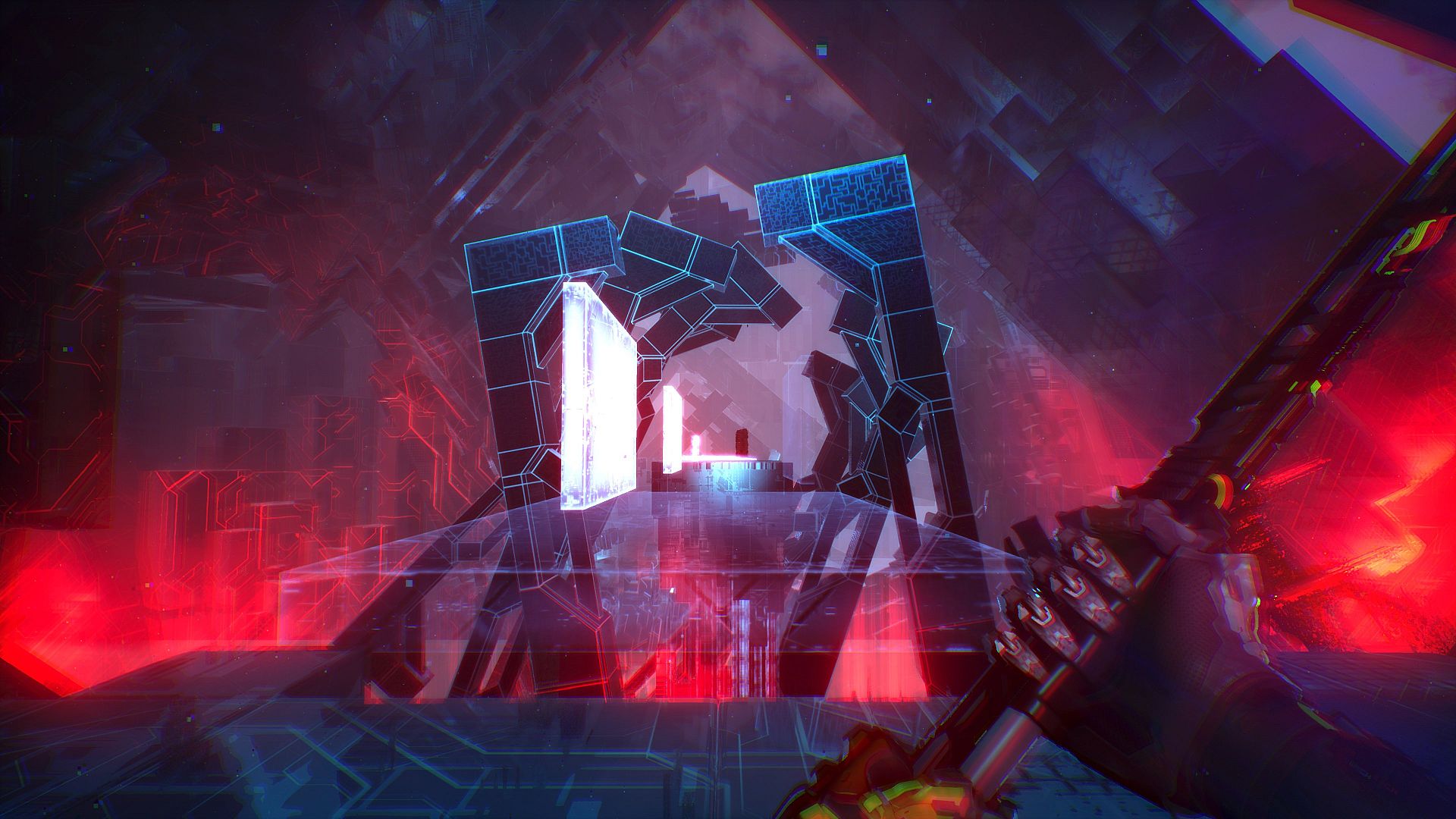
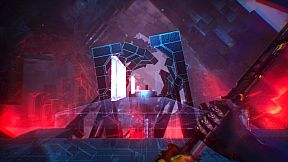
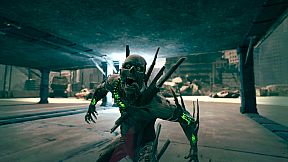
The setting expands beyond Dharma Tower into the wasteland outside, introducing new enemy types tied to the AI cult and deeper exploration of the cyberpunk environment. A new dialogue system adds context to the plot and characters, while collectibles encourage thorough traversal of each area. The Cybervoid represents a key survival element, with players mastering its rules amid shifting threats and interactive objects that influence combat flow. The overall presentation maintains a consistent visual and audio identity centered on neon-lit dystopia and electronic music.
Is It Worth Playing?
Ghostrunner 2 appeals strongly to players who enjoy demanding, momentum-based action games where mastery of movement and timing leads to satisfying runs. Reviews highlight improvements in parkour feel, combat variety, and the addition of motorcycle mechanics as standout features that build on the original formula. The roguelike elements in Rogue Runner and the endless challenge of Endless Moto Mode provide ongoing reasons to return after completing the campaign. Reception remains generally positive among those drawn to high-skill ceiling experiences, with praise for the polished controls and atmospheric soundtrack. It suits fans of fast-paced single-player action who appreciate precise execution over accessibility options, though the steep difficulty curve may frustrate those seeking a more forgiving pace. The game continues to receive updates and additional content years after launch, maintaining its core appeal for dedicated players.


