




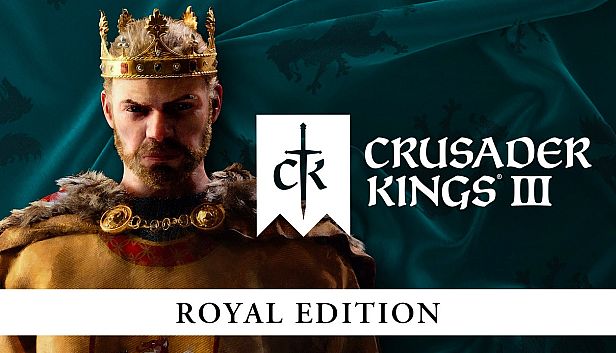





Crusader Kings III is a grand strategy role-playing game set in the Middle Ages. Players guide a noble house through generations of political maneuvering, family intrigue, and territorial expansion on PC. The experience centers on building a lasting dynasty while balancing personal character traits against the demands of ruling a realm.
Gameplay
The core loop revolves around managing individual characters who possess distinct skills and personalities. Rulers allocate focus across five domains: war for military strength, intrigue for schemes and plots, learning for knowledge and cultural advancement, diplomacy for alliances and negotiations, and stewardship for economic prosperity. These choices shape available actions and long-term outcomes.
Characters accumulate stress from decisions that conflict with their traits, which can lead to penalties or breakdowns if left unchecked. Dynasties track renown to influence house members and legitimize claims. Succession laws determine how titles pass between generations, often sparking conflicts or opportunities for cadet branches to form.
Realm management includes constructing holdings, developing technology, and handling culture and religion systems that affect loyalty and expansion options. Warfare operates through levies and commanders rather than direct unit control, emphasizing preparation and alliances over tactical battles. Travel and activities add layers of interaction as rulers move across the map to secure support or resolve disputes.
Game Modes
The primary experience unfolds in single-player campaigns that span centuries. Each run starts with a chosen ruler and location, then proceeds through generational play where success depends on navigating inheritance, external threats, and internal stability.
Multiplayer supports online sessions where multiple participants control separate realms or characters within the same world. These games emphasize cooperation or competition in real time, with shared events and diplomatic interactions unfolding across connected players.
Key Mechanics and Systems
Governments shape available strategies, with feudal, tribal, and clan structures present from the start. Each type alters how power is held, resources are gathered, and succession occurs. Religion and culture mechanics influence everything from marriage compatibility to rebellion risks, encouraging players to convert populations or hybridize traditions over time.
Intrigue tools allow secret plots, blackmail, and assassinations, while diplomacy opens marriage pacts, non-aggression treaties, and council appointments. Economic systems track gold, prestige, and piety as separate currencies for different goals.
Current State and Updates
The game receives ongoing patches that refine existing systems and introduce new content. Recent additions have expanded playable government forms, trade mechanics, and religious hierarchies, keeping campaigns varied across different starting regions and eras.
Player feedback highlights the depth of character interactions and the satisfaction of long-term dynasty building. Reviews describe the title as accessible compared to earlier entries in the series while retaining strategic complexity.
Is It Worth Playing?
Crusader Kings III suits players who enjoy detailed simulation of medieval politics and personal stories over fast-paced action. The combination of grand strategy elements with role-playing depth creates campaigns that feel unique each time.
Reception remains strongly positive years after release, with consistent updates supporting continued play. Those interested in managing relationships, planning successions, and adapting to unexpected events will find substantial replay value in the single-player format and shared multiplayer worlds.


