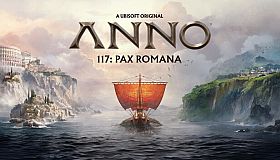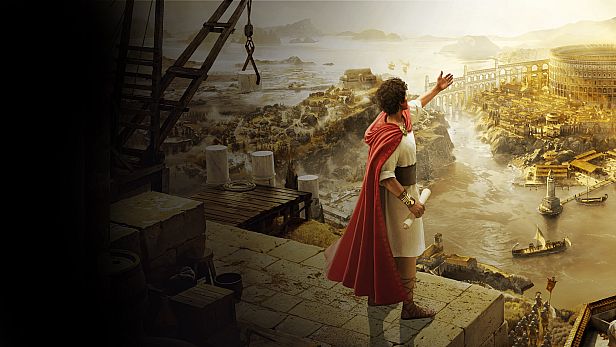






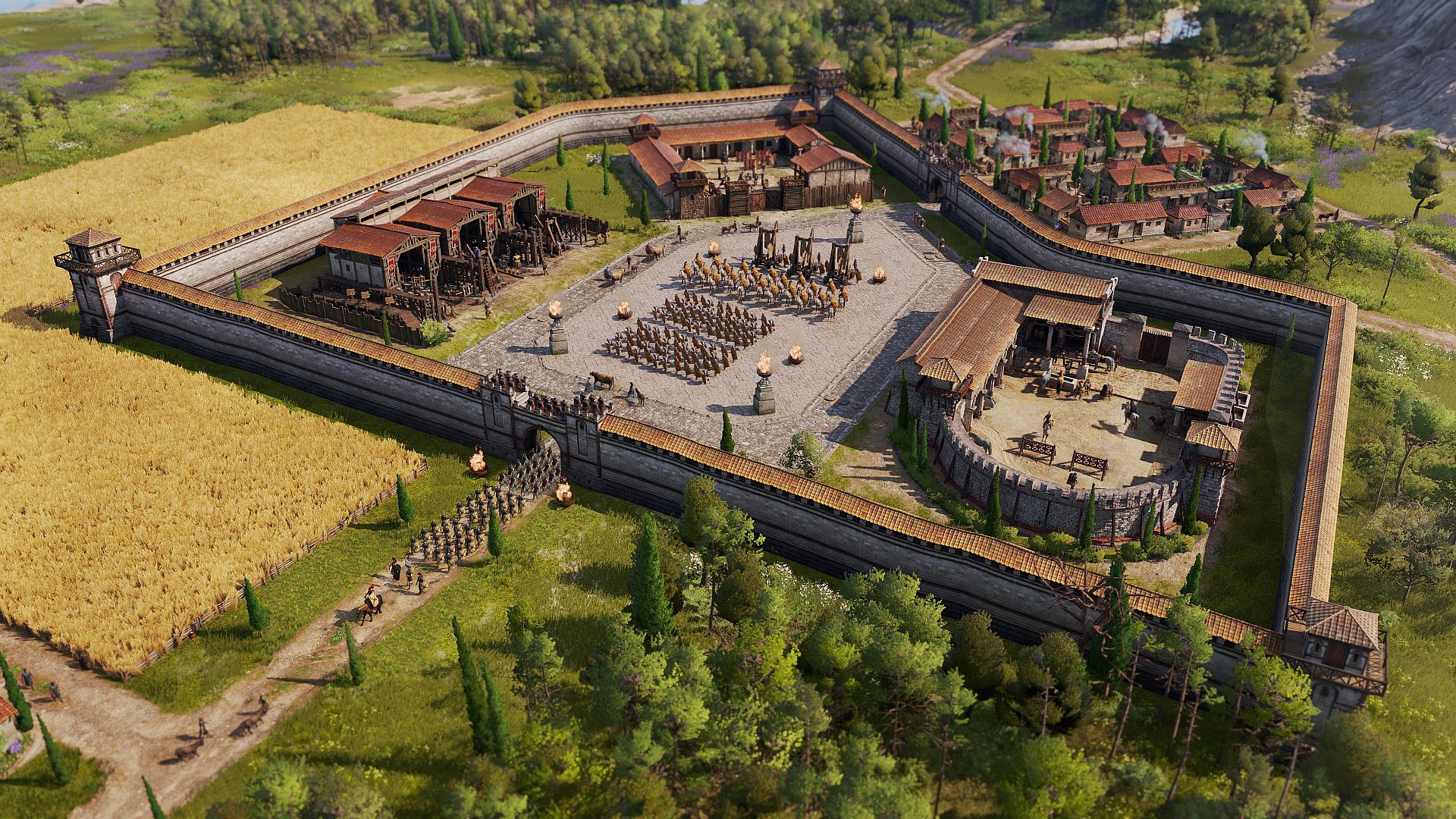
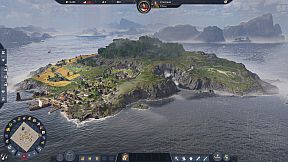
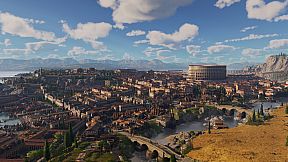
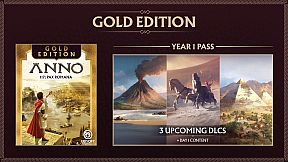
Anno 117: Pax Romana is a city-building simulation set during the height of the Roman Empire in 117 AD. Players assume the role of a governor tasked with developing provinces through careful planning of infrastructure, resource chains, and population management. The core loop centers on constructing settlements that meet citizen needs while expanding influence across distinct regions, all while balancing economic output against external pressures from rivals or the emperor.
Gameplay
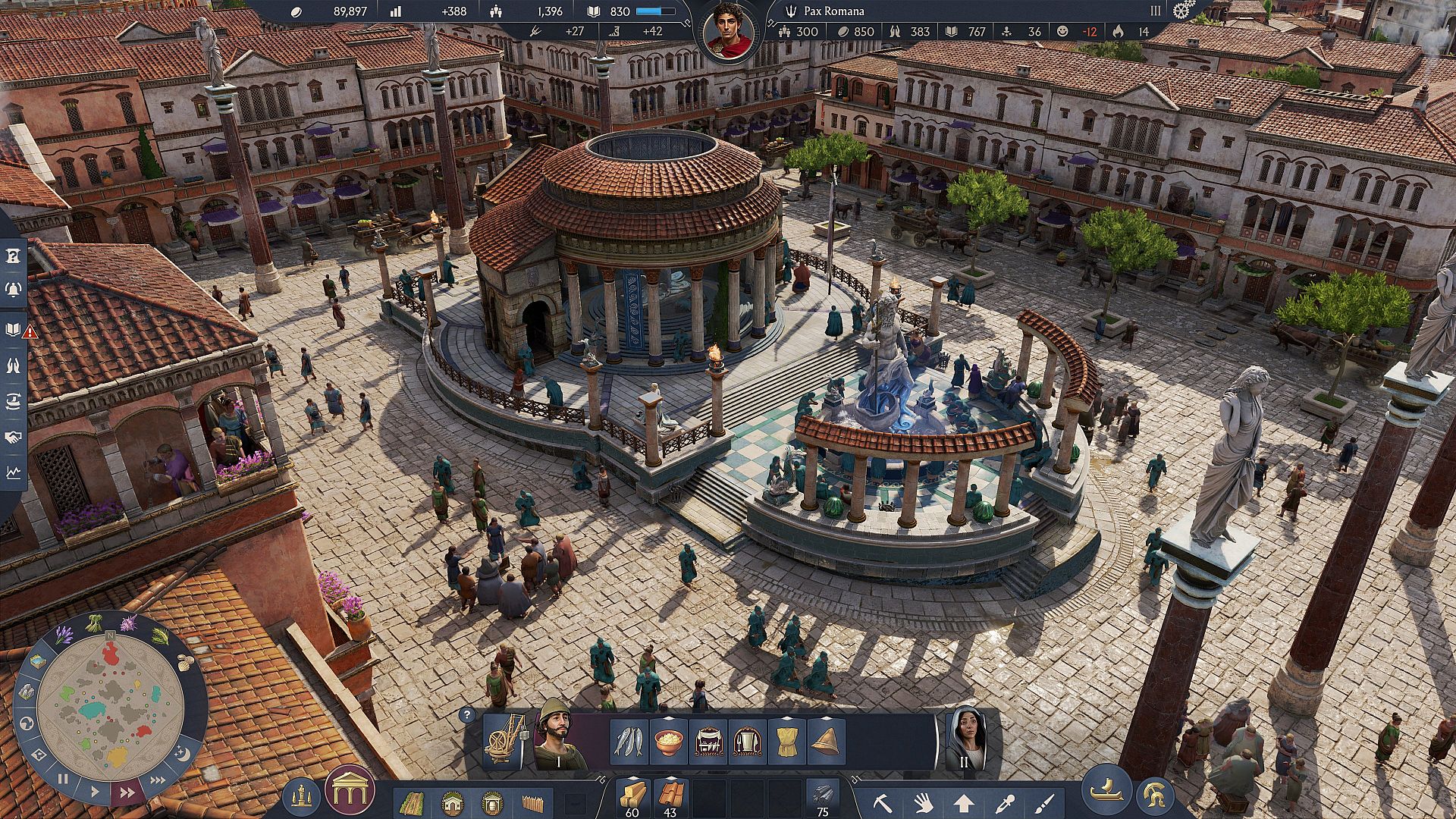
Construction begins with claiming land via trading posts and laying out roads that support efficient movement of goods and people. Buildings provide radius-based effects on nearby structures and residents, influencing factors such as health, fire risk, income, and belief. Population tiers advance when households satisfy categories of needs like food or clothing, with flexible options allowing multiple goods to fulfill the same requirement rather than mandating every item. This approach supports varied production strategies across maps.
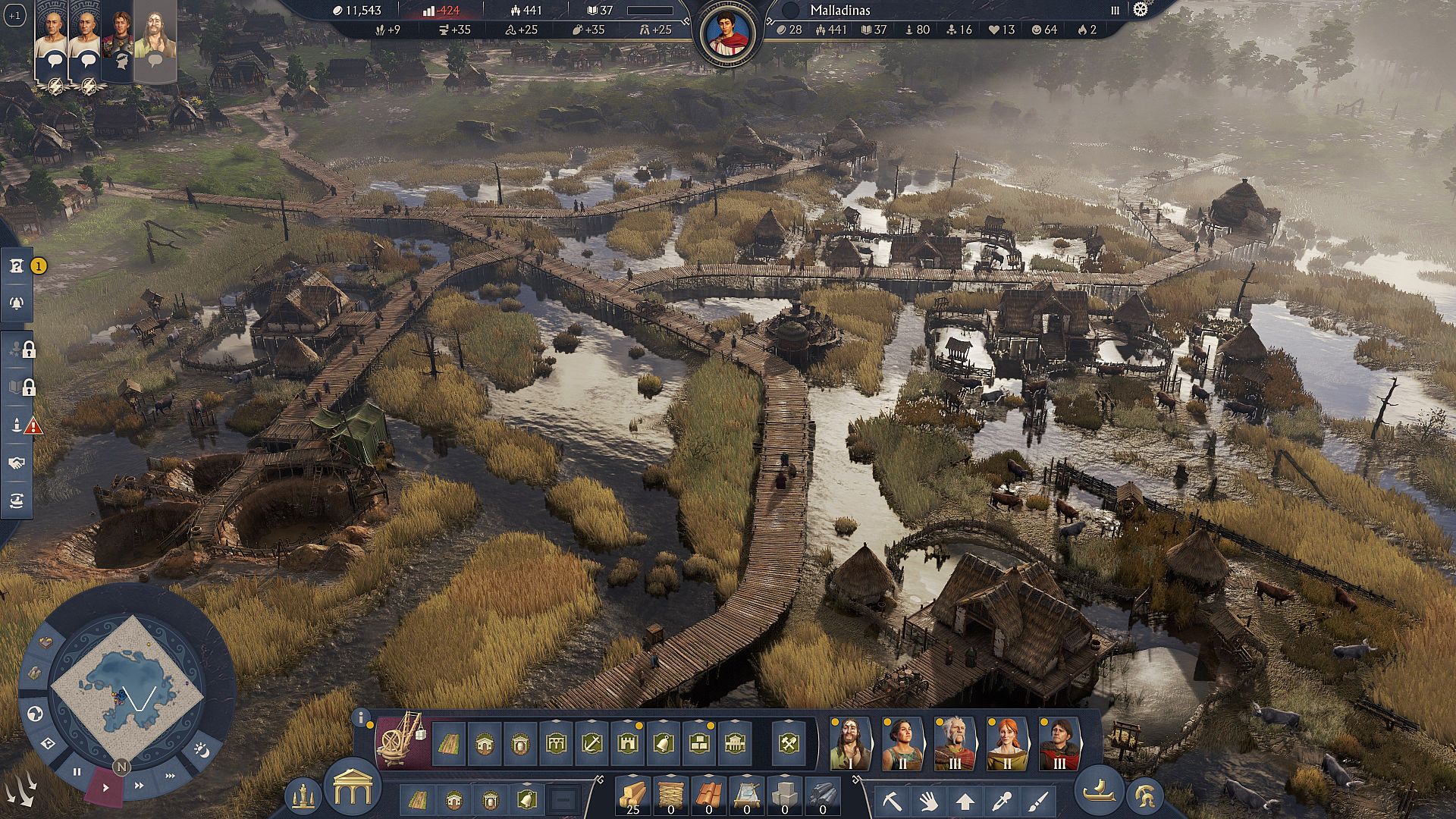
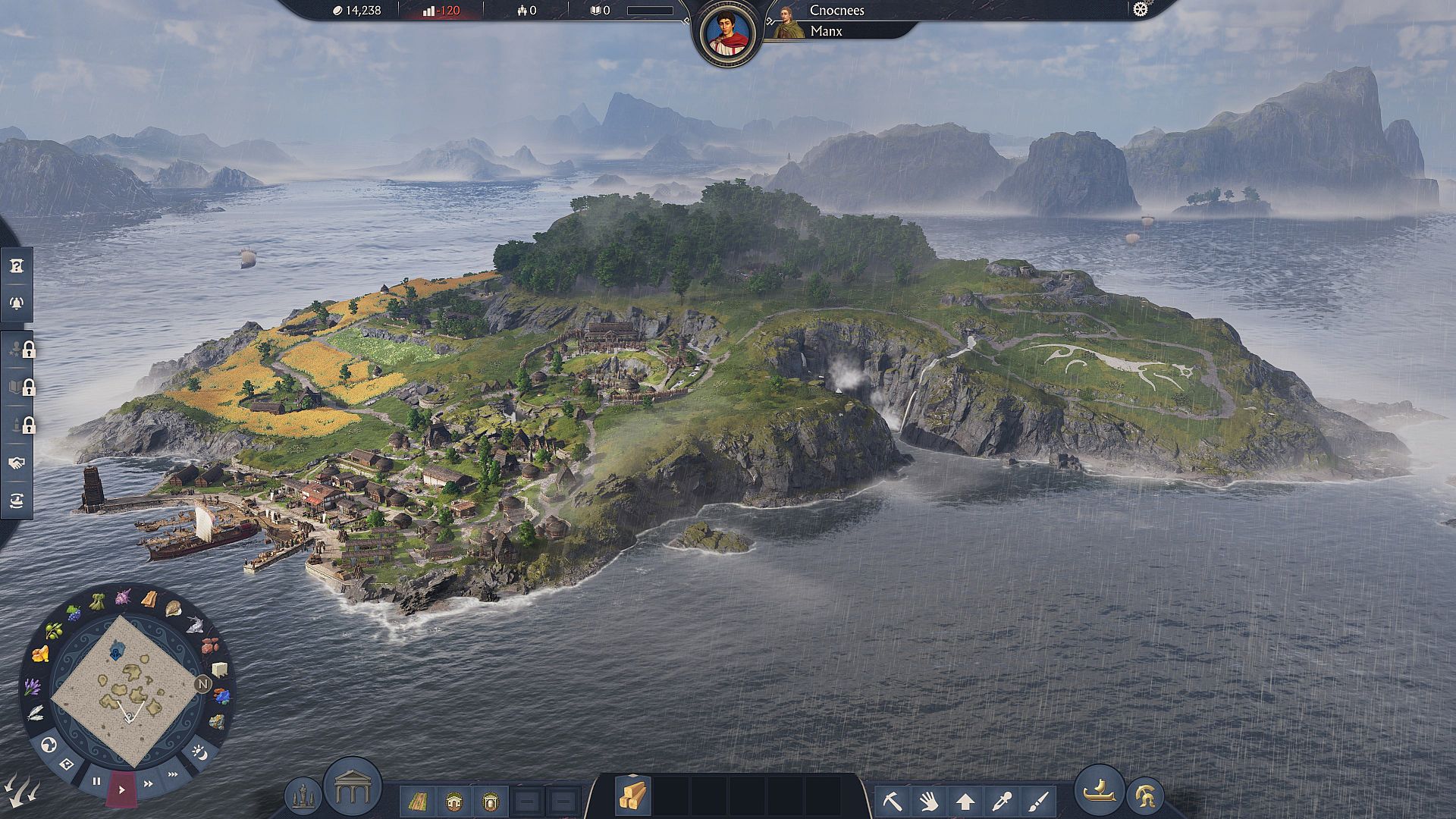
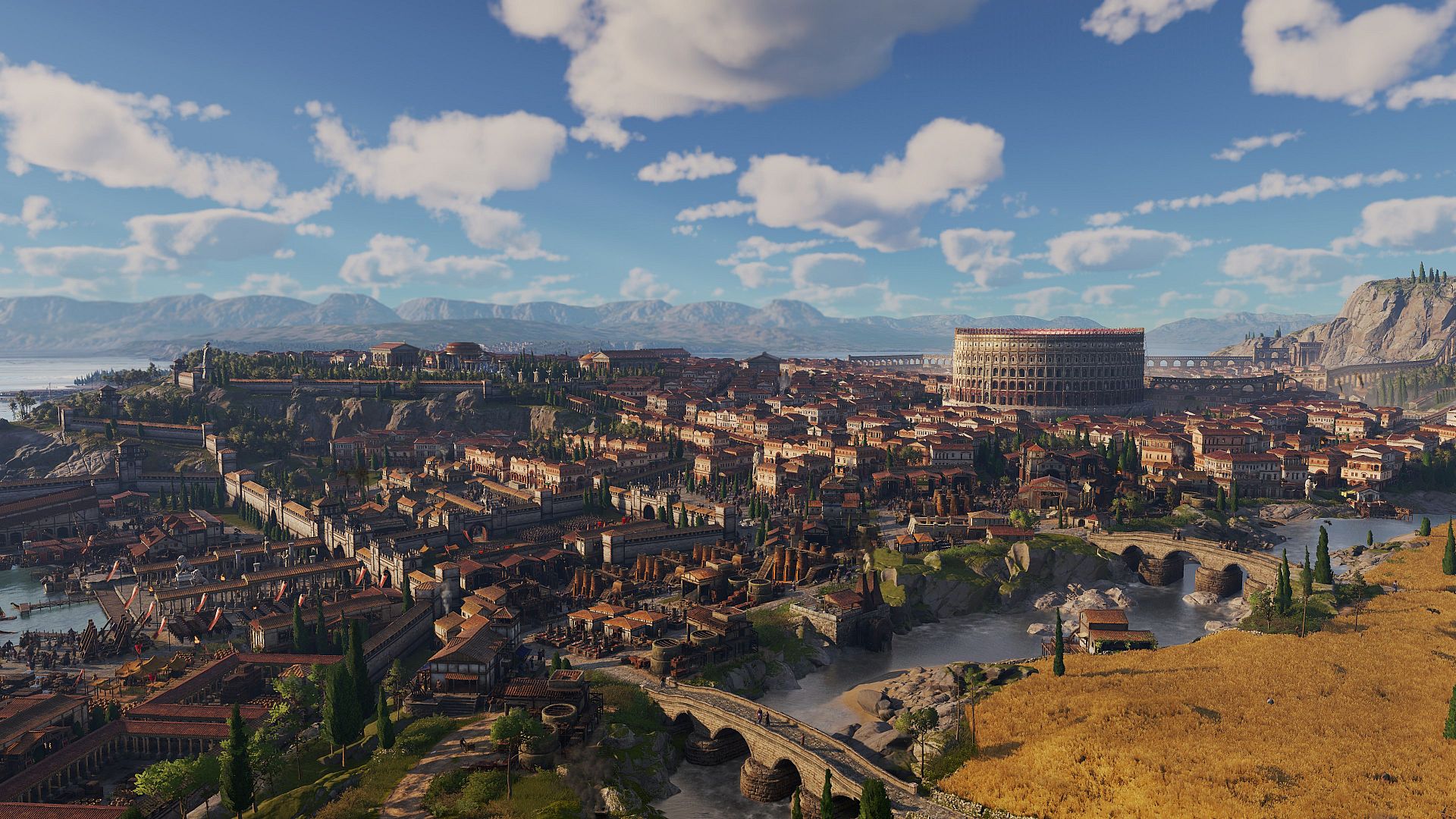
Two primary provinces shape early decisions. Latium offers familiar Roman resources and production chains focused on staples like grain and textiles. Albion presents Celtic wetlands with different goods and the option to preserve local traditions or adopt Roman customs, leading to divergent citizen requirements and visual styles. Trade routes ferry resources between these areas to optimize efficiency. A discovery tree unlocks upgrades for production, military units, and urban features through research points earned via knowledge and devotion systems.
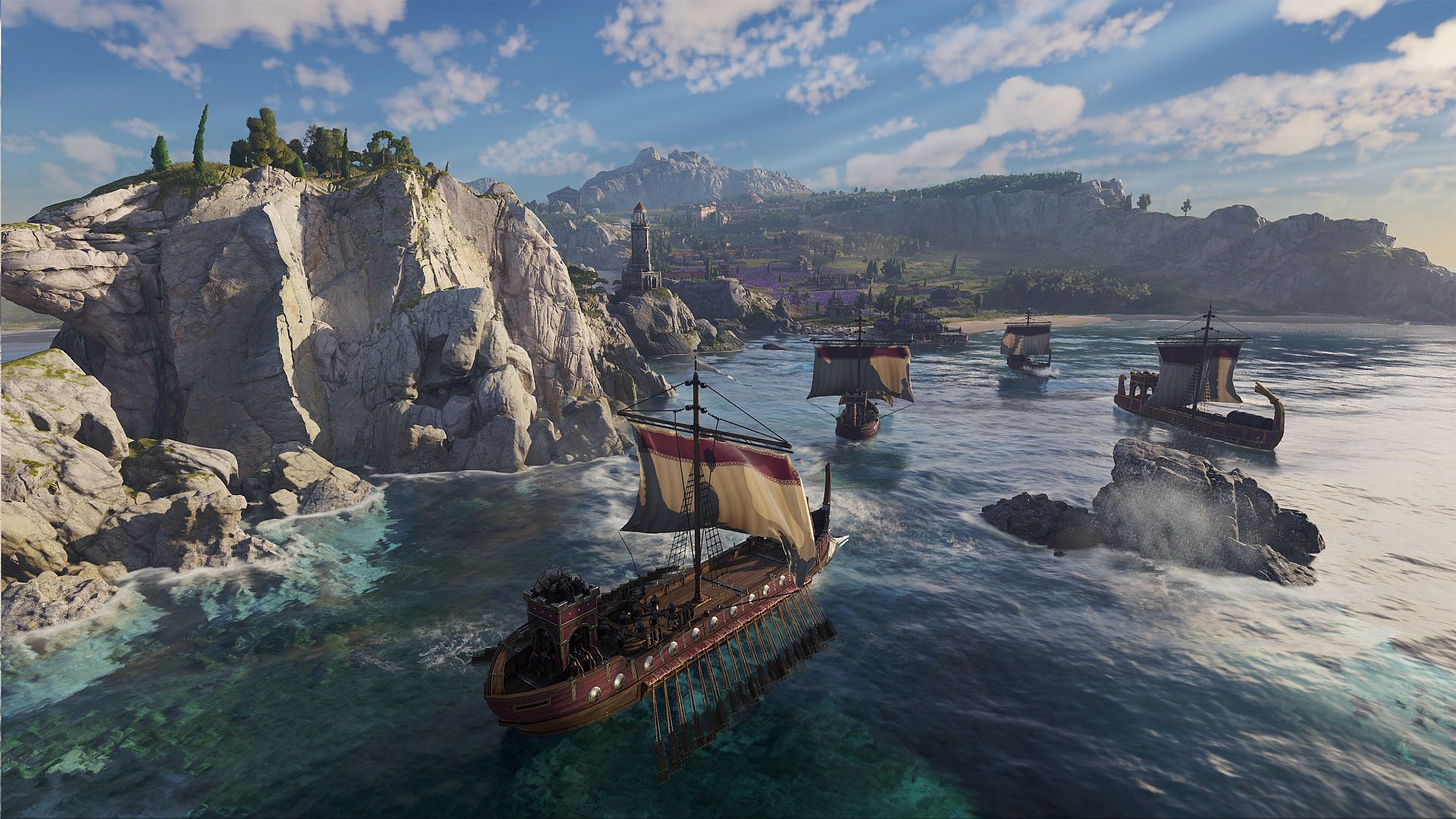
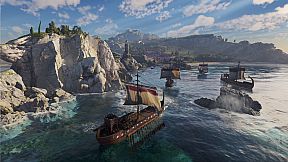
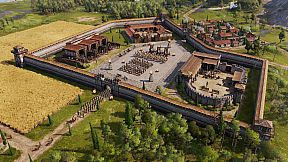
Religion adds another layer as players select deities for each settlement to generate belief that scales bonuses. Diplomacy allows alliances or negotiations to avoid conflict, while land and naval combat uses a rock-paper-scissors unit matchup system when diplomacy fails. Combat remains optional, with settings to reduce or remove rival aggression. Specialists provide targeted boosts to specific buildings or production lines once recruited.
Game Modes
The campaign follows one of two protagonists rebuilding a key settlement, presenting narrative choices that affect story branches and long-term empire direction. This mode supports cooperative play with up to three additional players sharing the same team and resources. Progress continues into open-ended play after the main narrative concludes.
Endless mode functions as a sandbox where players select starting provinces and difficulty parameters before expanding without imposed story limits. It accommodates cooperative sessions against AI opponents or competitive matches against other players in teams of up to four. Larger sessions scale to sixteen total participants through combinations of human and AI governors. Setup options allow mixing opponents, adjusting aggression levels, and assigning provinces per team for tailored sessions.
Provinces and Cultural Choices
Latium emphasizes structured Roman development with established supply lines and infrastructure bonuses. Albion introduces greater variability through cultural integration decisions that alter available goods, building aesthetics, and citizen preferences. Players can split populations across paths or commit to one approach, creating distinct economic profiles that reward experimentation with trade between regions. These differences extend to military and research opportunities tied to each province's unique attributes.
Is It Worth Playing?
Critical reception has been strong, with the game earning the highest aggregate scores in the Anno series to date across major review platforms. Reviewers highlight the refined city-building systems, quality-of-life improvements such as flexible building placement and planning tools, and the depth added by cultural mechanics in Albion. The campaign provides a structured entry point lasting around ten to twelve hours, while endless mode supports extended sessions through customizable challenges and multiplayer options.
Player feedback notes solid launch performance with peak concurrent numbers exceeding previous entries, though some Steam discussions mention concerns over certain asset creation methods. Ongoing support includes patches that added features like photo mode and new specialist types, plus expansions released through 2026. The experience suits players who enjoy methodical resource management, supply chain optimization, and strategic decision-making in a historical setting. Those seeking pure combat focus or highly narrative-driven stories may find the optional warfare and lighter story elements less central than the building and economy layers.