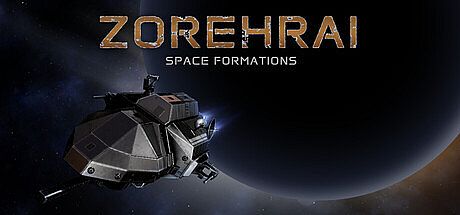


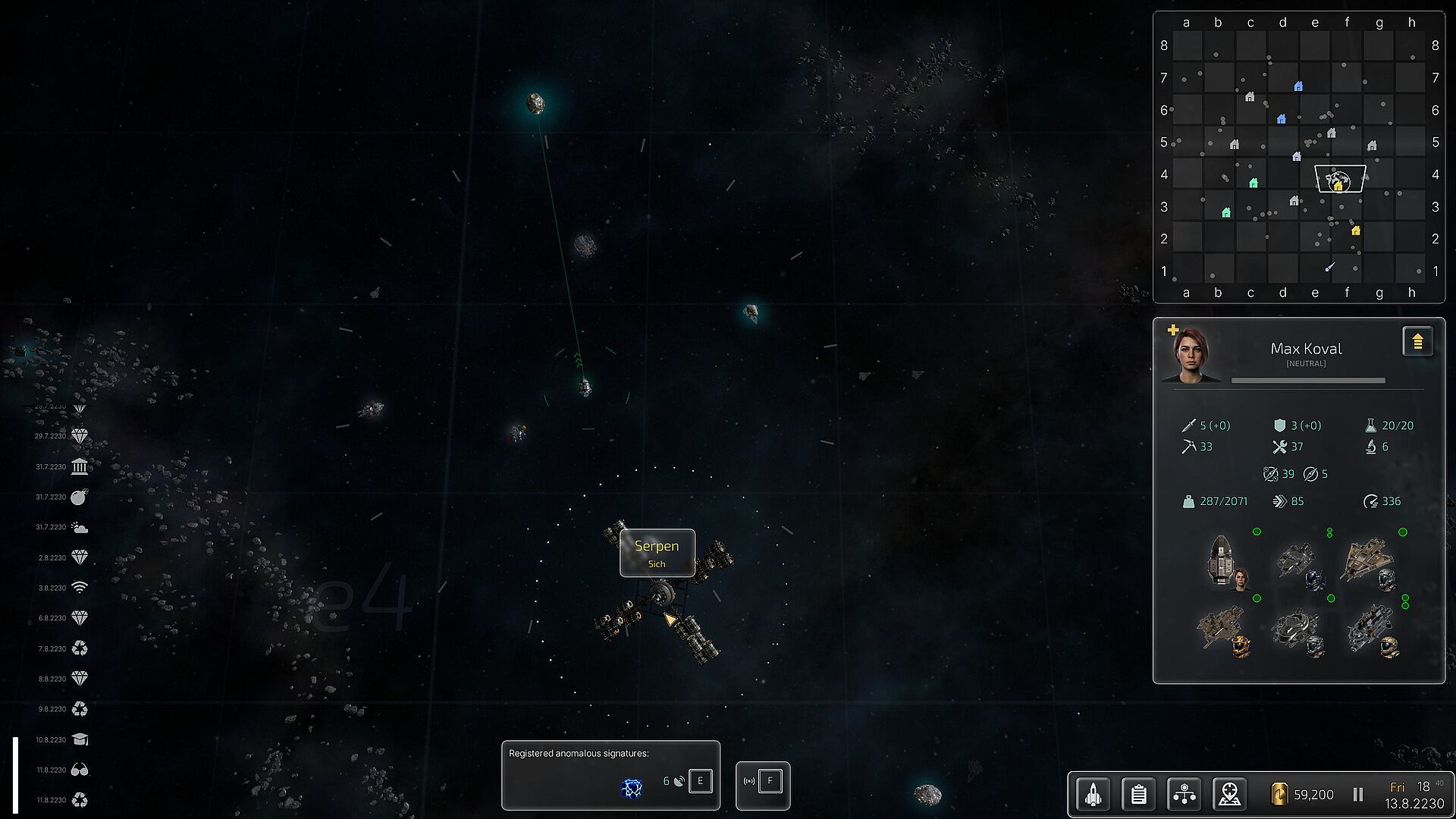
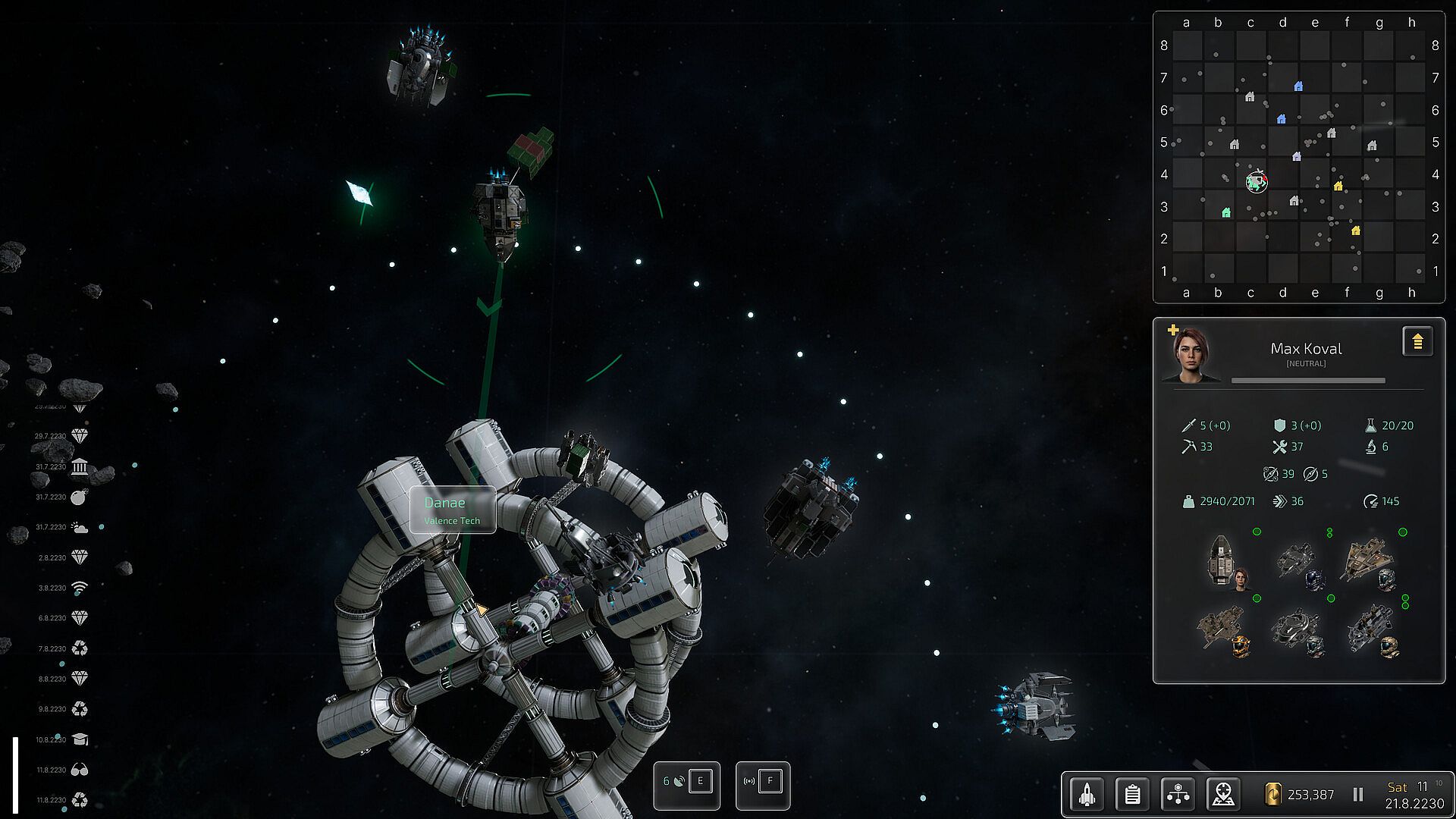
Zorehrai: Space Formations is a space simulation RPG that blends strategy, indie development, role-playing progression, and detailed simulation elements on PC. Players begin with one ship in a living universe that advances on its own timeline, then expand into fleet command, corporate influence, or station ownership while participating in humanity's long-term push to establish the first Node Station and expand across star systems.
Gameplay
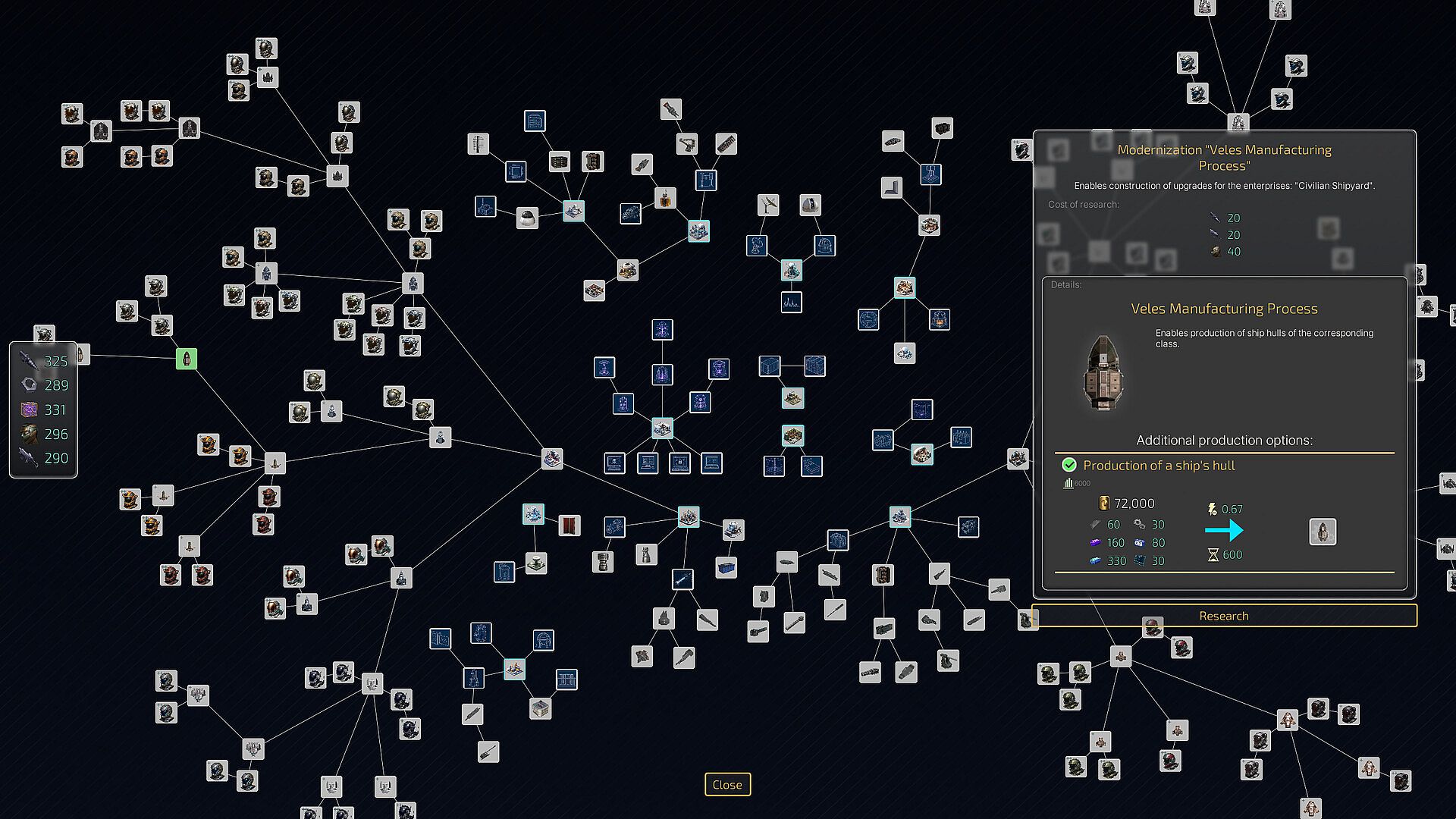
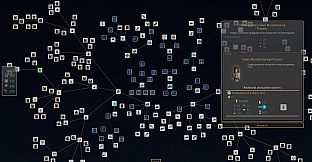
The core loop centers on managing a growing collection of vessels while the surrounding economy, politics, and threats evolve independently. Every ship, facility, and commodity exists within a single interconnected simulation where factories require raw materials, workers, and stable logistics to produce new assets. Actions such as disrupting supply routes or dominating scarce resources create ripple effects that persist even when the player steps away.
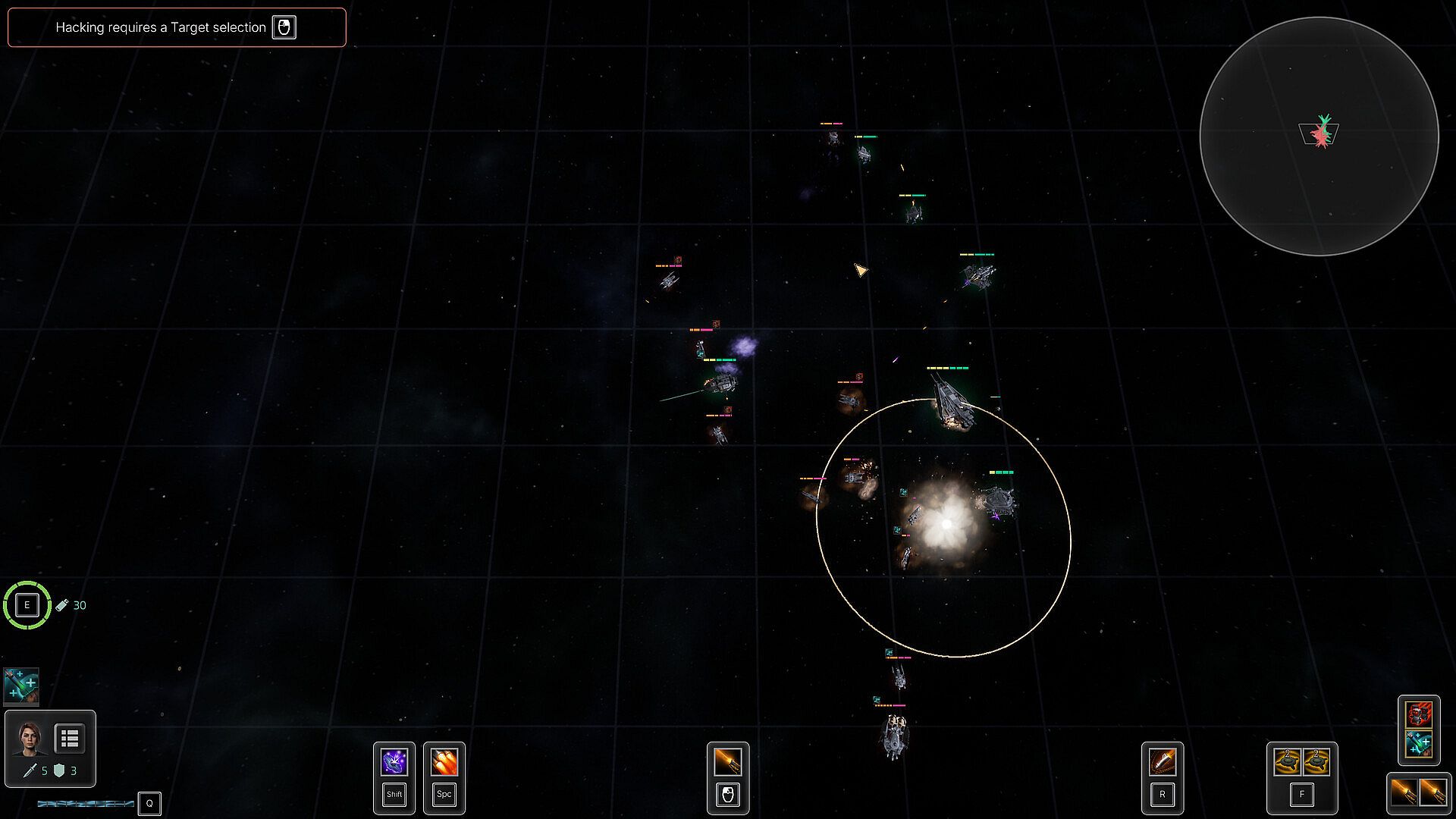
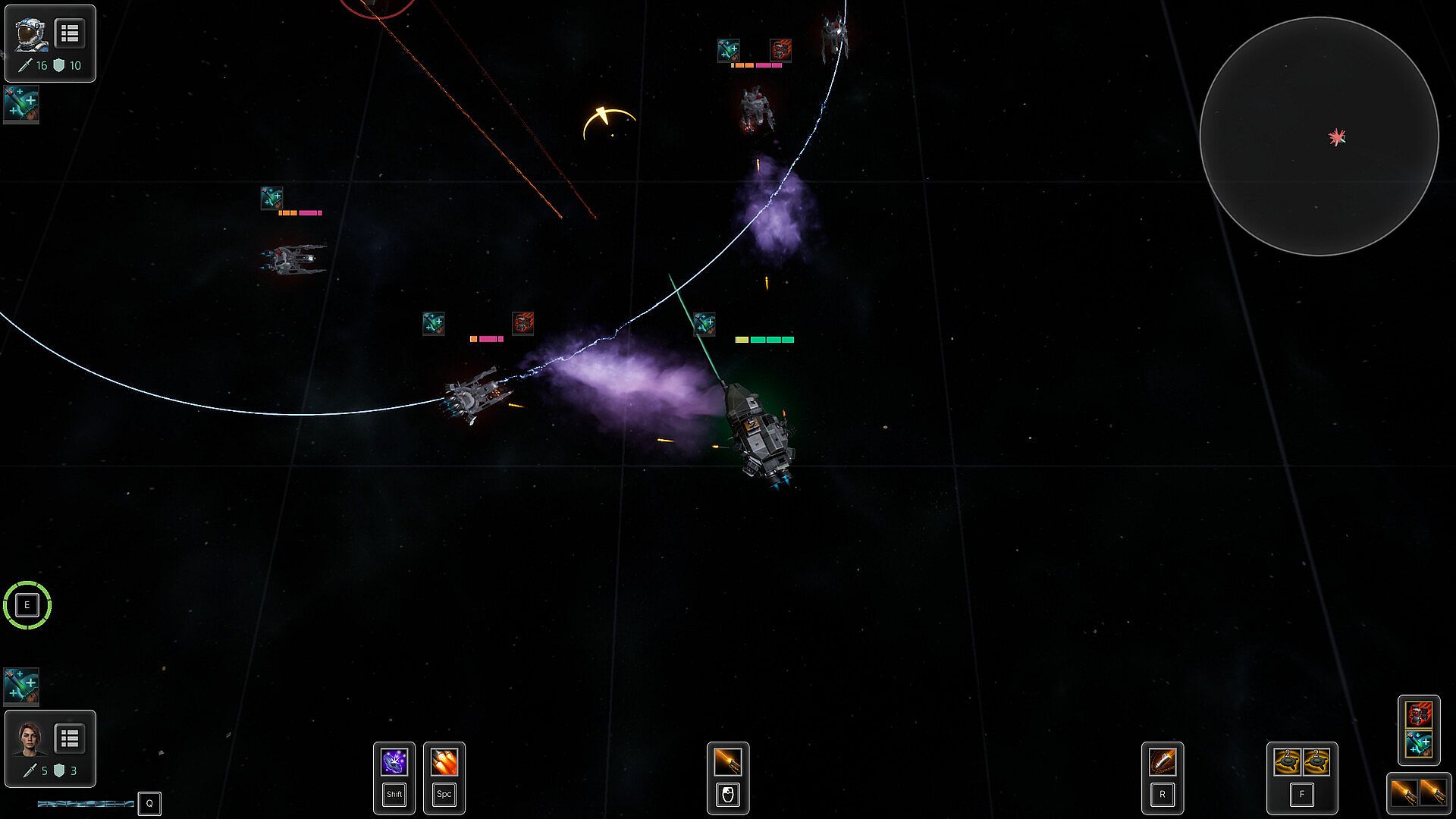
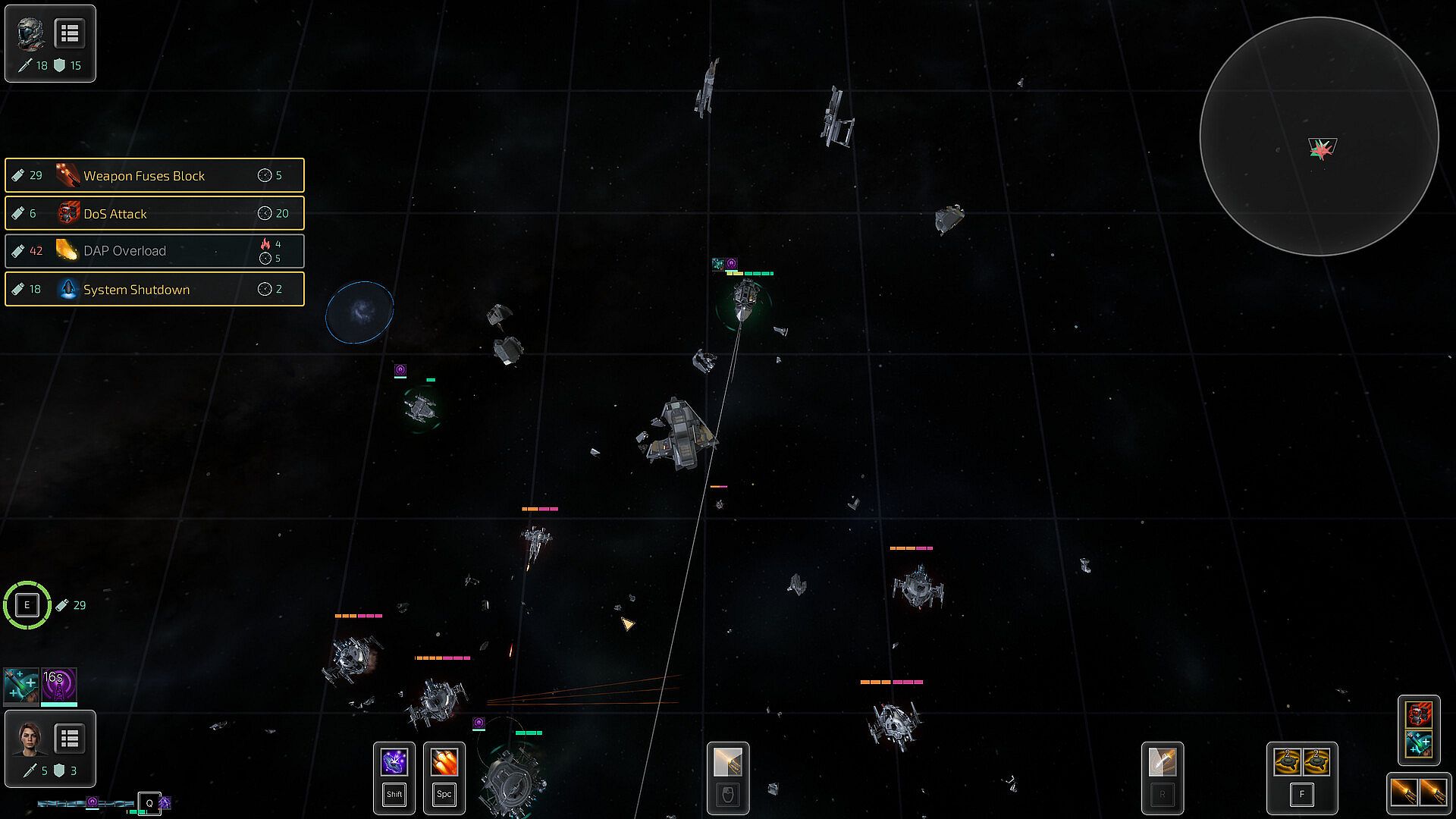
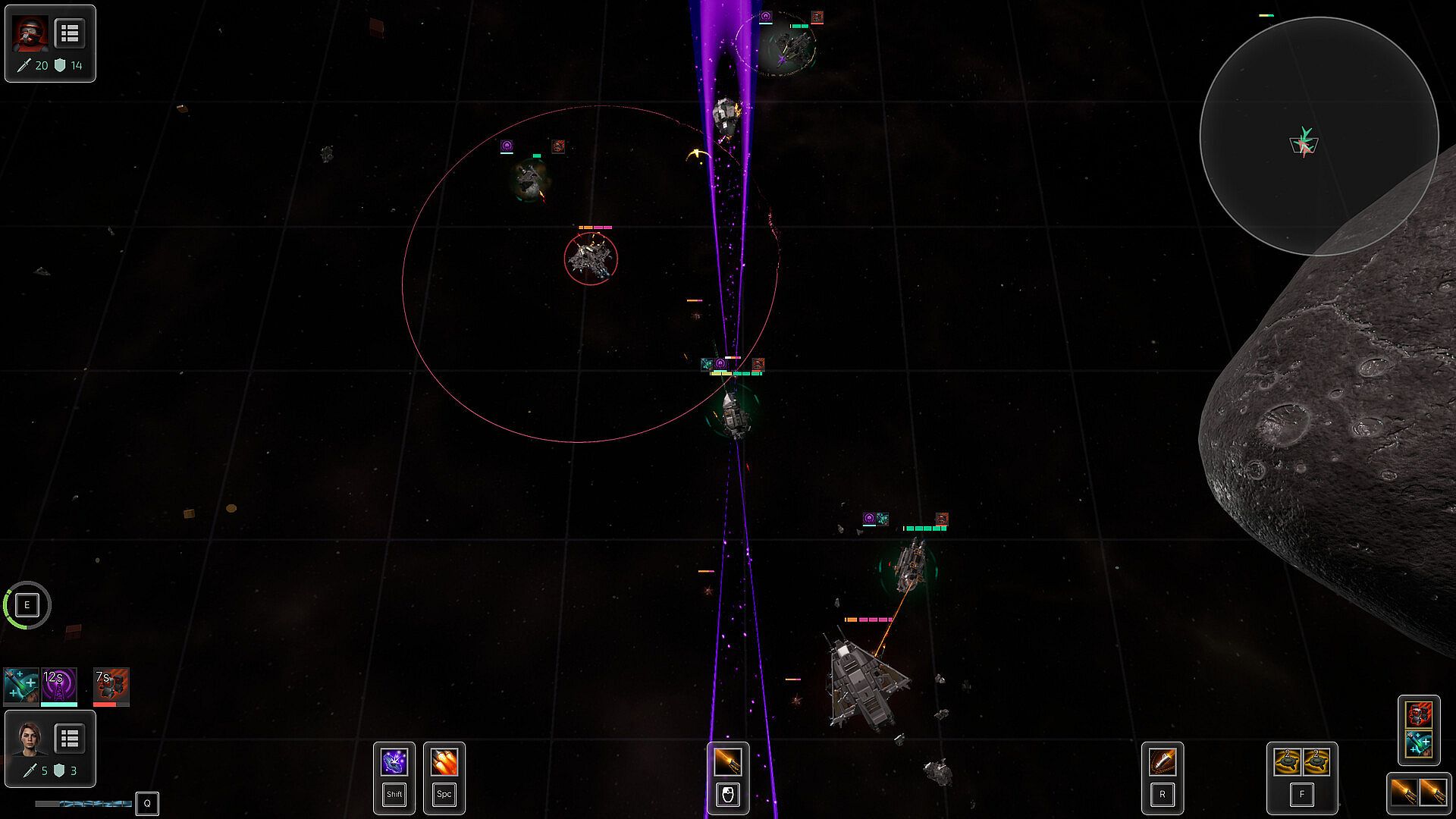
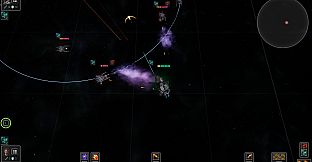
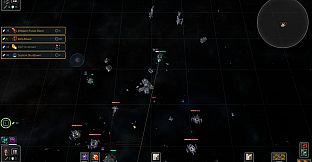
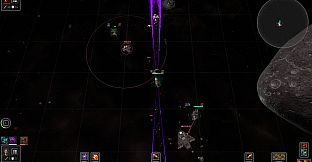
Real-time space combat demands direct piloting of the player's ship alongside fleet-wide tactical commands. Success depends on layering tools that include cannons, turrets, traps, torpedoes, drones, active defenses, maneuvering, hacking, electronic warfare, ramming, and special abilities called Archschemes. Enemies range from pirates to cultists and rogue artificial intelligences that appear in deeper space.
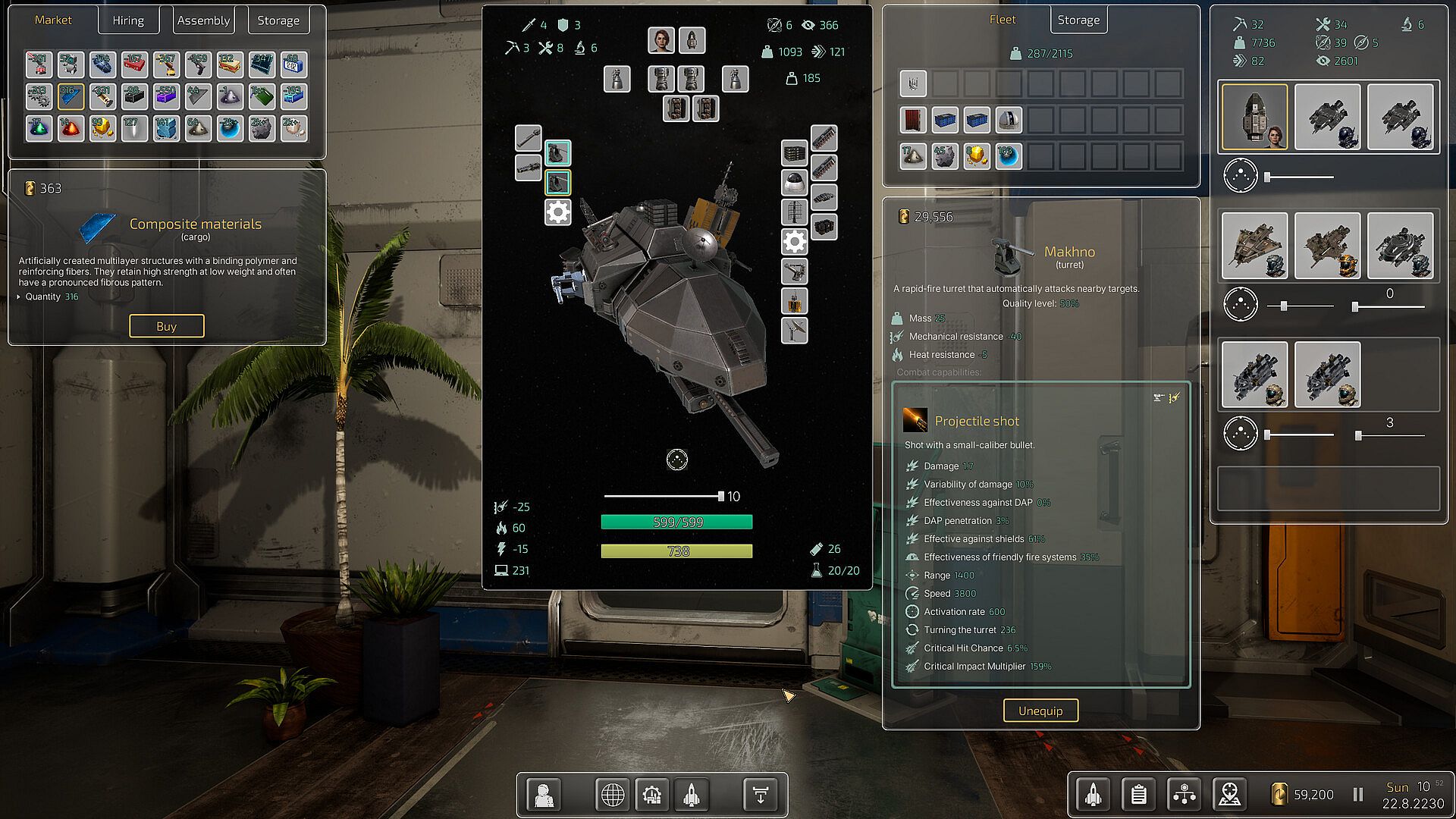
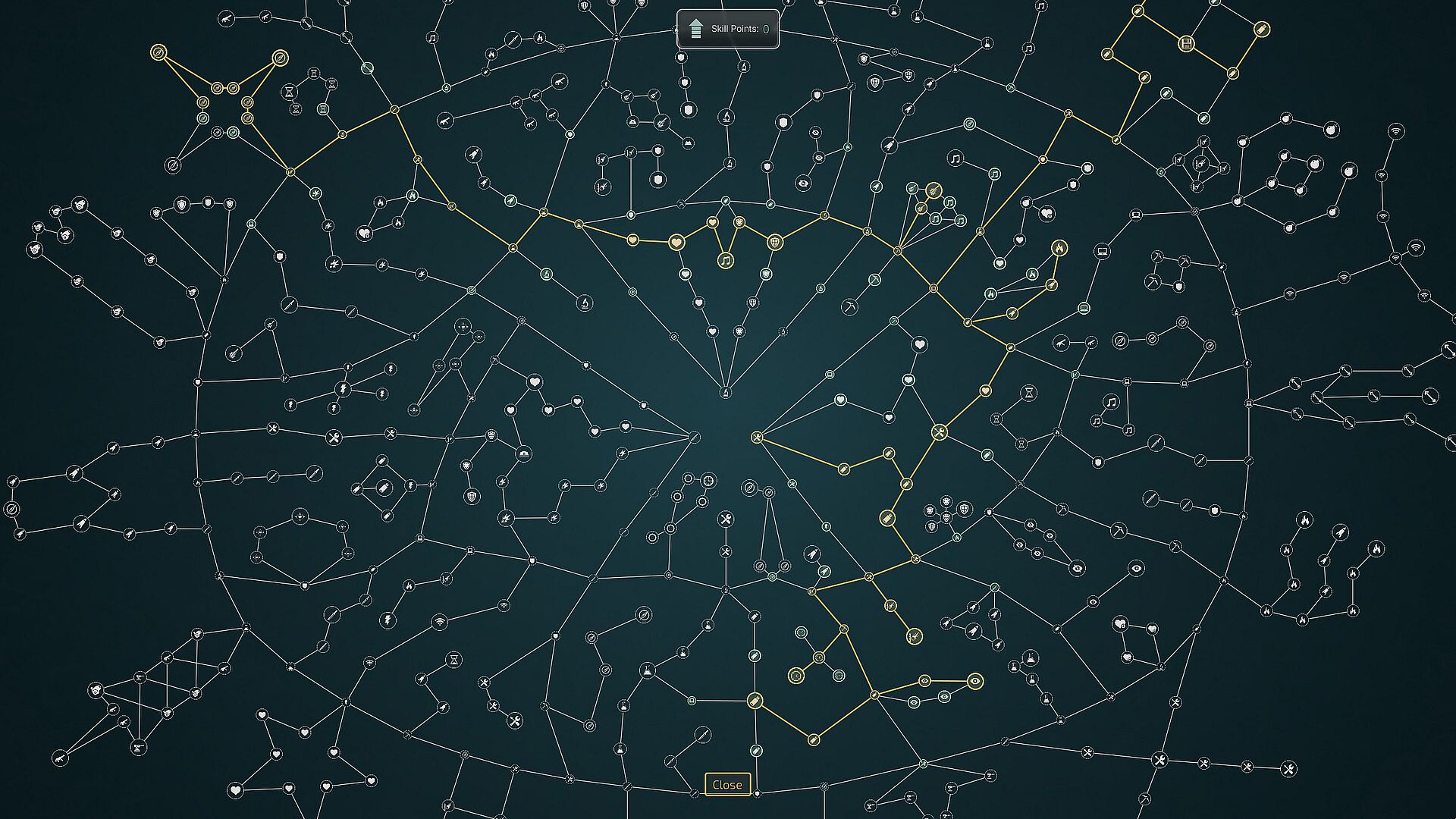
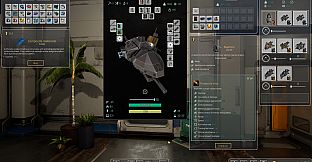
Progression starts with a single small vessel vulnerable to threats and scales to larger fleets that can be configured as slow, heavily armed formations or agile, low-profile groups. Crew recruitment draws from engineering, scientific, mining, trading, and combat specialists, each bringing distinct performance traits. Personal customization of the flagship further aligns handling and loadouts with preferred tactics.
Game Modes
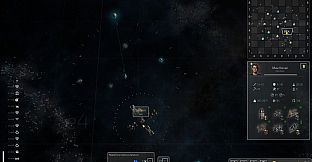
Exploration Mode accelerates time passage across star systems, allowing faster travel between mineral deposits, anomalies, comets, stations, and contract opportunities. Active Pause provides on-demand stops for planning without halting the broader simulation. Discoveries yield technologies, wealth, and influence, though unlawful routes carry risks such as bounties that complicate future operations.
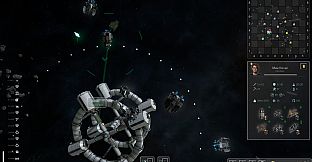
Space combat operates in real time with the player piloting while issuing orders to accompanying ships. Fleet operations integrate with this system, letting players shift between commanding large visible armadas and smaller stealth-oriented groups. Construction and station management tie into the same persistent world, where building infrastructure supports long-term goals like completing successive Node Stations in new star systems.
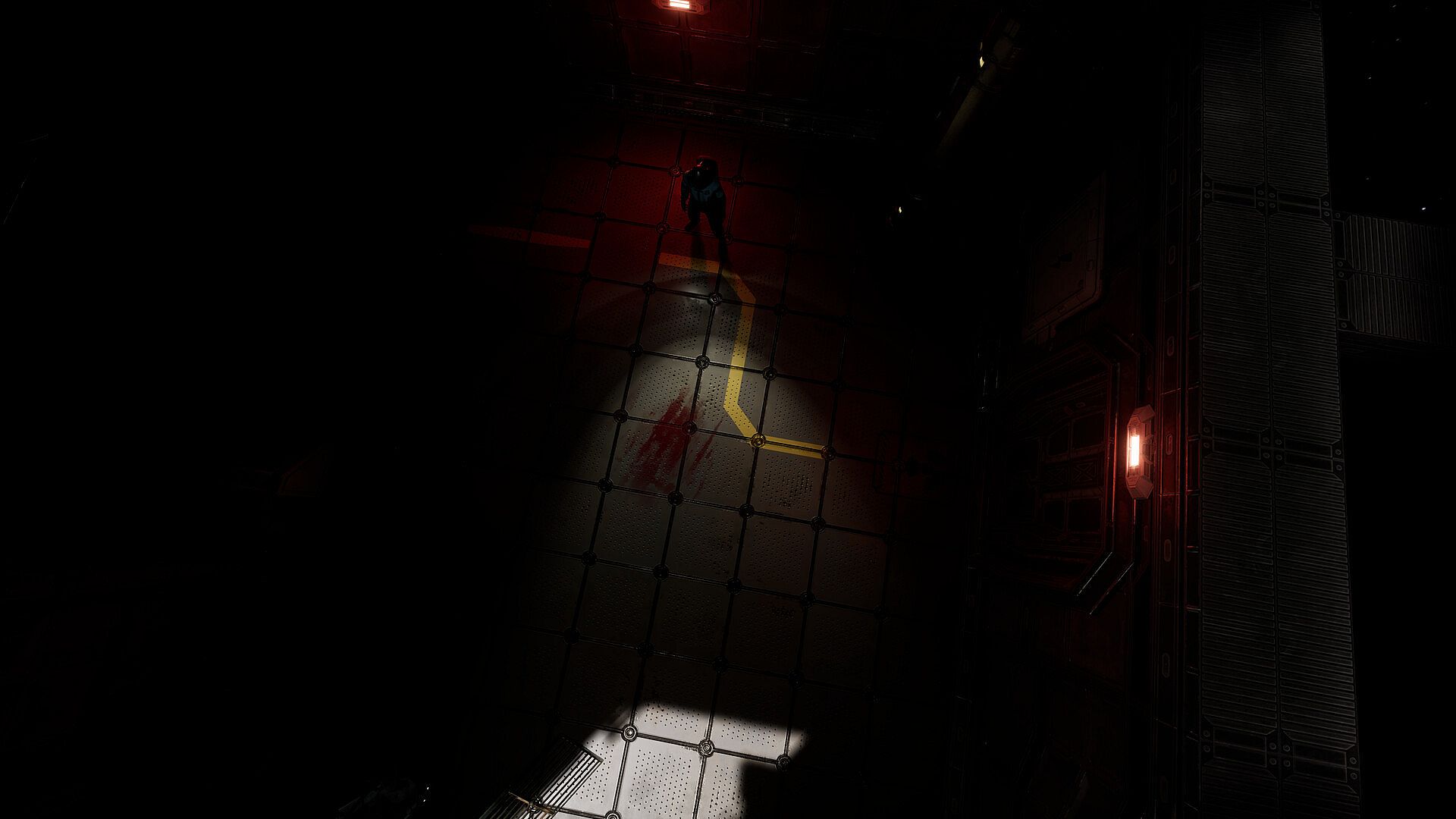
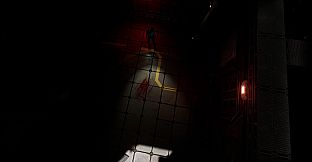
Spacewalks introduce direct personal involvement outside the ship. These sequences require entering derelict stations or vessels in a spacesuit, where hazards and potential surprises demand caution and quick decisions.
World and Simulation Systems
The setting spans twelve space stations housing hundreds of thousands of inhabitants, hundreds of facilities, and thousands of ships organized into fleets. Major corporations collaborate on the Node Station project yet compete aggressively, with some already controlling entire stations. The simulation tracks production chains, political climates, and crises so that sabotage or market manipulation produces lasting consequences.
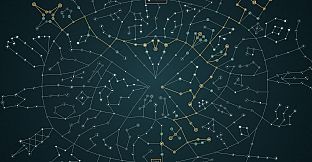
Star system progression follows completion of each Node Station, shifting focus to asteroid belts and new exploration zones. Expeditions to distant exoplanets become available for those willing to take greater risks, restarting the construction cycle in fresh territory.
Is It Worth Playing?
The game remains in pre-release development with a playtest scheduled to begin in November 2026. Interested participants can request access to contribute feedback and help refine mechanics before the 2027 launch. Its combination of persistent simulation, real-time fleet combat, and long-term progression suits players who enjoy strategic depth, economic maneuvering, and gradual empire building within a single evolving universe. Those seeking immediate action or polished multiplayer features may prefer to wait for further updates once testing concludes.