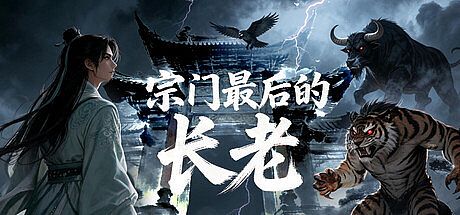



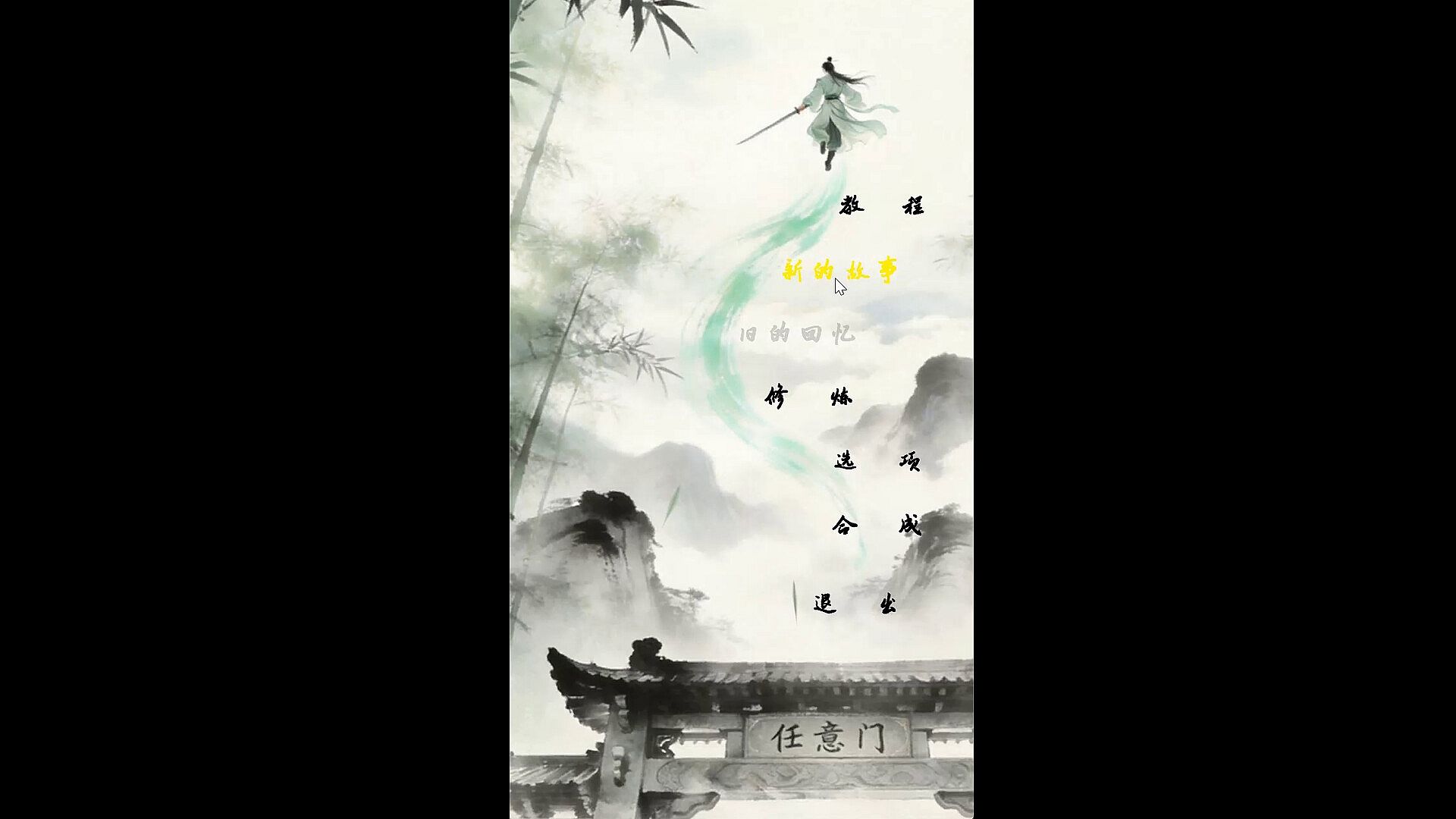
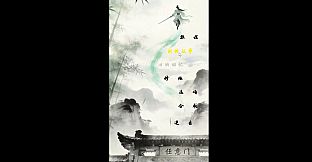
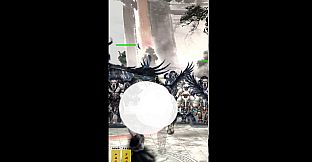
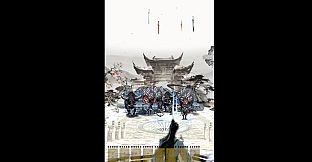
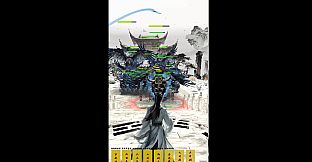
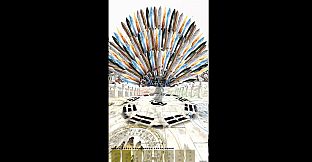
The Last Elder of the Sect is a single-player indie strategy RPG that combines cultivation themes with roguelike inventory management and 3D tower defense hack-and-slash combat on PC. Players take the role of a sect disciple defending a floating celestial island against ancient beasts drawn from the Classic of Mountains and Seas.
Gameplay
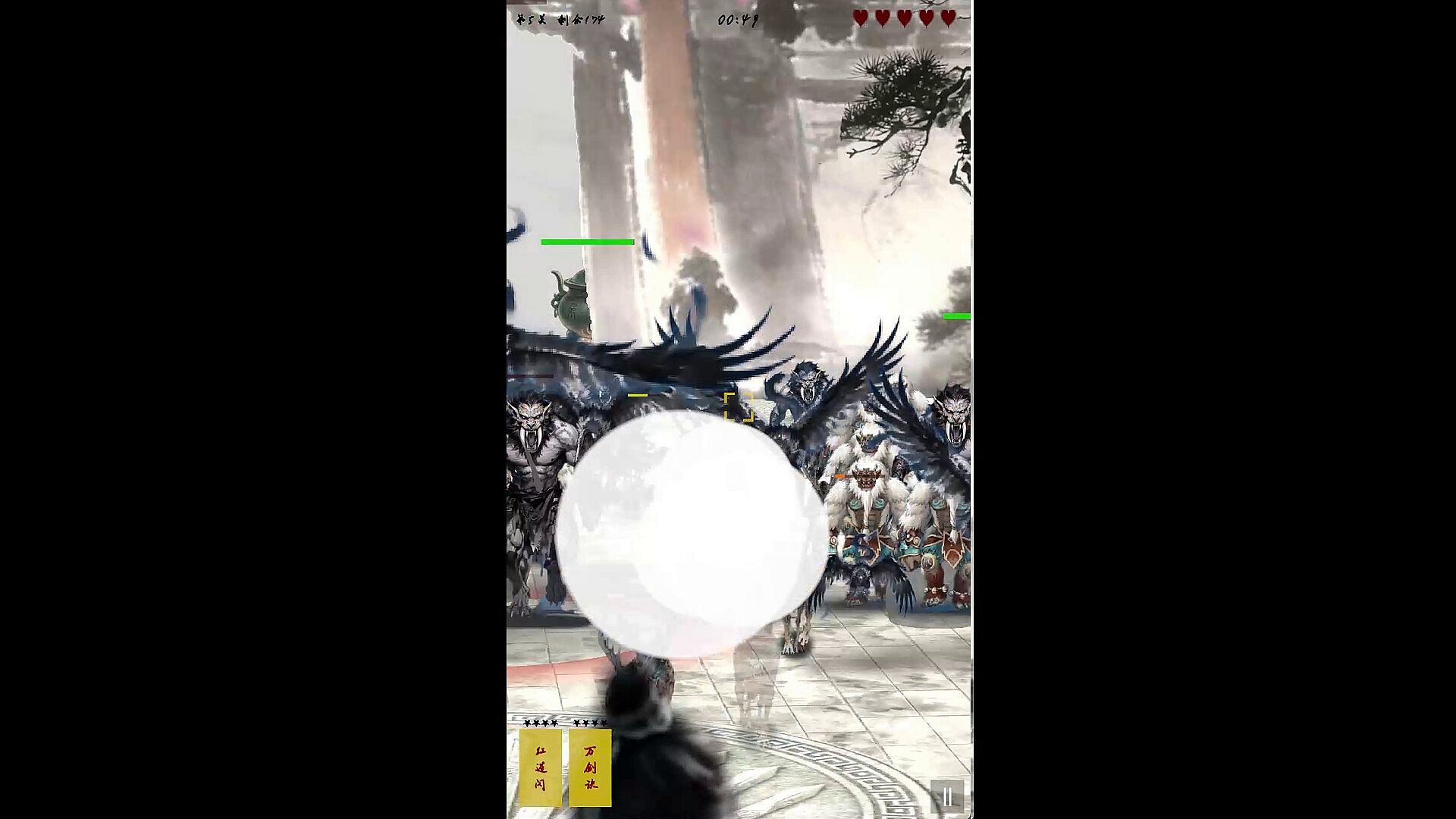
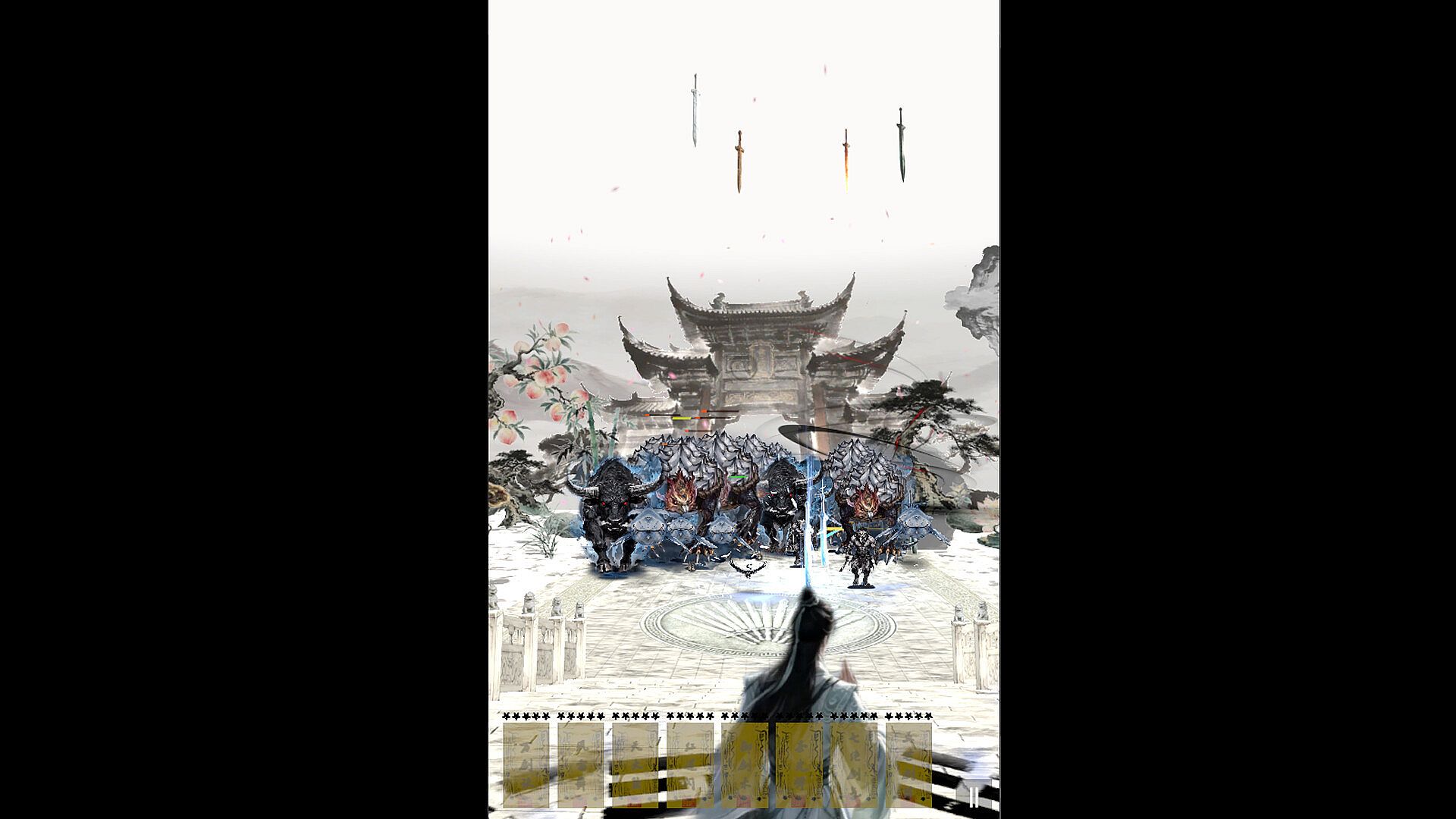
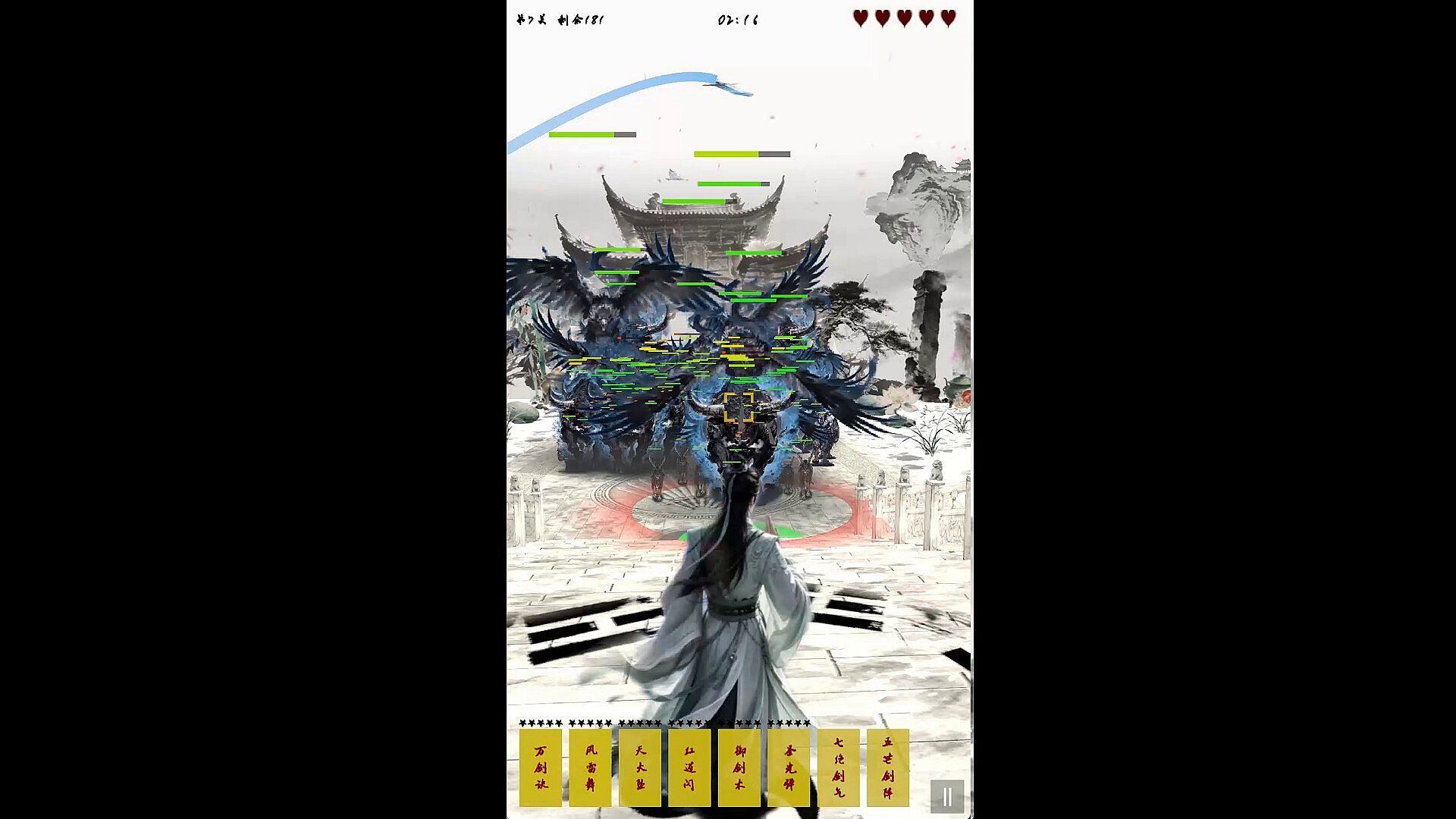
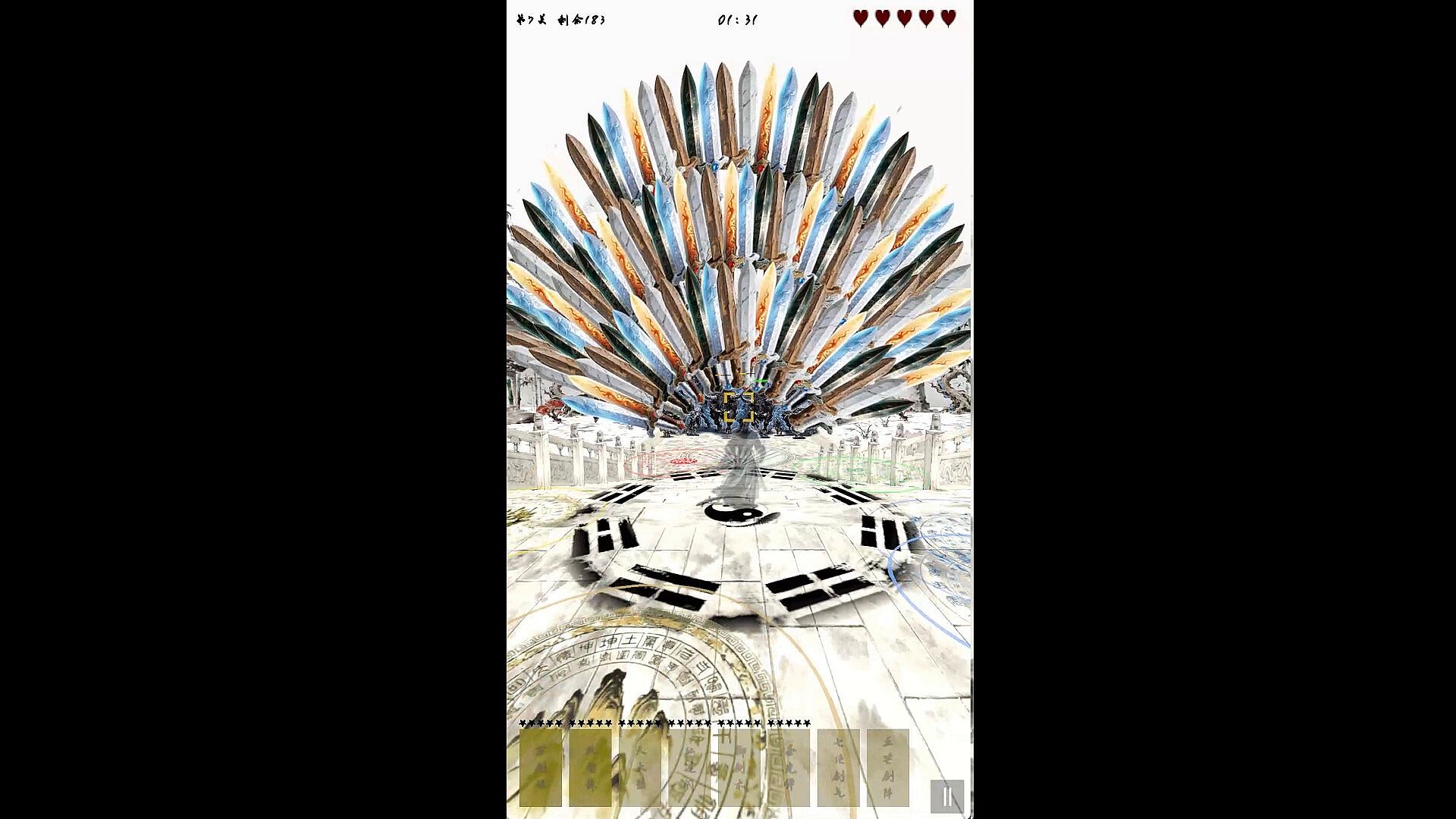
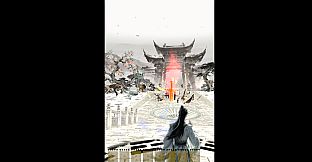
Combat unfolds from a fixed central position on the island. Players aim with the mouse and hold the left button to launch rotating flying swords, each carrying elemental attributes and cooldowns. Camera rotation and skill activation via keys 1 through 8 allow control over the battlefield without character movement. Five weapon affixes such as area damage, slow, burn, exterminate, and single target further shape each sword's role in the fight.
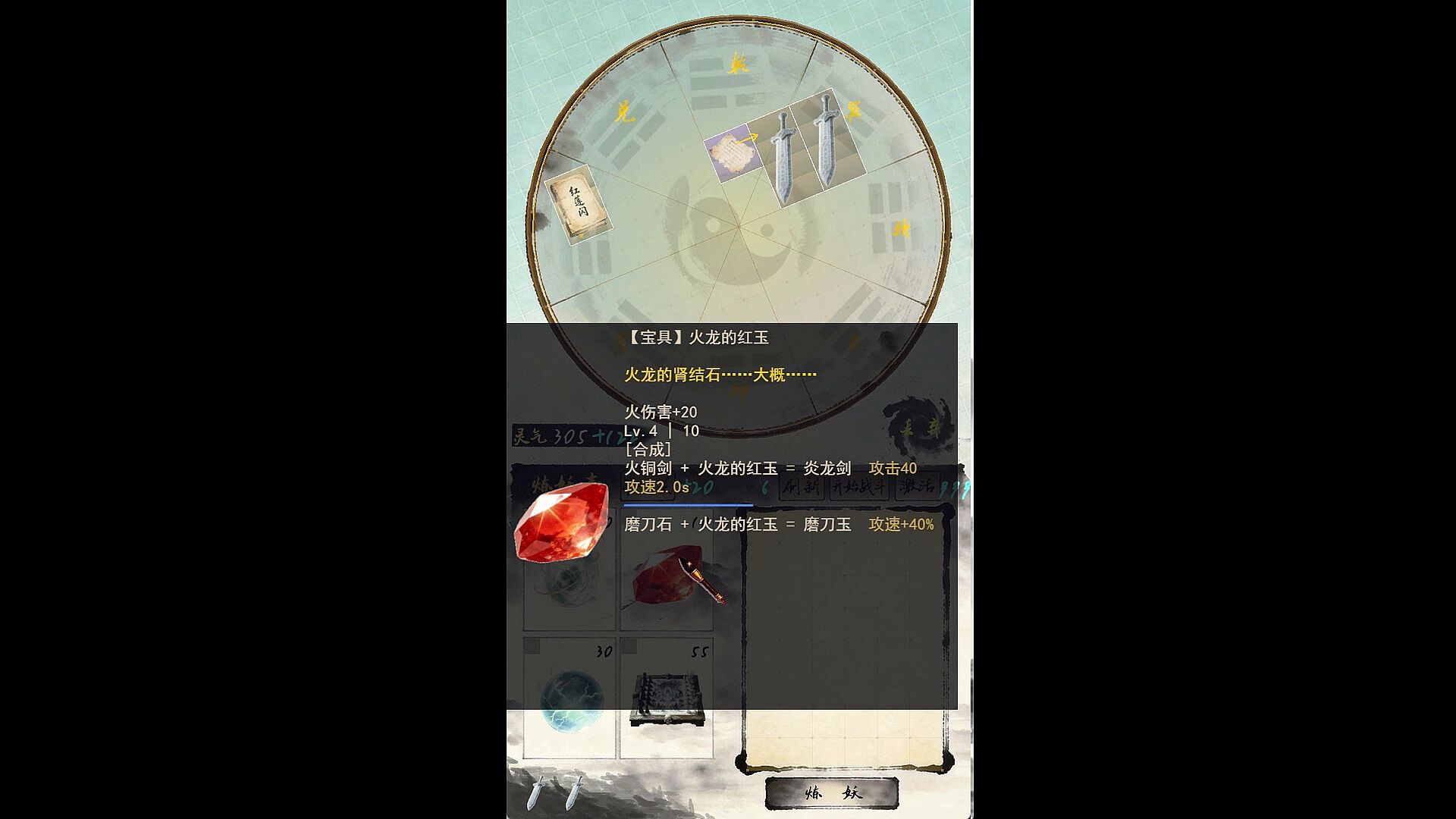
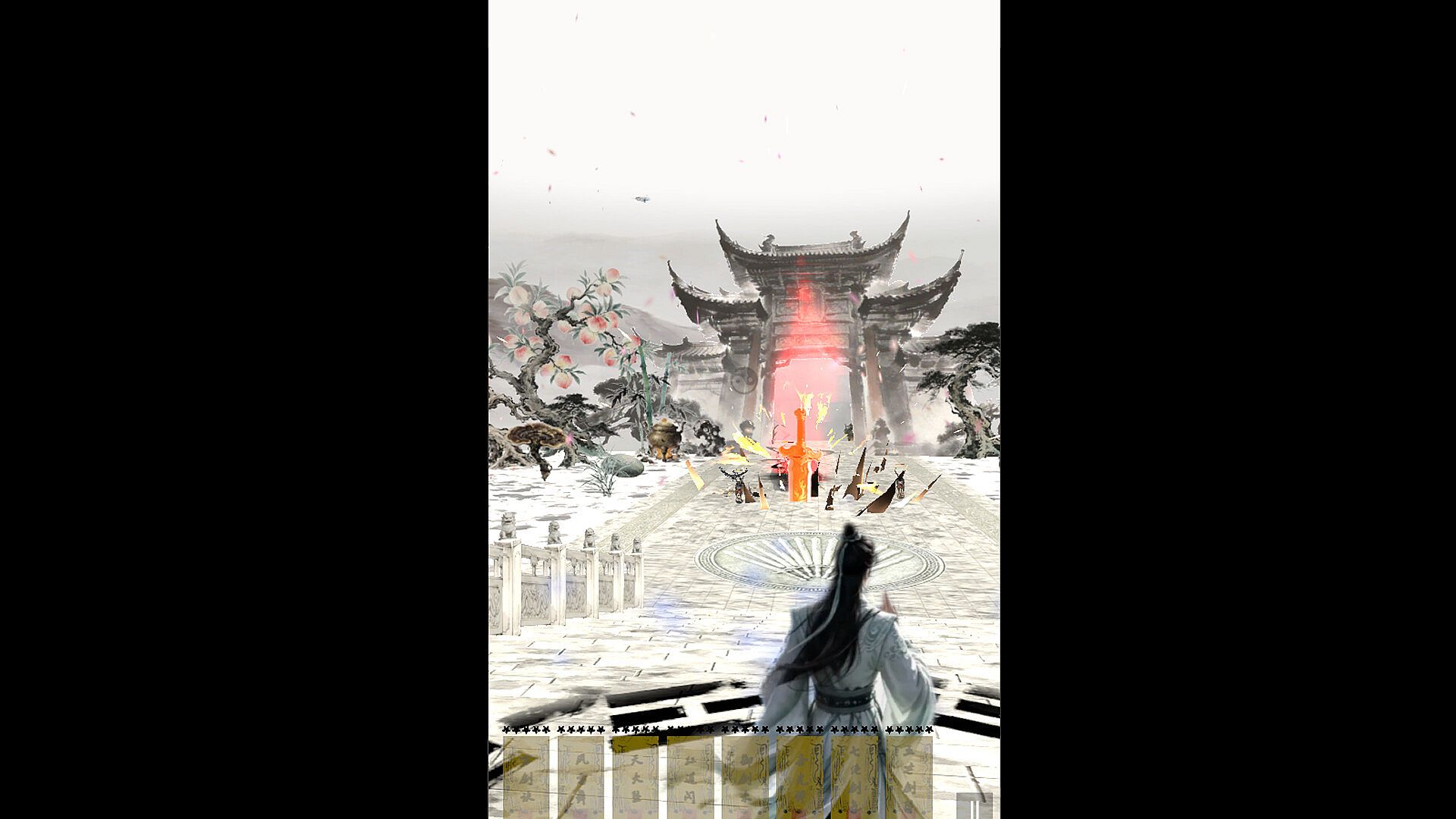
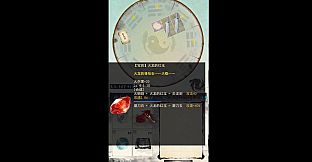
Preparation occurs on the Bagua Mirror, an eight-sector grid where weapons, treasures, and techniques are placed. Adjacent items create synergy links, while matching a weapon's element to its sector grants a 30 percent attack bonus. Unlocking sectors with spirit stones expands placement options across the full circle of Qian, Dui, Li, Zhen, Kun, Gen, Kan, and Xun. Sixty-two artifacts support experimentation with combinations that balance raw damage, crowd control, or elemental coverage against specific threats.
Permanent progression comes through a cultivation system. Qi Refining raises starting spirit stones, Foundation Building improves attack percentage, Core Formation adds interest on stored stones, and Nascent Soul provides extra skill charges. These upgrades persist across runs, allowing steady growth even after defeats.
Game Modes
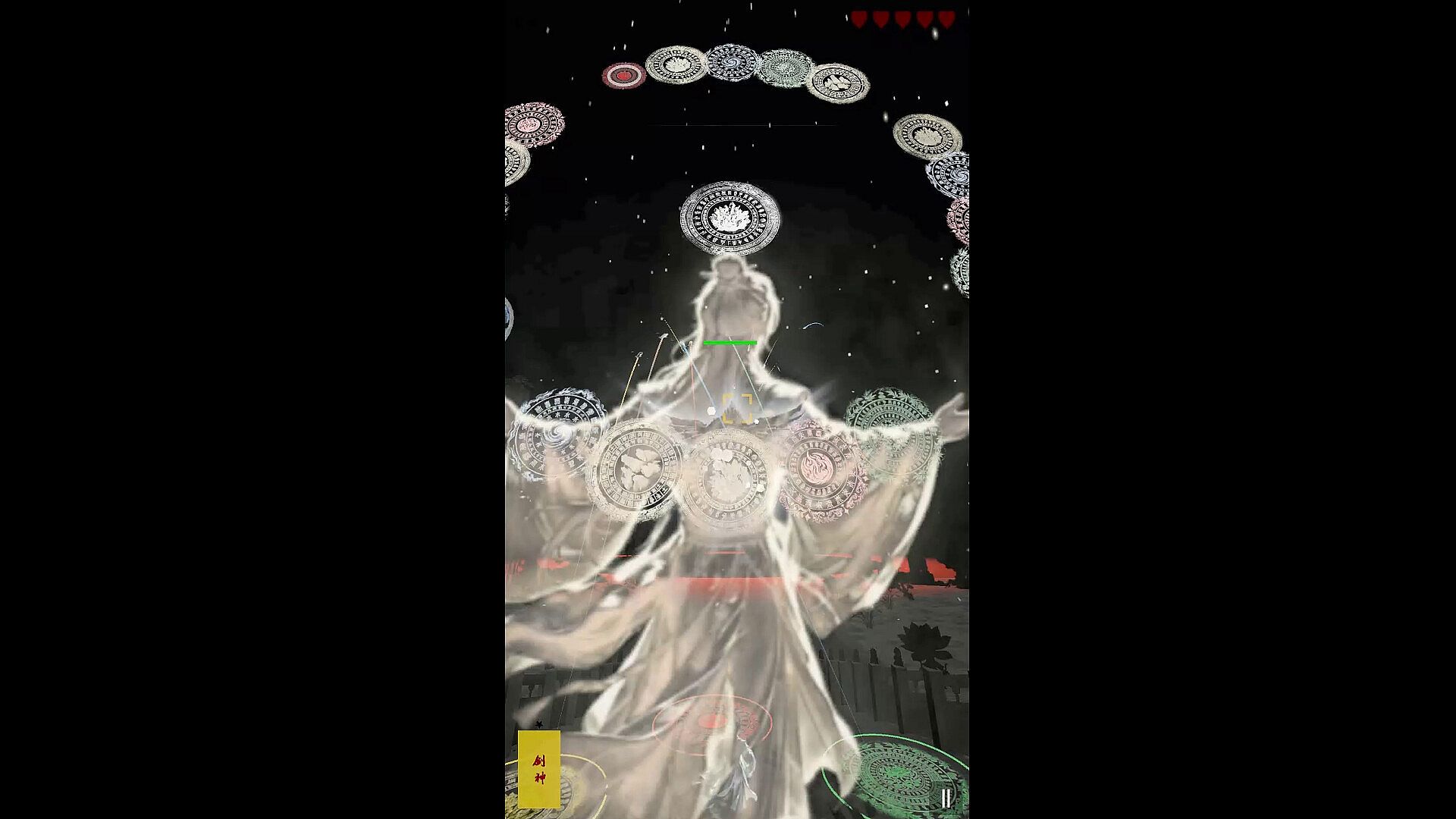
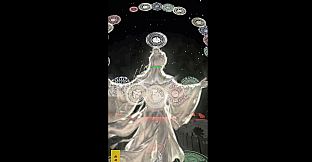
The core experience consists of roguelike runs structured around ten waves of advancing enemies. Each wave carries three difficulty tiers with enemy health scaling up to 800,000. A five-minute timer precedes an enrage phase that increases enemy speed and removes any pause in aggression. Victory after nine waves leads to a final boss encounter that shifts into four interactive cinematic sequences focused on transformation, sword draw, awakening, and reversal.
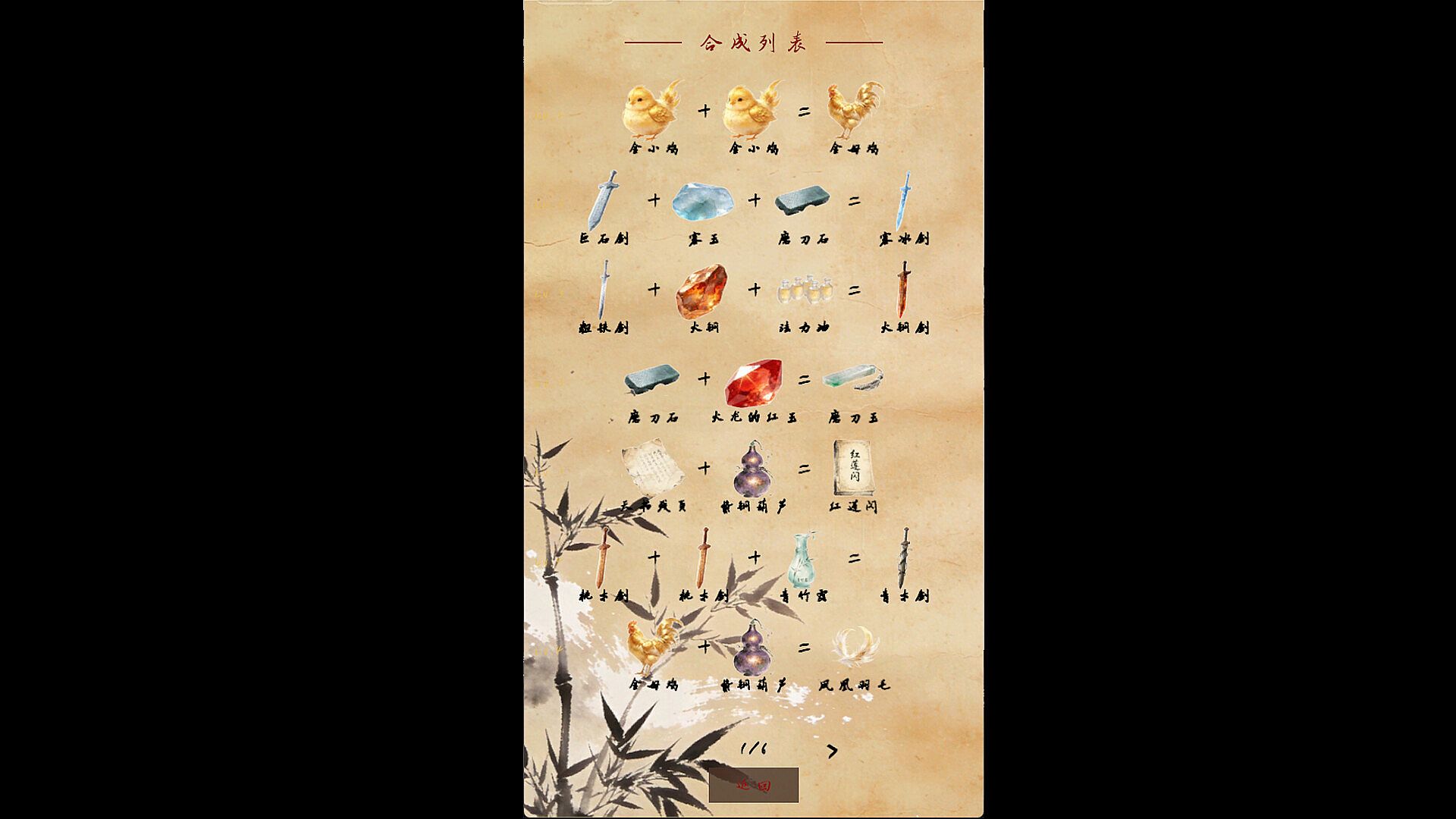
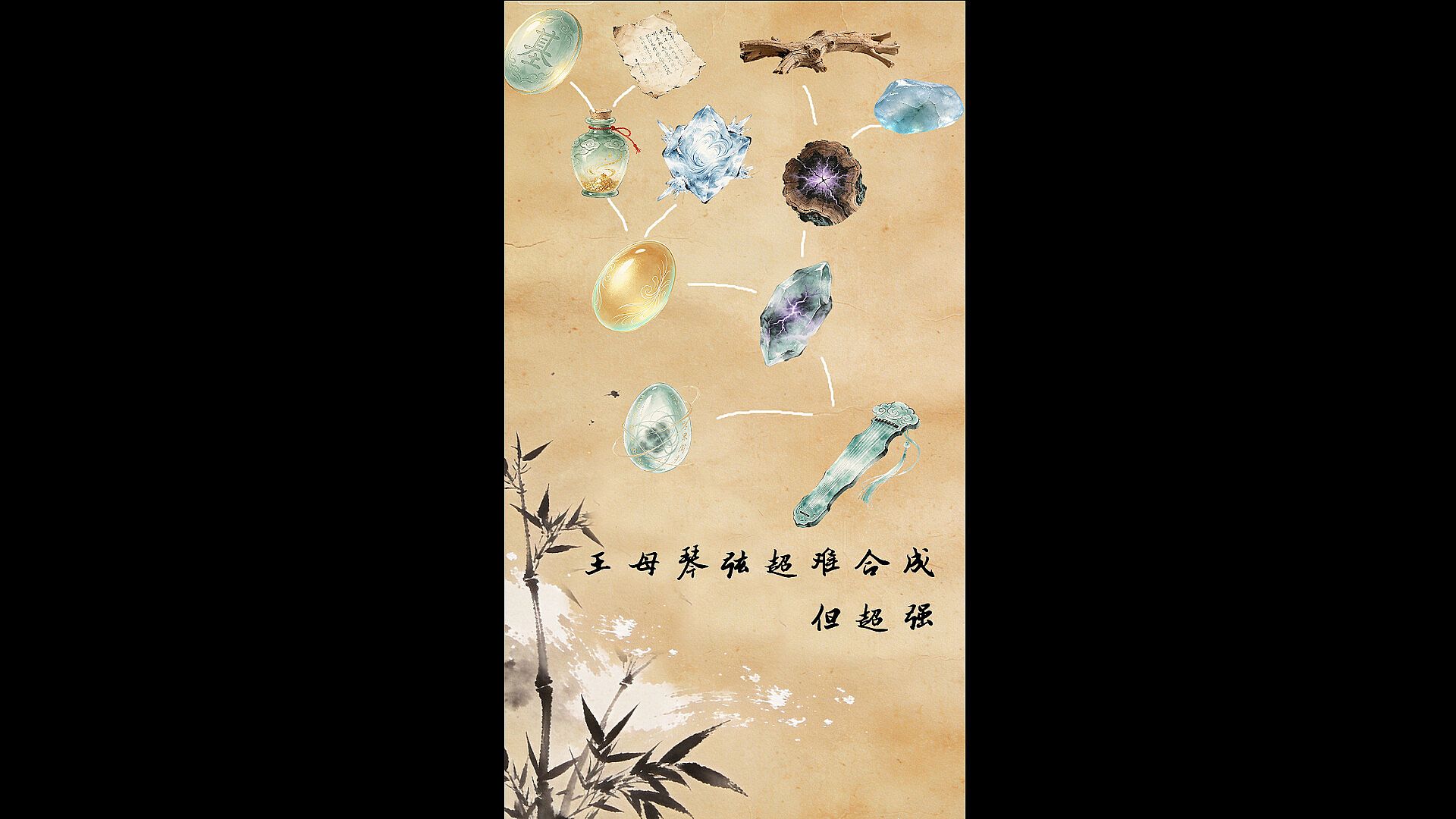
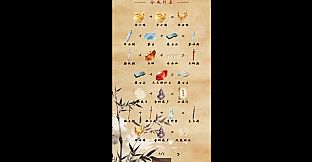
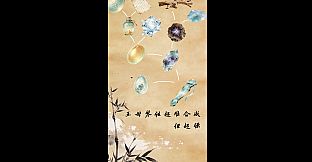
Between runs, the shop refreshes higher-tier artifacts, and a synthesis system allows forging of legendary flying swords. Eleven bosses drawn from the Classic of Mountains and Seas each introduce distinct mechanics, including invisibility, splitting, element immunity, and progressive strengthening. Eight major special skills plus one unique final skill round out the toolkit for adapting to these encounters.
Core Systems and Progression
The Bagua Mirror serves as the central strategic hub. Players spend spirit stones to unlock sectors gradually and then arrange three categories of artifacts to maximize resonance bonuses. Elemental alignment between weapons and sectors provides consistent power spikes, while boss immunities force loadout adjustments on subsequent attempts. Thirty or more synthesis recipes expand the artifact pool over time.
Each successful run unlocks additional mirror sectors and better shop stock, creating a loop of incremental power. The vertical one-handed control scheme keeps focus on aiming and timing rather than movement, suiting shorter sessions while the roguelike structure encourages repeated attempts to refine formations.
Is It Worth Playing?
This title suits players who enjoy blending real-time aiming with deliberate pre-battle planning in a cultivation setting. The fixed-position combat and formation system reward careful artifact placement and elemental matching more than pure reflexes. Runs typically last between three and five hours, with high replay value driven by the need to optimize layouts against varied bosses and enrage timers.
Those drawn to roguelike inventory experiments, tower defense positioning, or Chinese mythological themes will find the mechanics tightly integrated. The absence of multiplayer keeps the focus on solo progression through cultivation stages and artifact synthesis. Availability on PC makes it accessible for strategy fans seeking a compact yet layered experience.