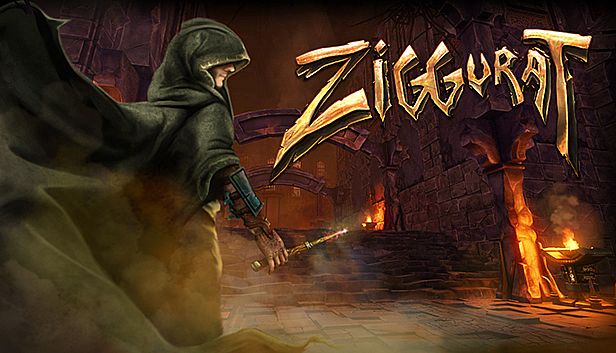















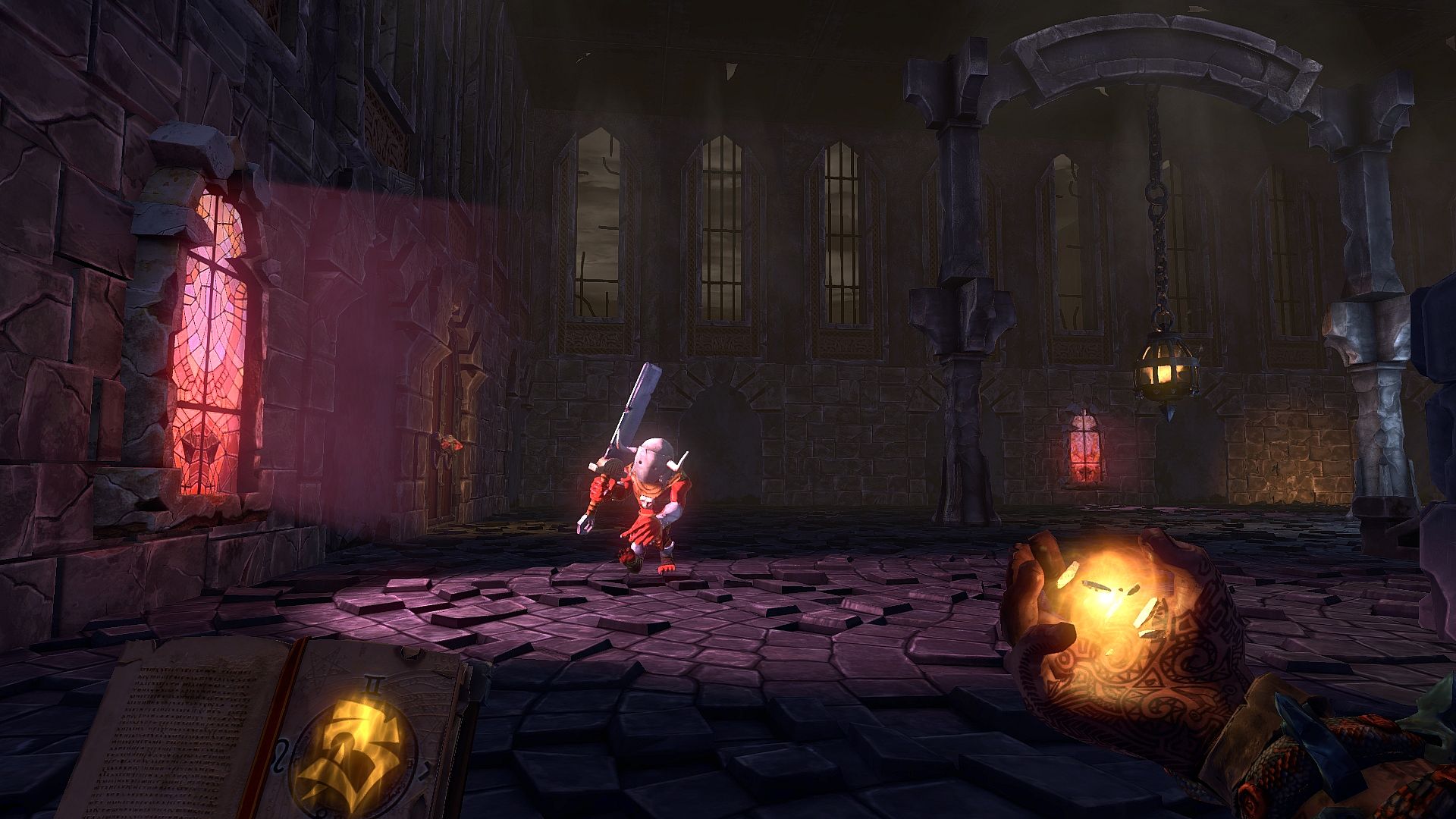
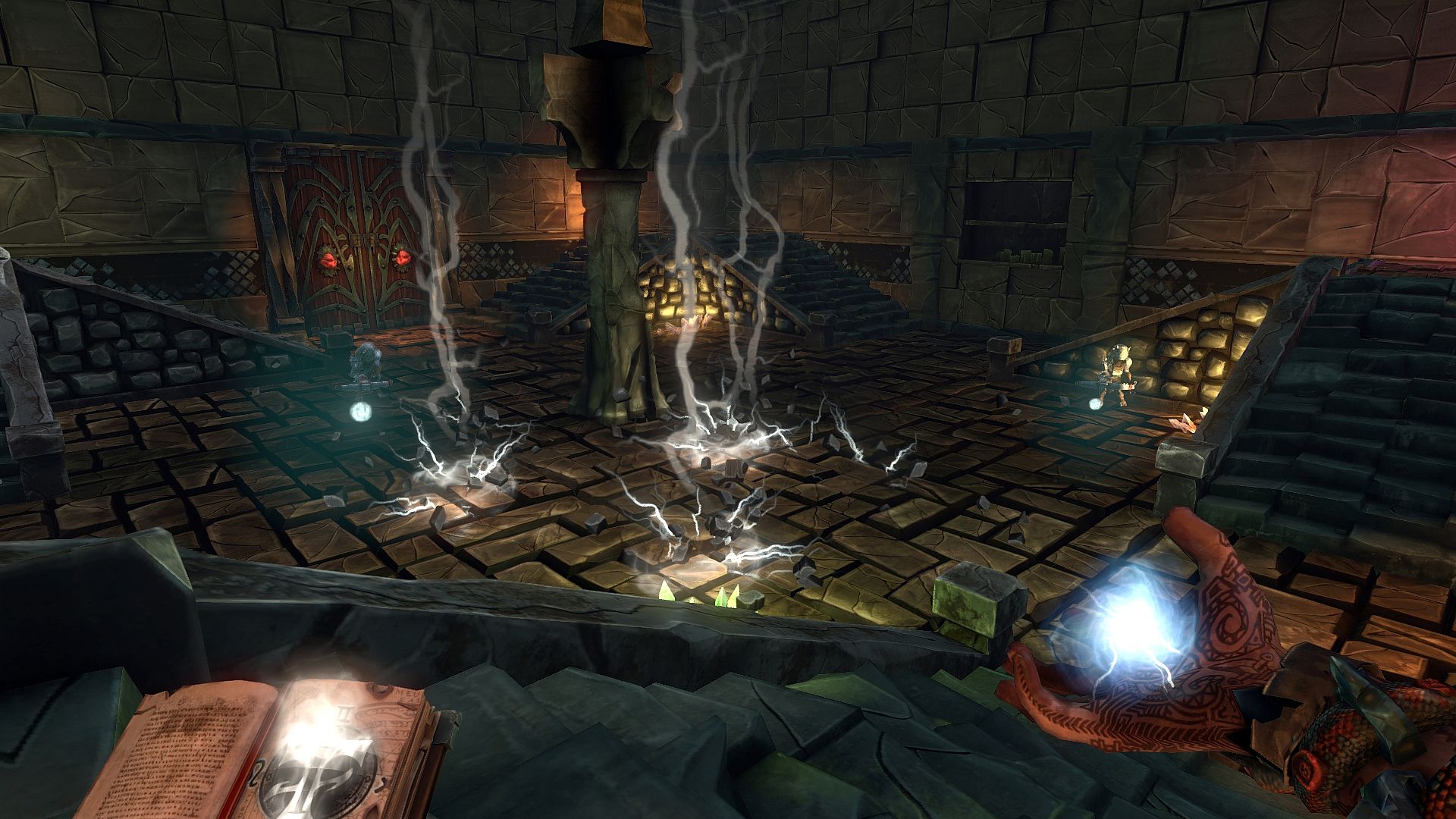
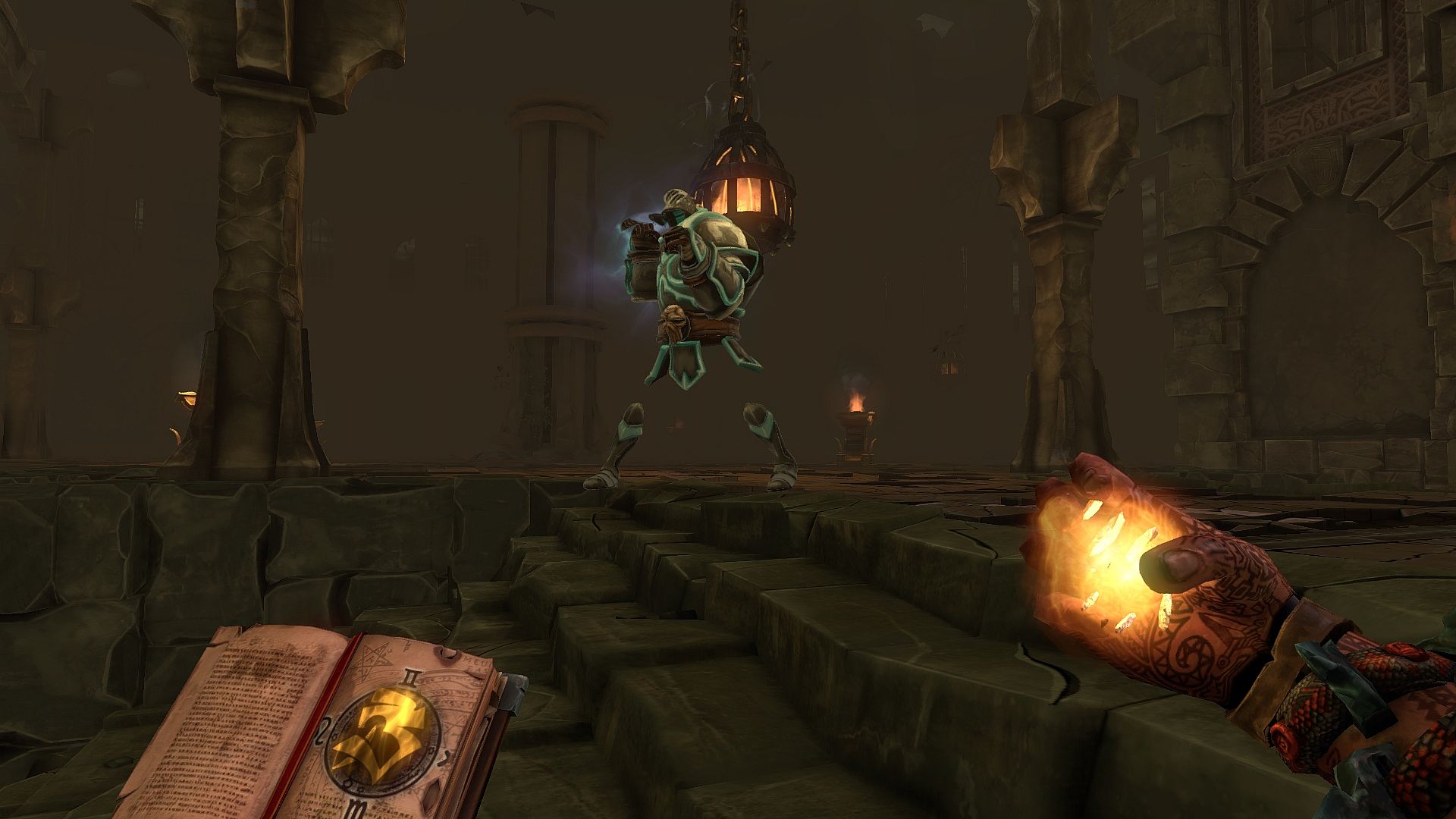
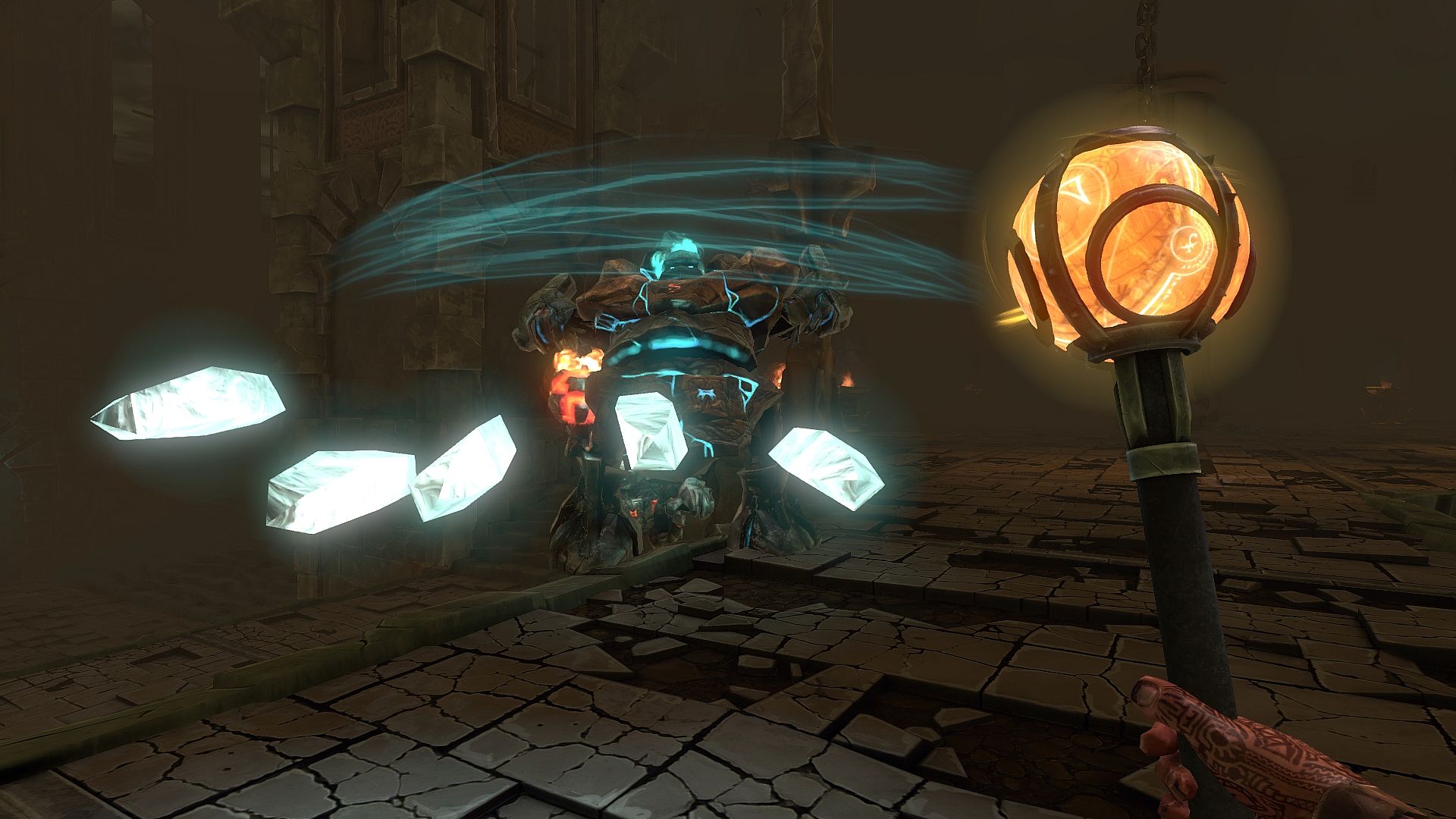
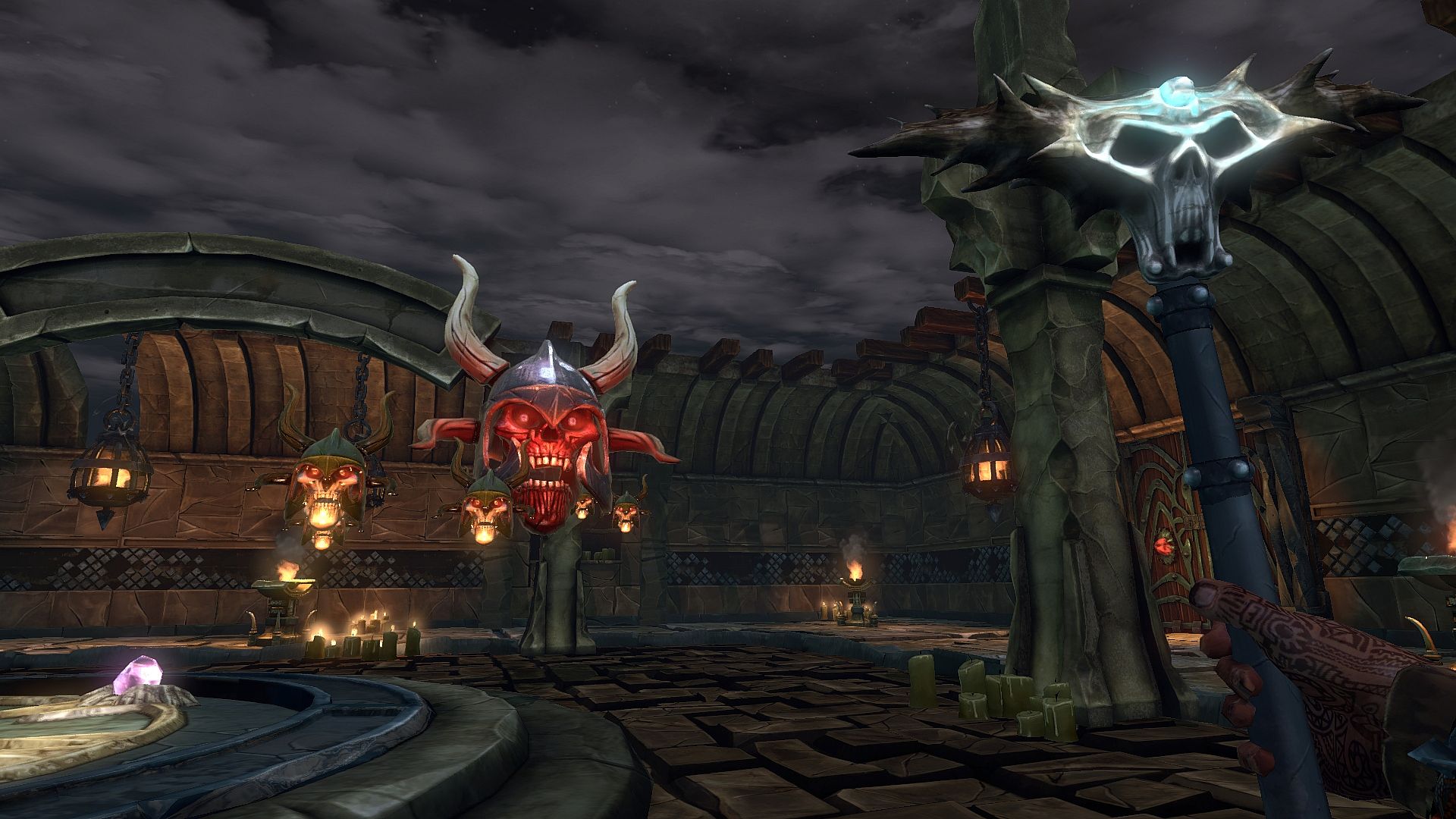
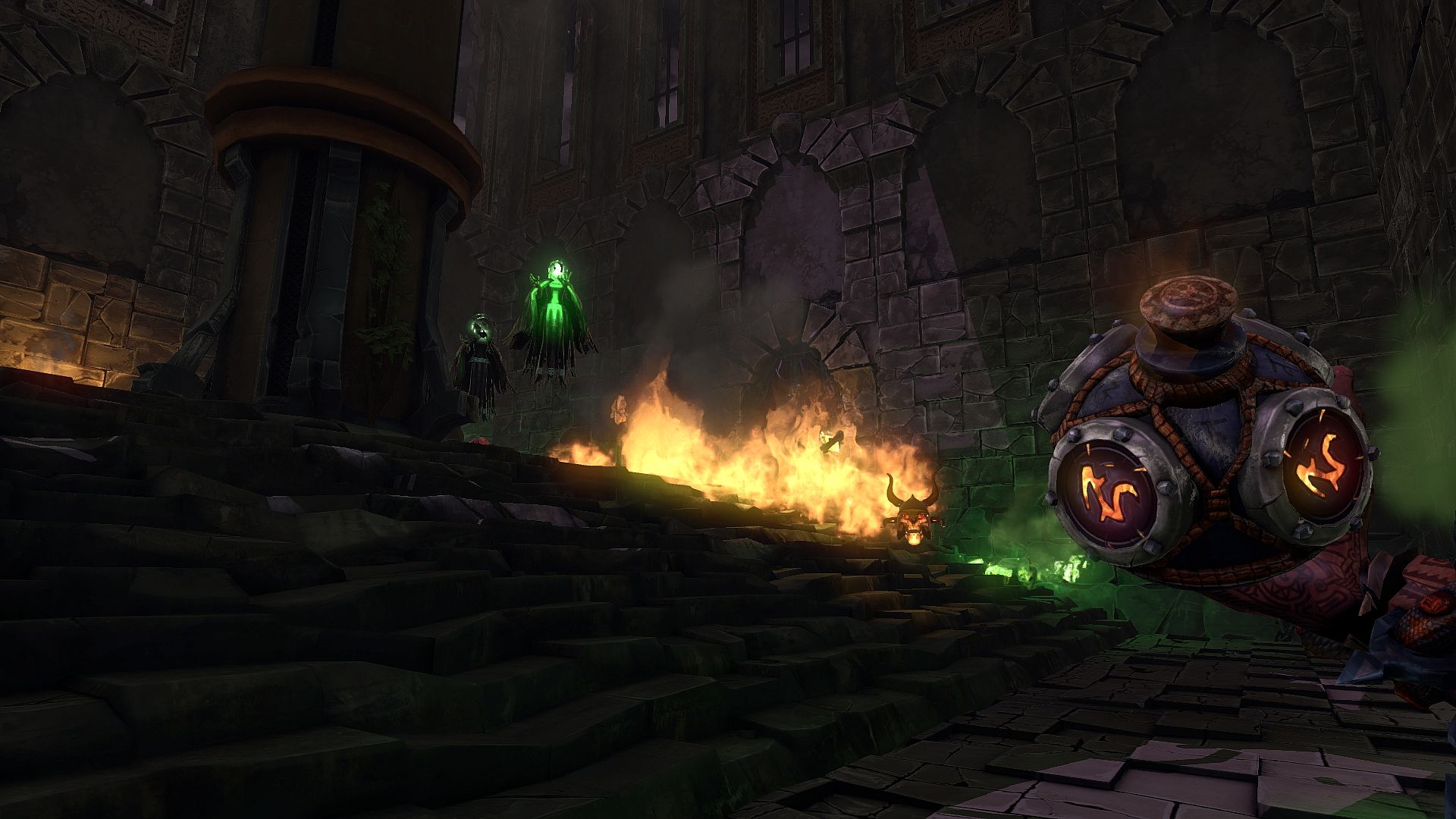
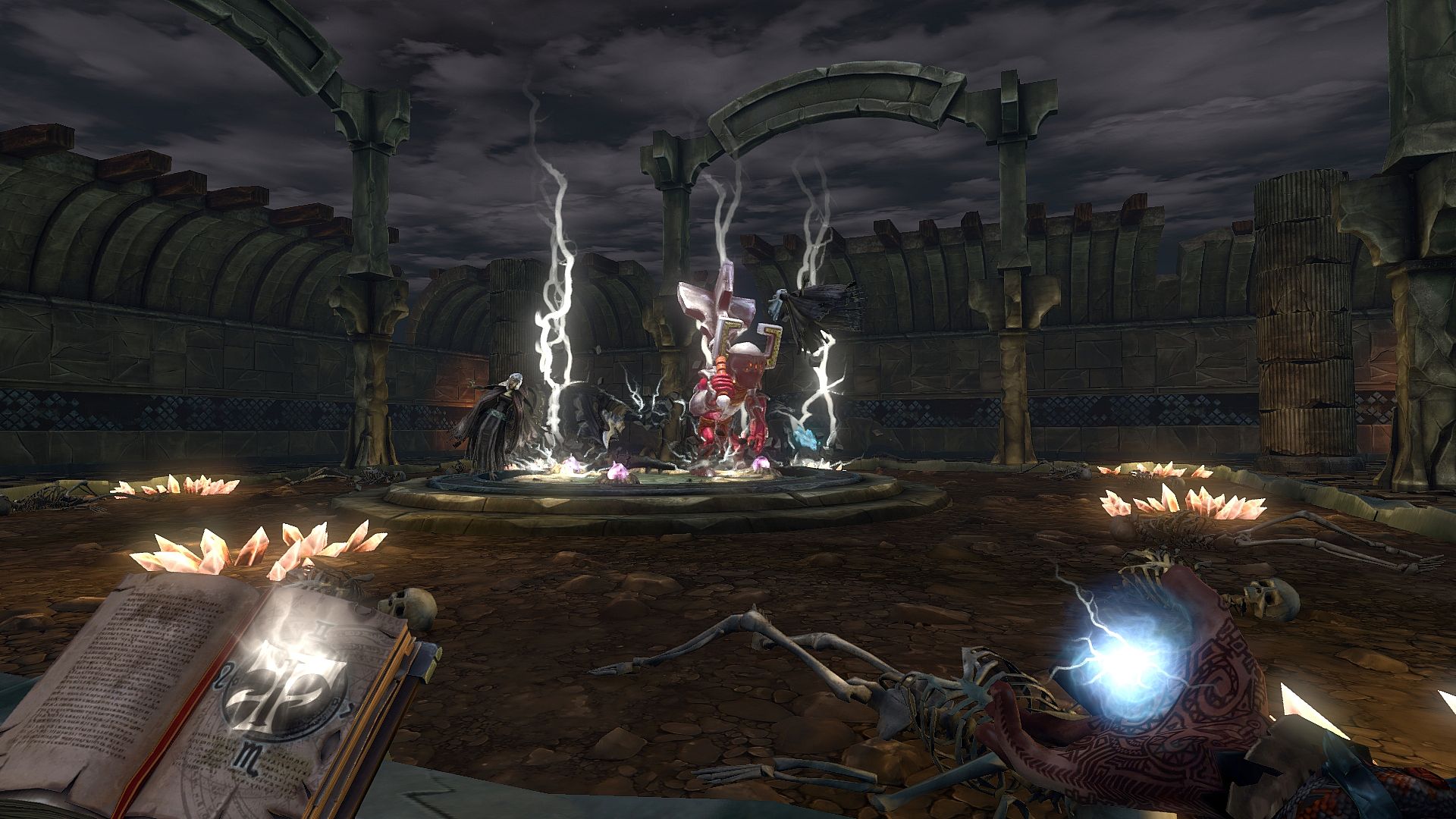
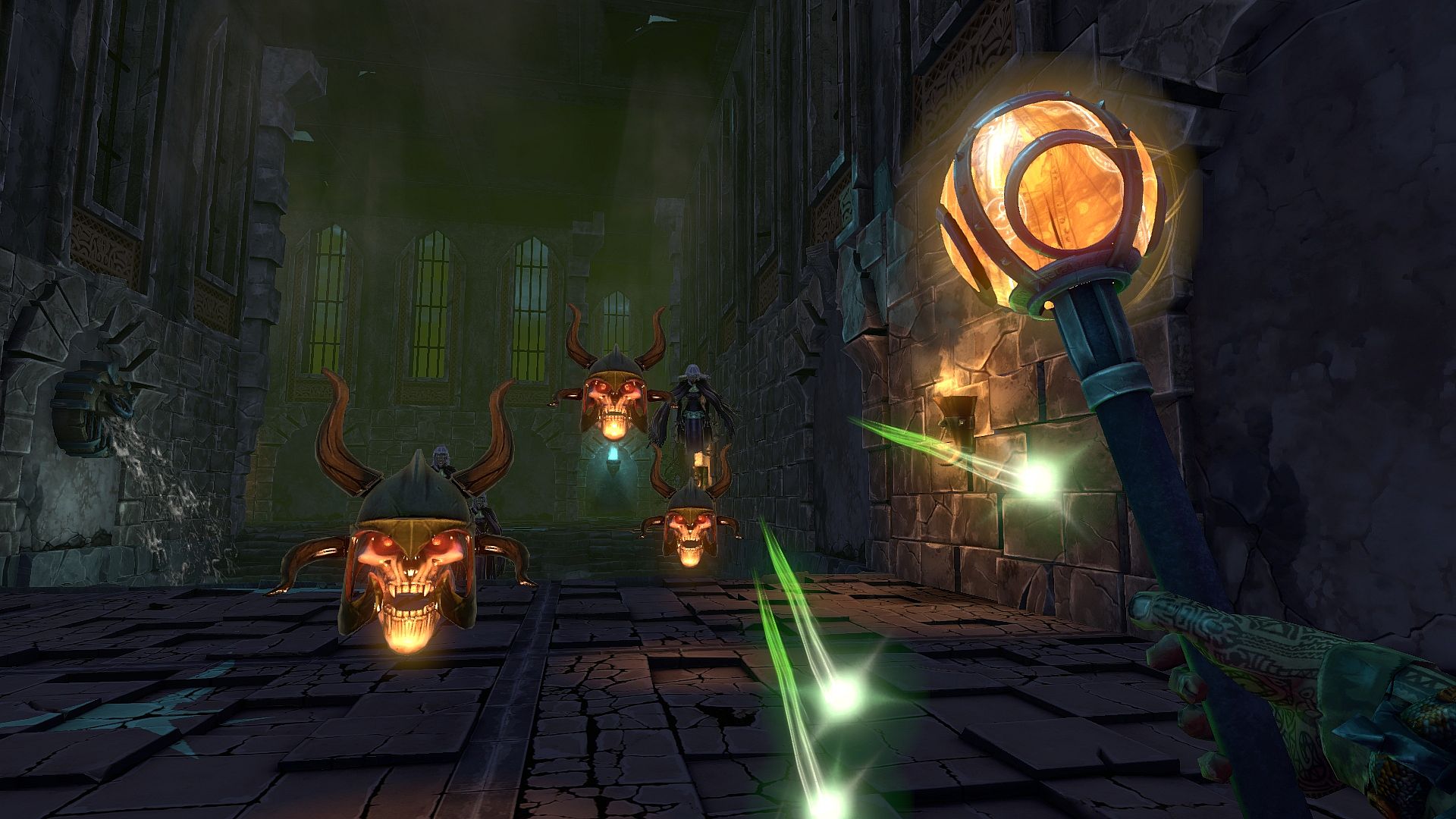
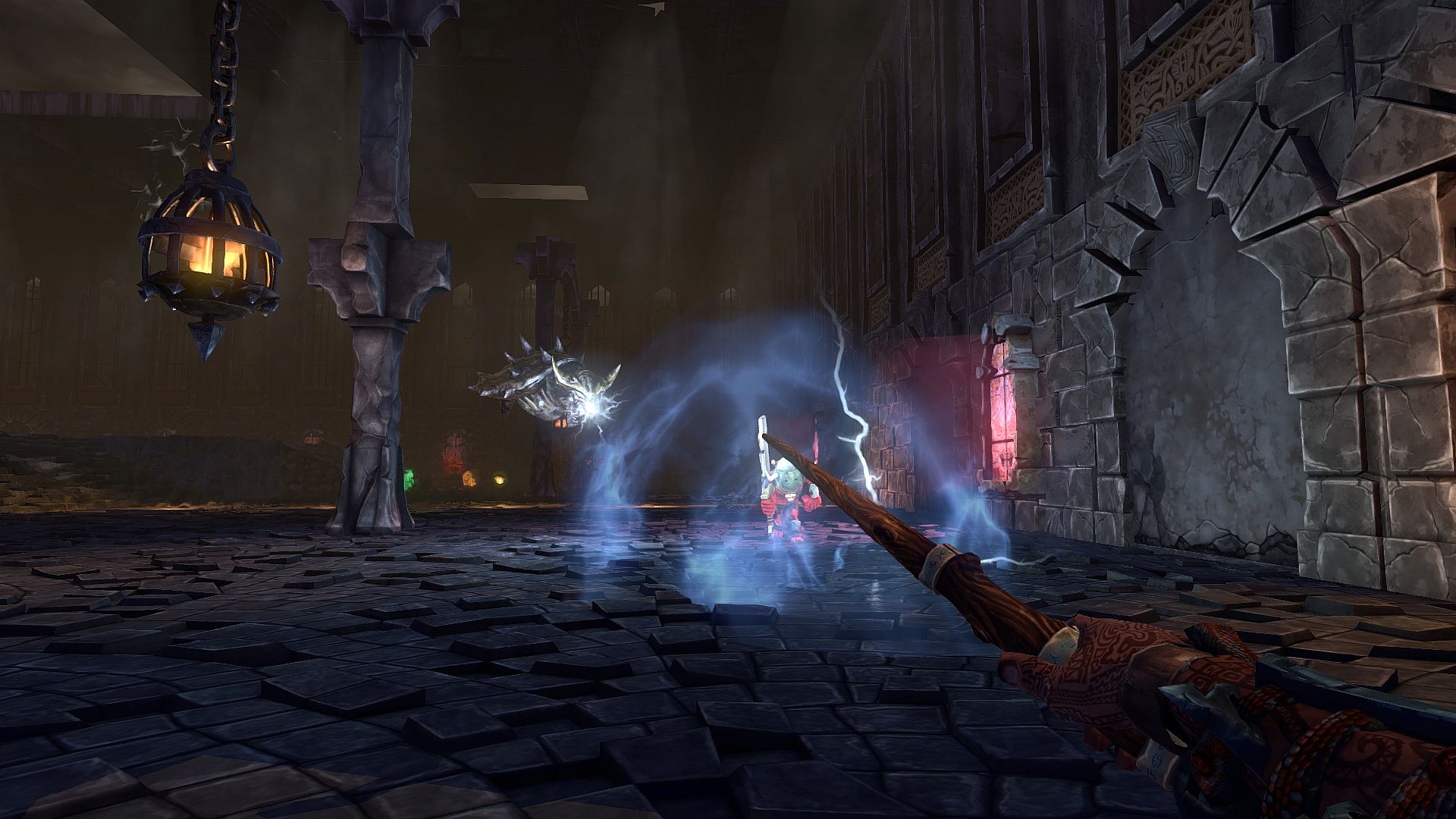
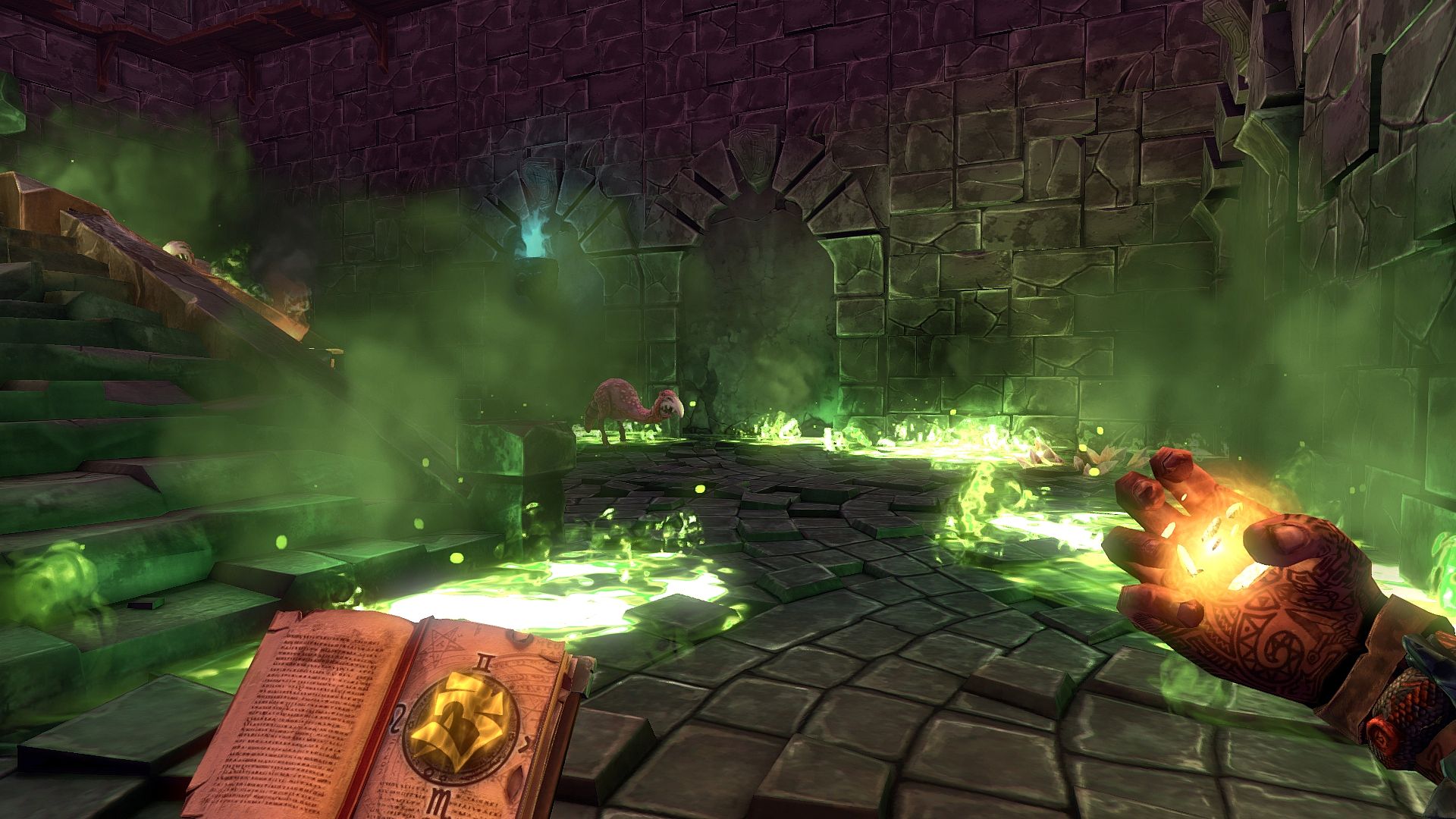
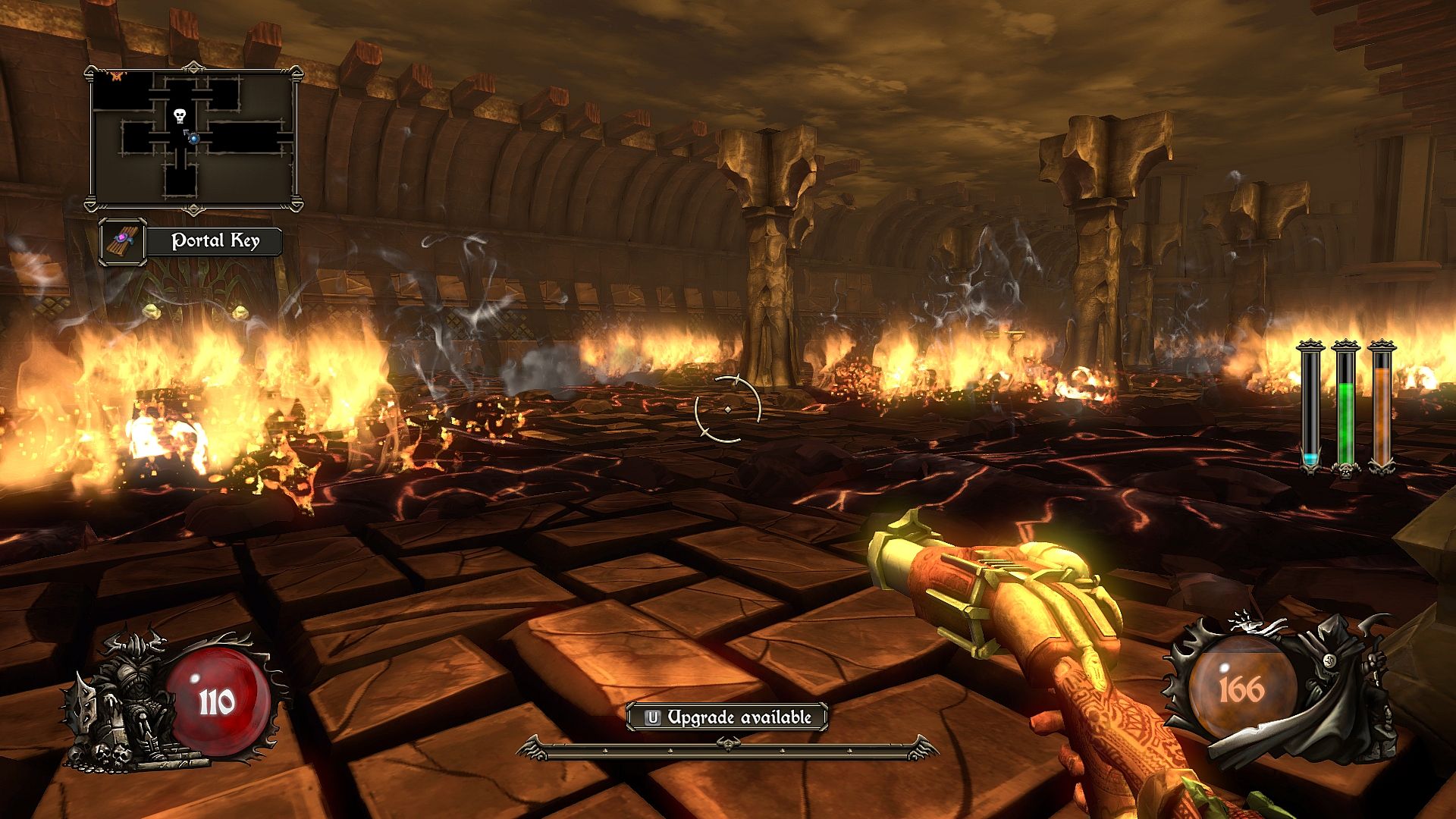
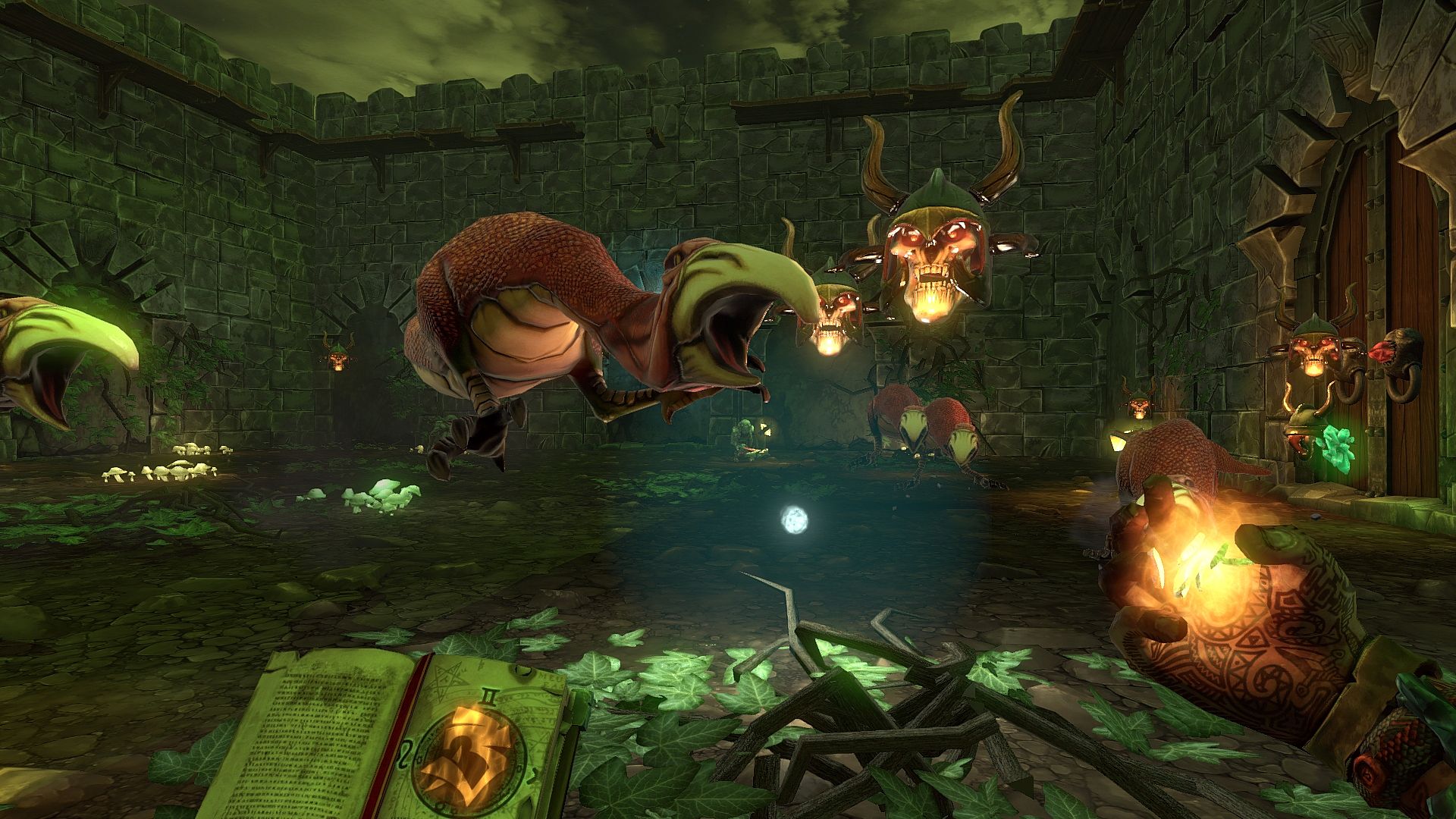
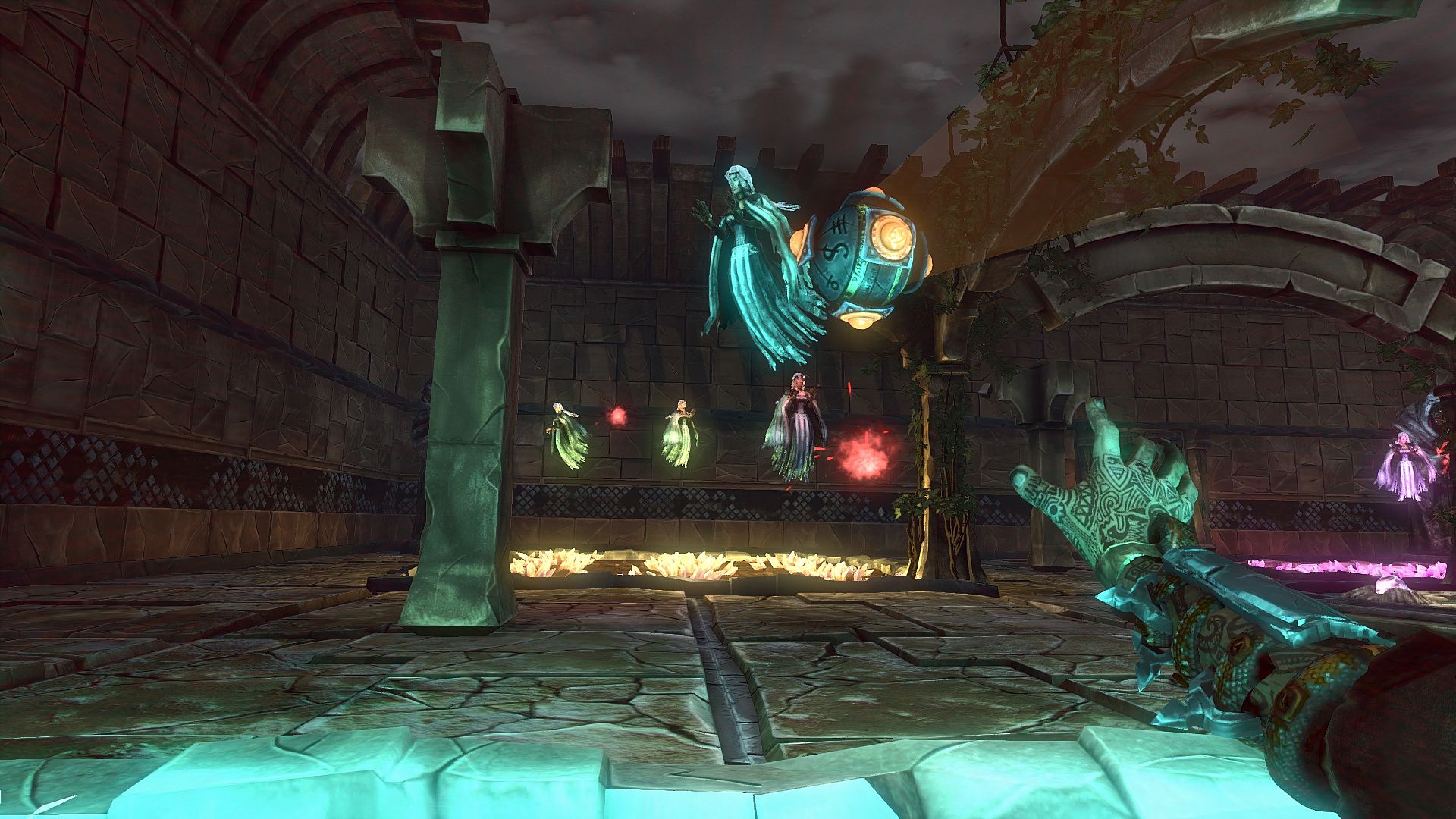
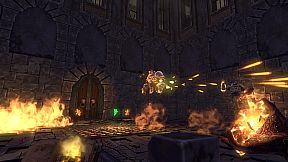
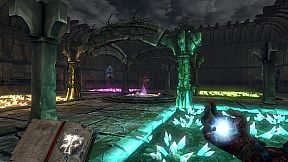
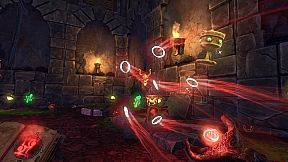
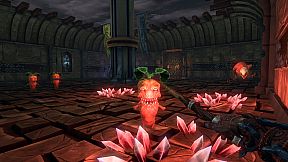
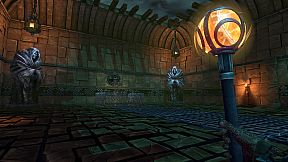
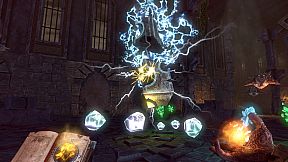
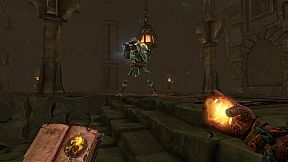
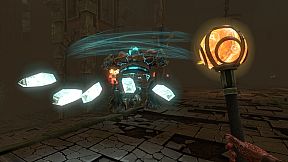
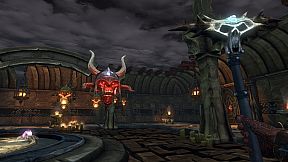
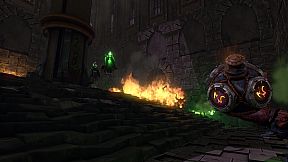
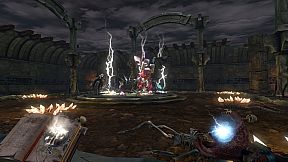
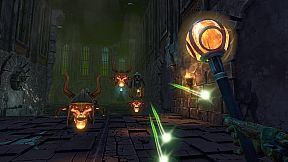
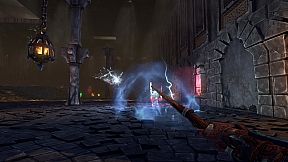
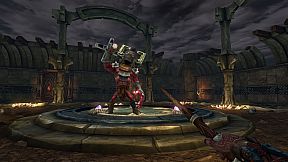
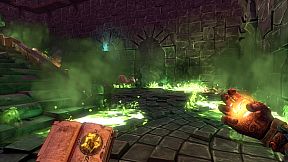
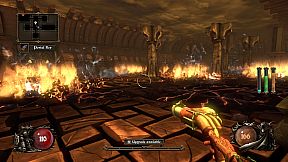
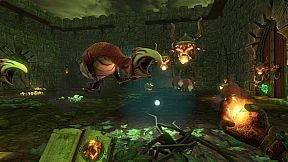
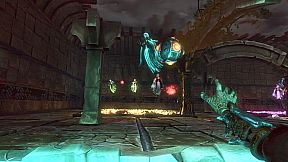
Ziggurat combines first-person shooter action with indie RPG and roguelite mechanics on PC. Players take on the role of a neophyte sorcerer who must navigate procedurally generated labyrinths filled with enemies, traps, and treasures to prove their worth and advance as a wizard. The core loop centers on fast-paced combat runs where skill with weapons and quick decision-making determine success more than random chance.
Gameplay
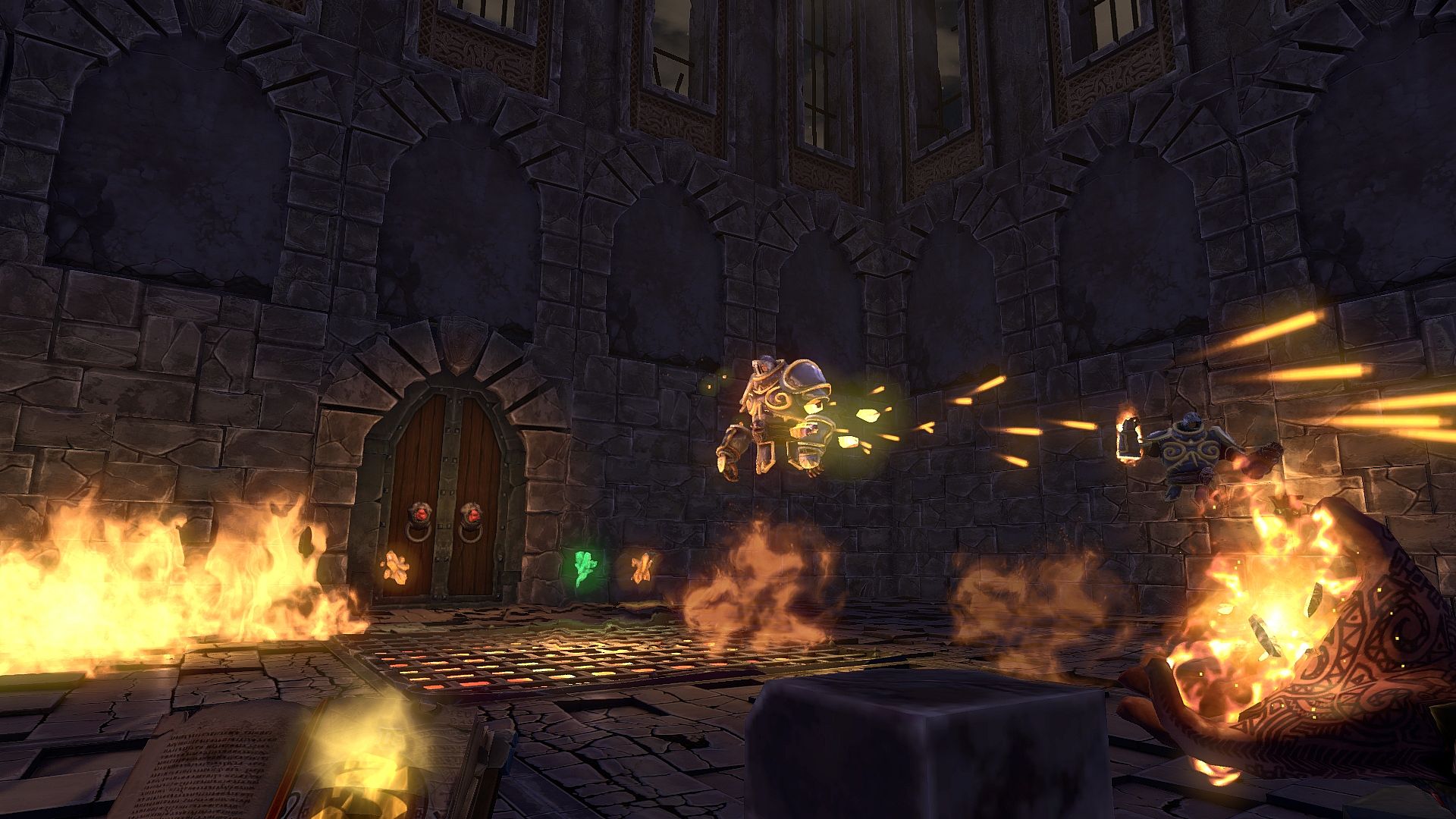
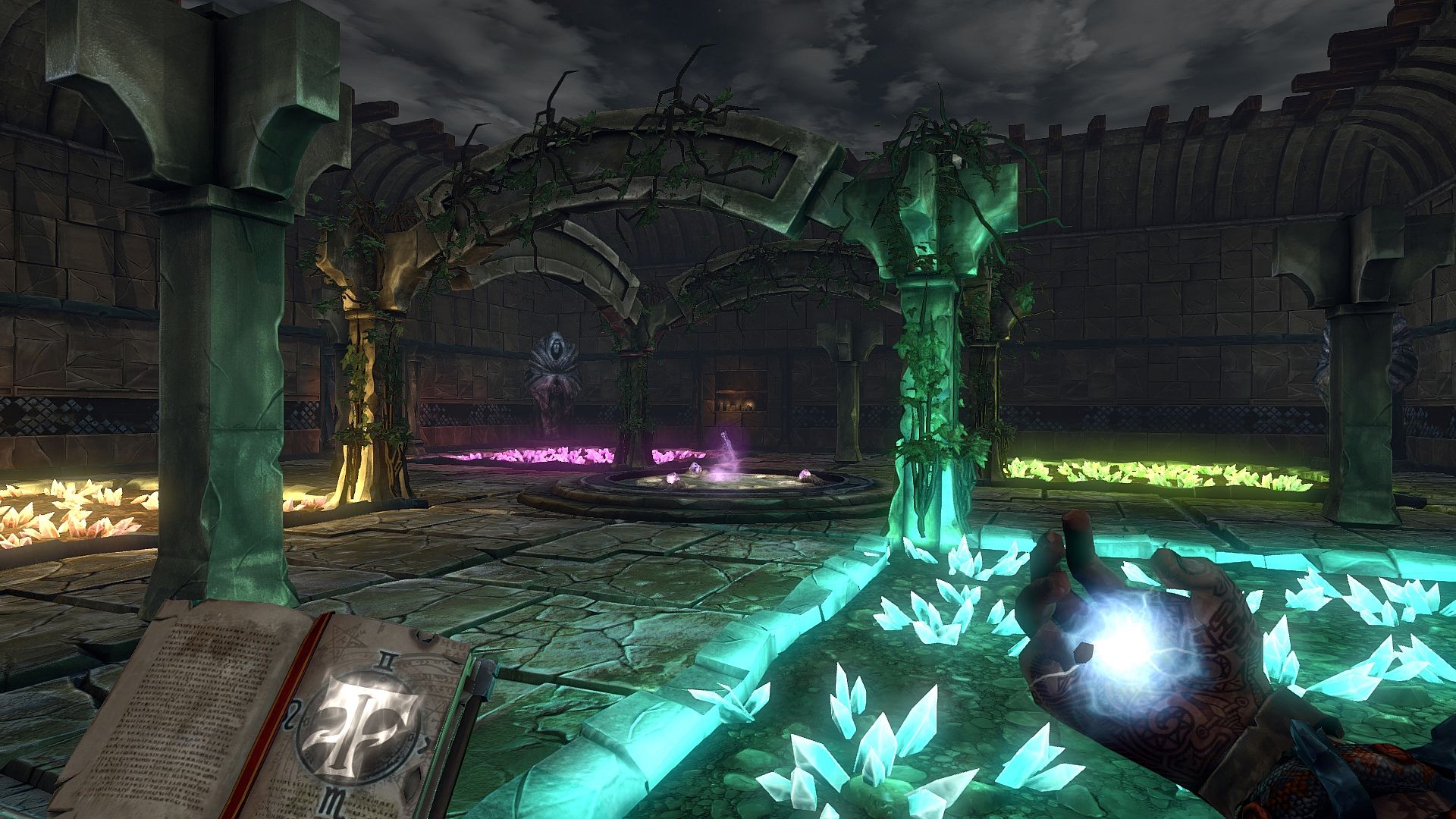
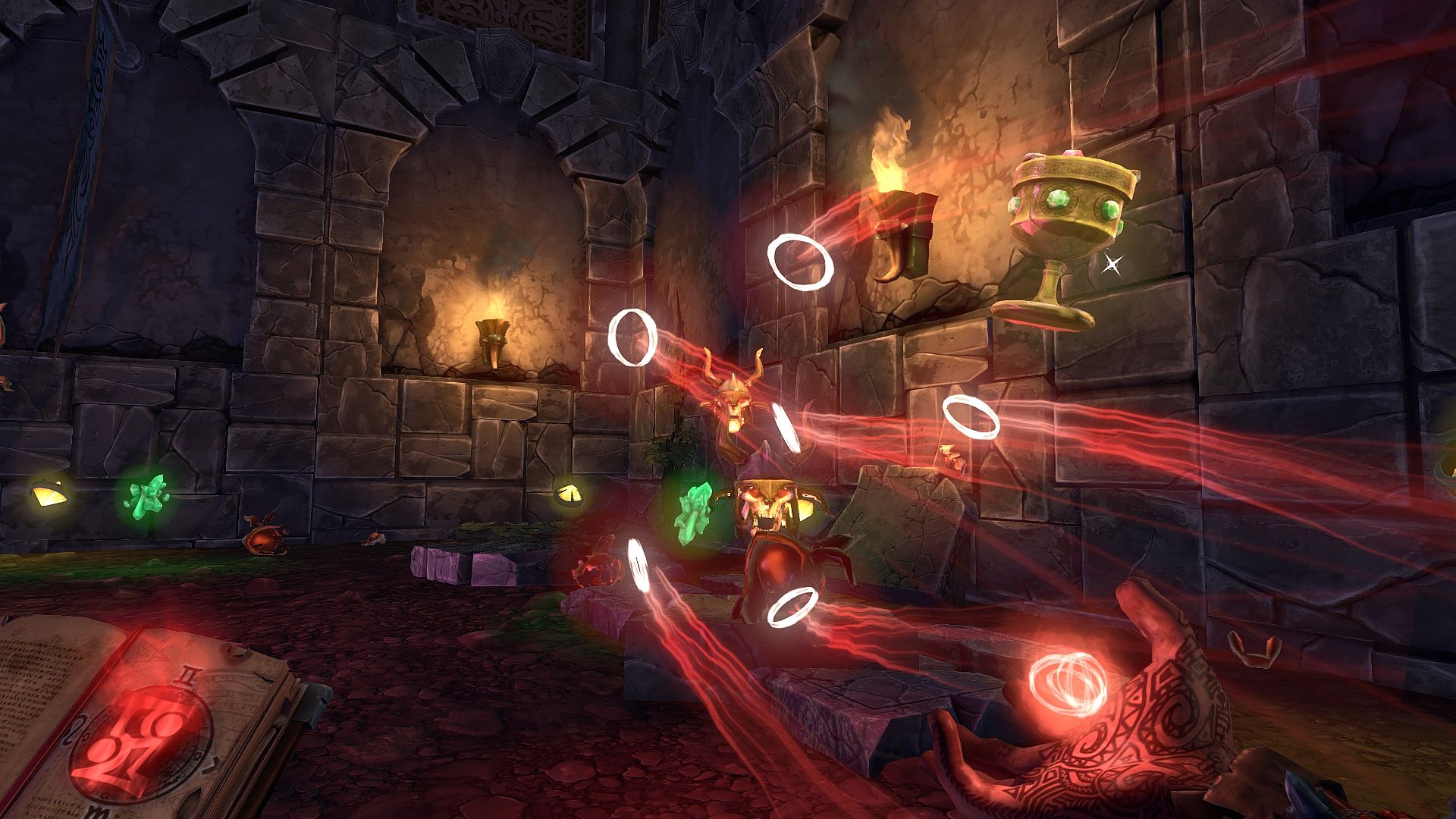
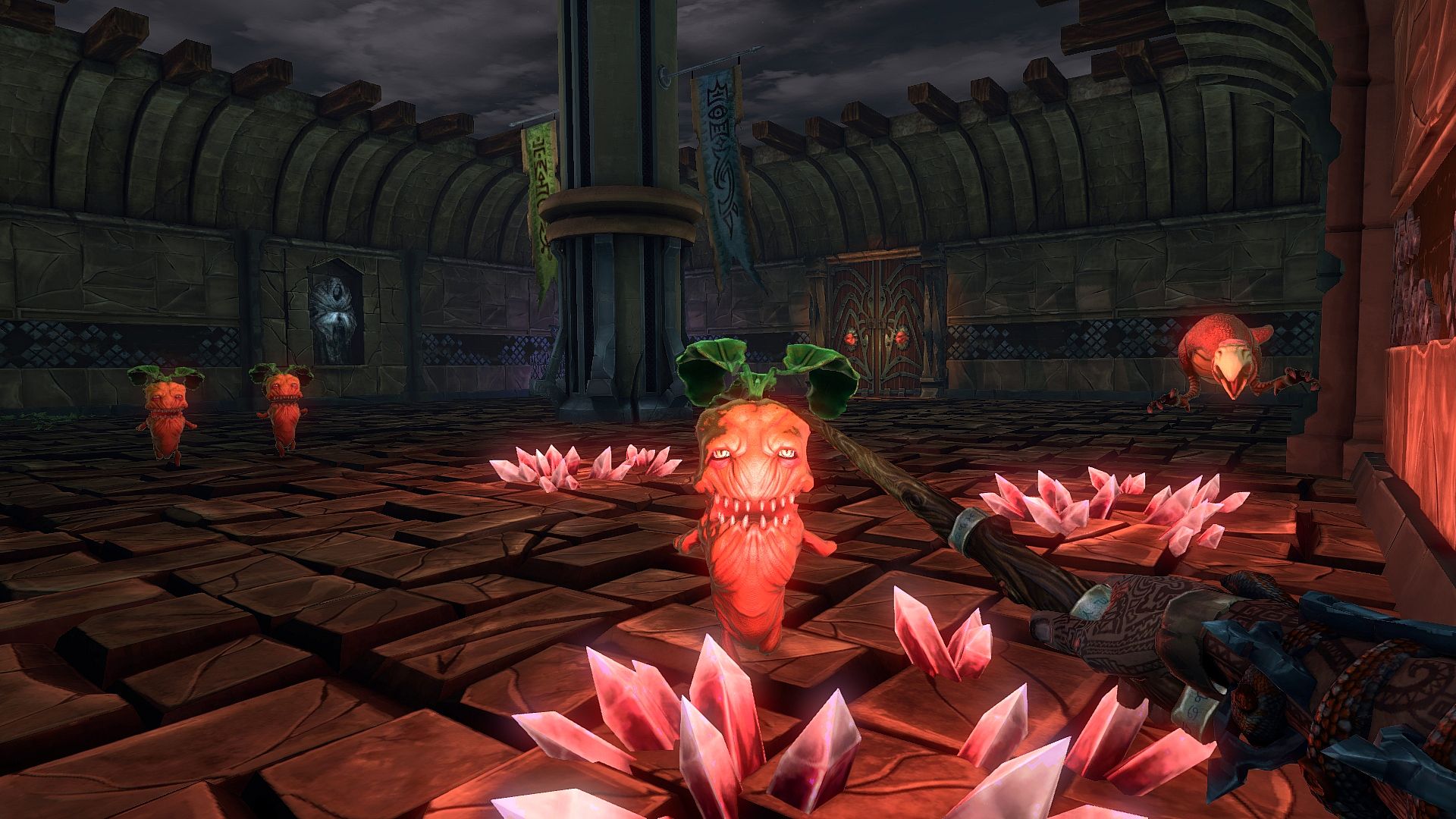
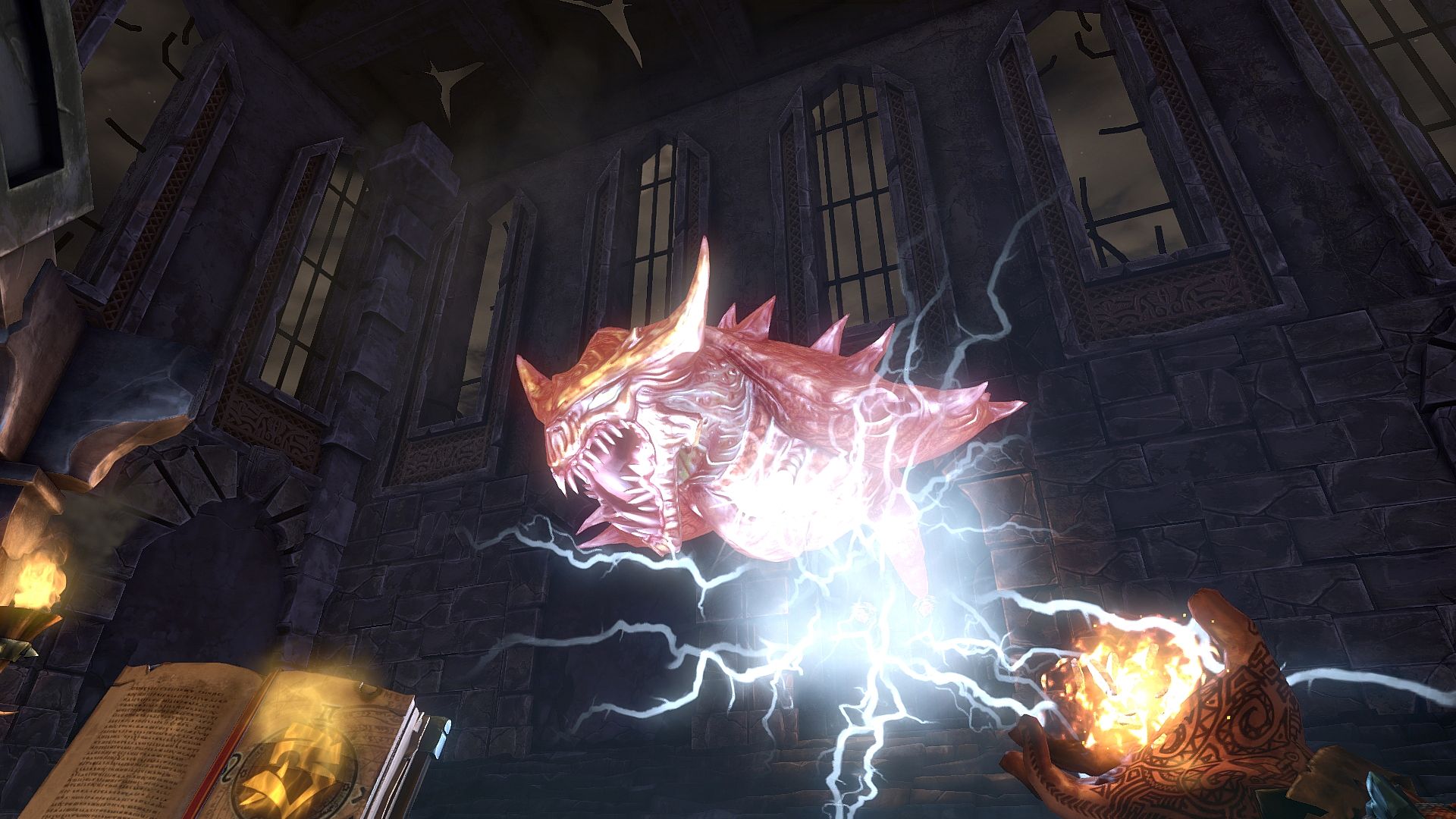
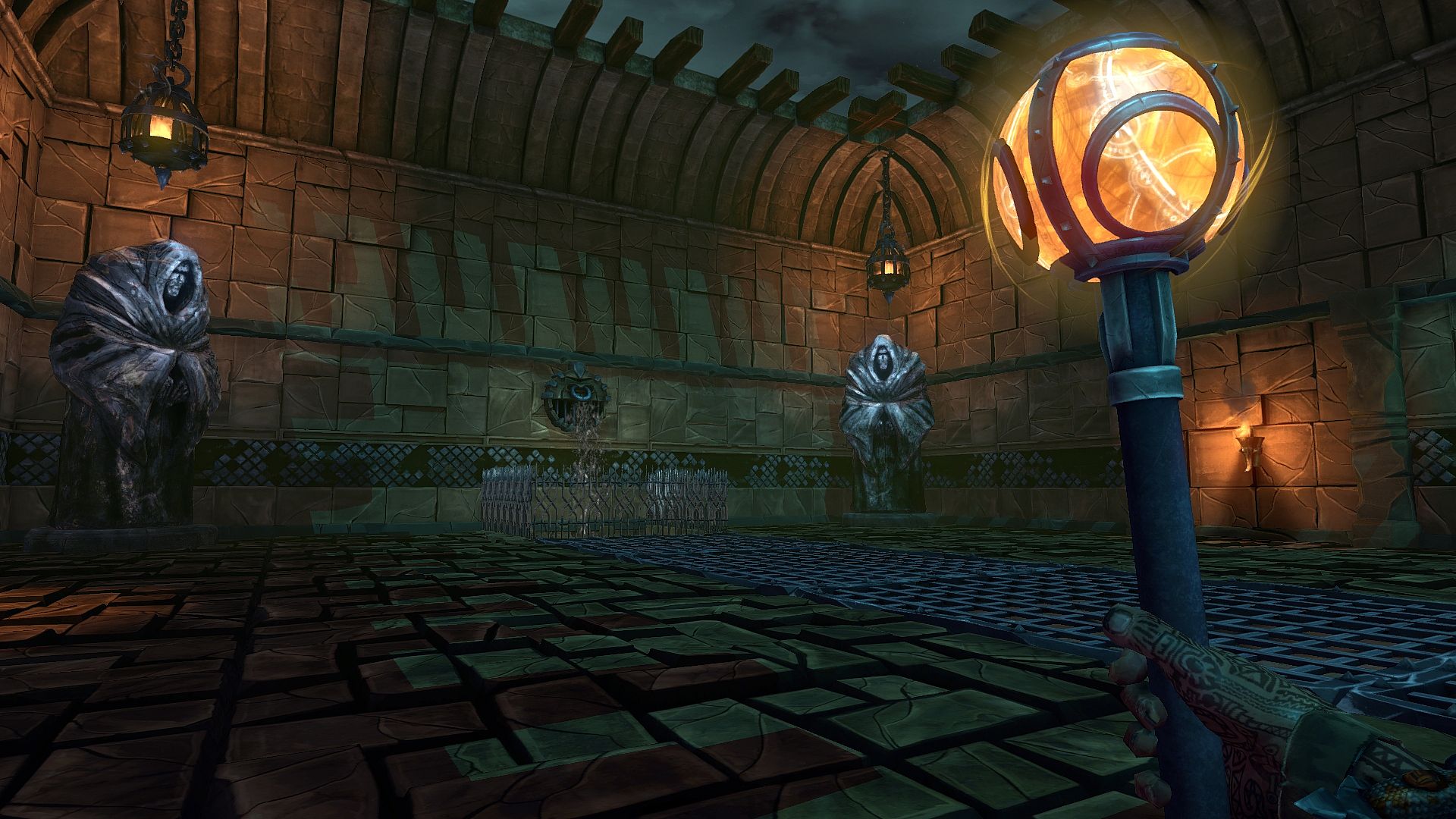
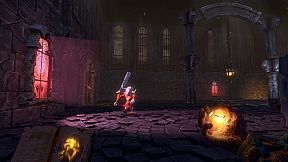
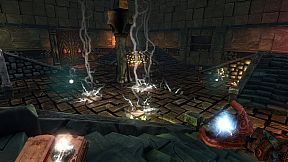
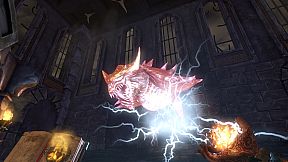
Combat emphasizes direct shooting with an old-school feel updated for responsive controls. Players wield an arsenal of magic staves, spellbooks, and wands that deliver varied attack patterns, from rapid fire to area effects. Mana management adds tension, as overusing spells leaves the character vulnerable during intense encounters with groups of foes.
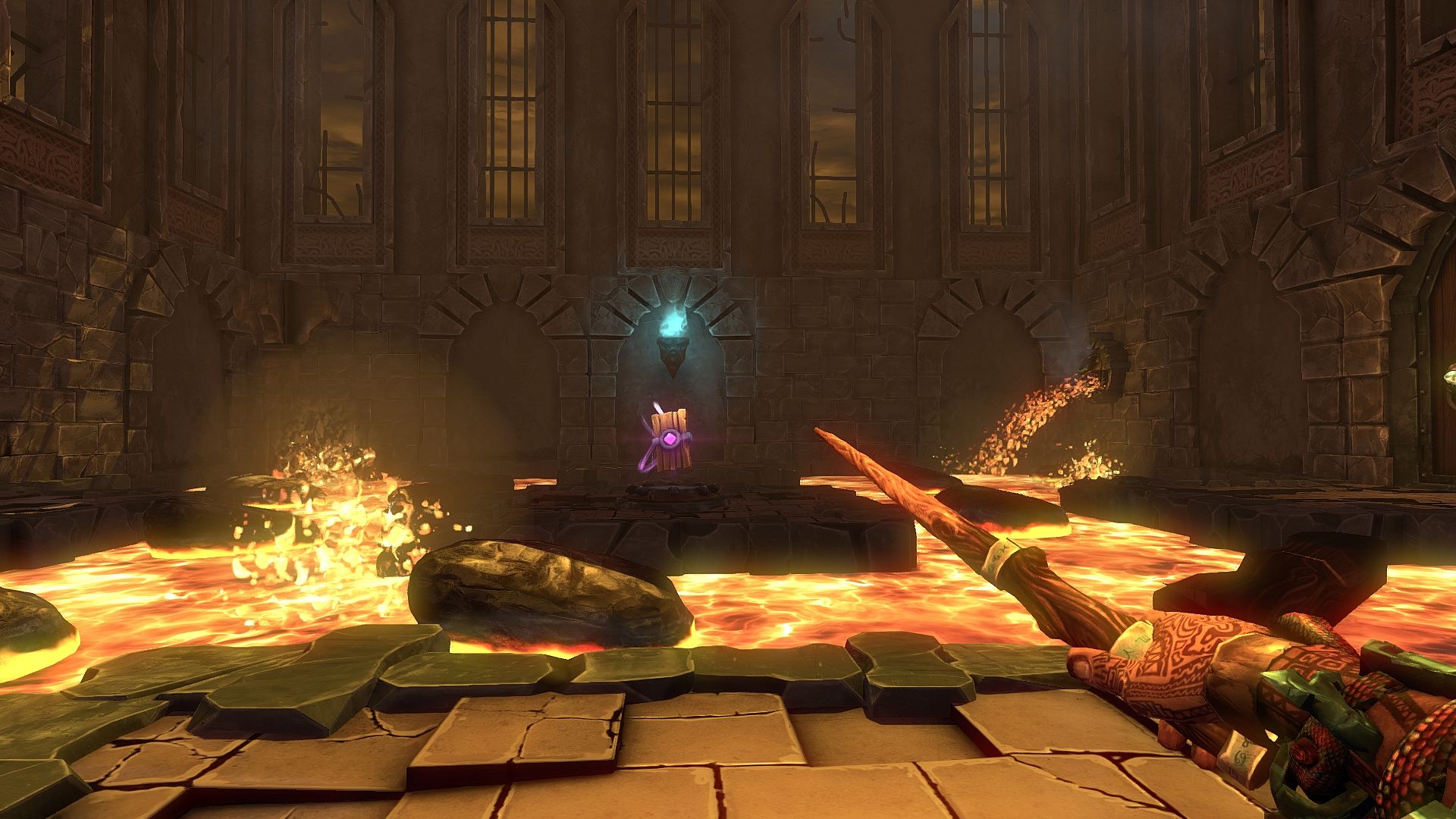
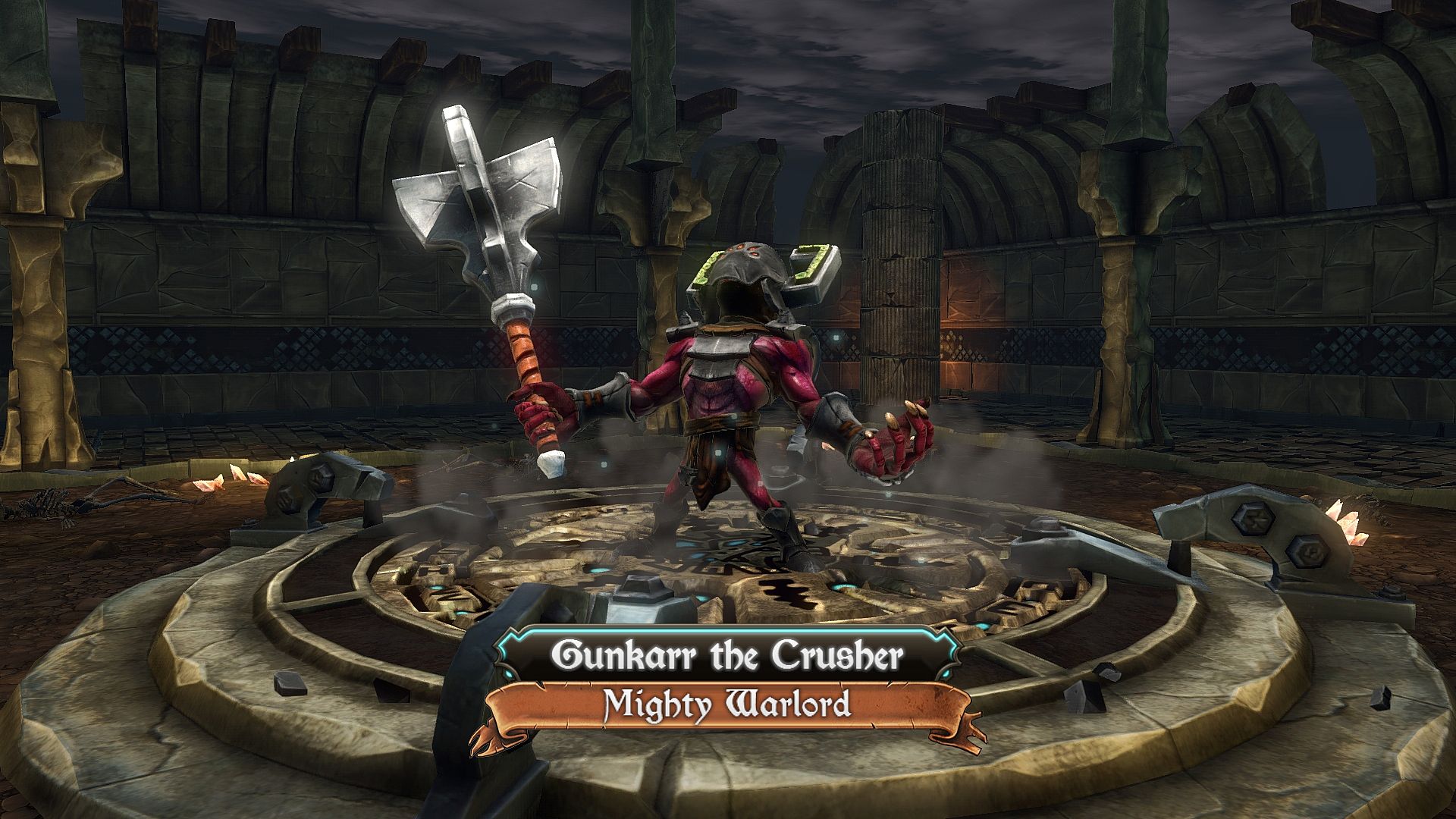
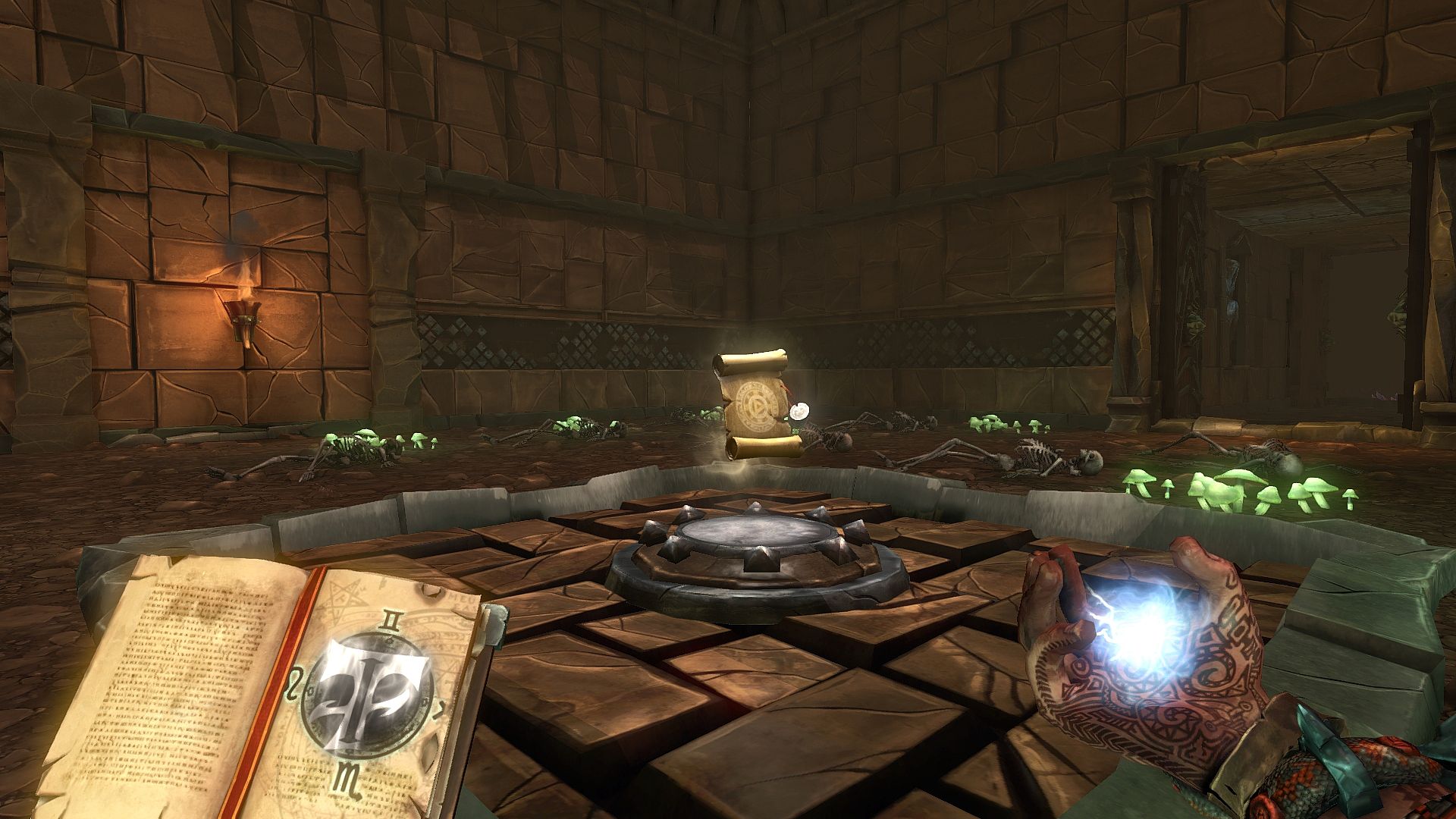
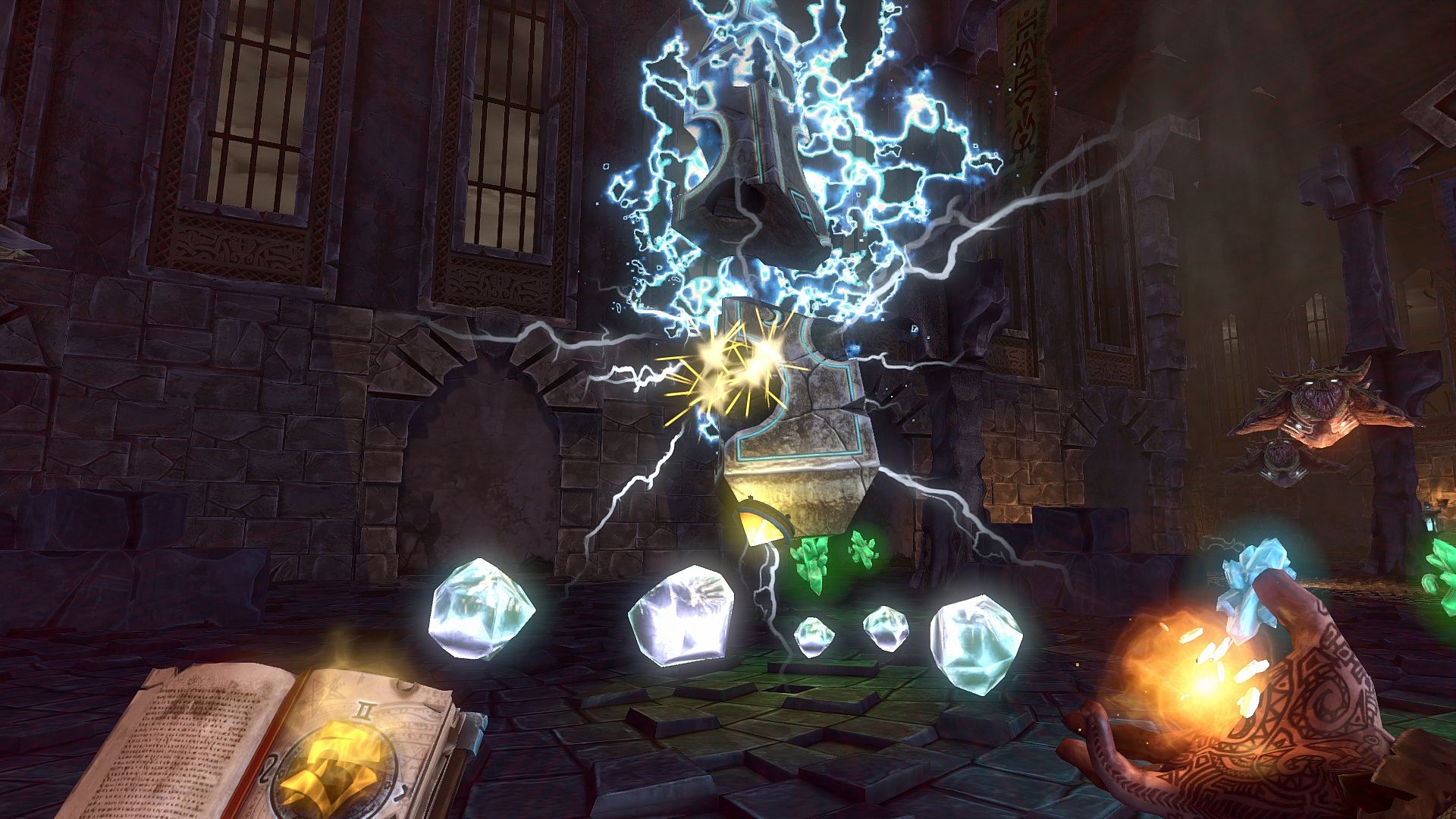
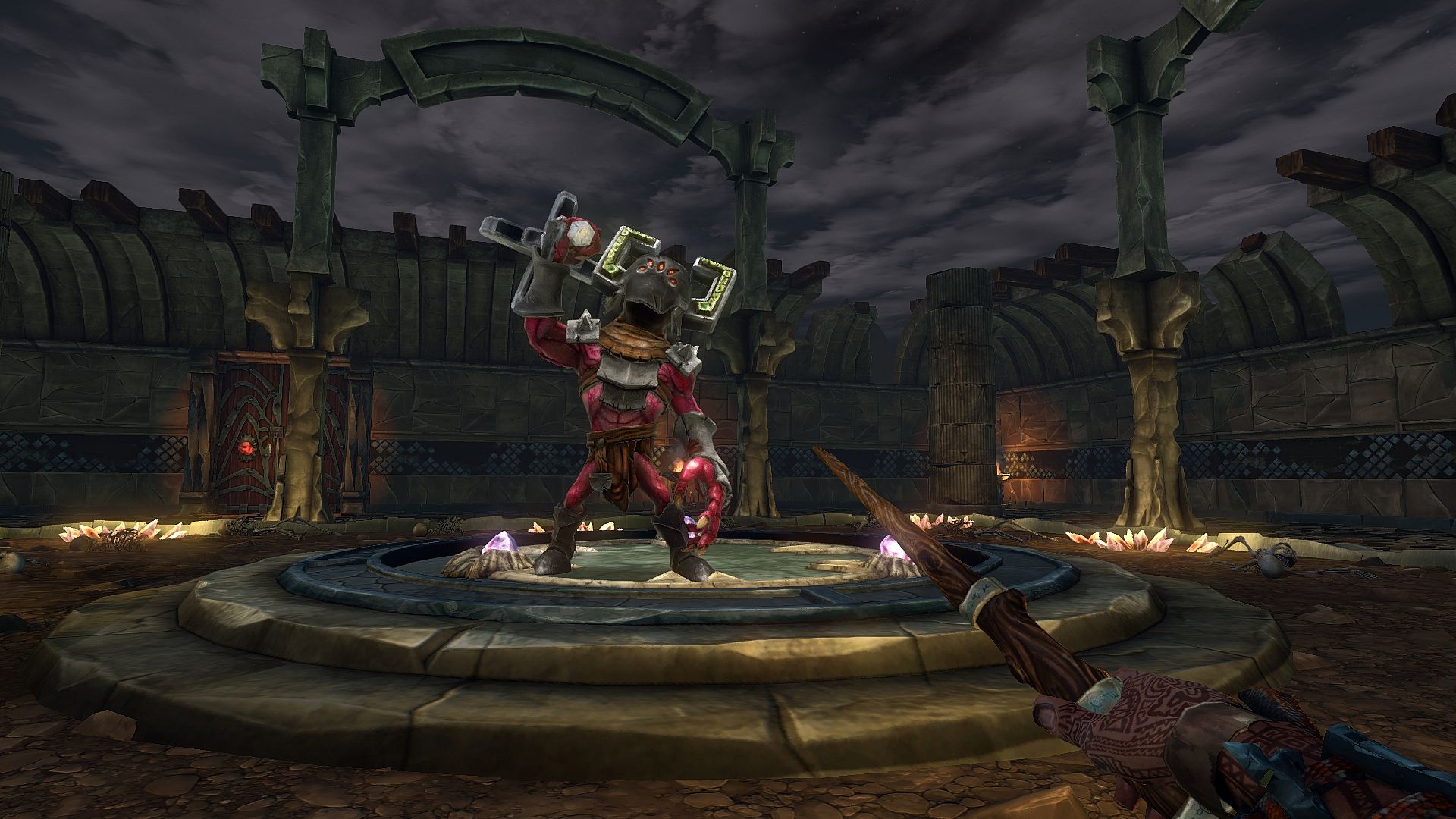
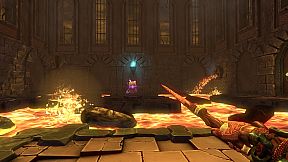
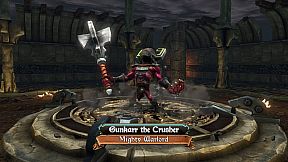
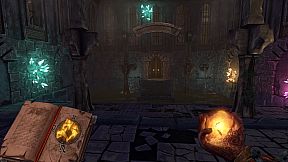
Rooms often include environmental hazards like traps that require careful movement alongside enemy waves. Treasures scattered throughout provide temporary advantages, while bosses at key points demand pattern recognition and precise aiming to overcome. Leveling occurs during runs through collected experience, granting access to perks that alter playstyle rather than simply boosting numbers.
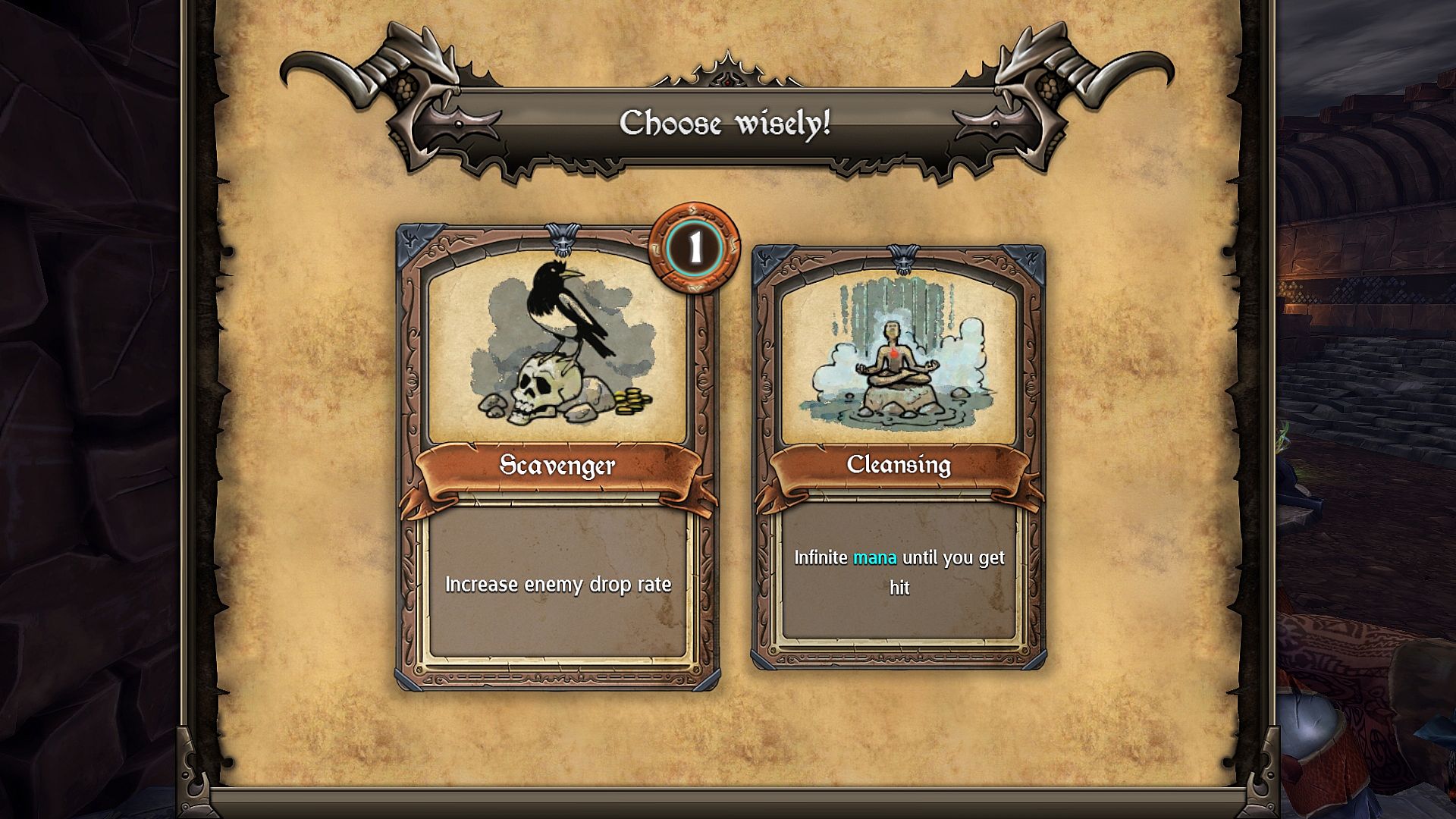
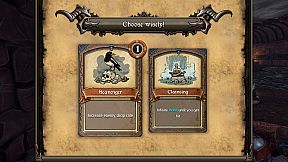
Perks focus on meaningful trade-offs, such as trading health for increased speed or gaining mana regeneration at the cost of other stats. These choices influence weapon selection and overall strategy without requiring complex inventory comparisons. The absence of heavy resource management keeps sessions quick and focused on shooting and positioning.
Game Modes
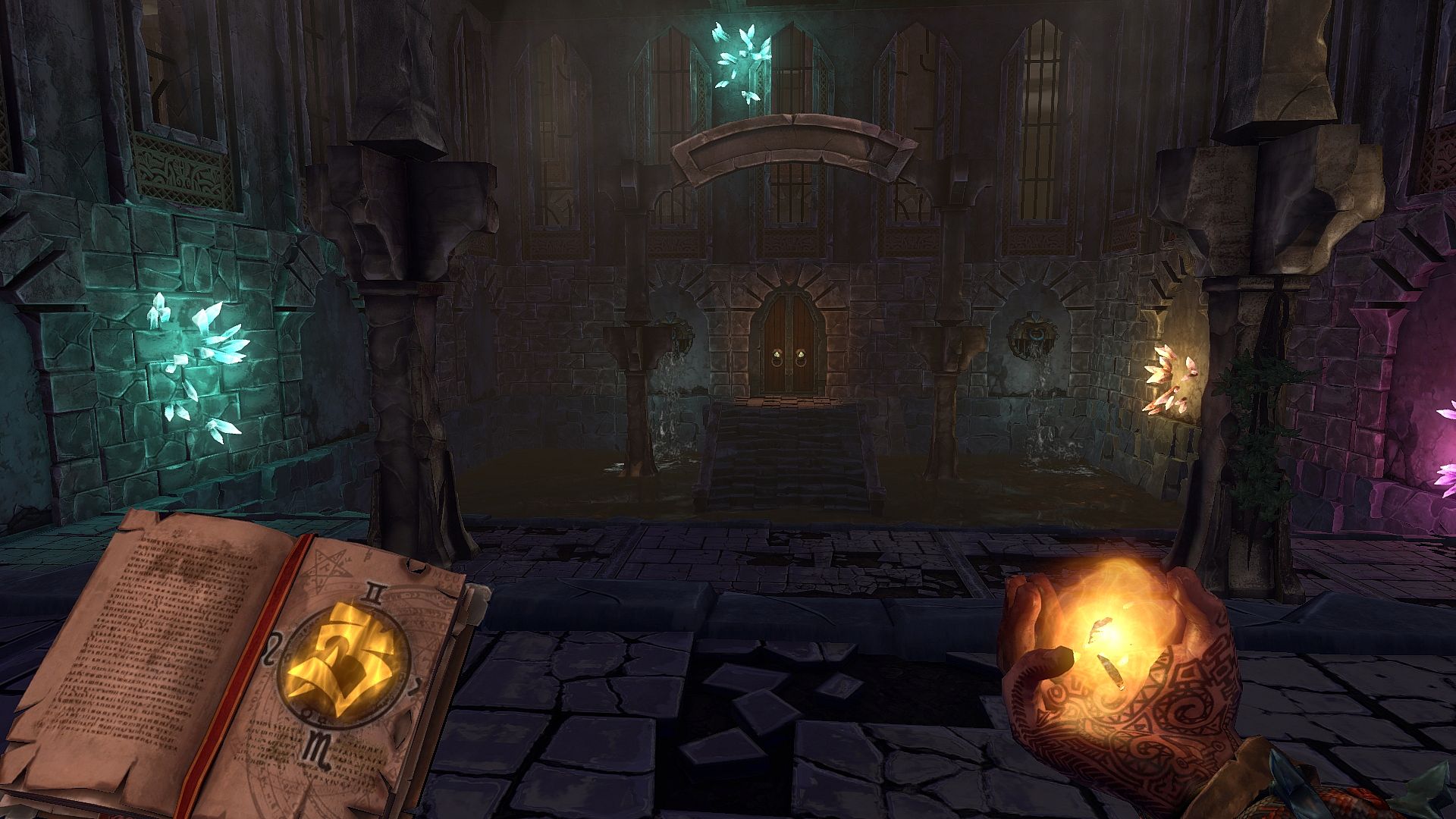
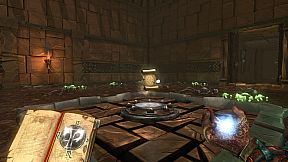
Ziggurat operates as a single-player experience centered on repeated dungeon runs. Each attempt generates a fresh labyrinth layout with new combinations of rooms, enemies, and traps, ensuring no two sessions play identically. The structure encourages multiple attempts as players refine their approach to reach deeper levels and confront stronger challenges.
Progress carries over between runs through unlocked perks and character improvements, but the emphasis remains on individual skill during each labyrinth entry. Leaderboards track performance metrics across the community, adding a layer of competition without altering the solo focus. No separate multiplayer or cooperative options exist.
Progression and Content
Advancement blends permanent unlocks with run-specific elements. Players collect perks and spells that expand options for future attempts, while random generation maintains variety in enemy placements and room designs. Dozens of weapons and enemy types appear across runs, each requiring adaptation in combat tactics.
The game avoids excessive grinding by tying success primarily to combat proficiency. Random elements enhance replayability without turning sessions into pure luck-based affairs. Trap-filled areas and boss fights serve as consistent tests of mastery, supported by a range of alchemical and magical armaments that keep encounters distinct.
Is It Worth Playing?
Player feedback on the PC version remains consistently positive years after release, with the title holding a Very Positive rating from nearly two thousand reviews. Reviewers highlight the satisfying combat loop, variety in perks and weapons, and the challenge that rewards practice over repetition.
The game suits those who enjoy roguelite runs combined with direct first-person shooting. Sessions deliver quick, engaging dungeon crawls without complex systems to navigate. Availability on PC makes it accessible for fans of the genre seeking a focused experience that prioritizes action and strategic perk choices during each labyrinth attempt.