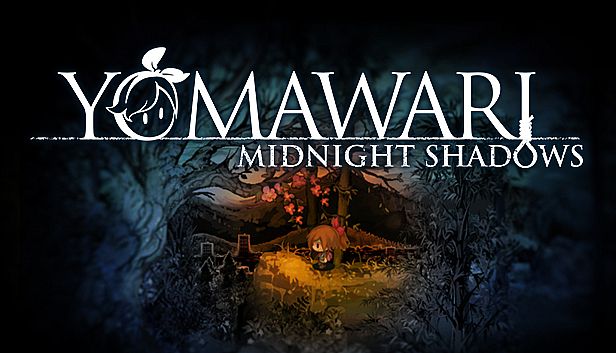













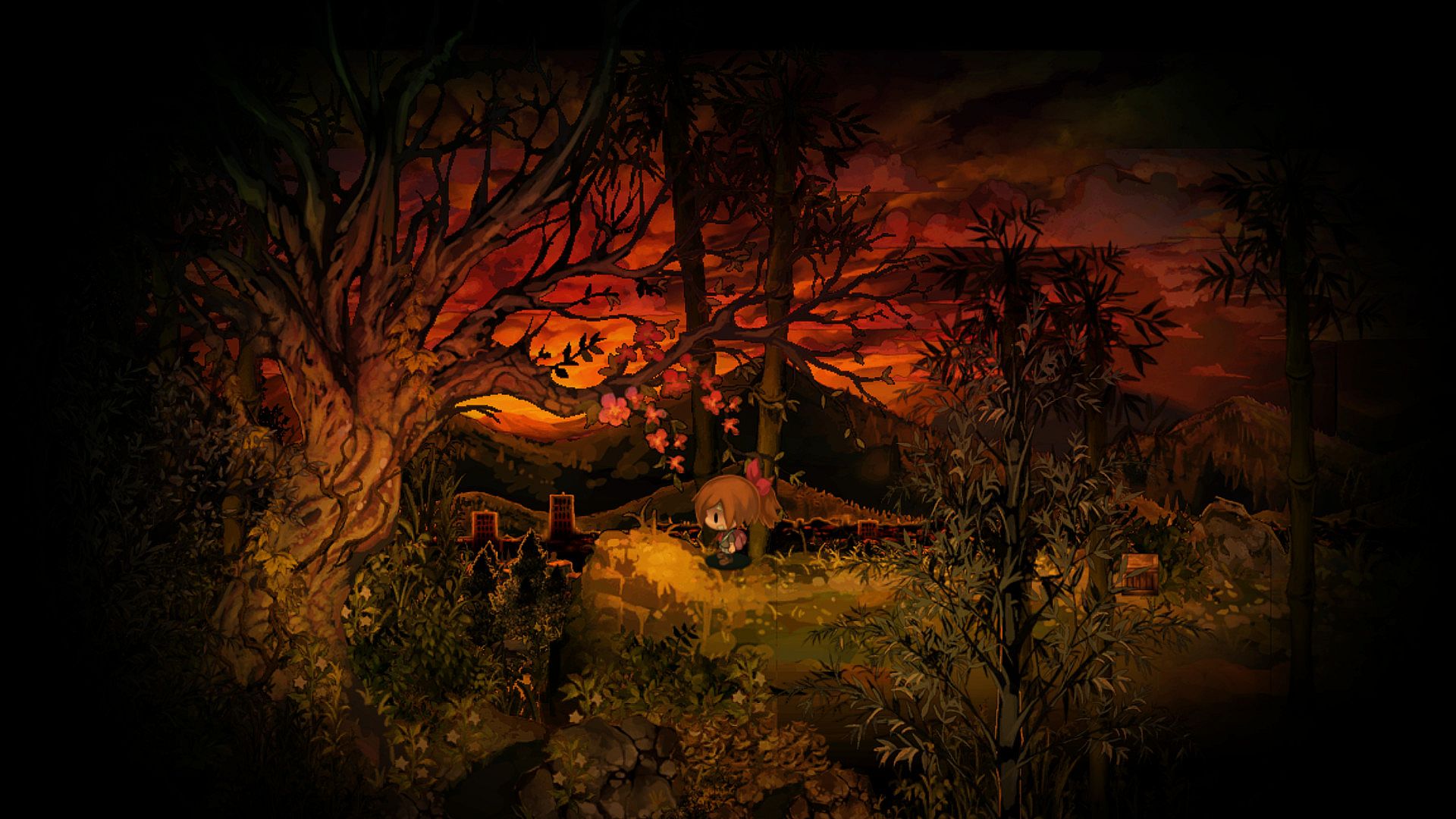
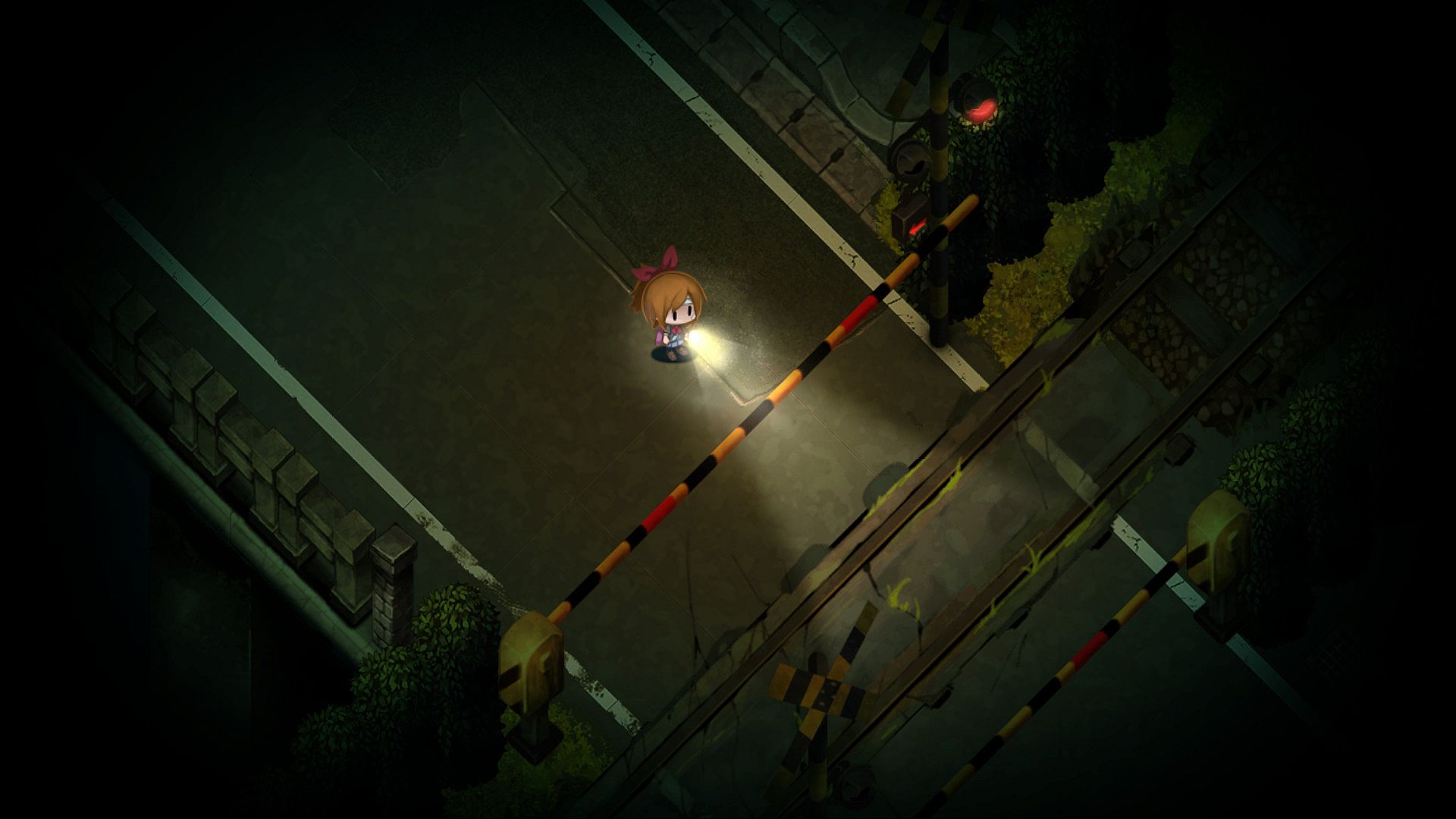
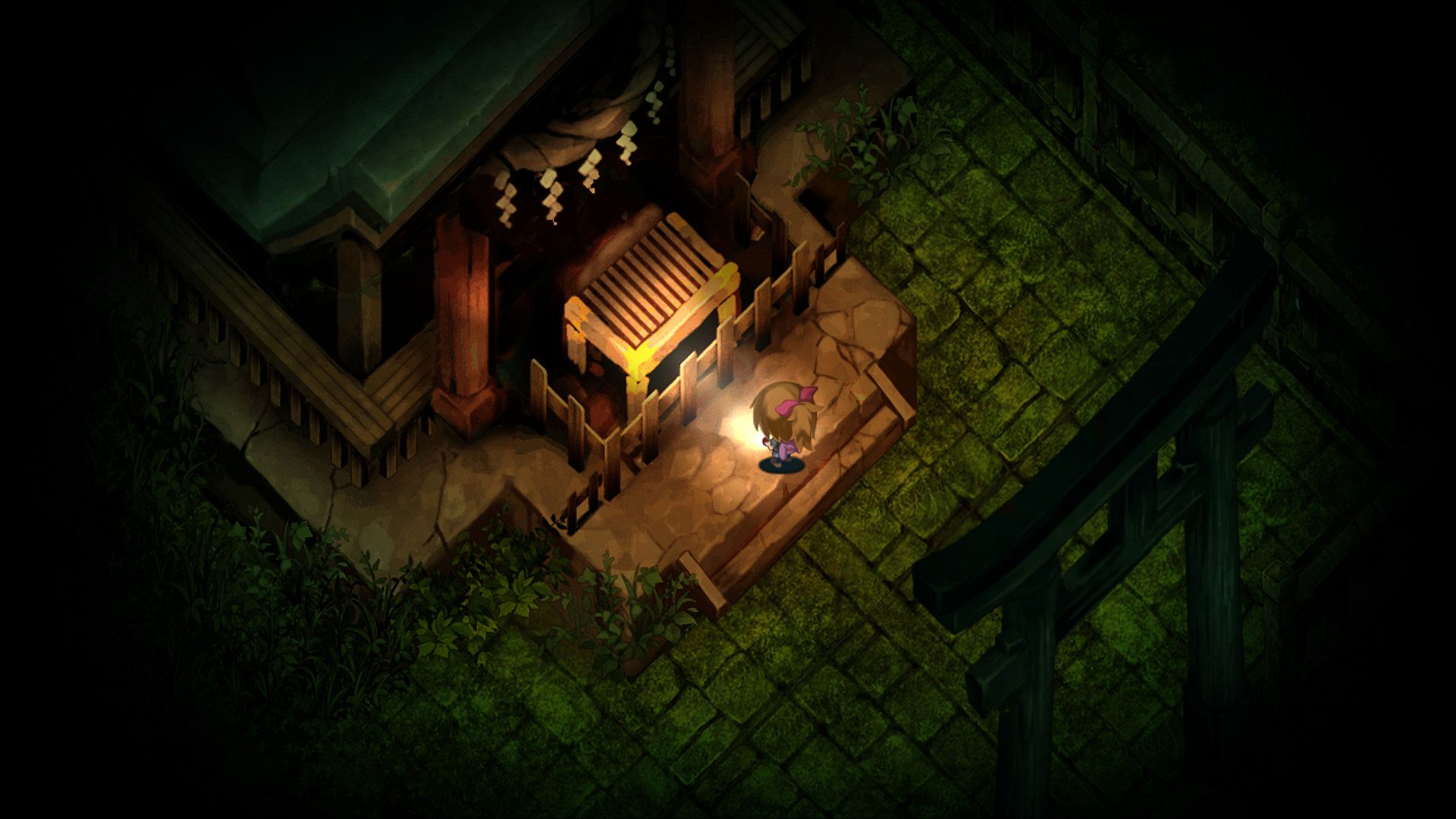
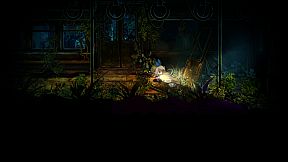
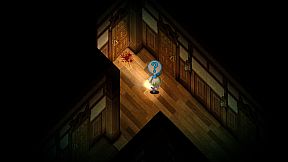
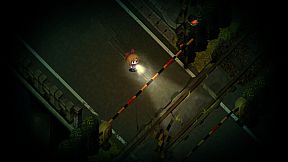
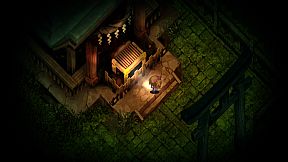
Yomawari: Midnight Shadows is a single-player top-down survival horror adventure game that places players in control of two young girls navigating a darkened town filled with hostile spirits. The core experience revolves around exploration, stealth, and light puzzle solving as the characters search for each other and a way home after an attack separates them during an evening outing.
Gameplay
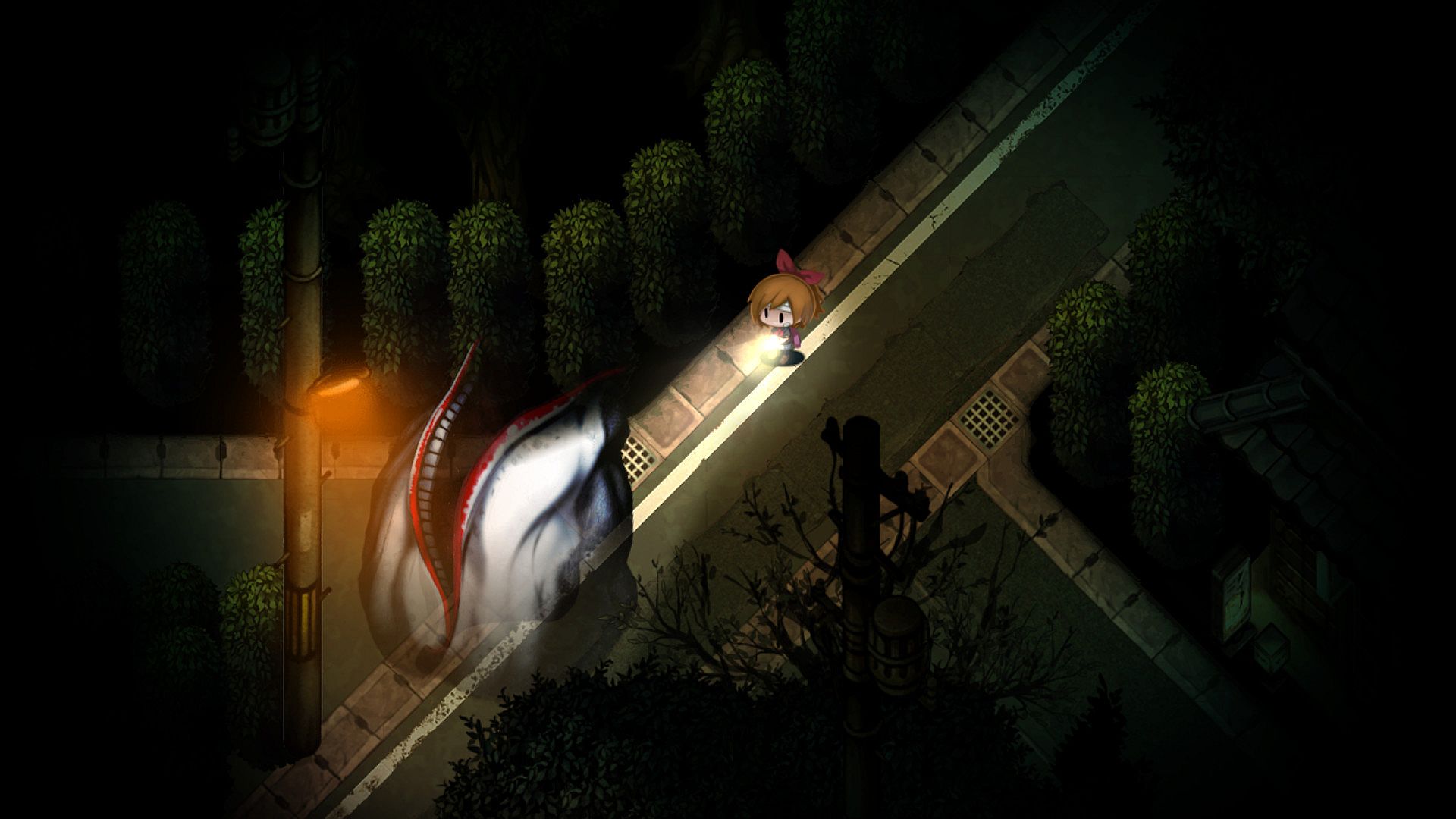
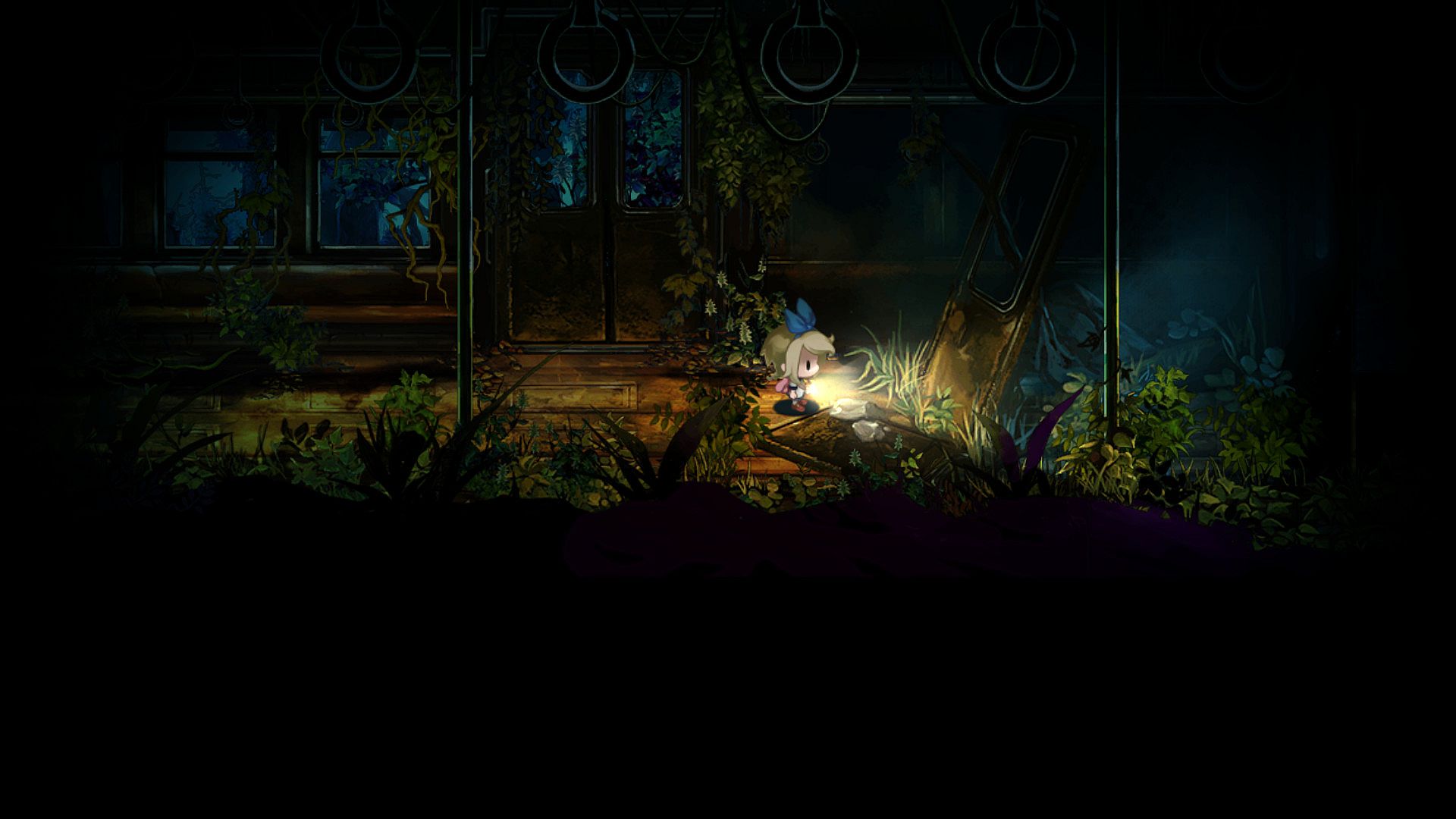
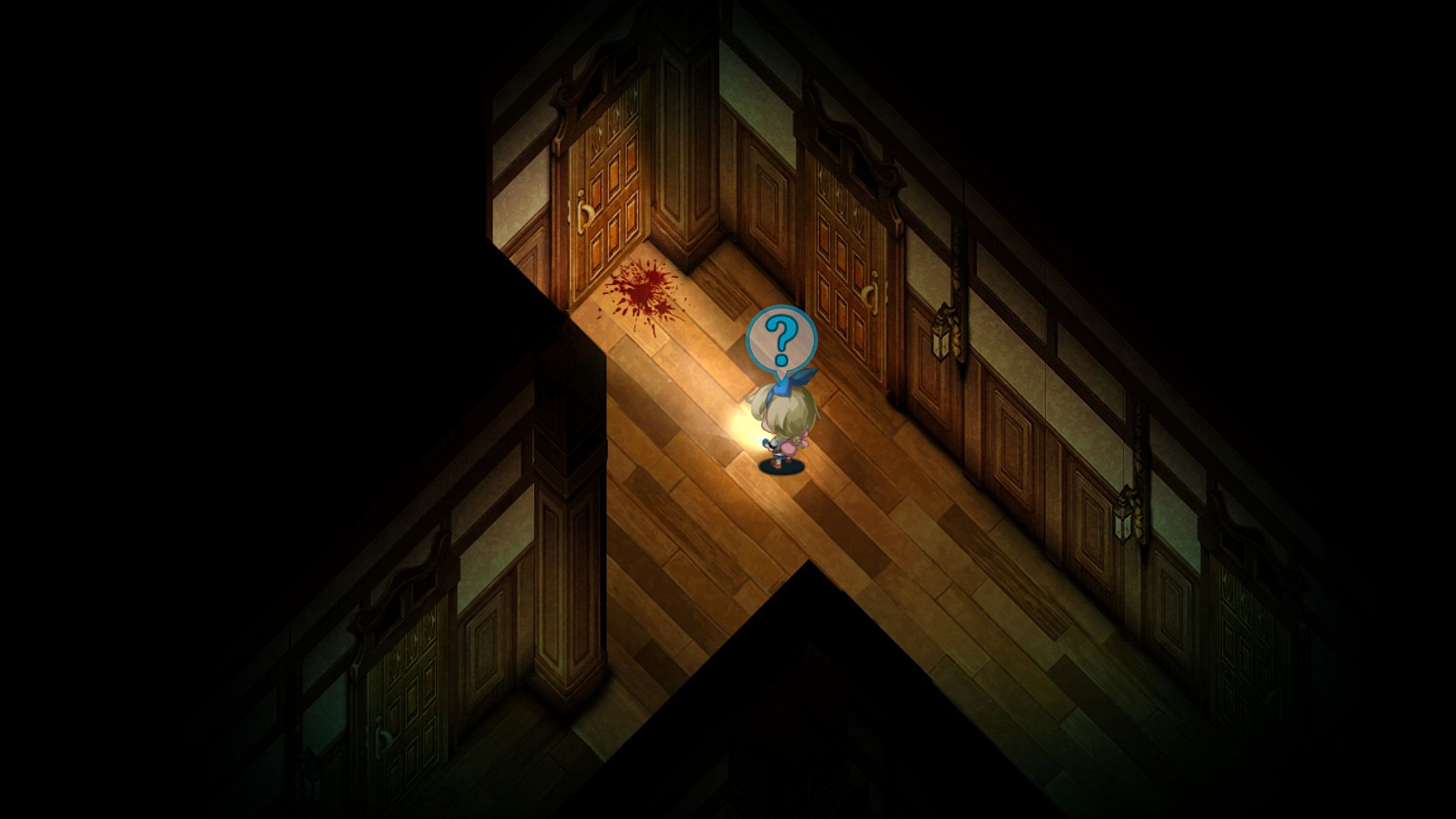
Players view the world from an overhead perspective while moving through streets, houses, graveyards, and wooded areas. A flashlight serves as the primary light source, revealing paths and potential threats in the surrounding darkness. When spirits draw near, the controlled girl's heartbeat quickens as an audio cue, prompting immediate decisions on whether to hide behind environmental objects like bushes or signs, flee along available routes, or deploy found items to create distractions.
Items scattered throughout the environment support both evasion and progression. These objects allow players to lure spirits away from key paths or trigger mechanisms that open new routes. Larger obstacles such as wooden boxes can be pushed into position to form makeshift stepping stones over barriers. The two protagonists switch control at story points, each exploring distinct sections of the map that include a newer residential area and an older district with its own layout of landmarks.
Notes and writings discovered during play provide additional context about the town's history and the nature of the entities encountered. These collectibles tie into the puzzle elements by hinting at solutions or revealing patterns in spirit behavior, encouraging thorough searching without combat options.
Game Modes
The game offers a single continuous campaign structured around sequential chapters that advance the timeline from dusk through deeper night. Each chapter expands the explorable areas and introduces new environmental challenges while maintaining the focus on stealth and item use. There are no separate multiplayer options, competitive modes, or alternate play styles beyond the main story progression.
Chapter completion unlocks further map sections and advances the narrative connection between the two girls. The structure emphasizes careful navigation and repeated visits to previously explored locations as new abilities or items become available through story events.
Exploration and Atmosphere
The town setting combines everyday locations with eerie transformations once night falls. Players revisit areas across chapters, discovering how darkness alters familiar spaces and reveals hidden threats or shortcuts. Spirit encounters vary in behavior, requiring different approaches such as timing movements or positioning distractions based on each entity's movement patterns and weaknesses.
Sound design reinforces tension through heartbeat audio and ambient effects that shift with location and time of night. Visual cues like limited flashlight range create a sense of vulnerability during longer traversals between safe points.
Is It Worth Playing?
This title suits players who enjoy deliberate pacing, environmental interaction, and tension built through avoidance rather than direct confrontation. The campaign delivers a focused horror experience centered on two intertwined stories without extraneous content. Reception among owners remains strongly favorable, highlighting the consistent atmosphere and clever use of simple mechanics to maintain unease throughout the chapters.
Those seeking fast action or combat systems will find the emphasis on hiding and puzzle resolution less engaging. The game stands as a complete, self-contained release with no ongoing seasonal content or expansions required for the core experience. Availability on PC allows straightforward access for anyone interested in top-down horror adventures that prioritize atmosphere and careful observation over spectacle.