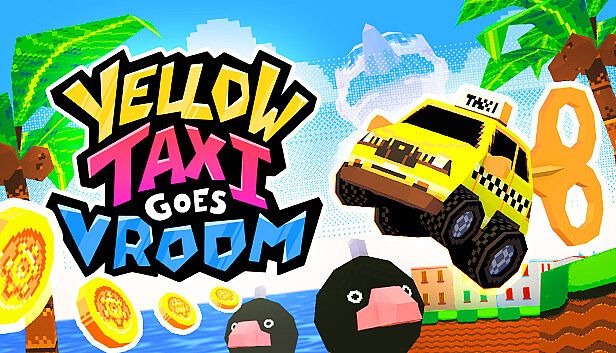




















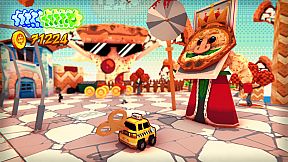
Yellow Taxi Goes Vroom stands out as a distinctive indie action adventure platformer built around unconventional movement and exploration on PC. The game places players in control of a taxi that spends most of its time airborne, relying on a set of chained maneuvers rather than traditional jumping to traverse vibrant, retro-inspired worlds.
Gameplay
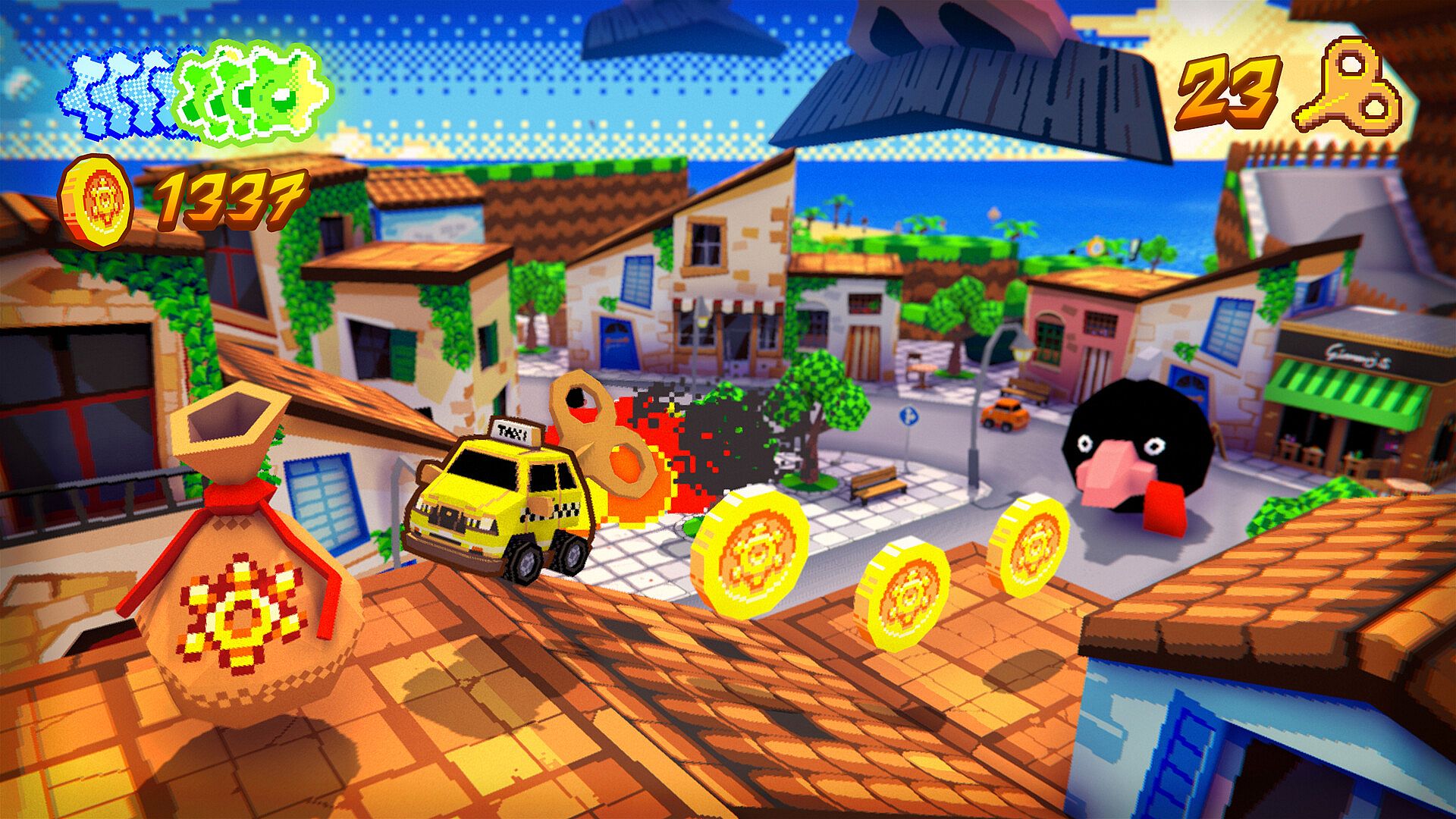
The core loop revolves around precise timing and creative combinations of flips, dashes, and bumps to reach elevated or hidden areas. Without a dedicated jump input, every sequence of actions demands careful planning to maintain momentum and avoid falling short. Levels feature hand-crafted layouts filled with retro aesthetics that encourage repeated attempts to uncover every corner.
Collectibles sit in deliberately obscure spots, rewarding thorough searches and out-of-bounds experimentation. The design pushes players to test the boundaries of each stage, turning simple navigation into a satisfying puzzle of movement mastery. This approach creates a tight feedback loop where small improvements in technique open up new paths and rewards.
Game Modes
The experience centers on a single-player campaign structured around distinct levels set on Granny's Island. Each area functions as a self-contained challenge focused on traversal and collection, with no separate multiplayer components or competitive variants confirmed. Progress ties directly to completing objectives within these hand-crafted environments while interacting with the local cast of eccentric characters.
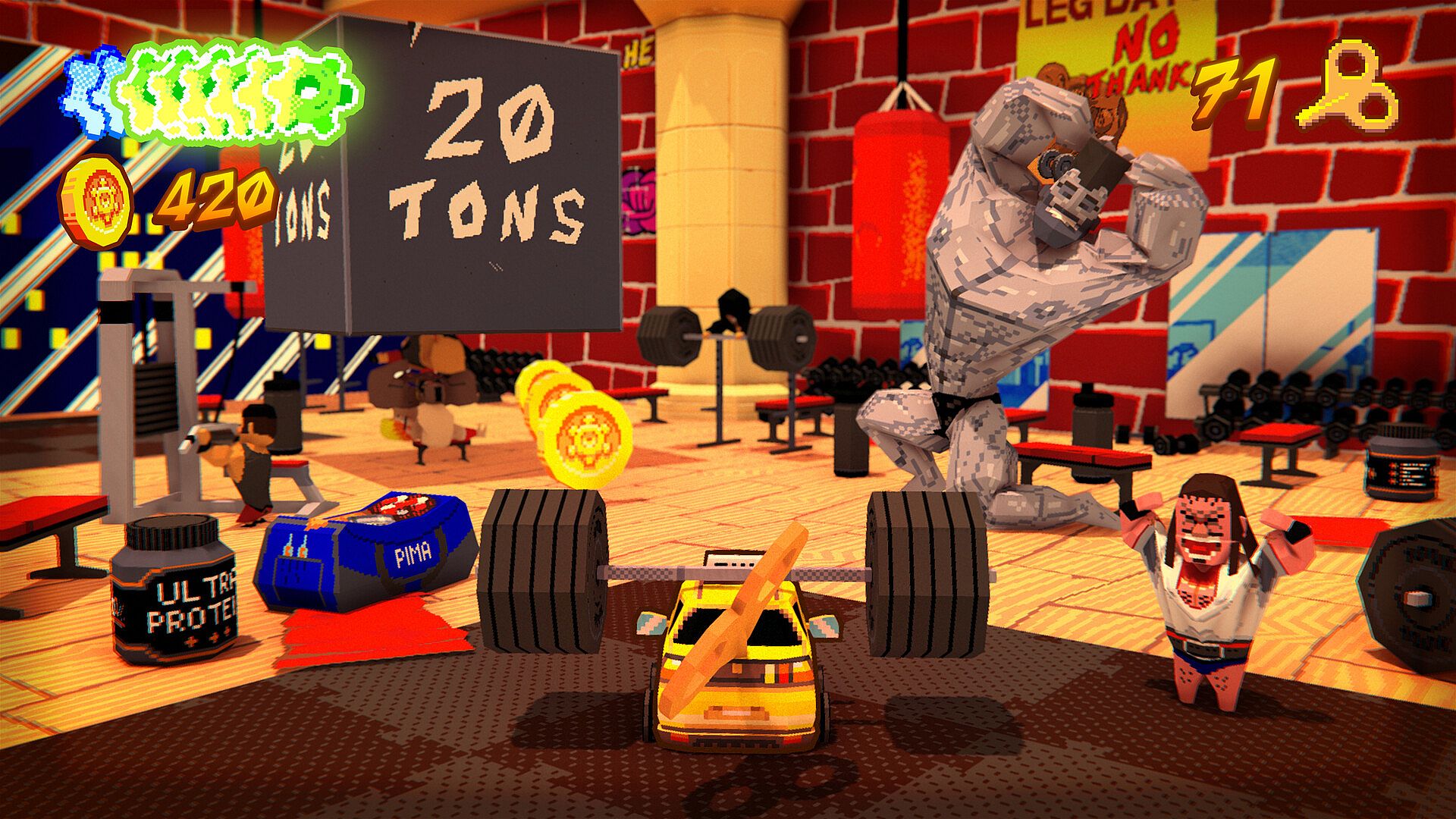
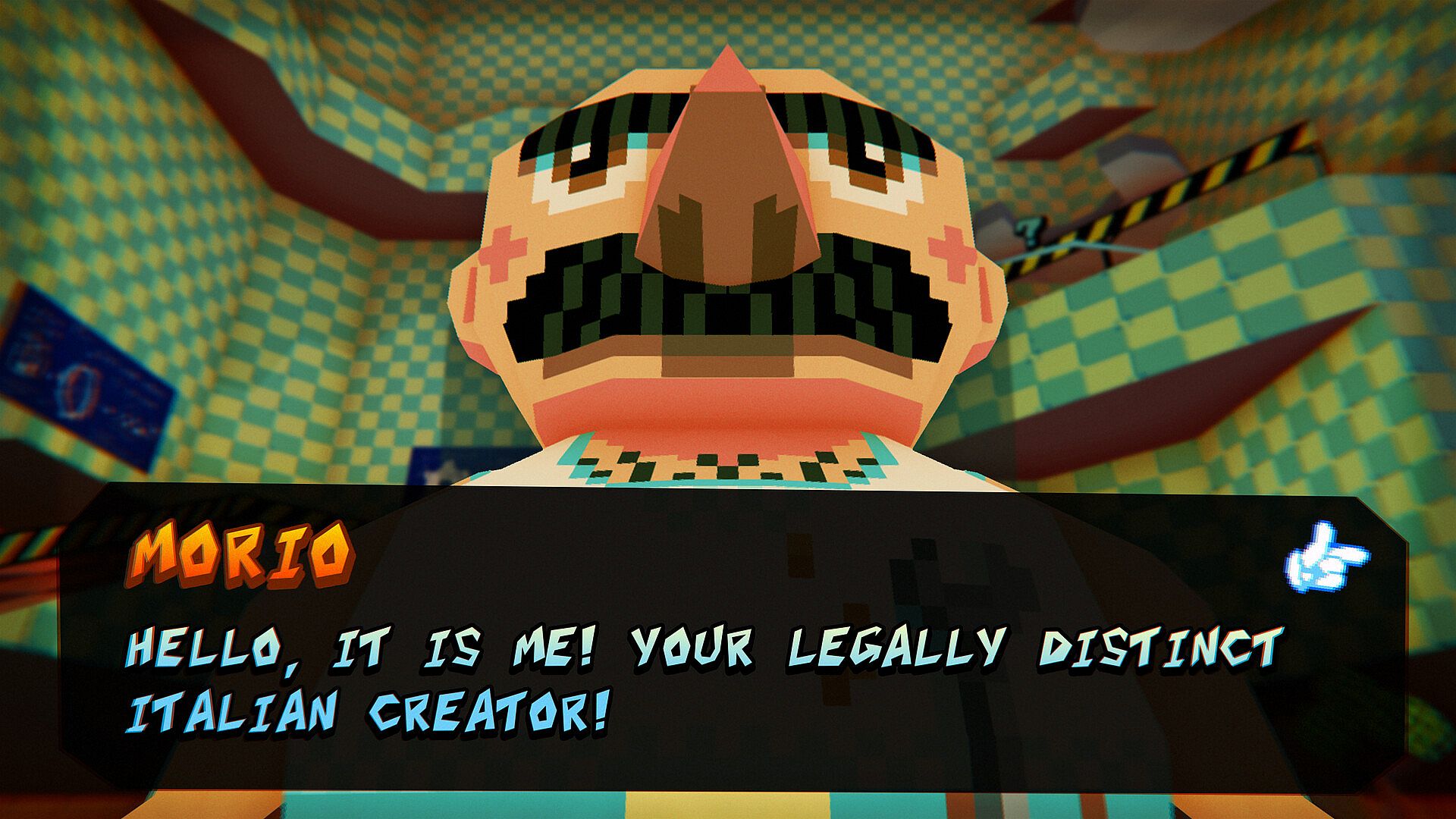
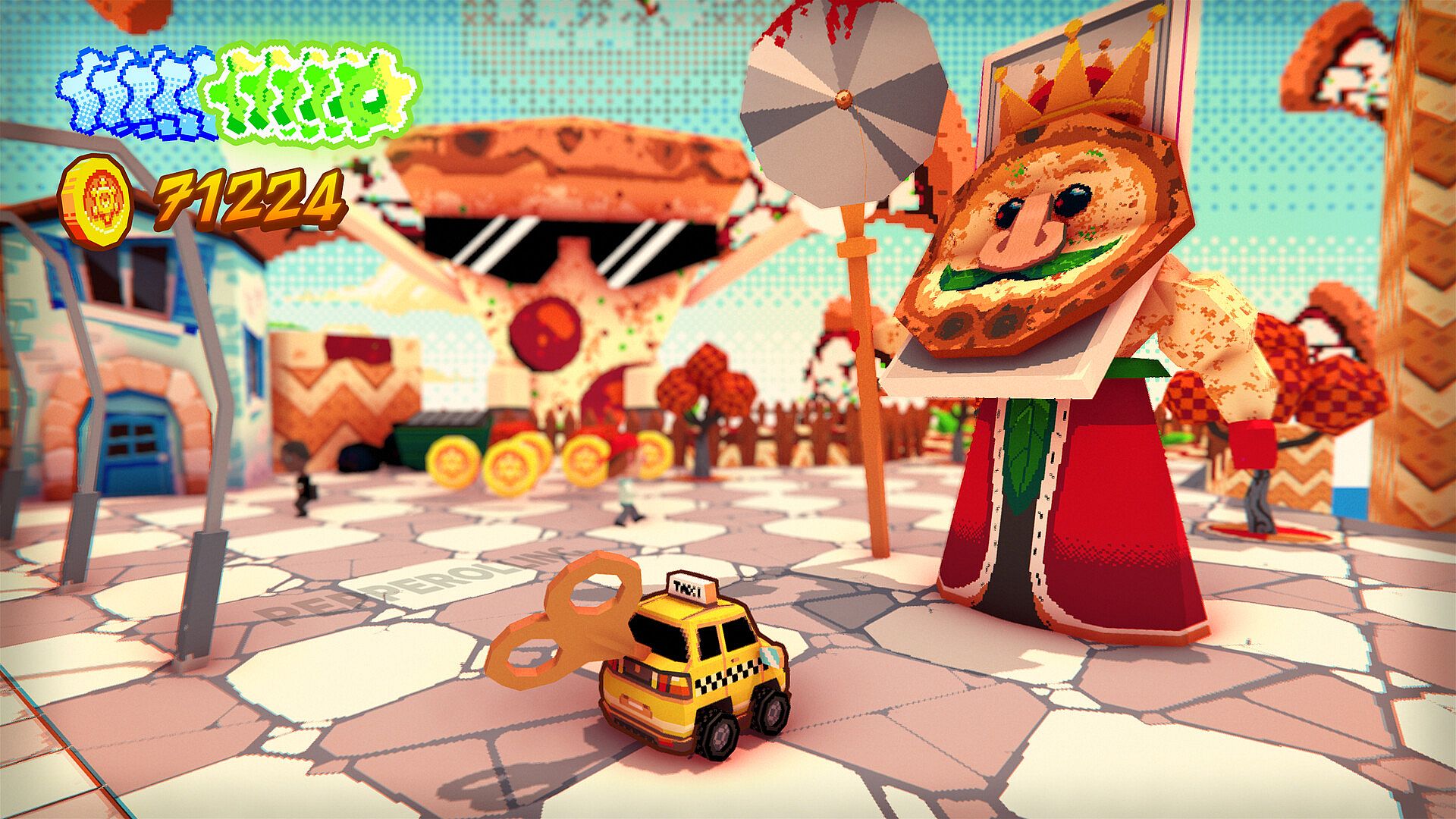
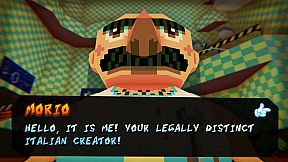
Exploration serves as the primary activity, blending platforming sequences with light narrative elements that unfold through encounters. Players piece together story fragments by reaching new locations and engaging with figures such as Pizza King, Morio, and Ultra Chad. This structure keeps the focus on personal discovery rather than structured multiplayer sessions or seasonal content.
Visual Style and Presentation
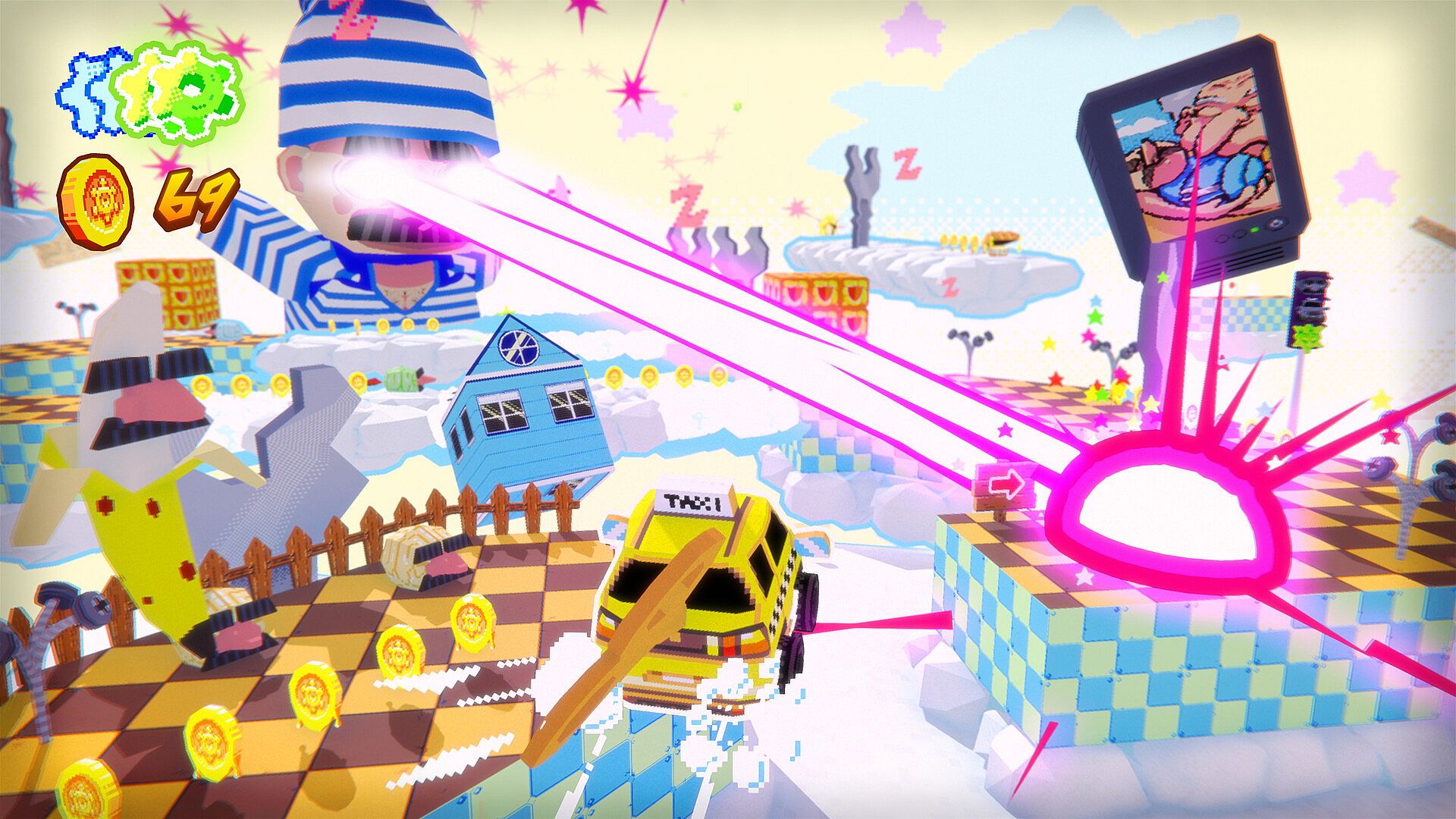
The game adopts a psychedelic, low-poly look reminiscent of late 1990s console titles, complete with saturated colors and exaggerated animations. Screen effects like shakes and wobbles accompany high-speed maneuvers, enhancing the sense of chaotic motion. Audio design complements the visuals with upbeat tracks that shift in intensity to match the pace of exploration.
Character designs lean into absurd humor, featuring oversized personalities and memorable dialogue that fits the overall tone. The art direction prioritizes charm and personality over realism, creating environments that feel lived-in yet deliberately stylized for maximum visual pop during extended play sessions.
Is It Worth Playing?
Player reception has been strongly favorable since the April 2024 release, with Steam reviews sitting at Overwhelmingly Positive based on nearly 1,600 ratings. The game appeals most to those who enjoy collectathon platformers that reward curiosity and mechanical experimentation over linear storytelling or combat systems.
Its short but dense levels suit players comfortable with trial-and-error progression and a willingness to hunt for every hidden item. The absence of ongoing updates or additional modes keeps the package focused on the initial campaign, making it a solid choice for a self-contained experience rather than a live-service title. Fans of retro-inspired movement challenges will find the unique control scheme refreshing and replayable through achievement hunting and completionist goals.