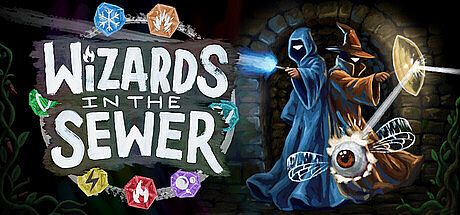


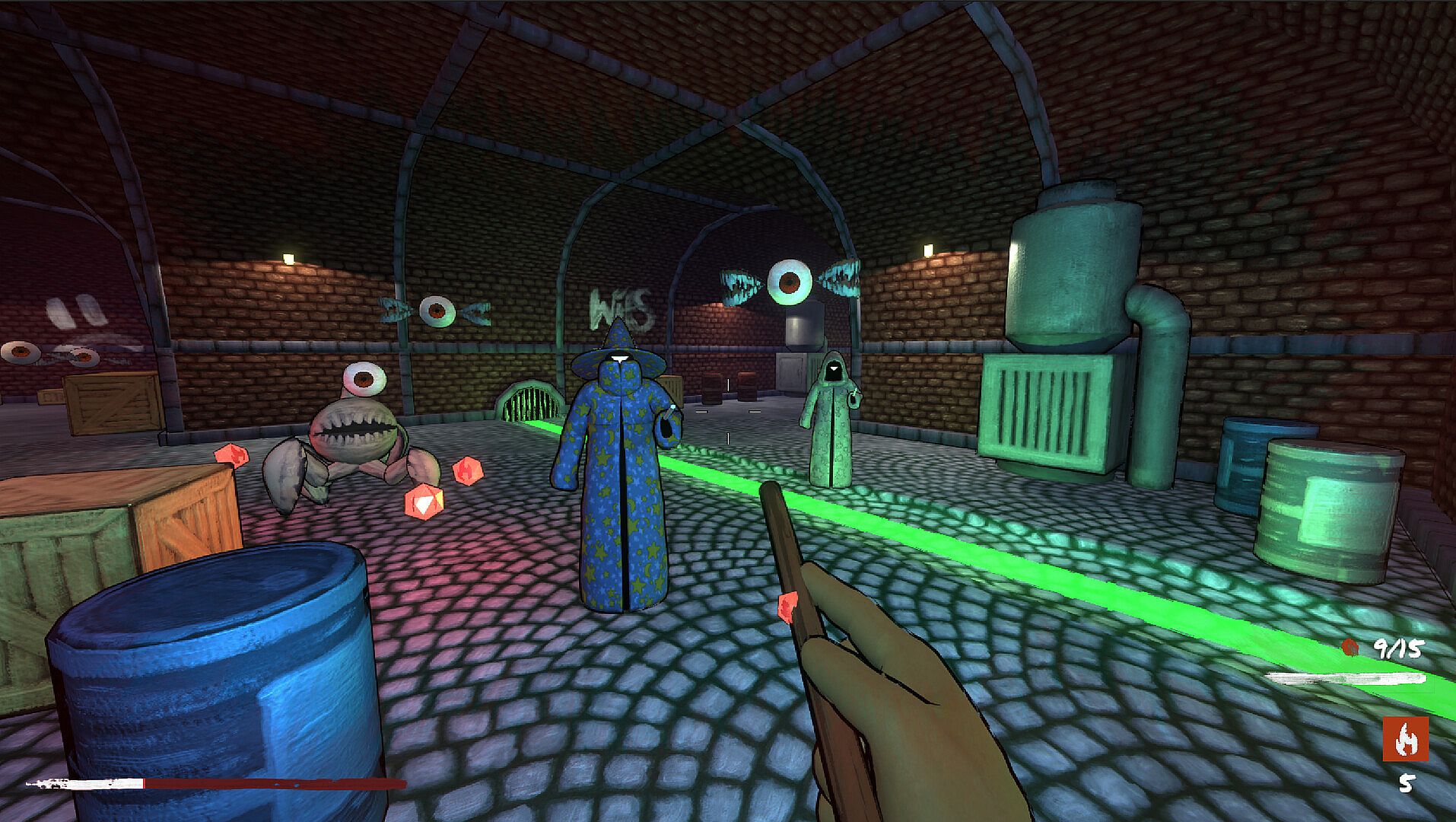
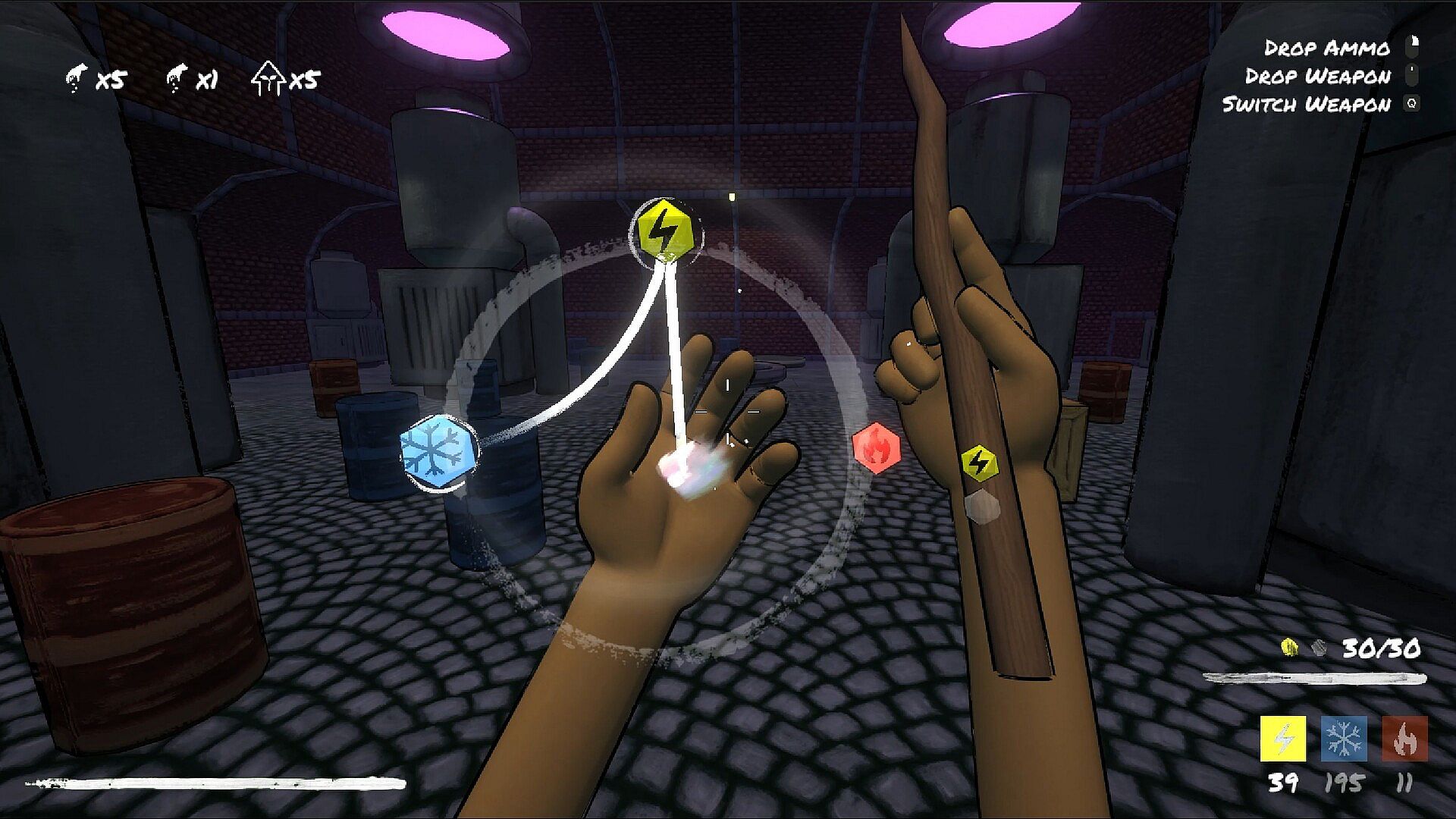
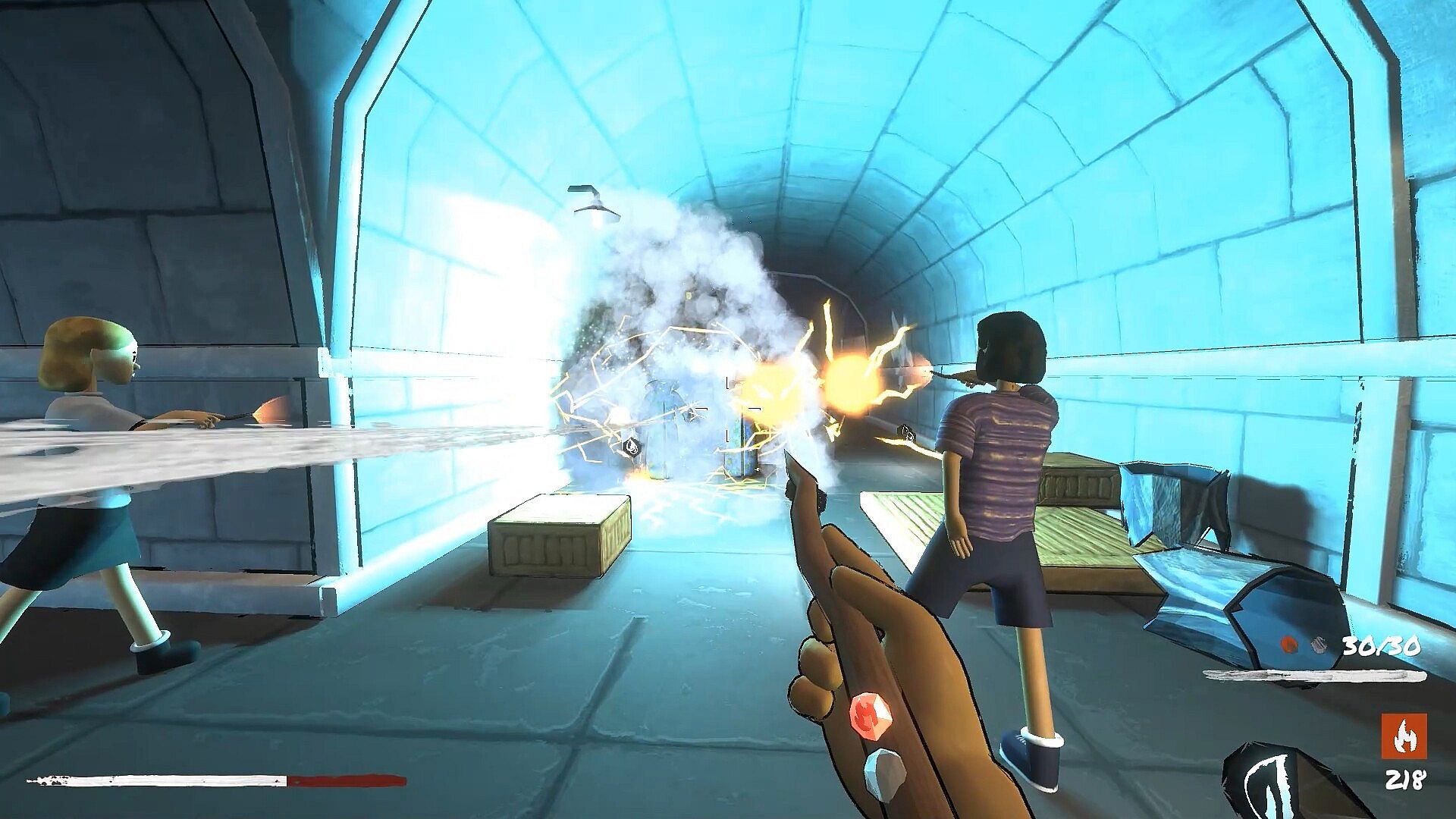
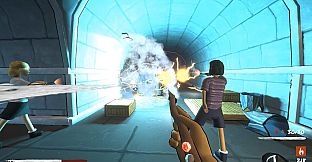
Wizards In The Sewer is a first-person shooter built around elemental magic mixing rather than conventional weapons. Players combine twelve base magic types on the fly to create effects like steam from fire and ice or bouncing projectiles with added rubber elements. The game runs on PC and follows a roguelite structure with procedurally generated levels filled with wizards and other threats.
Gameplay
Core combat centers on wand customization during fights. Base magic types react when combined either in the wand or directly in the environment, allowing mid-battle adjustments based on the situation or personal preference. Twelve starting elements provide a wide range of outcomes, from protective barriers to movement-altering effects.
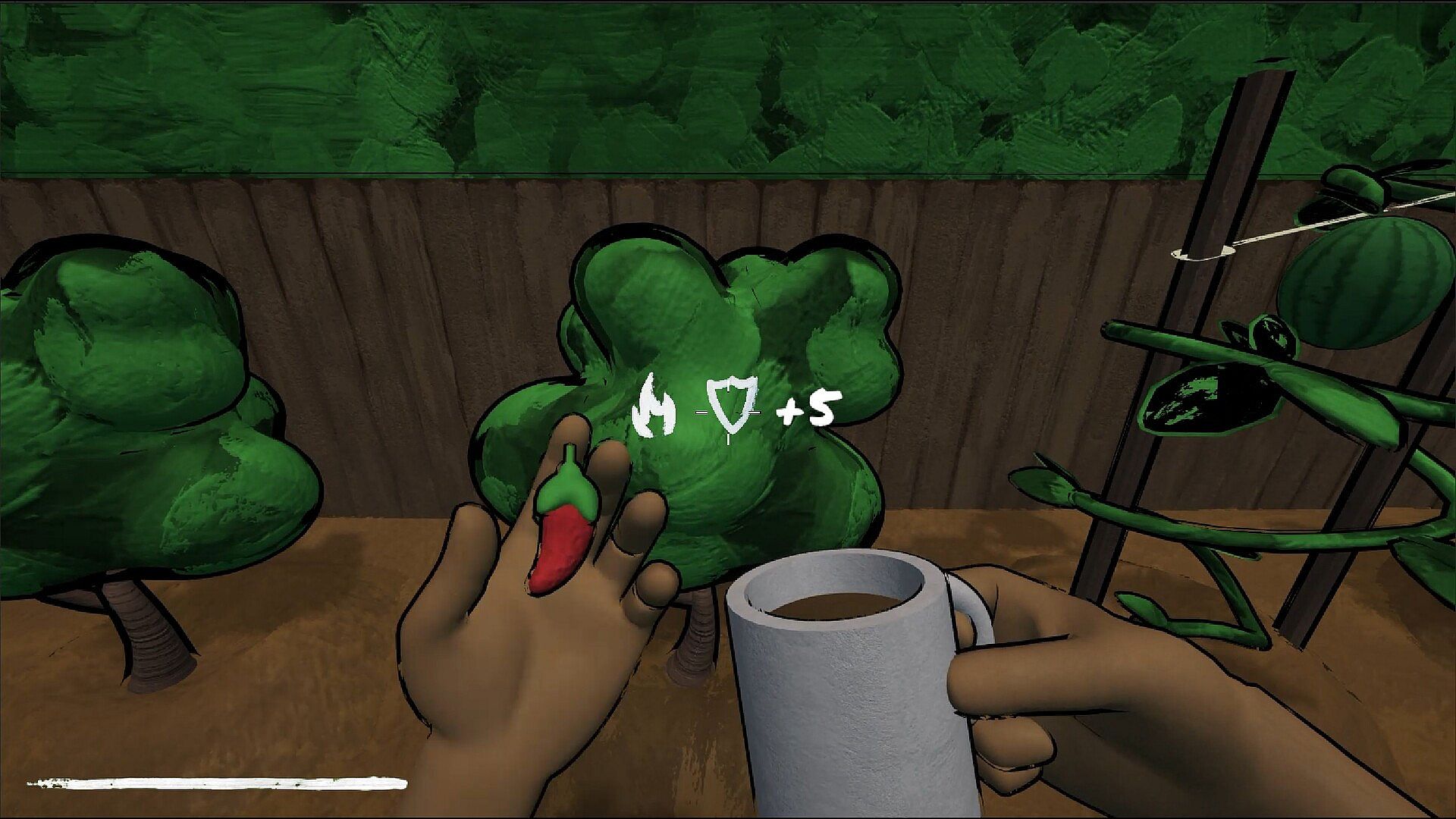
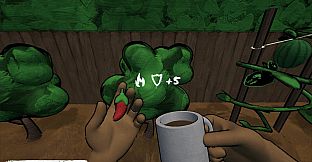
Death sends players back to a backyard garden area. Seeds dropped by defeated enemies become plants that grant targeted advantages for the next run, such as fire resistance from certain crops or counters to ice-based attacks. This loop ties progression to repeated attempts through the changing environments.
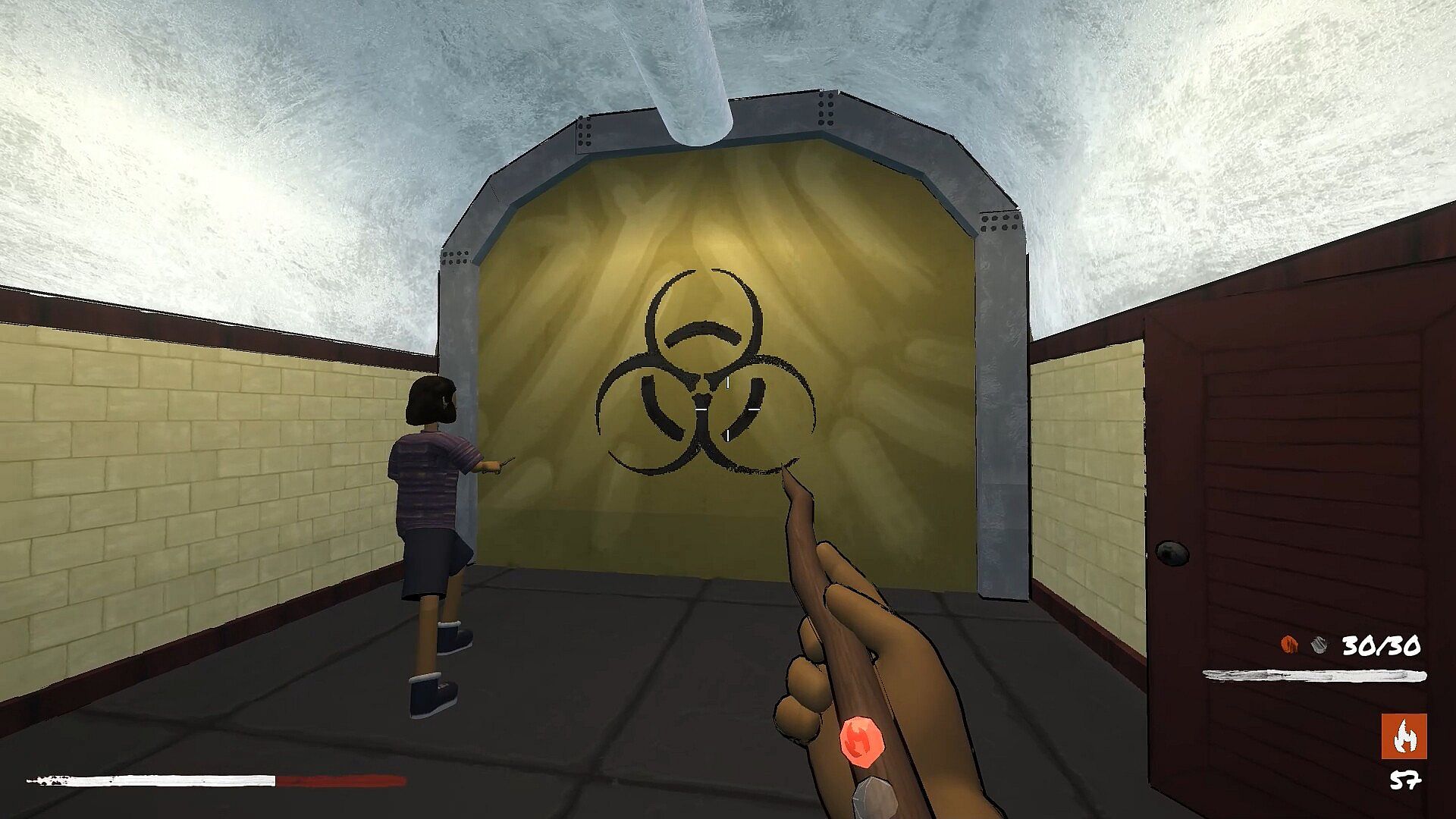
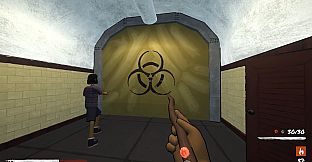
Visuals stand out through hand-painted assets created with real paint and paper. Every enemy, object, plant, and magic effect originates from physical artwork scanned and applied to 3D models. Levels shift across sewers, subways, glitching forests, and dystopian futures as part of the procedural generation.
Game Modes
The game supports solo play through the full campaign of procedurally generated dungeons. Online co-op allows up to four players total, with drop-in and drop-out support that lets friends join an existing session at any time. Team magic mixing adds coordination challenges, as some combinations prove difficult to control in groups.
No separate competitive or versus modes appear in the available details. All activity stays within the roguelite dungeon runs and the shared gardening space between attempts.
Story and Exploration
A central mystery drives progression. Players uncover why wizards occupy the sewers, who dispatched them, and the purpose behind the seeds they carry. Journeys span multiple distinct zones that change with each run due to procedural systems.
Exploration mixes combat with environmental interaction. Magic combinations can alter the surroundings themselves, opening new paths or creating tactical advantages during fights.
Is It Worth Playing?
The title targets players who enjoy roguelite runs centered on creative problem-solving through magic systems and a light meta-progression via gardening. The absence of guns shifts focus entirely to elemental reactions and wand experimentation, which suits those seeking a distinct shooter experience.
Co-op supports casual group sessions with easy joining, though the chaotic nature of some magic mixes rewards communication. Solo runs emphasize personal experimentation with the twelve base elements and strategic plant choices after each death.
As an upcoming release with no player reviews available yet, its appeal rests on the verified mechanics of procedural dungeons, magic combination depth, and the death-to-garden cycle. Those drawn to hand-crafted art styles and mystery-driven exploration in action games will find the described features align closely with that preference.