


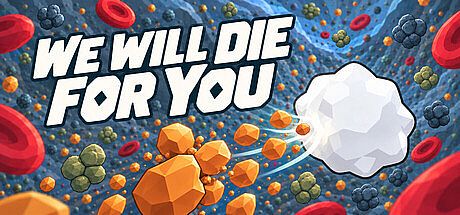


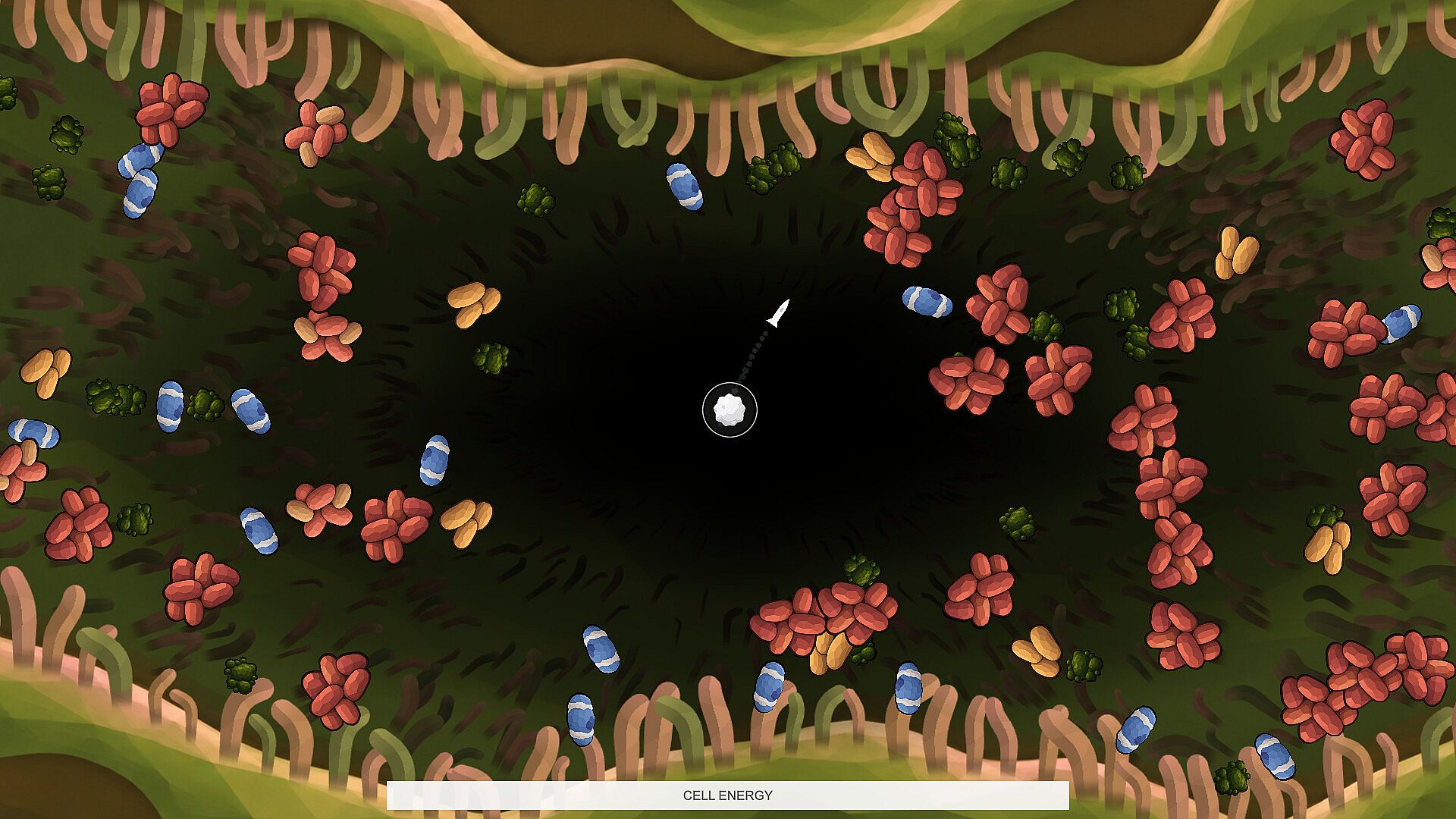
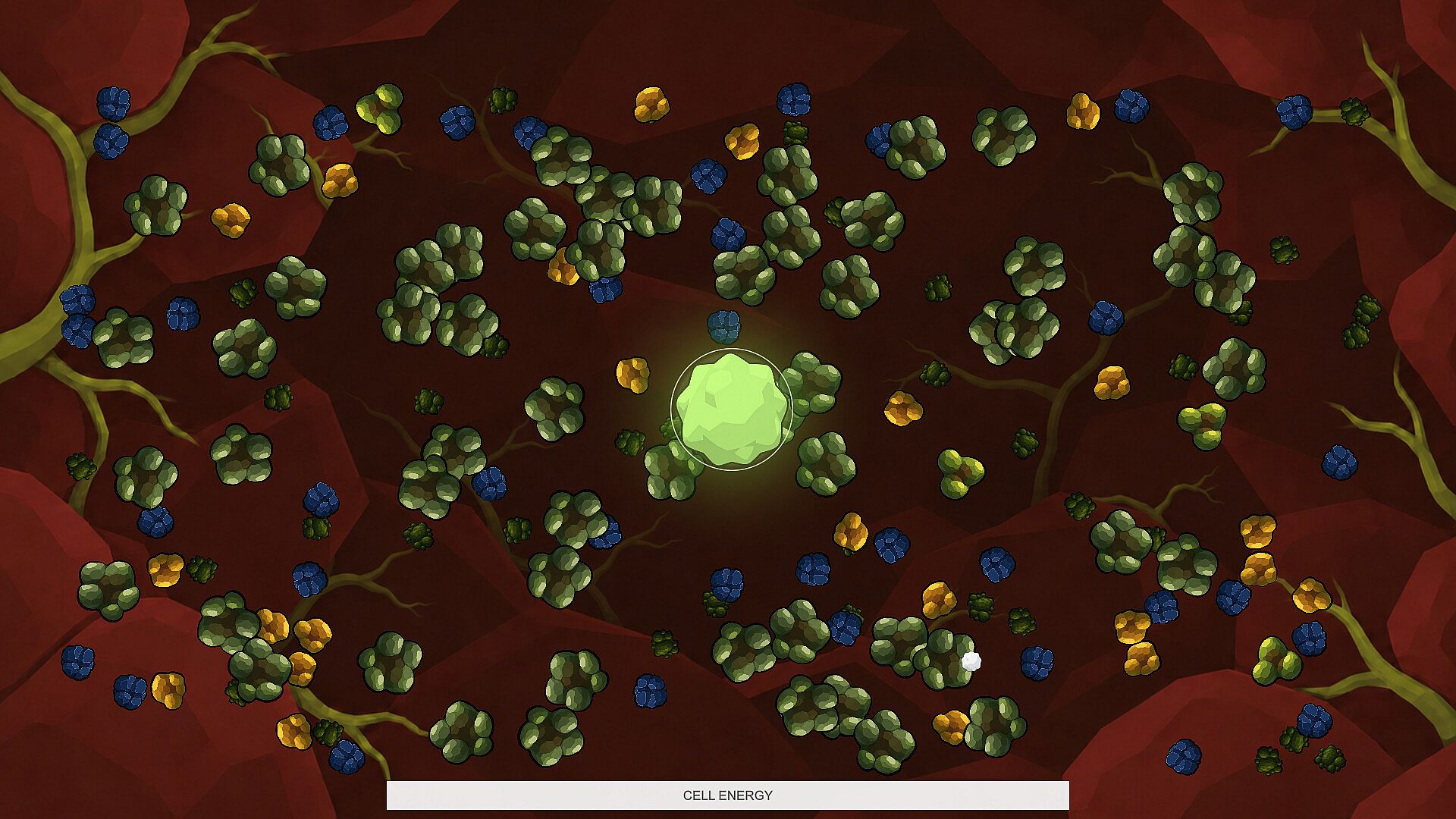
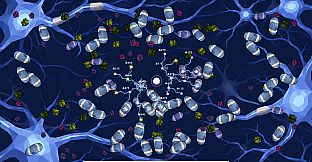
We Will Die For You is a single-player incremental action game that blends elements of simulation and casual play. Players guide a white blood cell through the human body, clearing disease and debris while building lasting upgrades that carry over between runs. The core loop centers on short sessions of movement and collection that feed into permanent progress, making each attempt contribute to a stronger overall immune response.
Gameplay
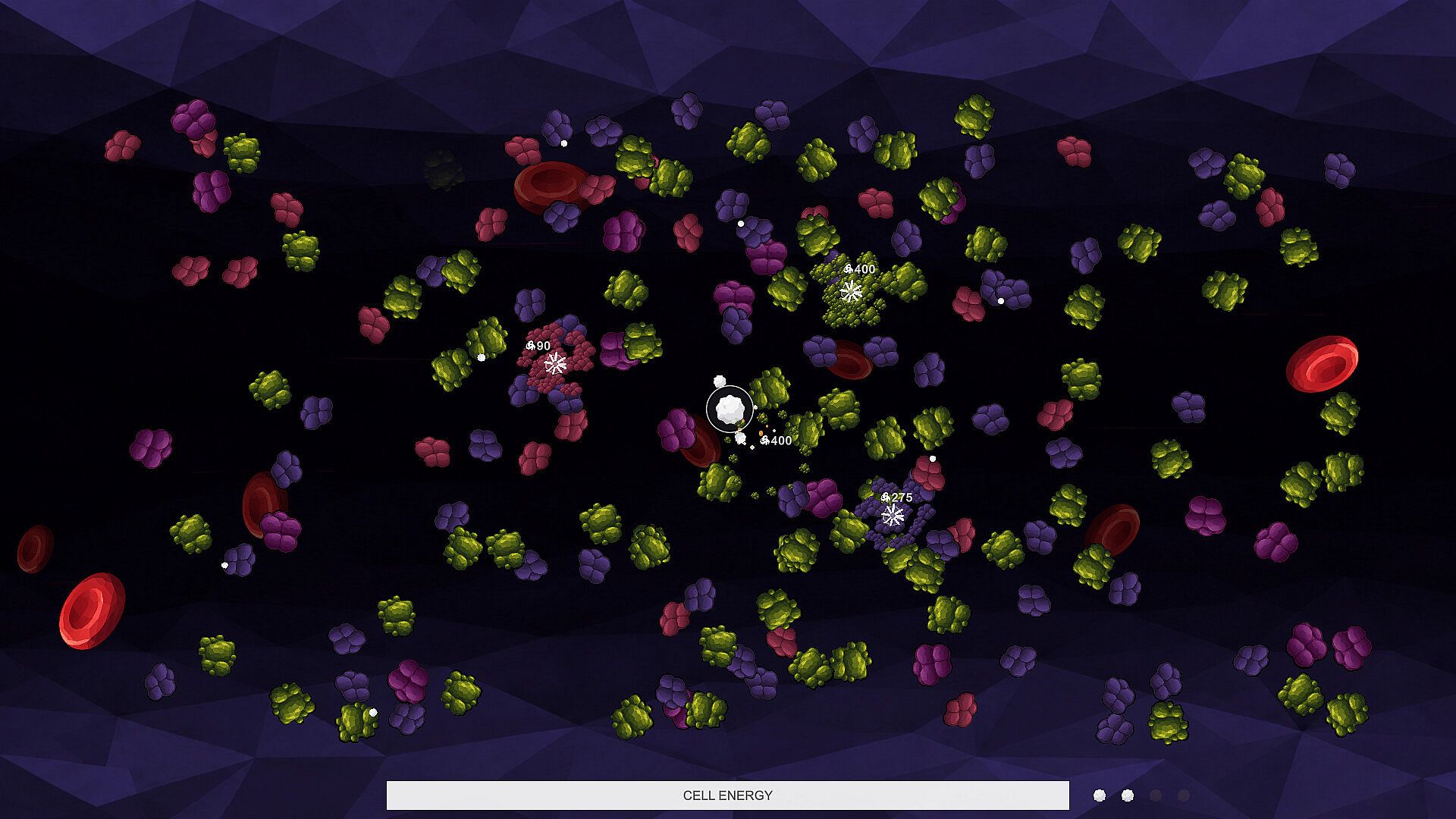
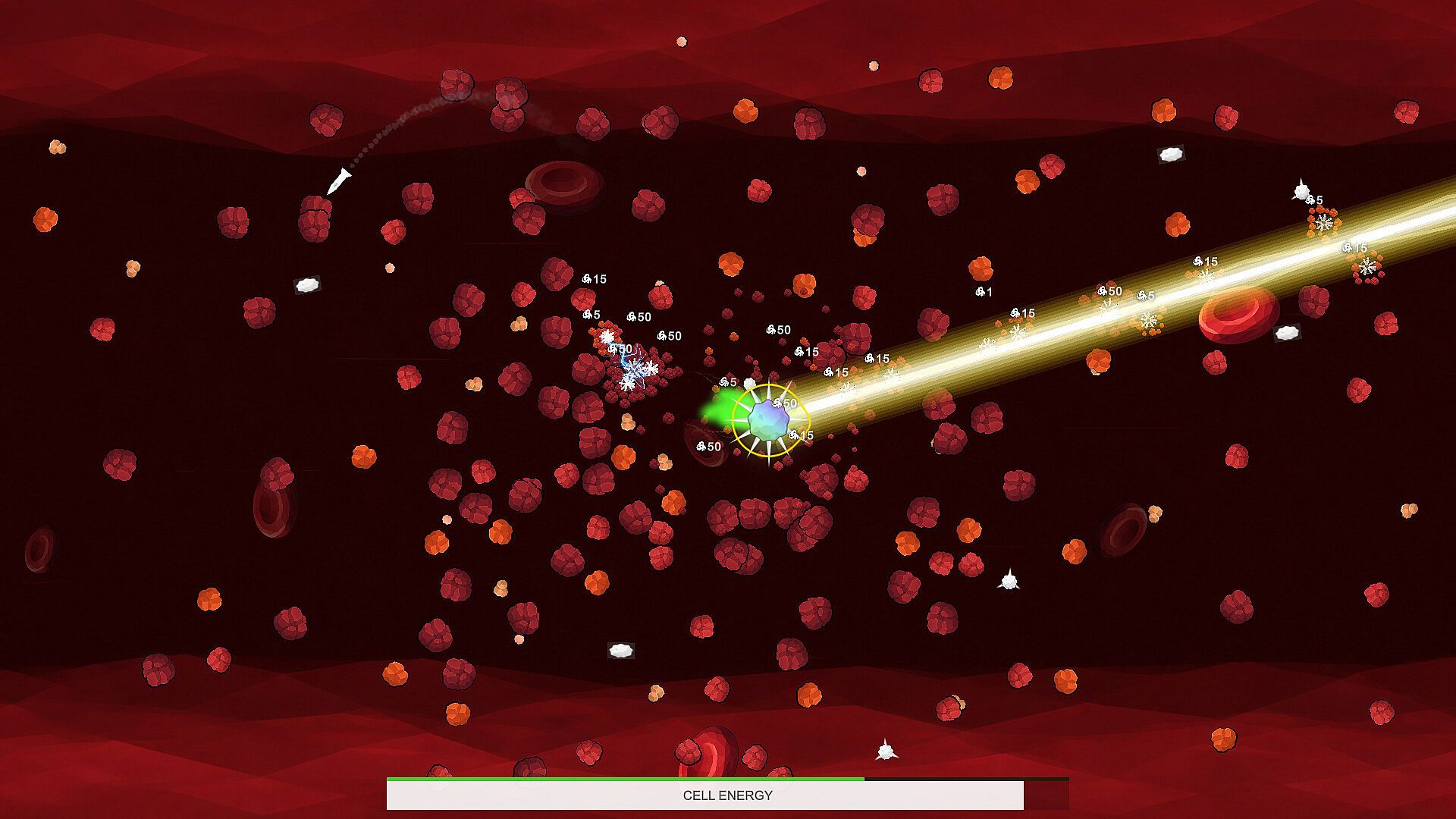
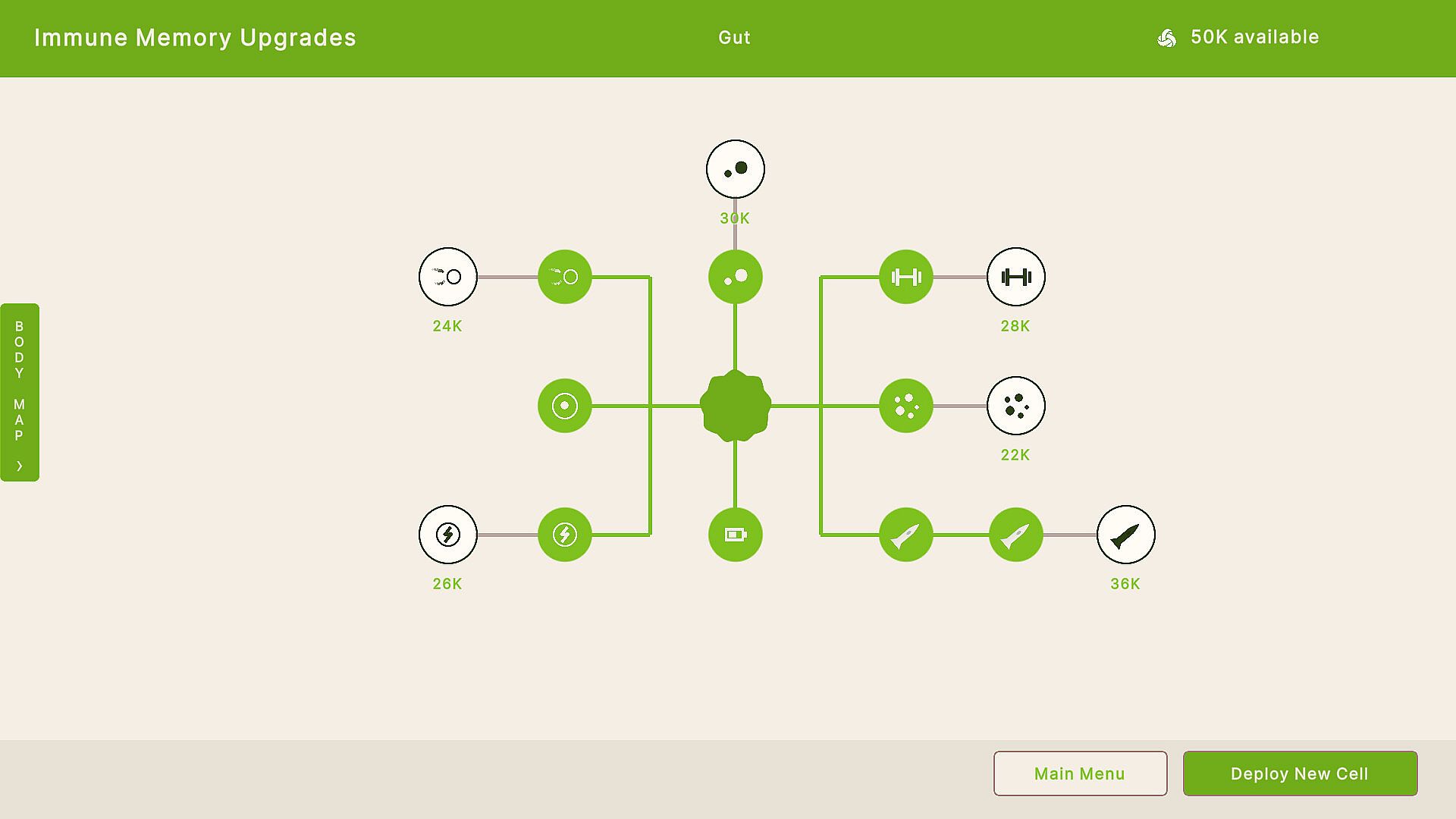
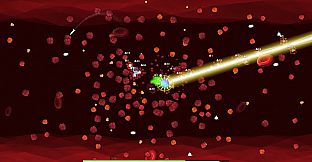
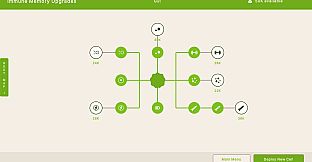
Control centers on steering a fragile white blood cell through environments filled with drifting particles. Suction pulls in disease particles and cellular debris automatically, allowing focus on navigation and energy management. Breaking down collected material yields Proteins, the currency for upgrades that improve movement speed, suction range, breaking strength, and energy capacity. When a cell depletes its energy, the run ends, but earned Proteins transfer to the next cell as permanent Immune Memory upgrades.
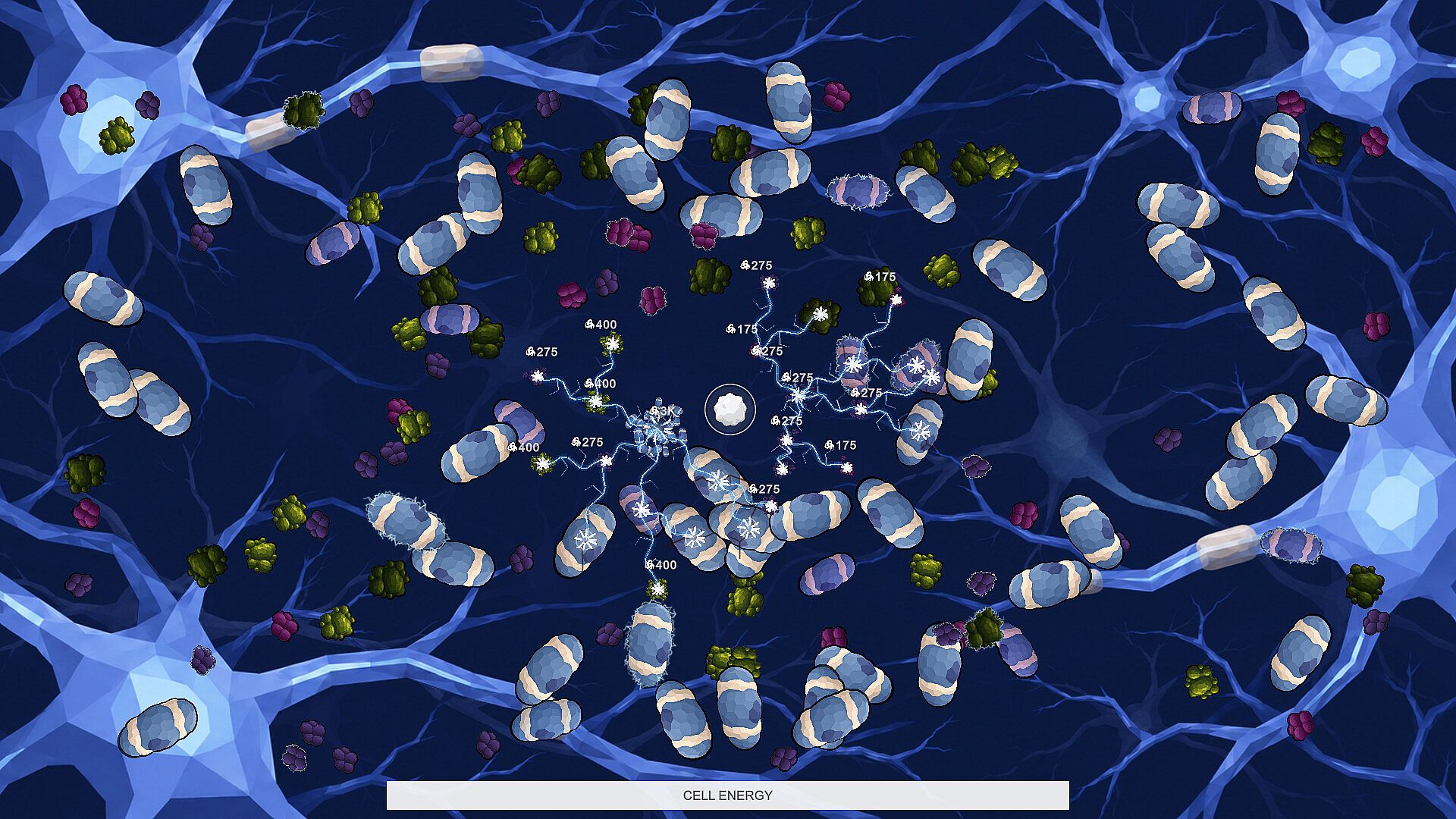
Progression expands capabilities over time. Early cells handle small debris, while later ones tackle larger threats through unlocked abilities such as chain lightning, homing rockets, power suction, lasers, spikes, toxic trails, and orbiting satellites. These tools help clear dense fields efficiently and convert cleared material into further upgrades. The system rewards careful route planning and prioritization of high-value targets before energy runs out.
Game Modes
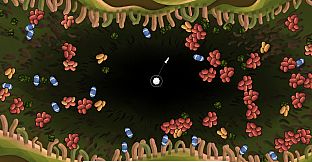
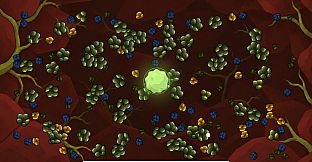
The game operates as a single-player experience built around repeated runs in a roguelike structure. Each run takes place in one of several distinct body regions, including the Bloodstream, Wounded Tissue, Nerves, Guts, and Liver. These areas introduce varied particles and environmental challenges that scale in difficulty as upgrades accumulate. Encounters with disease bosses serve as key milestones that test the strength of the built immune response.
No separate multiplayer or competitive modes exist. All activity stays within the single-player framework, where the emphasis remains on incremental advancement across successive cell deployments rather than one-off sessions.
Progression and Abilities
Upgrades form the backbone of long-term engagement. Proteins spent on movement, suction, and breaking improvements create a compounding effect, turning initial fragile cells into more capable ones over multiple runs. Ability unlocks add tactical layers, shifting play from basic collection to area-clearing strategies that handle tougher particle clusters and boss encounters.
Body regions function as progressive stages. Each new area presents fresh particle types and obstacles, encouraging players to leverage accumulated upgrades and abilities. The loop of devour, upgrade, and return stronger creates a steady sense of advancement without requiring long individual sessions.
Is It Worth Playing?
The game remains in development with a planned release in Q1 2027 and currently has no user reviews available. Its single-player incremental structure with automatic collection mechanics and permanent upgrades across runs suits players who enjoy short, repeatable sessions that build toward greater capability. Those drawn to simulation elements in an action wrapper, or who appreciate roguelike progression without complex controls, may find the described systems appealing once available. Fans of body-themed or cellular gameplay concepts will likely connect with the core fantasy of strengthening an immune response over time. Availability will be limited to PC at launch, with no confirmed free modes or trials at this stage.












