


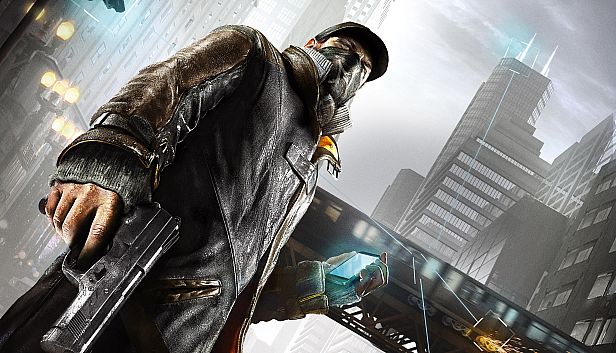



Watch Dogs is an open-world action-adventure game set in a detailed recreation of Chicago. Players take control of Aiden Pearce, a skilled hacker driven by personal loss to dismantle a criminal network that exploits the city's interconnected systems. The experience centers on using technology as a weapon within a living urban environment where every connected device and infrastructure element can be turned to the player's advantage.
Gameplay
The core loop revolves around exploration, investigation, and targeted disruption. Aiden moves through the city on foot or by vehicle while using a smartphone interface to scan citizens for personal data, identify targets, and trigger environmental hacks. Security cameras provide remote viewpoints that allow players to chain access across districts, opening paths or creating distractions without direct confrontation. Traffic signals, barriers, and public transport systems respond to commands, enabling creative solutions to pursuits or ambushes. Combat mixes close-range baton strikes with firearms drawn from a selection of more than thirty options, supported by a physics system that affects cover, projectiles, and vehicle behavior. Driving sections emphasize handling across dozens of cars, motorcycles, and trucks, with opportunities to alter road conditions mid-chase through infrastructure manipulation. Side activities scattered throughout the map encourage repeated visits to different neighborhoods, building a sense of progression through skill unlocks and resource gathering.
Game Modes
The single-player campaign forms the main structure, guiding players through a sequence of story missions that advance Aiden's investigation while offering freedom to approach objectives through stealth, direct action, or combined tactics. Optional fixer contracts and exploration tasks expand the experience beyond the central narrative. Multiplayer integrates directly into the open world without requiring menu navigation or separate lobbies. Invasions allow another player to enter an ongoing session unnoticed to attempt a hack or tailing objective, while the invaded player must detect and eliminate the intruder. Dedicated contracts include racing events that incorporate environmental hacks, decryption matches where teams compete to secure and protect digital files, and free-roam sessions supporting up to eight participants who can cooperate or compete across the map. These elements remain accessible at most times outside of critical story sequences.
World and Systems
Chicago serves as both setting and tool. The ctOS network underpins nearly every electronic system, from streetlights to building security, creating consistent opportunities for improvisation during missions or free exploration. Players can climb structures or cut through interiors to reach vantage points, then descend to street level for vehicle-based escapes or confrontations. The Disrupt engine renders the city with attention to density and activity, supporting emergent moments where a single hack cascades into larger consequences. Progression ties into both narrative choices and mechanical mastery, as improved tools and abilities open new approaches to previously visited areas.
Is It Worth Playing?
Watch Dogs delivers a distinctive open-world formula built around hacking and urban control that still stands apart from many contemporaries. The campaign provides a focused revenge story with room for player-driven tactics, while the integrated multiplayer adds unpredictable tension during solo sessions. Reception has been mixed over the years, with praise for the hacking mechanics and city interactivity balanced against criticisms of repetitive elements and narrative pacing. On PS4 the game remains fully playable today, with no ongoing seasonal content or required updates. It suits players who enjoy methodical planning, environmental interaction, and a blend of stealth and action in a single large map. Those seeking a self-contained experience with optional online encounters will find the most consistent value, particularly if the concept of turning an entire city's infrastructure into a personal arsenal appeals. The title has aged into a solid choice for fans of early open-world experiments that prioritize systems over spectacle.
