




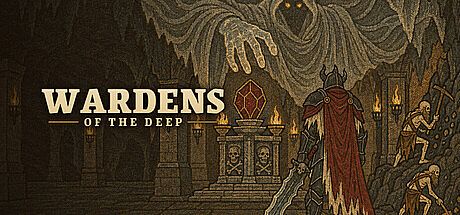


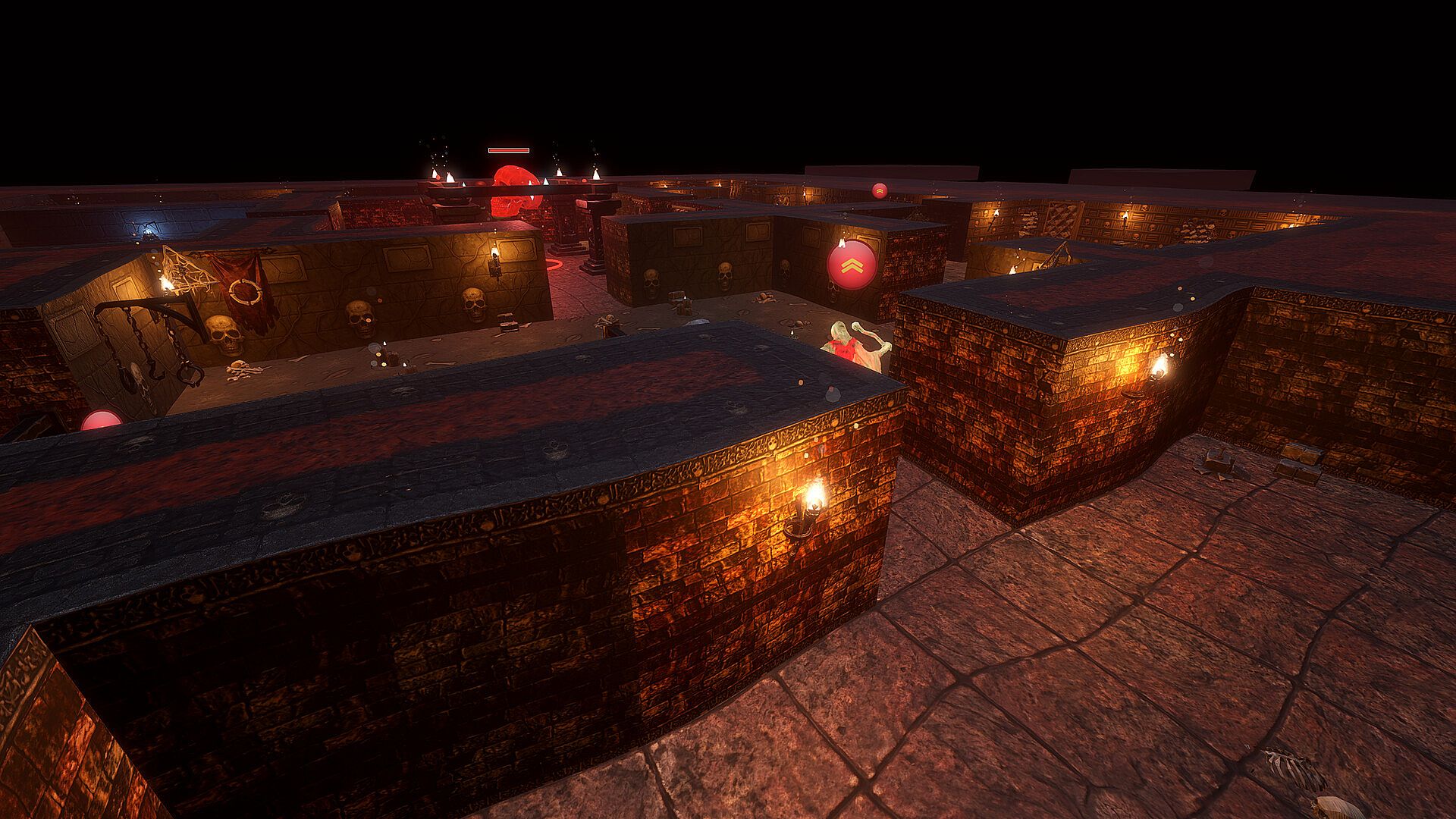
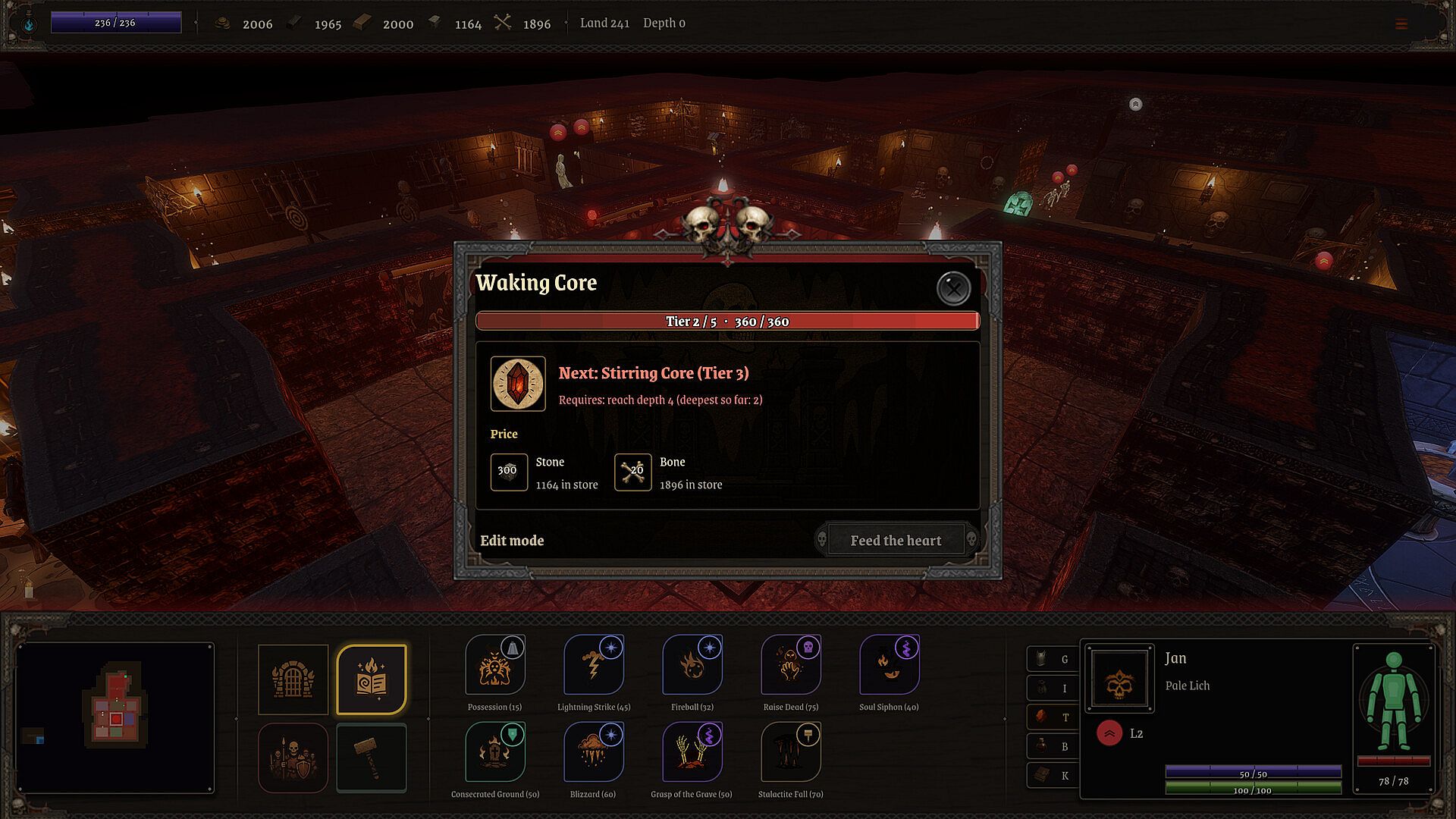
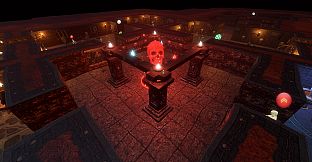
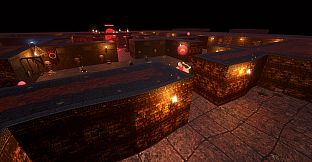
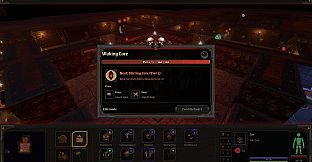
Wardens of the Deep combines dungeon construction, resource management, and direct combat in a single package. Players take the role of an unseen lord bound to a core of stone and fire, directing workers to carve and claim territory while preparing for deeper exploration. The experience blends simulation elements with real-time strategy and first-person action on PC in early access.
Gameplay
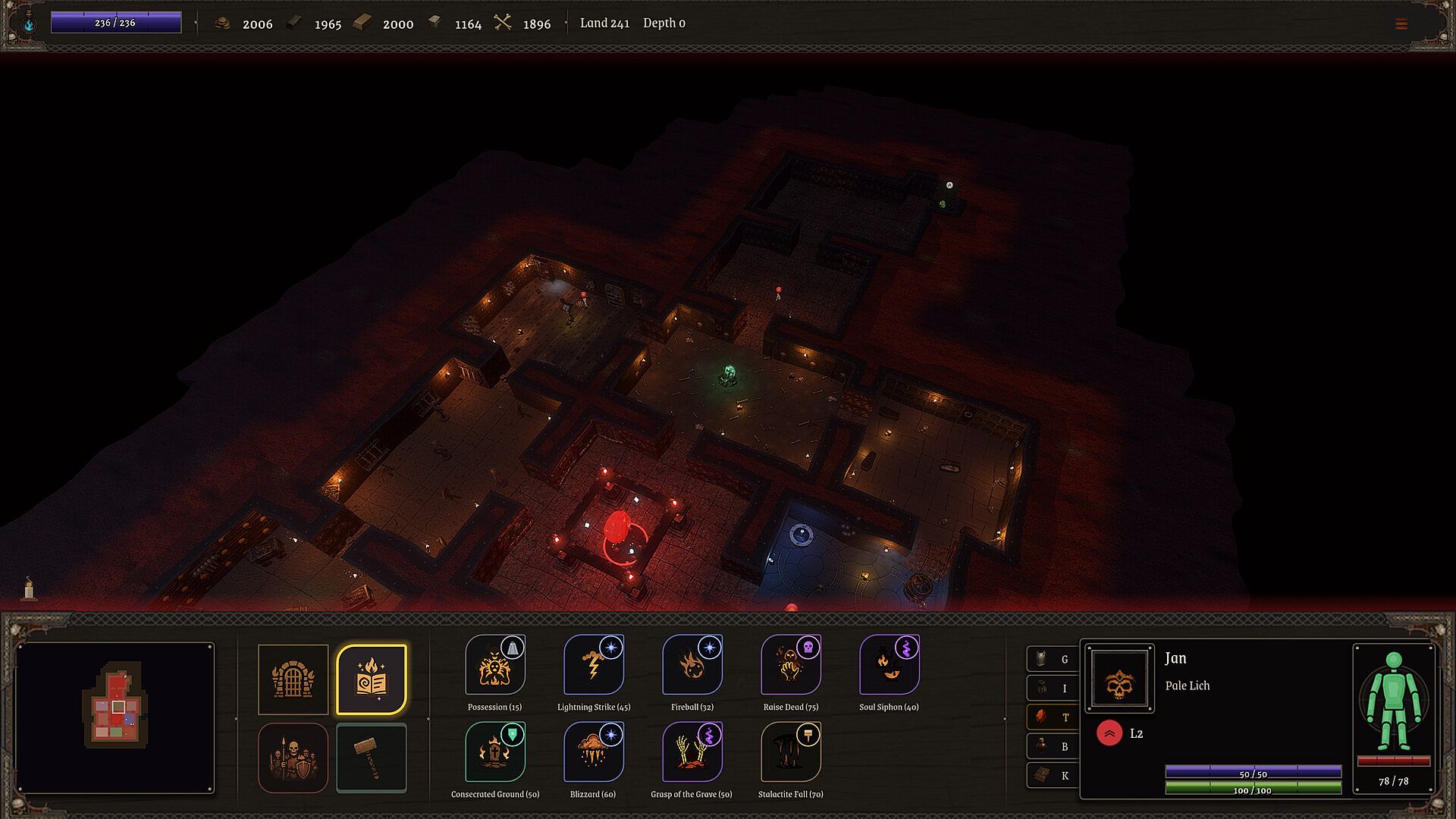
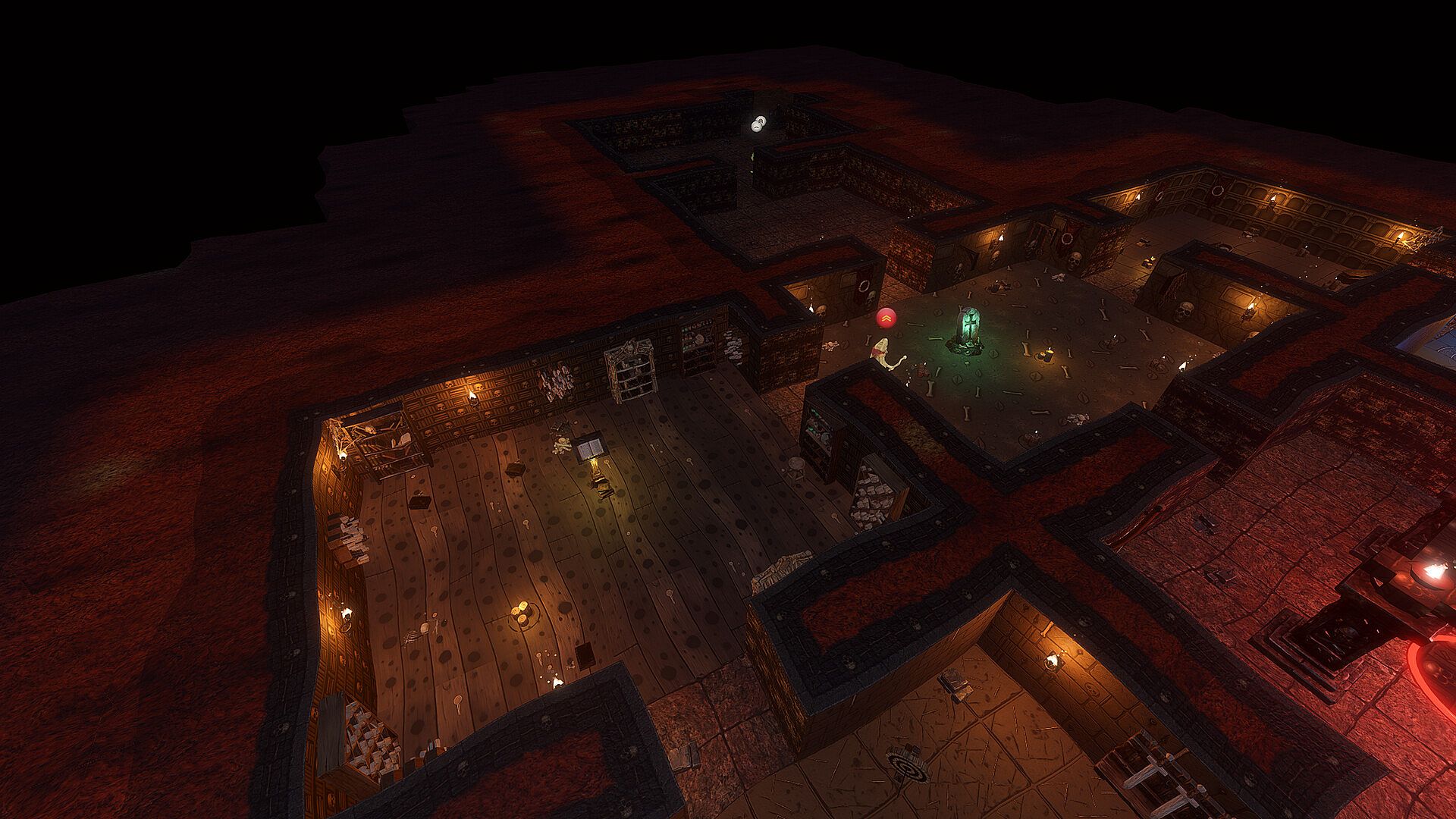
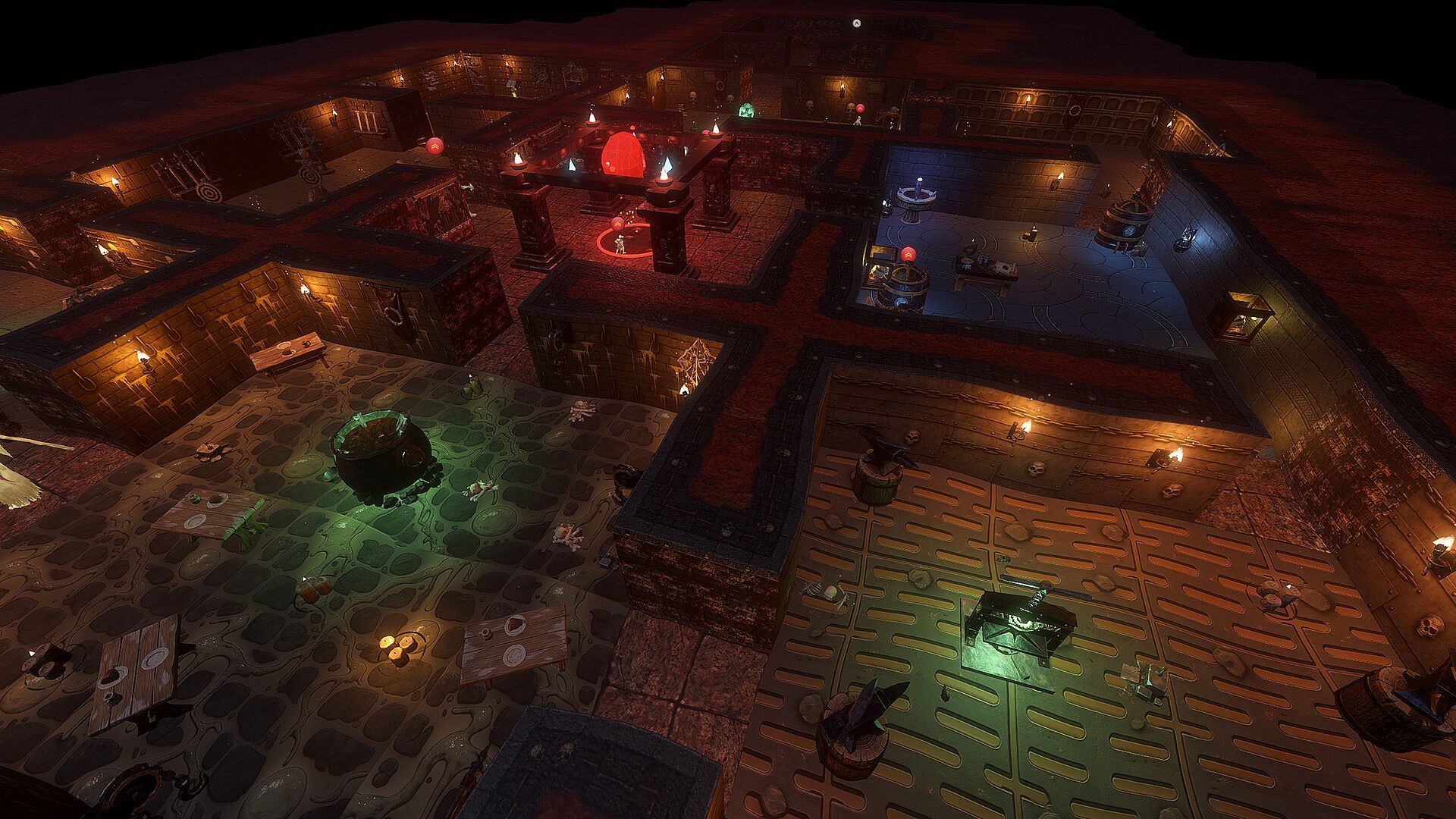
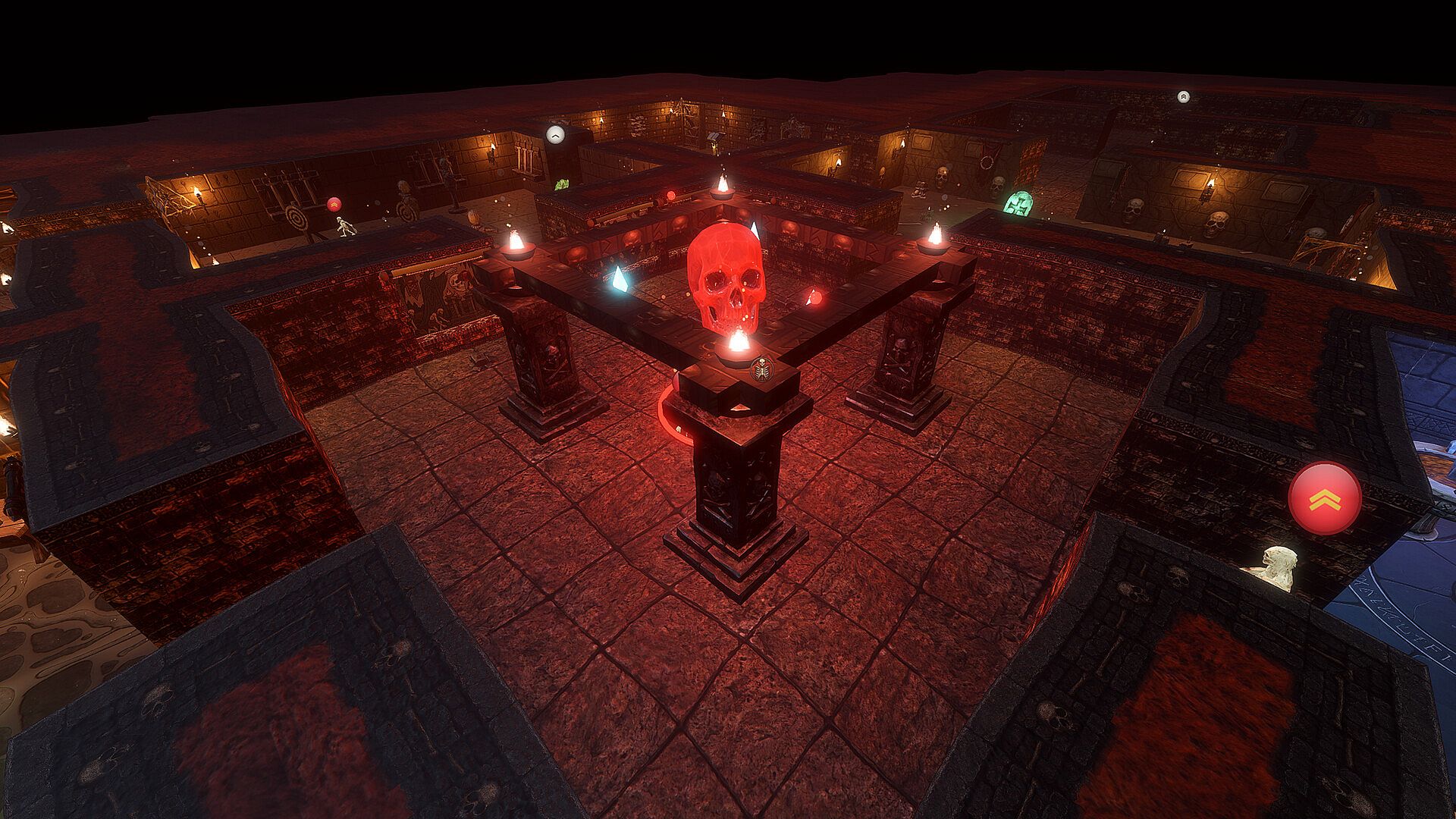
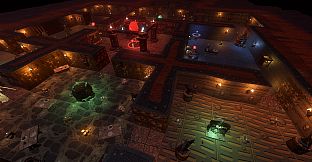
The core loop centers on expanding a living dungeon carved from rock. Workers dig corridors and rooms, claiming tiles that yield stone as a resource while costing it to secure new space. Players design functional chambers such as forges for crafting, libraries for research, crypts, training halls, rest areas, and guard posts. The central heart grows through five tiers, advancing only as descent progresses deeper into the environment.
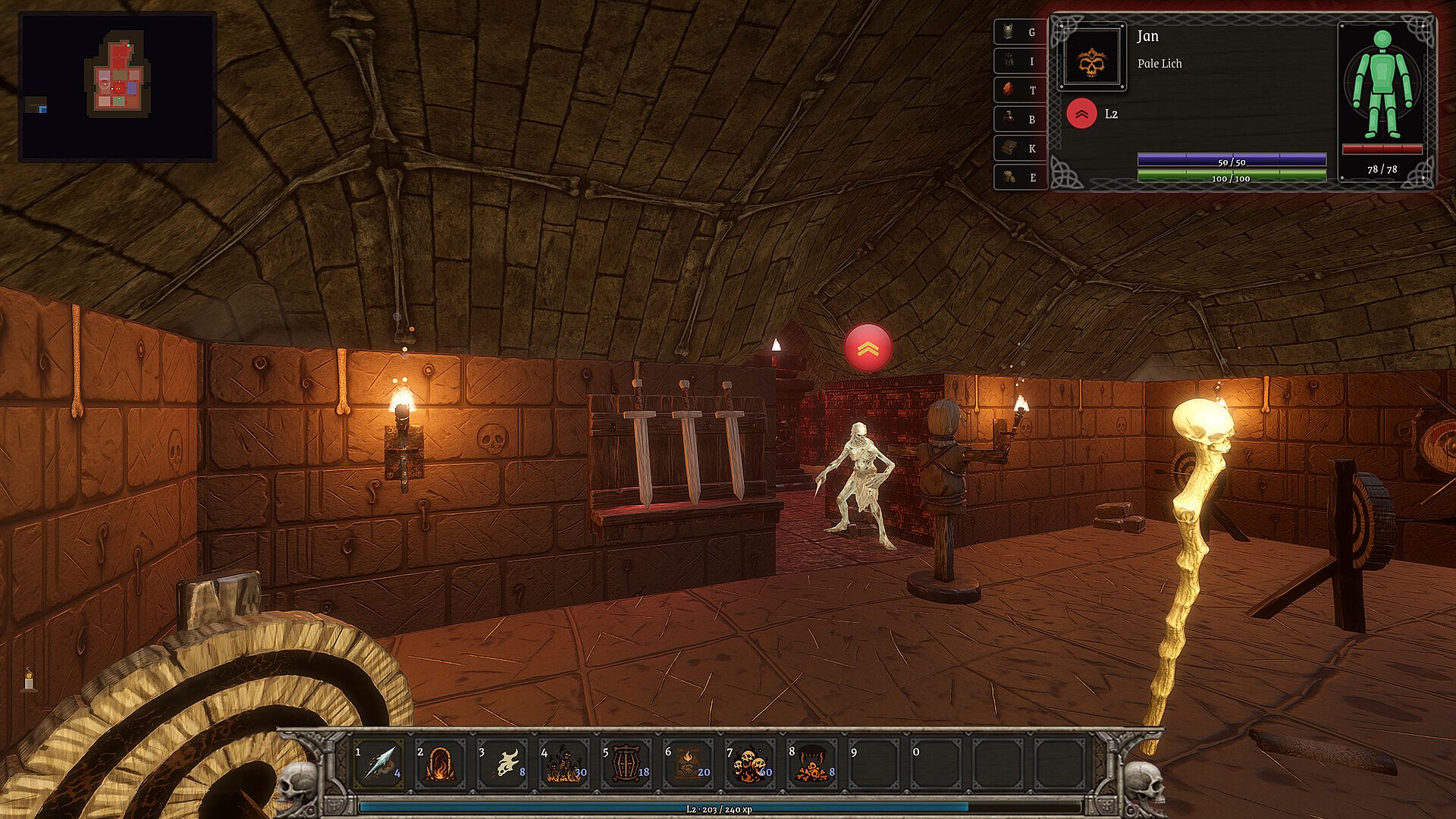
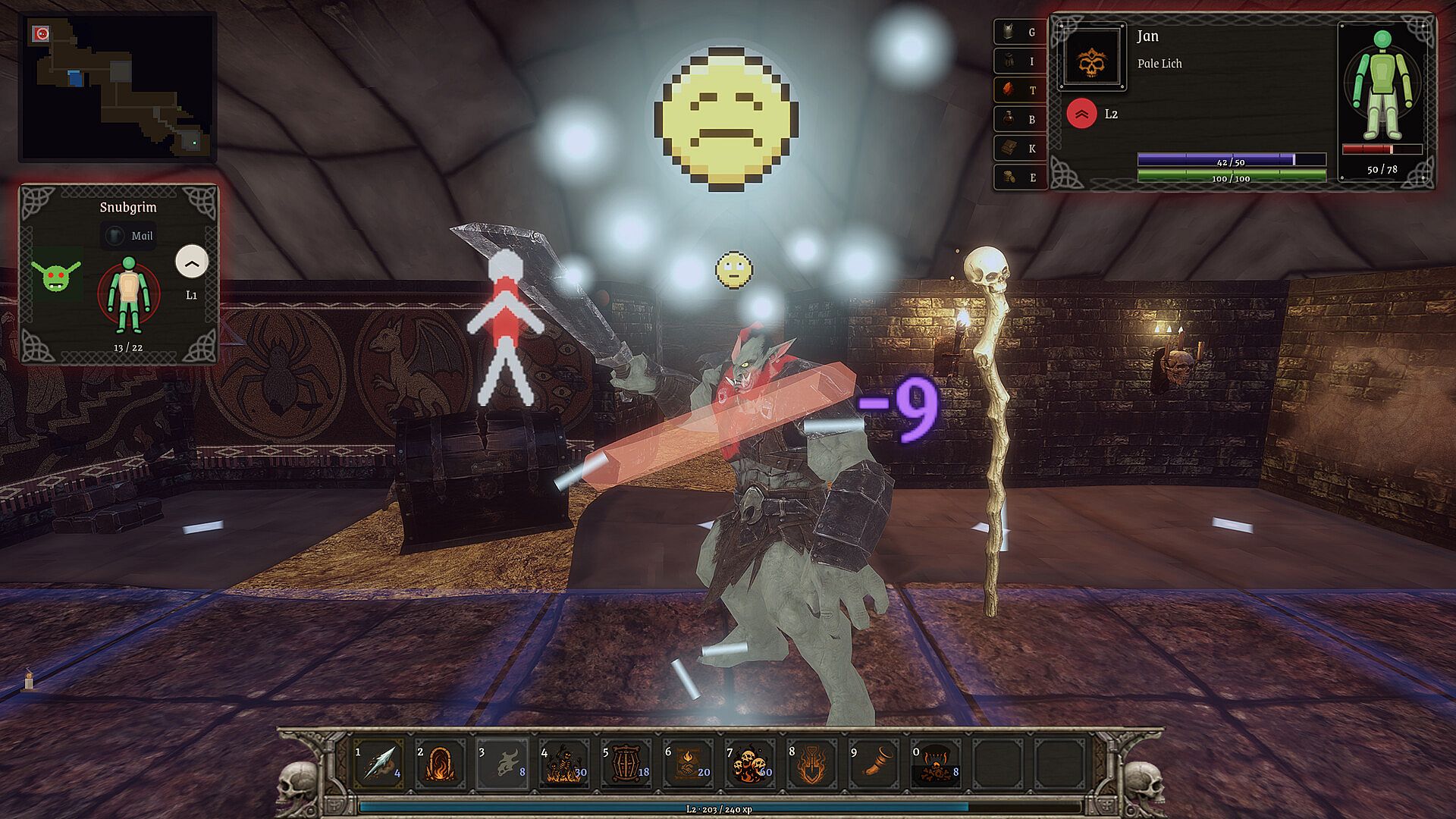
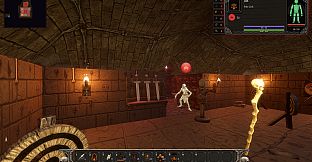
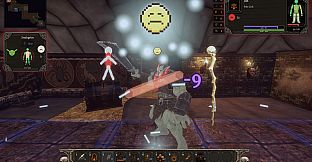
Lighting plays a tactical role. Torches create safe zones that certain creatures avoid until numbers overwhelm the light. Players can possess any owned body for first-person combat, using directional sword strikes, shield blocks, parries, and chargeable spells that risk overcharge. Commanding units happens in an RTS style even while inhabiting a skeleton or similar form before switching to another host.
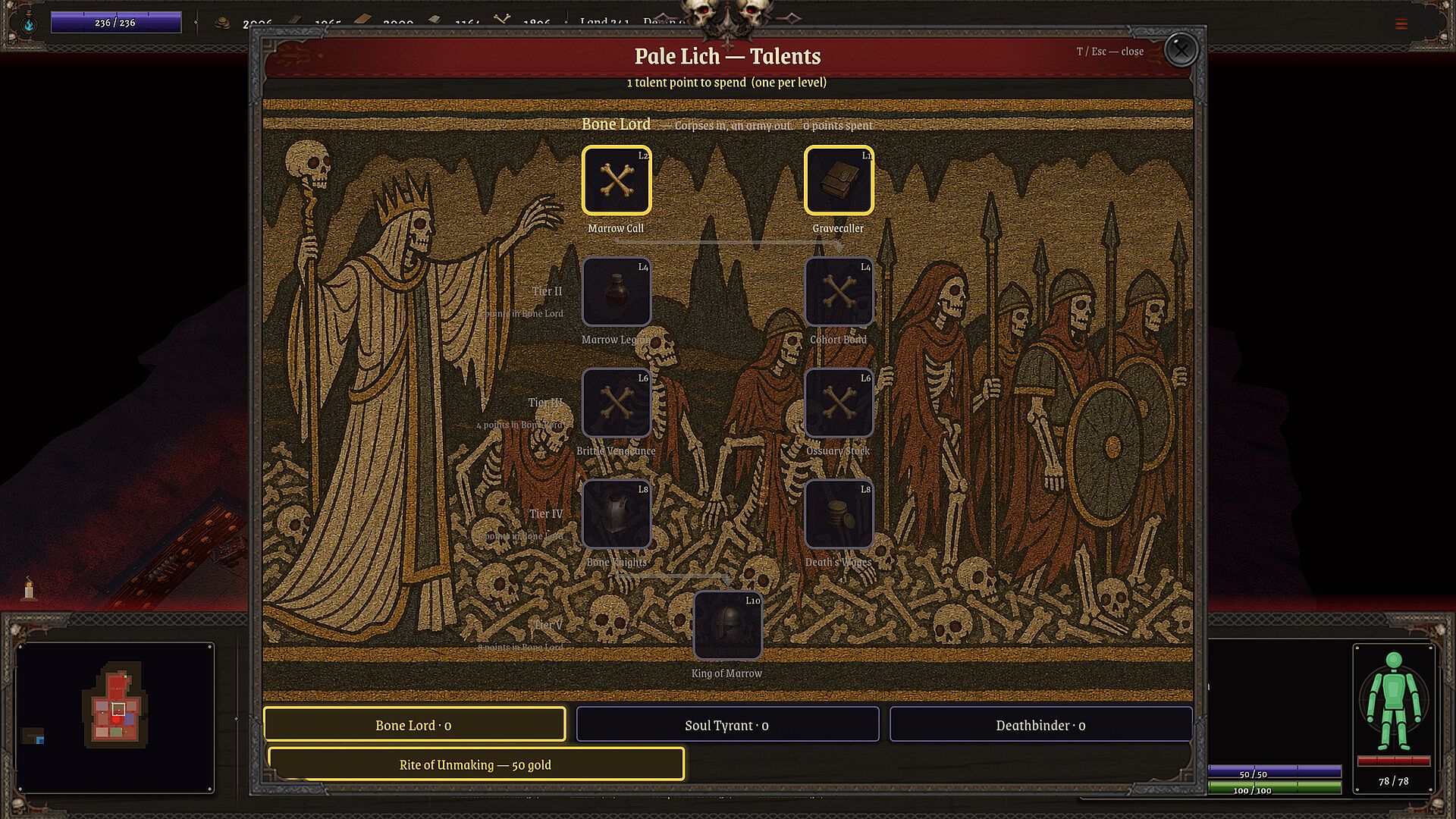
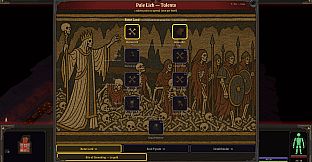
A champion serves as the physical embodiment of the Warden, complete with its own talent tree, evolutions, and equipment. When the champion falls, another can be raised. The broader Host consists of summoned creatures drawn from encountered corpses, including skeletons, ghouls, wraiths, plague heralds, bone colossi, and vampire thralls. These forces defend the dungeon during sieges from raiders or tunneling sappers targeting the heart.
Exploration below the base leads into authored floors that transition into procedural ruins, sunken chapels, fungal groves, and abyss chasms. Enemies react with individual behaviors, sensing players through sight, sound, or smell, forming packs, retreating for reinforcements, and returning stronger. Phased bosses, floor bargains, rival Wardens, and descent pacts that alter stairs for greater rewards add variety to each run. Loot includes rarities, unidentified items, runes, sockets, runewords, and sets. Crafting occurs through hands-on minigames at the forge, while the library supports research and reading discovered books narrated by the Dungeon Spirit.
Game Modes
Single-player sessions focus on steady base expansion, champion development, and repeated descents into the Deep. Each descent builds on prior progress through the persistent core and accumulated resources. Sieges interrupt surface management, requiring defensive preparations against incoming threats.
Online co-op supports up to four players descending together. Each participant brings their own champion while sharing a common pool of workers. Loot distribution uses a rolling system among the group. Coordination allows simultaneous exploration and combat, with shared base management back at the surface.
Early access currently features the Undead faction with three champions: the Hollow Knight, the Pale Lich, and the Gravesinger. Additional factions including Dwarfs, Dark Elves, and Goblins, each with distinct champions, rooms, and creatures, are scheduled for release during the early access period.
Exploration and Progression
Delving follows a structured yet open path. Initial floors present hand-crafted challenges that give way to procedurally generated sections filled with unique environmental hazards and creature encounters. Bargains struck on individual floors can impose curses on the return stairs in exchange for superior rewards. Rival Wardens appear as optional threats whose hearts can be targeted for advantage.
Back at the base, ongoing management involves balancing expansion costs against defensive needs. Workers haul stone home after each claim, feeding further construction. The five-tier heart system ties directly to depth achieved, unlocking greater capabilities only through continued successful delves.
Is It Worth Playing?
Wardens of the Deep suits players who enjoy blending base-building simulation with direct control over combat units and personal first-person action. The persistent base provides long-term goals across multiple sessions, while each descent offers fresh tactical decisions around light management, possession switching, and enemy behaviors. Co-op adds a layer of shared strategy for groups seeking coordinated dungeon runs.
Early access status means the Undead faction and core systems are available now, with more factions and refinements planned. Those interested in iterative dungeon design, reactive enemy AI, and loot-driven crafting will find the current build provides a complete loop to engage with immediately. The combination of management and action appeals to fans of strategy RPGs and simulation titles who want hands-on involvement in both building and fighting.











