

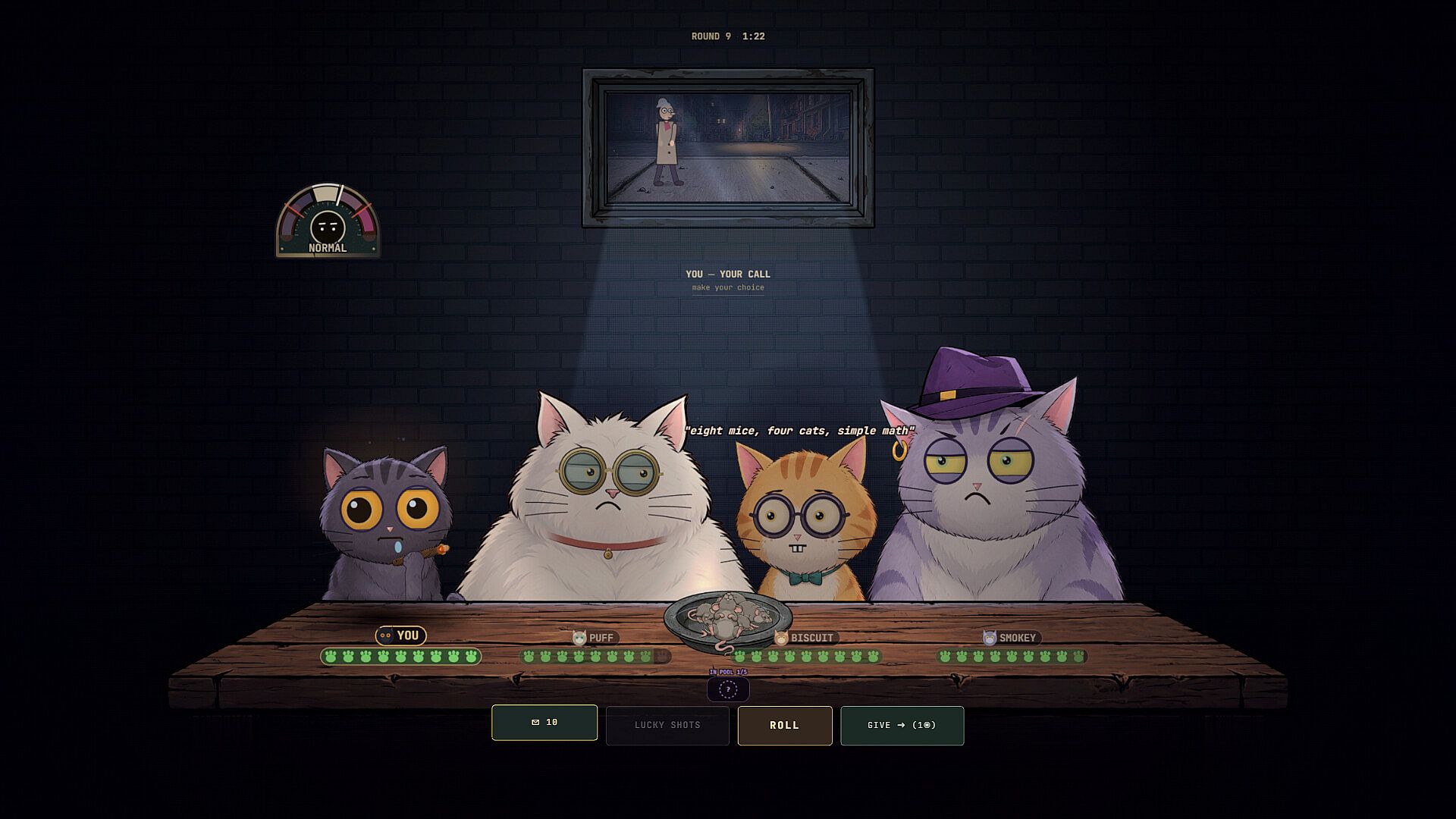
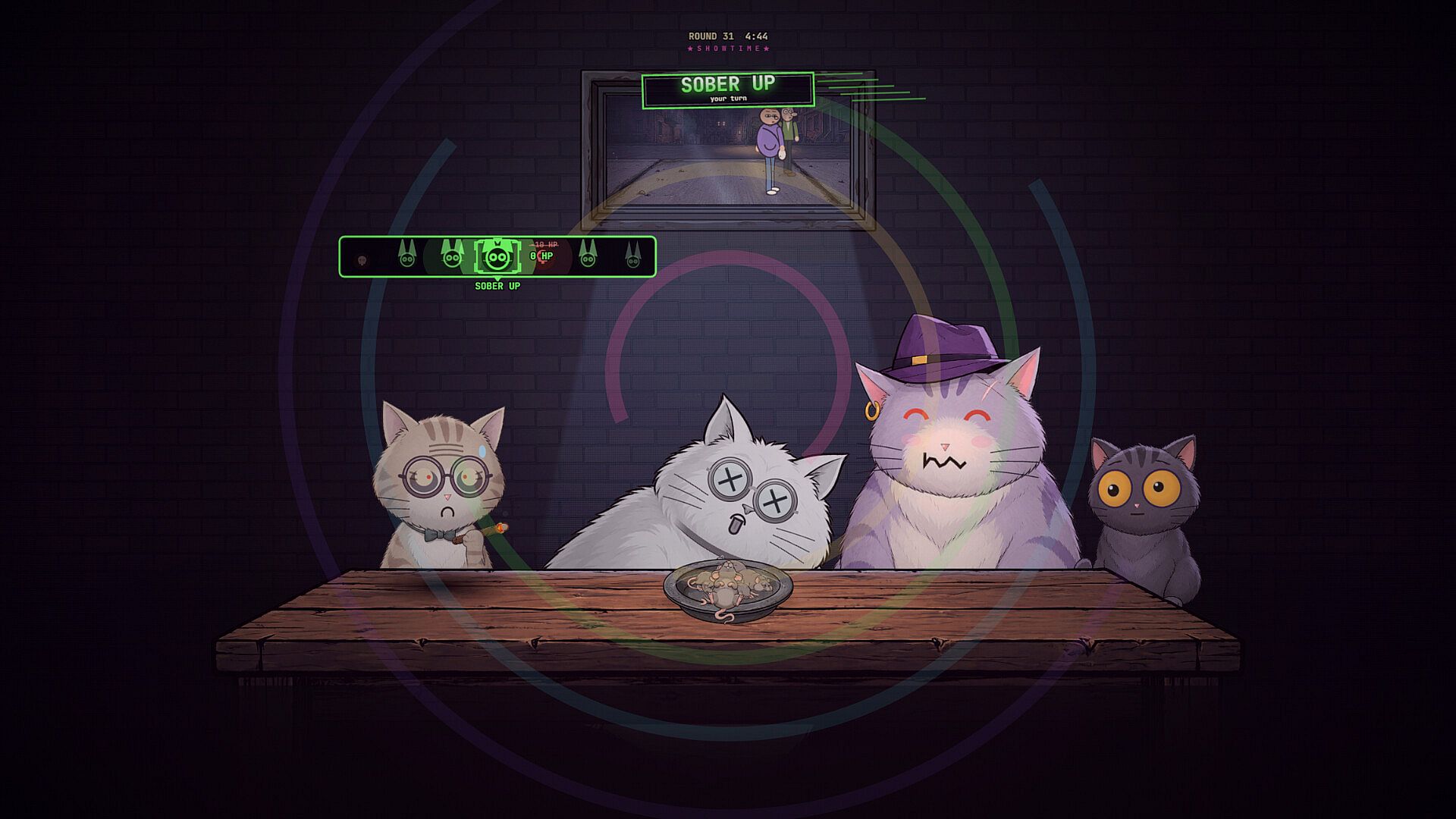
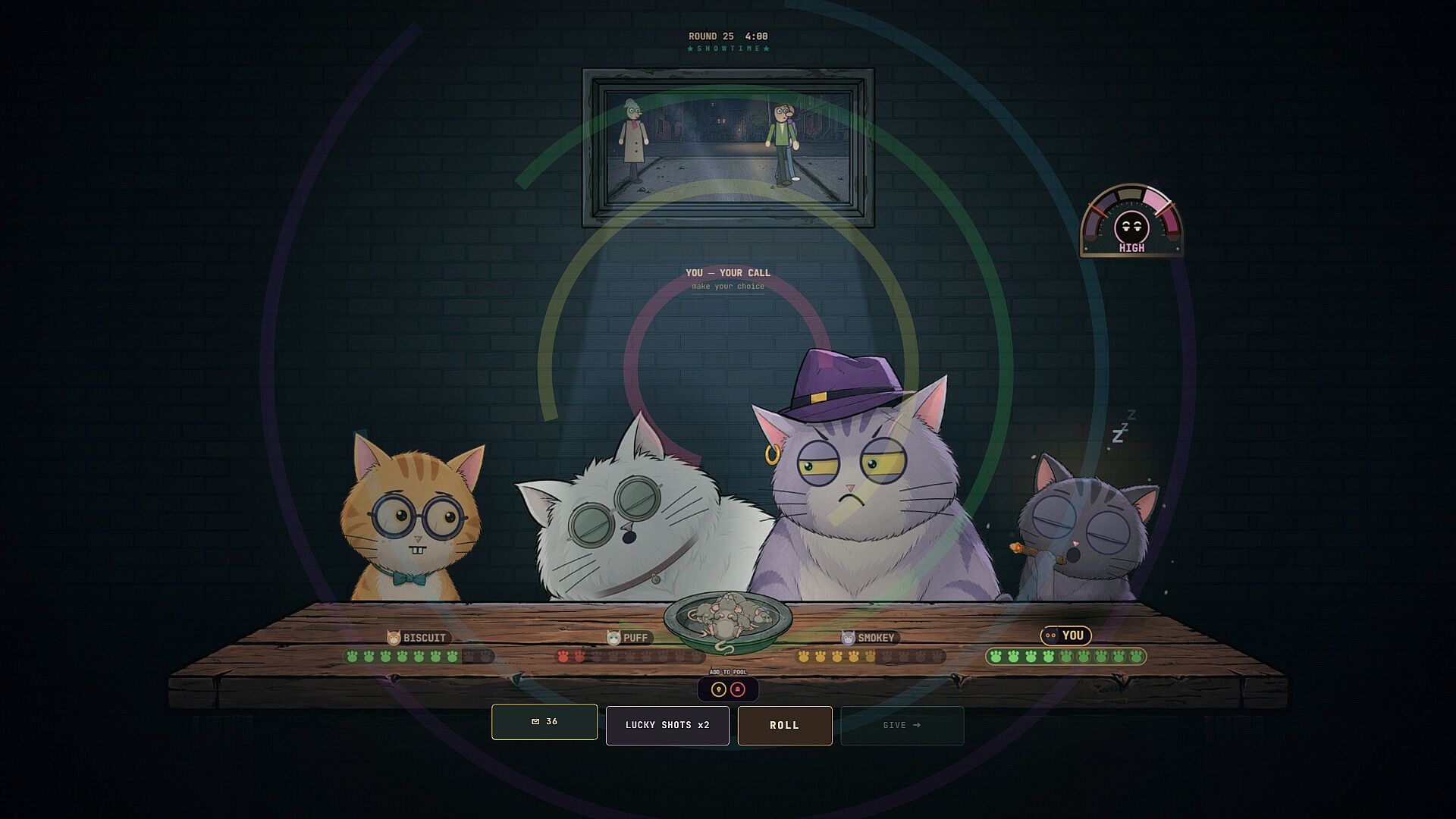
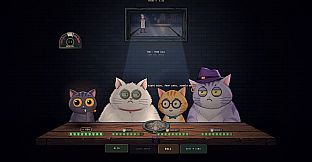
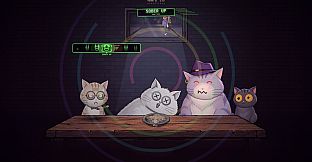
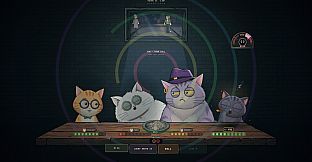
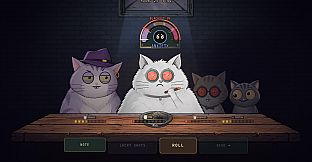
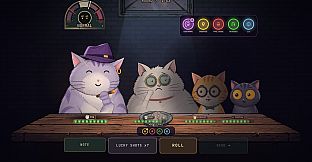
Wanna Roll? is an action strategy indie casual game built around a tense rhythm timing mechanic for up to four players on PC. Players control hungry cats seated around a dimly lit table, passing a cigarette while competing for a single plate of food. The last cat still conscious claims the meal in this escalating contest of focus and interference.
Gameplay
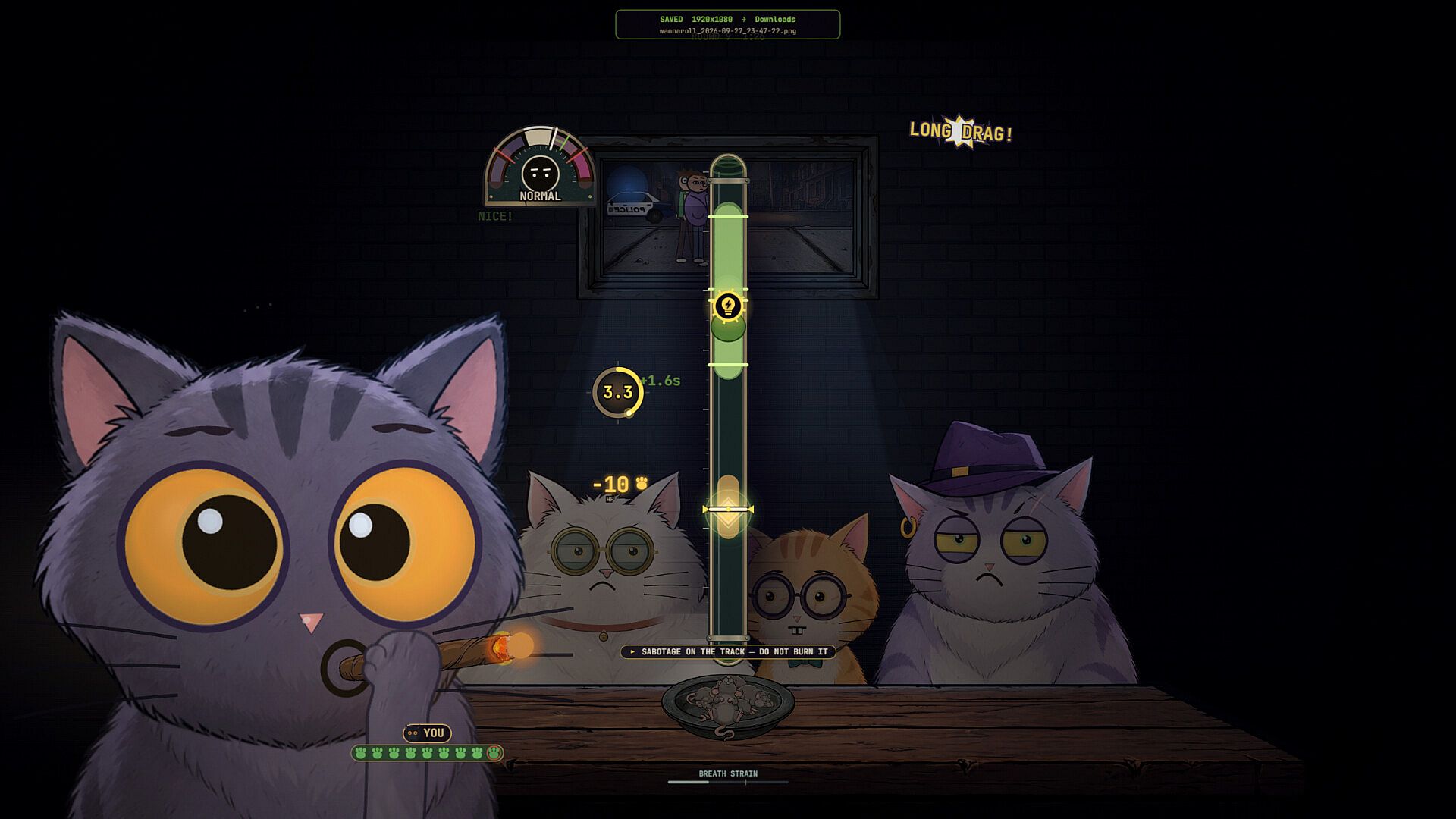
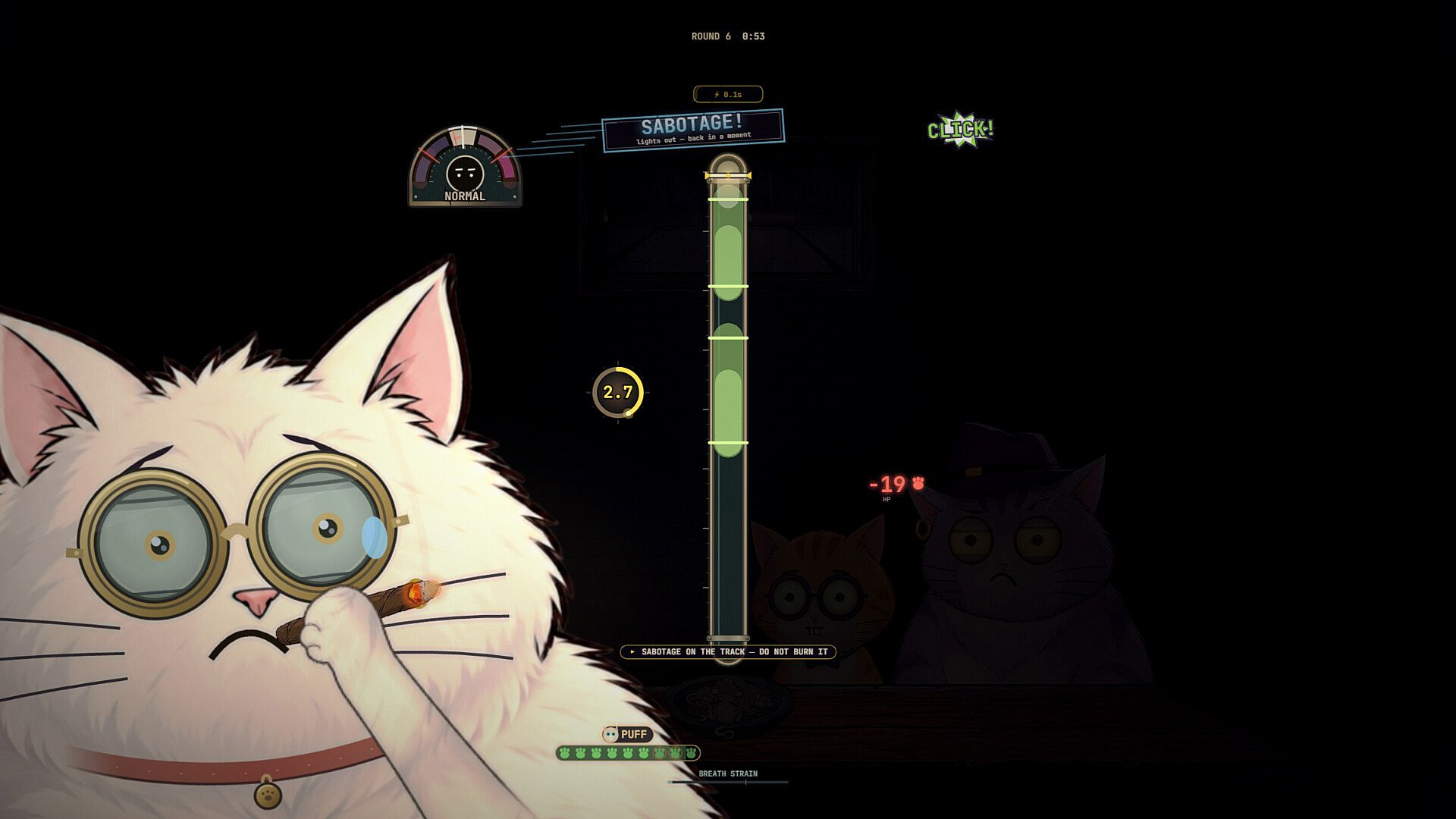
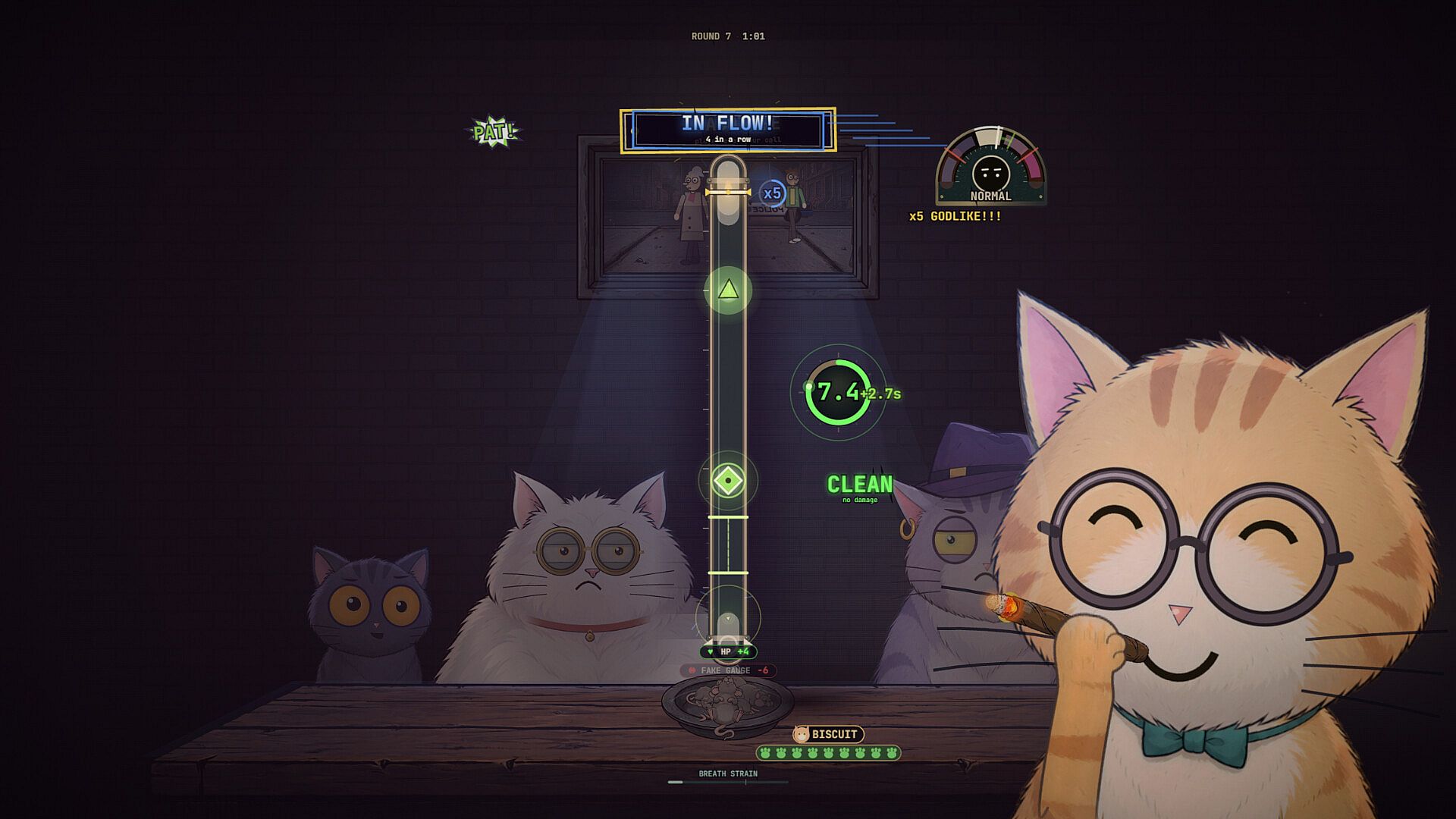
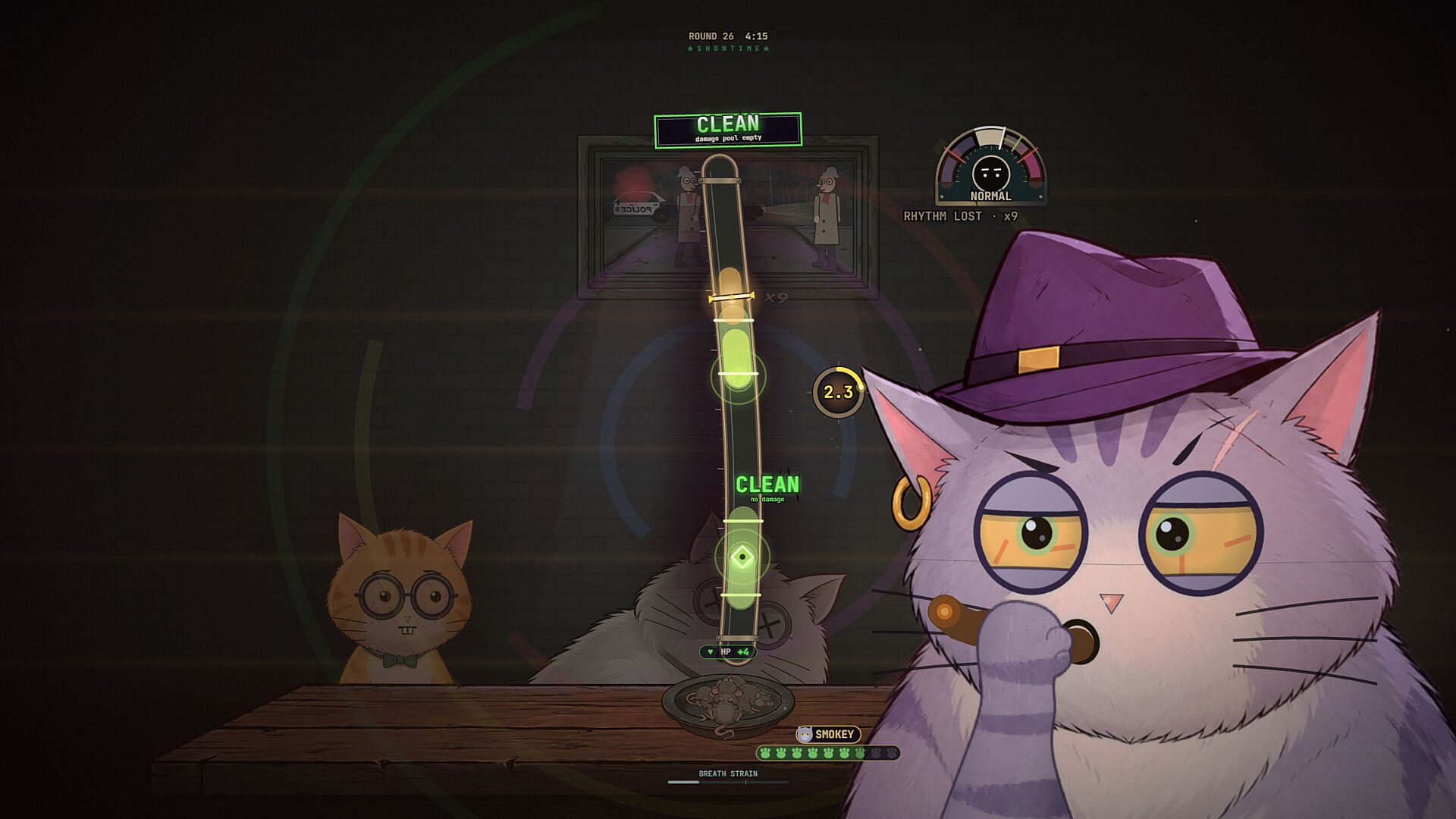
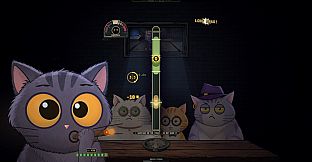
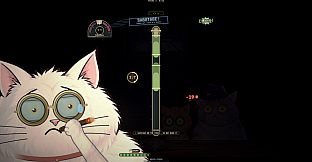
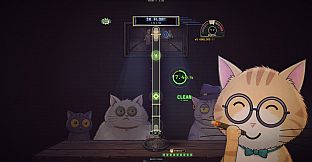
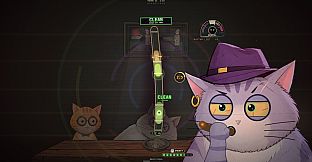
The core loop centers on a shared rhythm track that advances toward each player in turn. Marks scroll along the track, requiring precise single taps or sustained holds to maintain performance. Successful sequences build combos that reduce a shared damage pool and keep the round progressing smoothly. The cigarette passes hand to hand with each completed turn, reinforcing the shared risk among participants.
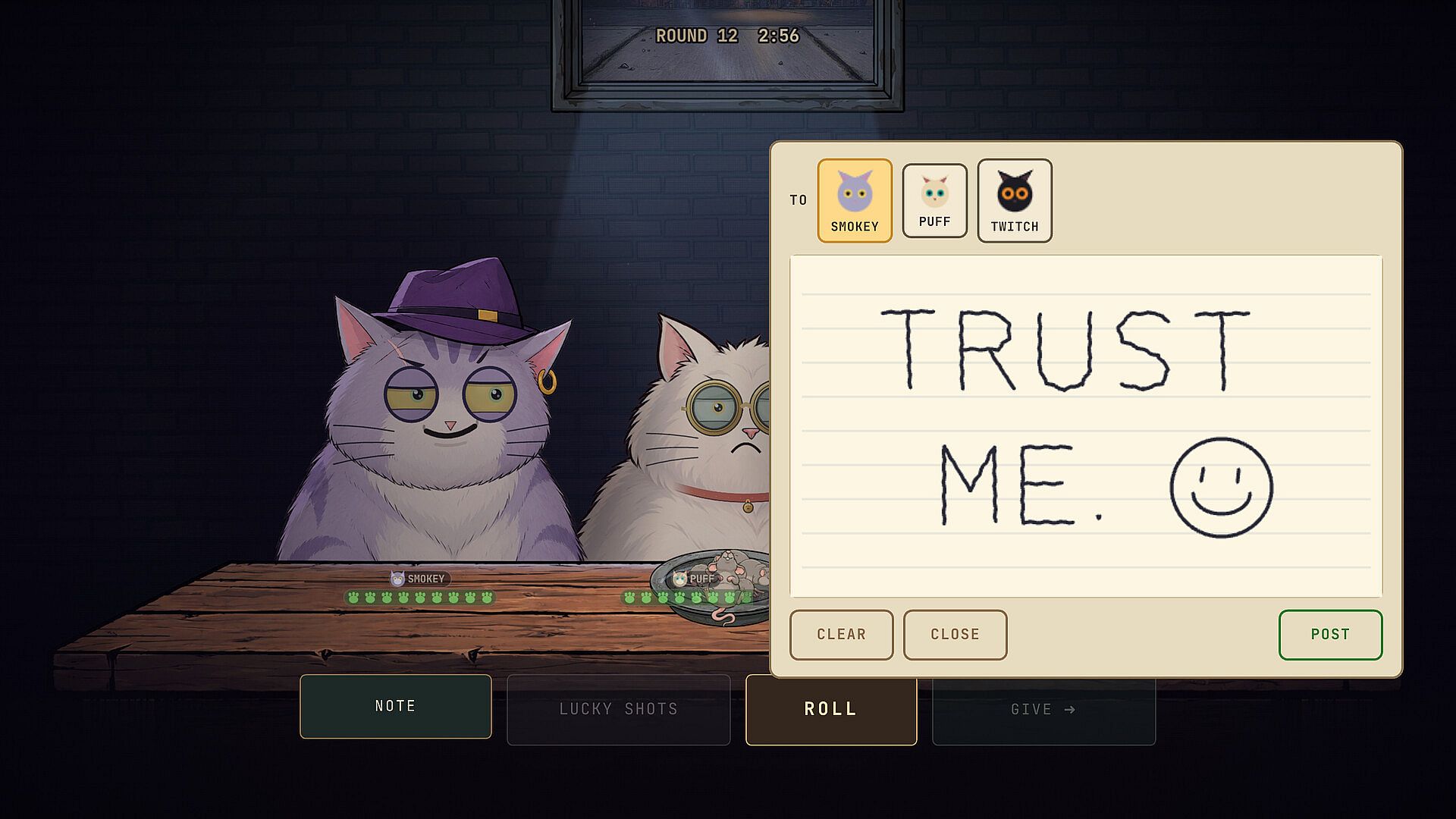
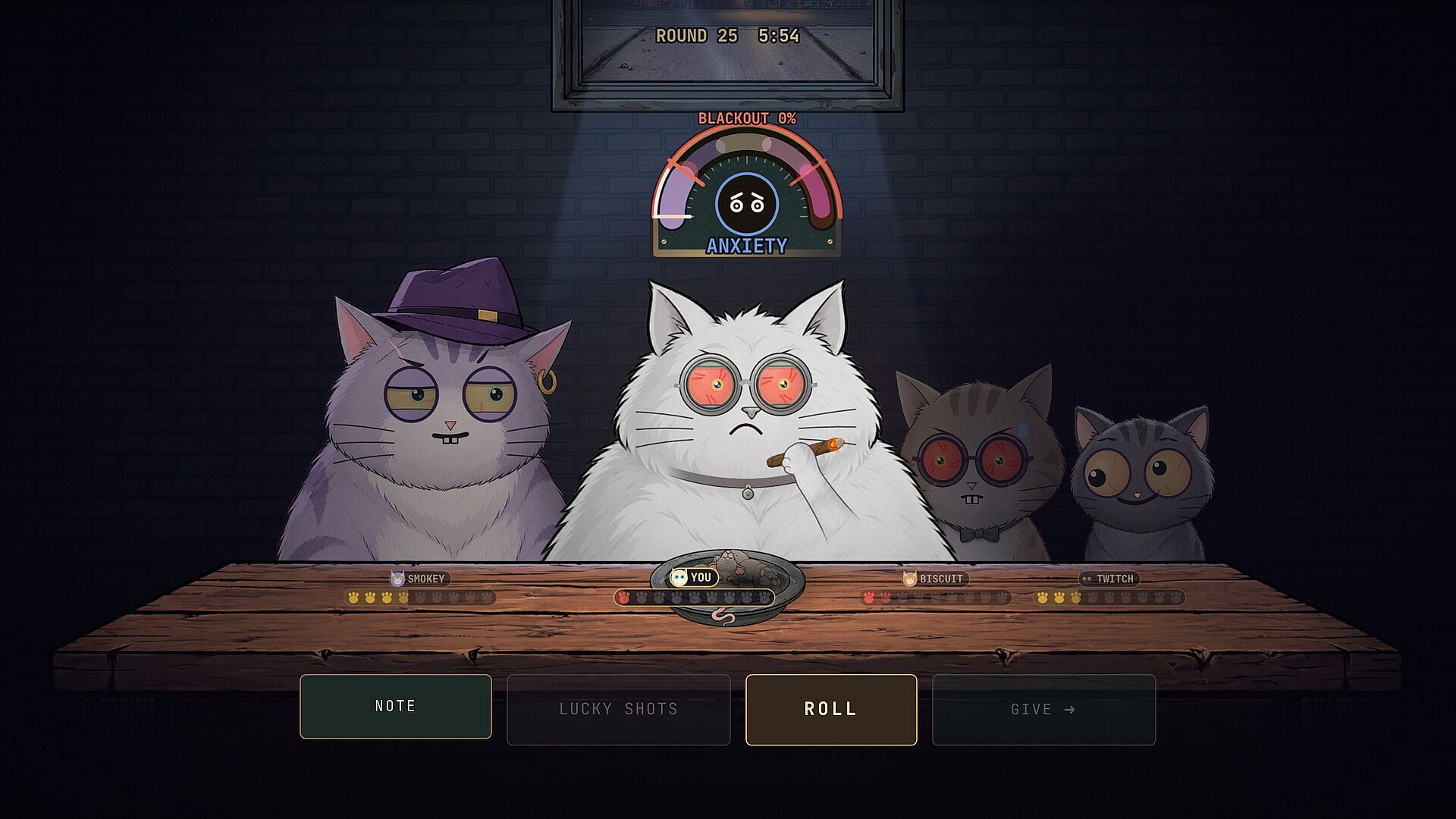
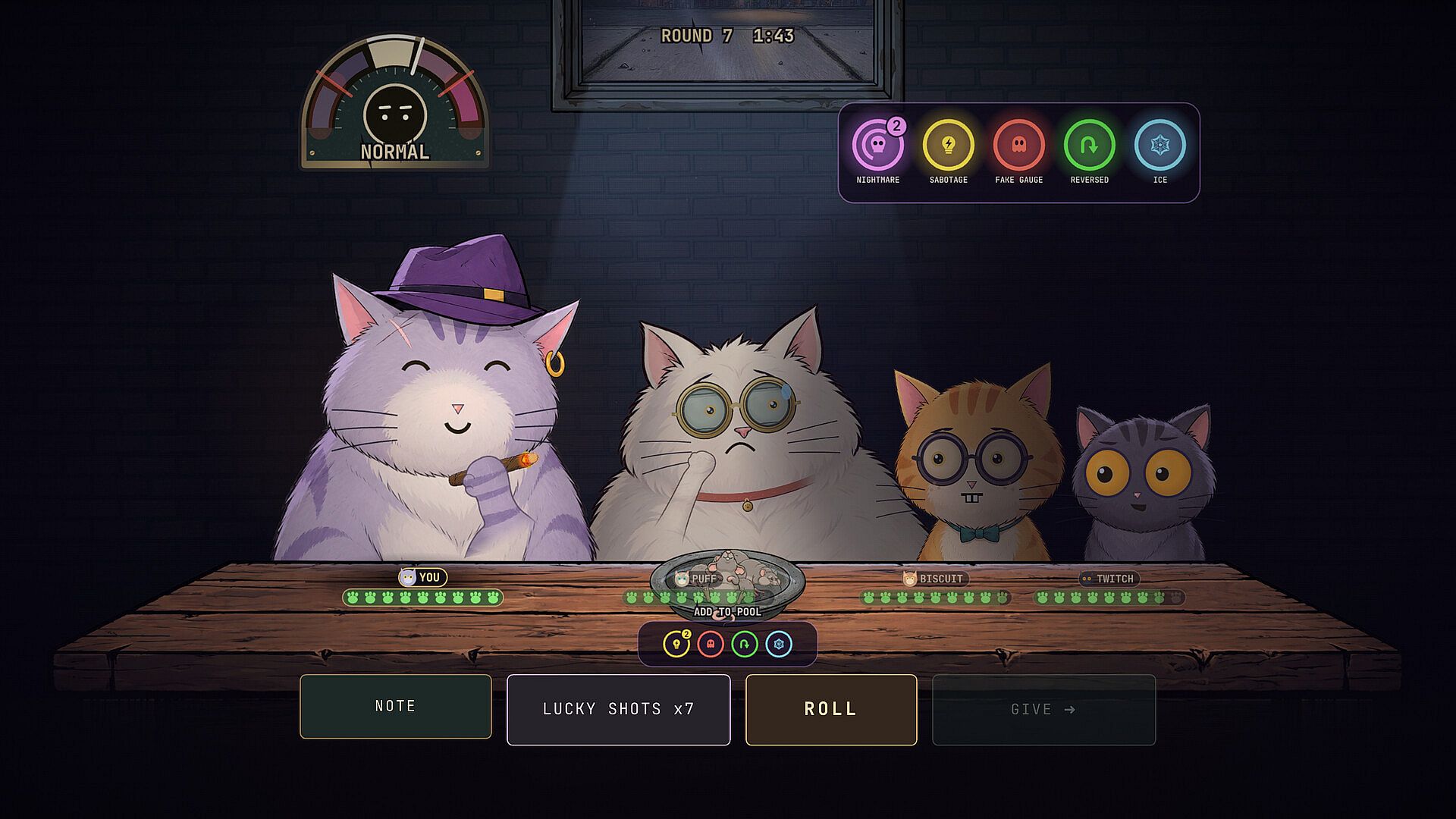
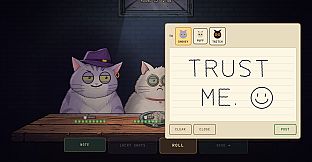
Mistakes trigger immediate penalties that compound over time. Vision blurs, colors shift, audio distorts, and controls grow sluggish while the current player remains in the hot seat. These effects intensify with each subsequent round as the track accelerates and mark patterns tighten. The screen can fade to black after repeated failures, eliminating that player from the round. Sabotage adds a strategic layer: at key decision points a player can extend the next sequence, inflate the damage pool, or distort the visual gauge to hinder opponents. This interference mechanic turns every round into a test of both personal timing and calculated disruption.
Difficulty scales naturally through repeated play. Early rounds feature straightforward patterns, but later stages demand tighter timing under heavier impairment. The combination of rhythm execution and opponent interference creates a loop where individual skill meets social deduction. Single-player sessions allow practice against AI or self-imposed challenges, while multiplayer sessions emphasize direct competition through the sabotage options.
Game Modes
The primary experience revolves around the central table confrontation for two to four participants. Local LAN and online PvP options support both couch co-op style sessions and remote play. Single-player mode provides an isolated version of the rhythm challenge without opponent interference, focusing purely on endurance and accuracy across escalating rounds.
Matches conclude when only one cat remains at the table. The winner claims the food while eliminated players observe the final moments. No additional named variants exist beyond this core structure, keeping the focus on the rhythm timing and sabotage interplay that defines every session.
Key Mechanics and Progression
Combo growth directly influences round length and damage reduction. Longer successful chains accelerate the burn-down of the damage pool, shortening rounds when players perform well. Missed inputs not only impair the current player but also extend the overall match by preserving more of the damage pool for later turns. This feedback loop rewards consistent accuracy while punishing lapses that benefit remaining opponents.
Visual and audio feedback reinforces the theme of intoxication and fatigue. Screen effects intensify progressively, forcing players to adapt to unreliable inputs. The cigarette itself serves as both thematic prop and turn marker, passing automatically after each resolved sequence. These systems together create a compact yet replayable structure suited to short sessions or extended group play.
Is It Worth Playing?
Wanna Roll? targets players who enjoy rhythm timing games with a competitive multiplayer twist and light strategy elements. The sabotage options and escalating impairment create memorable moments of tension and table talk, particularly in local or LAN sessions. As an upcoming title with no released version or player reviews available yet, its appeal rests on the described mechanics matching personal preferences for precise input challenges and social deduction.
Those drawn to casual strategy experiences or short-form competitive games may find the core loop engaging once it launches. The absence of additional modes or post-launch content details at this stage means expectations should center on the verified rhythm and interference systems rather than broader feature sets. Availability on PC with support for single-player practice and multiplayer competition positions it for targeted audiences seeking a distinctive party-style timing game.