












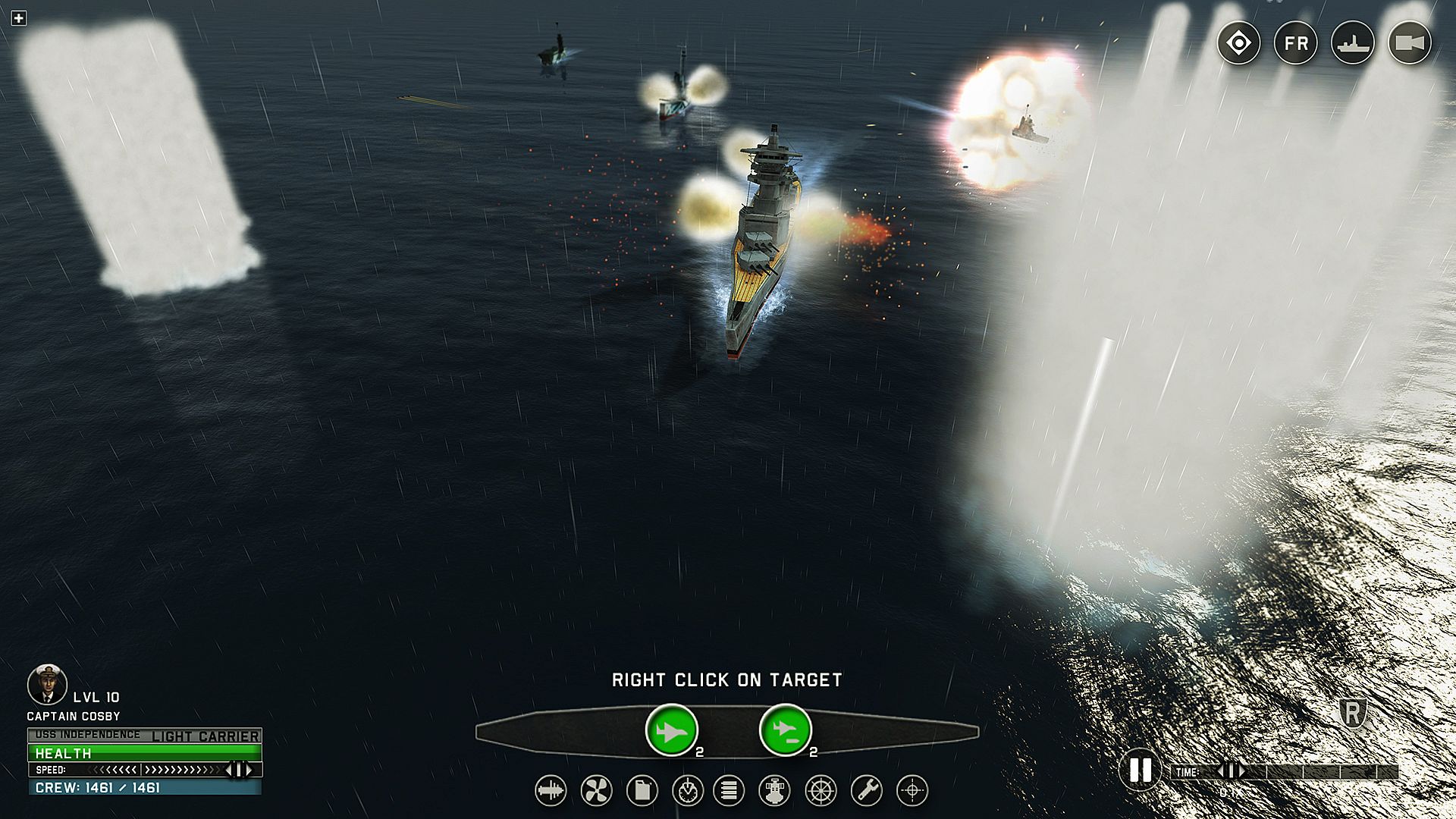
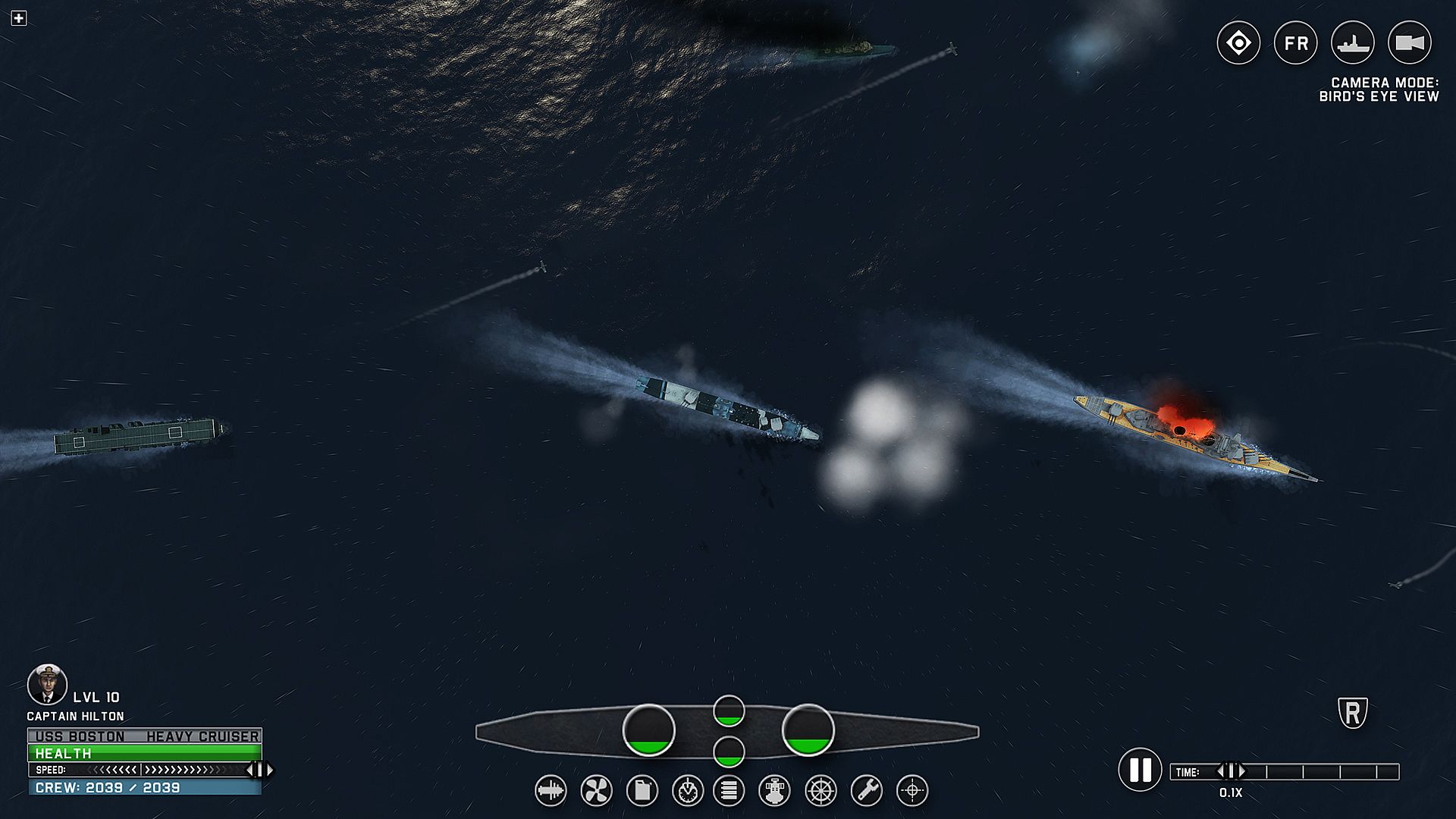
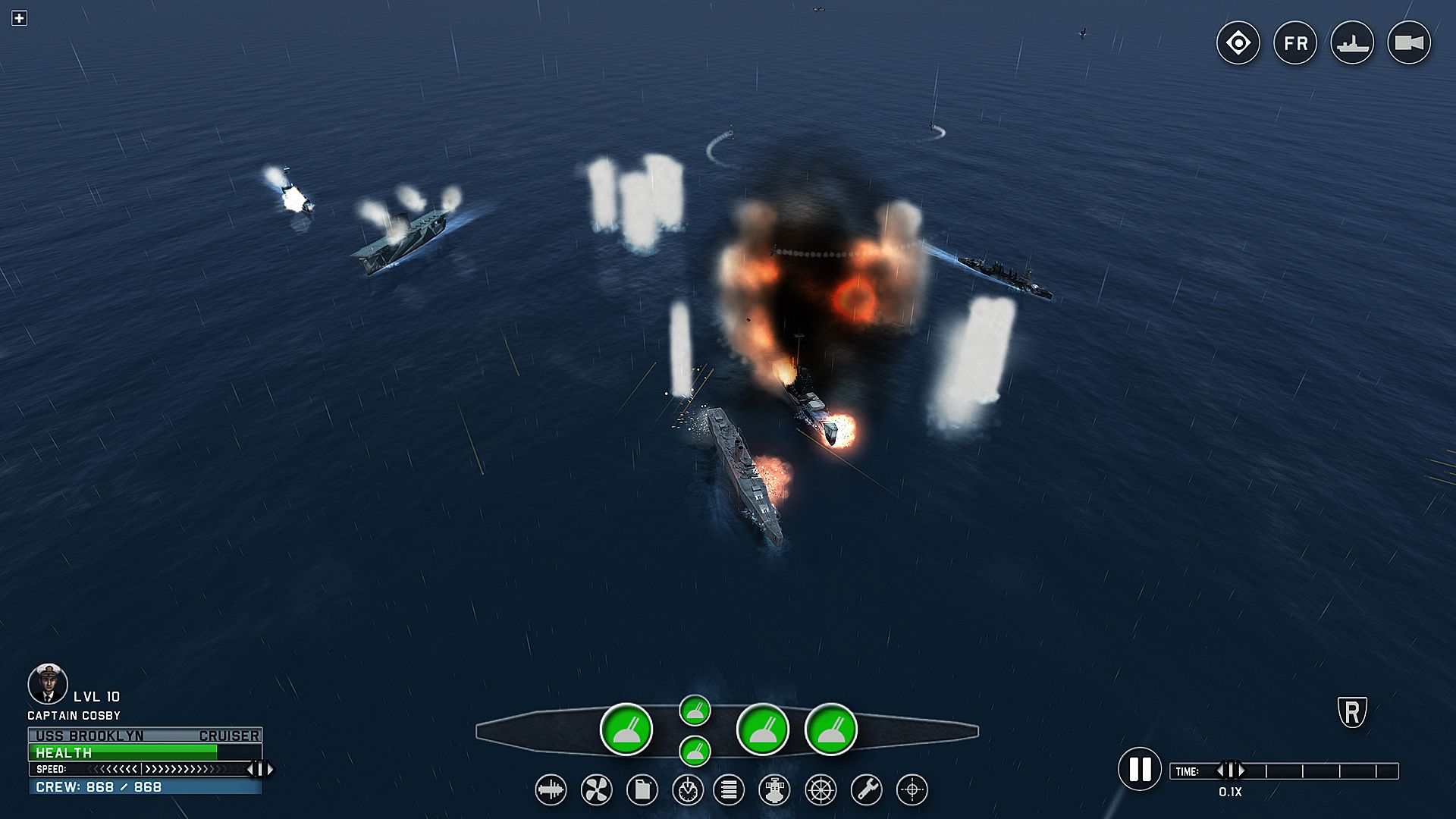
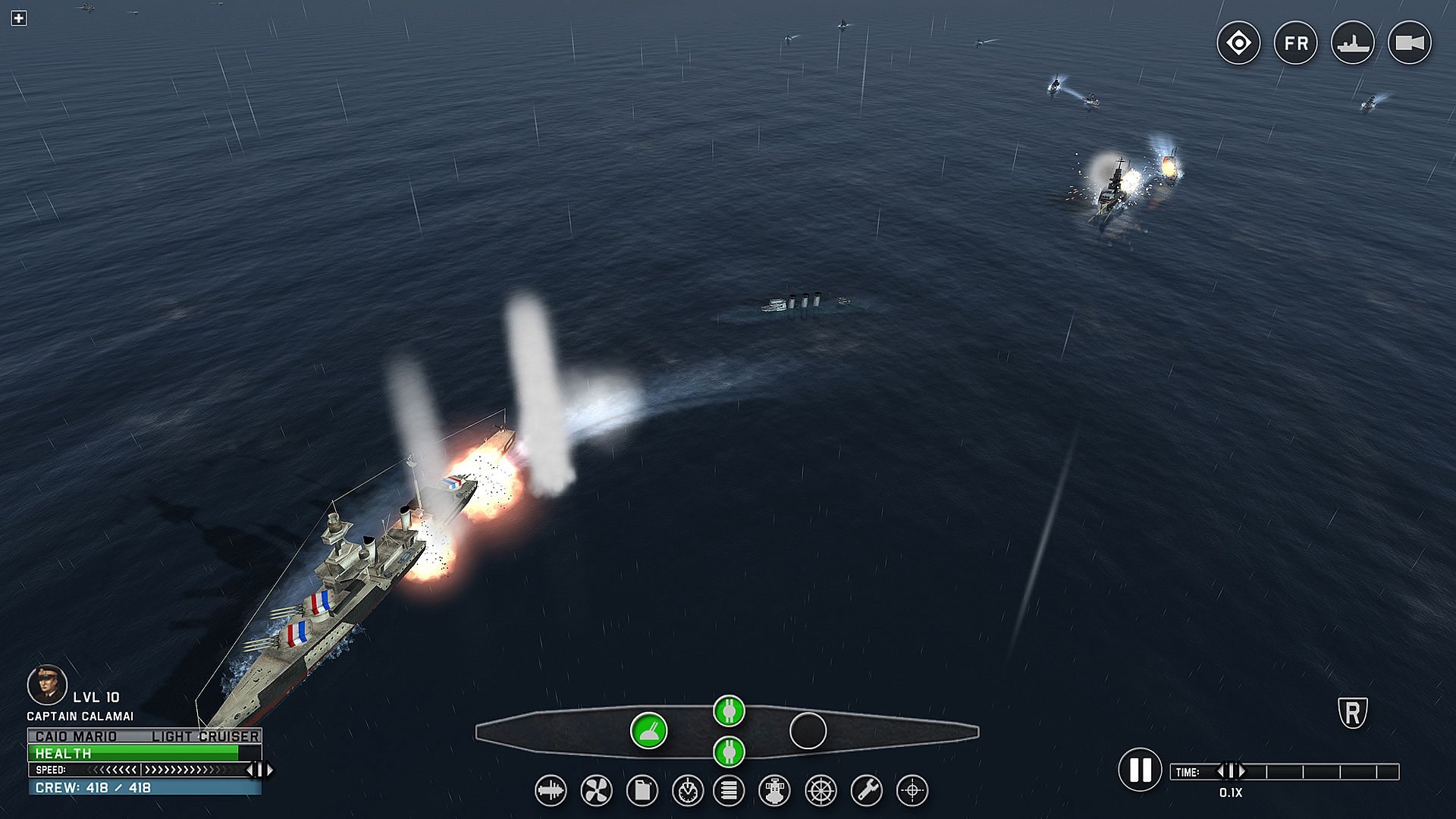
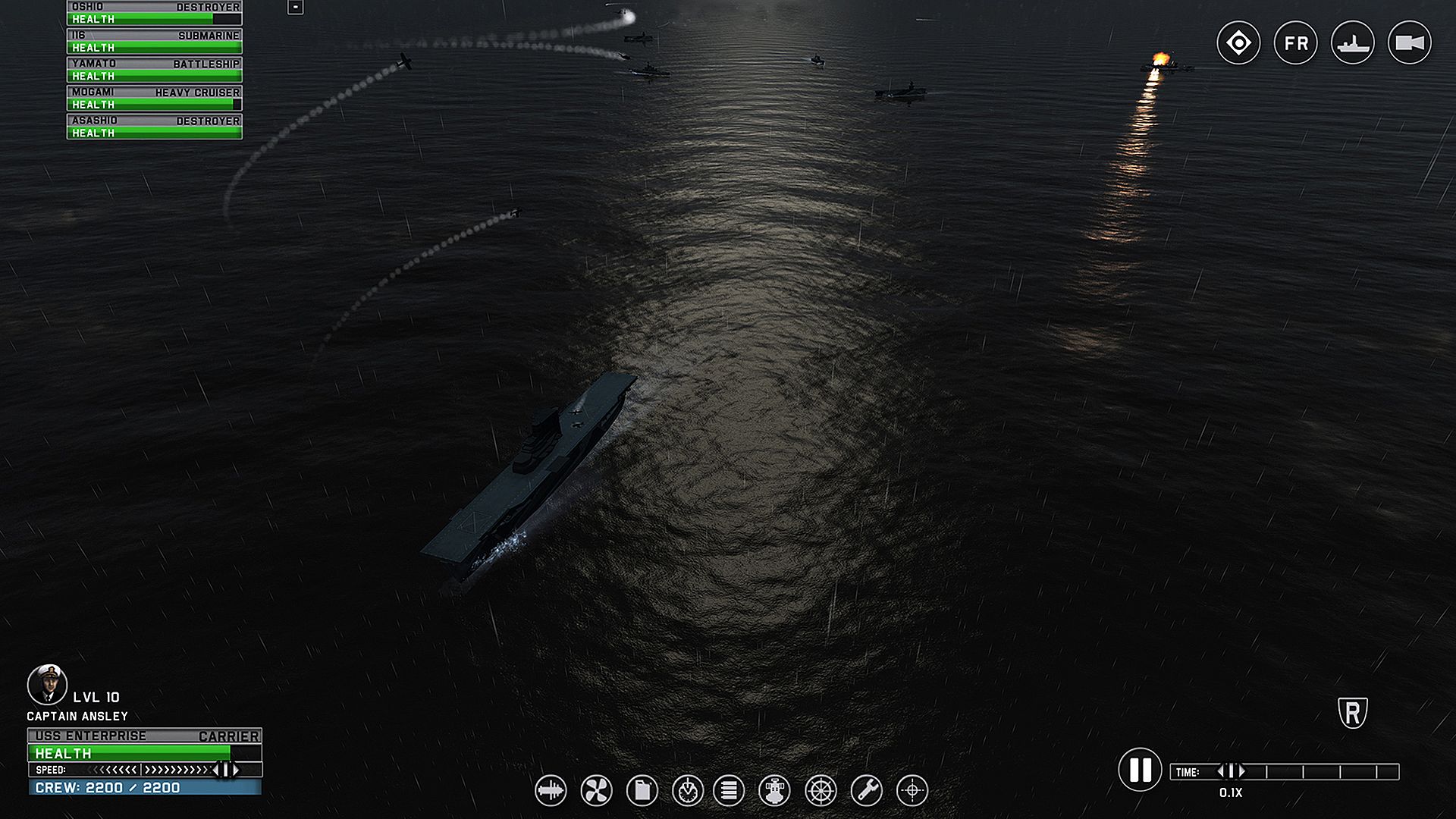
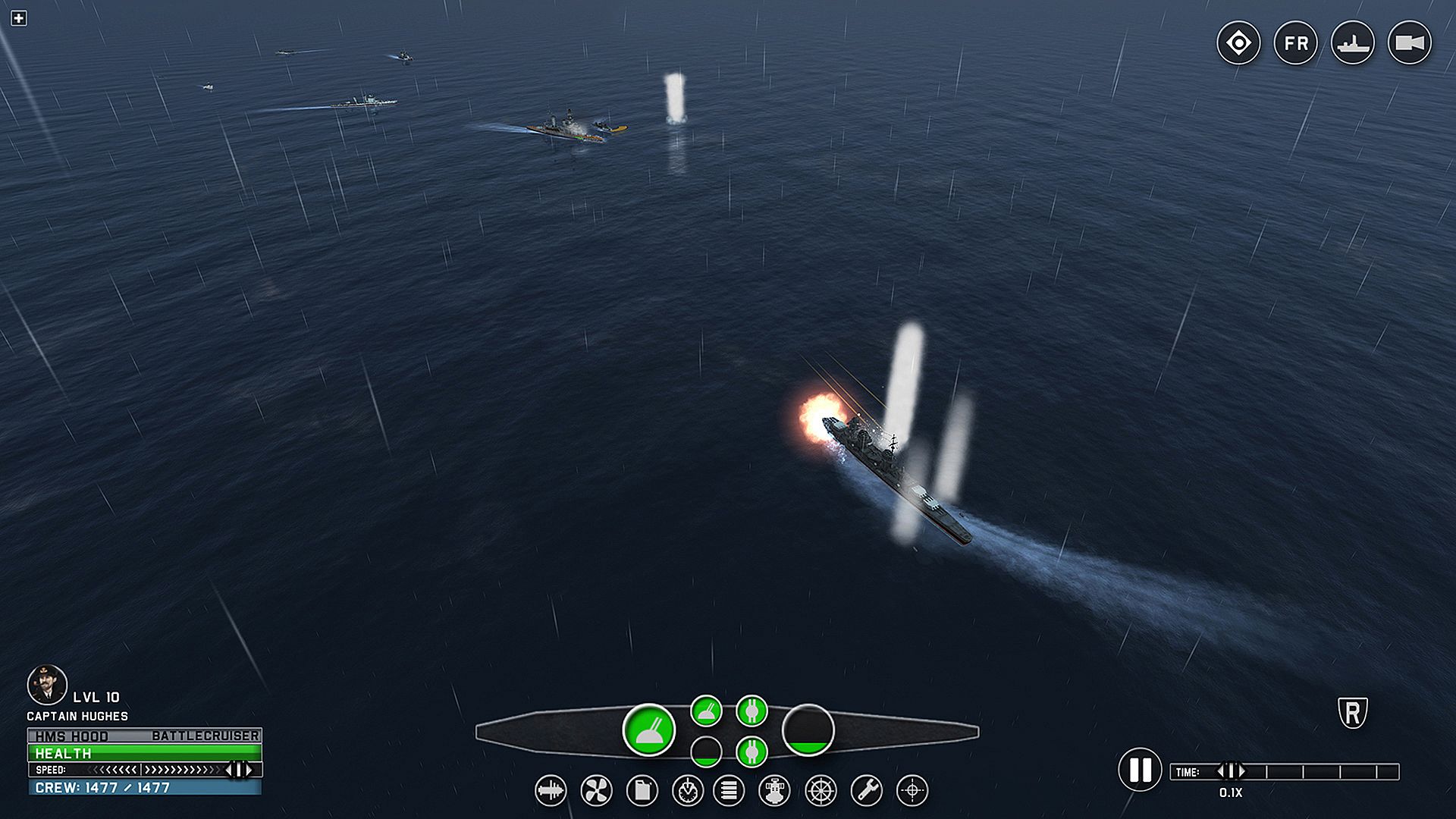
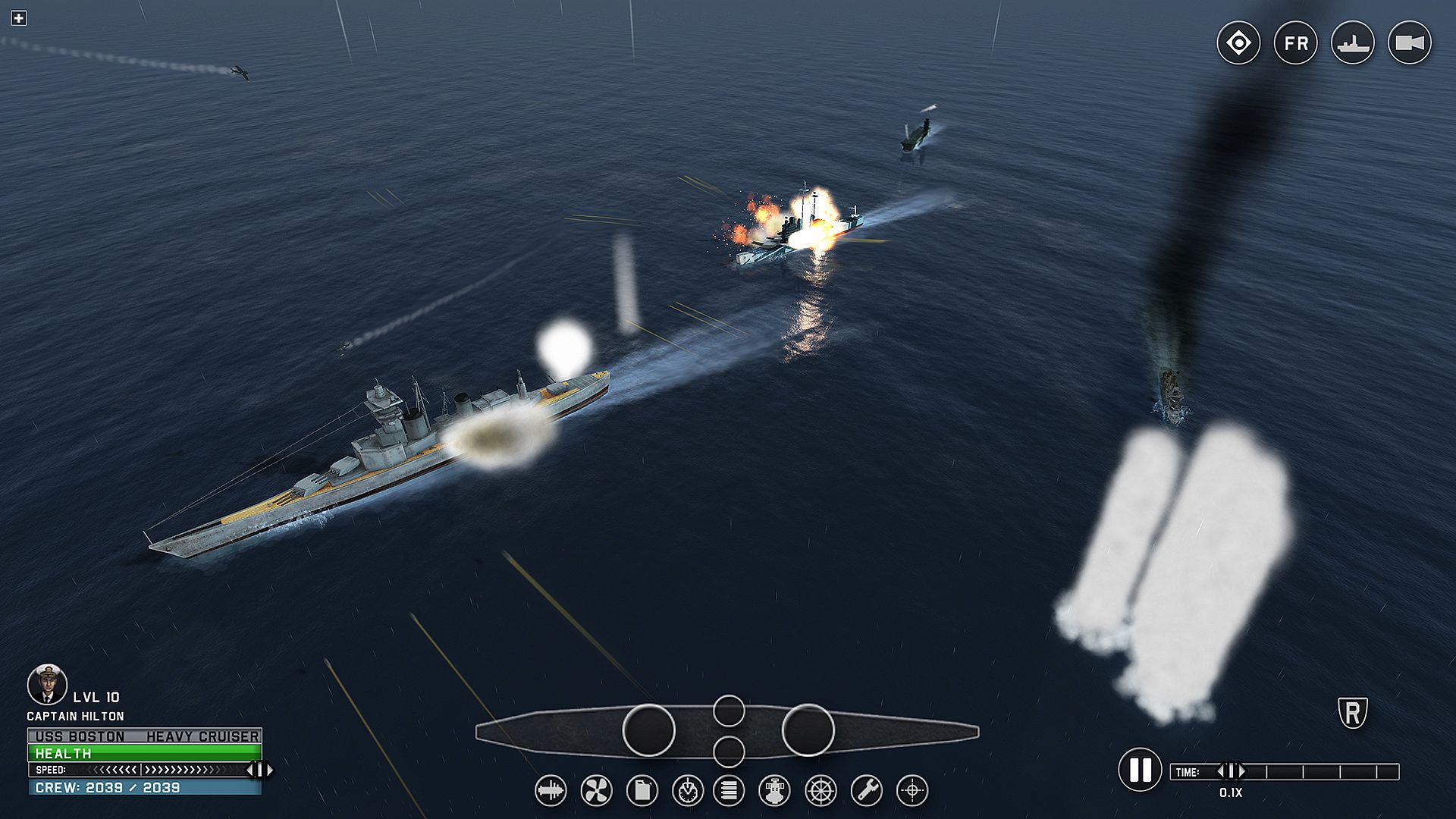
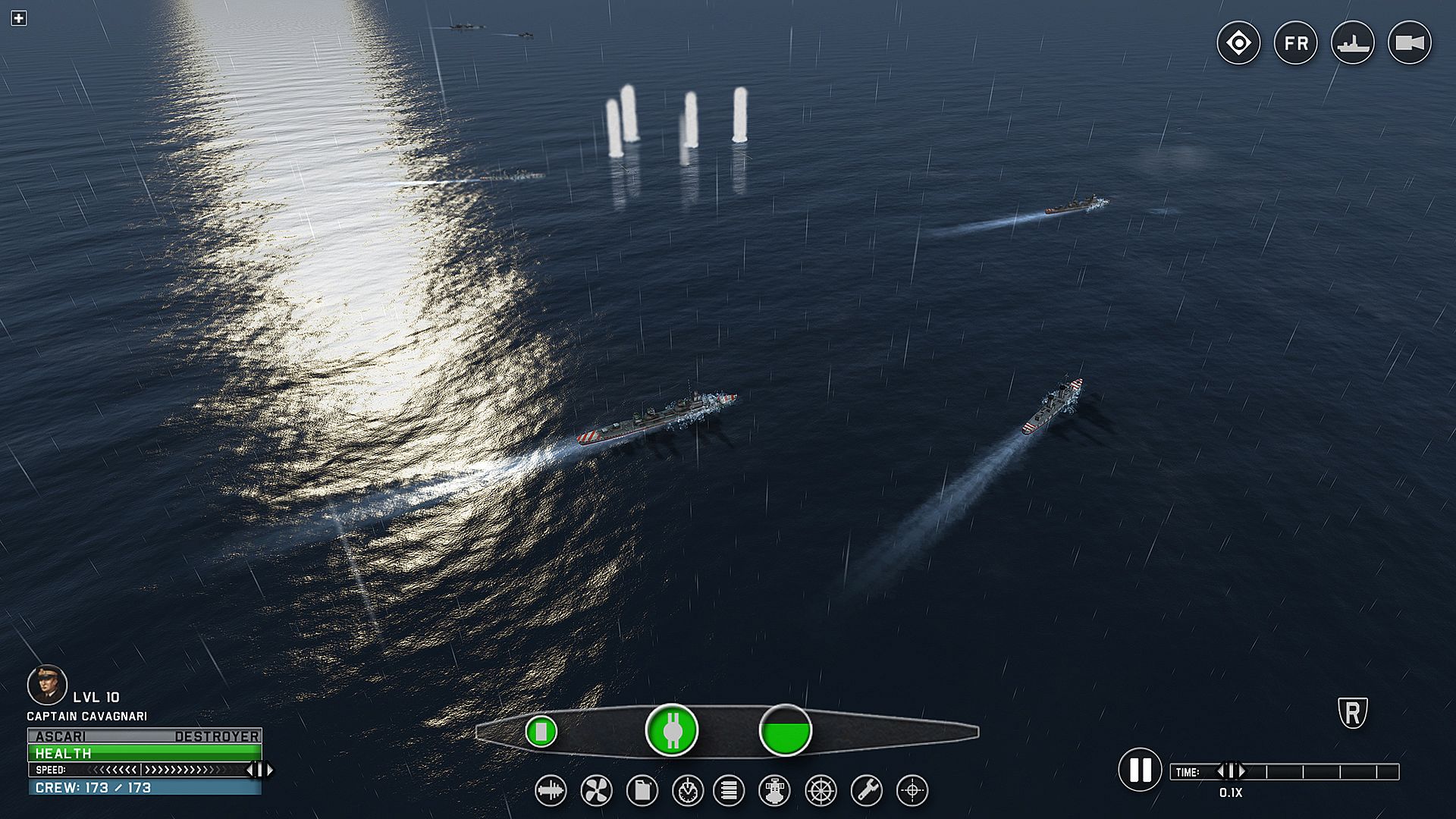
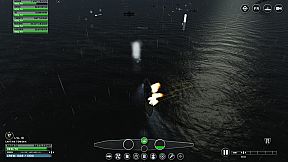
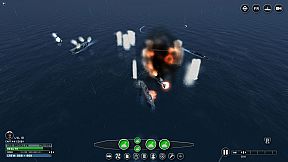
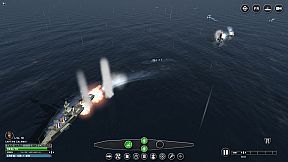
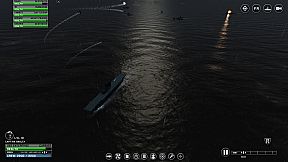
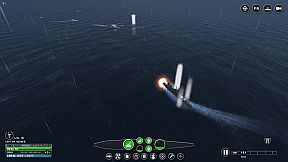
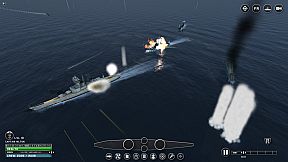
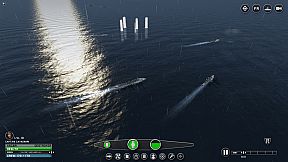
Victory At Sea is a real-time strategy naval warfare game set during World War II. Players command fleets across the Atlantic, Pacific, and Mediterranean theaters in a simulation that blends large-scale fleet management with direct combat control. The title emphasizes the shift from battleship dominance to carrier-based operations, while incorporating submarines that target convoys and destroyers that handle screening and escort duties.
Gameplay
Core gameplay revolves around commanding individual ships or entire task forces in real time. Players start as a destroyer captain and progress through naval ranks toward admiral status by completing objectives and earning medals. Fleet composition draws from more than 80 ship classes, allowing choices between battleship firepower, submarine wolf packs, or carrier air groups. Hundreds of ports serve as strategic points for supply lines and operations.
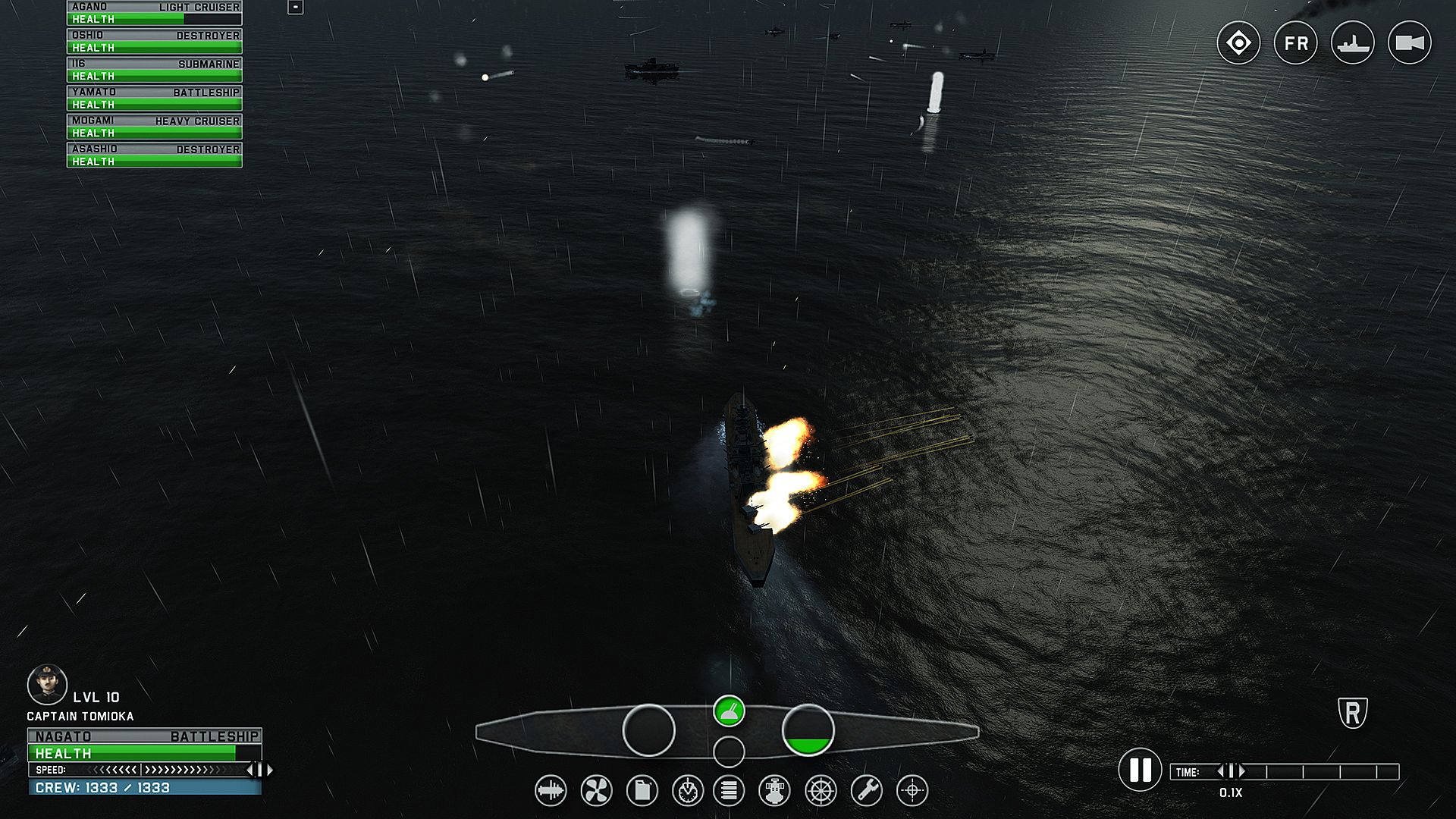
Strategy planning occurs in an open campaign where decisions determine the next action. Options include disrupting enemy shipping to cut supplies, eliminating patrols to weaken defenses, protecting friendly convoys, leading amphibious assaults with landing craft, or executing covert missions. A time slider lets commanders slow or accelerate the pace during large engagements. Weather and day-night cycles influence visibility, accuracy, and tactics, with night actions creating distinct challenges.
Game Modes
Victory At Sea features three primary modes. The campaign places players in control of their chosen nation's naval efforts, with full freedom to set priorities and pursue objectives across global waters. Historical Battle mode recreates specific World War II engagements with predefined victory conditions, requiring only a side selection before combat begins.
Custom Battle mode supports creation of encounters ranging from small skirmishes to massive fleet actions. Participants select from Axis or Allied forces and draw ships from six playable nations. These modes support varied playstyles without requiring progression through the campaign.
Strategic Depth and Fleet Building
Fleet construction forms a central decision point. Emphasis can fall on surface gunnery, underwater ambushes, or air superiority depending on available classes and mission needs. Port networks create logistical layers, as control of these locations affects resupply and reinforcement opportunities. The combination of sandbox freedom and tactical combat produces different outcomes based on chosen approaches to enemy disruption or defense.
Mechanics reward coordinated use of ship types. Destroyers screen carriers from submarines, while aircraft extend strike range beyond gun range. Time-of-day and weather modifiers add variables that can favor certain compositions or force adjustments mid-battle.
Is It Worth Playing?
Victory At Sea suits players interested in single-player real-time strategy focused on naval operations and WWII history. The campaign offers extended play through rank progression and medal collection, while historical and custom modes provide quicker sessions or replay opportunities. Those who enjoy managing mixed fleets, planning operations around supply lines, and adapting to environmental factors will find the systems engaging.
The game remains available on PC and receives occasional discounts. Reception highlights its accessible approach to fleet command alongside notes on limited depth in some strategic layers. It appeals most to enthusiasts of naval simulation rather than fast-paced action titles.