



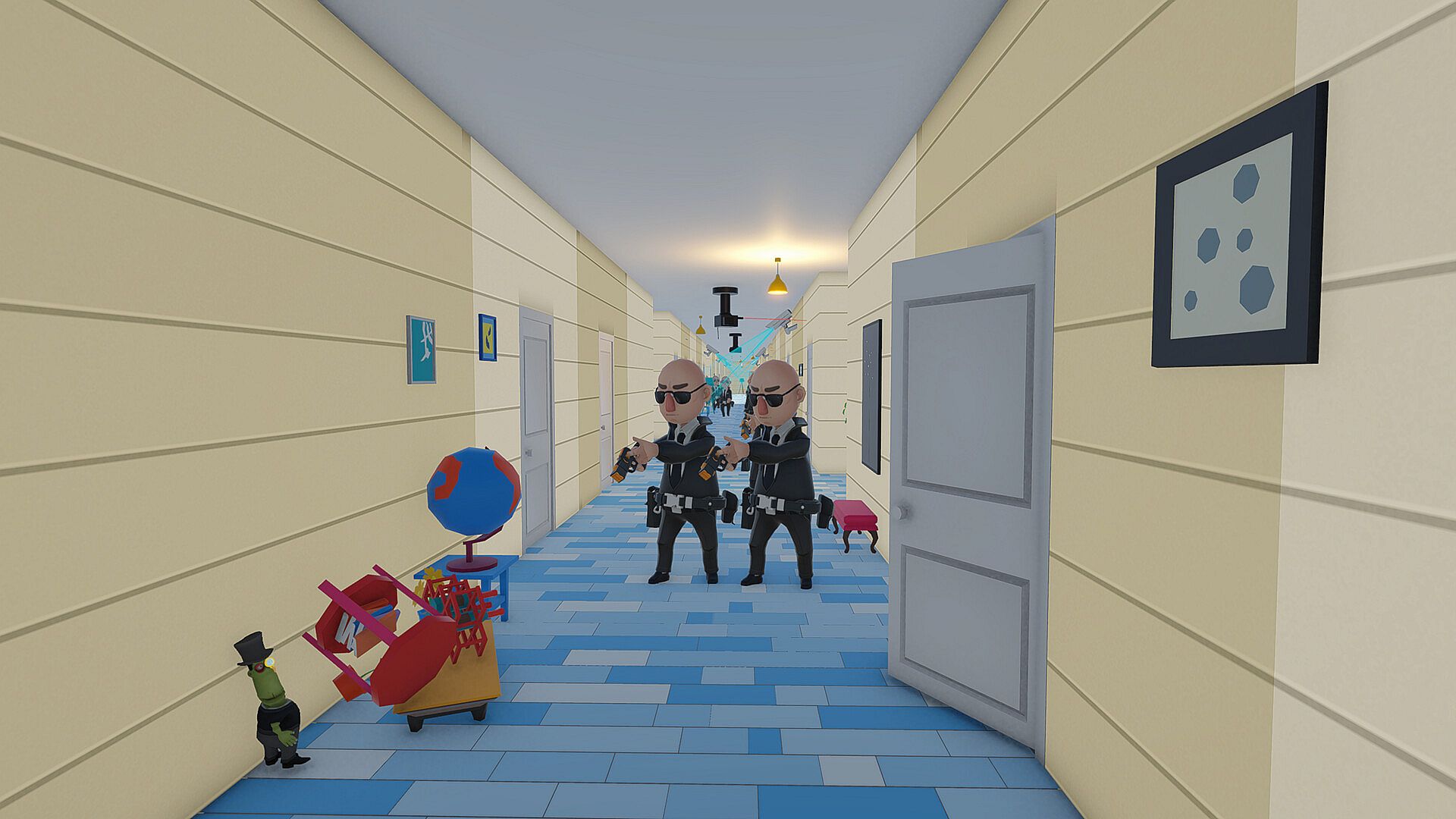
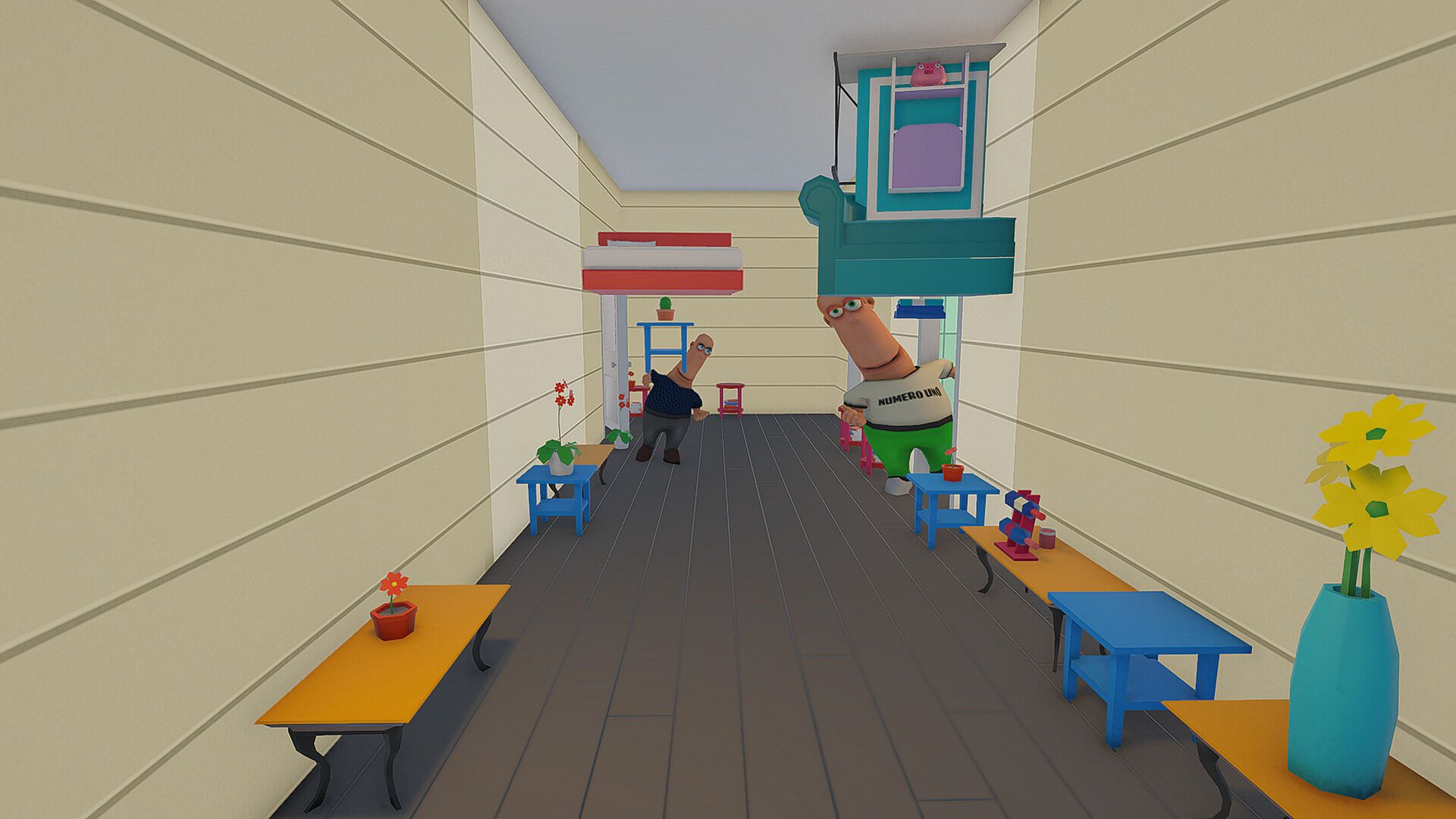
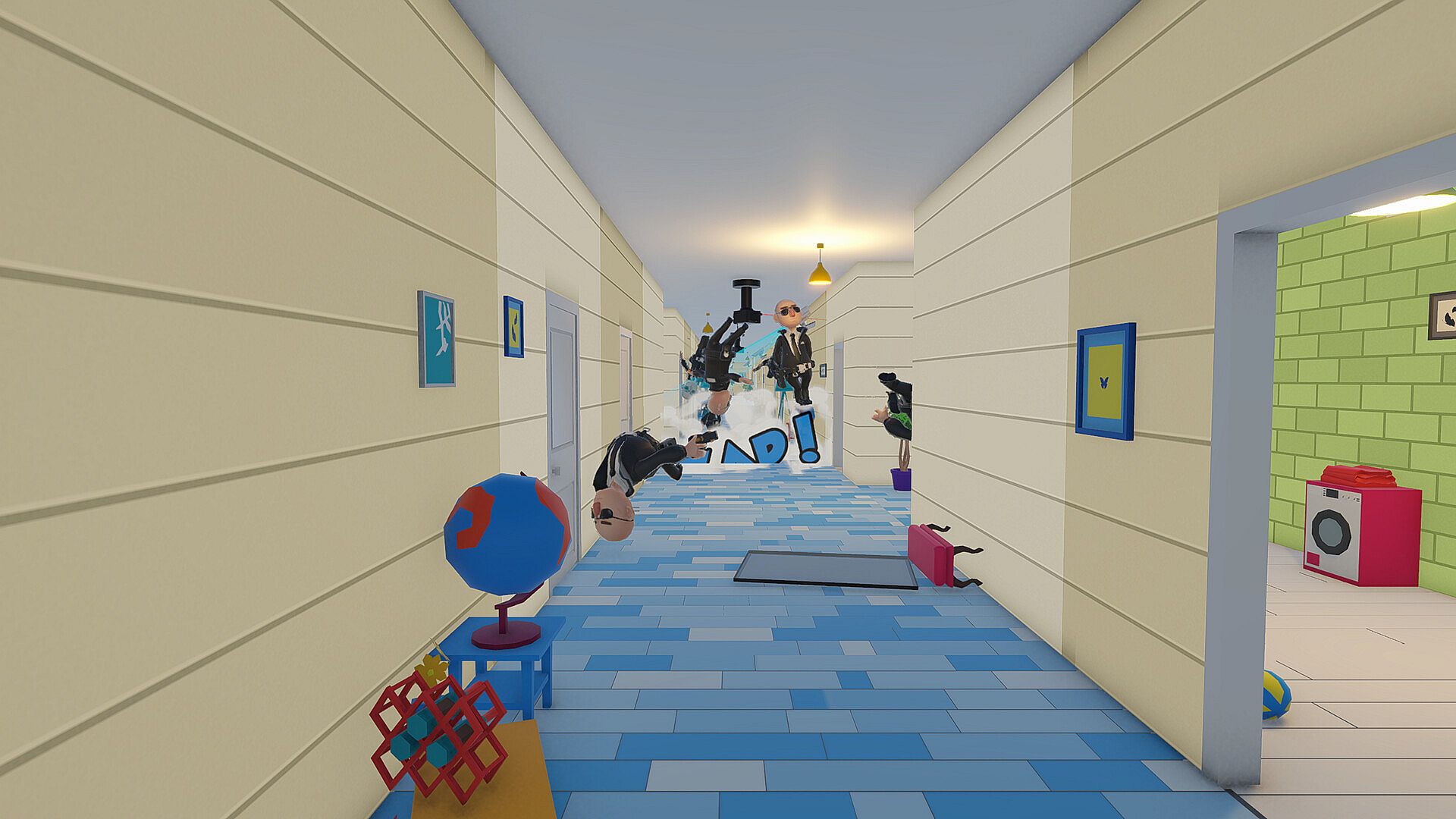
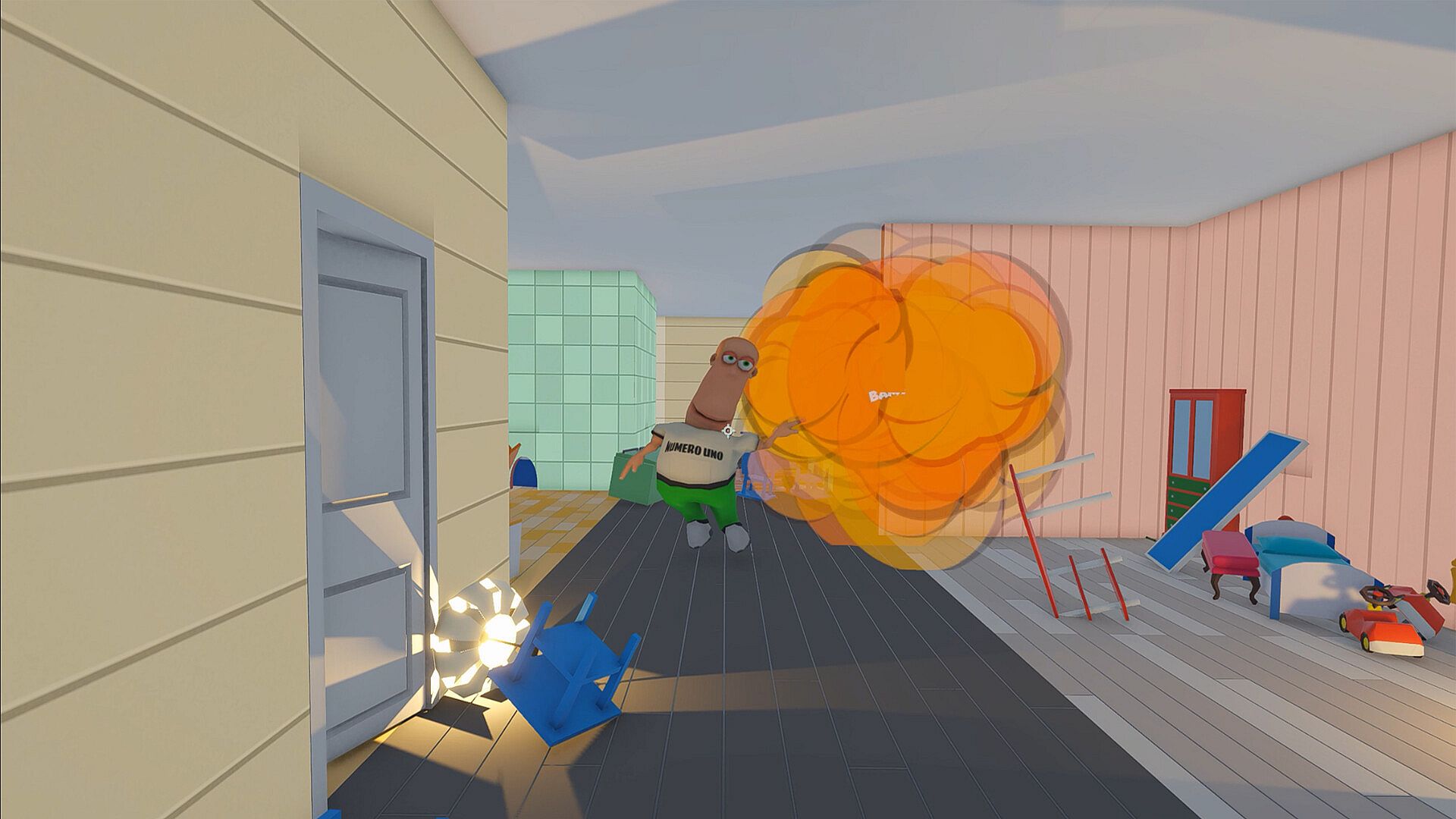

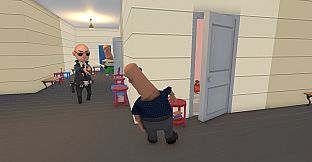



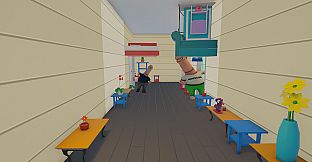
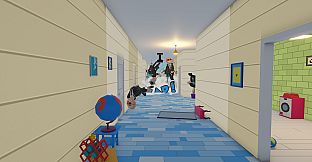
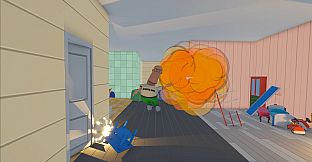
VERY IMPORTANT NEEDS is a co-op heist game that blends action, strategy, indie, casual, and adventure elements on PC. Players assemble a crew of characters with distinct abilities to repeatedly break into the same neighbors' buildings, grab valuable loot, and escape while managing security systems and personal expenses. The core loop revolves around planning break-ins, improvising when plans fail, hauling items out, and covering weekly bills driven by the crew's absurd needs.
Gameplay
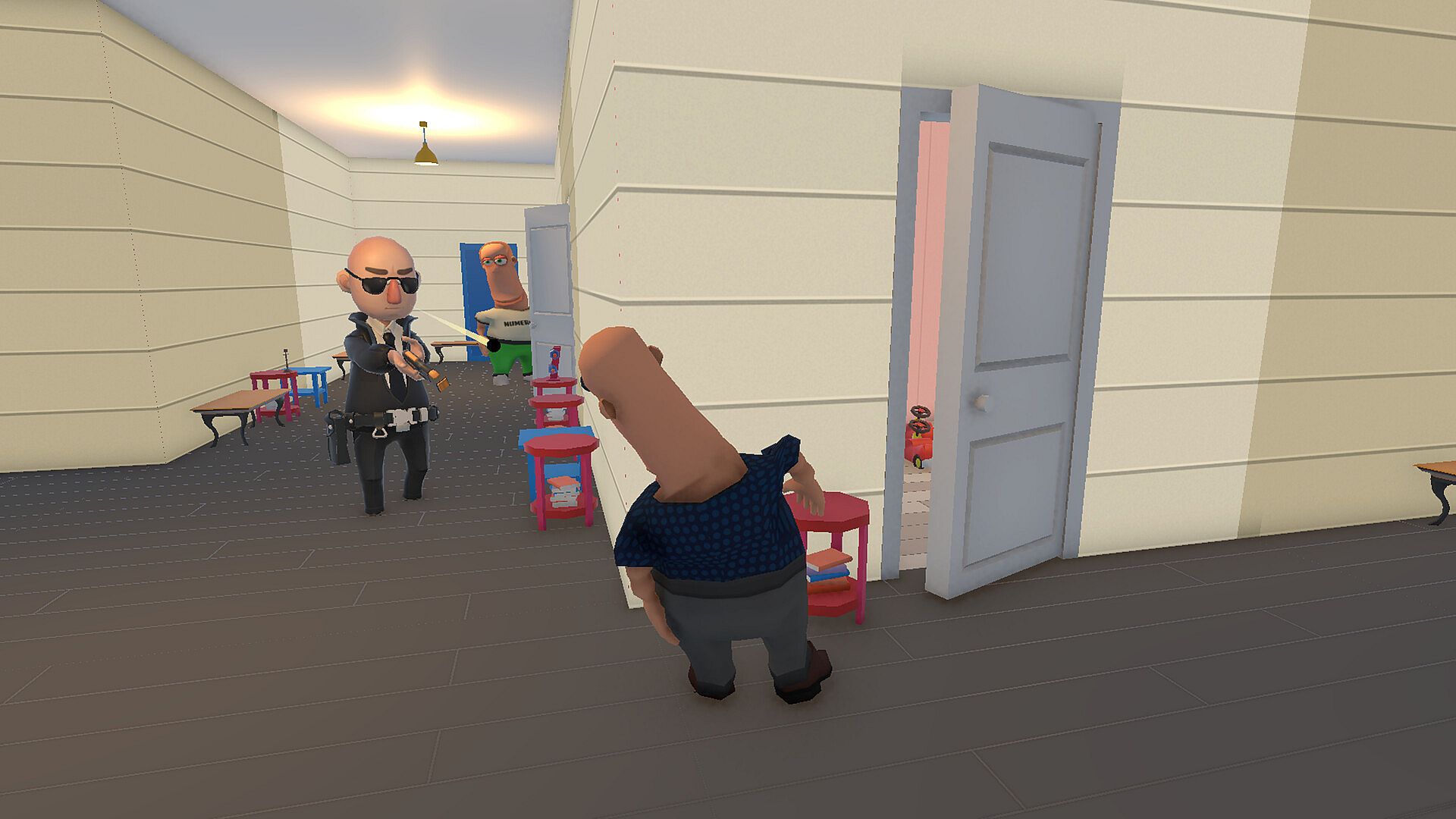
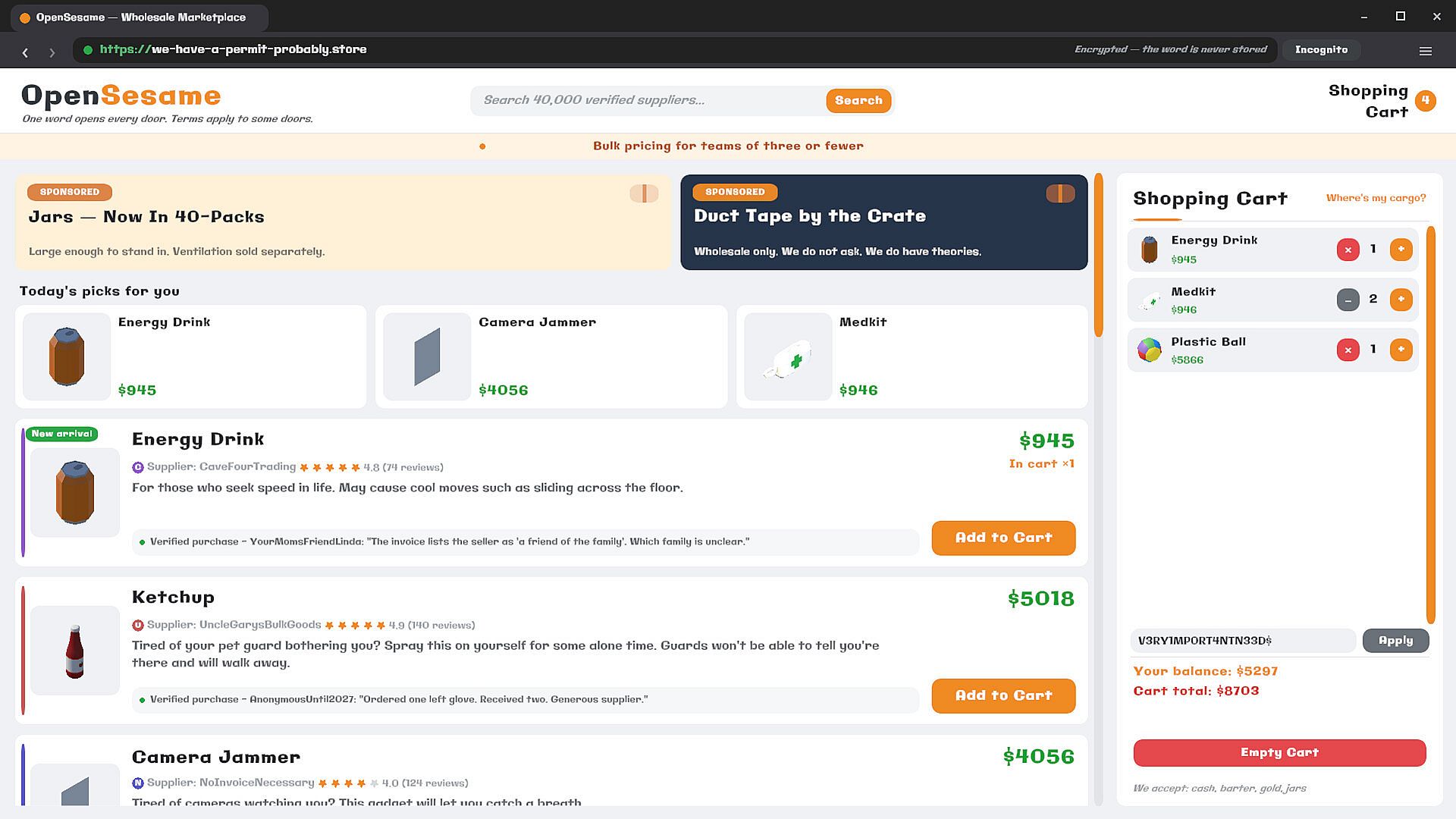
The experience centers on chaotic co-op sessions where teams choose from characters who bring unique skills to each job. One phases through walls, another dashes into guards to stun them, and others move past cameras undetected. Each character also carries a weekly Very Important Need that must be located and extracted alongside the regular loot. Buildings feature shifting layouts that change with every run, forcing fresh navigation and route adjustments. Players search rooms for small and large items, weigh the risk of carrying heavy or awkward objects, and deal with a driver who demands payment before leaving. Security includes visible and audible guards who chase on alert, ceiling turrets that lock on targets, doorway laser traps, and cameras that trigger alarms leading to police arrival. Tools from the shop help manage these threats, such as jammers for silencing electronics, tasers for incapacitating guards, C4 for breaching walls or doors, throwable distractions, energy drinks, and a clone bank for reviving teammates. Loot carries physics, so dropped items create noise or block paths, and greed can lead to slower escapes or total loss near the exit. The economy ties directly to survival, with stolen goods funding tools and covering rent, debt, and the crew's recurring needs that arrive on a fixed calendar.
Game Modes
VERY IMPORTANT NEEDS focuses on co-op heist sessions played with friends through online multiplayer. Teams coordinate roles, attempt stealth approaches, create distractions, or resort to running when alarms activate. Procedural map changes ensure each break-in presents new challenges even in familiar buildings, while escalating security over successive days adds more cameras, locks, and surprises. The driver payment mechanic and weekly expense cycle add persistent pressure across multiple jobs, turning individual heists into part of a longer survival routine. No single-player campaign or competitive modes exist; the emphasis stays on group improvisation, blame-shifting after mistakes, and the satisfaction of extracting everything possible before the alarm spirals out of control.
Core Mechanics and Progression
Progression comes from repeated successful heists that generate cash for better tools and keep the crew afloat amid mounting bills. Security tightens gradually, rewarding players who adapt routes, use blind spots, silence devices, or sacrifice heavy loot to survive. The low-poly cartoon style supports the humorous tone of failed plans turning into chases and public humiliation when items are dropped or teammates are caught. Spray-painting messages on walls offers a minor optional flourish during escapes, though it risks drawing attention. The system encourages experimentation with different character combinations and tool purchases, where a single gadget can turn a disaster into a clean getaway or prove a costly mistake.
Is It Worth Playing?
VERY IMPORTANT NEEDS suits players who enjoy chaotic co-op experiences centered on heists, improvisation, and light strategy rather than pure stealth or combat. The combination of unique character abilities, procedural layouts, escalating security, and the weekly needs economy creates a loop that rewards teamwork and quick thinking while allowing room for mistakes that lead to funny outcomes. Since the game remains in development with a planned 2026 release and no public player data available yet, those interested should follow its Steam page for updates on the final feature set and pricing. It stands out for groups seeking repeatable sessions that mix planning with emergent comedy instead of polished single-player narratives or large-scale competitive play.