















Utawarerumono: ZAN 2 is an action RPG that blends hack-and-slash combat with character progression and story elements drawn from the Utawarerumono series. Players control teams in real-time battles across a fantasy setting, mixing attacks, abilities, and equipment to handle waves of enemies while advancing through narrative missions.
Gameplay
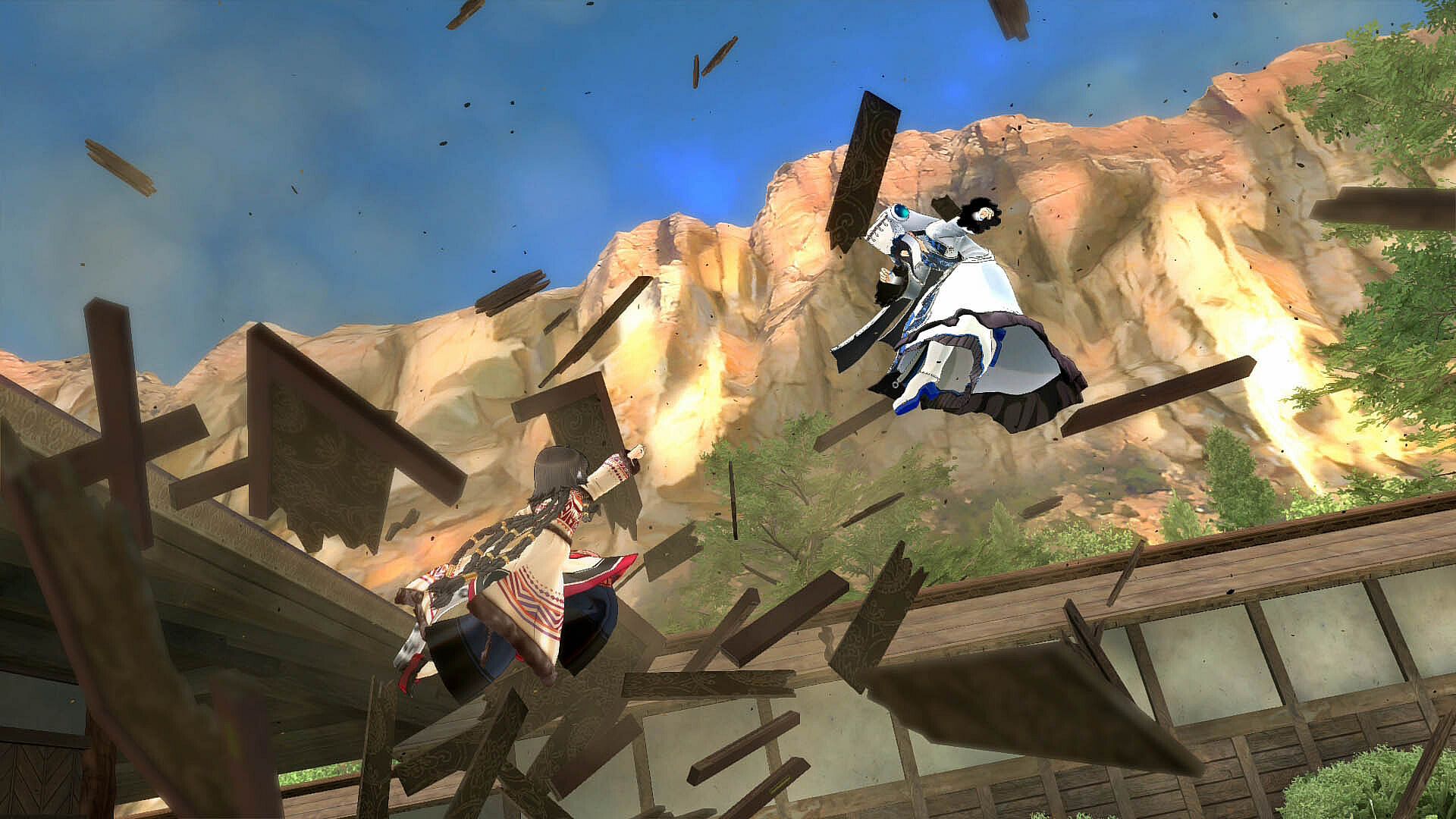
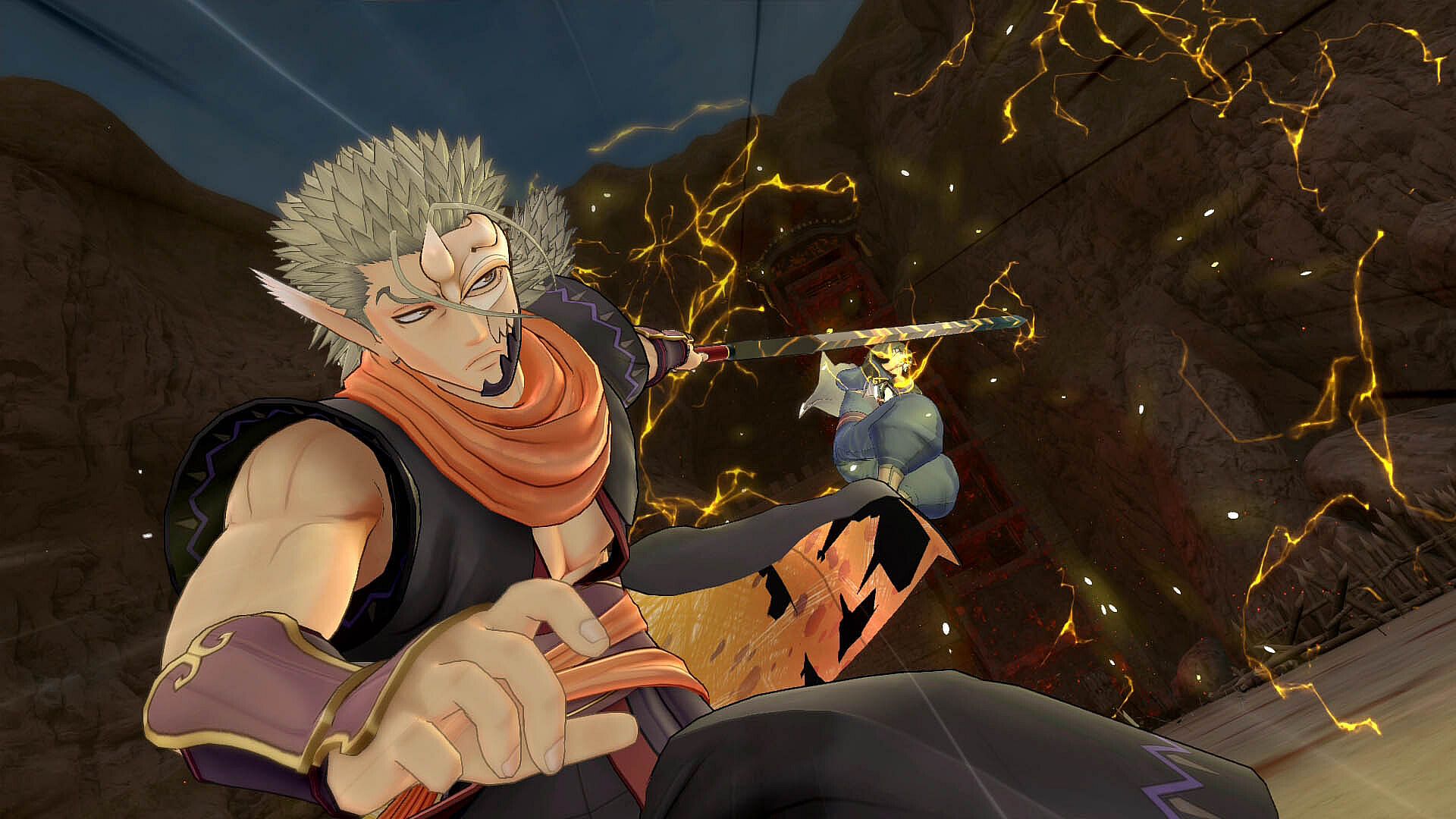
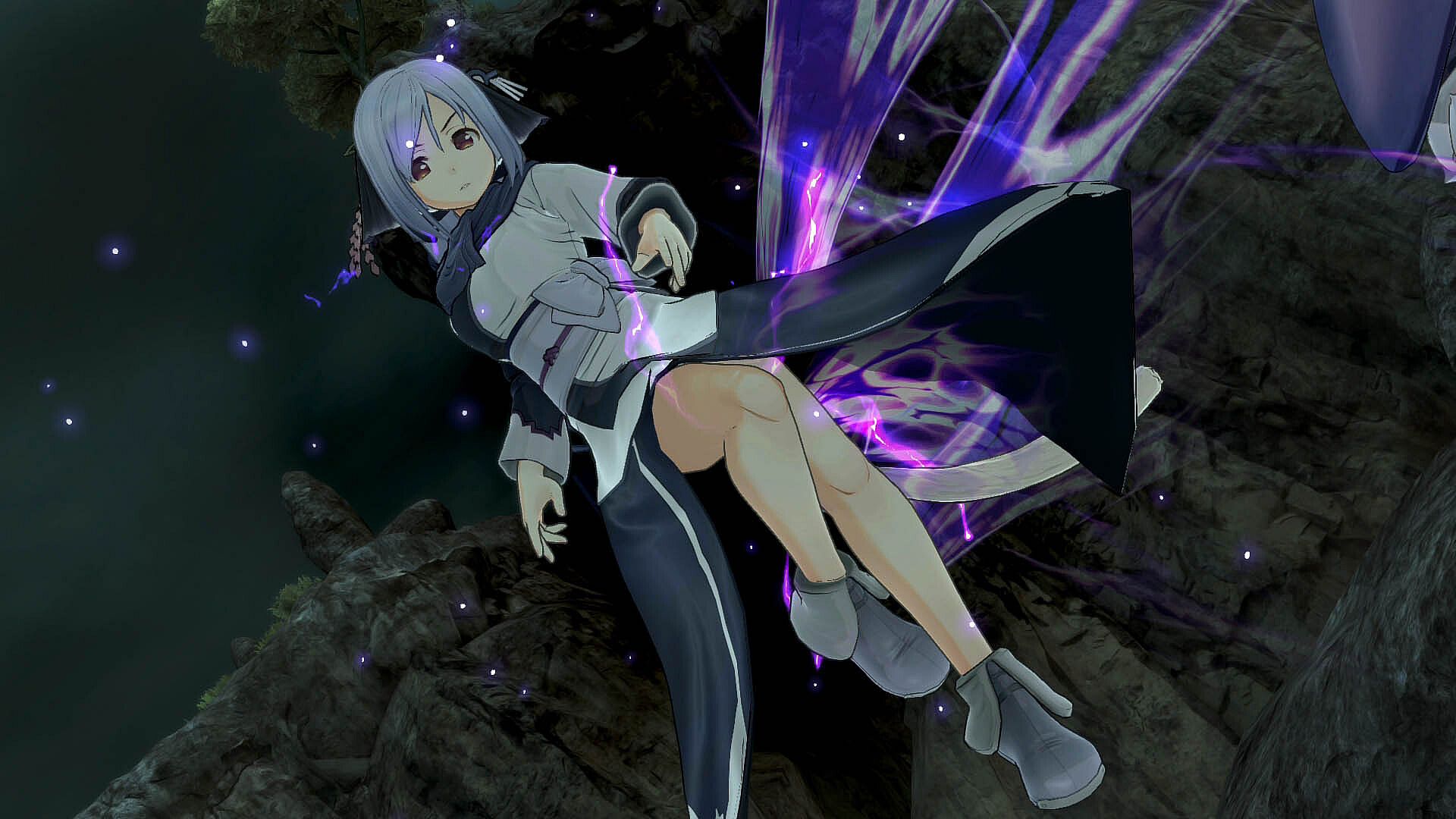
Combat centers on controlling up to four characters at once from a roster of more than twenty playable options. Switching between them happens instantly to chain attacks, unleash special techniques, and manage different roles such as offense, support, or defense. The system emphasizes flashy combos built from light and heavy strikes, with gauges that enable enhanced states and character-specific skills.
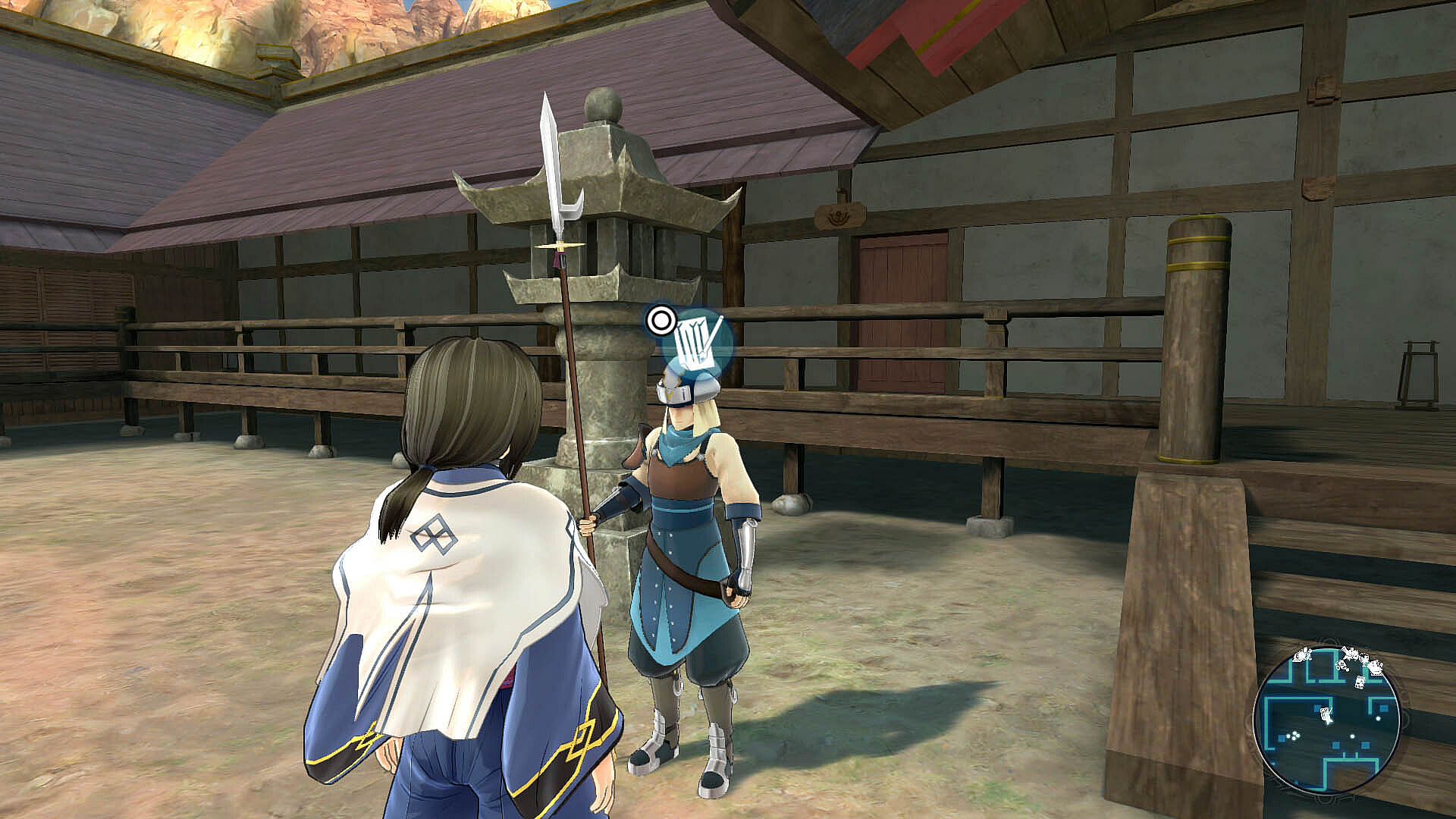
A Skill Board system lets players customize each character through unlockable upgrades that affect stats, chain attacks, and equipment capacity. This pairs with equippable items that alter gameplay and evolvable abilities that reward steady investment. Outside of battles, the base at Oshtor's estate in Ennakamuy serves as a hub where players interact with companions, handle story progression, and apply earned points to unlock new facilities and improvements.
Three-dimensional animated cutscenes handle key story moments, giving weight to events and character interactions. The overall loop involves clearing objectives in arenas while balancing party composition, timing switches, and using the environment or support options effectively.
Game Modes
The main story mode follows the events of Mask of Truth, expanded with original fully voiced scenes that add depth to the world and characters. More than fifty missions form the core campaign, mixing combat with narrative beats.
Dream Arena stands out as a dedicated mode for co-operative or solo play. It introduces unique enemies, challenges, and maps unavailable in the story, with sets of missions that unlock further content when completed. Players can join others online or tackle the content alone.
Additional modes support grinding and variety. Expeditions offer quick resource runs scaled to chosen difficulty. Tiger's Den functions as a progressive dungeon with one hundred stages that increase in challenge. Mock Battles and other side activities provide extra scenarios and objectives. A Justice Exchange system unlocks higher difficulty levels beyond the default options, reaching up to fifteen total settings.
Character Progression and Systems
Team building encourages experimentation with the large roster. Each character brings distinct attack styles and abilities, and the base hub expands options for strengthening the group through upgrades and interactions. Points earned during play feed into base improvements that unlock passive benefits and new functions over time.
Progression ties combat performance to broader growth. Skill Boards, item transmutation, and internal base mechanics create interconnected loops where battle rewards directly support long-term development and story advancement.
Is It Worth Playing?
Utawarerumono: ZAN 2 appeals most to players already familiar with the Utawarerumono series who enjoy Musou-style action. The refined combat, Skill Board customization, and base management add layers of engagement compared to the first ZAN title, while the Dream Arena provides meaningful replayability through co-op and challenging standalone content.
Reception on Steam has been Very Positive, with users highlighting improved pacing, stronger character moments, and the depth of the interconnected systems. Reviews note that the game rewards dedicated play and offers a respectful adaptation of its source material, though the combat loop can feel repetitive for those seeking constant variety. It suits fans of action RPGs who value character growth and series lore over broad accessibility for newcomers.
The PC version launched with English support and continues to receive updates that address technical issues. For players who appreciate hack-and-slash gameplay paired with narrative focus and progression systems, the title delivers a solid experience within its niche.