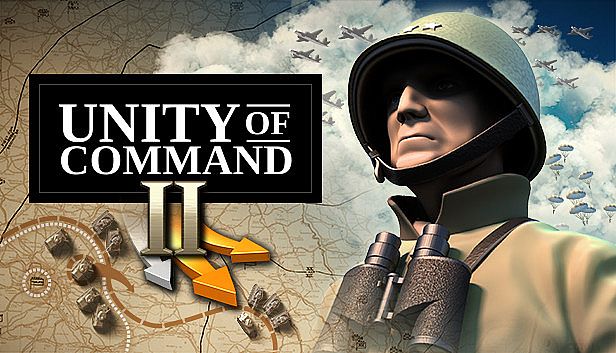












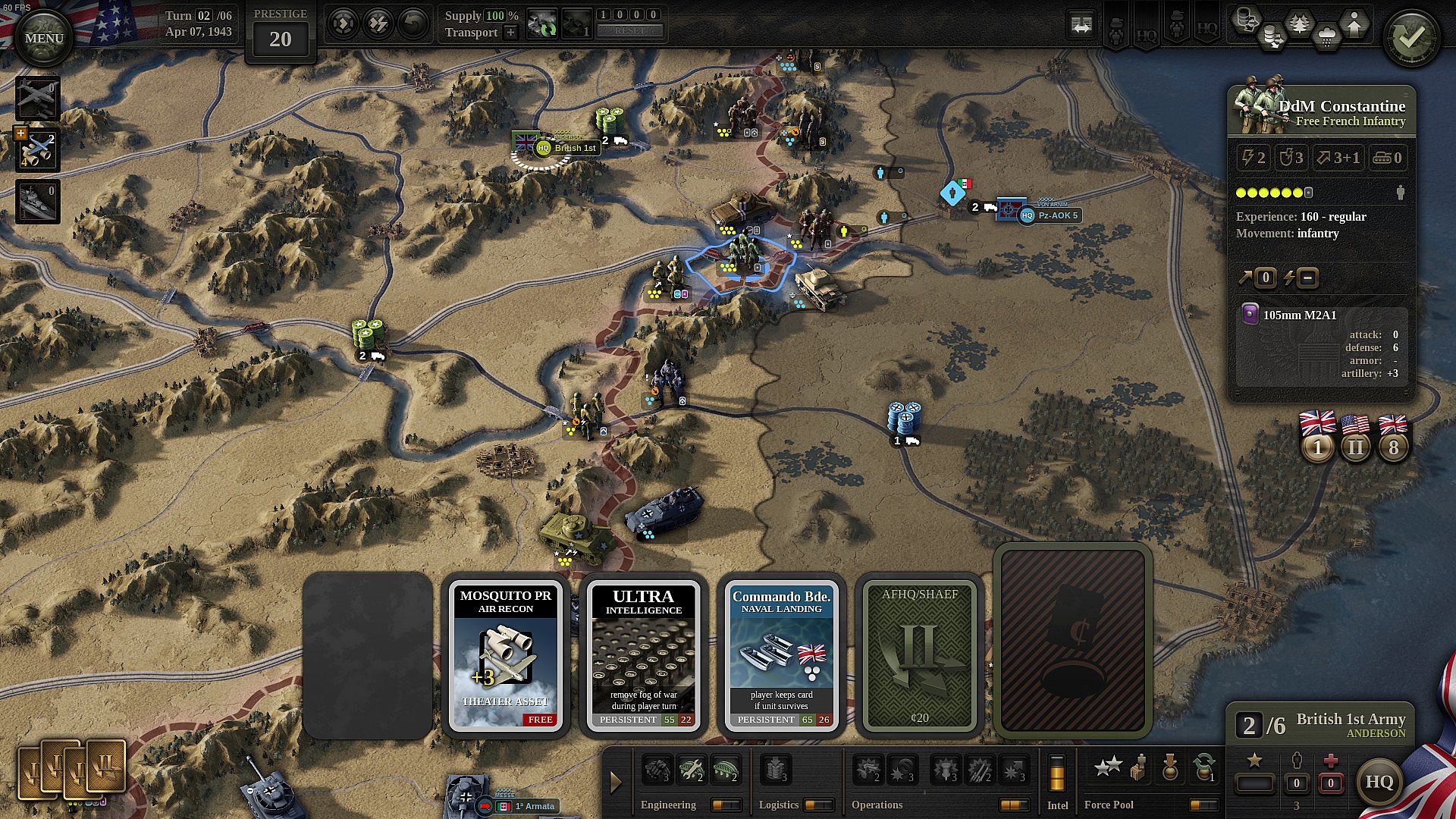
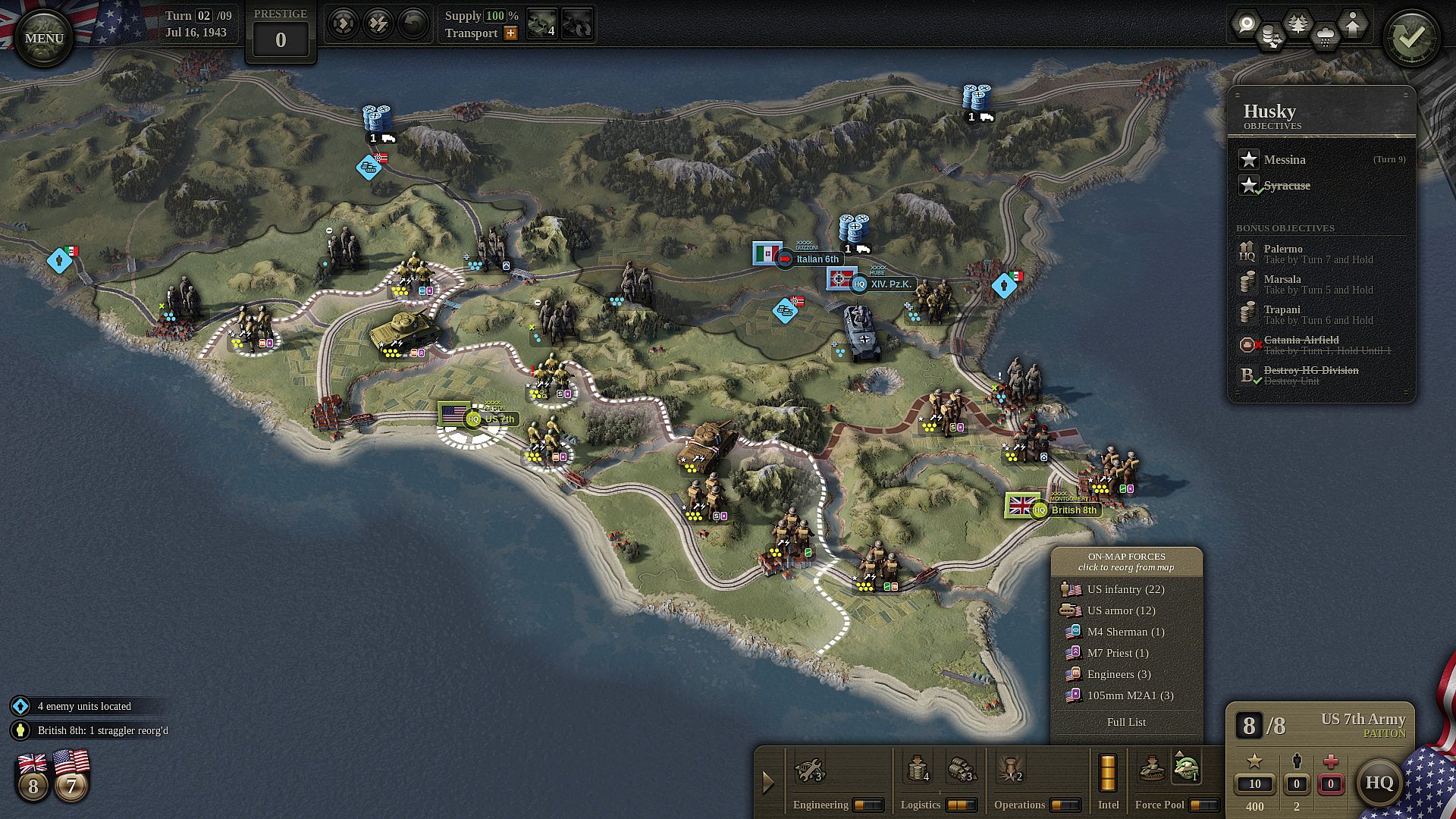
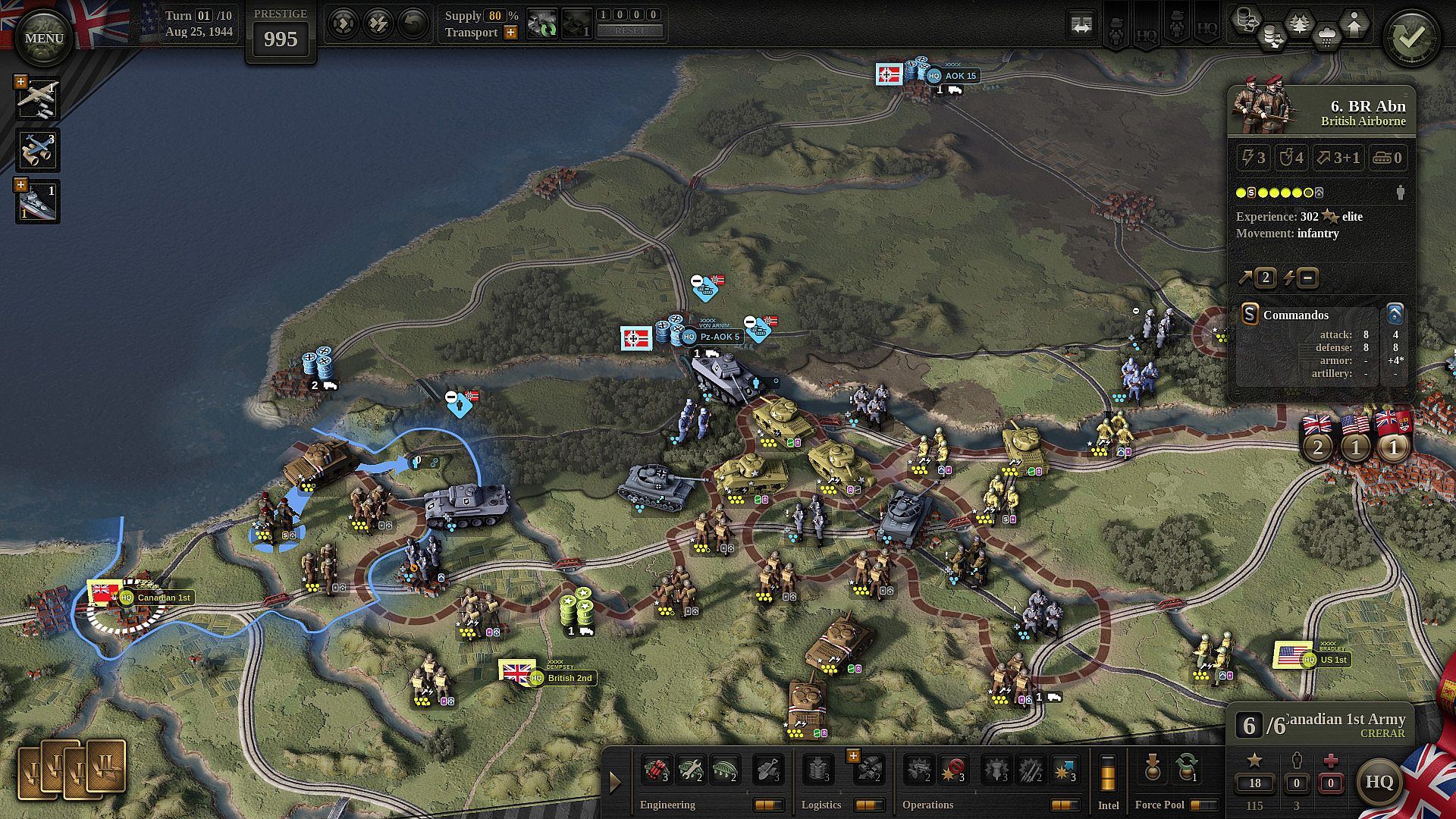
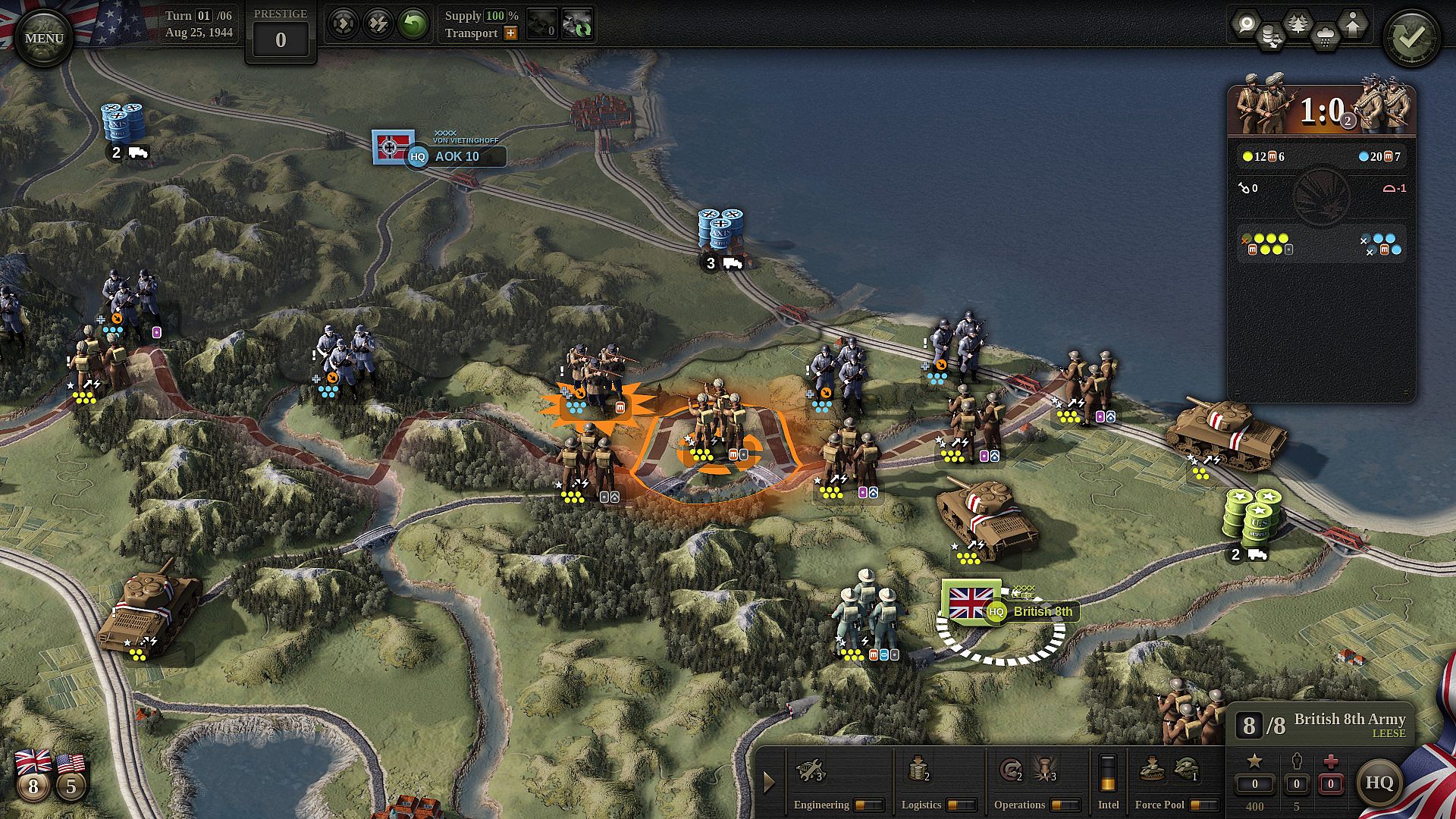
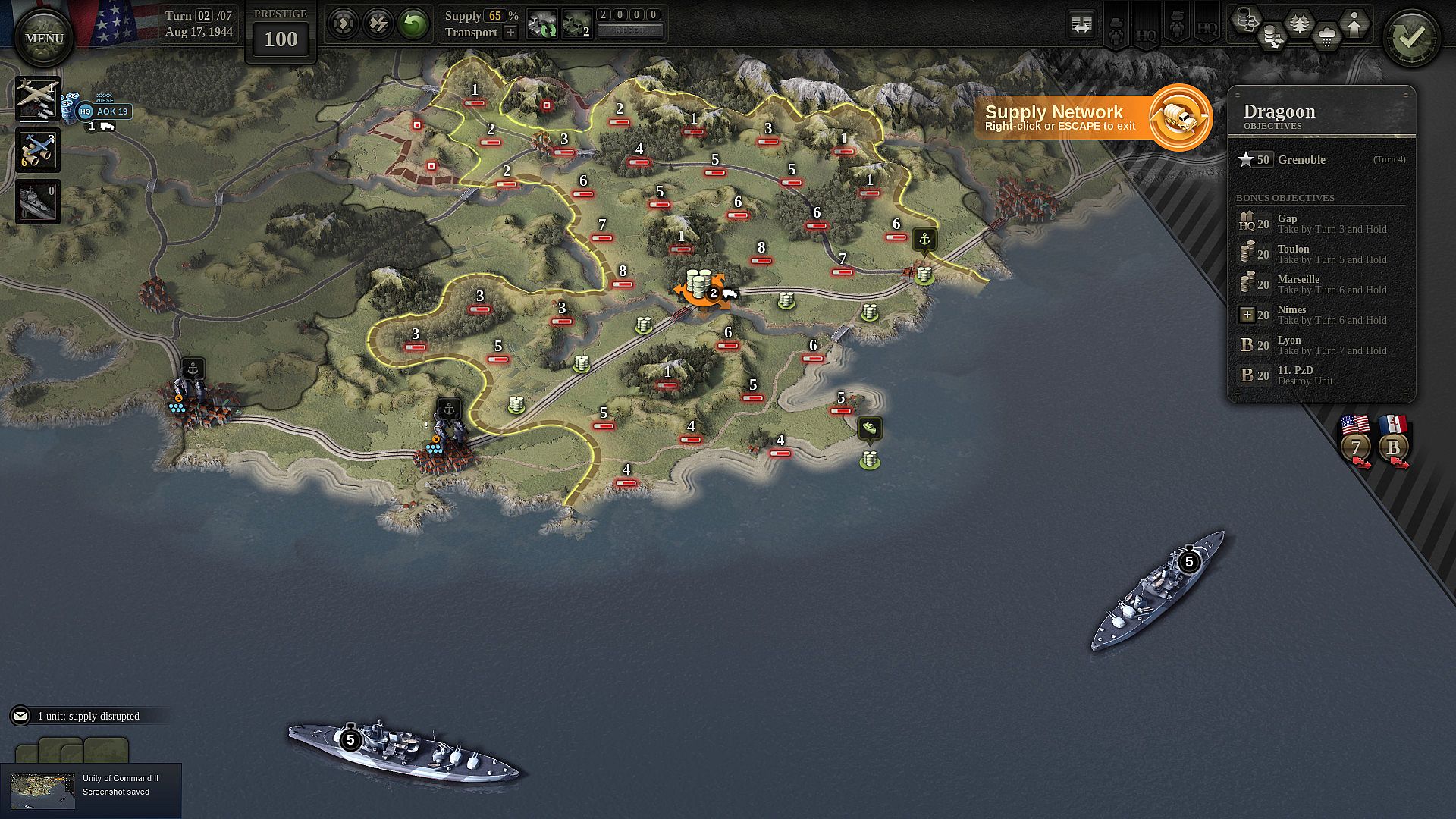
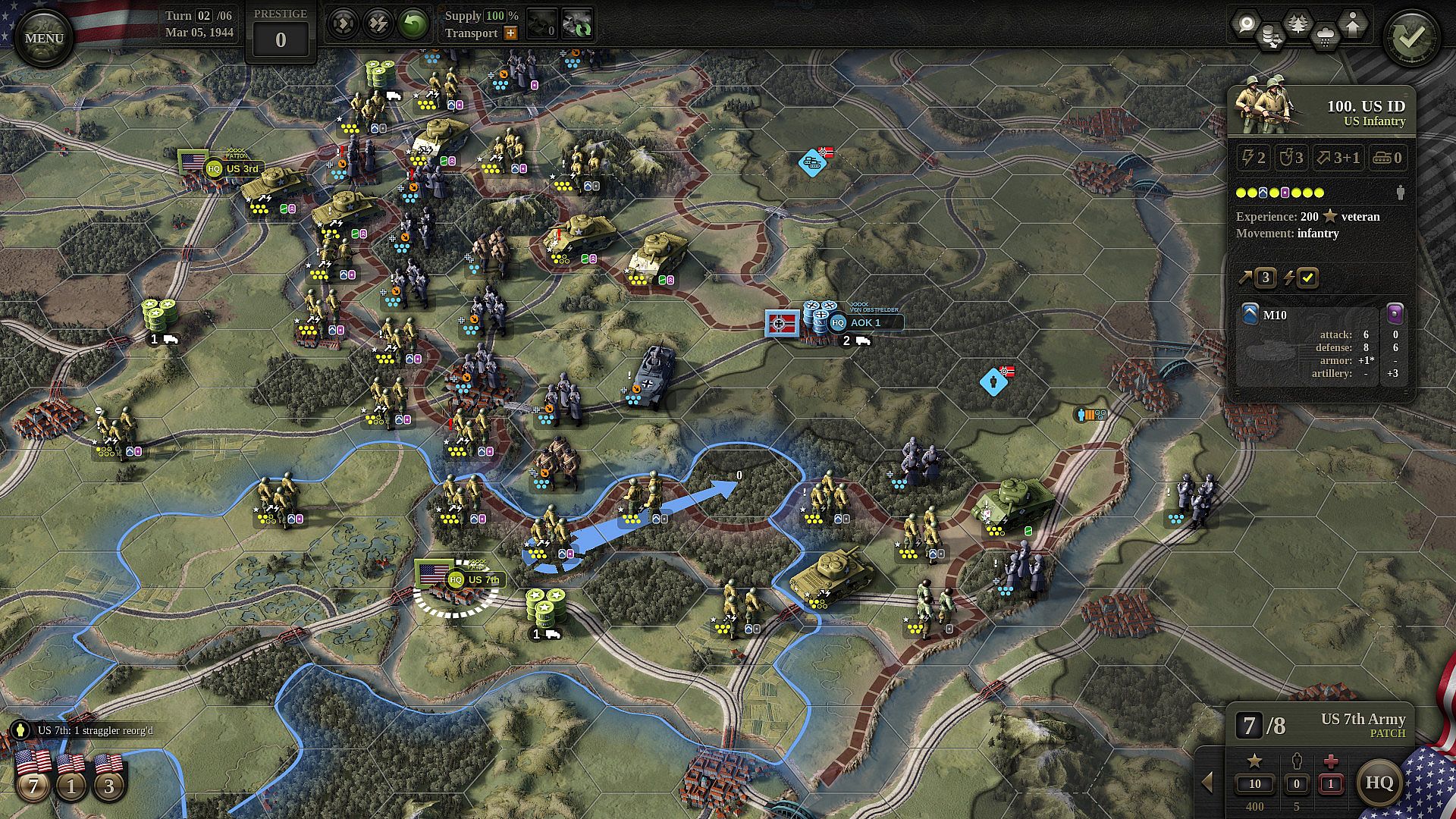
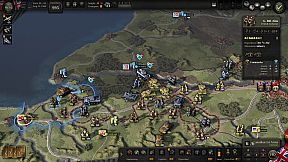
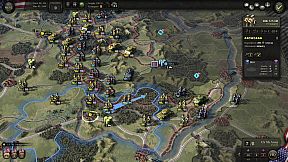
Unity of Command II is a turn-based strategy and simulation game set during the Second World War. Players command Western Allied forces across a series of operational maps, focusing on division-level management, supply lines, and logistics rather than direct unit control. The game runs on a custom 3D engine that preserves the clean, functional art style of the original while adding fluid animations and clearer map visibility. It emphasizes careful planning over rapid action, with every decision tied to maintaining supply routes and responding to limited intelligence.
Gameplay
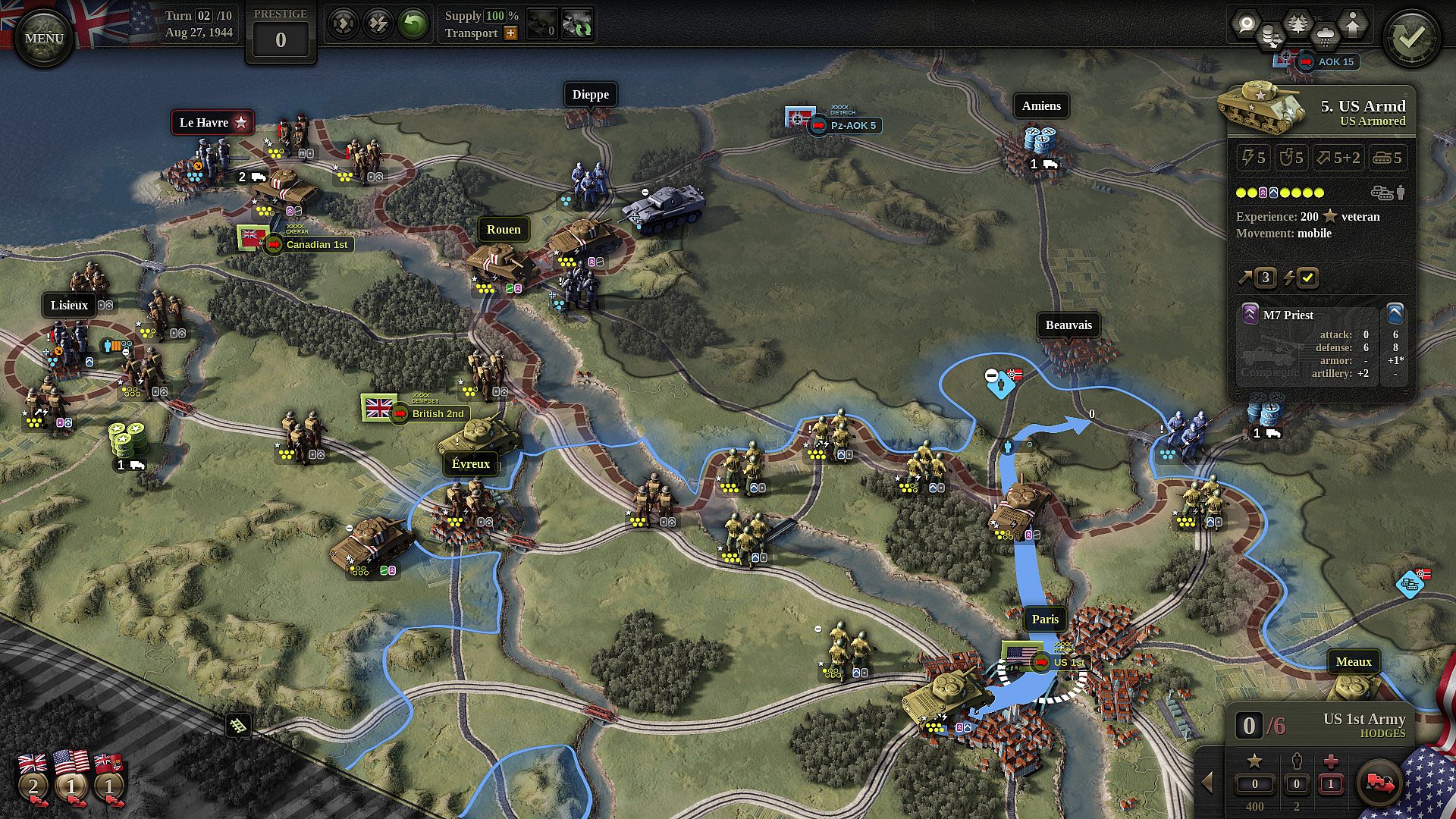
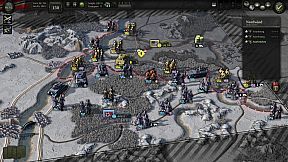
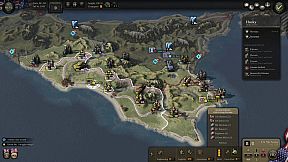
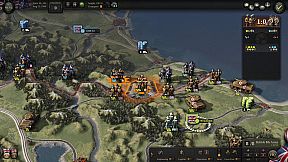
Core gameplay revolves around moving divisions across hex-based maps while tracking supply lines that stretch from rear areas to the front. Cutting an enemy supply line can encircle units and force their surrender, a signature mechanic carried over and refined from the first game. Players must balance offensive pushes with defensive regrouping, as enemy forces can exploit gaps to capture stragglers.
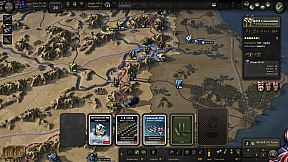
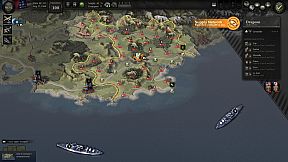
Headquarters units sit on the map and serve as central hubs for reorganization, bridging operations, and resupply. These headquarters also unlock special abilities such as emergency supply drops or temporary motorization of infantry using available trucks. Theater assets expand on earlier ideas with options for aerial reconnaissance, bombing strikes, and air supply to isolated units. Sabotage missions allow disruption of enemy infrastructure behind the lines.
Fog of War adds uncertainty by hiding enemy positions until revealed through captures, reconnaissance flights, or headquarters upgrades. This forces players to commit forces without full knowledge of opposing strength. Deep operations encourage striking far into enemy territory to sever logistics, but success depends on keeping your own supply network intact.
Game Modes
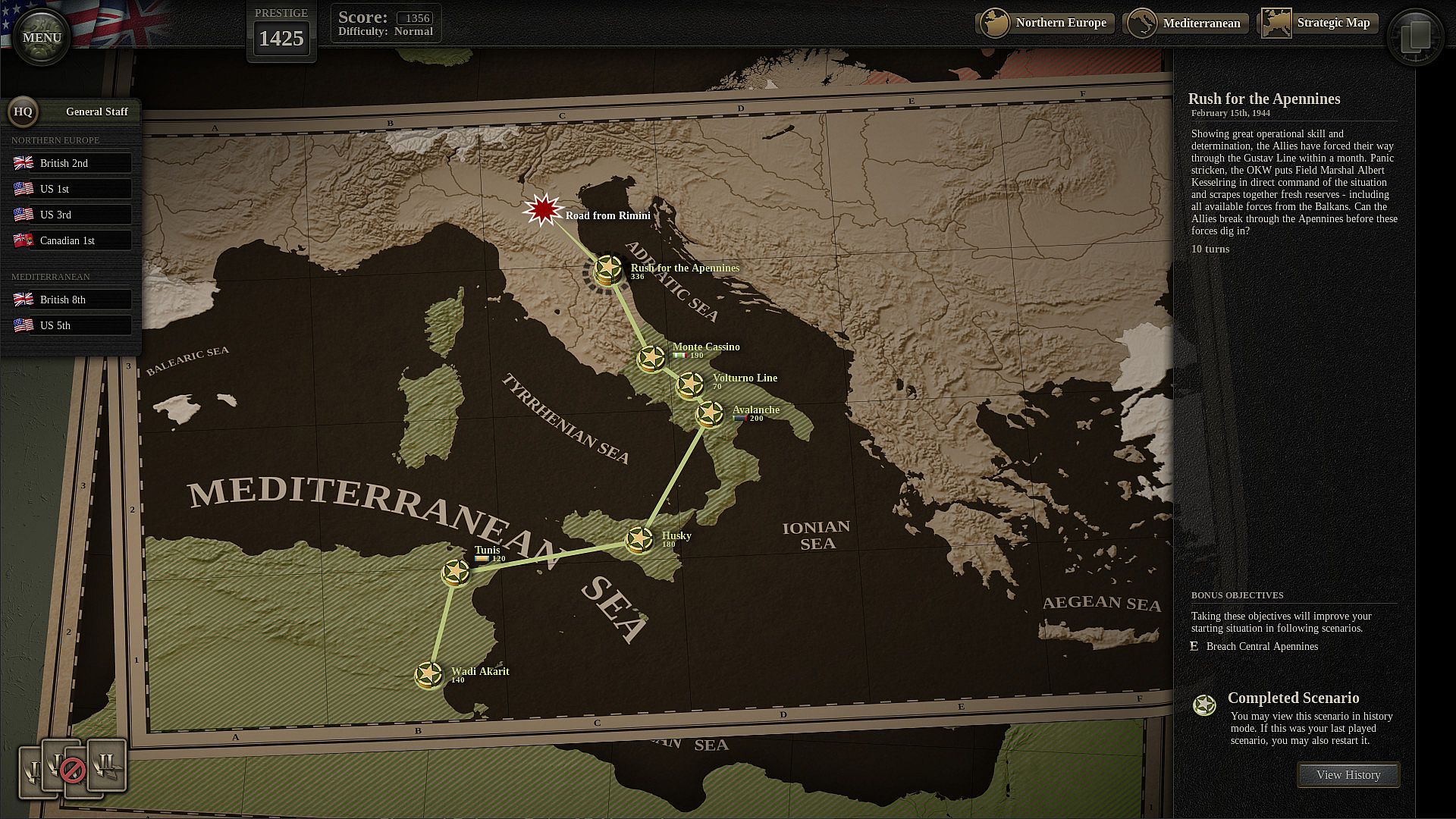
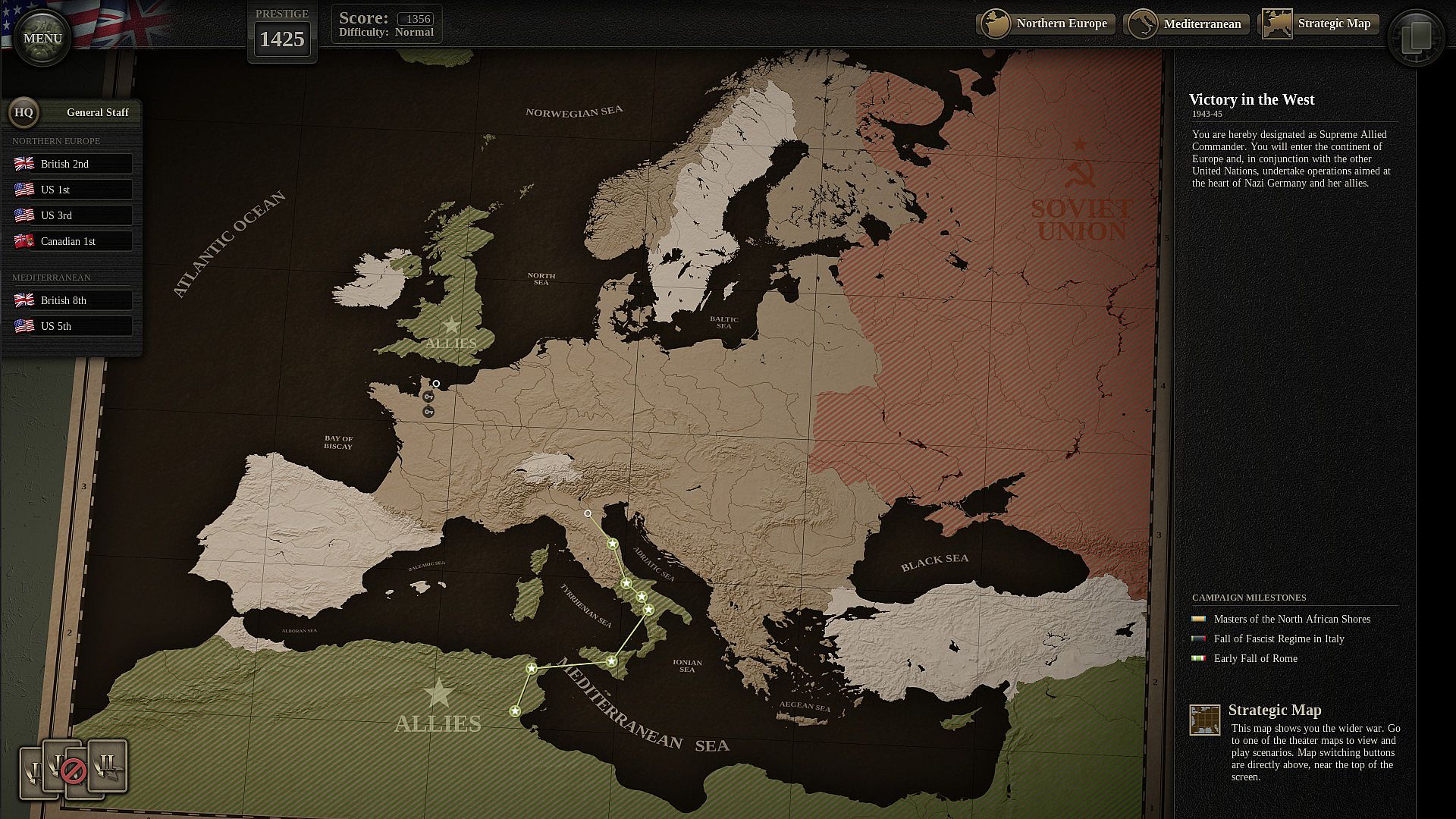
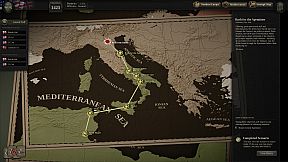
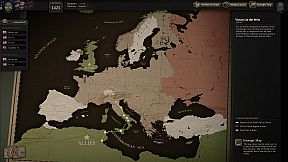
The primary experience comes through a dynamic campaign that follows the Western Allies. Branching paths mean outcomes in one scenario can open or close options later, creating different routes through the war. No two campaigns play identically because of these choices and the effects of supply management.
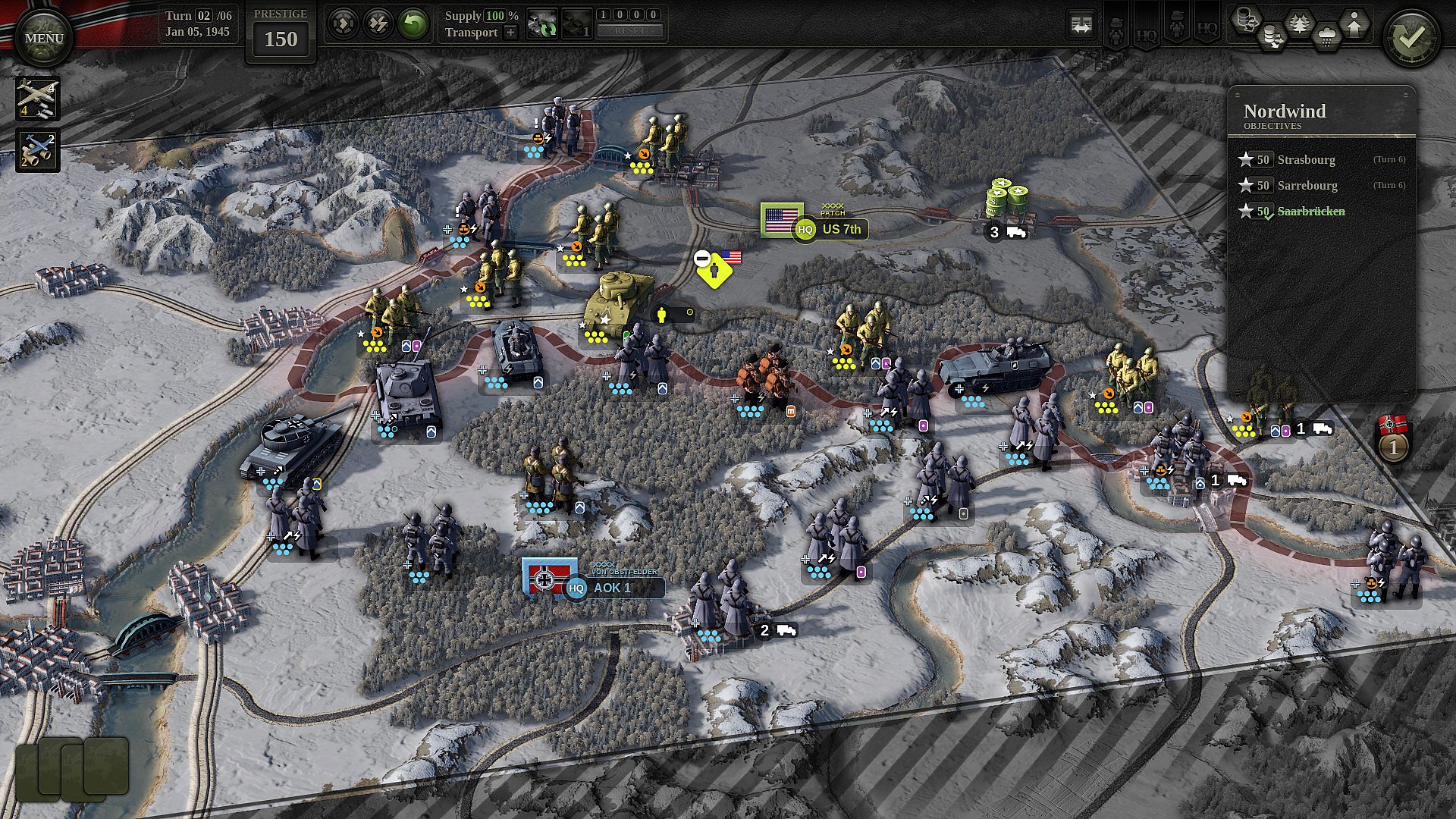
Individual scenarios cover key battles and can be played from the Axis perspective in several cases. These standalone missions highlight specific historical moments while allowing players to test alternative approaches. Bonus objectives appear in many maps as optional history-altering targets that reward aggressive or unconventional play.
A built-in scenario editor lets users create custom maps and share them through integrated workshop support. This extends the game beyond official content with player-designed battles that follow the same rules for supply, headquarters, and theater assets.
Setting and Historical Context
The game places players in command of Western Allied divisions fighting across Europe and North Africa. Axis forces appear as opponents with their own movement and supply rules, and select scenarios flip the perspective to the German side. Later content expands the scope to include Soviet operations in the east through additional releases.
Logistics form the central theme. Every advance risks overextension if supply lines cannot keep pace. Players learn to prioritize rail repairs, truck allocation, and headquarters placement to sustain momentum across multiple fronts.
Is It Worth Playing?
Unity of Command II suits players who enjoy detailed operational planning and the tension of managing limited resources under incomplete information. The branching campaign and scenario variety provide dozens of hours of content, with the editor adding further replayability for those who create or download custom maps.
Patches and expansions have continued since launch, including a major addition that brings a full late-war Soviet campaign. Reviews highlight the tactical depth and accessibility for newcomers to the genre while noting the steep learning curve for supply and encirclement tactics.
Those seeking fast-paced action or large-scale base building will find the focused scope limiting. Players who value supply-line strategy and historical what-if scenarios will find consistent challenge and satisfaction in repeated campaigns.