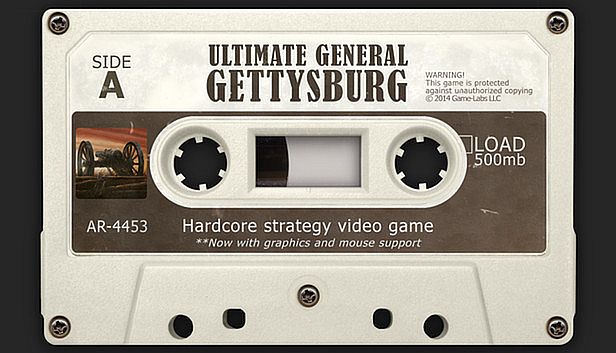












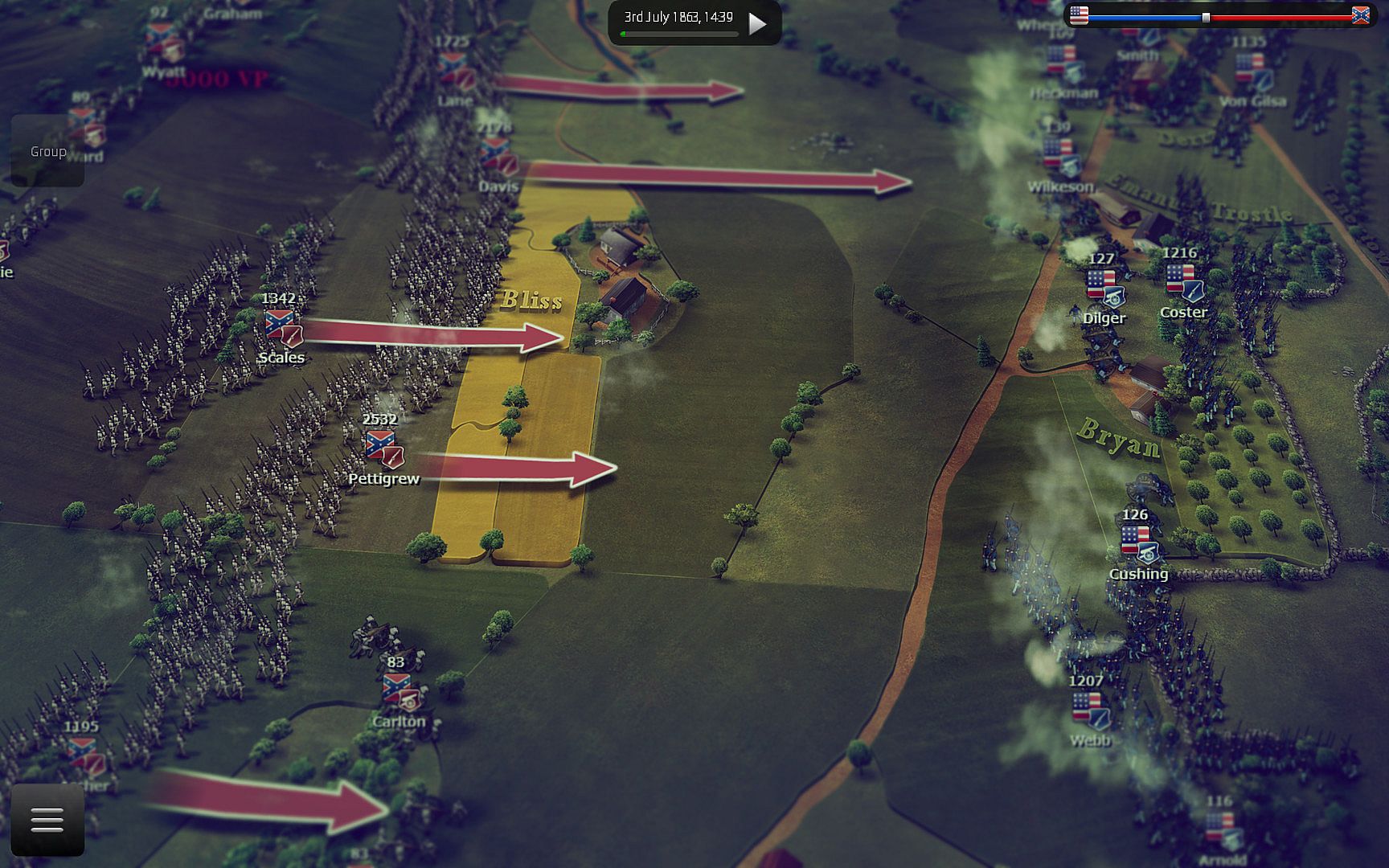
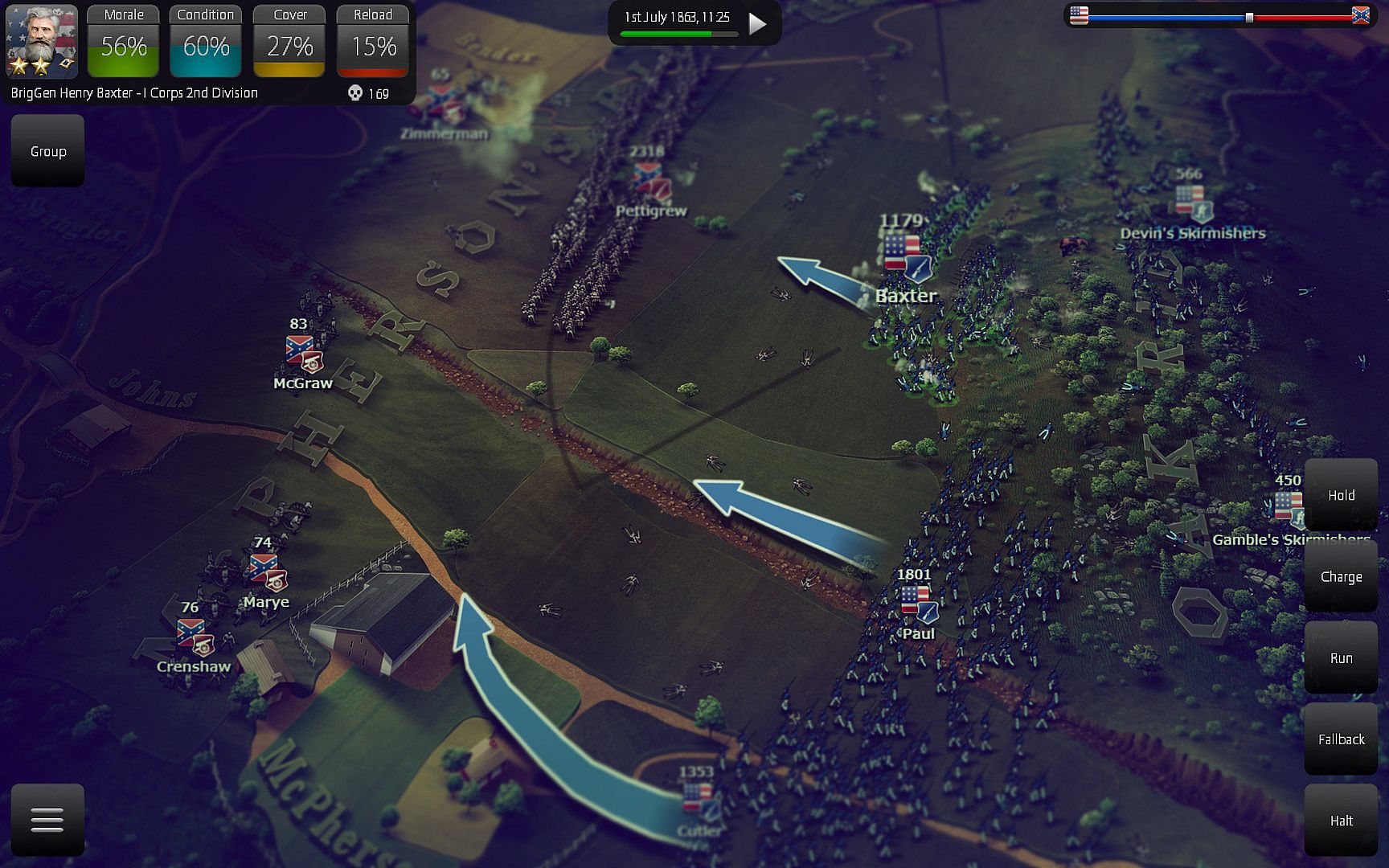
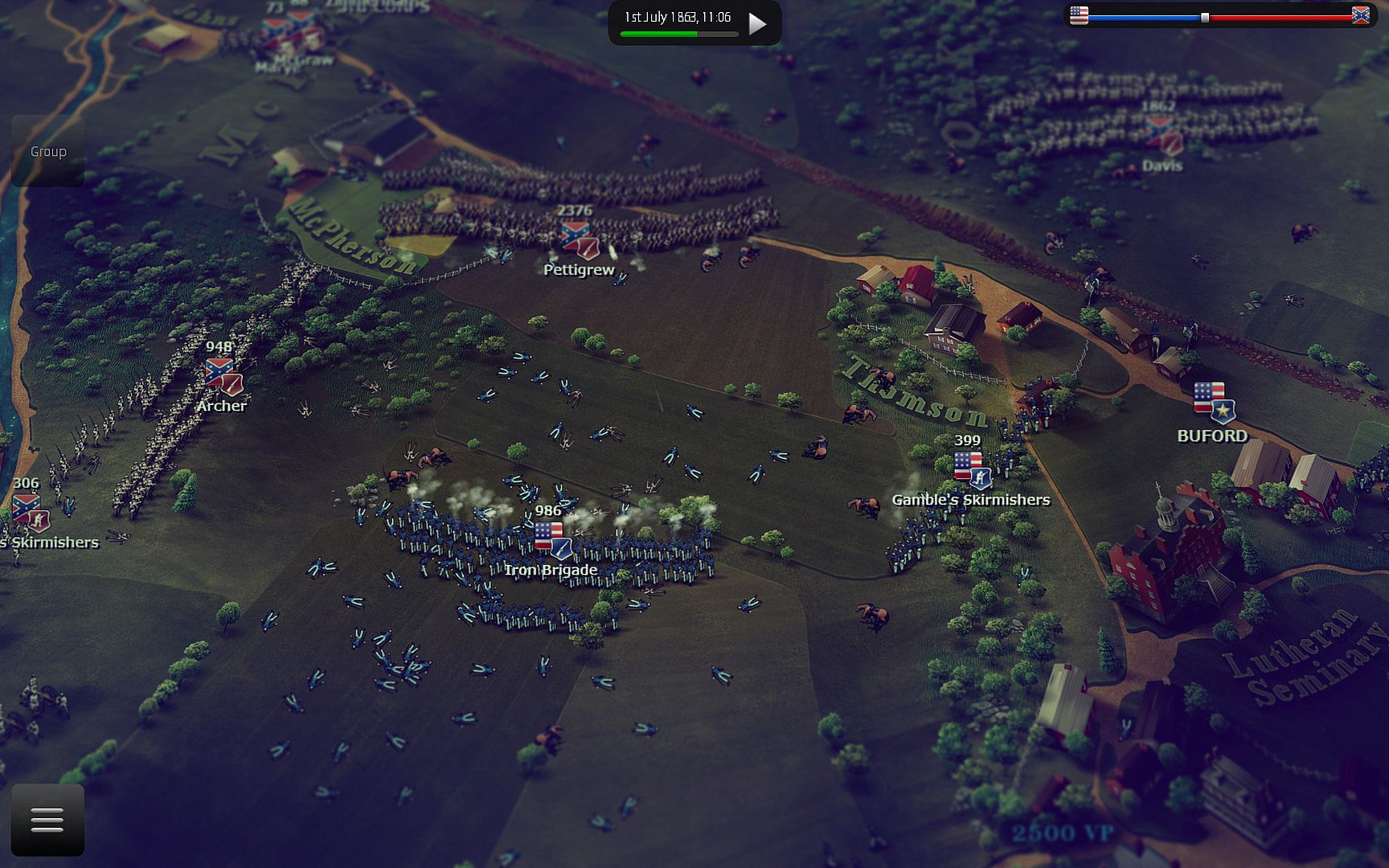
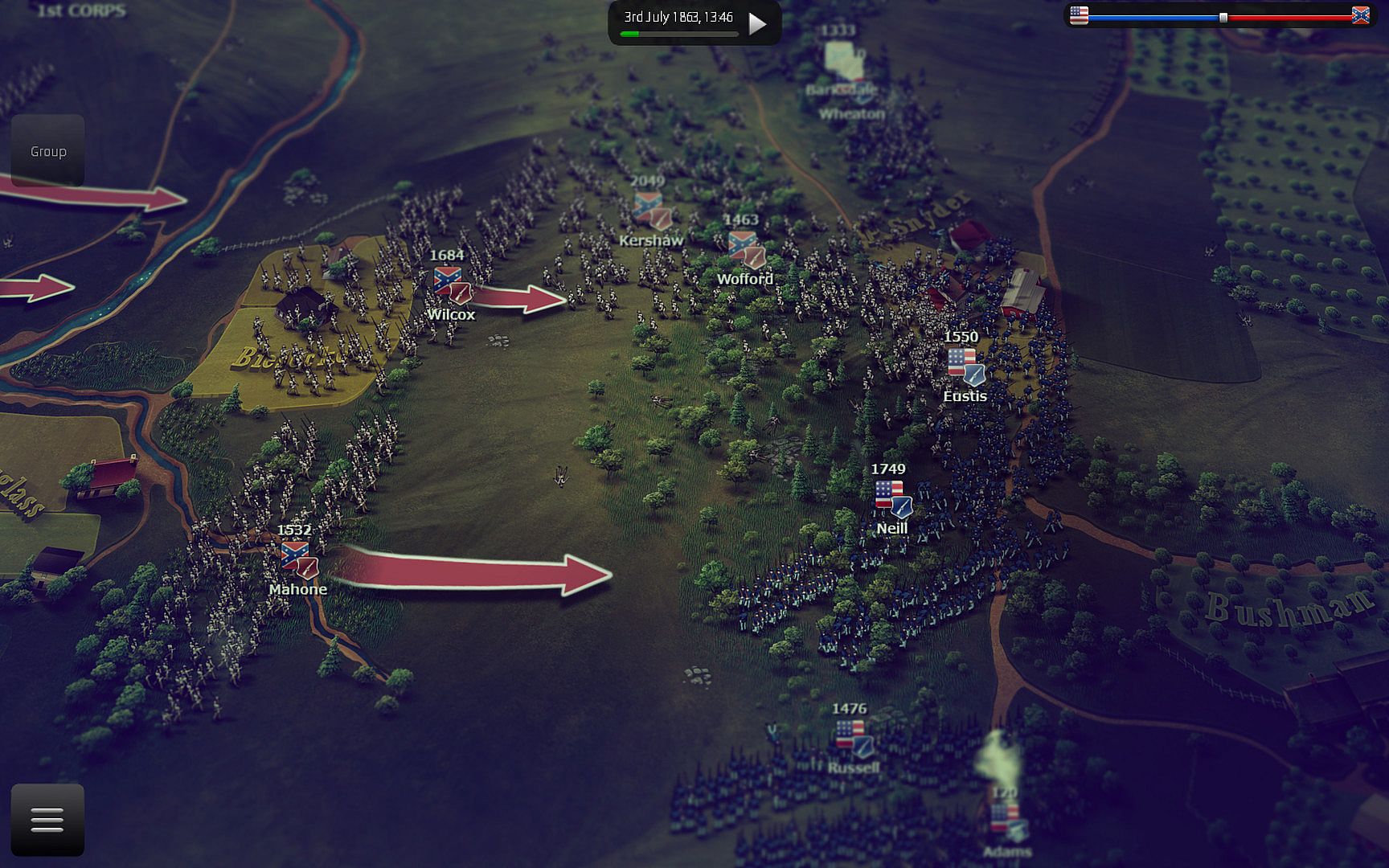
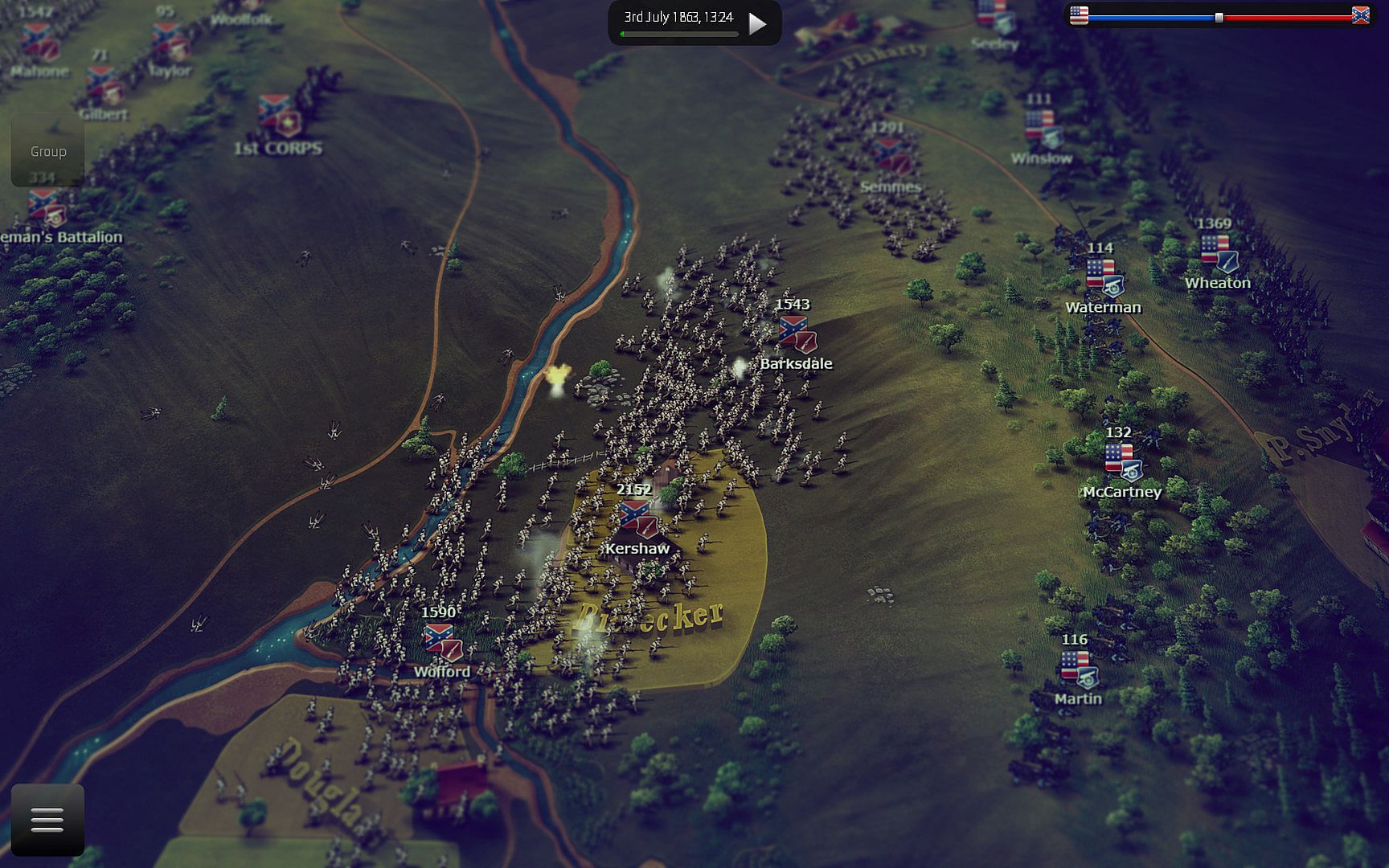
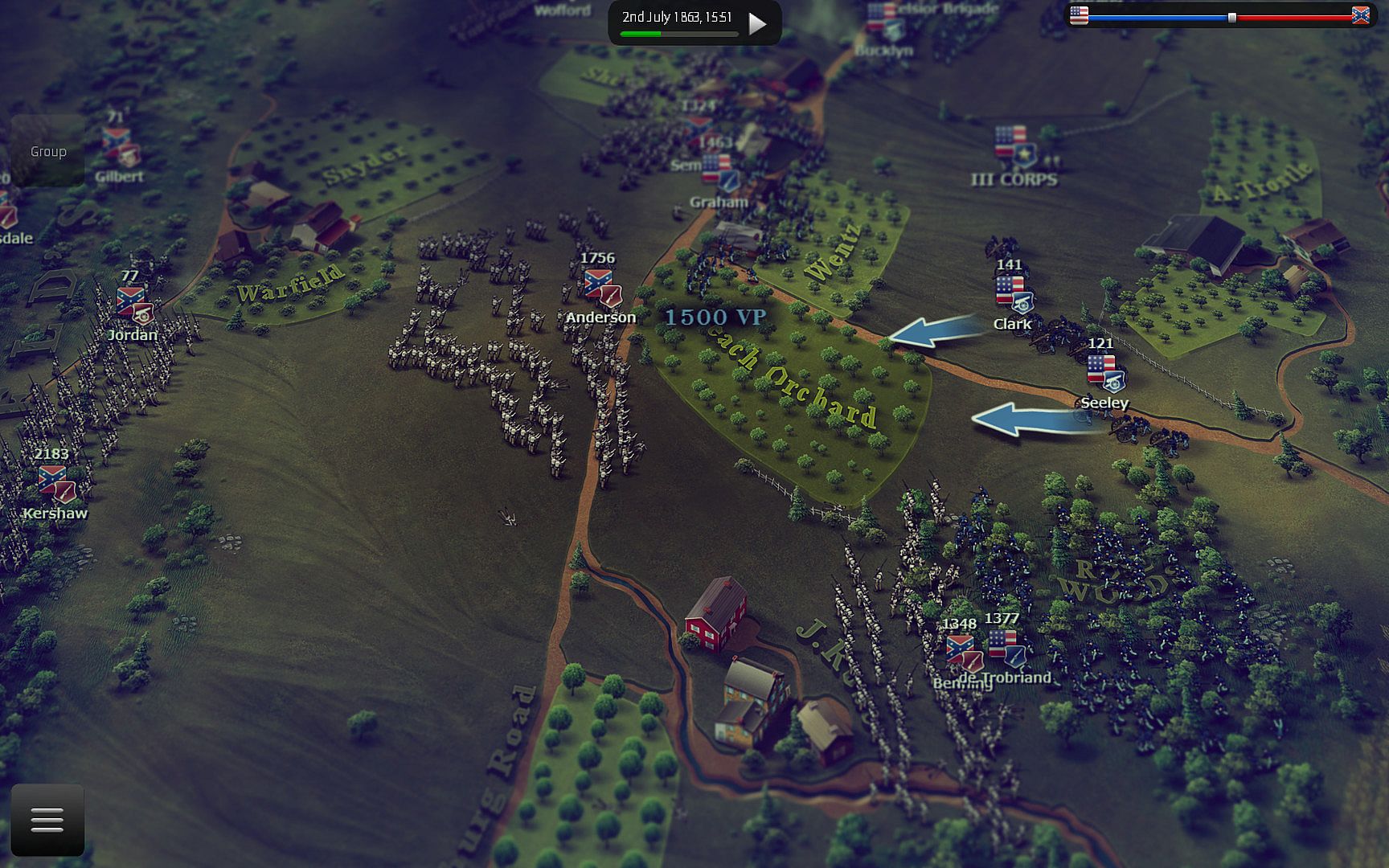
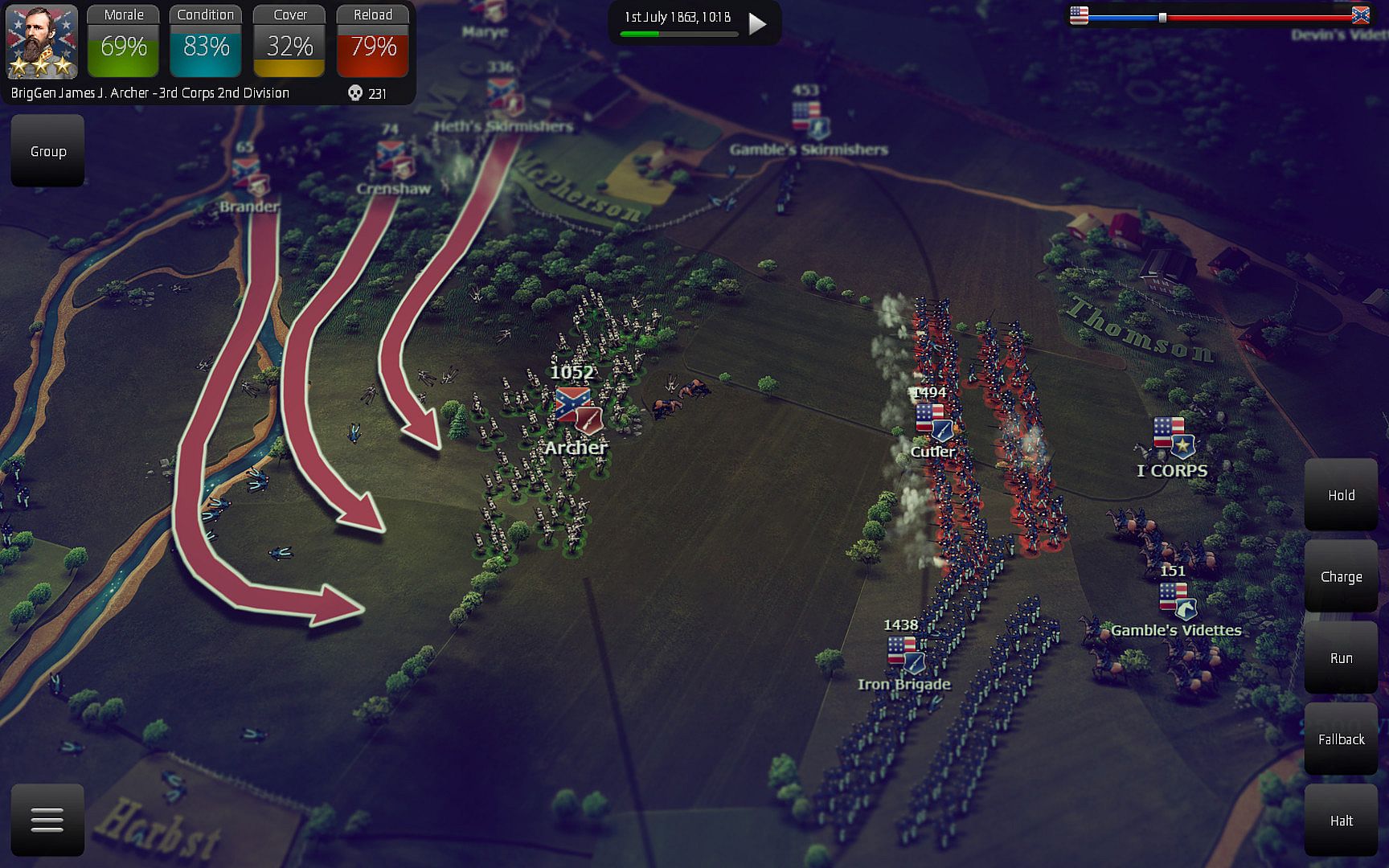
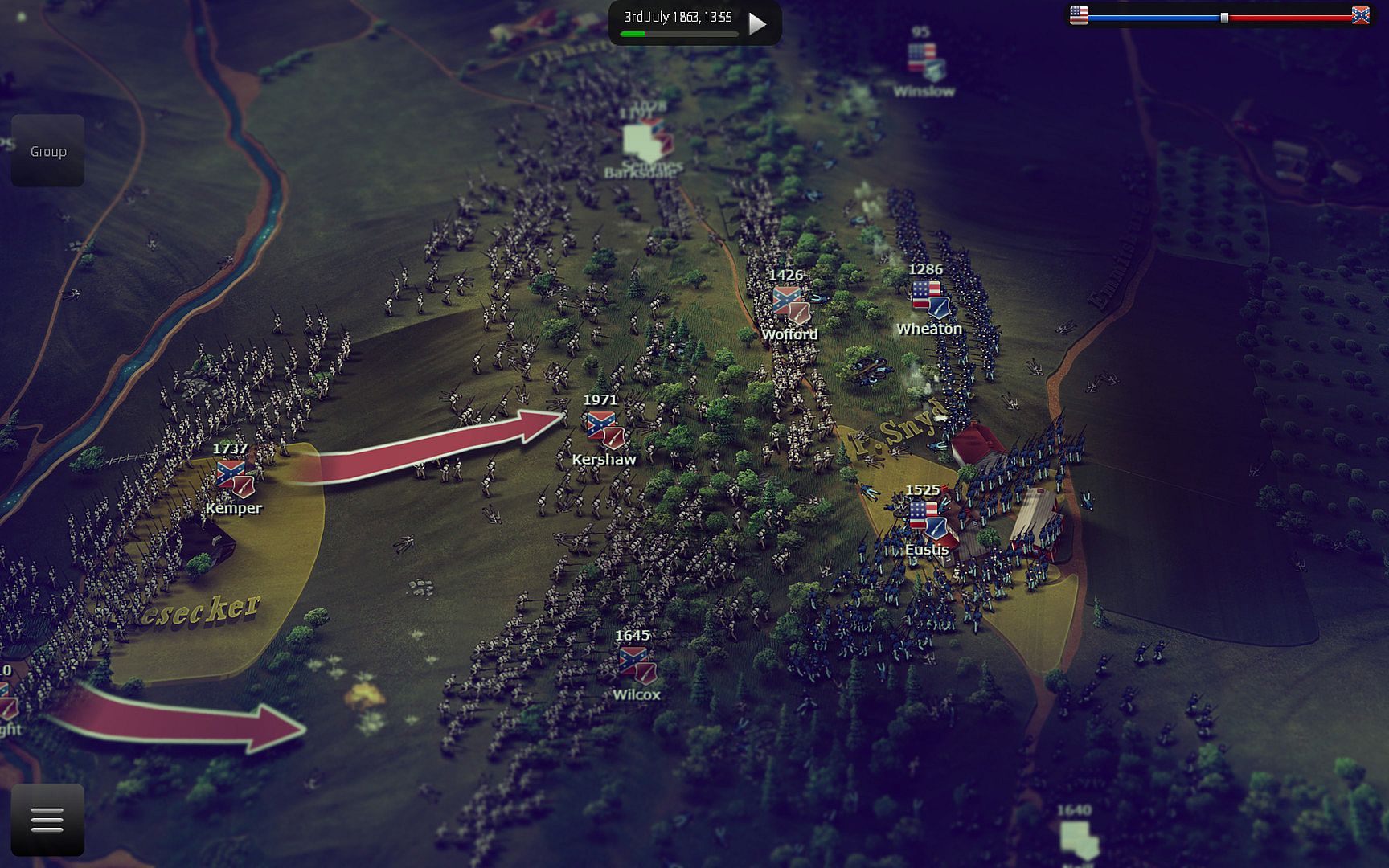
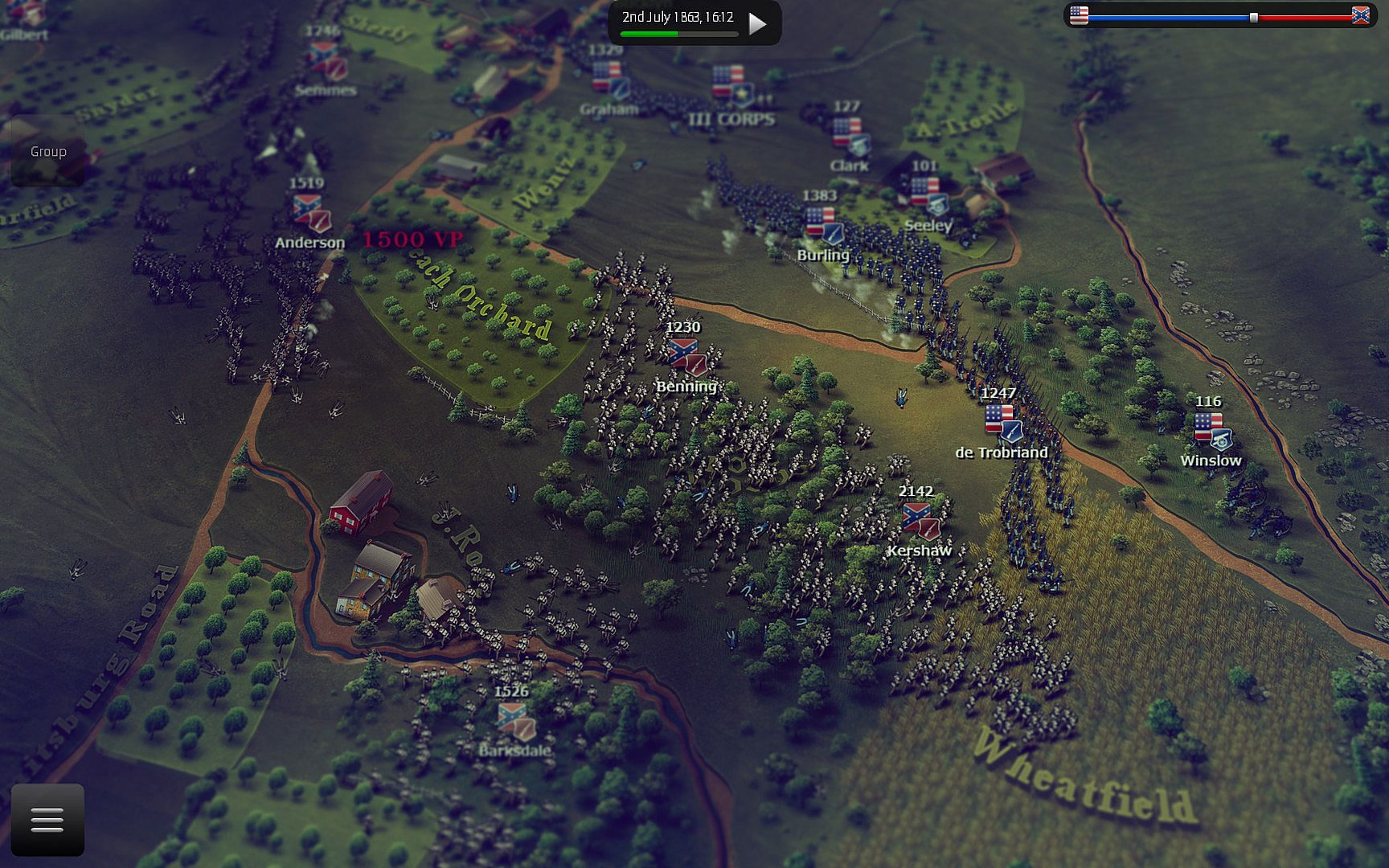
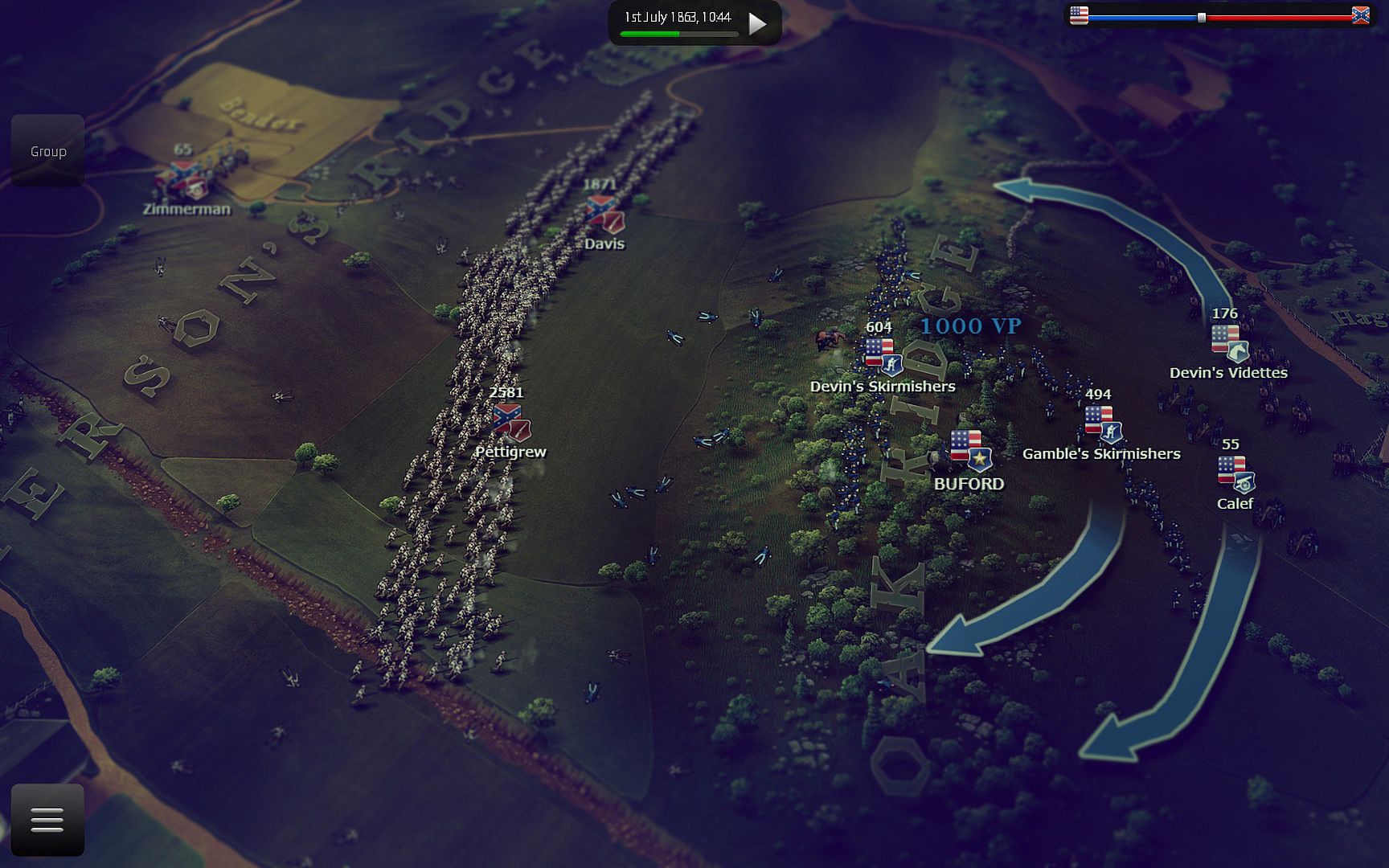
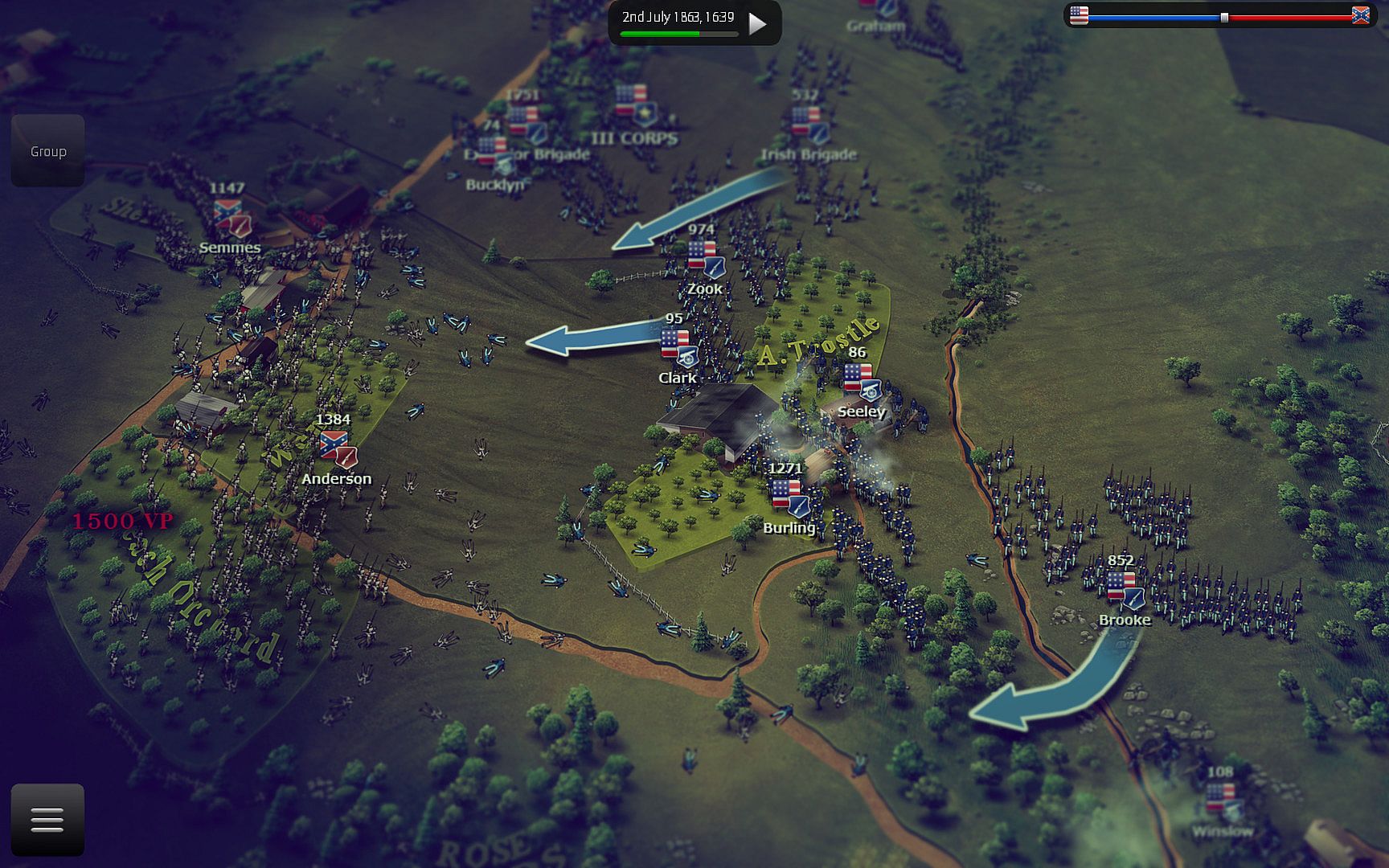
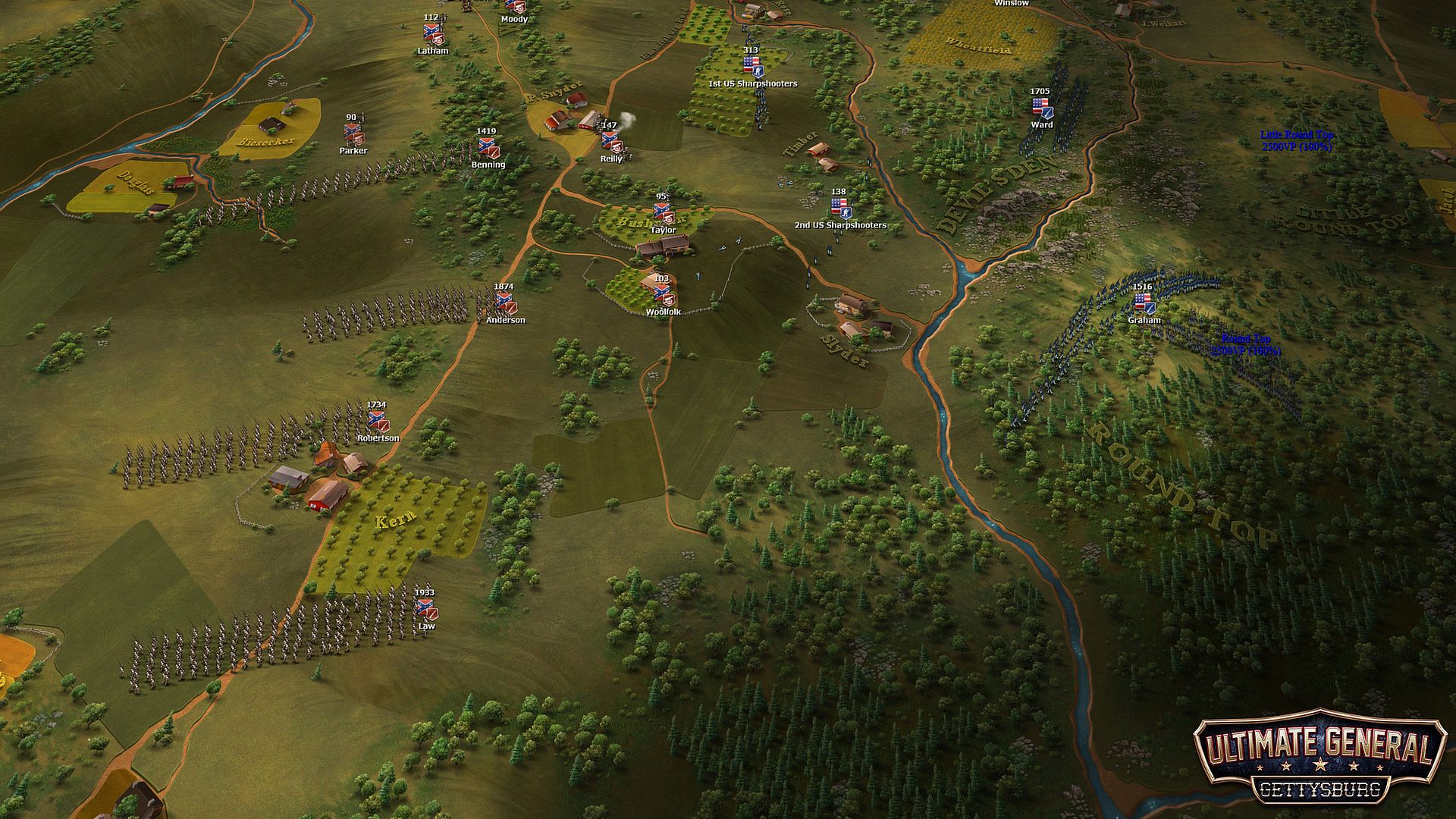
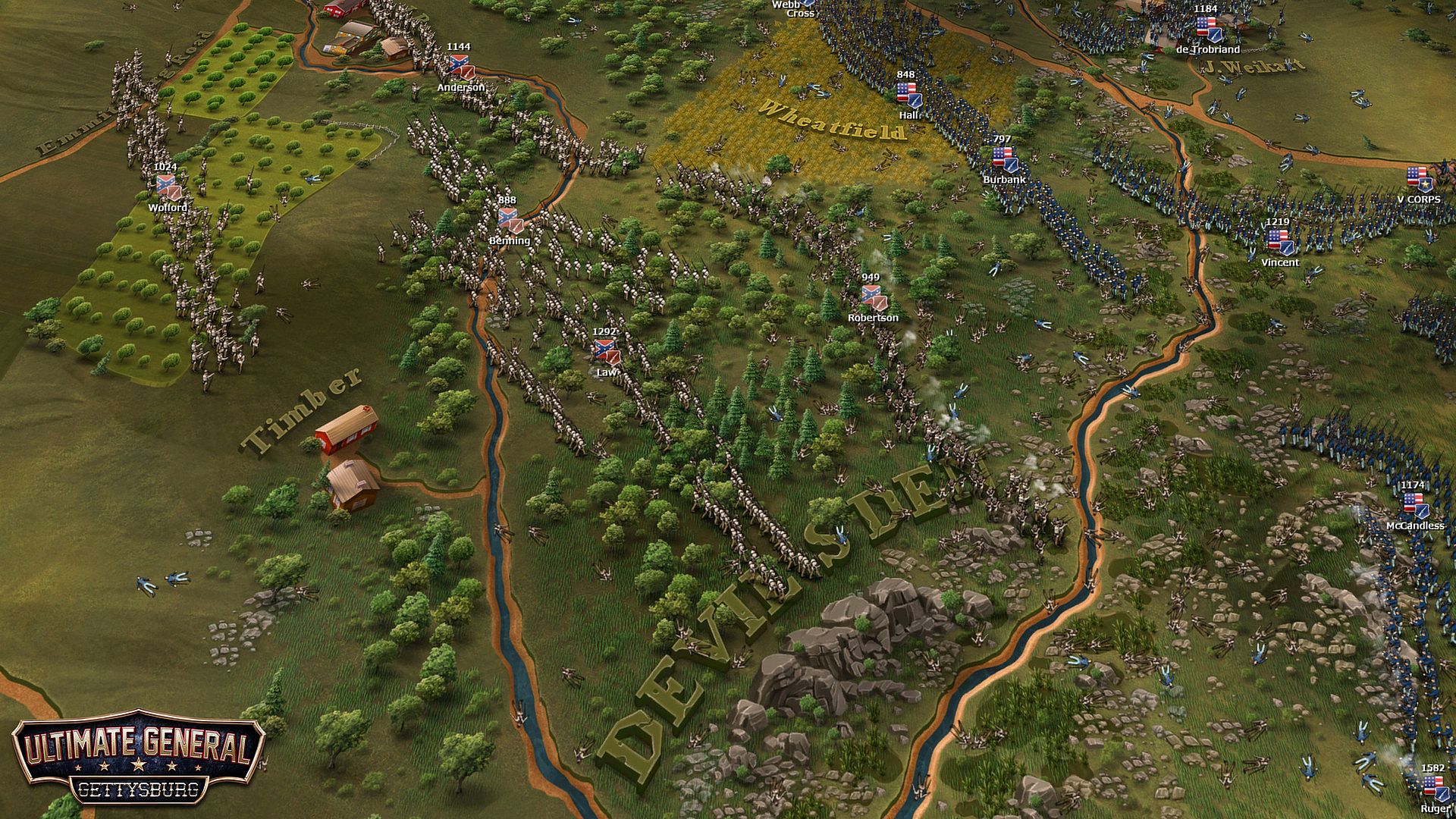
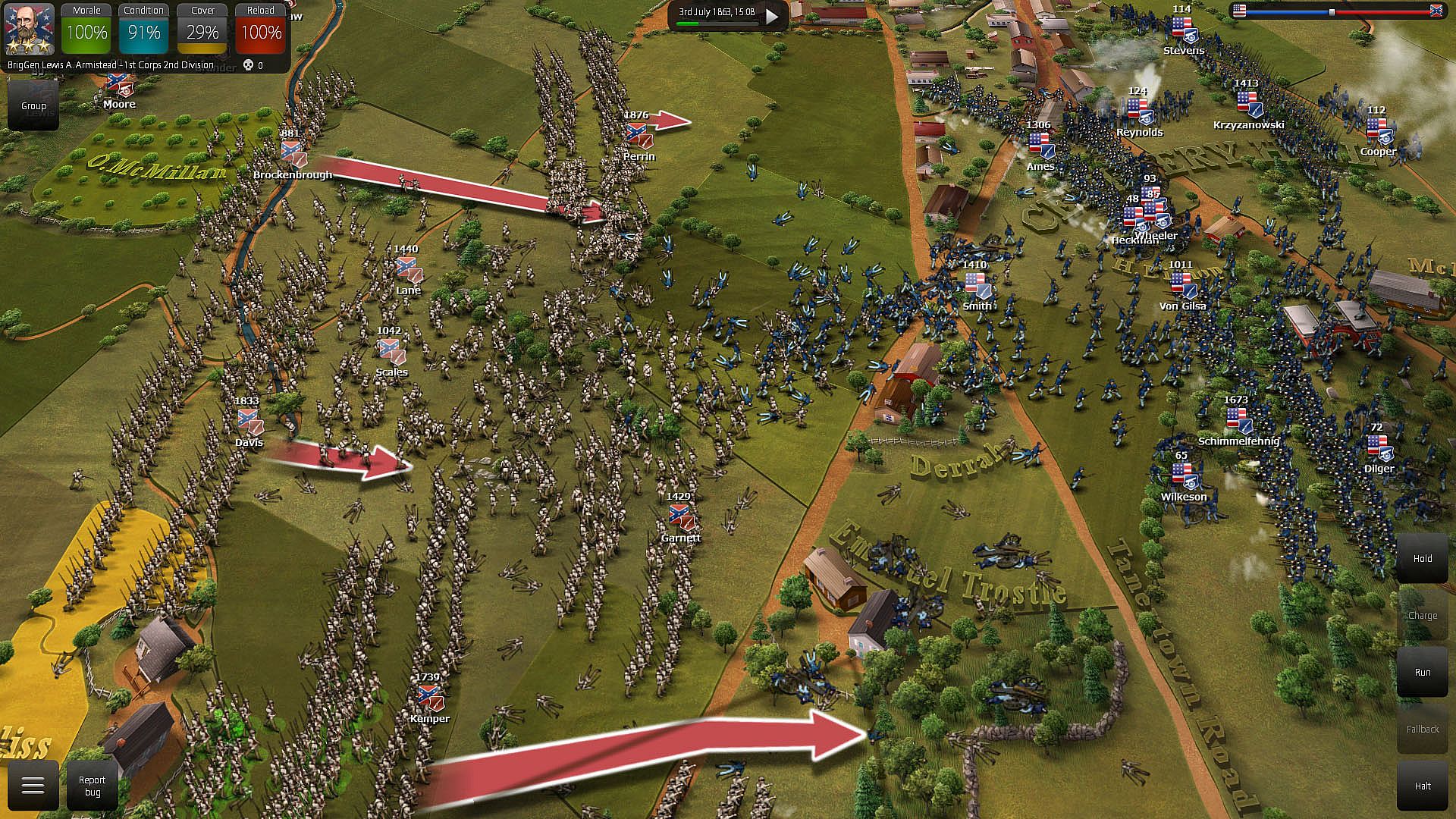
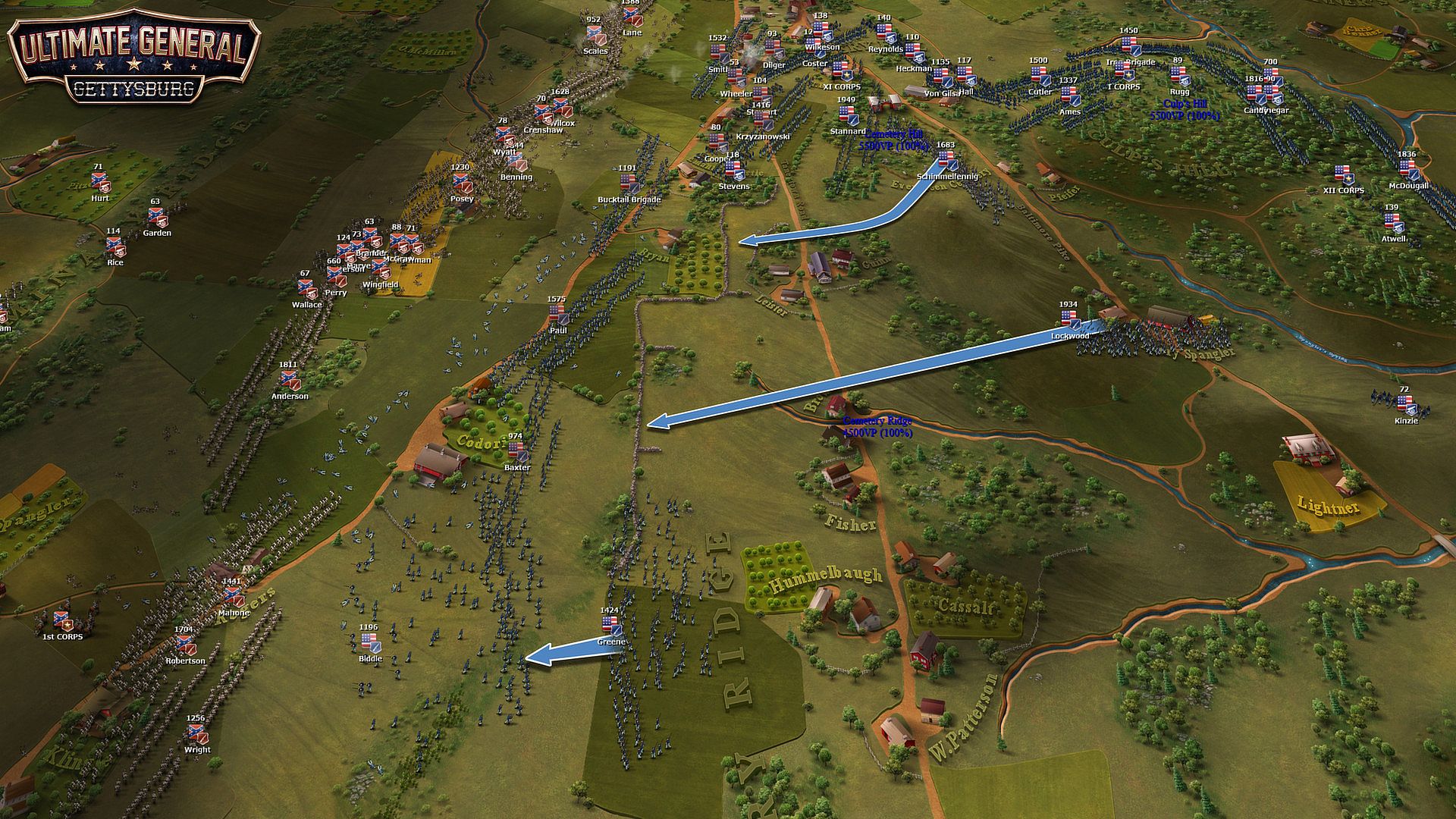
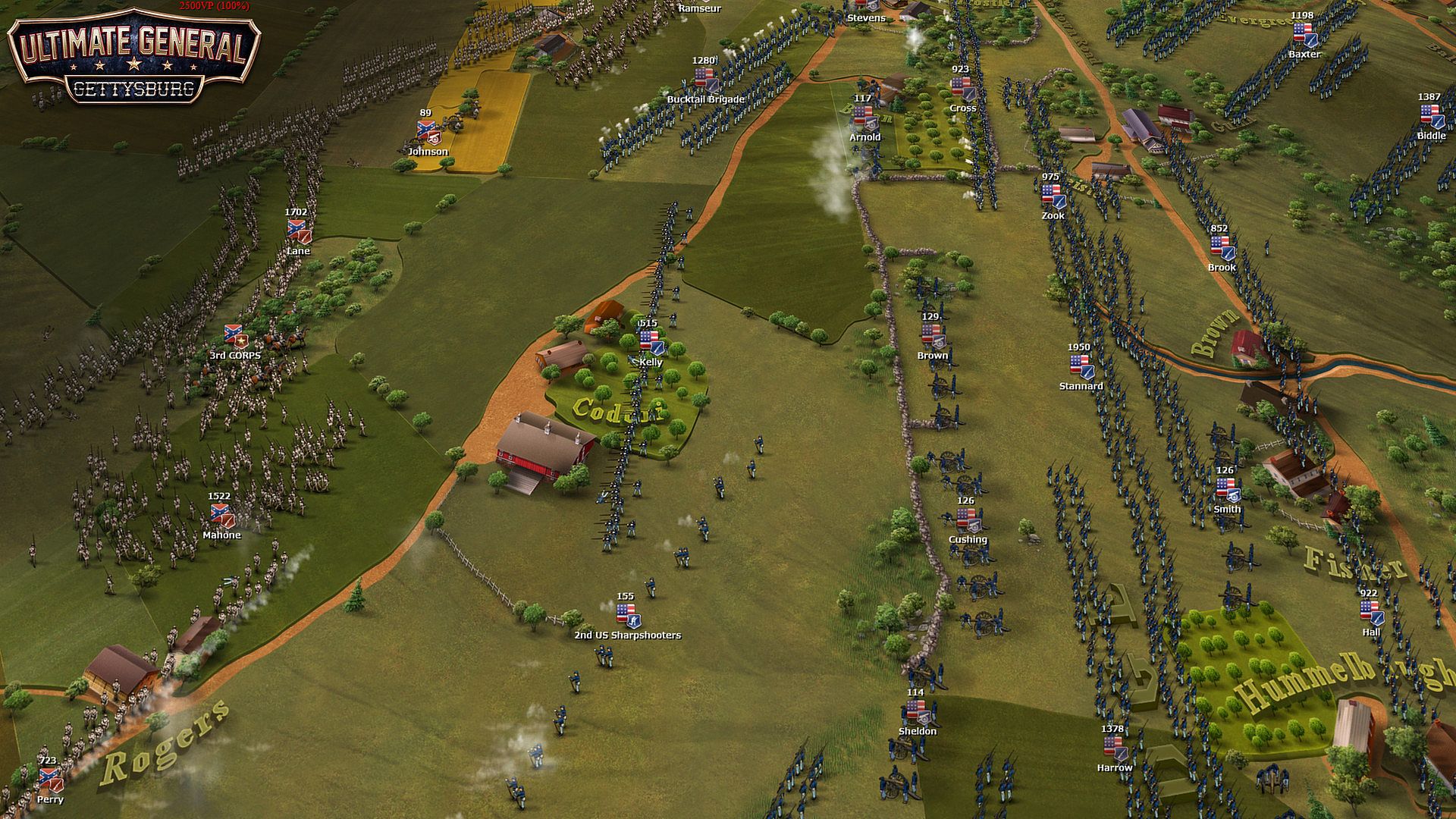
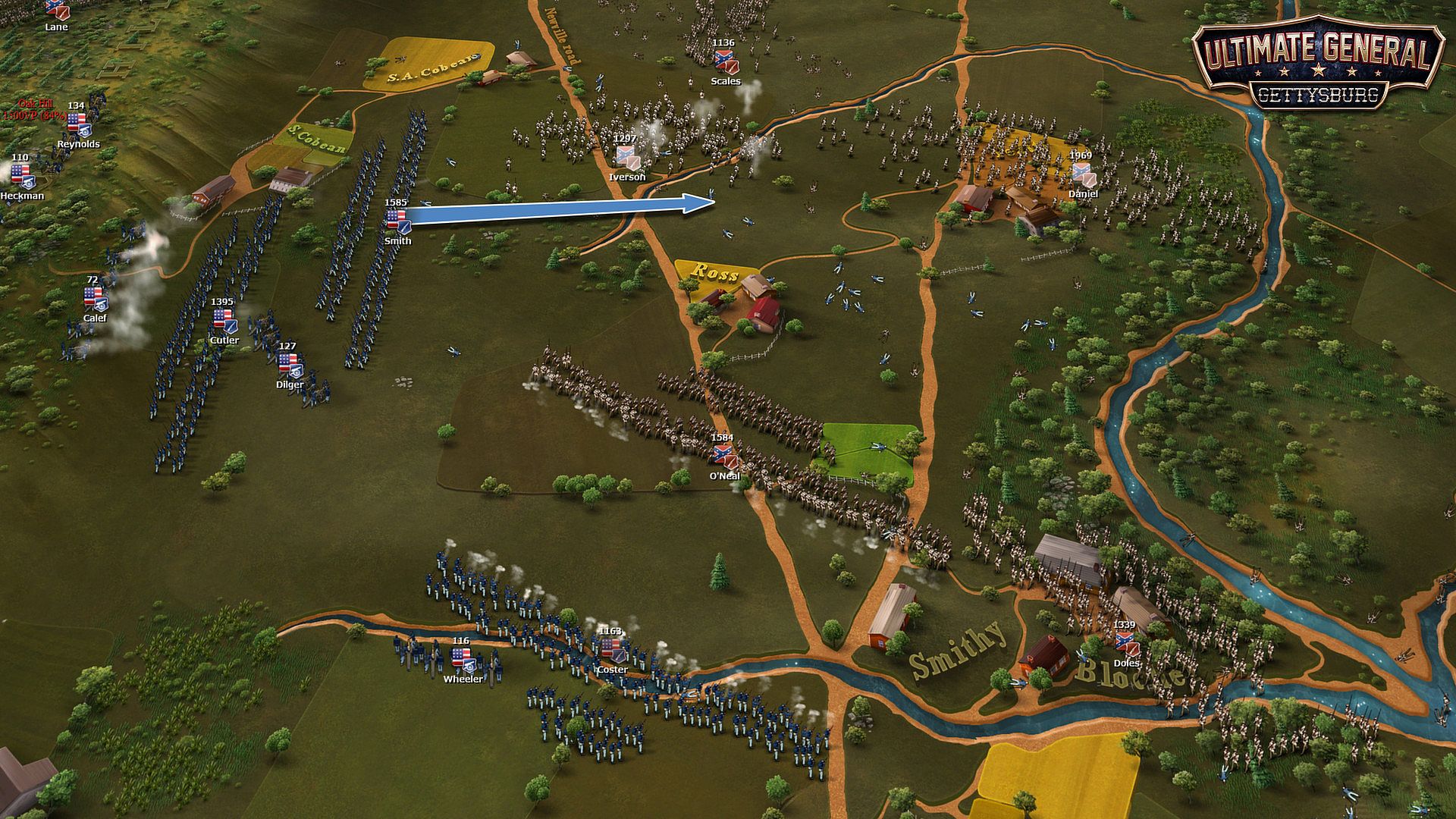
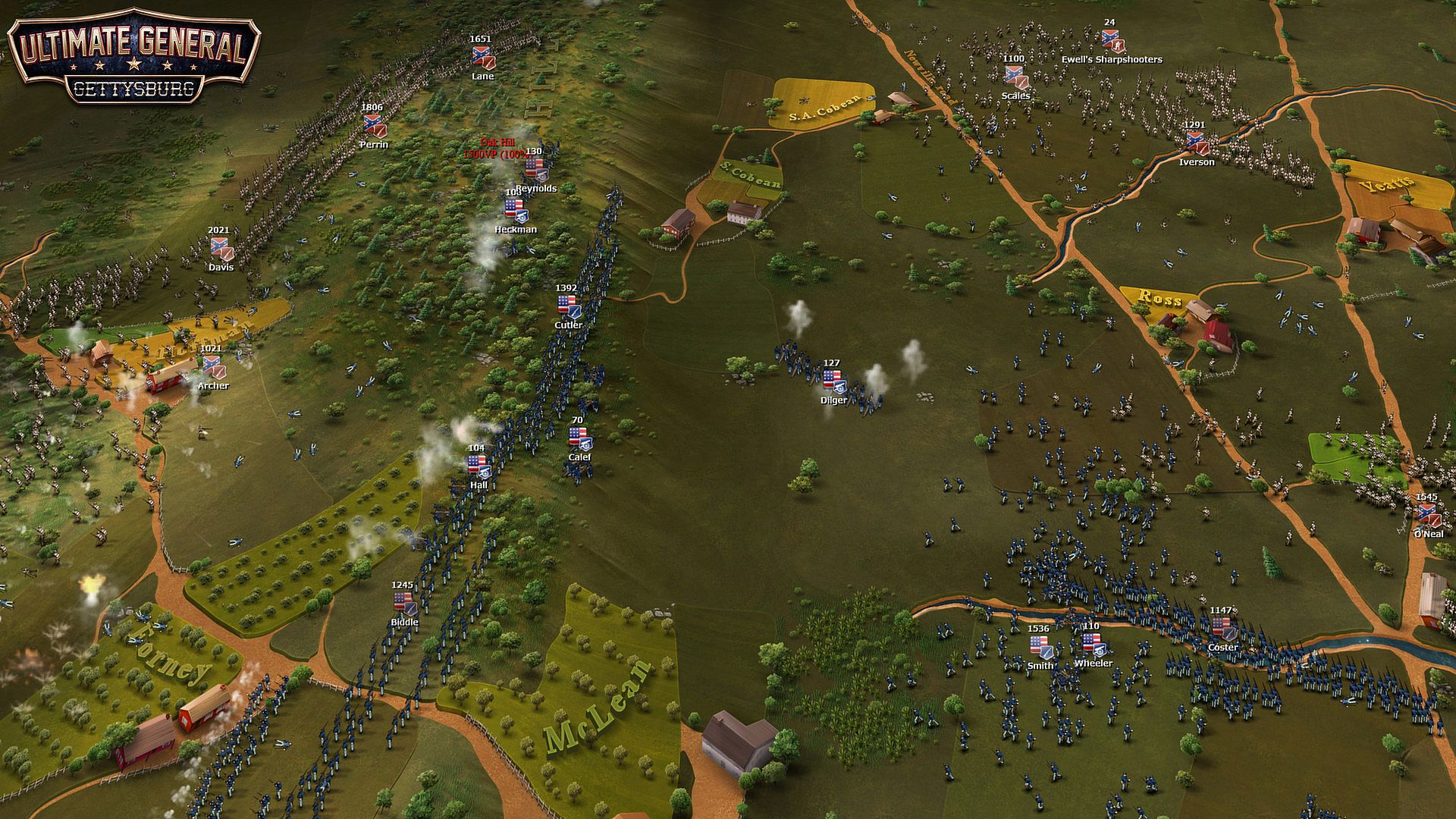
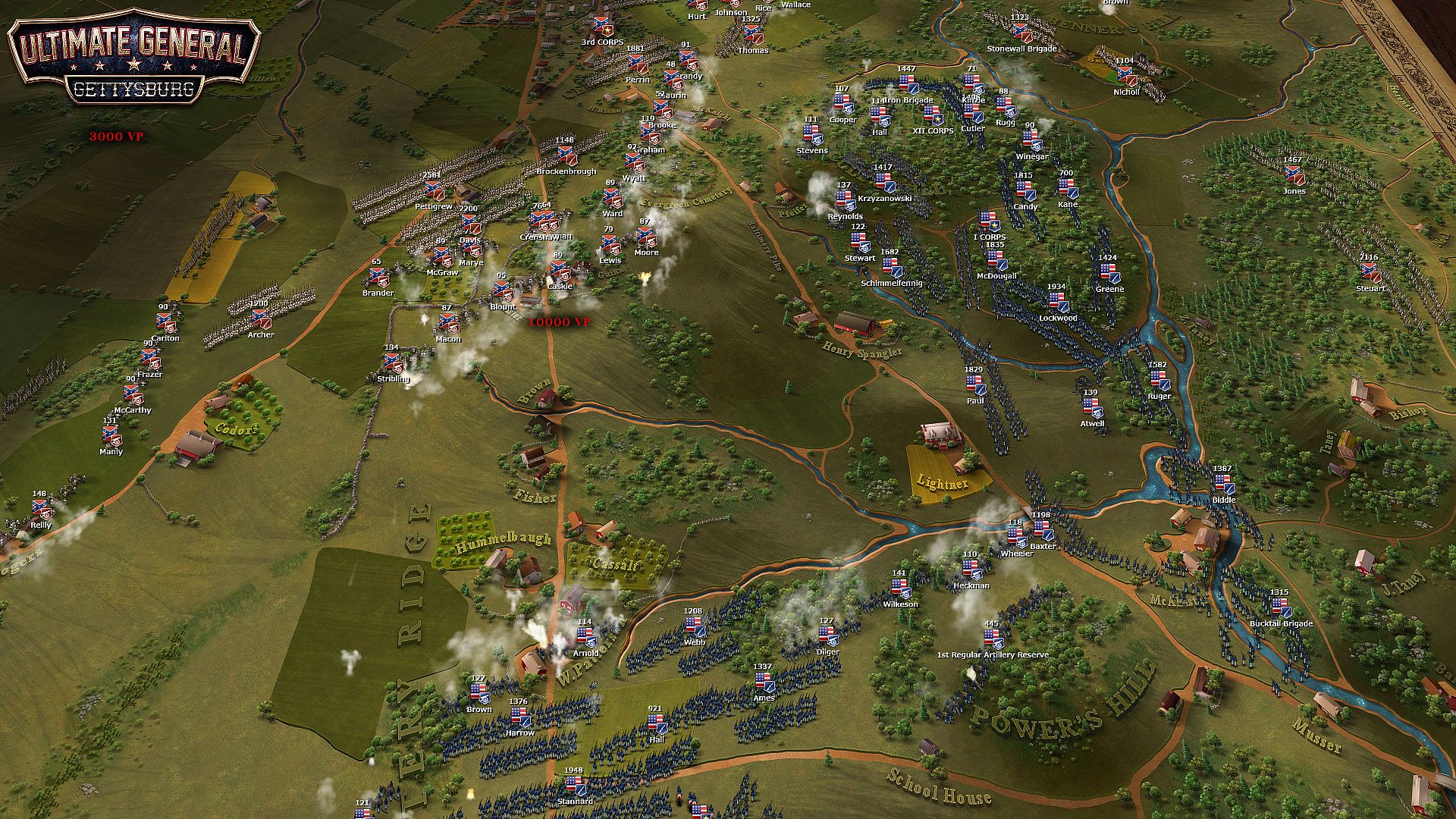
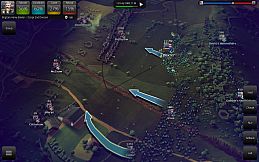
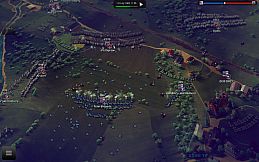
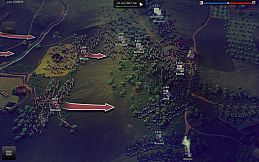
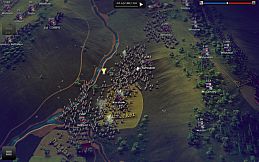
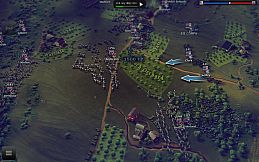
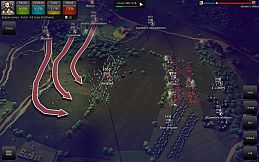
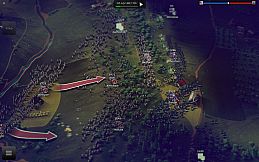
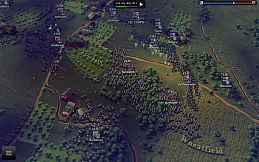
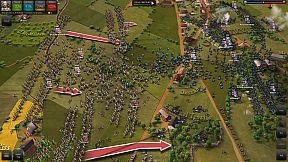
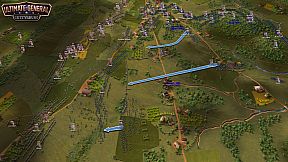
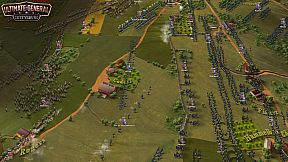
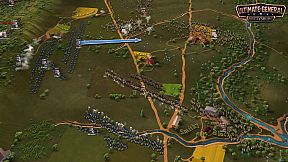
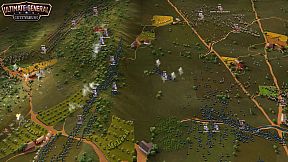
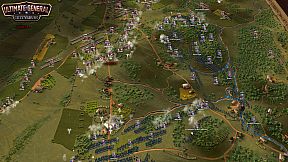
Ultimate General: Gettysburg is a strategy and simulation game for PC that places players in command of Union or Confederate forces during the pivotal Battle of Gettysburg in the American Civil War. The experience centers on tactical decision making across a detailed recreation of the historic engagement, with emphasis on army management, terrain use, and unit behavior rather than abstract resource systems.
Gameplay
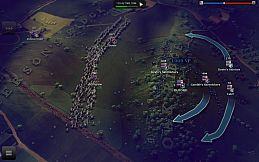
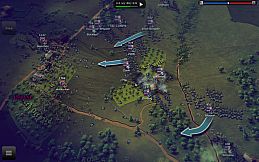
Command flows through an intuitive arrow-based system that lets players issue broad movement orders to brigades, batteries, and cavalry without constant micromanagement. Units respond independently by adjusting formations, seeking cover, or shifting targets based on the situation. Morale plays a central role and fluctuates according to factors such as flank attacks, sustained casualties, artillery barrages, and fatigue. High morale enables tighter volleys and better discipline, while low morale can lead to wavering or withdrawal.
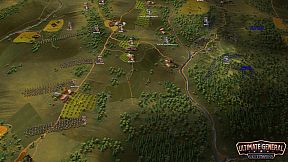
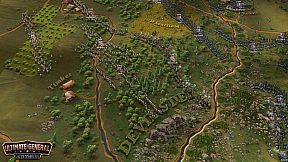
Line of sight operates realistically, with elevation, ridges, and obstructions determining visibility. Units fade in and out of view as they enter or leave the fog of war, allowing for ambushes and concealed positioning. The map itself draws from satellite imagery and period sources to represent every major ridge, hill, house, and road with precision. Terrain types affect movement speed, firing accuracy, and defensive bonuses, rewarding careful placement on high ground or behind natural cover.
Nine distinct AI commanders oppose the player, each defined by unique personality traits that influence aggression, defensive posture, and tactical preferences. These opponents adapt in real time without scripted cheats, seeking flanks, reinforcing weak points, or conserving reserves according to their style. The result is a responsive opponent that can shift plans mid-battle based on emerging opportunities.
Game Modes
The core experience unfolds as a single-player campaign recreating the Battle of Gettysburg across multiple days. The engagement begins on July 1, 1863, and can extend through July 4, divided into time phases that preserve army condition and positioning between segments. Reinforcements arrive along historically plausible routes, yet random events and player choices introduce variability that can diverge from recorded history.
Between phases, commanders select from available options such as committing to an immediate attack on a specific sector or adopting a defensive stance to await the opponent's move. These decisions carry forward, altering unit strength, captured ground, and overall momentum. Players may also engage in standalone custom battles on individual maps to practice specific tactics or test different army compositions without committing to the full campaign arc.
Historical Detail and Unit Management
Both the Army of the Potomac and the Army of Northern Virginia appear with their full historical orders of battle. Infantry brigades vary in size and quality, artillery batteries match documented types and numbers, and cavalry and skirmishers fill supporting roles. Named officers participate directly on the field, influencing organization and appearing in after-action summaries that track performance across engagements.
Positioning carries tactical weight. Dense formations increase resilience against charges but heighten vulnerability to concentrated fire. Spacing units appropriately can blunt flanking attempts while maintaining mutual support. As units suffer losses or exhaustion, their effectiveness declines across the entire army, forcing players to rotate fresh formations forward or conserve strength for decisive moments.
Is It Worth Playing?
Ultimate General: Gettysburg delivers a focused tactical simulation suited to players interested in 19th-century warfare mechanics and the specific events of the Battle of Gettysburg. Its strengths lie in the responsive AI, the non-linear campaign structure that supports repeated playthroughs with different outcomes, and the emphasis on realistic factors such as morale and line of sight. Steam user reviews stand at Very Positive with an 81 percent approval rating from nearly 1,900 reviews, reflecting consistent appreciation for the depth of its systems and the quality of its map. The game remains available as a complete, self-contained title without ongoing seasonal content or required updates, making it a straightforward purchase for those seeking a deliberate, historically grounded strategy experience rather than fast-paced action or large-scale multiplayer matches.