






















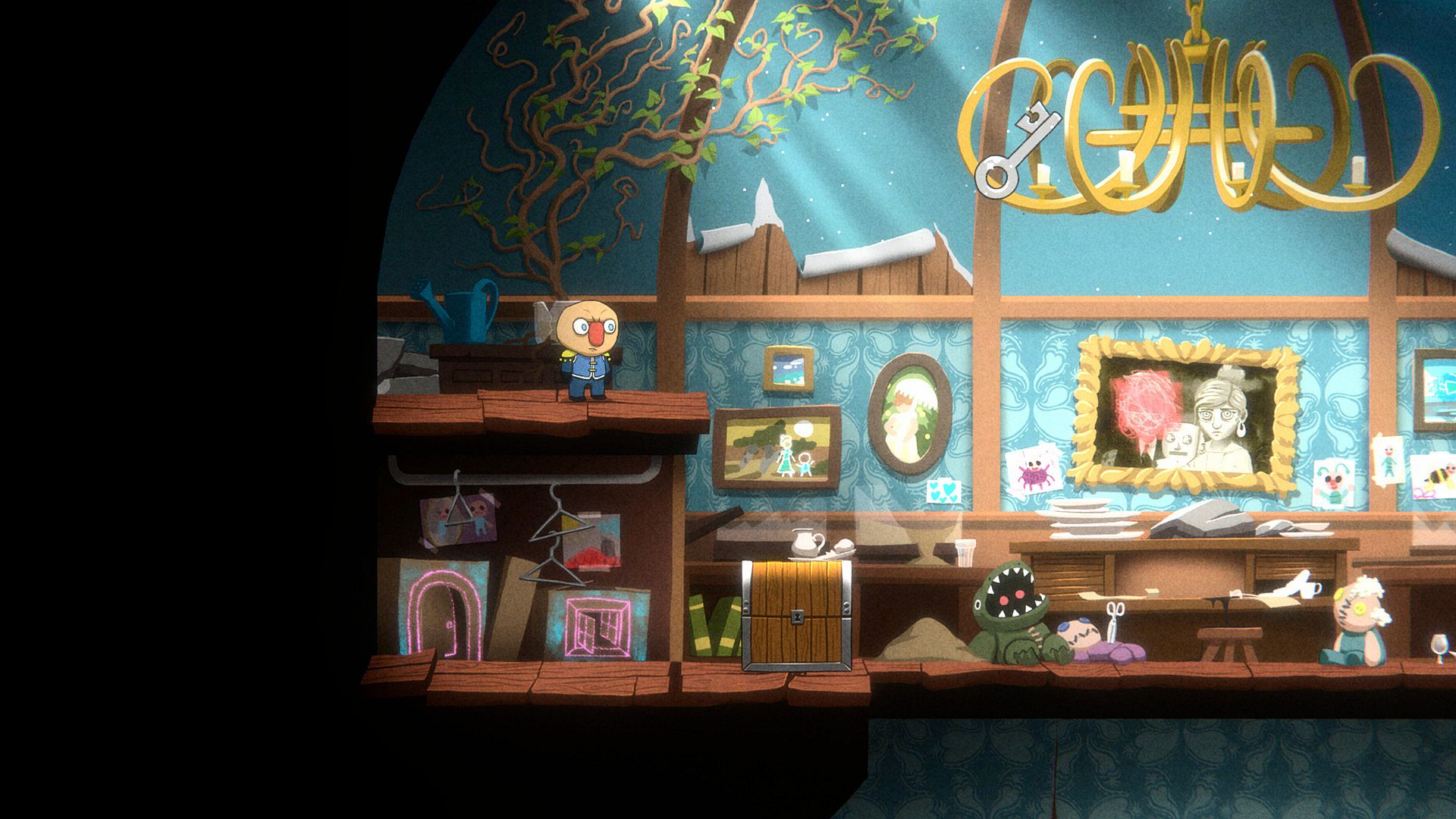
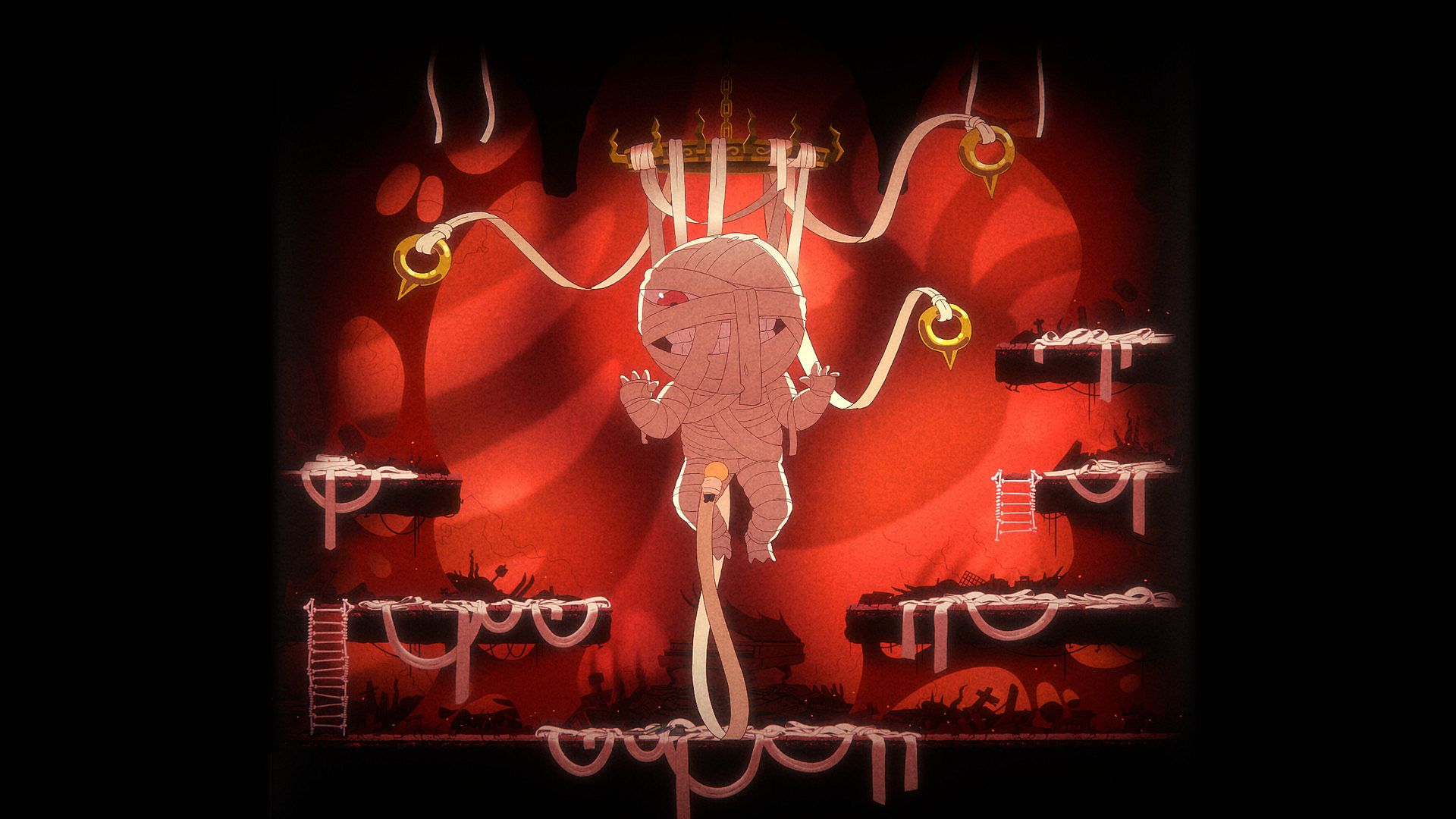
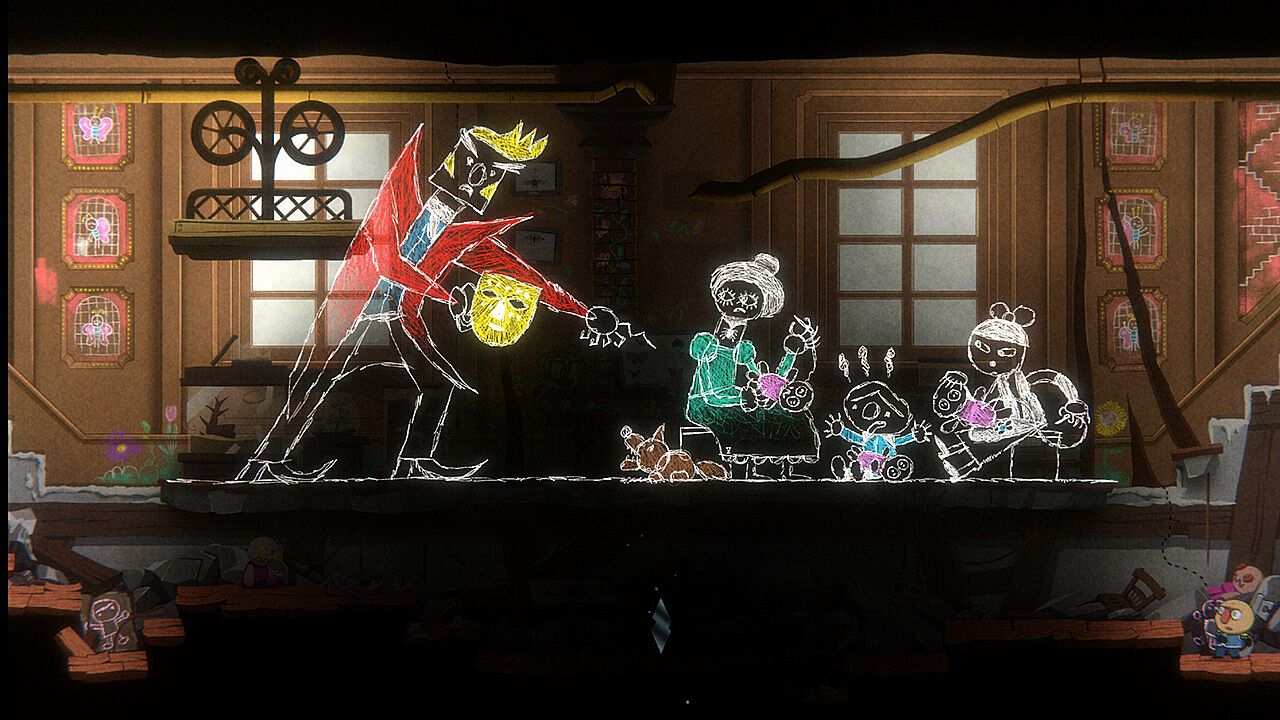
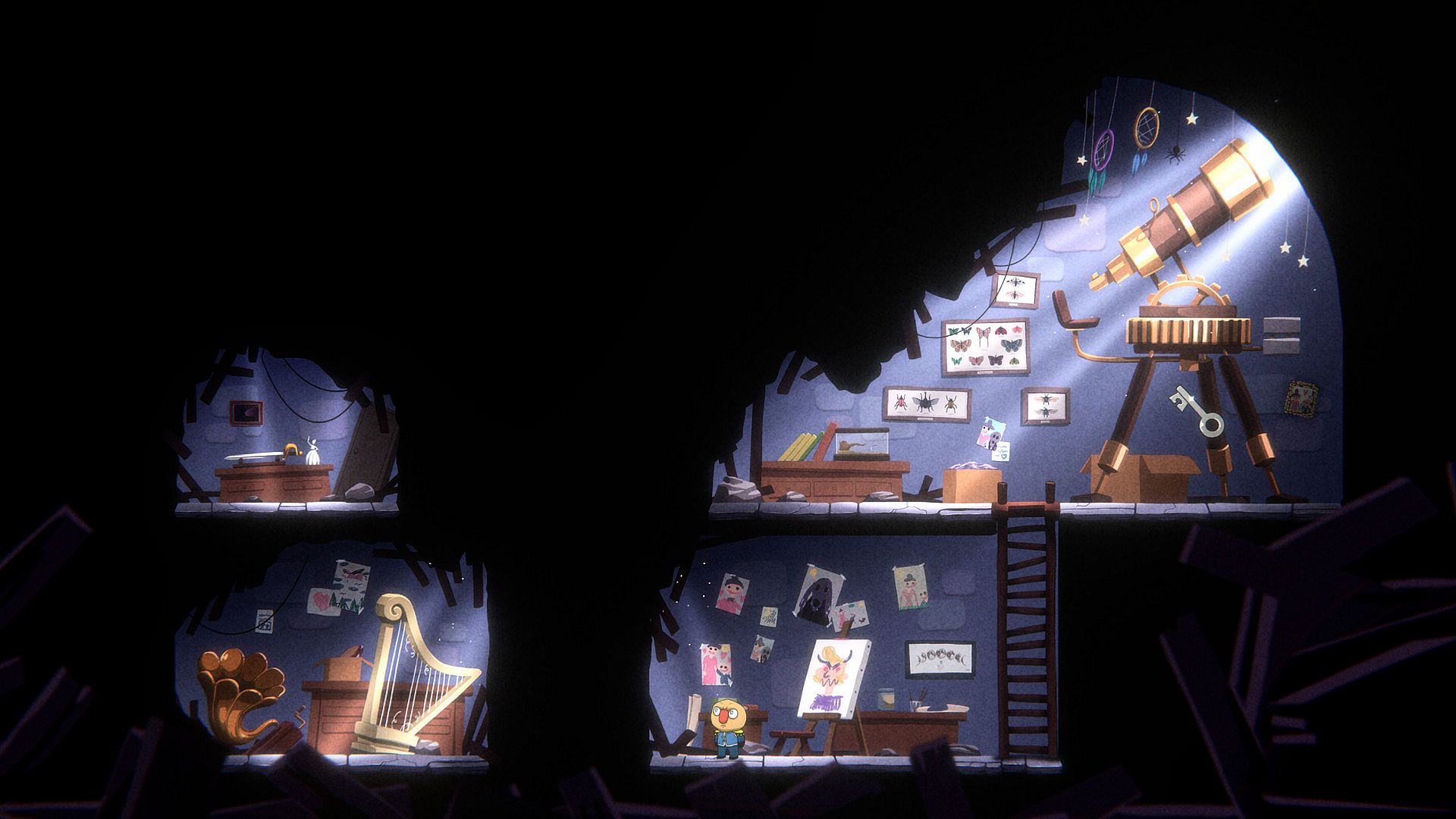
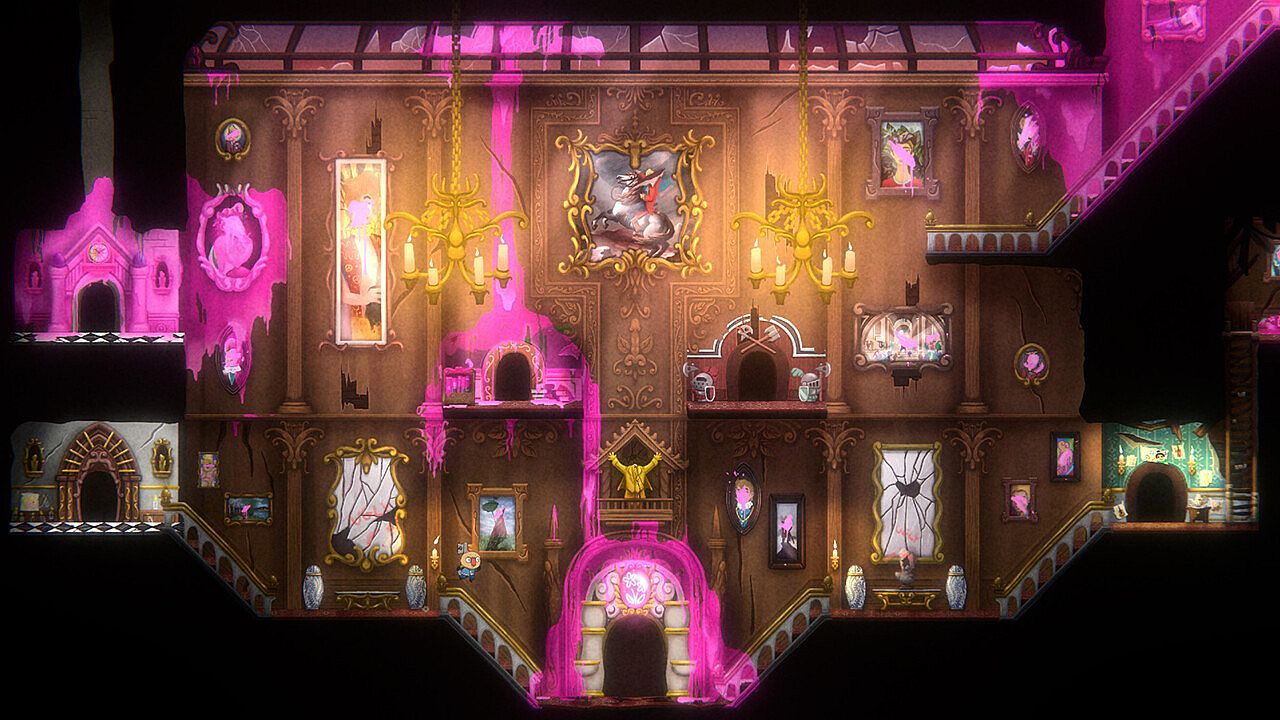
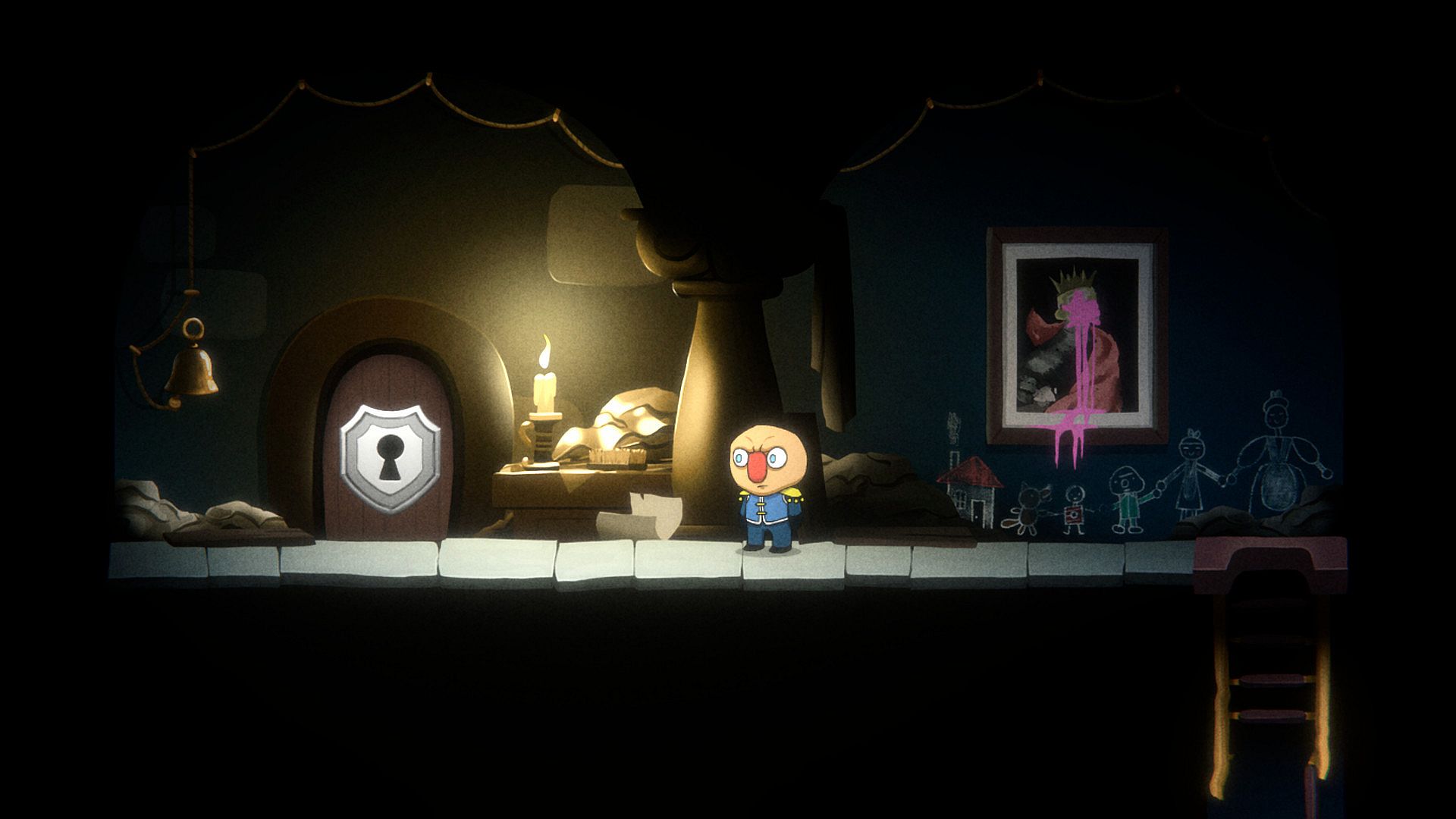
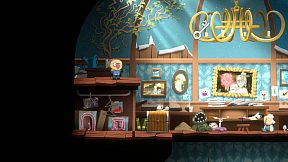
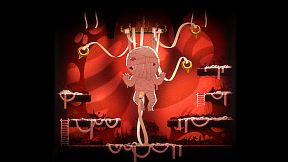
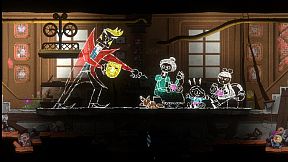
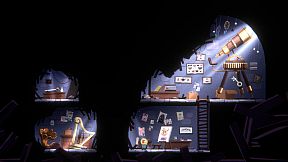
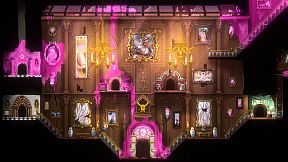
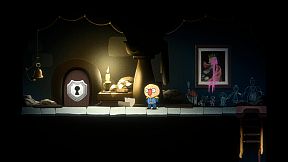
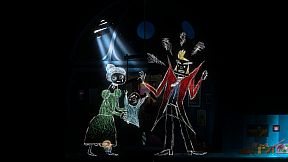
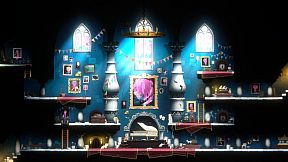
Ugly is an indie adventure puzzle platformer set on PC that places players in control of a tormented nobleman navigating the recesses of his own mind. The experience unfolds as a dark fairytale where a mirror mechanic serves as the central tool for progression. Players create a shadowy reflection of the protagonist and swap positions with it to overcome obstacles, reach new areas, and uncover layers of a tragic backstory. This single-player title emphasizes logic, platforming precision, and careful observation across a series of interconnected puzzle rooms.
Gameplay
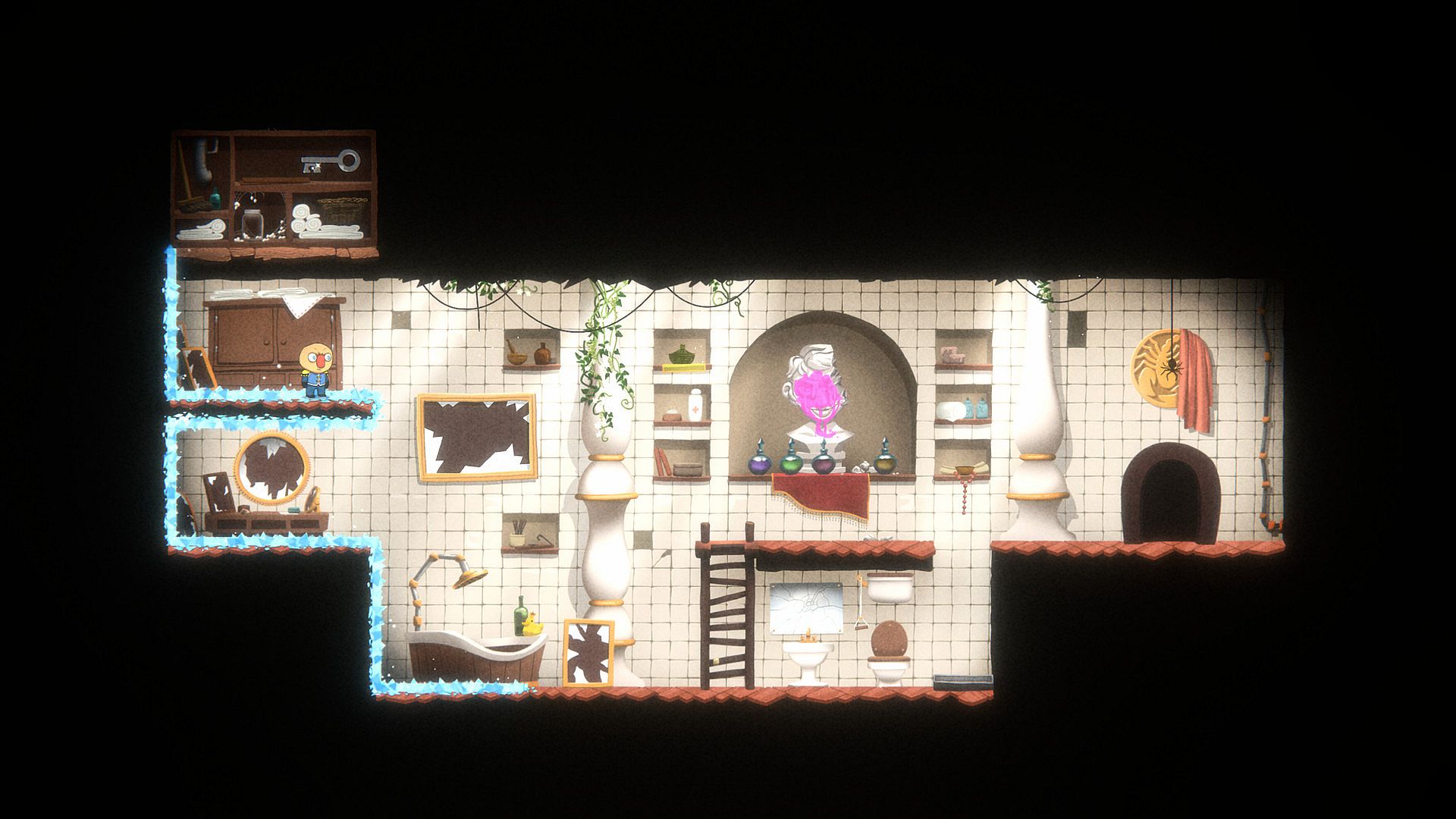
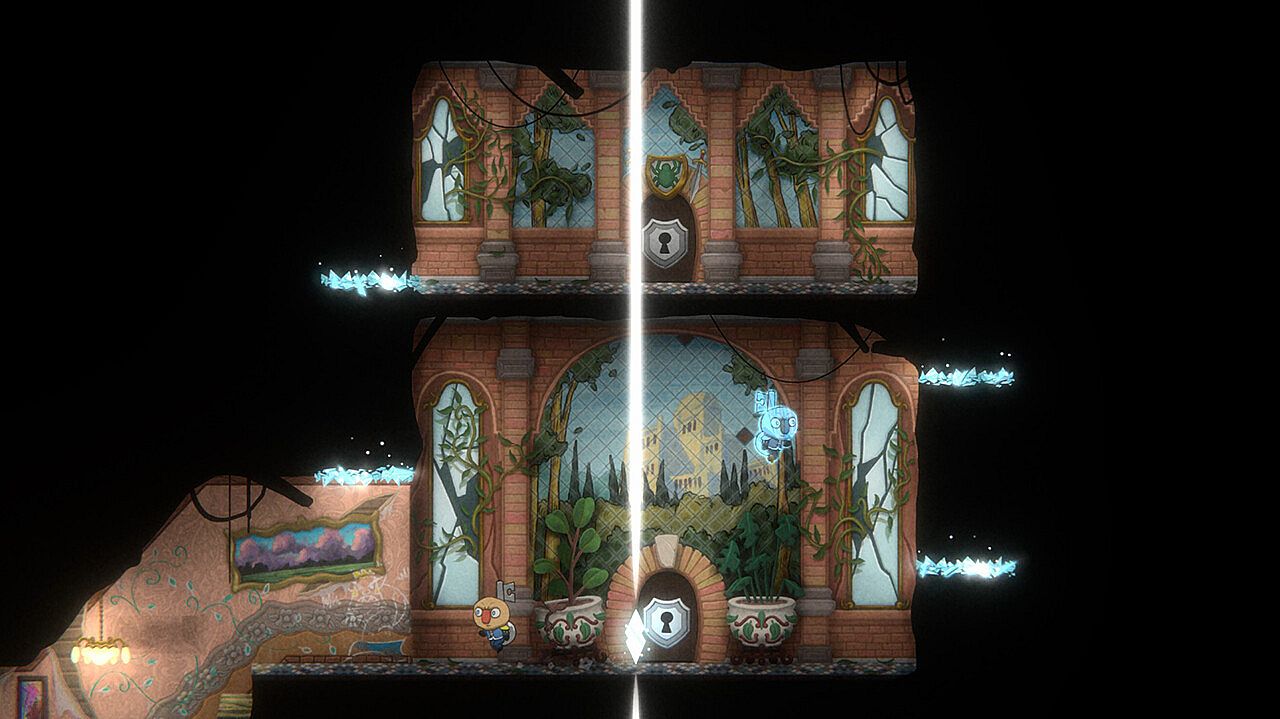
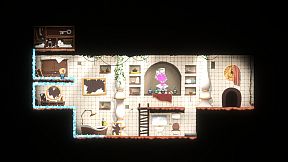
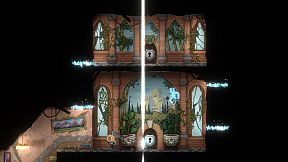
The core loop revolves around moving through hand-crafted environments while using the mirror shard to generate a duplicate form. This reflection operates under different physical rules, allowing it to pass through solid surfaces or hover without support. Swapping between the two forms lets the solid character access keys, doors, and platforms that would otherwise remain out of reach. Platforming sections require timing jumps and positioning the reflection to create safe paths or temporary bridges.
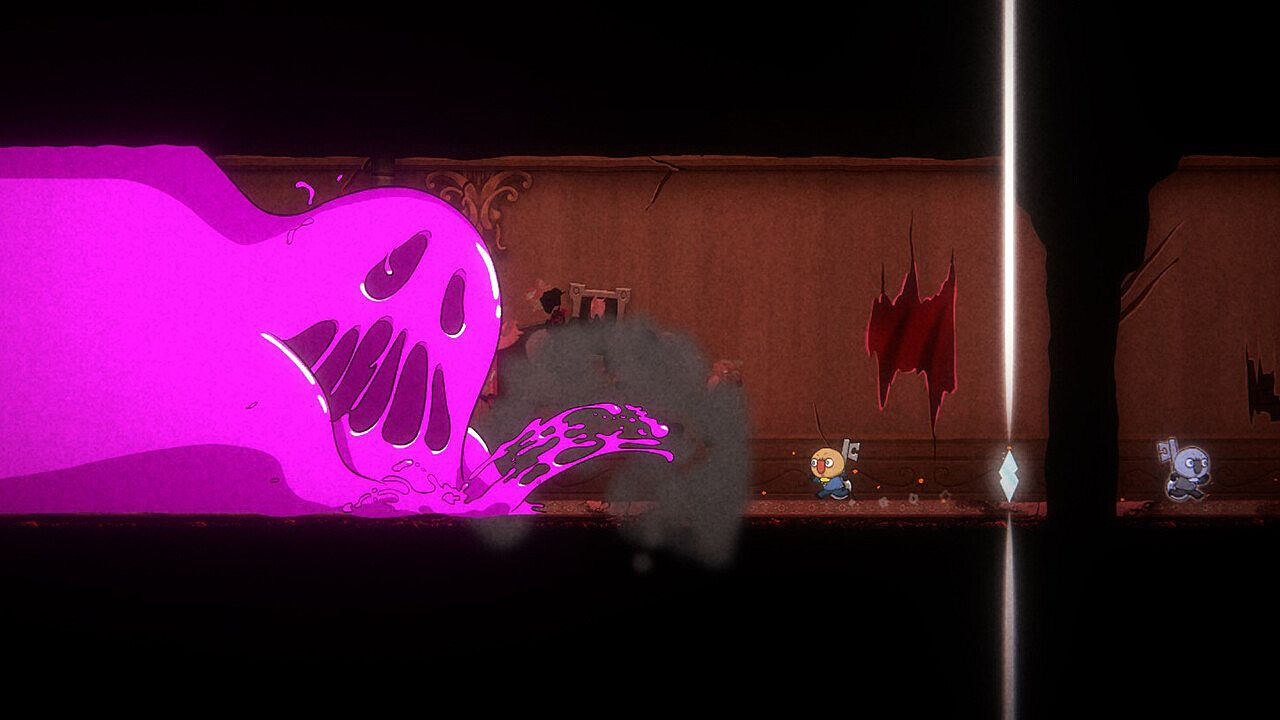
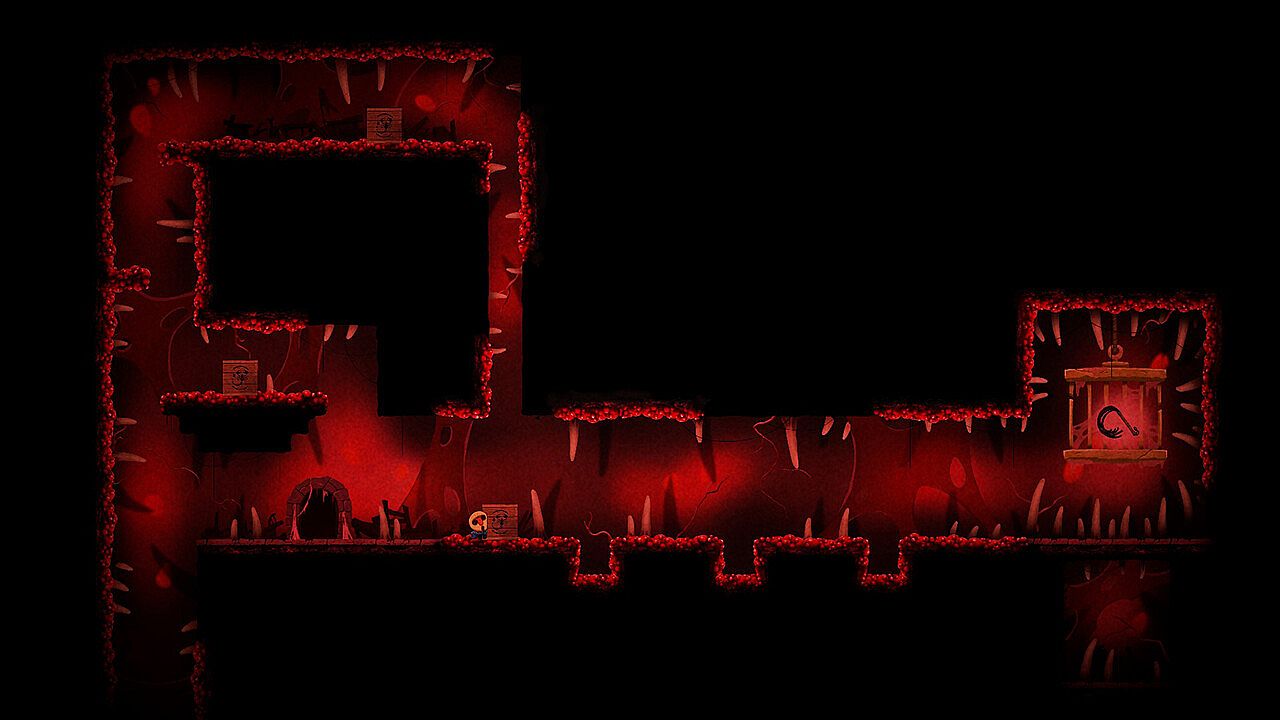
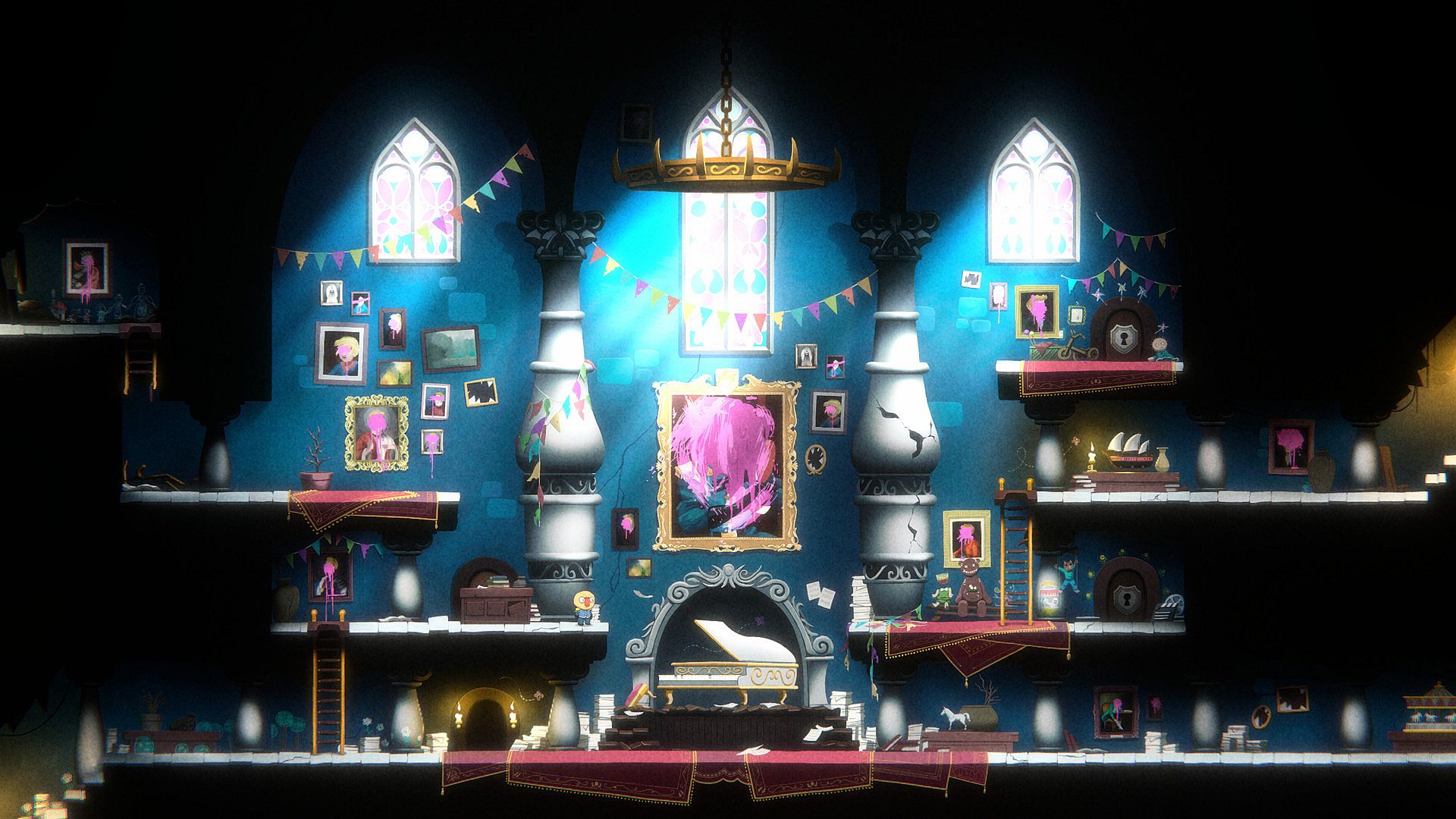
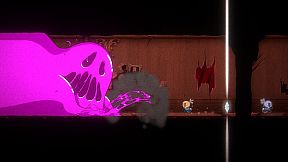
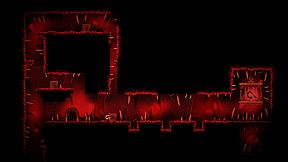
Each puzzle room introduces fresh combinations of these elements. Some challenges permit multiple solutions depending on how players position and swap the reflection. Boss encounters break up the puzzle sequence with larger-scale confrontations that still rely on the same mirror swap technique combined with dodging and positioning. Hidden rooms scattered throughout the levels contain additional clues about the nobleman's past, encouraging thorough exploration without forcing it for the main path.
Environmental details reinforce the reflective theme. Background elements often mirror or distort the foreground, and interactable objects respond to the presence of either form. The movement feels responsive, with the reflection providing visual feedback that helps players plan their next swap. Progression feels deliberate, as each room delivers both a mechanical challenge and a narrative fragment.
Game Modes
Ugly offers a single-player campaign structured around sequential puzzle rooms that advance the story. Players complete these rooms in order while collecting optional secrets that expand on the central narrative. Reaching the end of the main sequence unlocks an interactive conclusion, after which completing every hidden room grants access to an alternate ending.
There are no separate competitive or cooperative modes. The entire experience remains focused on solo exploration and puzzle solving. Boss fights function as integrated set pieces within the campaign rather than standalone challenges. The structure rewards replay for completionists who want to locate every secret, but the core path remains linear and self-contained.
Narrative and Themes
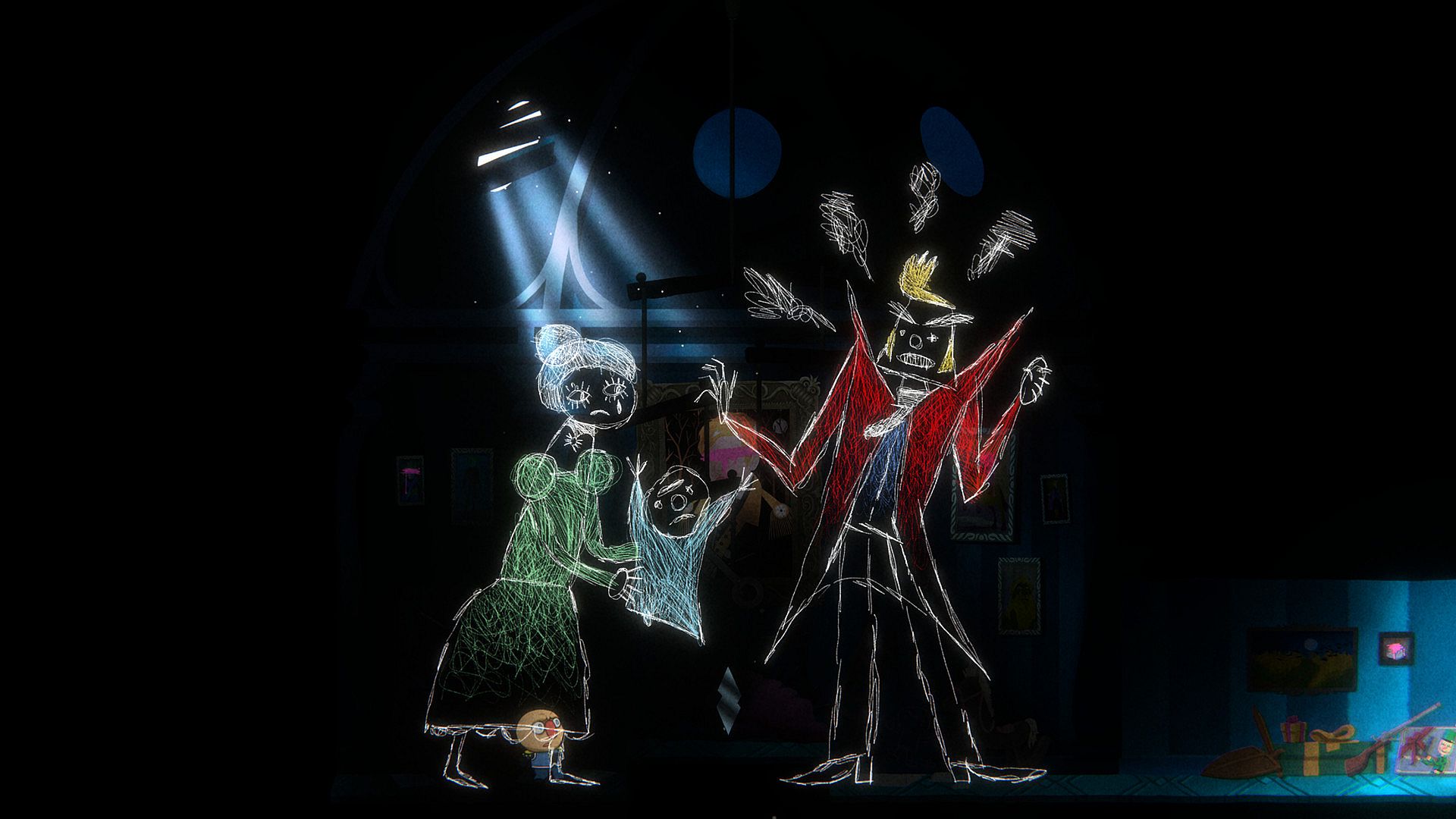
The story follows a nobleman confronting suppressed memories and trauma through the lens of a twisted fairytale. Environmental storytelling and puzzle solutions gradually reveal fragments of his history. The mirror serves both as a gameplay tool and a metaphor for self-examination, with the reflection sometimes highlighting uncomfortable truths.
Dialogue is minimal, relying instead on visual cues, room layouts, and the gradual unveiling of new areas. The tone stays consistent with its dark premise, avoiding lighthearted moments in favor of a somber atmosphere that builds toward the dual endings. Players who finish the main campaign receive closure, while those who pursue every secret gain a different perspective on the same events.
Is It Worth Playing?
Ugly delivers a focused single-player puzzle platformer experience built around one inventive mechanic. The mirror swap system creates satisfying moments of discovery when a solution clicks, and the variety of puzzle designs keeps the challenge level consistent across the campaign. Hidden rooms and the alternate ending provide meaningful replay value for those who enjoy thorough exploration.
The game suits players who appreciate deliberate puzzle solving paired with precise platforming and a narrative that unfolds through environment and mechanics rather than cutscenes. Its length fits a single focused playthrough, with additional time available for secret hunting. Those seeking a reflective, story-driven adventure without multiplayer elements will find the title aligns closely with its described strengths. The current version on PC remains stable with no reported ongoing seasonal content or major updates required for the complete experience.