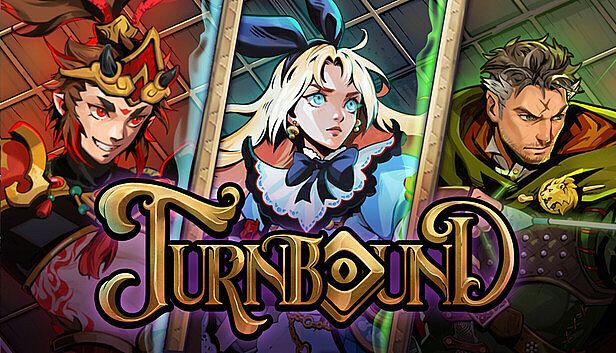





















Turnbound is a strategy indie autobattler on PC that blends grid-based inventory management with asynchronous player versus player combat. Players attempt to escape a haunted board game by constructing tile layouts that trigger automatic battles against builds created by others. The core loop centers on careful placement of items to create synergies, followed by watching those setups resolve without direct control during fights.
Gameplay
Each session begins in the shop phase where players select weapons, armor, consumables, accessories and other items to place on a grid. Tiles interact through cause-and-effect chains that affect neighboring positions, rewarding precise positioning and foresight. Trinkets open additional combo opportunities while successful rounds allow upgrades to the chosen hero along branching ability paths. Combat resolves automatically from left to right and top to bottom, with playback tools available afterward to review outcomes and refine future decisions. The board state changes with every round, forcing adaptation even when preferred tiles do not appear.
Four heroes anchor the experience, each supporting distinct playstyles through their unique upgrade trees. Hundreds of items and dozens of trinkets provide depth for experimentation across runs. Every detail on the grid matters, and success depends on balancing immediate power with long-term synergy potential while accepting the role of luck in tile availability.
Game Modes
Progression occurs through six chambers of increasing difficulty, culminating in a final chamber that features a competitive leaderboard. Within these chambers, battles occur asynchronously against builds from other players who reached the same chamber after the same number of shop rounds. Any completed build enters the matchmaking pool regardless of run outcome, allowing encounters with both winning and unfinished strategies from recent sessions.
Direct duels provide an alternative to asynchronous play. Entering a shared code lets players challenge a specific build, test strategies against friends or face community feature builds. An unranked mode removes leaderboard pressure to encourage open experimentation with different tile combinations and hero paths.
Key Mechanics and Progression
Inventory management forms the central strategic layer. Players must evaluate how each new tile alters existing interactions on the grid while planning for future rounds. Branching hero abilities add another dimension, as choices made after victories shape long-term power curves. The system supports extensive theorycrafting because small placement adjustments can produce large differences in battle resolution.
Customization options extend beyond core gameplay. Players can alter board appearance, profile elements, rugs and individual tiles to personalize their experience without affecting mechanical balance. All opposing builds originate from real player creations rather than procedural generation or artificial intelligence, preserving the competitive feel even in solo sessions.
Is It Worth Playing?
Turnbound suits players who enjoy deliberate build planning and inventory puzzles more than real-time reflexes. The asynchronous structure allows flexible session lengths, while direct duel codes support focused testing of specific ideas. Recent updates have added unranked play and new trinkets, expanding options for those who prefer experimentation over ranked pressure.
Steam user reviews stand at mostly positive, with many highlighting the satisfaction of discovering viable synergies and the depth of the tile interaction system. The game remains in active development following its early access launch, with ongoing additions that address player feedback. Those drawn to similar titles centered on grid management and auto-resolution combat will likely find the mechanics rewarding, particularly if they value creative problem solving over twitch execution. The absence of generative AI in art and battle construction further distinguishes the title for players who prefer hand-crafted assets and genuine player-driven opposition.