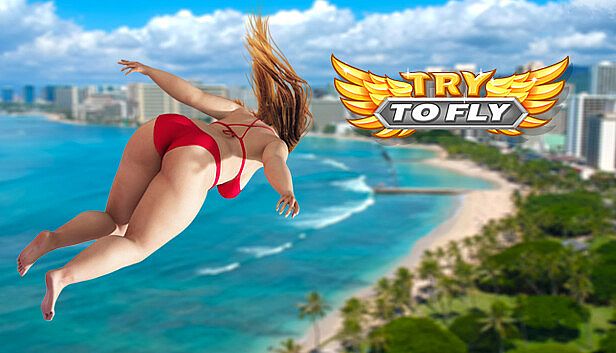














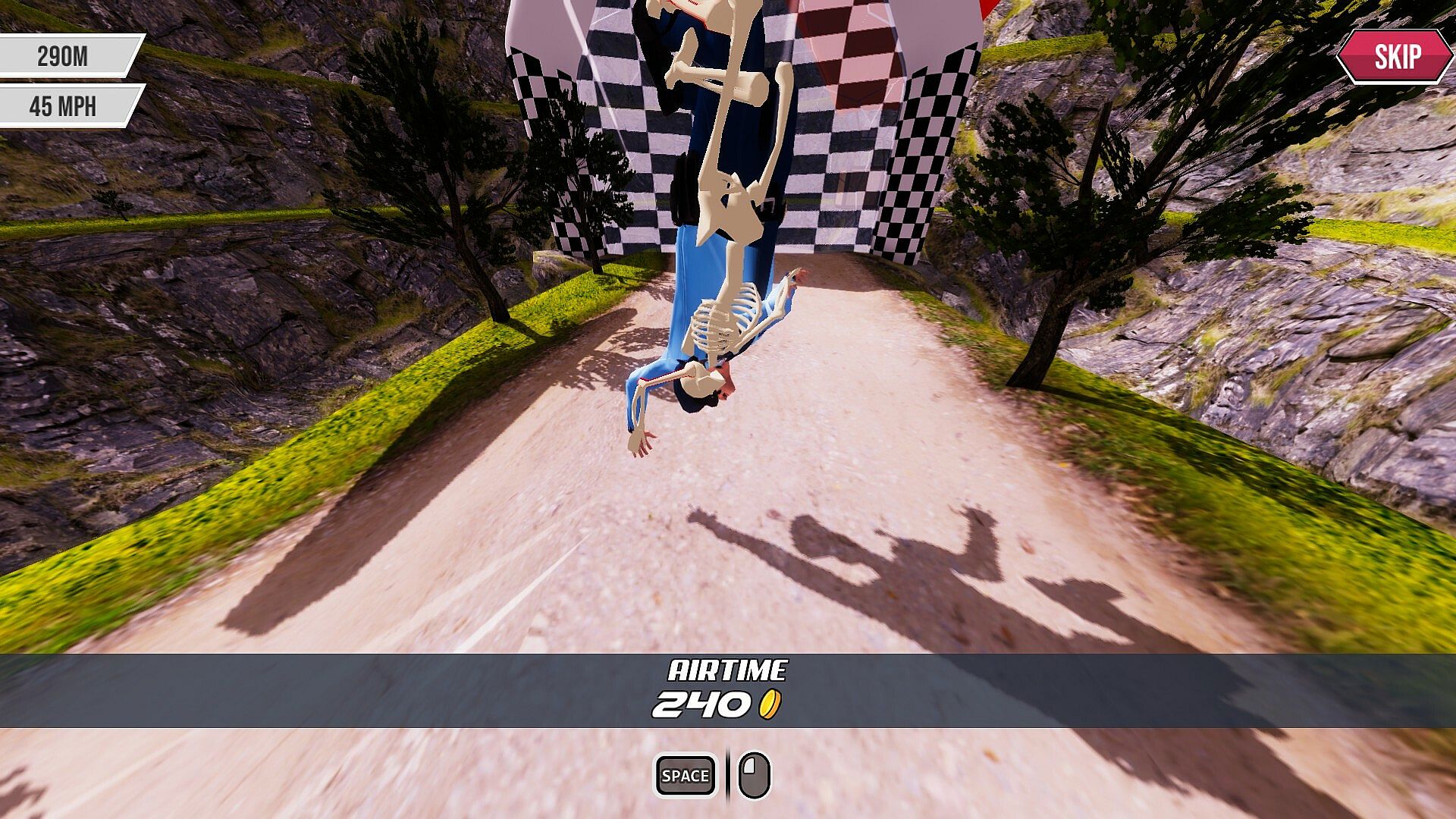
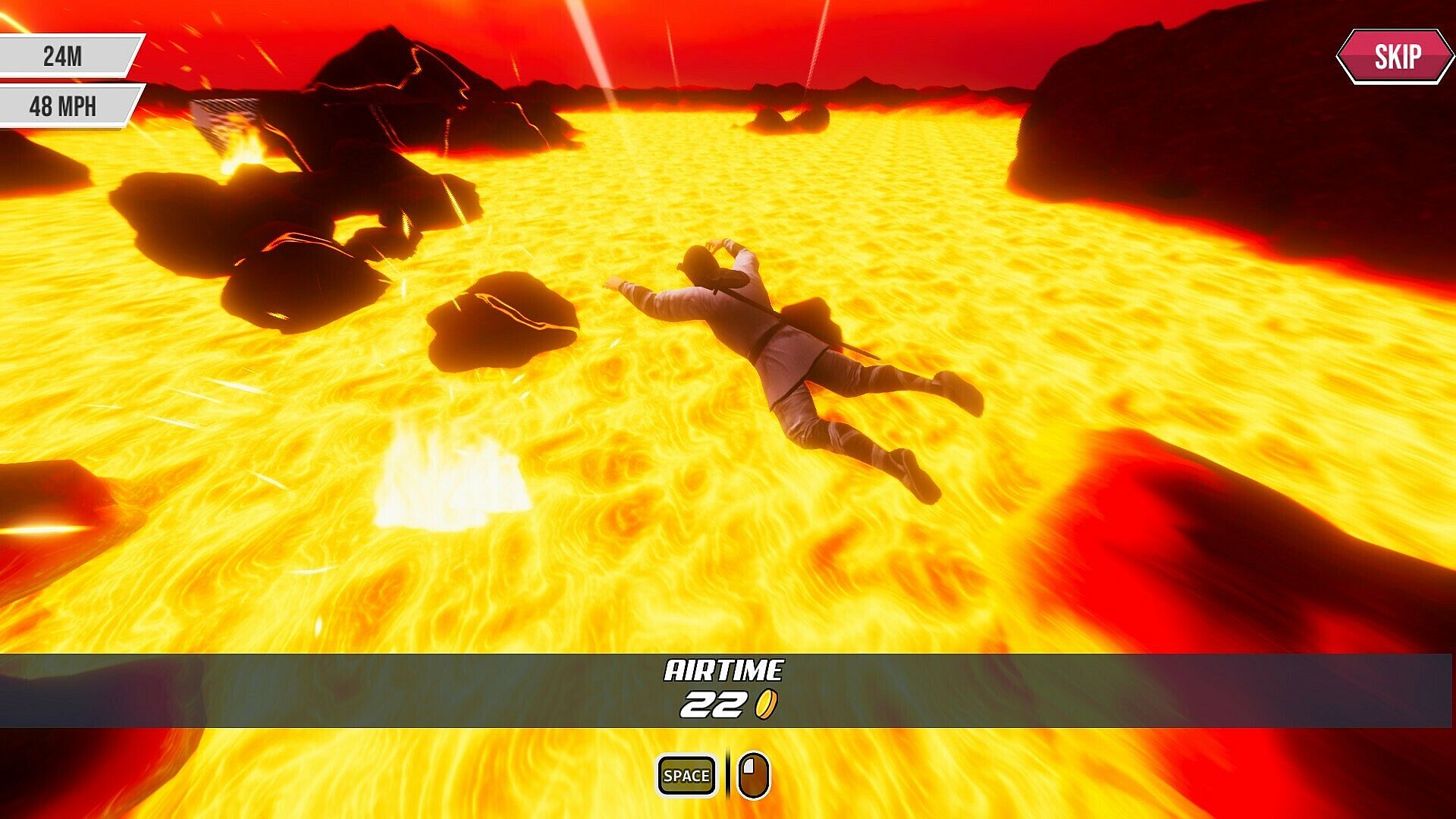
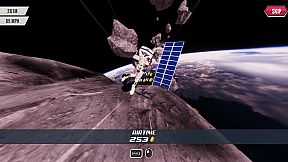
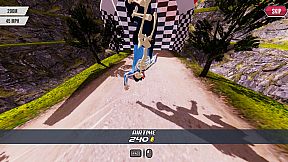
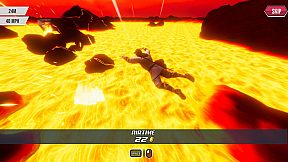
Try to Fly is a casual simulation sports game developed for PC that puts players in control of throwable characters attempting to glide toward distant targets. The core premise draws from the humorous idea of achieving flight by missing the ground, translated into straightforward mechanics where timing and upgrades determine how far each attempt carries. Released in late 2022, the title emphasizes simple controls and incremental progression across a series of increasingly challenging environments.
Gameplay
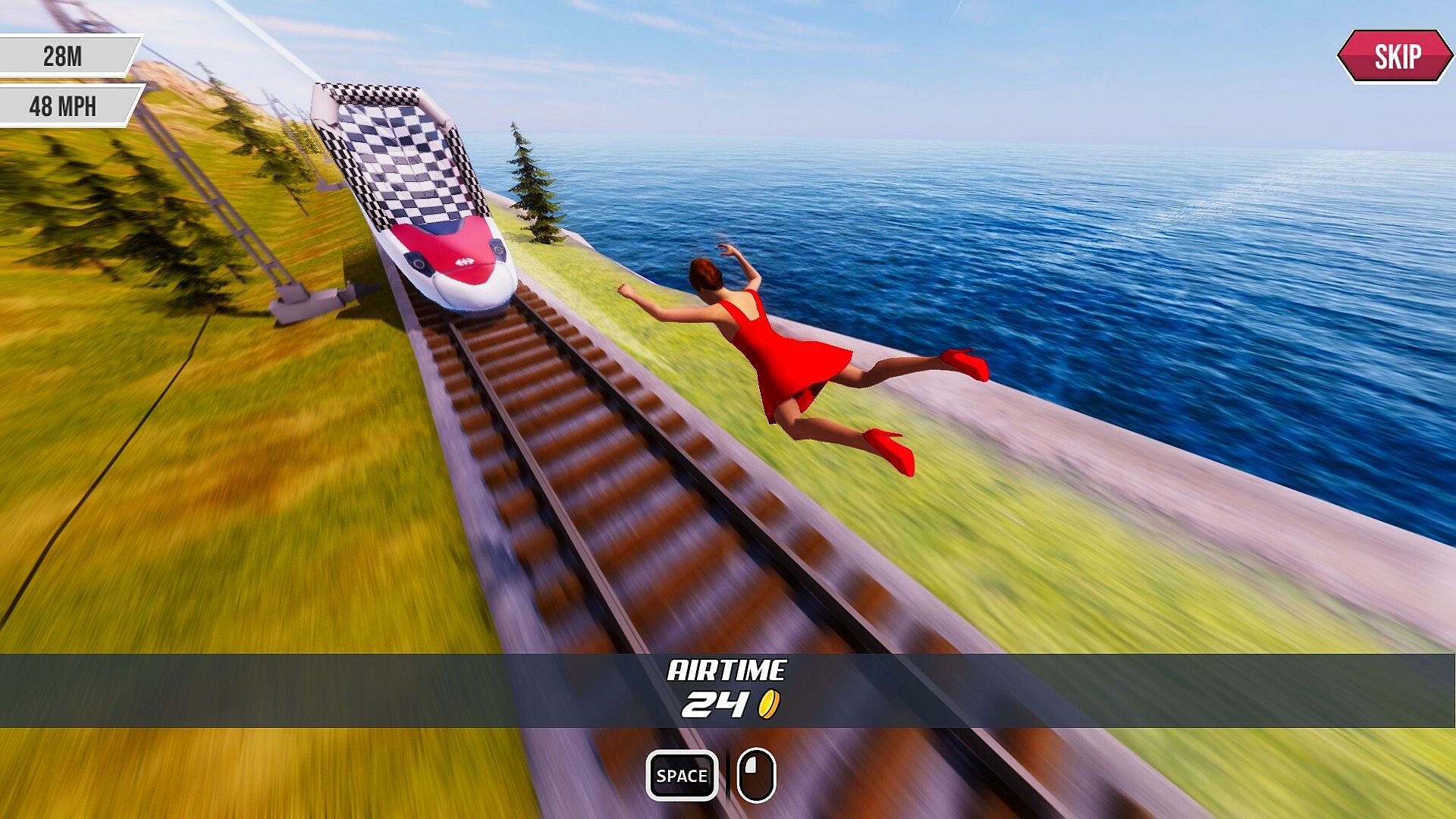
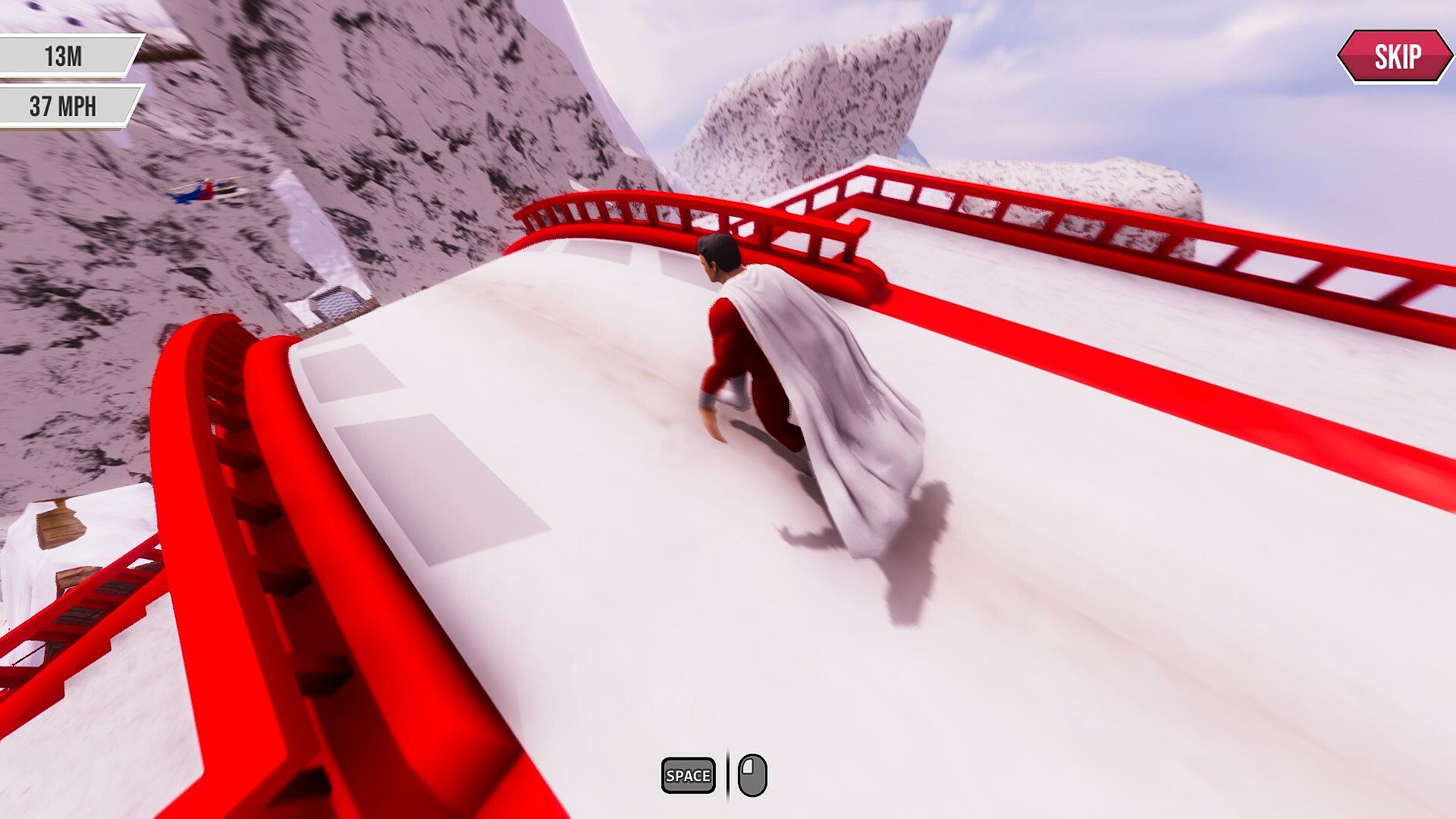
Players select from nine distinct characters at the start of each run and launch them from elevated starting points. Holding a flight input allows the character to glide forward while releasing it causes descent, requiring careful management to cover distance and land near marked targets. Proximity to the goal awards coins that serve as the primary currency for permanent improvements. Upgrades focus on increasing launch power and refining flight control, directly extending reach and improving precision on subsequent attempts. The loop repeats across successive stages, with each new location introducing greater distances and environmental factors that demand better upgrades to succeed consistently. Controls remain minimal, relying on basic input timing rather than complex combinations, which keeps sessions accessible for short play periods.
Game Modes
The experience centers on a single-player structure built around sequential level completion. There are no separate competitive or cooperative options, instead directing all activity toward beating personal distance records and unlocking further stages. Progression ties directly to coin collection and upgrade purchases, allowing repeated attempts on earlier levels to farm resources for later challenges. This format encourages iterative play, where each successful glide builds toward accessing new starting locations without branching paths or alternate rulesets.
Progression and Upgrades
Coins earned from accurate landings fund two main upgrade categories: raw power for stronger initial throws and refined flying skills for better mid-air adjustments. These improvements apply across all characters and levels, creating a steady sense of advancement as total distance potential grows. Higher stages scale difficulty through extended gaps and more demanding target placements, making prior upgrades essential for maintaining momentum. The system avoids complex skill trees, instead offering straightforward numerical boosts that compound over time to support record attempts.
Locations and Challenges
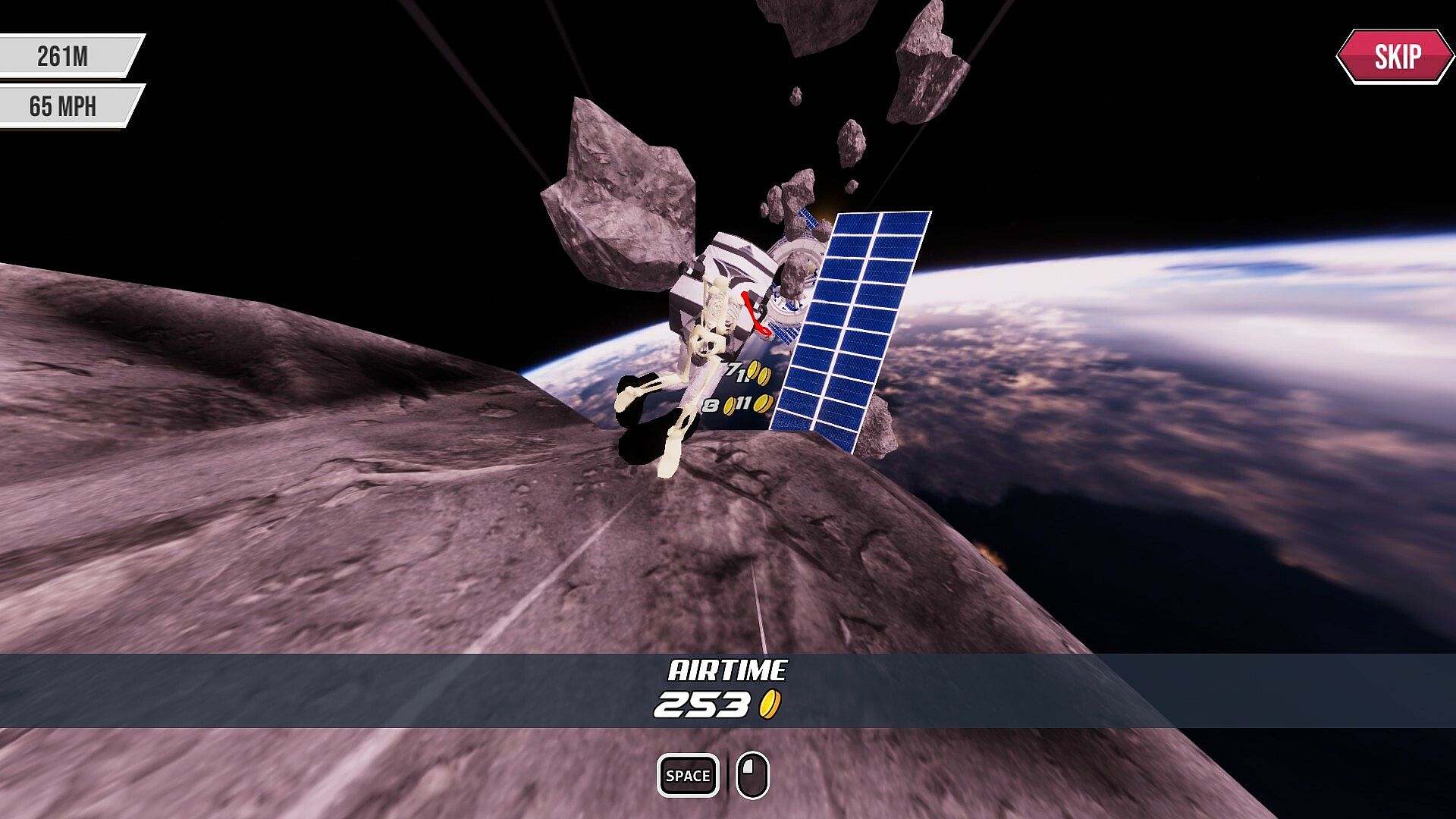
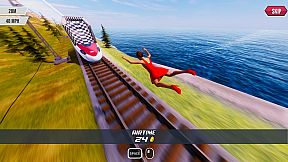
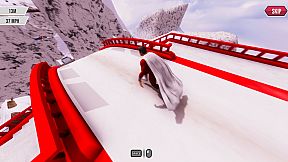
Stages span a variety of real-world and fantastical settings, beginning with urban structures such as skyscrapers and bridges before moving to moving platforms like trains and extreme sites including volcanoes. Later content extends into space environments, testing the limits of upgraded flight capabilities against vast empty distances. Each location maintains the same core throwing and gliding rules while varying the visual backdrop and required reach, providing visual variety without altering fundamental mechanics. Difficulty ramps through increased separation between launch points and targets rather than added hazards or obstacles.
Is It Worth Playing?
Try to Fly suits players seeking a lightweight, repeatable simulation focused on distance optimization and light upgrade progression. With only 13 user reviews recorded on its primary distribution platform, reception sits at mixed levels with 53 percent positive feedback, reflecting a small but divided audience. The title offers no ongoing seasonal content or post-launch expansions, remaining in its original state since the 2022 release. Those who enjoy simple one-button timing challenges and incremental character strengthening may find value in chasing personal bests across the available stages, while individuals preferring deeper systems or multiplayer elements will likely find the scope limited. Availability on PC supports easy access for short sessions without additional hardware demands.