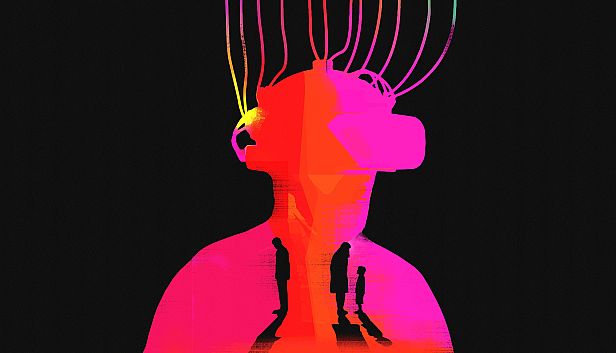




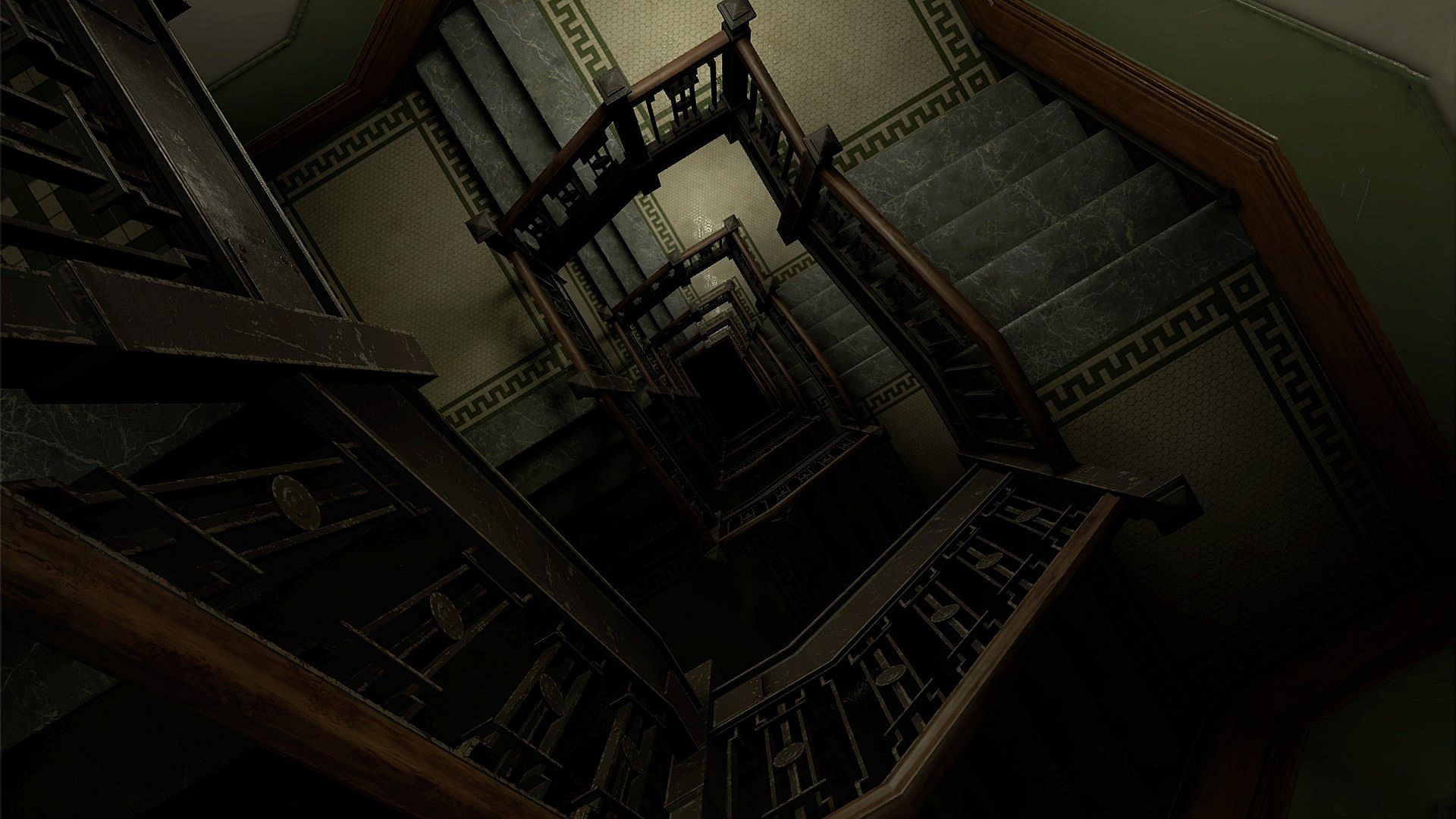
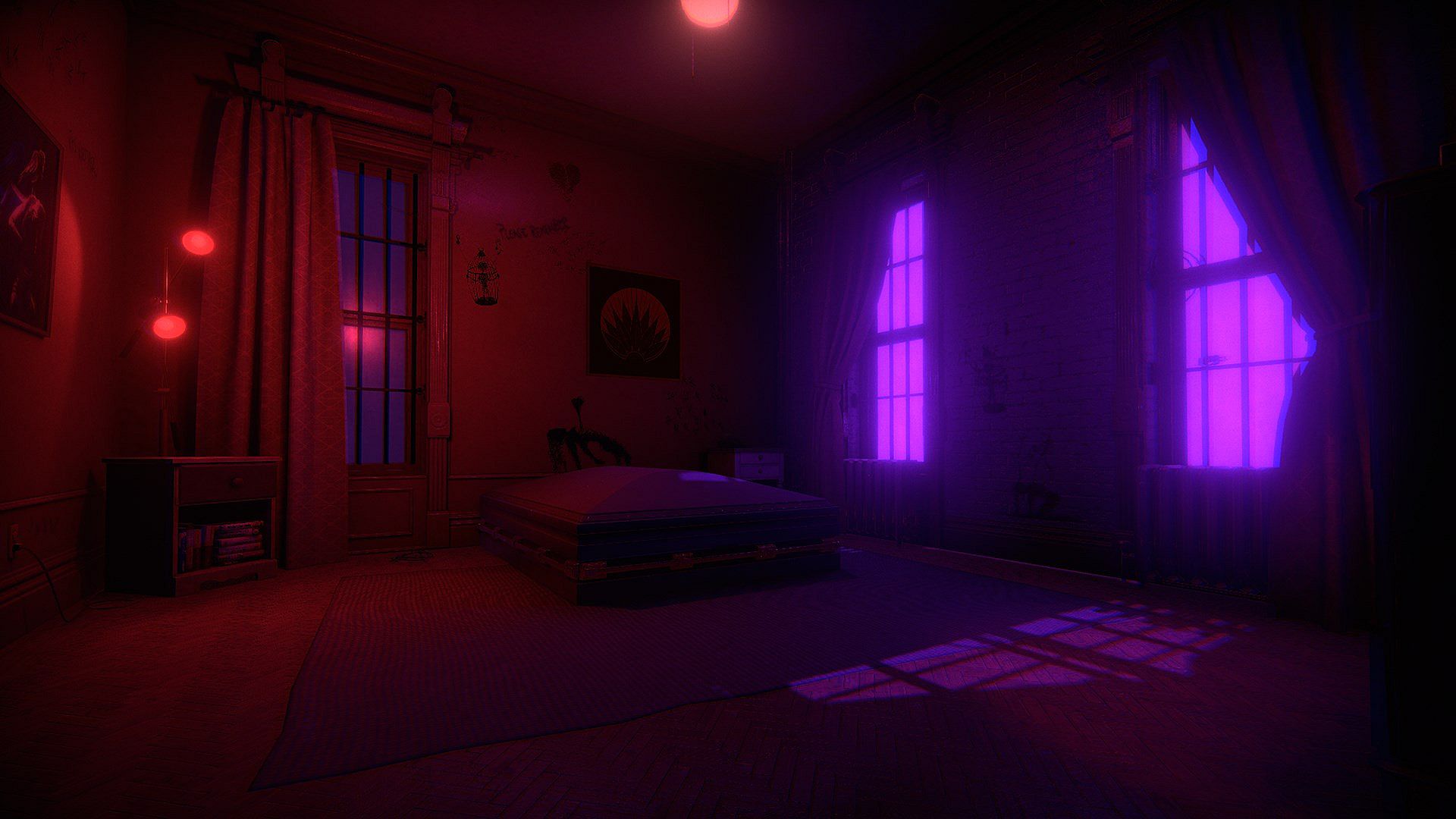
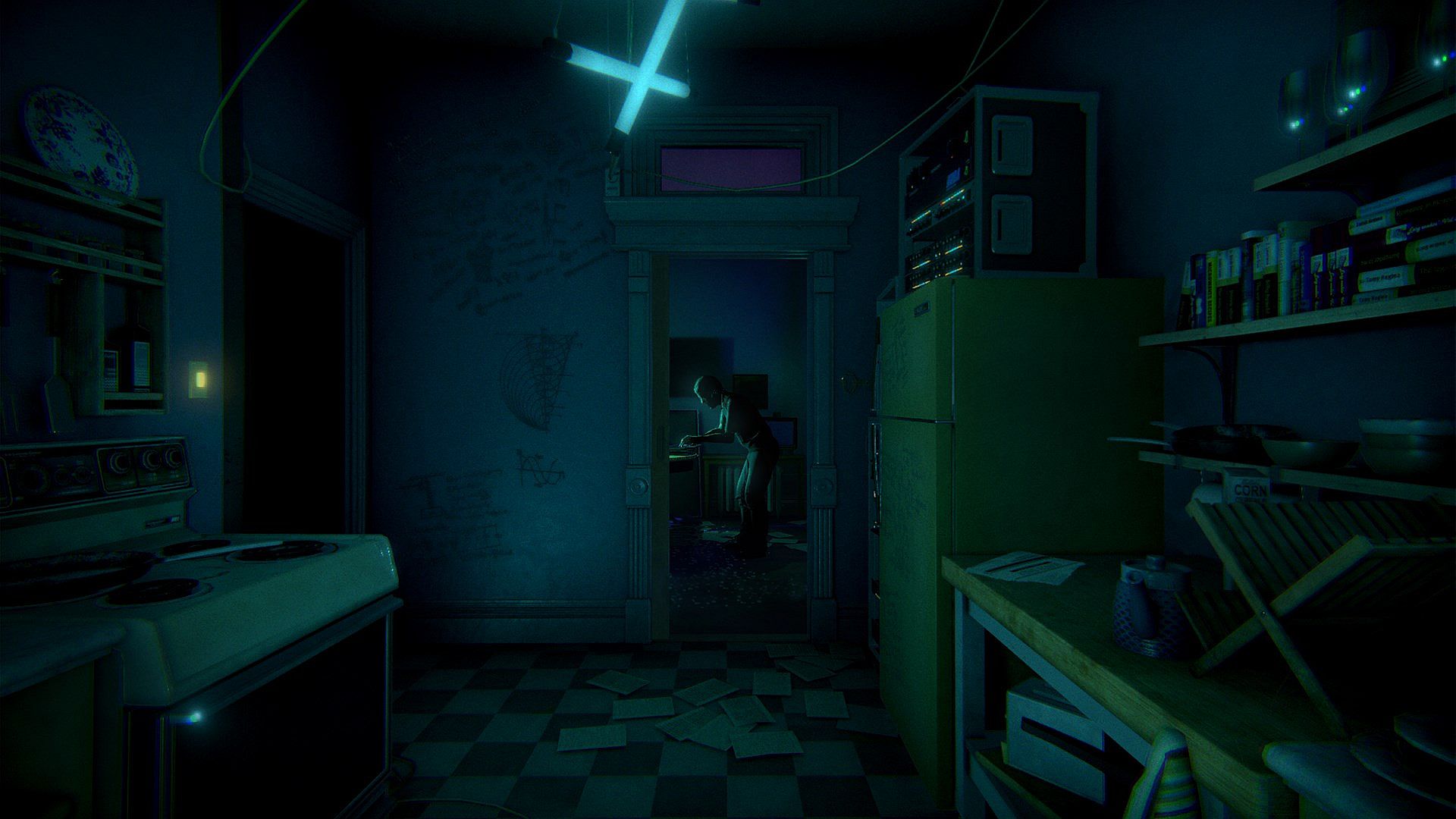
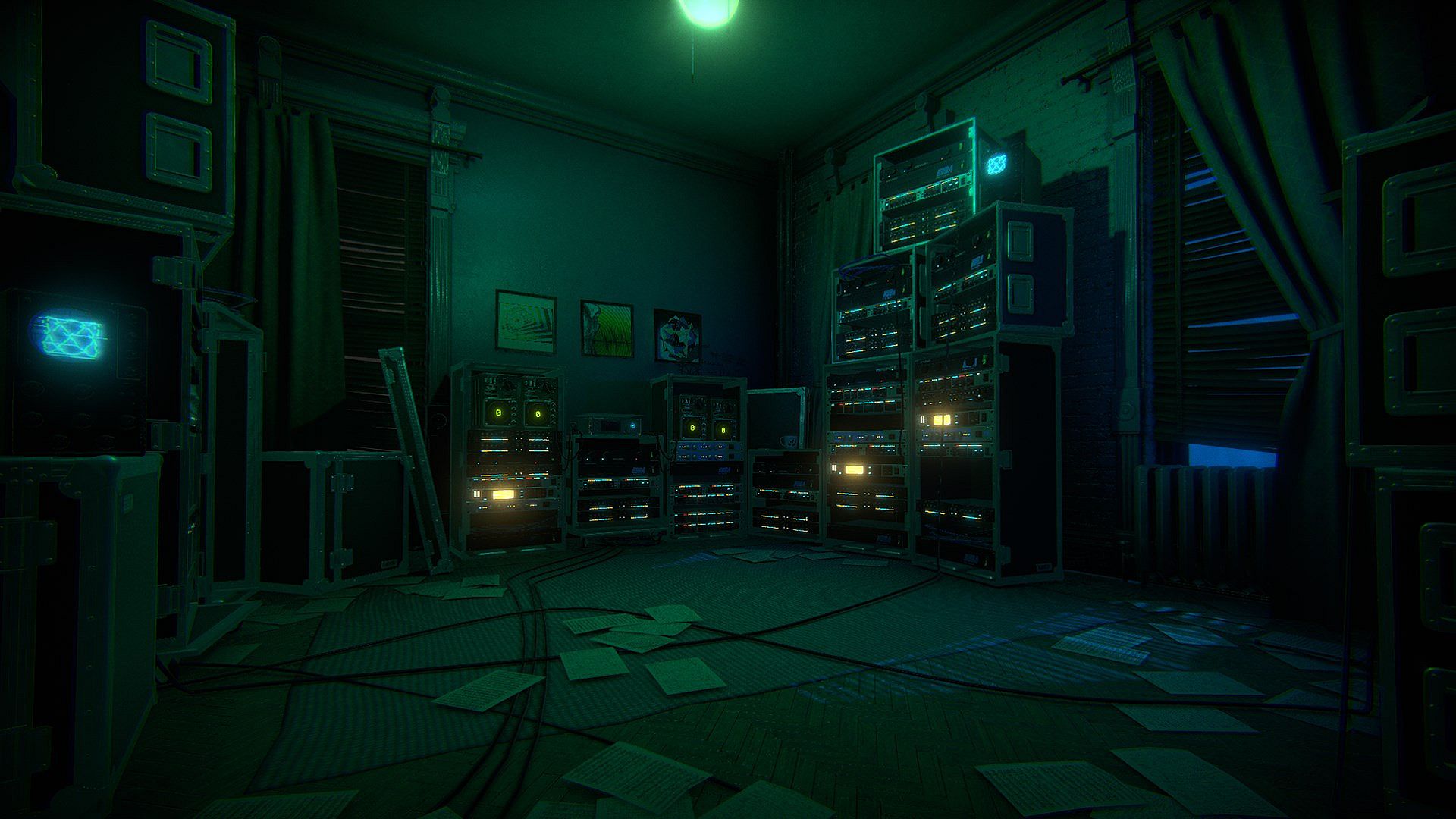
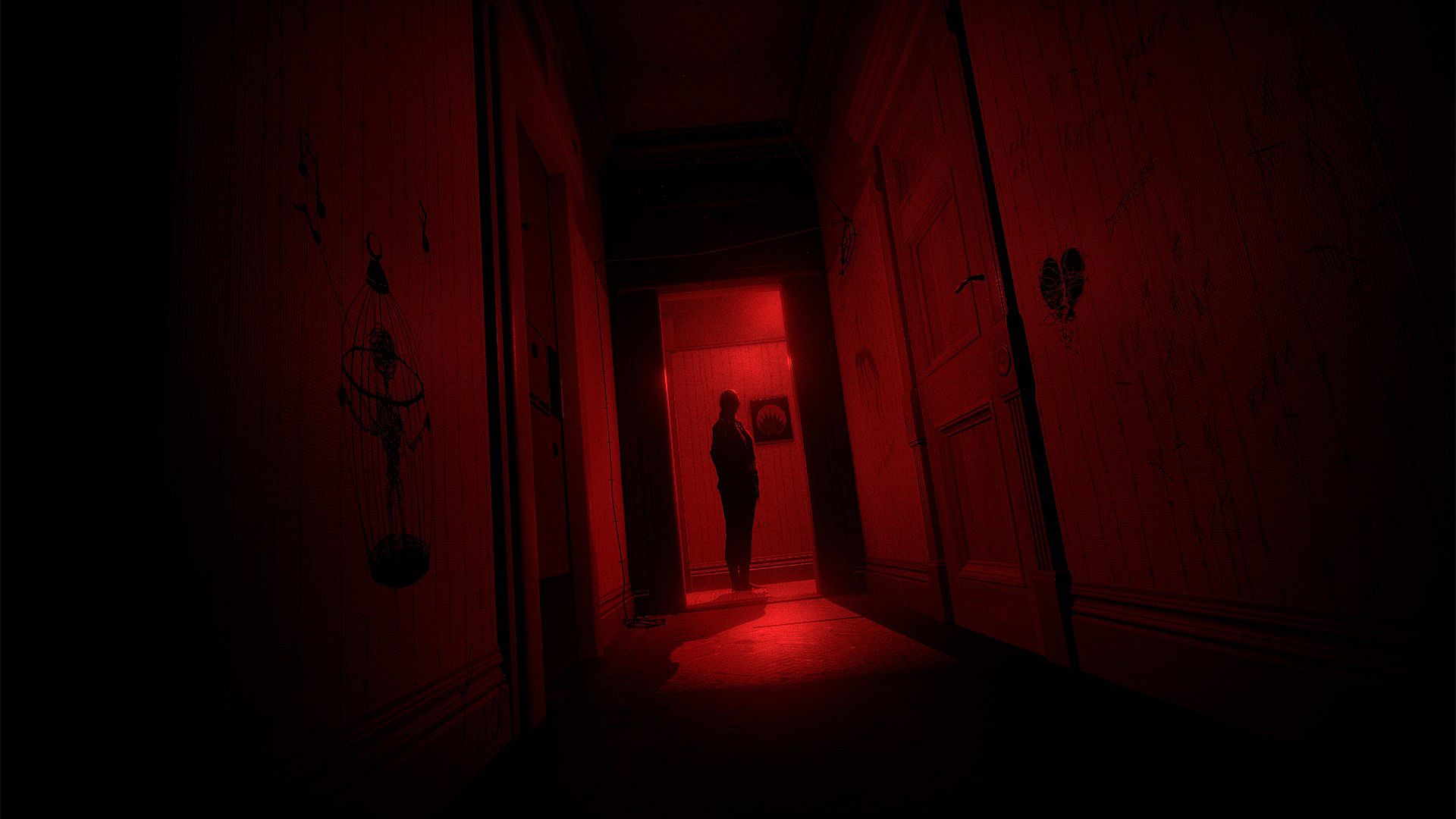
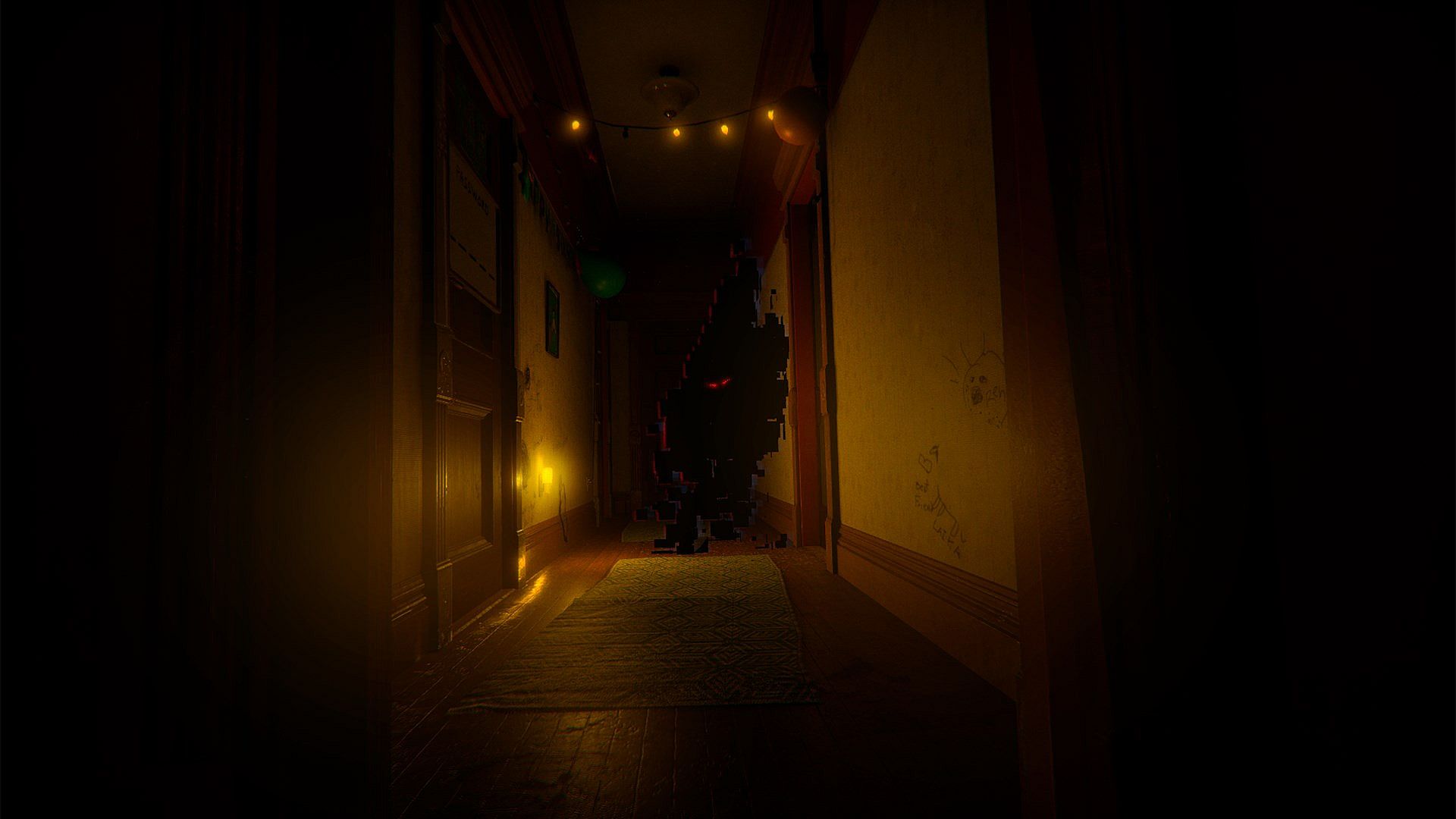
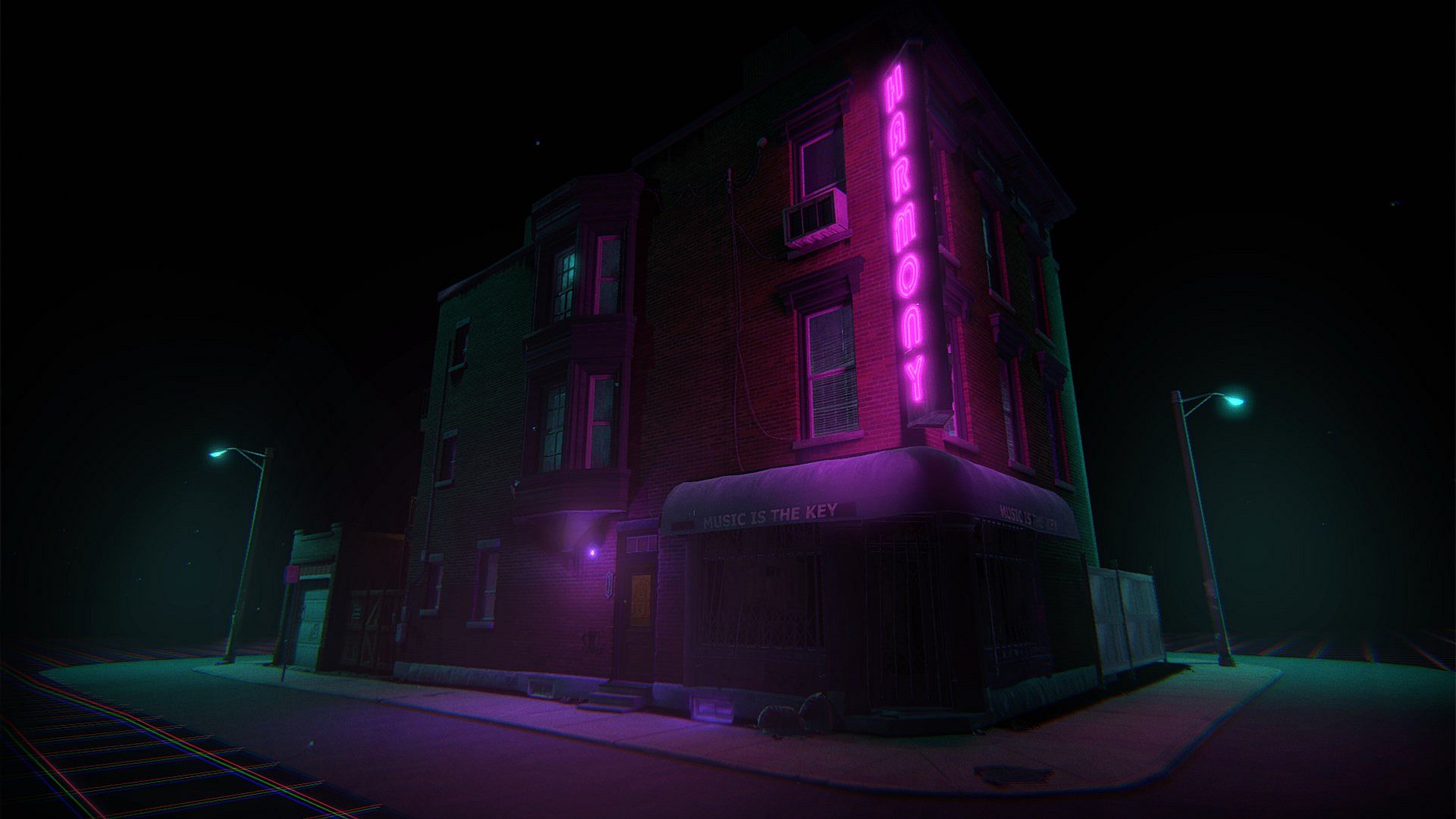
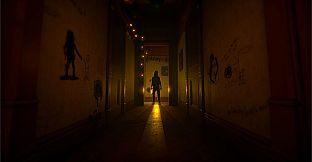
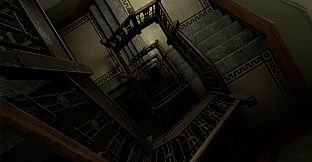
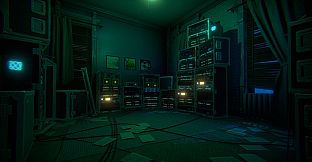



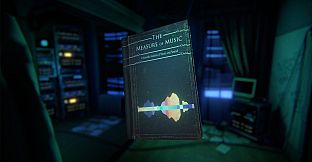
Transference is a first-person psychological thriller adventure game that places players inside a corrupted digital simulation of a family home. Developed by SpectreVision in collaboration with Ubisoft Montreal and released in 2018, the title centers on exploration and puzzle-solving within a single contained environment. Players navigate the apartment of scientist Raymond Hayes, his wife Katherine, and their son Benjamin to piece together fragmented memories and resolve the simulation's glitches.
Gameplay
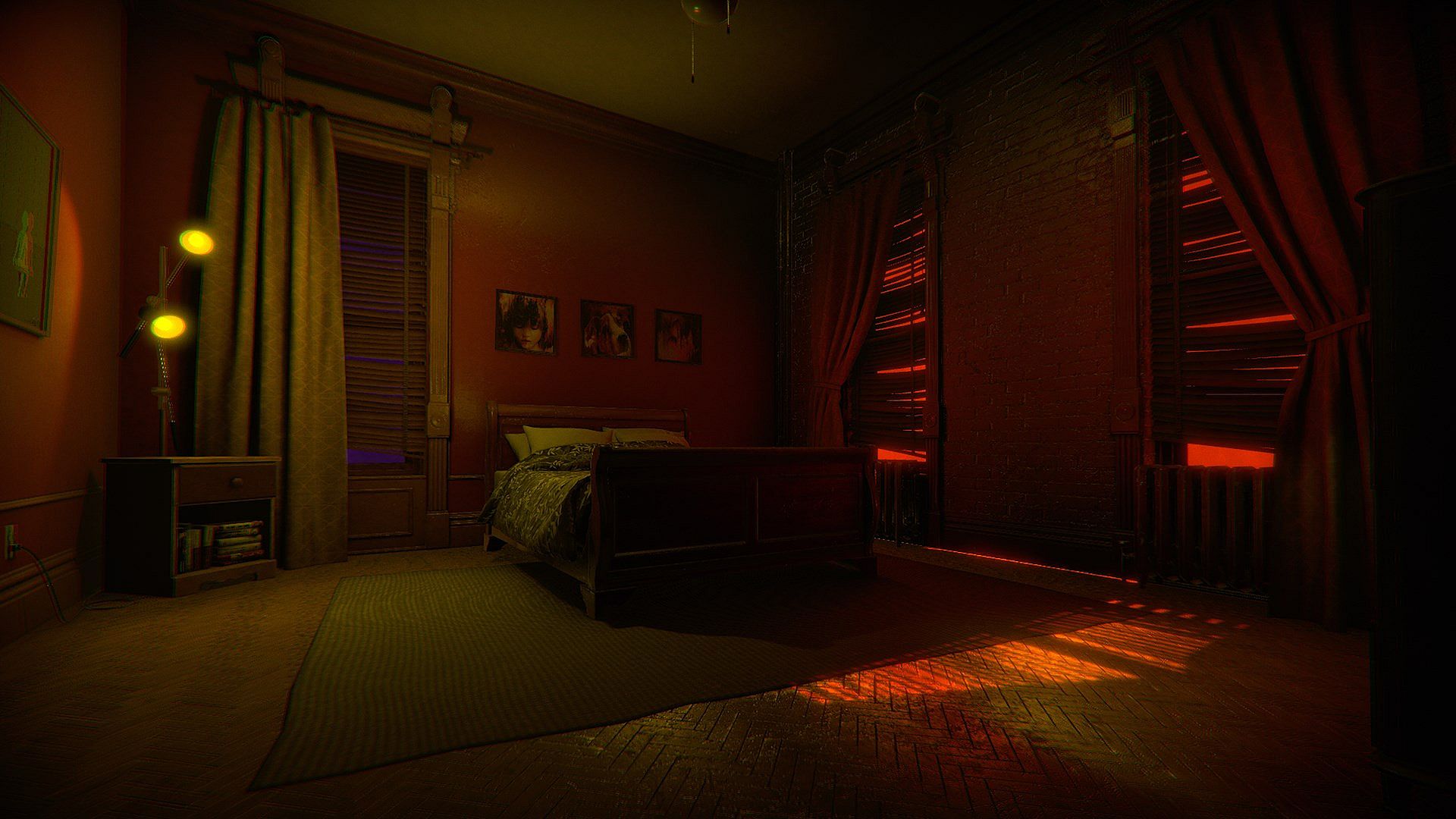
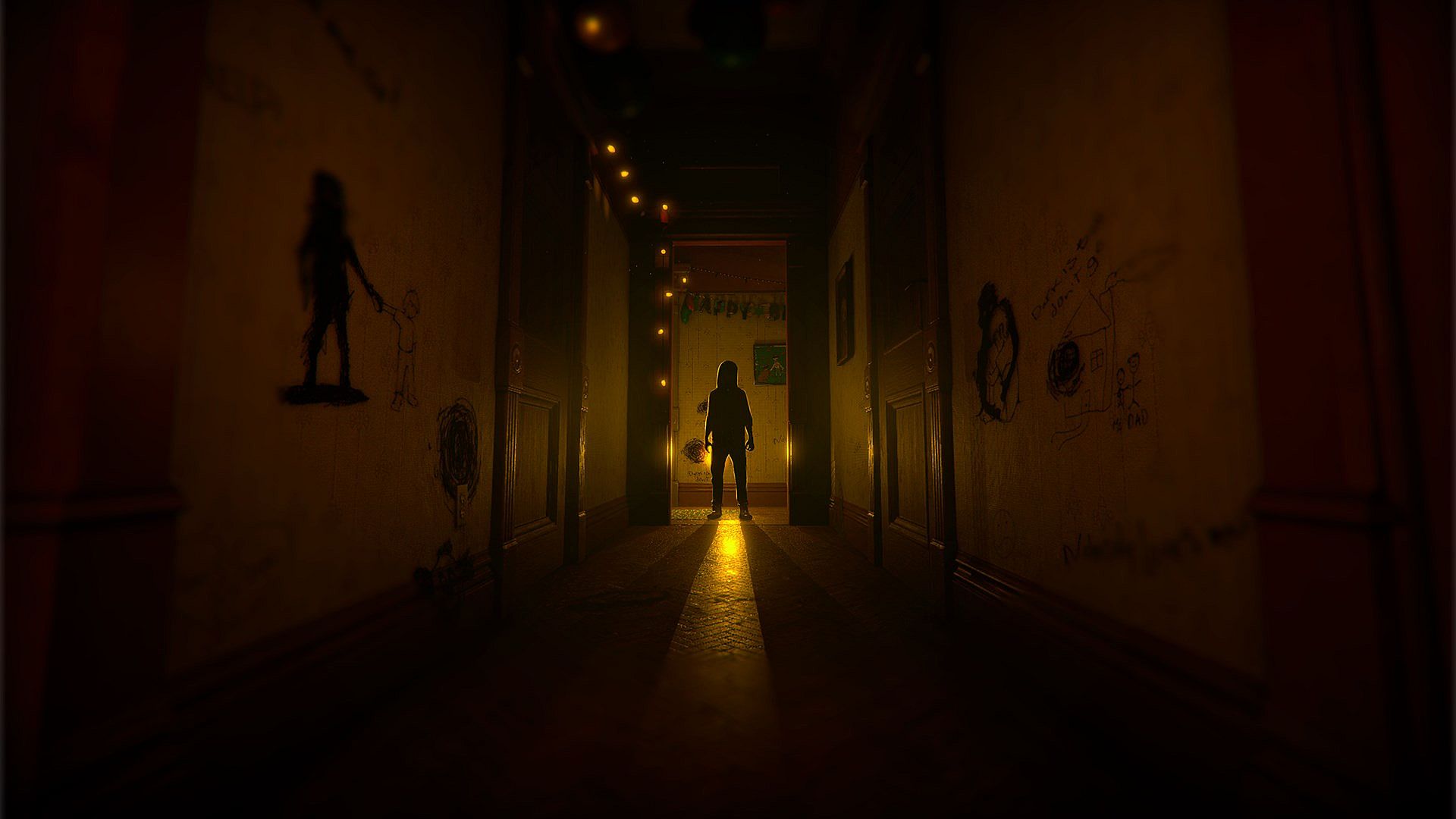
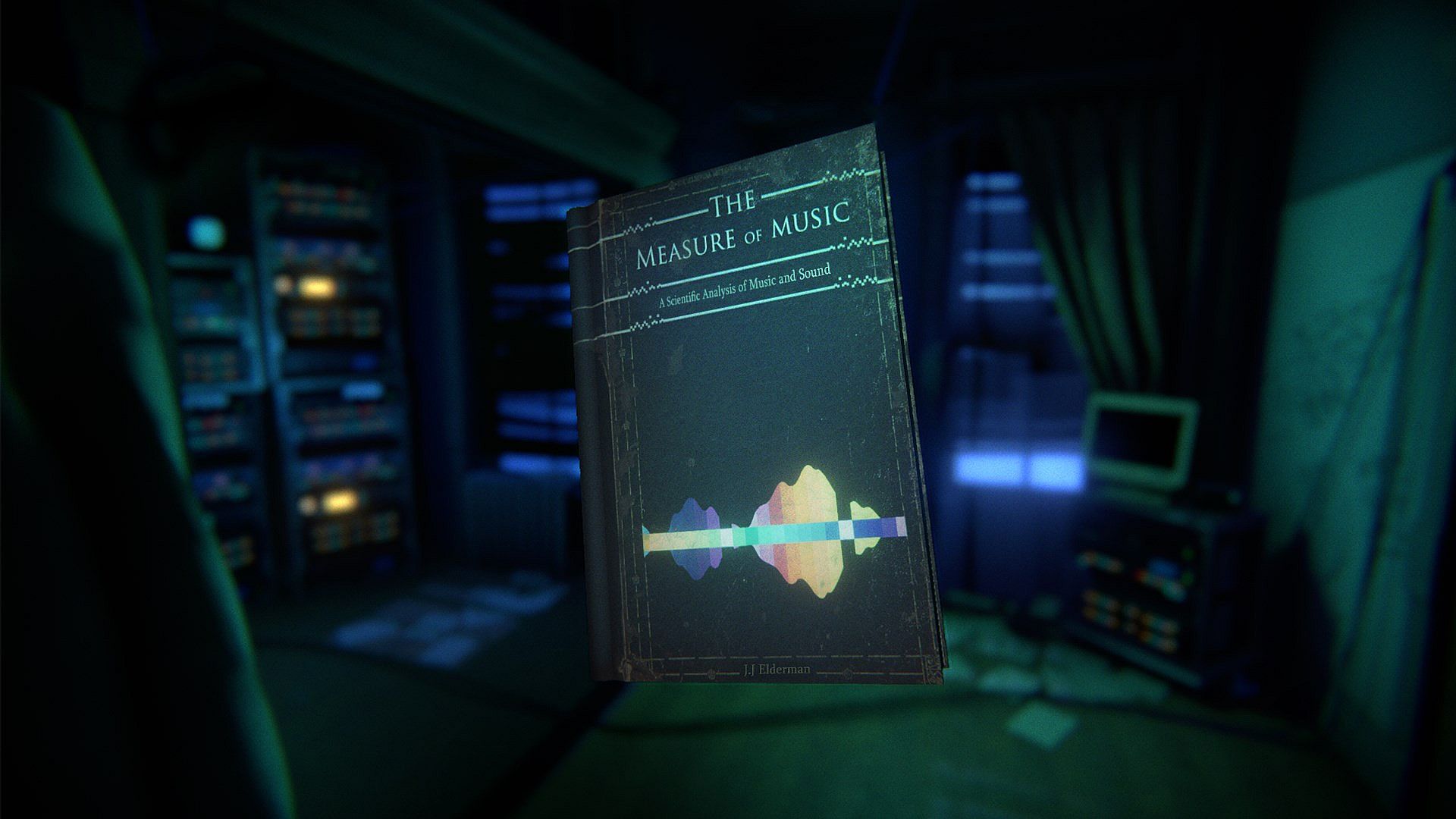
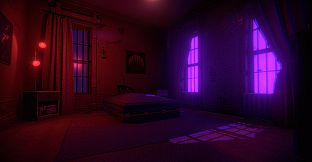
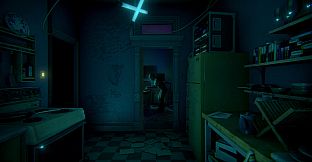
The core loop involves walking through the Hayes family apartment while examining objects, reading notes, listening to audio logs, and interacting with environmental elements. Puzzles often require shifting between three distinct versions of the same rooms, each tied to one family member's perspective. Light switches serve as the primary tool for these transitions, altering colors, layouts, and available items to reveal solutions that span multiple realities. Examples include matching radio frequencies across perspectives or reassembling physical clues visible only in certain states. Sound design plays a key role, with distorted voices and ambient effects heightening tension during exploration. Live-action video sequences integrate directly into the environment to advance the narrative without interrupting the first-person view. Movement remains deliberate and unhurried, emphasizing careful observation over speed or combat.
Game Modes
Transference offers a single-player narrative experience with no separate modes, multiplayer components, or branching campaigns. The entire game unfolds as one continuous story sequence set within the simulated apartment. Players progress linearly through puzzle sections and memory fragments, with optional collectibles such as video files that provide additional context but do not alter the main path or unlock new gameplay styles. The structure supports a focused play session rather than repeated runs or competitive elements.
Narrative and Atmosphere
The story follows the consequences of Raymond Hayes's attempt to upload his family's consciousnesses into a virtual space for preservation. Corruption in the simulation manifests as glitches, blocked areas, and unsettling visions that players must repair by solving perspective-based puzzles. Environmental storytelling reveals details about family dynamics through scattered personal items and recordings. The confined apartment setting creates a claustrophobic feel, with changes in each perspective highlighting differing recollections of the same events. Themes of obsession and fractured relationships drive the mystery without relying on external locations or large-scale action.
Is It Worth Playing?
Transference suits players who enjoy short, atmospheric narrative adventures with light puzzle elements and strong sound design. The experience typically lasts between one and four hours depending on pace and exploration thoroughness. Reception has been mixed, with praise for its unsettling tone and integrated storytelling alongside criticism of its brevity and limited mechanical depth. On Xbox One and Xbox Series consoles, it runs via controller without requiring virtual reality hardware. Availability through services like Ubisoft+ on related platforms can lower the entry cost. Those seeking extended playtime or varied challenges may find the focused scope limiting, while fans of intimate psychological mysteries often appreciate the concentrated delivery and perspective-shifting mechanic. Recent additions to subscription libraries have improved accessibility for those interested in trying the title without a full purchase.