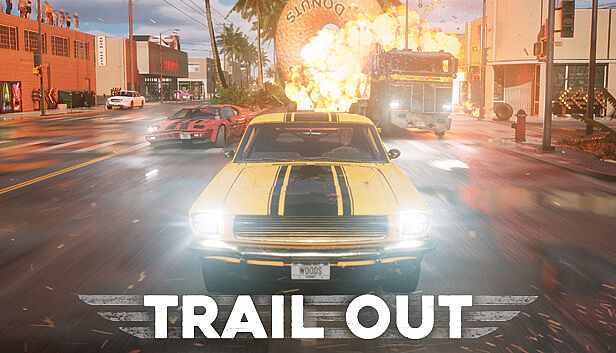


















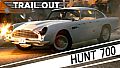
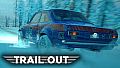

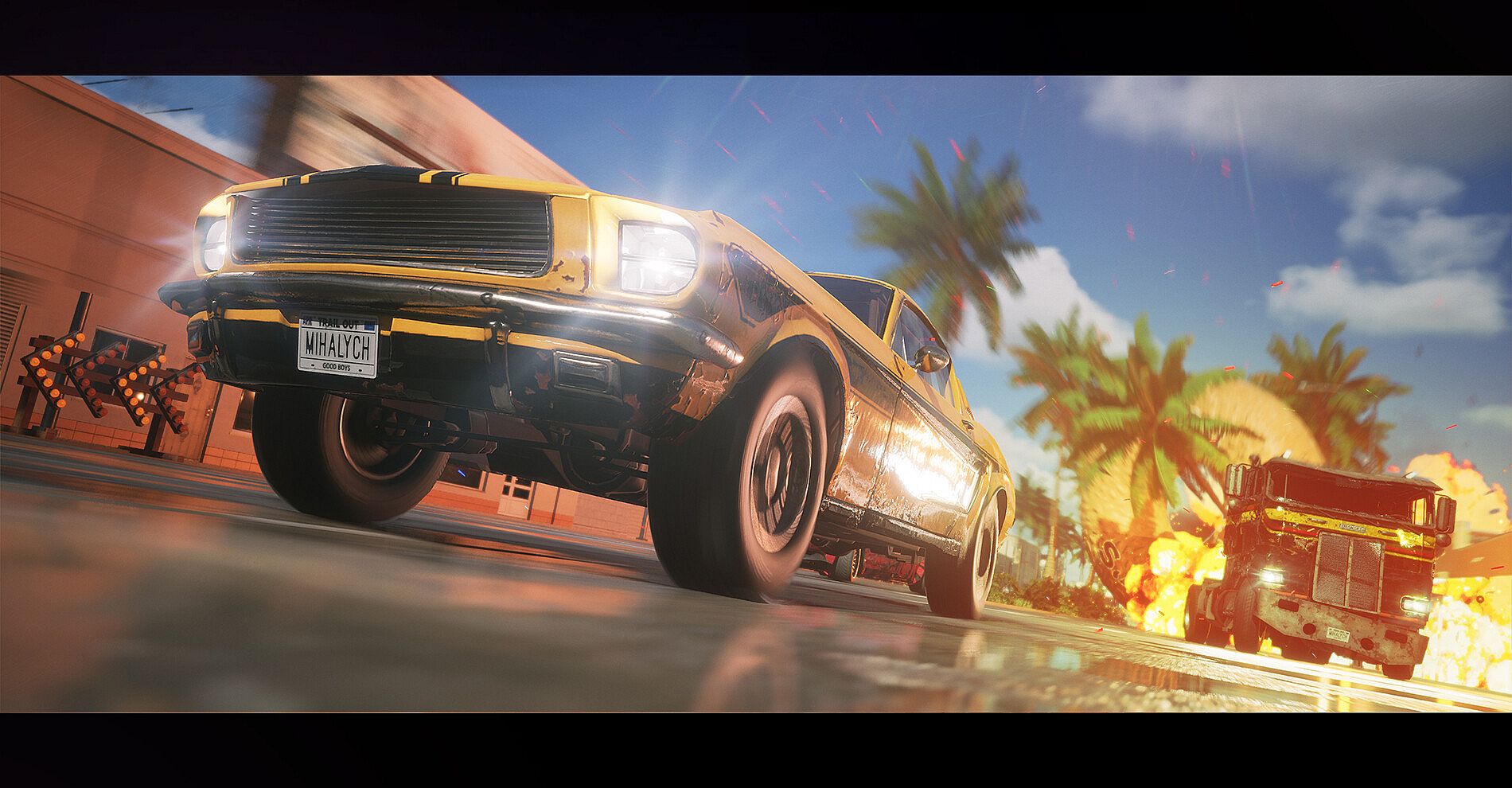
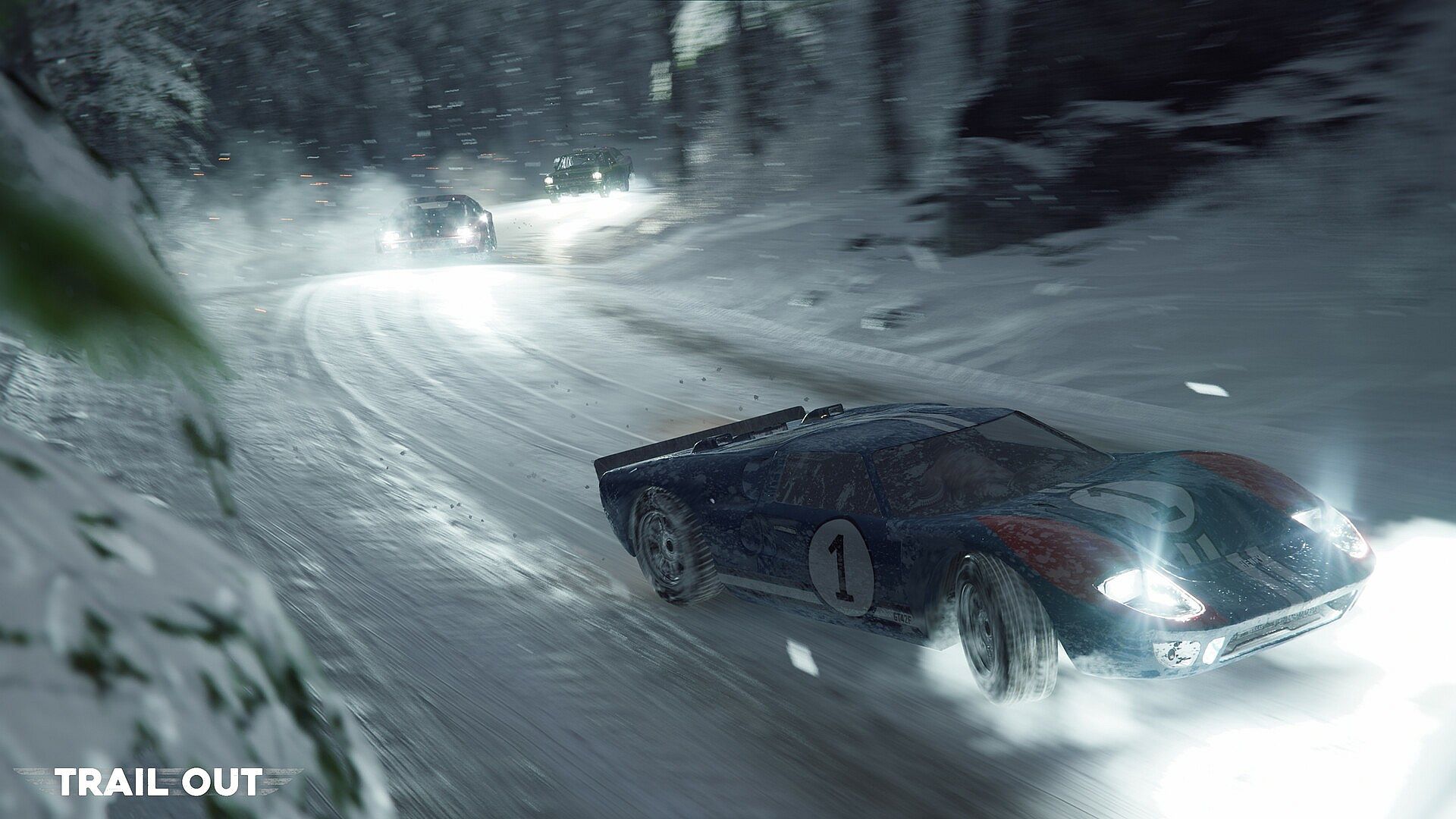
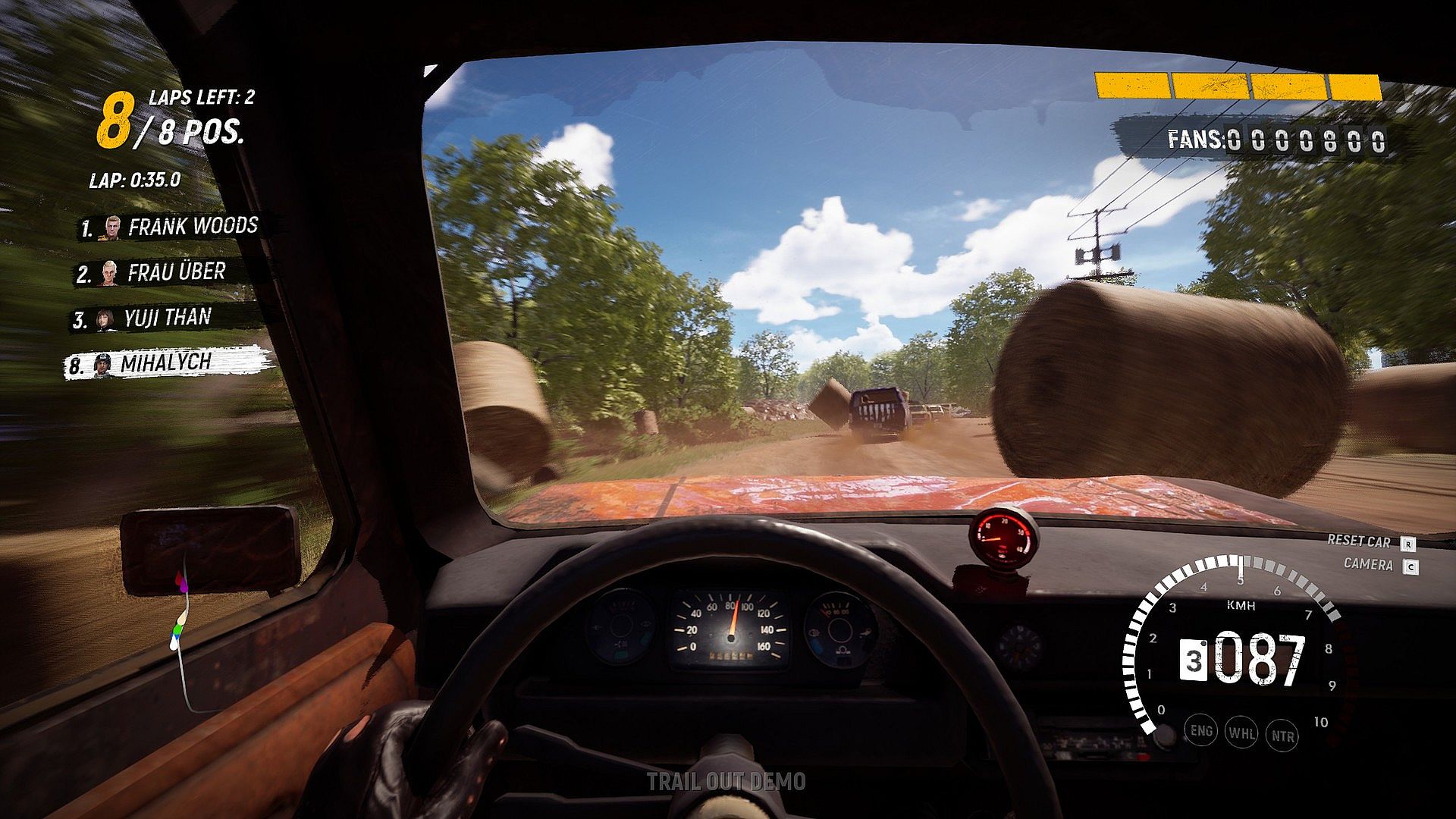
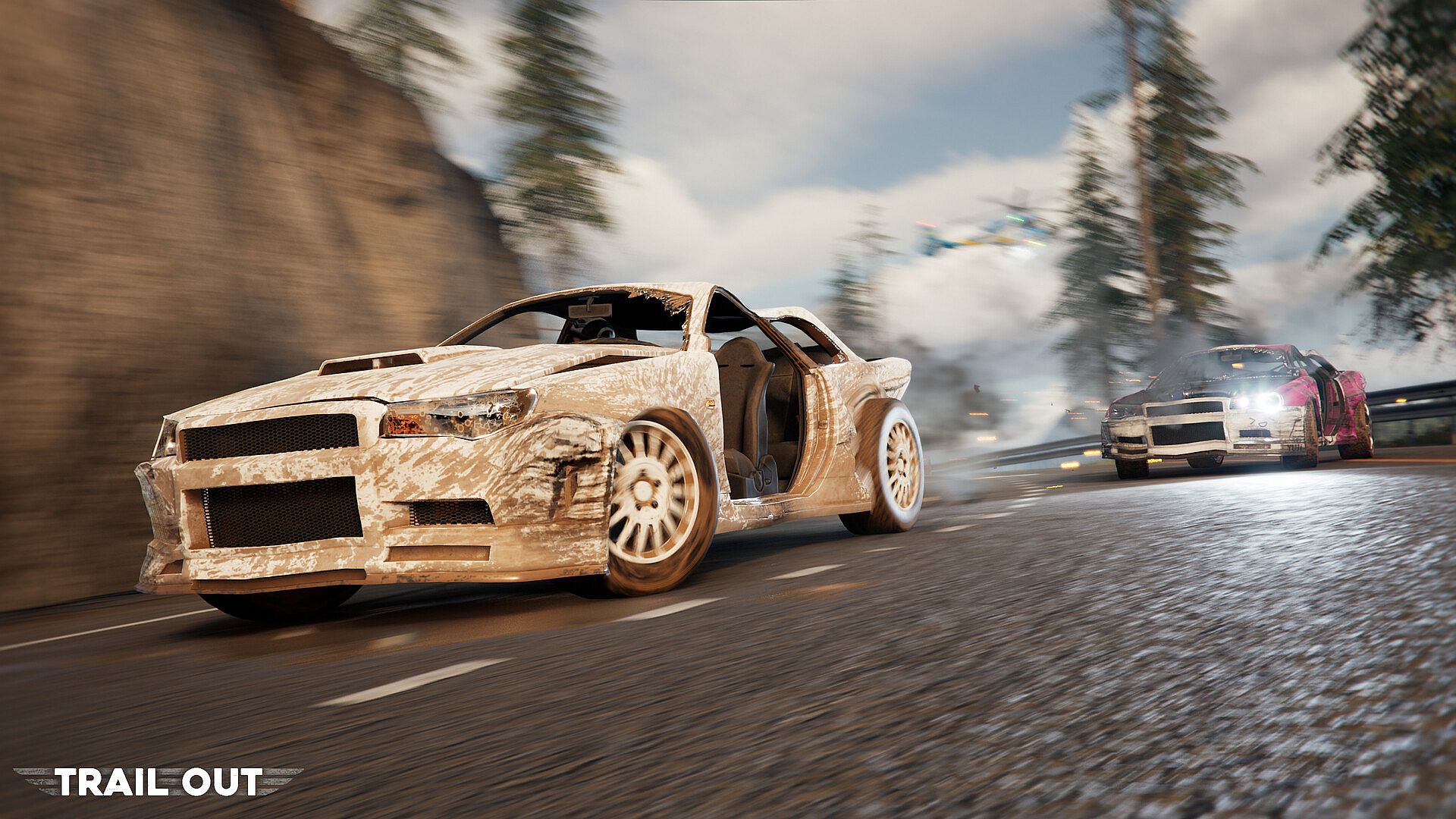
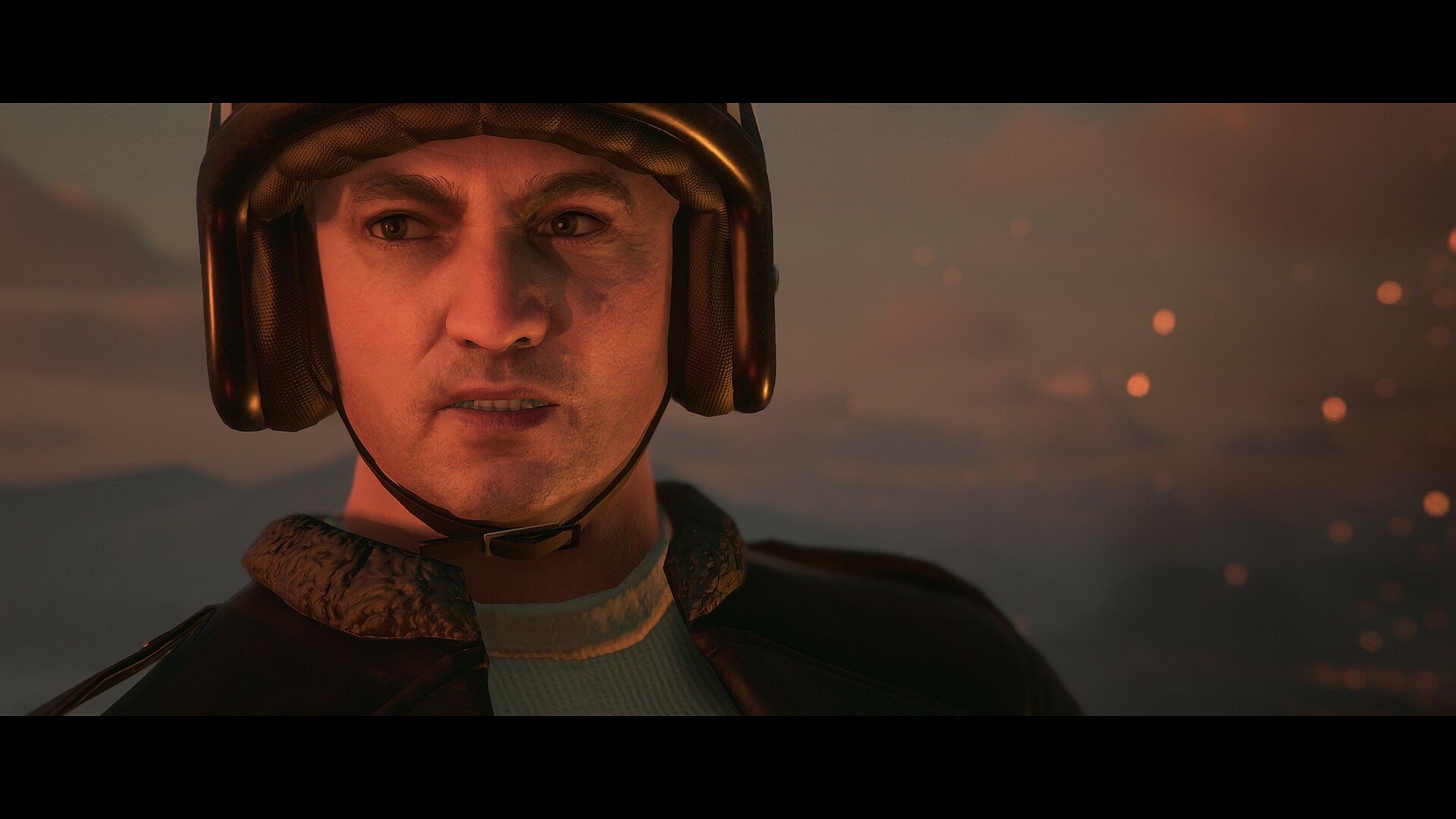
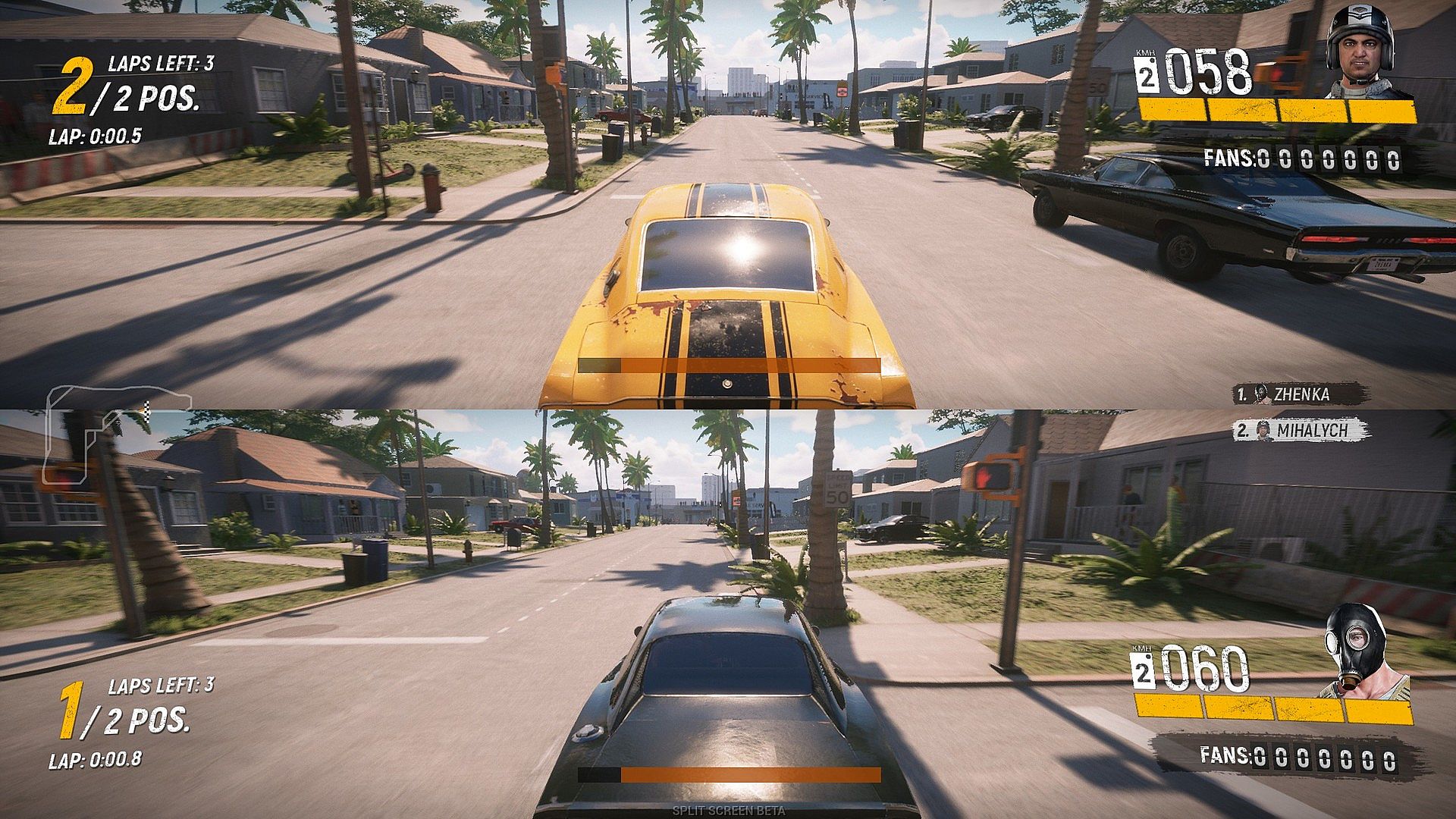
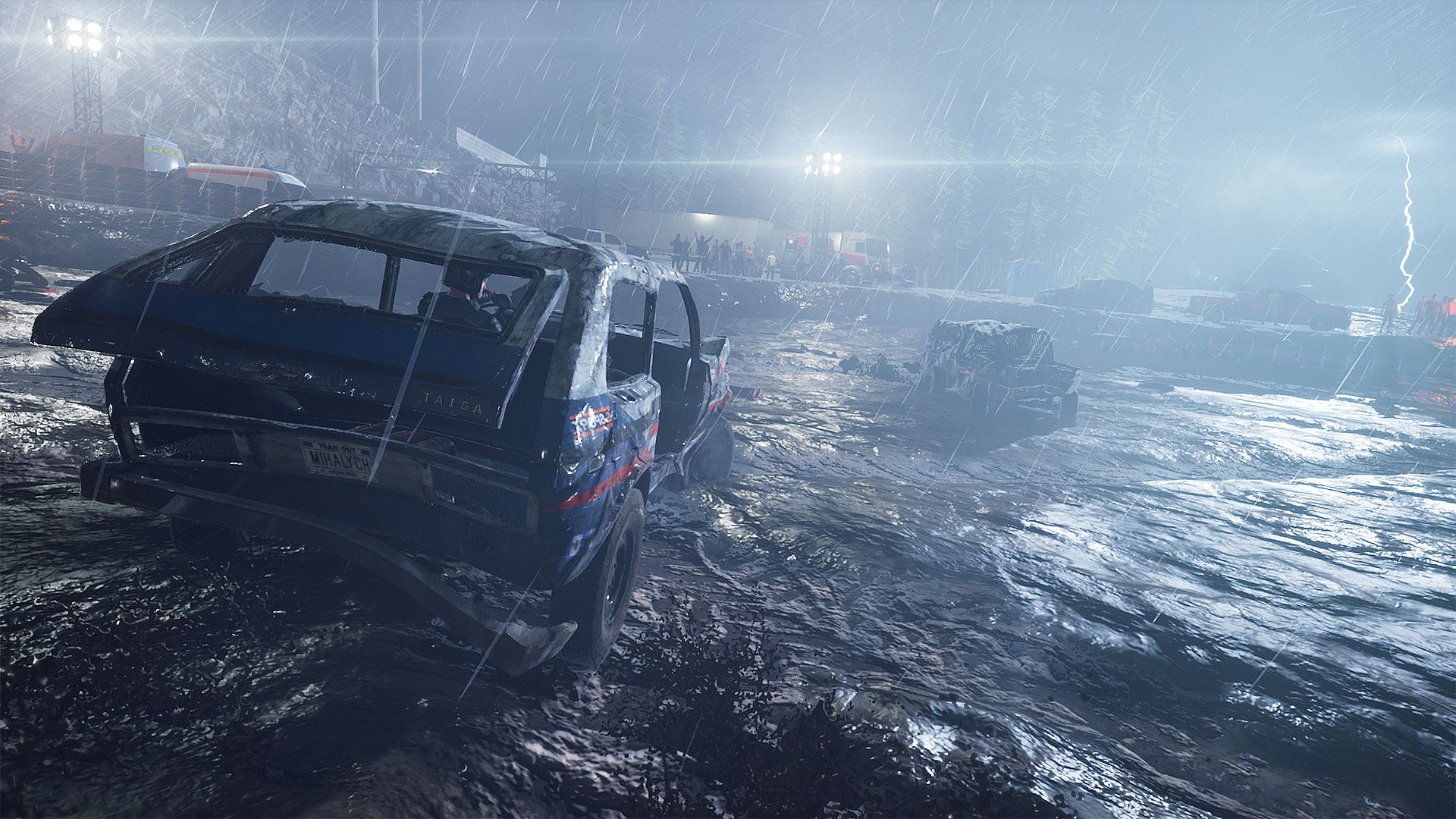
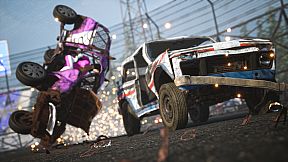
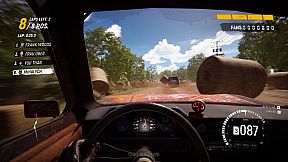
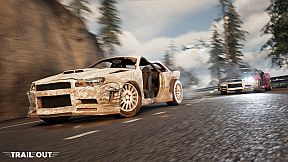
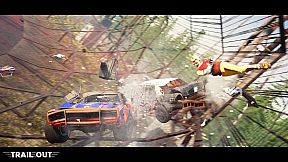
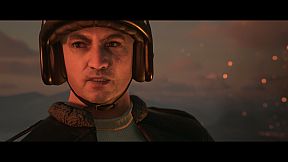

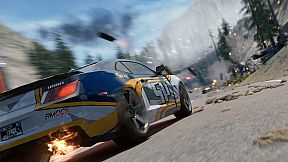
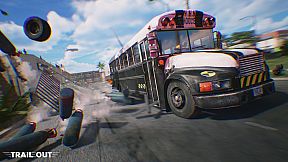

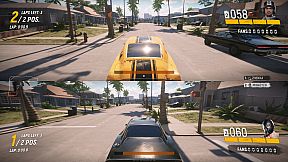
Trail Out is an action racing game that blends high-speed competition with heavy emphasis on vehicle destruction and chaotic track events. Players take control of racer Mihalych in a festival-style tournament spread across dozens of locations worldwide, where the objective centers on reaching the finish line amid exploding cars, airborne wreckage, and intense rival confrontations. The experience mixes single-player career progression with local split-screen support for up to four participants on the same PC or through Steam Remote Play Together.
Gameplay
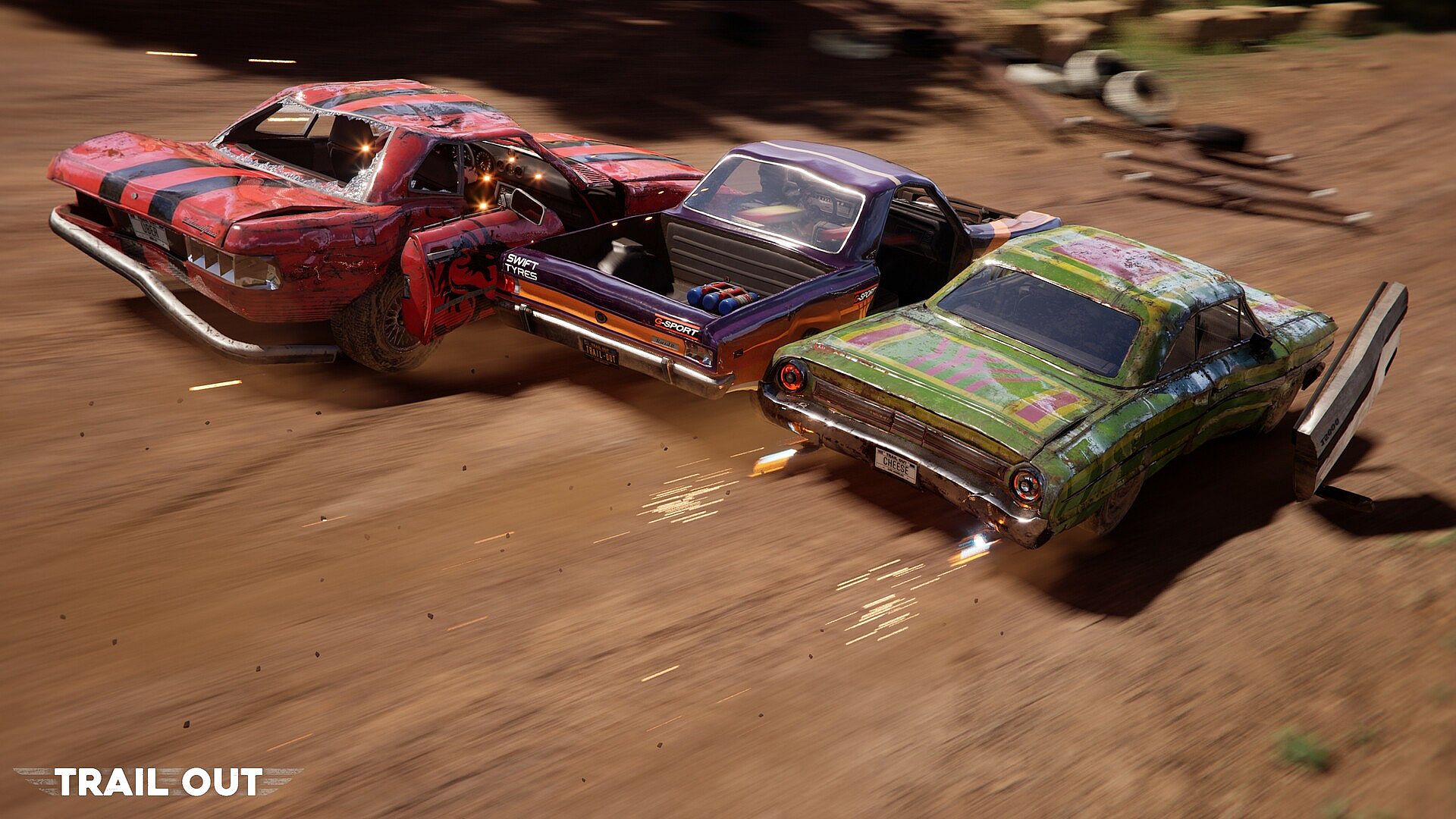
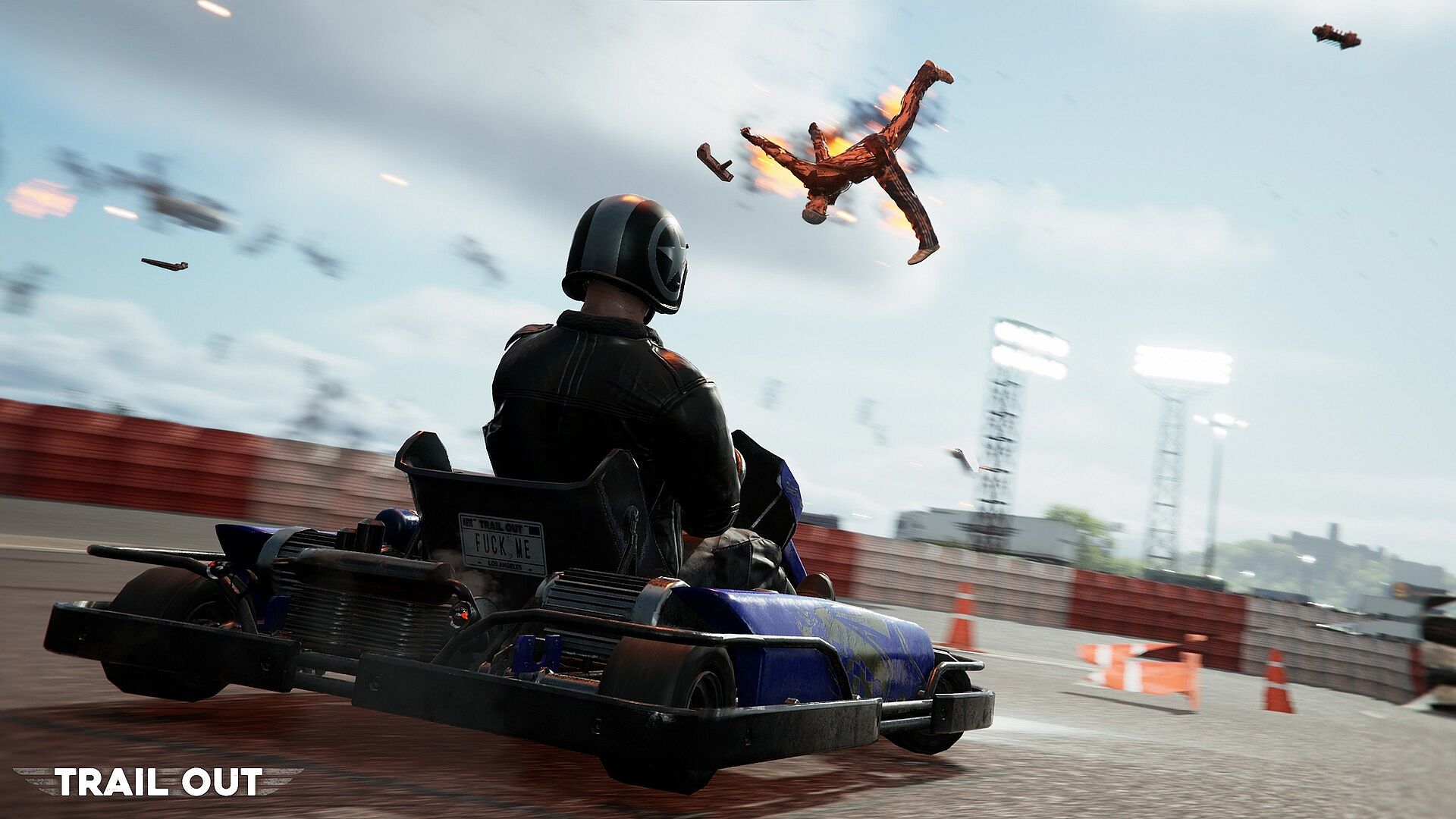
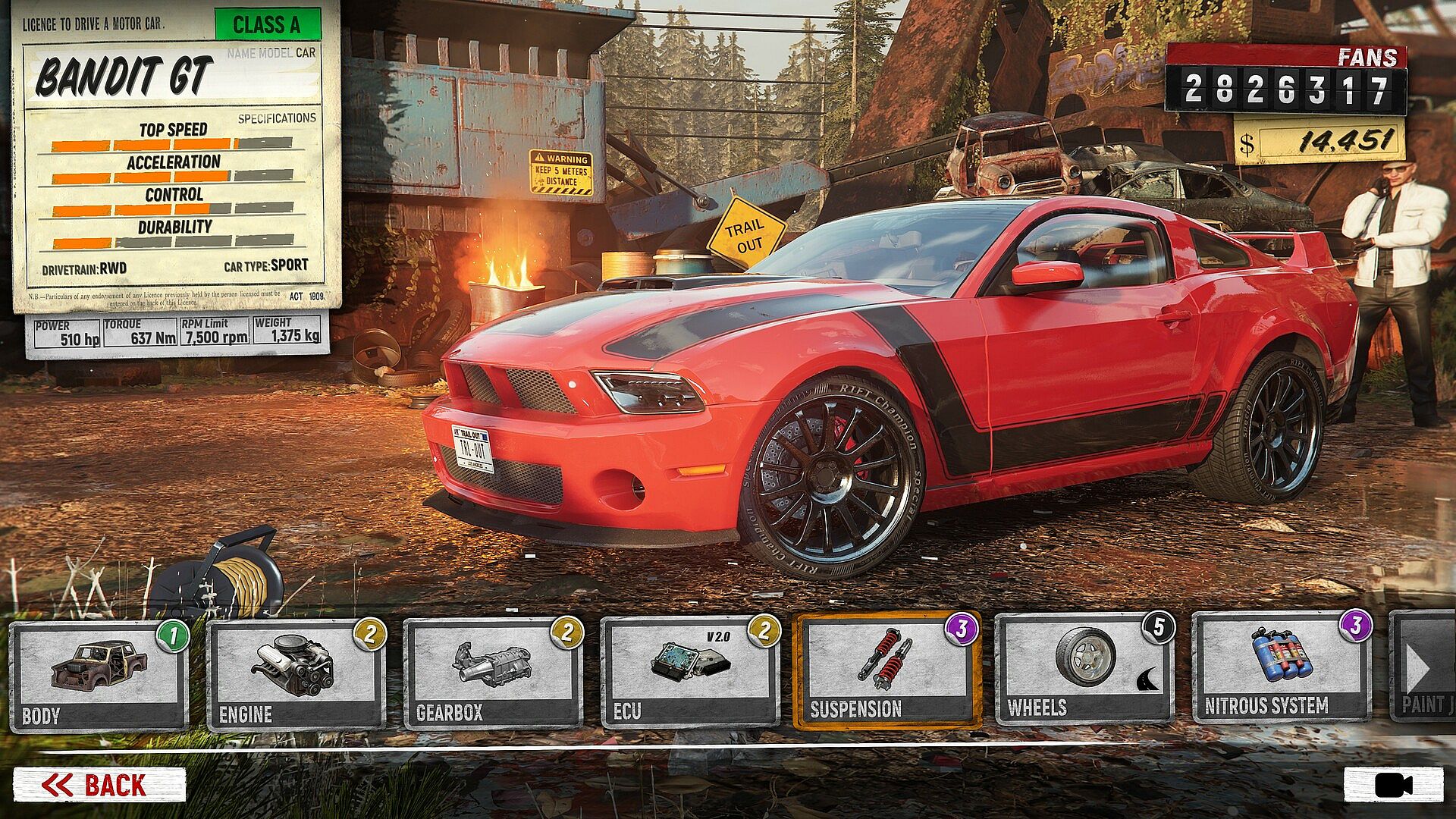
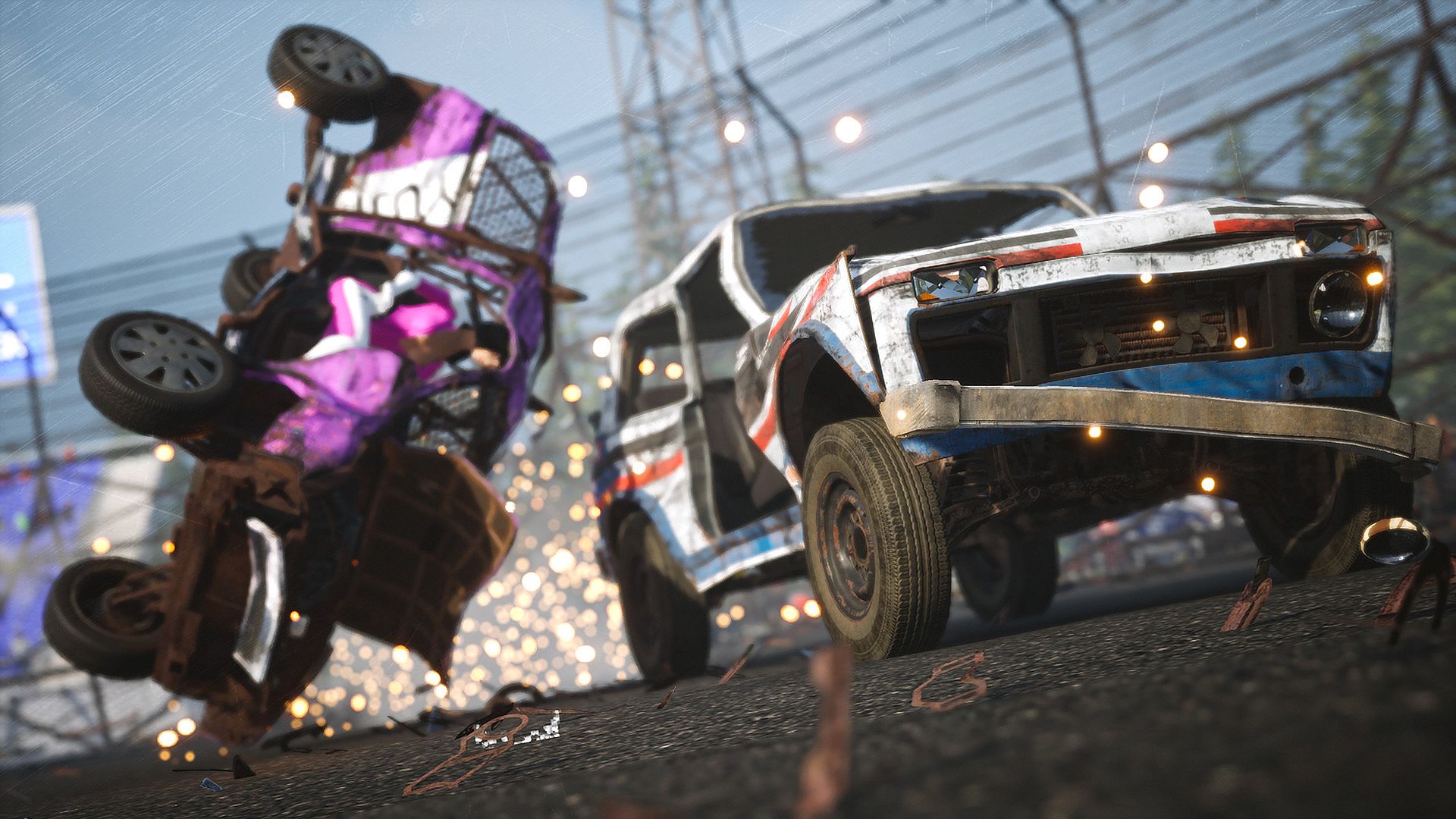
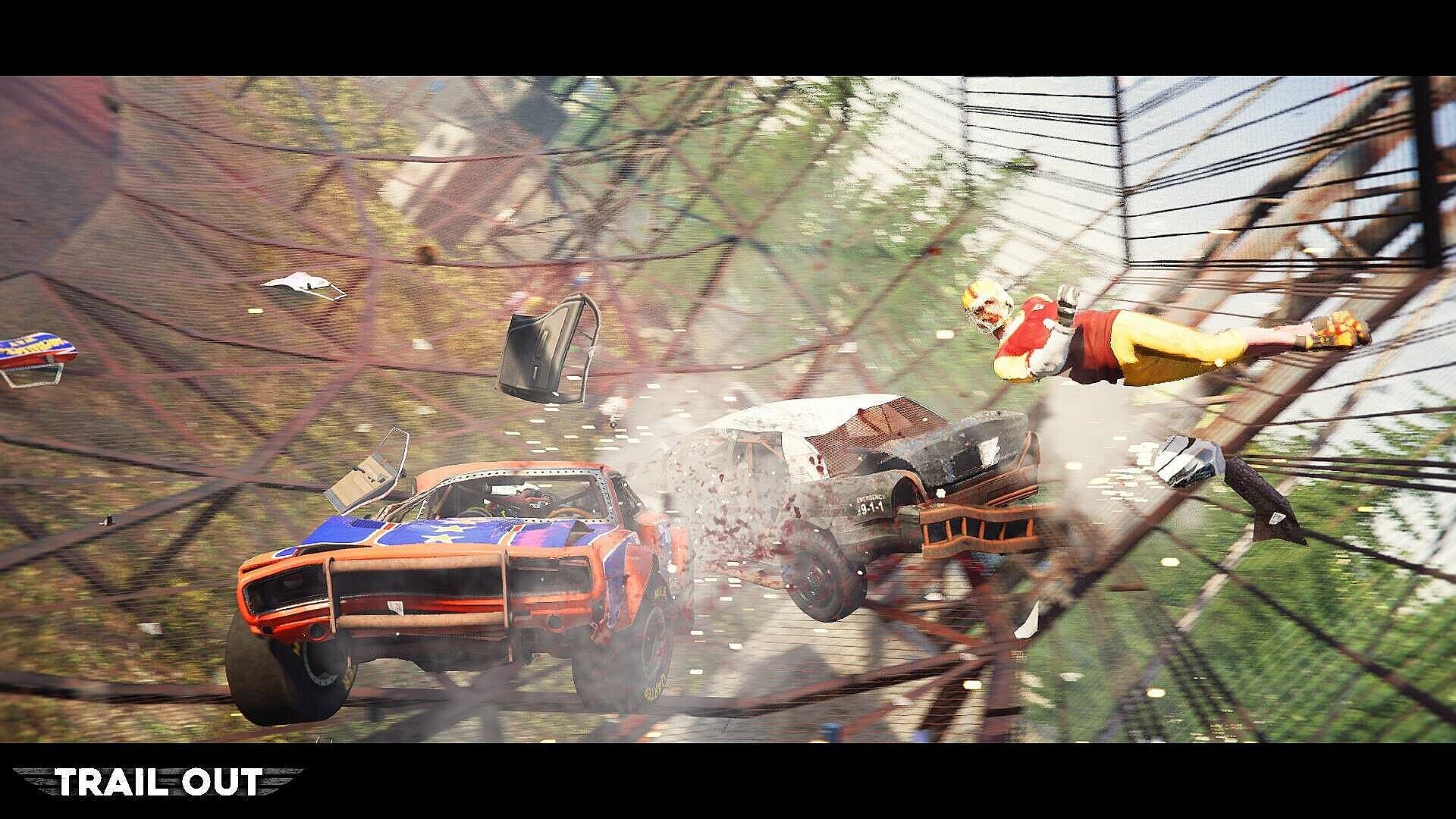
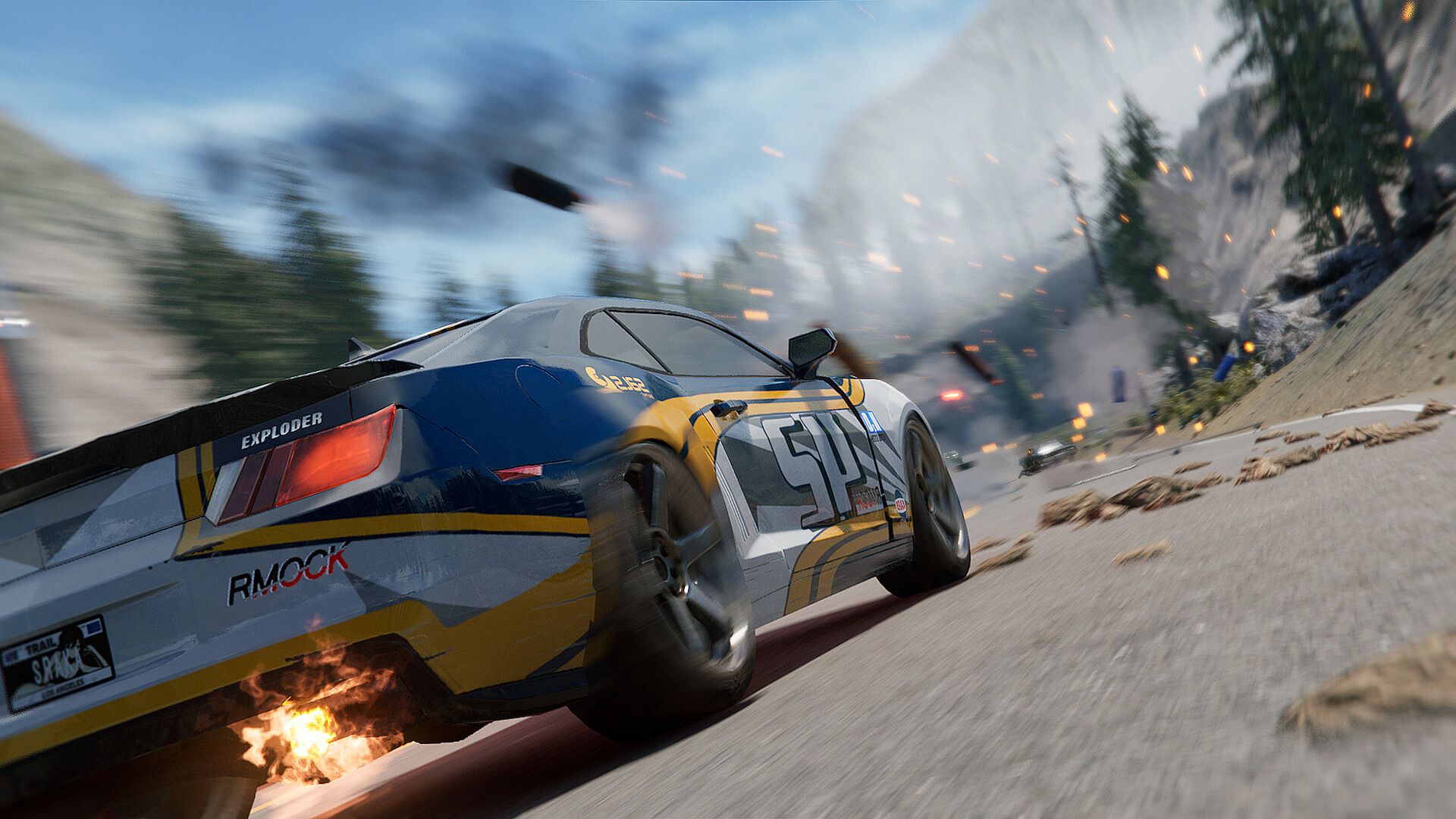
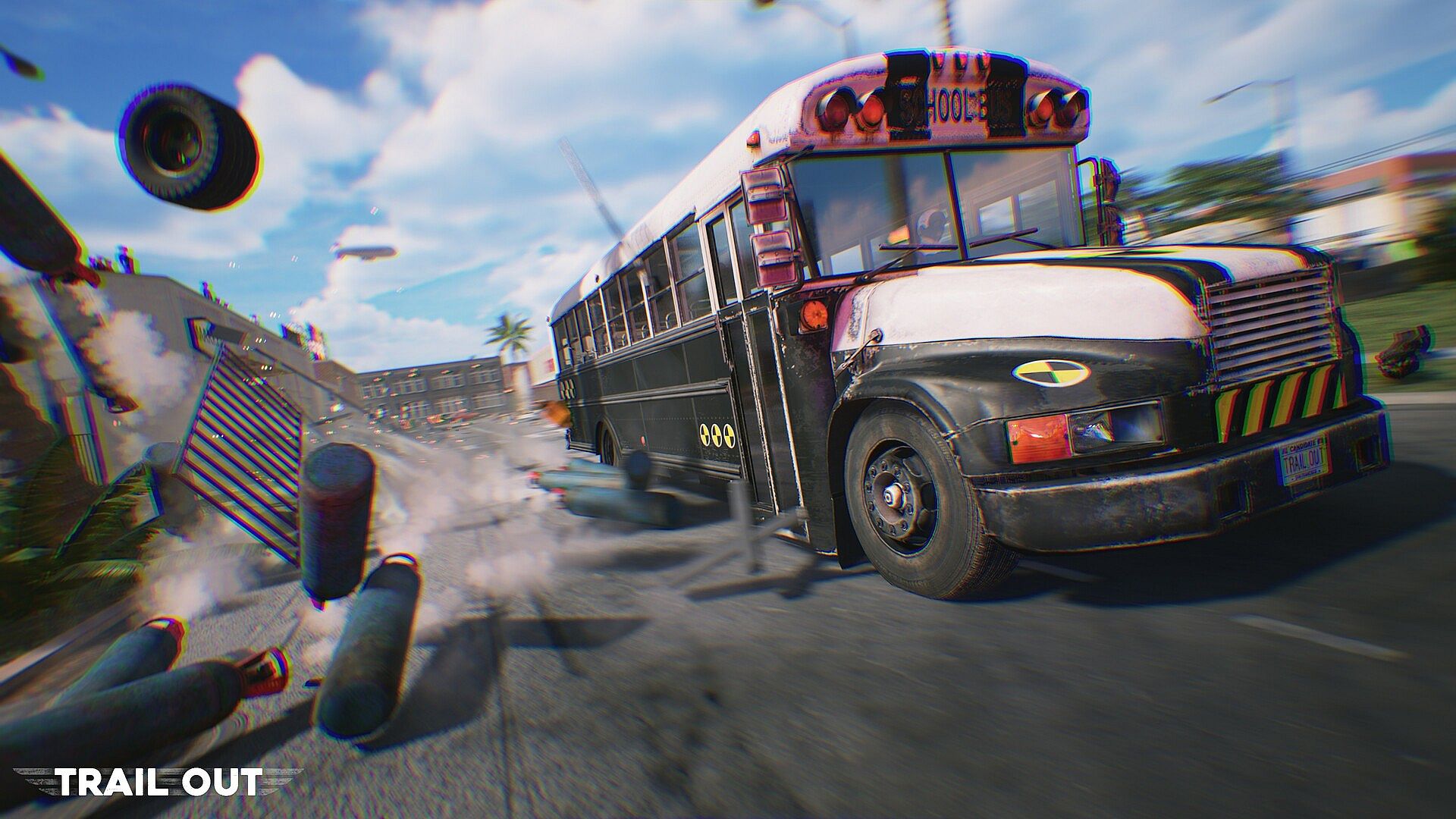
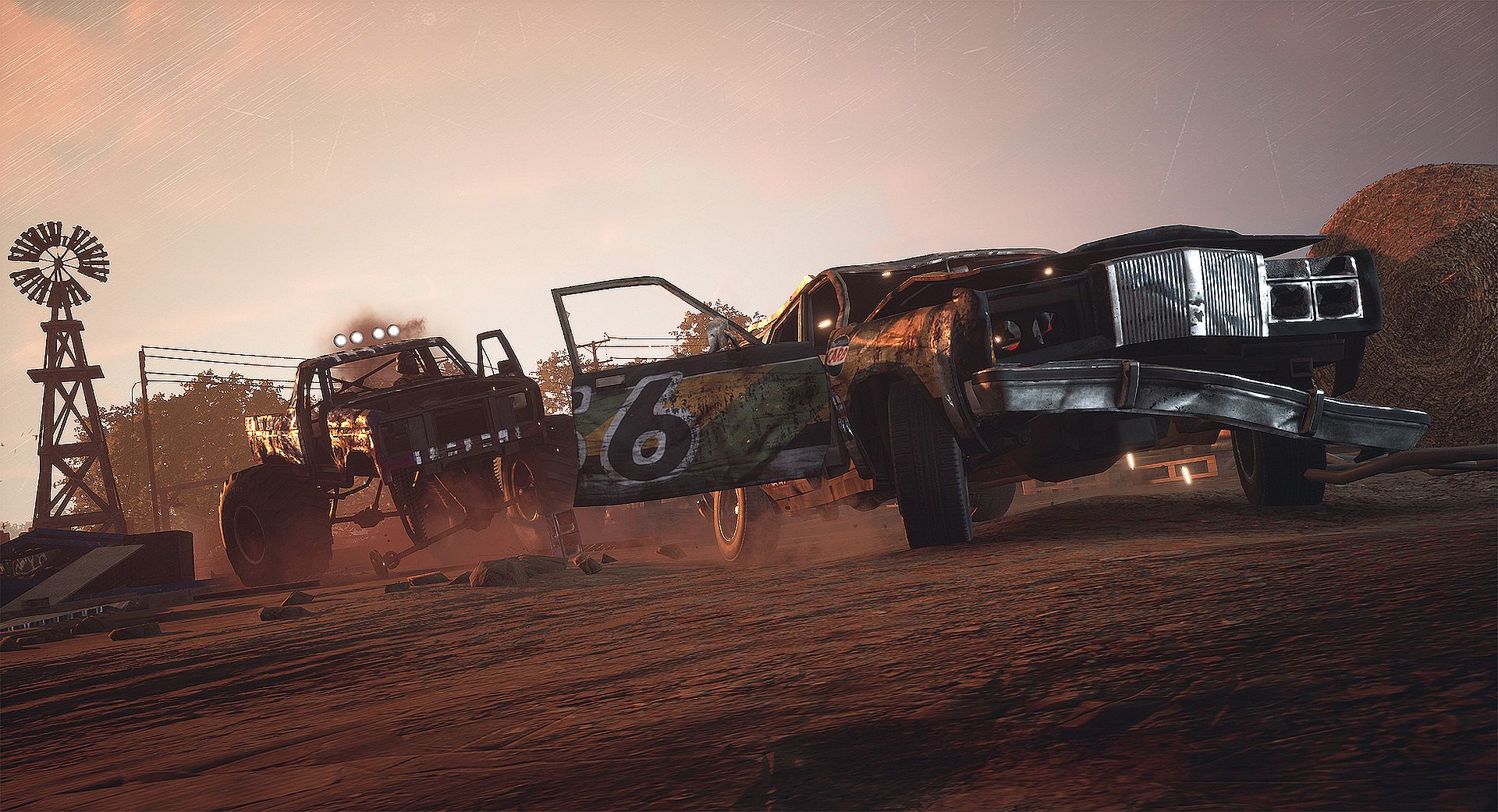
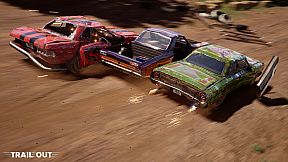
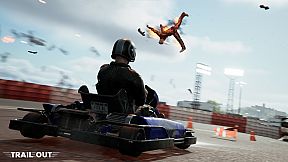
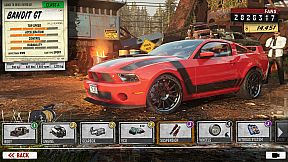
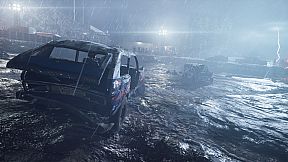
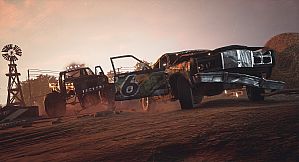
The core loop revolves around building and upgrading vehicles from scrap parts gathered at a junkyard. Players assemble cars across different classes and eras, then refine them through engine swaps, wheel choices, nitrous systems, bodywork adjustments, paint schemes, and license plate customizations. Damage modeling allows cars to lose wheels, eject drivers through windows, or fully detonate during events, creating unpredictable outcomes on every run.
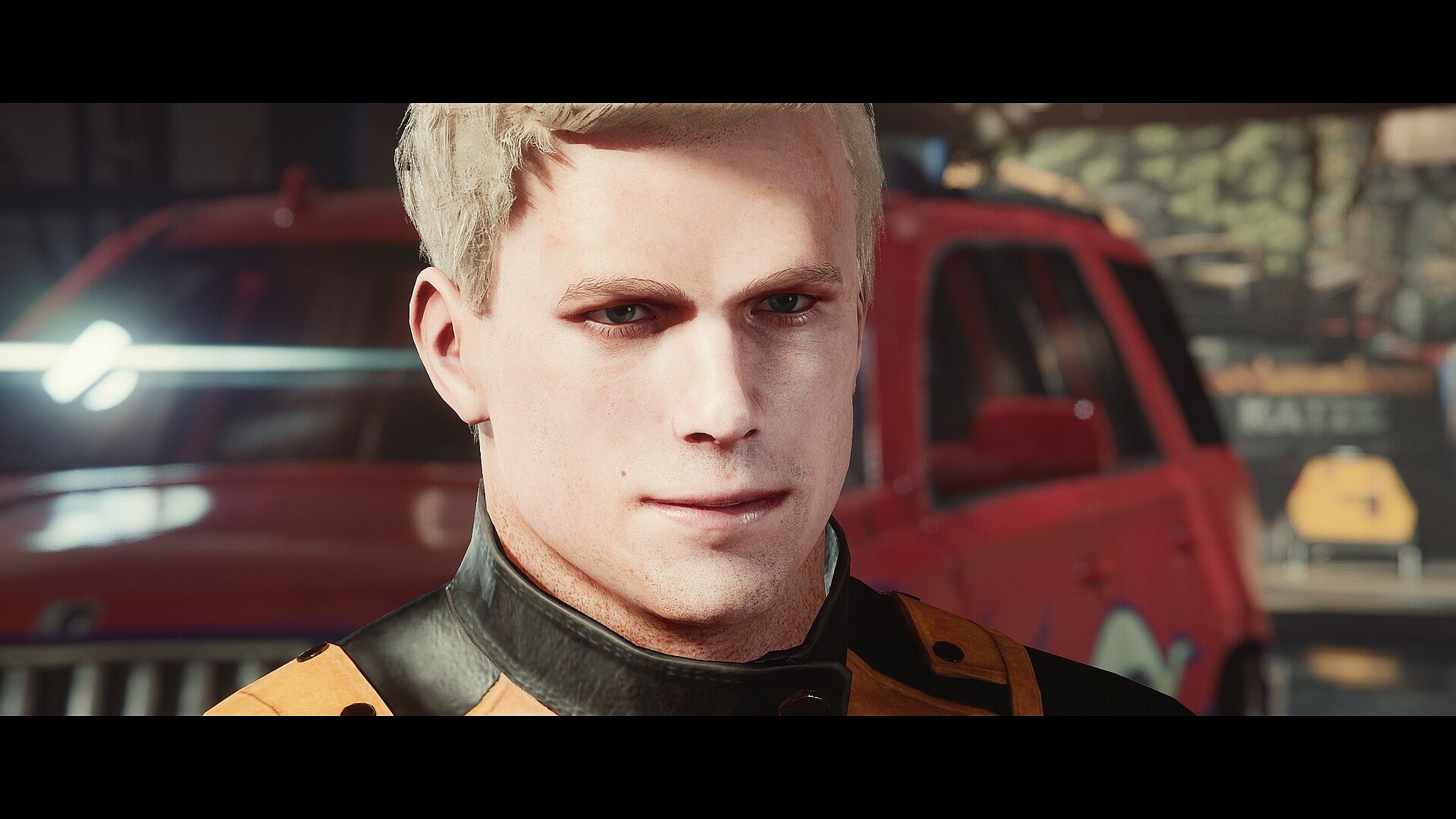
Progression ties directly to fan acquisition through strong finishes and challenge completions, which unlocks additional vehicles and garage improvements. Mihalych's personal appearance can also be altered as the story advances. The campaign follows a straightforward narrative of climbing a blacklist of rival bosses, each confronted in specialized duels that combine racing and demolition elements on their home turf tracks. Physics and visuals run on Unreal Engine 4, supporting customizable graphics settings that maintain performance while delivering detailed destruction sequences.
Local split-screen multiplayer extends the same systems to group play, allowing friends to compete or cooperate in the same sessions without requiring online connectivity beyond the initial setup.
Game Modes
Eight distinct modes provide variety beyond standard circuit racing. Cross events send drivers along tracks that introduce oncoming traffic halfway through, forcing split-second reactions at intersections. Rush focuses on larger layouts where players must clear paths through aggressive opponents to reach the end. Derby Classic pits participants in enclosed arenas until only one vehicle remains intact, while Derby Domination awards points for successful impacts rather than pure survival.
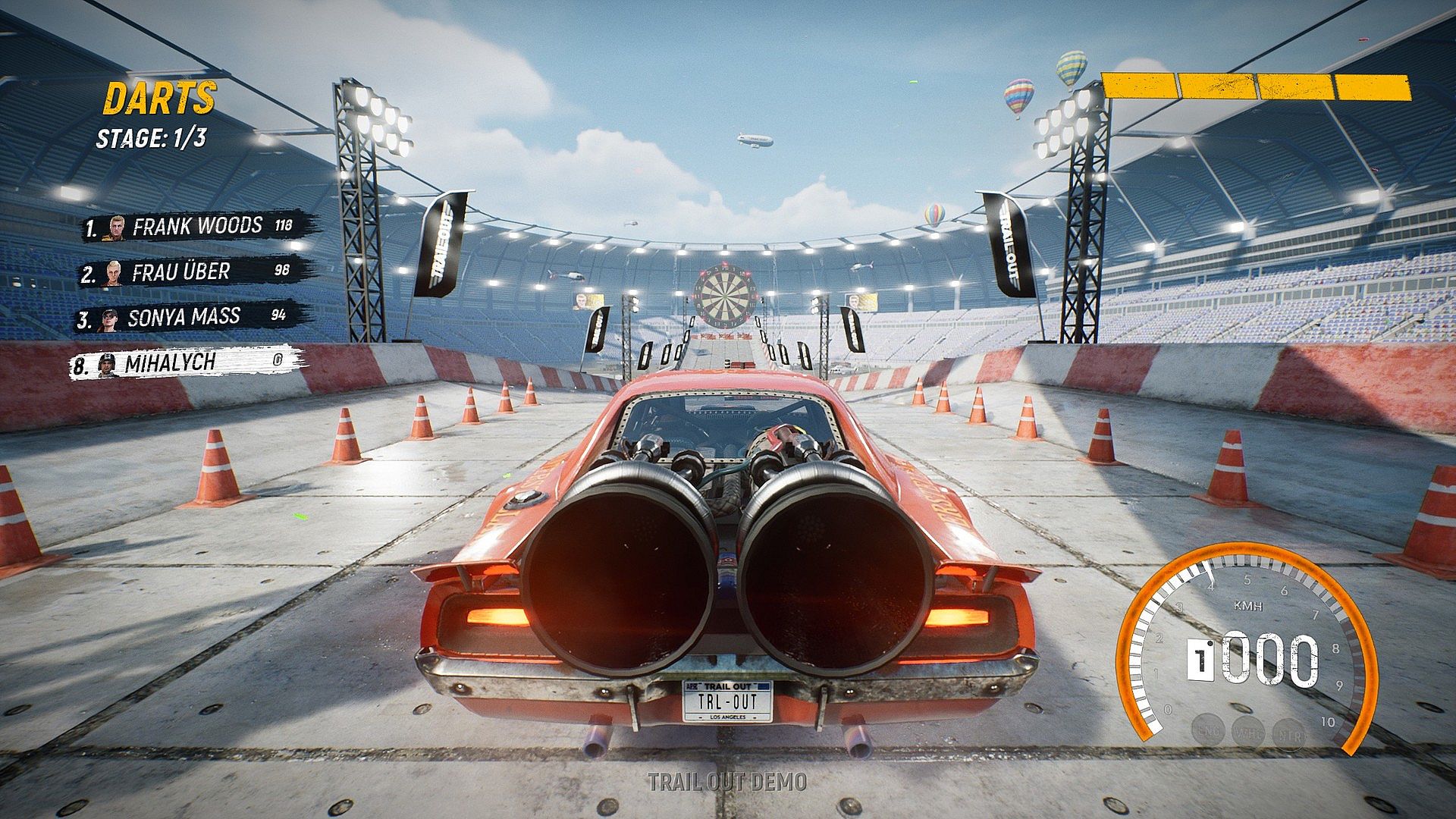
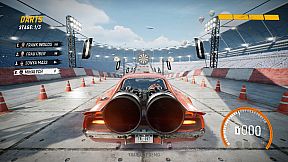
Hunter challenges players to rack up the highest destruction tally against AI or rivals. No Time requires navigating tight timed sections with specialized vehicles. Stunts shift focus to mini-games such as bowling pins, darts targets, or similar precision tasks that often involve launching the driver from the car. Escape adds pursuit pressure from armed aircraft that targets the last-place competitor.
Boss encounters layer additional rules onto these foundations. Catch Me Up demands victory in a tailored race on the rival's signature course, and Derby Duel turns the confrontation into a one-on-one demolition match supported by backup vehicles that increase the hazard level.
An alternative Dead Out mode introduces zombie-themed opposition for a change of pace from standard competition.
Progression and Features
Career advancement requires defeating blacklist bosses in sequence to claim the festival cup. Each victory grants licenses and parts that expand the garage roster toward a total of around fifty cars. World leaderboards track lap times, props destroyed, and other performance metrics for competitive players. Regular updates continue to add content and refinements, including new modes such as Roulette in recent patches that further expand replay options.
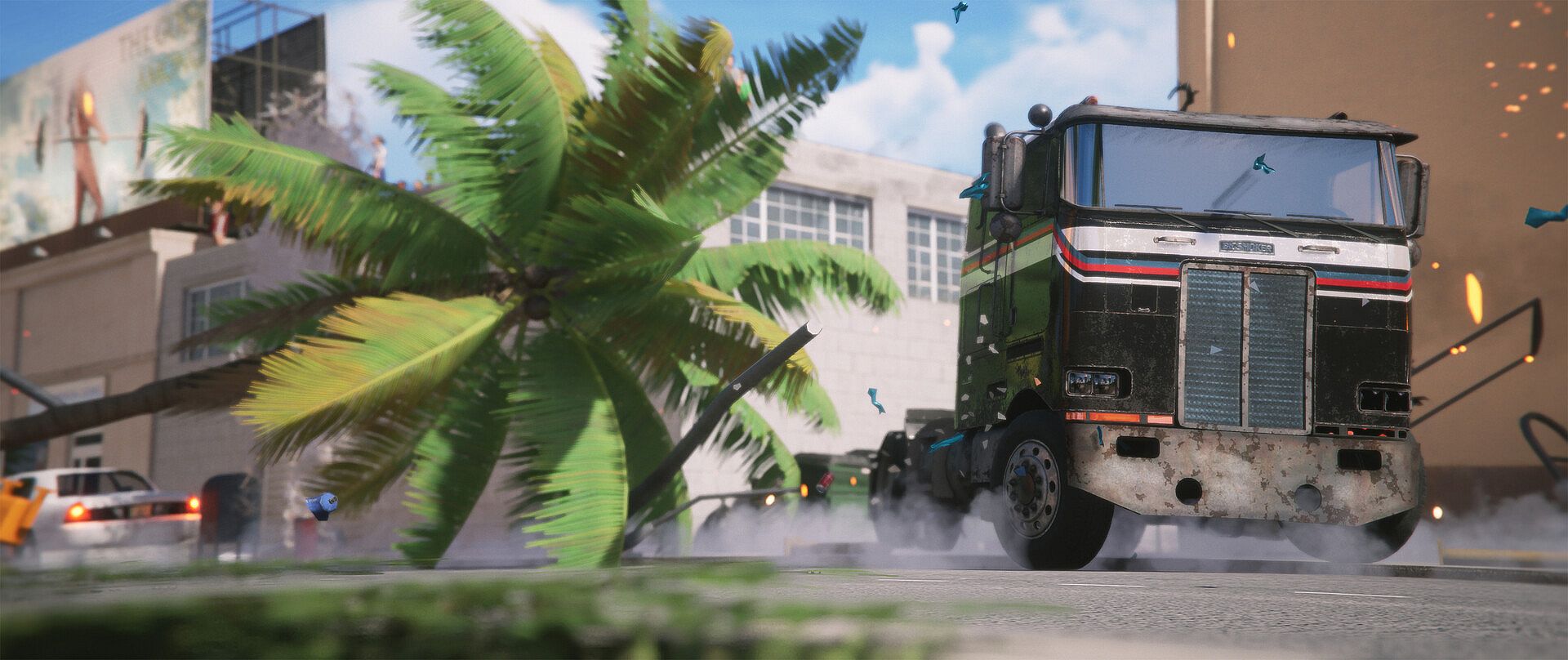
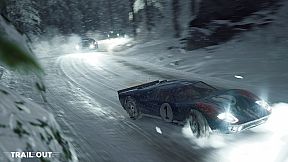
Tracks range from dense urban circuits filled with destructible environments to open derbies and hazardous crossroads layouts. The emphasis remains on physical car-to-car interaction and environmental hazards rather than pure lap racing.
Is It Worth Playing?
Trail Out suits players who enjoy destruction-focused racing similar to classic FlatOut titles or Wreckfest-style demolition derbies. The combination of vehicle building, varied event types, and boss duels creates a self-contained loop that rewards experimentation with builds and aggressive driving. Local split-screen support makes it accessible for couch co-op sessions, while the single-player campaign provides a clear path through the blacklist challenges.
Player feedback remains mostly positive years after release, highlighting the satisfying crash physics and humorous tone, though some note occasional technical hiccups during intense sequences. The game receives ongoing support through patches that improve maps and introduce fresh modes. Those seeking straightforward arcade racing with heavy emphasis on chaos and customization will find consistent entertainment here, particularly in short bursts or group play. If the core appeal of smashing opponents and rebuilding cars aligns with personal tastes, it delivers reliable value without requiring additional purchases beyond the base title.