

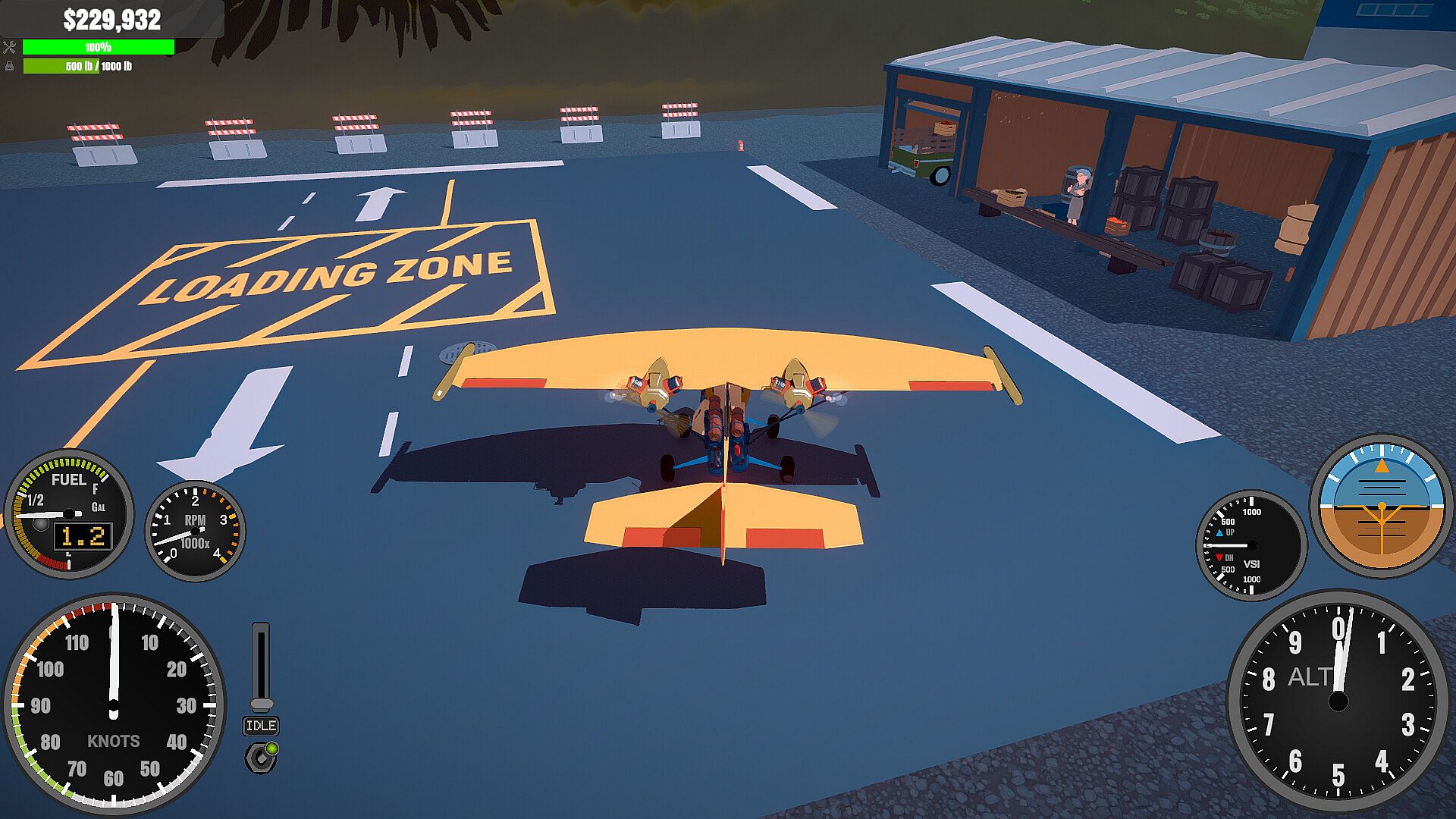
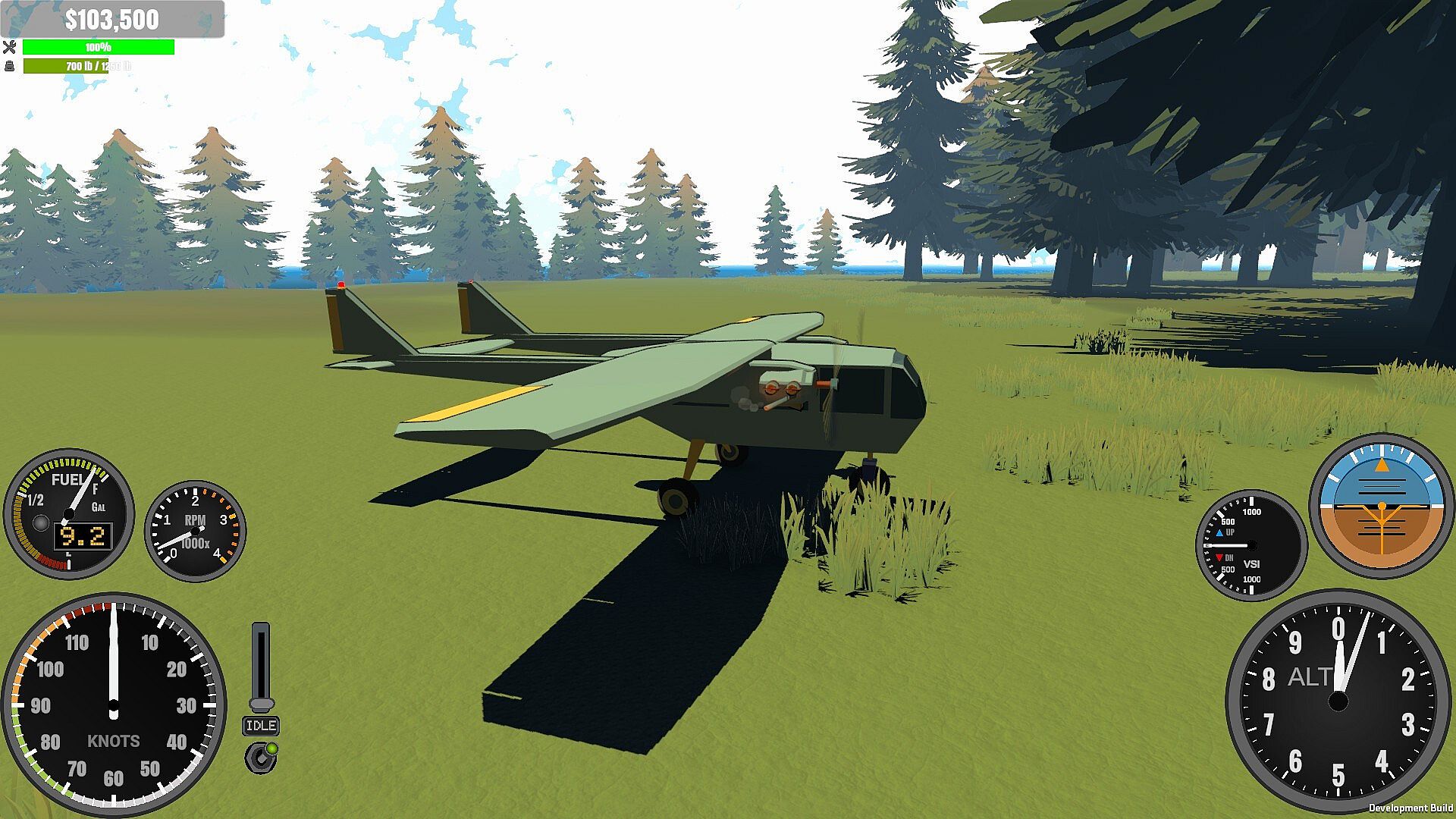
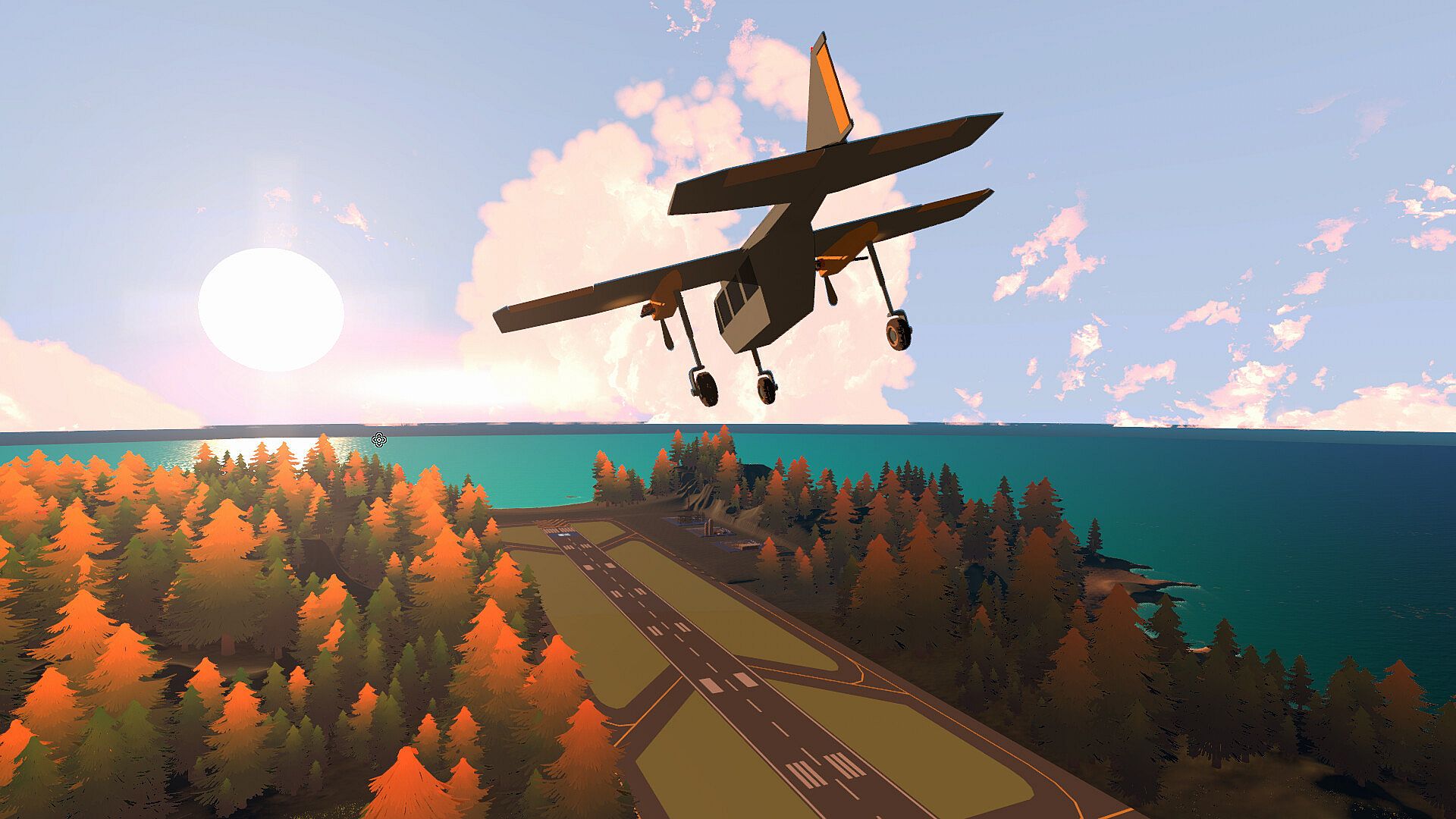
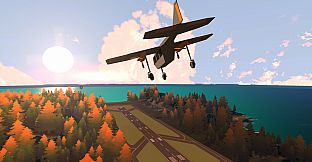
Trade Wings is a single-player casual simulation and adventure game set on PC that puts players in the cockpit of bush planes hauling cargo across a remote island chain. The core loop centers on loading freight, navigating to destinations, executing precise landings on rough strips, and capitalizing on shifting market prices to turn a profit before reinvesting in better aircraft.
Gameplay
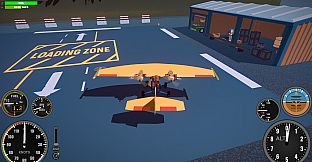
The experience revolves around decision-making at every stage of a flight. Players select cargo loads suited to current island demands, plot routes that balance distance against fuel reserves, and manage the physical challenges of landing on short or uneven runways. Prices fluctuate based on location and time, so a once-profitable run can quickly become unviable while new opportunities emerge elsewhere. Success depends on learning each island's supply and demand patterns and choosing aircraft that match the needs of specific routes.
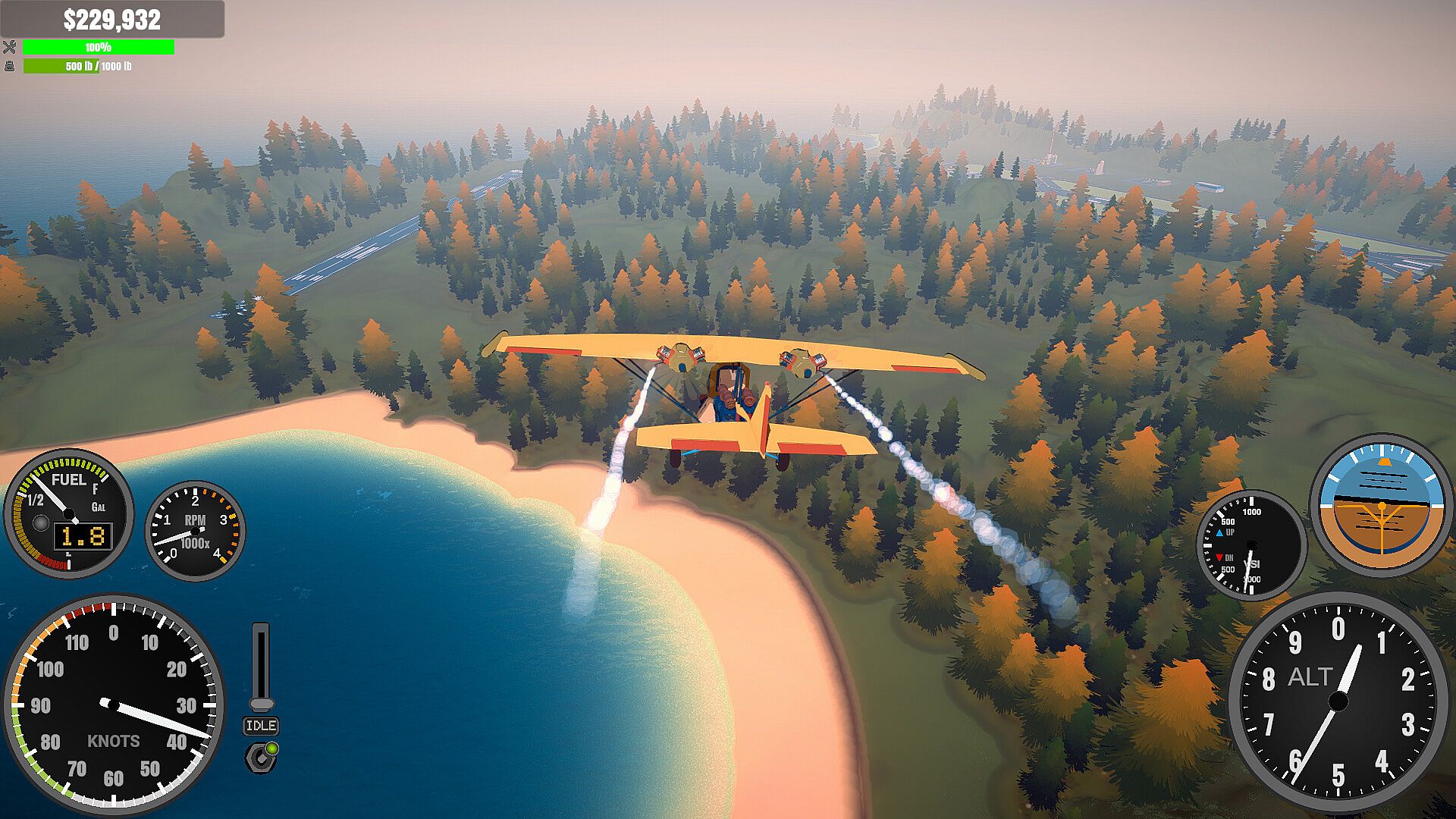
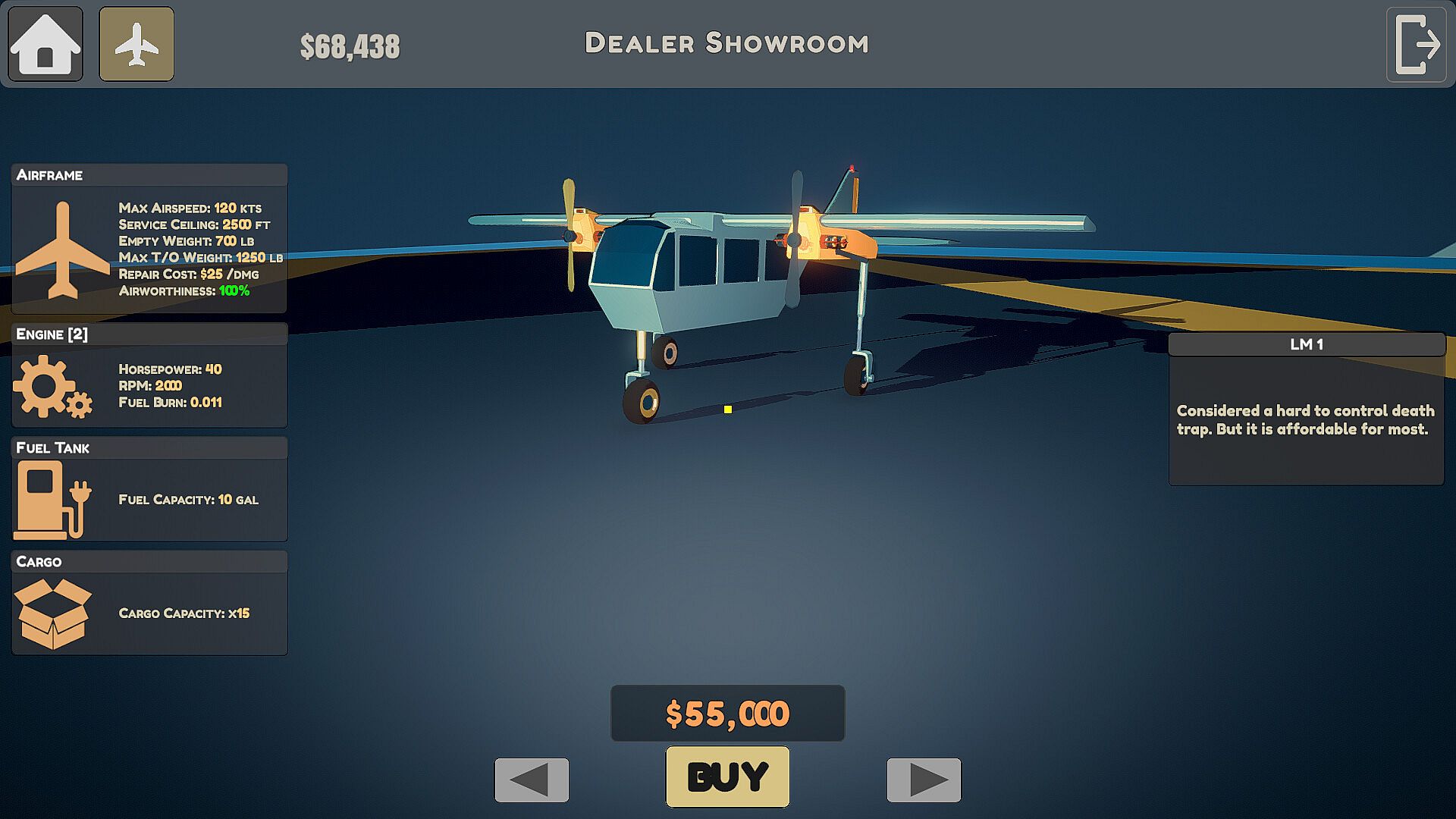
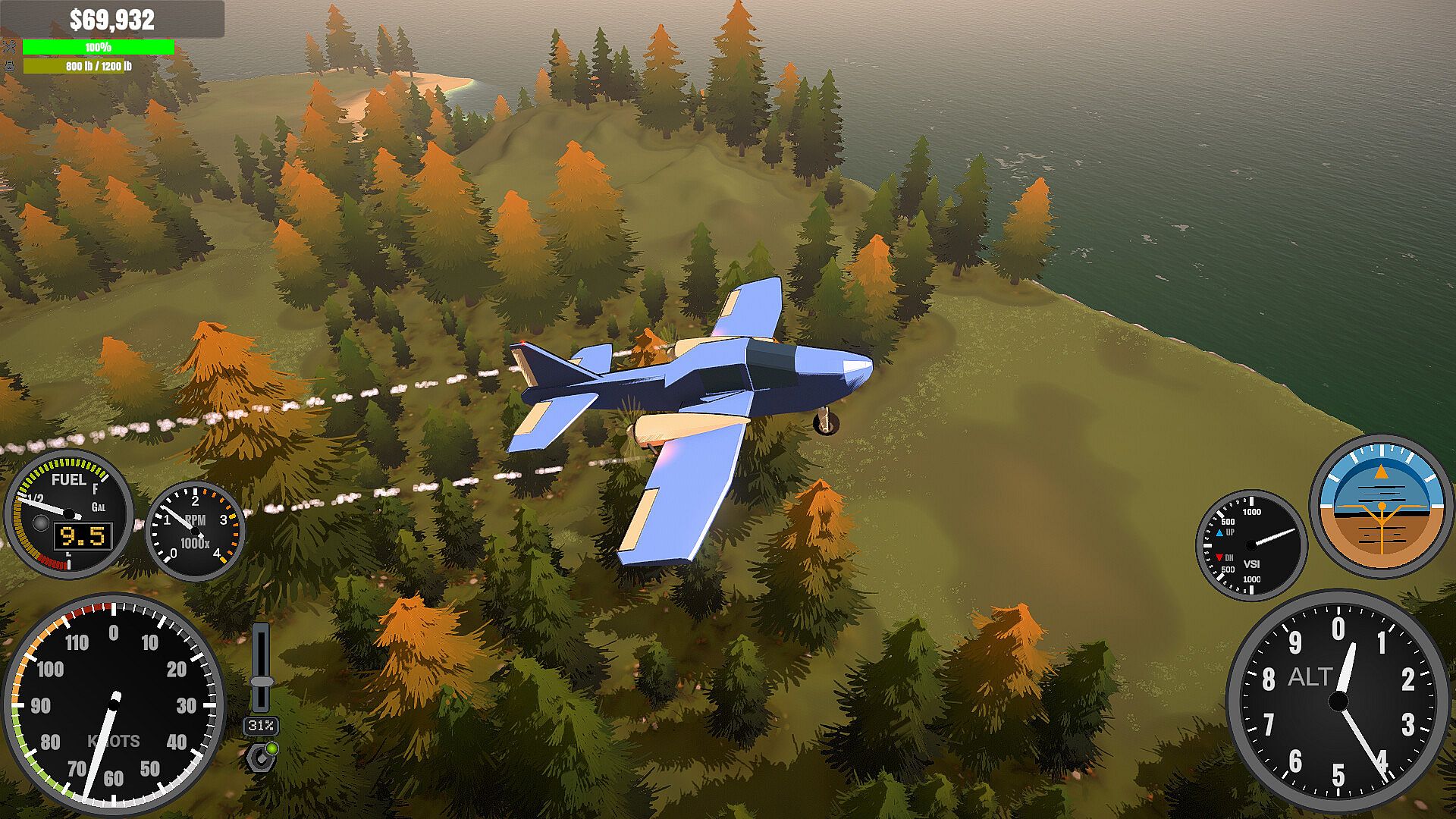
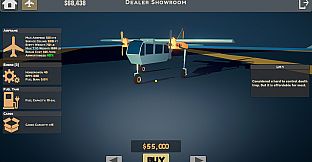
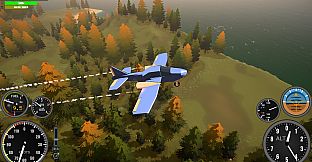
Aircraft upgrades form a key progression system. Earnings from deliveries fund purchases of planes offering greater cargo capacity or range, though each choice carries trade-offs such as reduced maneuverability on tight approaches or higher fuel consumption. The stylized low-poly archipelago encourages low-and-slow flying, with rugged terrain and variable landing conditions testing pilot skill. Controller support emphasizes analog precision for throttle, stick, and rudder inputs, making landings feel earned rather than automatic.
Game Modes
Trade Wings operates as a single-player title with no separate multiplayer or competitive modes listed. The gameplay flows through a continuous career-style loop of cargo runs, market analysis, and fleet expansion rather than discrete named modes. All activity centers on the core transport and trading mechanics across the hand-built island chain, with progression tied directly to earnings and aircraft improvements.
Key Mechanics and Features
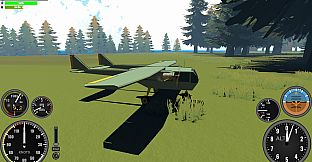
Dynamic pricing creates ongoing strategic depth as players monitor how values change across islands and over time. Rough-strip flying demands careful approach planning and throttle management to avoid overruns or stalls on short final. Fleet building rewards careful route planning because larger planes unlock longer hauls but limit options on smaller strips. The game positions the player as a vital supply link delivering mail, essentials, and goods to isolated outposts with no other access.
Every plane presents distinct handling characteristics that influence route viability. Starting with basic, responsive but limited aircraft leads naturally toward specialized options once profits allow. The low-poly visual style keeps focus on navigation and landing technique instead of high-fidelity detail.
Is It Worth Playing?
Trade Wings targets players who enjoy deliberate, systems-driven simulation without combat or narrative pressure. The combination of physical flying challenges and economic decision-making suits those who appreciate managing risk on each flight and optimizing a growing fleet over repeated runs. Because the game remains in a coming-soon state with no released version or player reviews available, any assessment rests on the described mechanics alone. Enthusiasts of cargo management, procedural route planning, and precise low-speed handling will likely find the loop engaging once it launches, particularly with a gamepad for the analog controls the experience emphasizes.