







Traces of Ink is a single-player RPG adventure game set during the Tang Dynasty under Empress Wu Zetian. Players follow the story of a destitute orphan who enters the noble Chi household as a guard after a dramatic rescue, only to face exile to Lingnan following a political conspiracy. The experience centers on a choice-driven narrative that unfolds across a vast timeline filled with personal relationships, hidden motives, and survival decisions amid a backdrop of corrupt officials and shifting alliances.
Gameplay
The core loop revolves around traveling a long exile route from Dingzhou through Luoyang and Yangzhou down the Yangtze River to Lingnan. Along the way, players encounter changing seasons, crowded markets, and dangerous roads while managing interactions with a large cast of characters. Key figures include Uncle Li with his concealed background, the constable Lao Jiu, the tavern keeper Third Madam Wu, the riddle-leaving wanderer Changming, and the sharp-eyed Xiao Lai. These encounters build through everyday moments that deepen unspoken bonds and reveal layered backstories tied to the era's political turmoil.
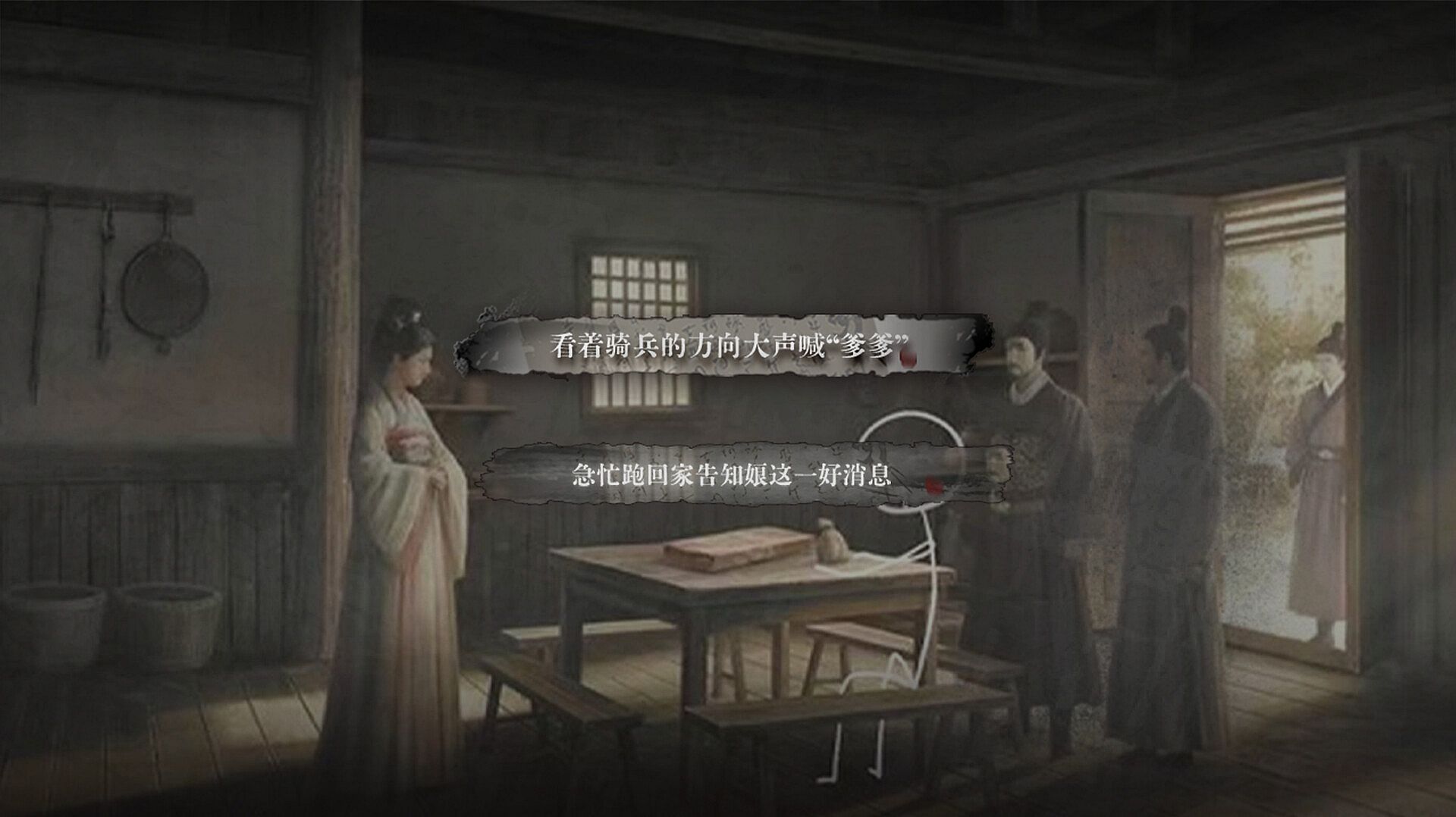
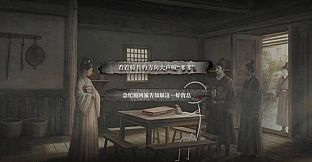
Hand-drawn character sprites and full-screen CGs illustrate every significant scene without any AI assistance. The art style emphasizes emotional detail in expressions and environments, preserving pivotal moments in a dedicated gallery for later review. Story progression depends on decisions made during conversations and events, where players weigh options such as staying silent to avoid conflict, confronting threats directly, or seeking clever escapes from traps woven into the journey.
Game Modes
Traces of Ink operates as a single continuous narrative experience shaped entirely by player choices. The system creates branching paths that lead to more than twenty distinct endings, the majority of which result in negative outcomes. A misstep in dialogue or action can trigger sudden ruin, while careful attention to clues and character relationships opens routes toward more favorable conclusions shared with companions. No separate multiplayer or competitive modes exist; the focus remains on replaying the single-player story to explore different combinations of decisions and uncover additional layers of conspiracy beneath the prosperous surface of the dynasty.
Story and Setting
The plot draws from historical events recorded in the Zizhi Tongjian, centering on the downfall of Wei Xuantong and the subsequent exile of the Chi clan. Players navigate this world as the protagonist whose life has been marked by hardship since birth. Early survival through odd jobs in alleyways gives way to a sense of belonging in the noble household, only for fate to intervene once more. The journey south highlights both the harsh realities of exile and quiet moments of connection that form amid the dust and wind of travel.
Supporting characters carry their own unresolved obsessions and histories that intersect with the main path at critical points. Some depart with final smiles, while others leave lingering questions that influence later choices. The narrative maintains a long, multi-layered structure that rewards attention to subtle details about the tyranny of cruel magistrates and the broader conspiracies affecting the realm.
Is It Worth Playing?
Traces of Ink targets players who enjoy deep, choice-heavy visual novel experiences within an RPG adventure framework. Its strength lies in the combination of hand-crafted art, an extensive cast, and a high number of endings that encourage multiple playthroughs to achieve different outcomes. The single-player format delivers a focused story without distractions from online elements or additional modes. Those drawn to historical settings, character-driven drama, and the tension of survival decisions amid political intrigue will find the structure rewarding, especially if they value careful navigation of consequences over fast-paced action. With its planned release in Q3 2027 and emphasis on original artwork, the game positions itself for audiences seeking thoughtful narrative depth rather than broad accessibility features.