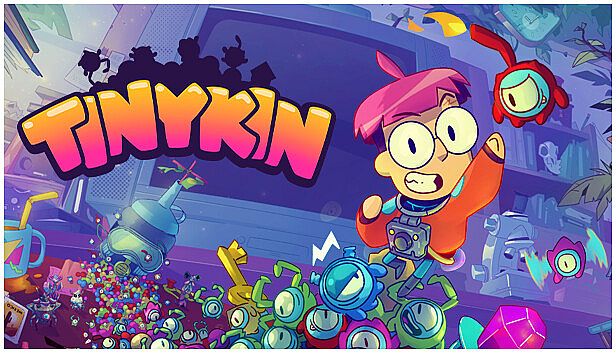




















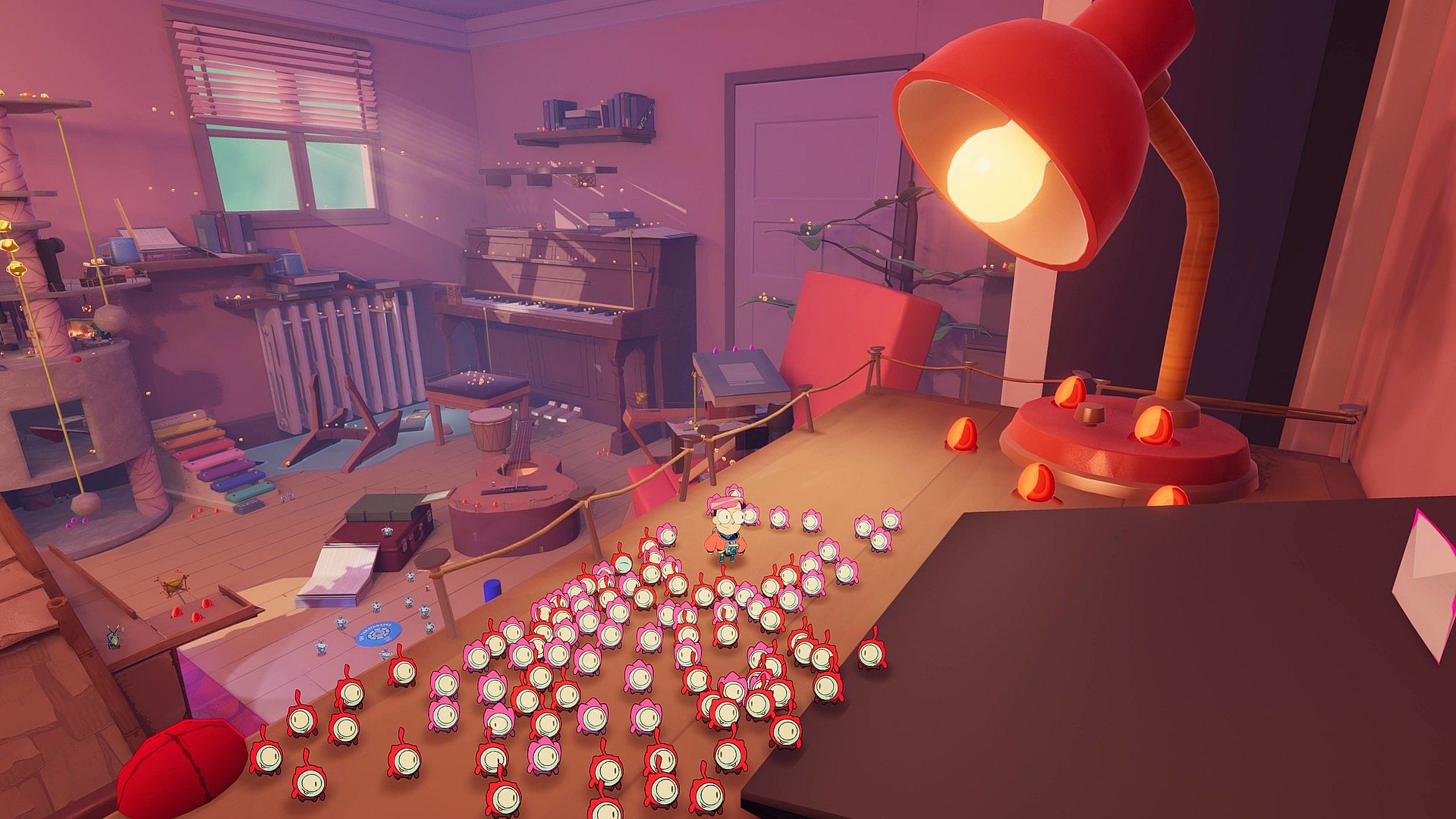
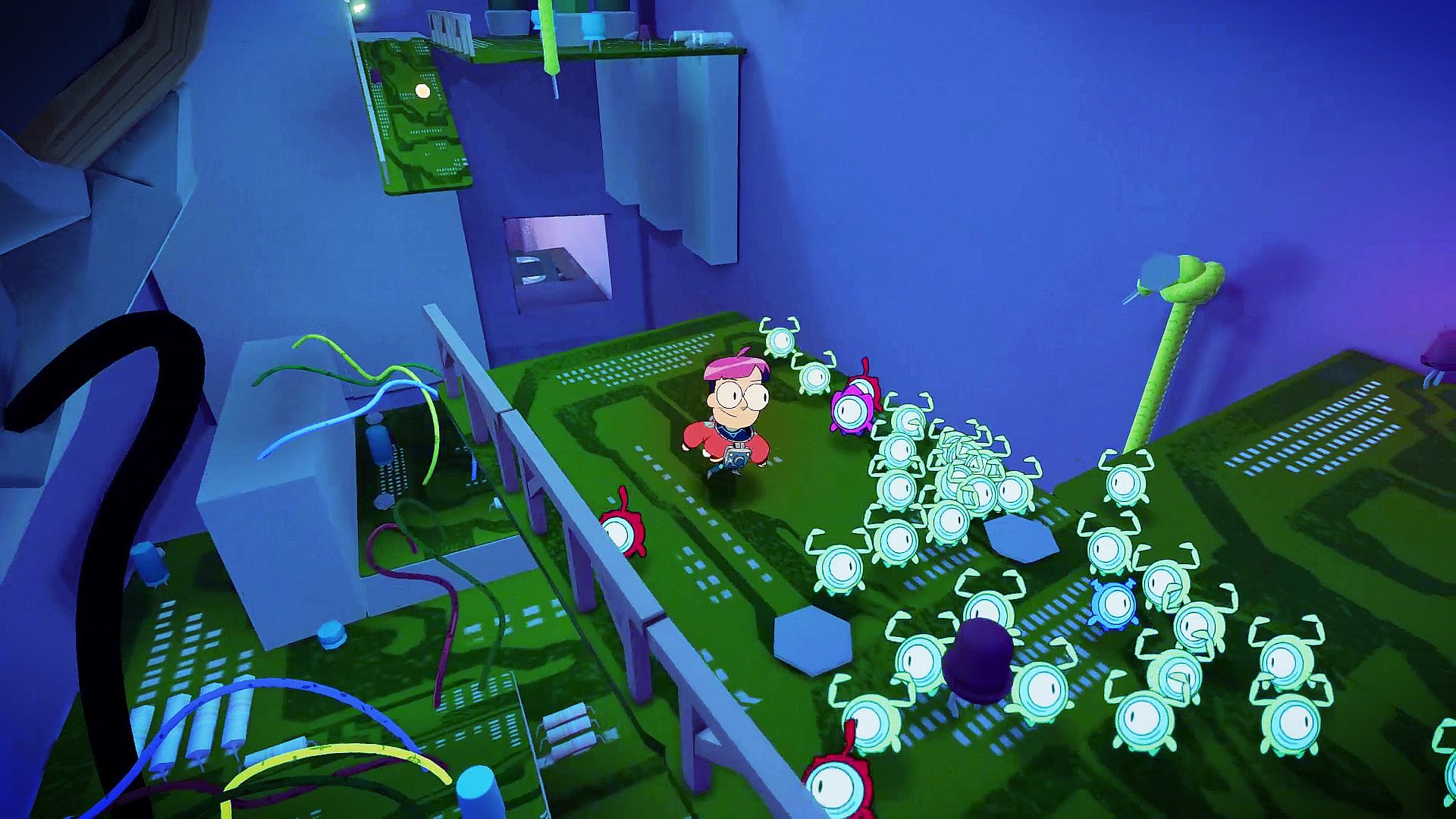
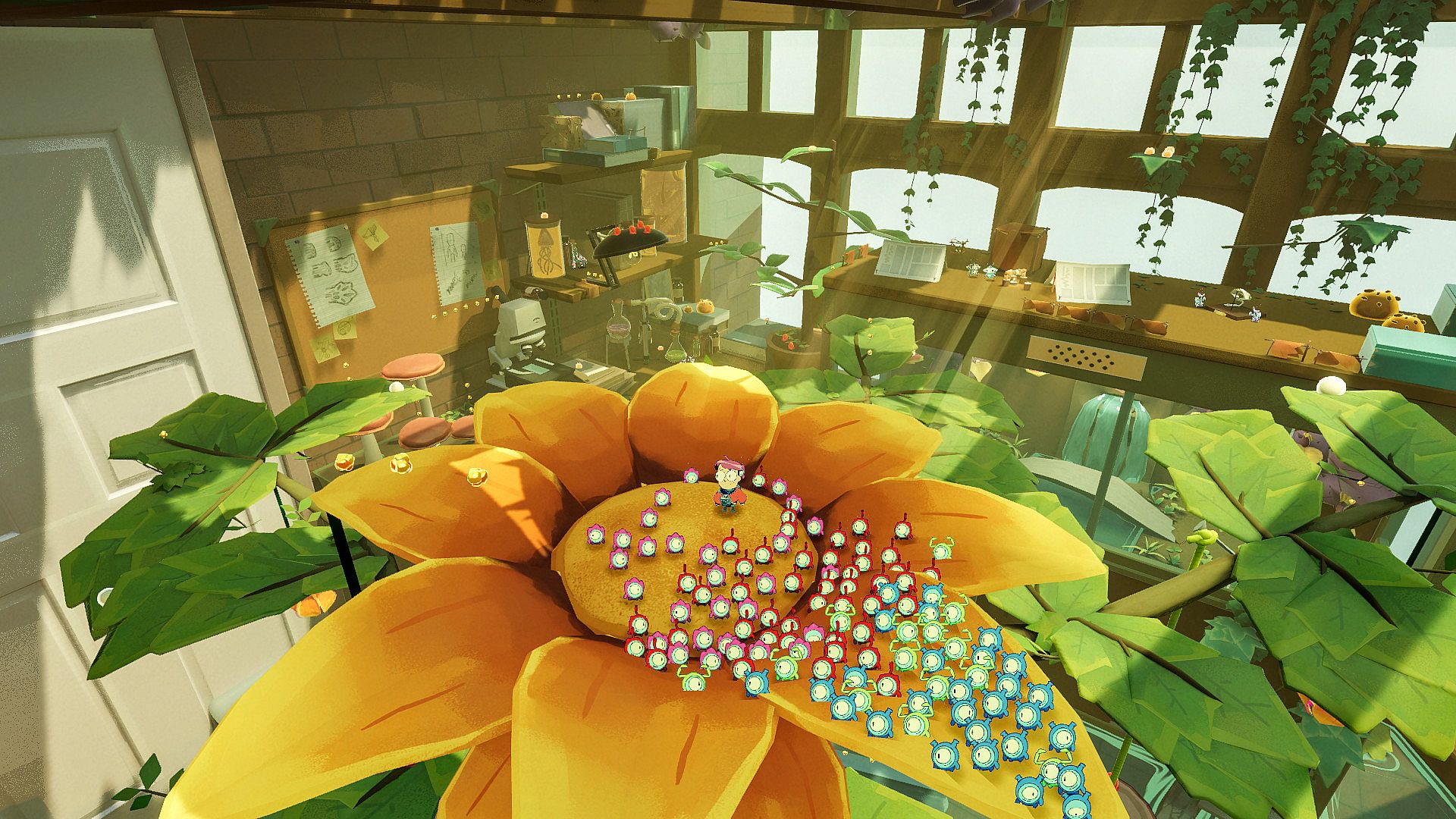
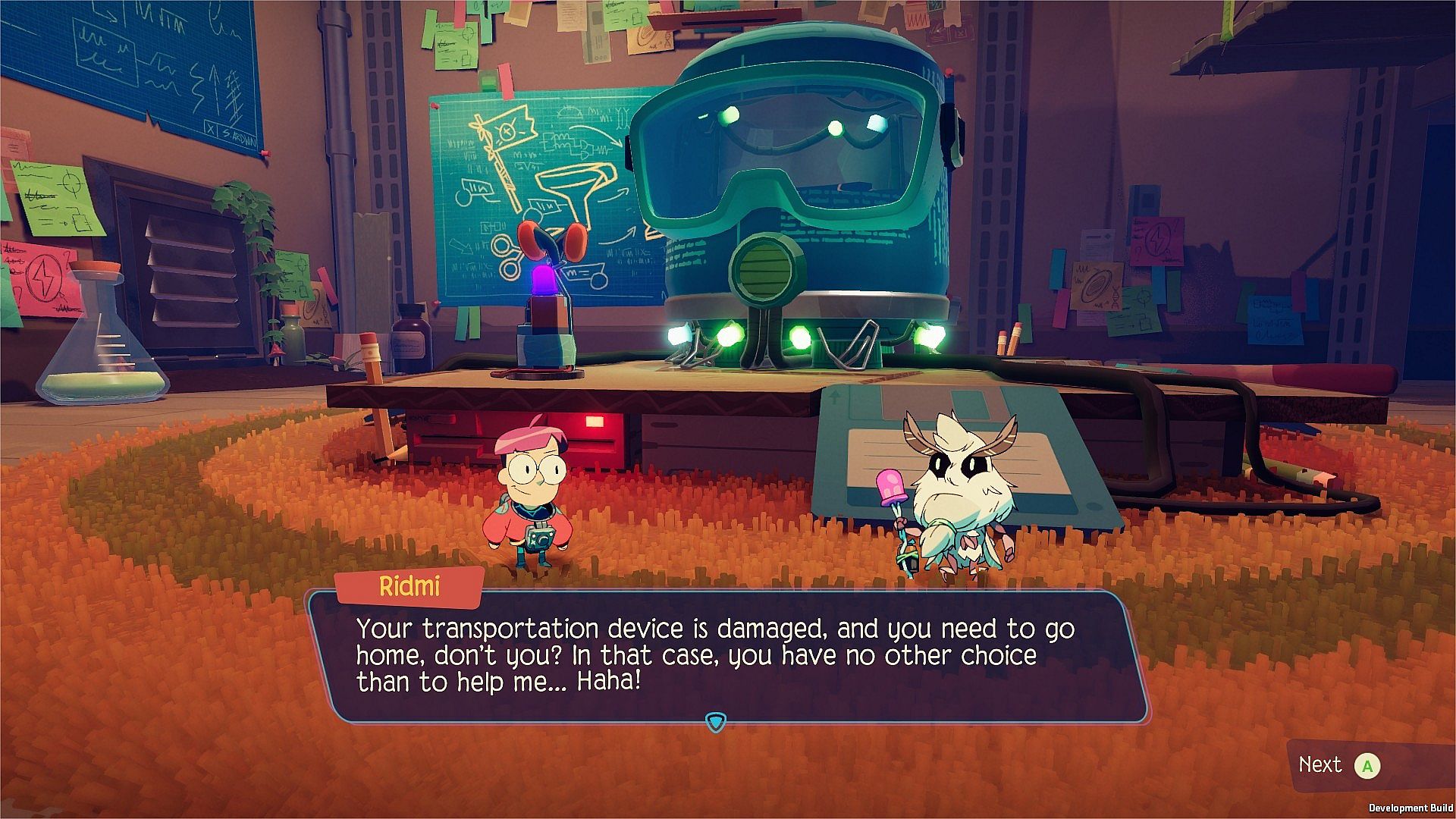
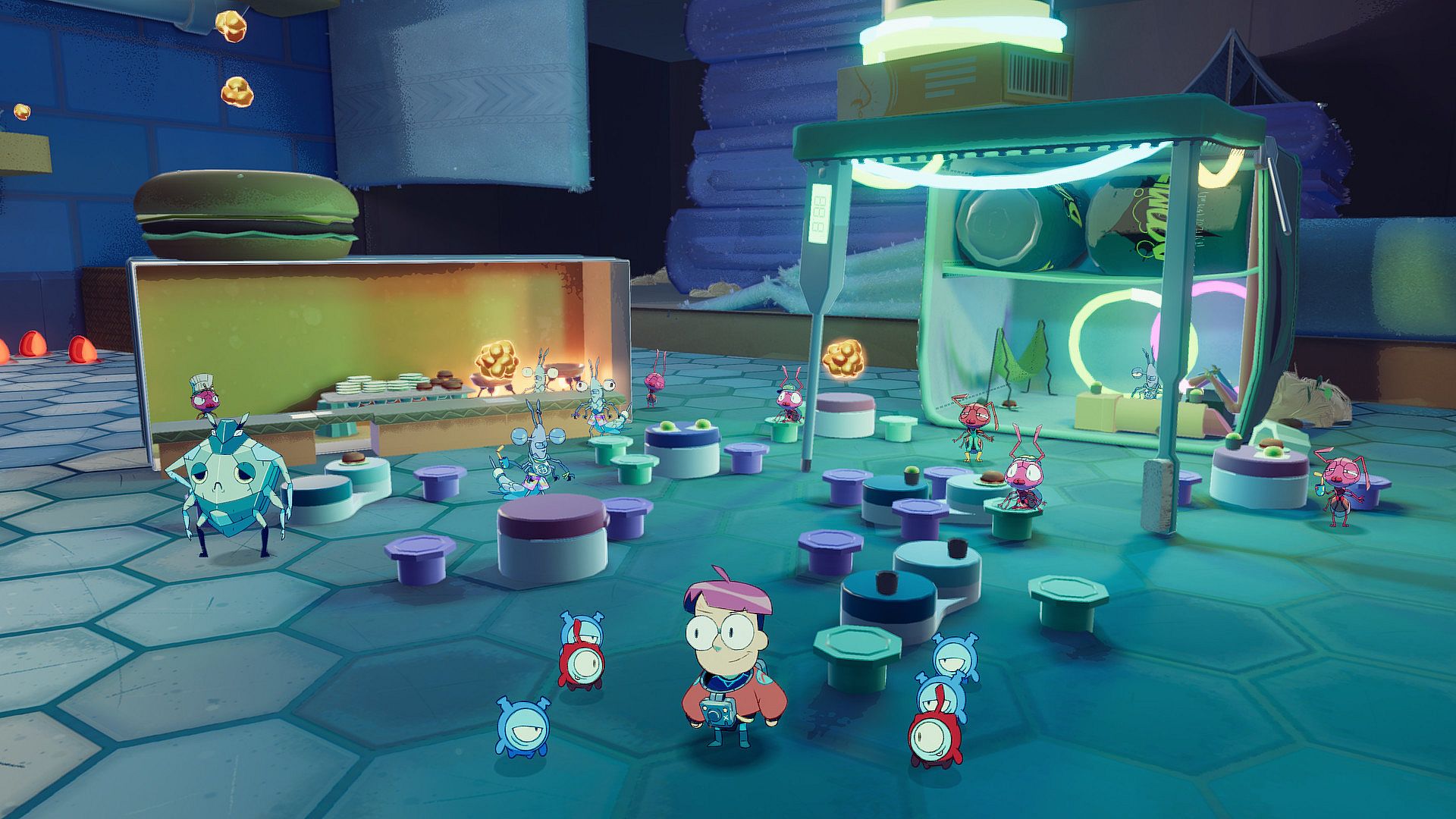
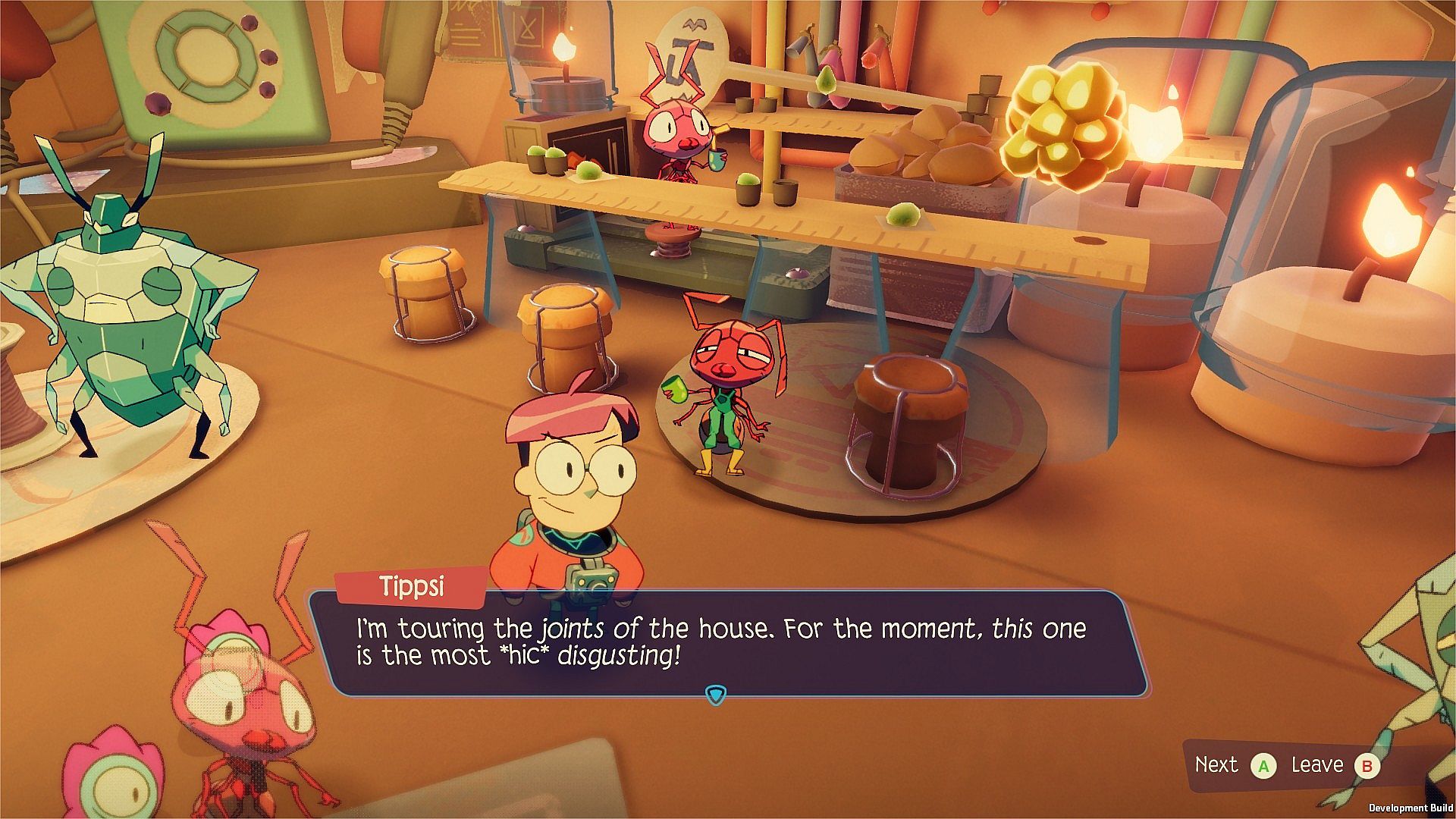
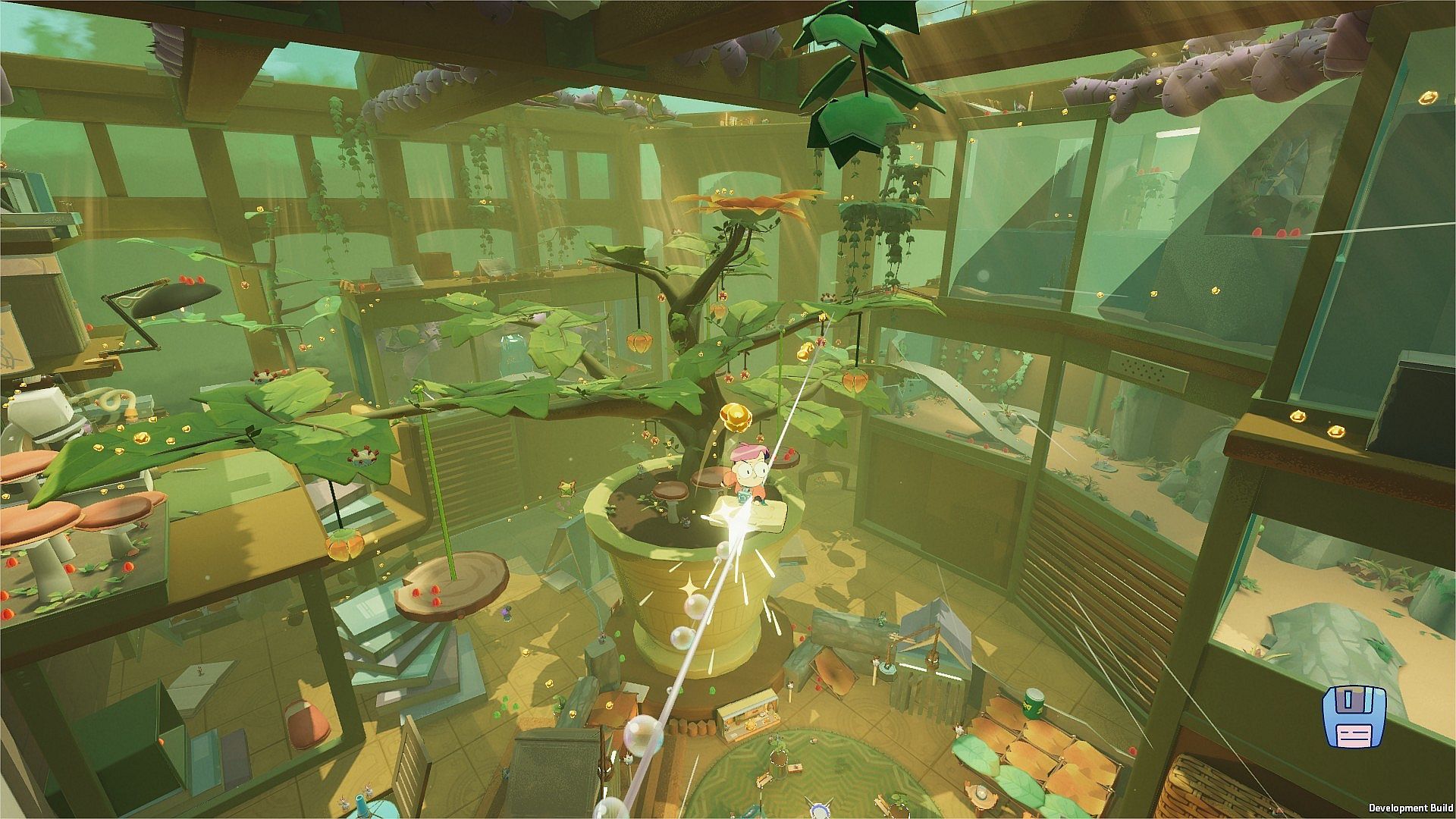
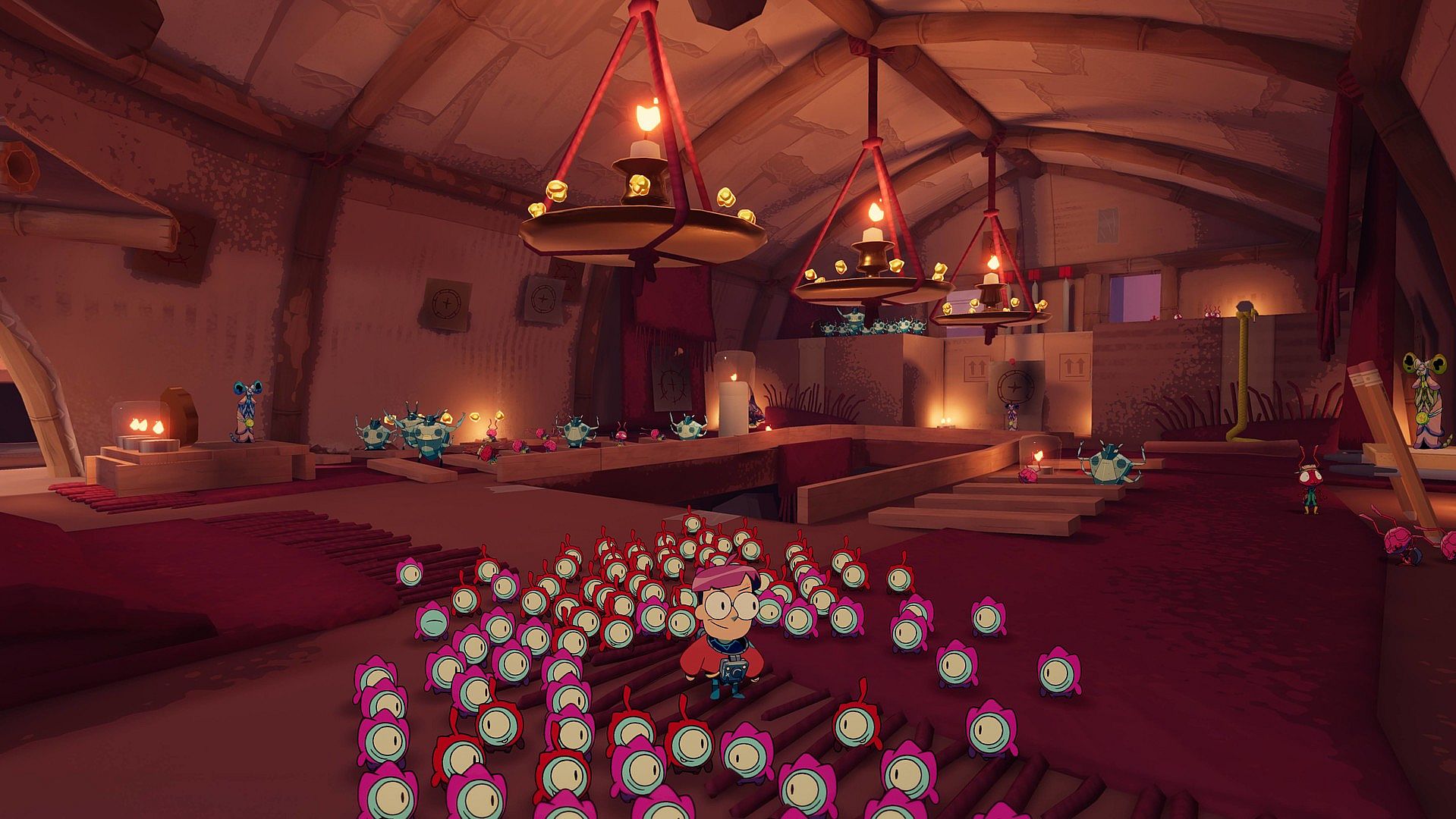
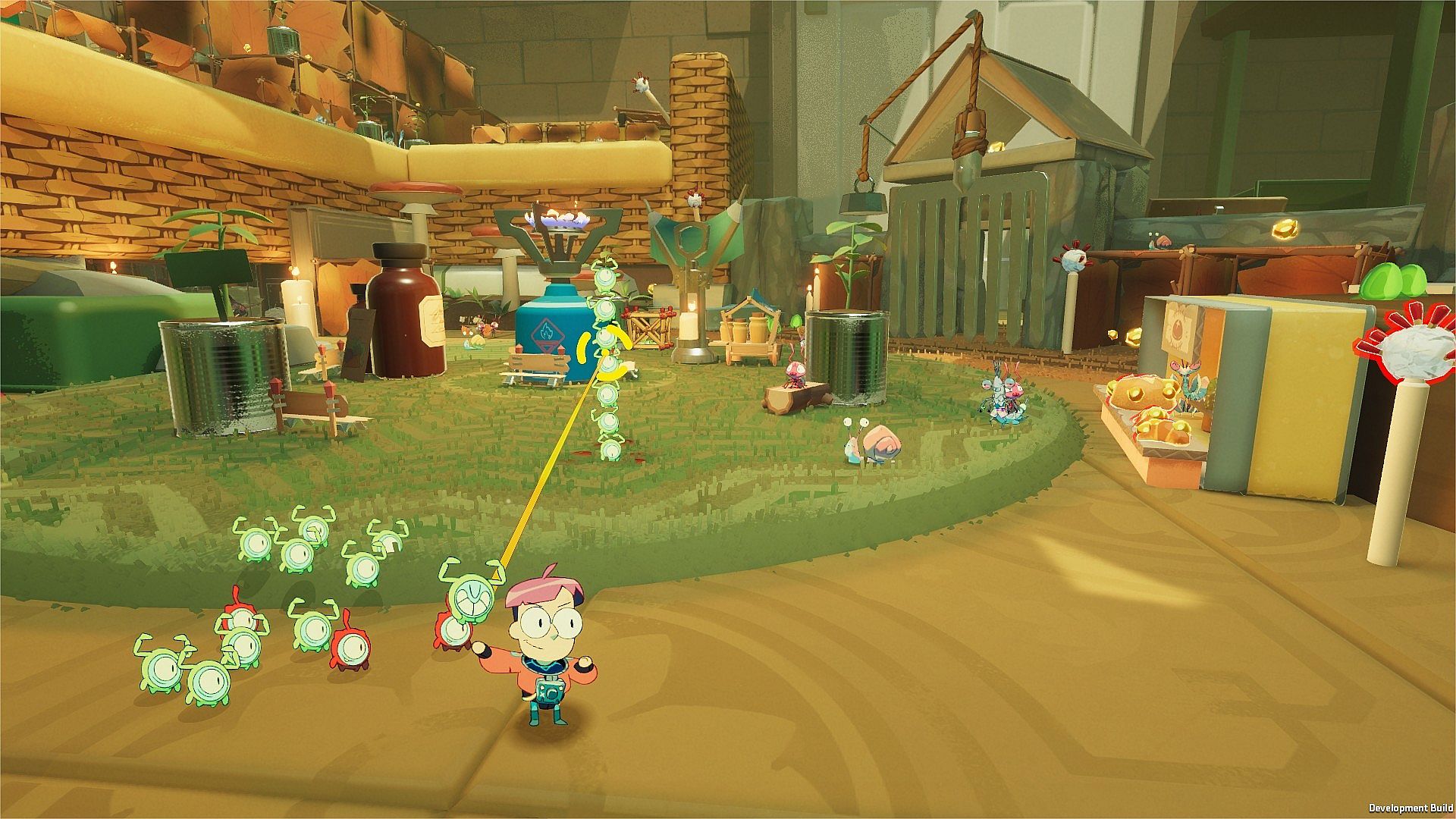
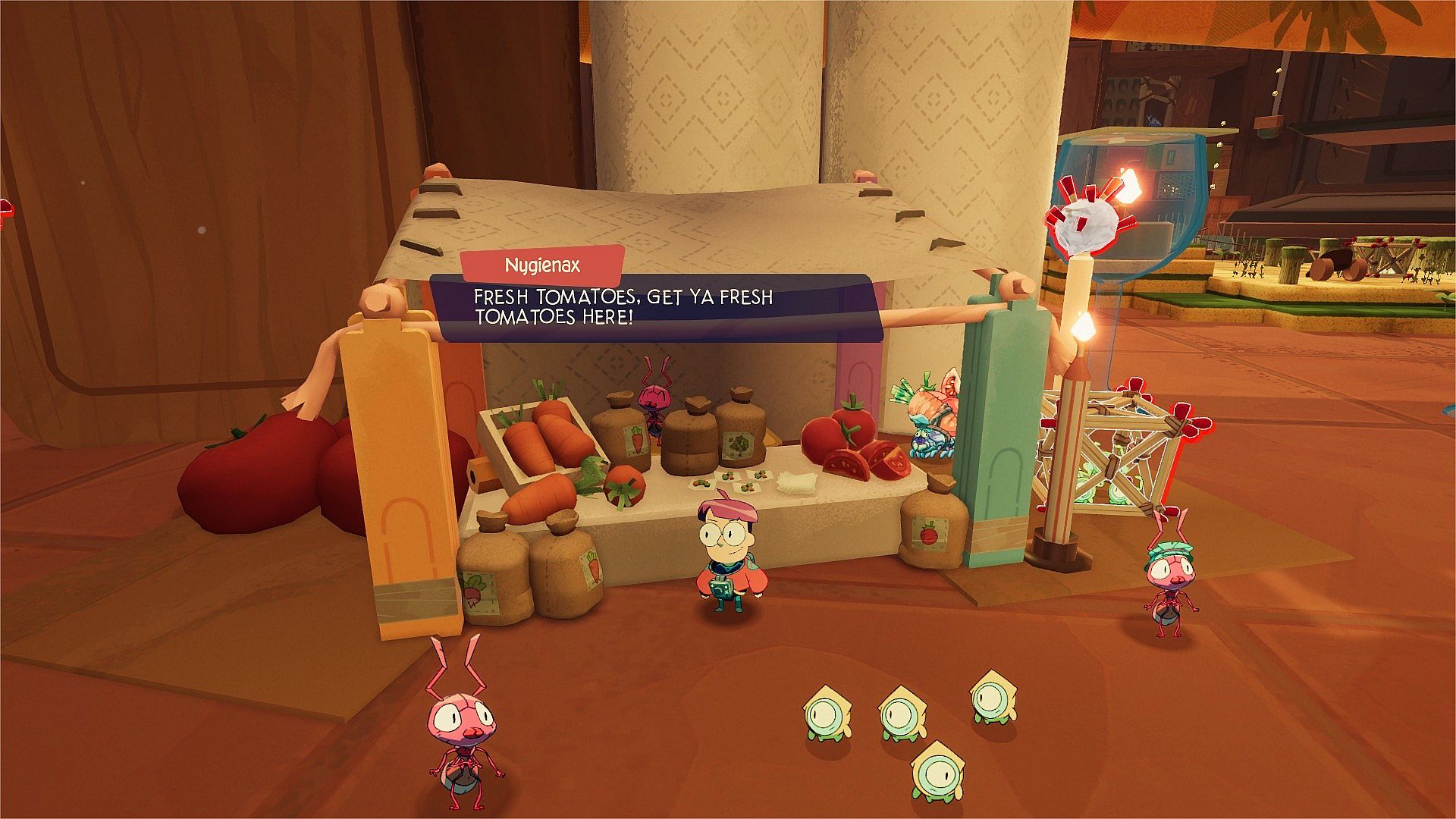
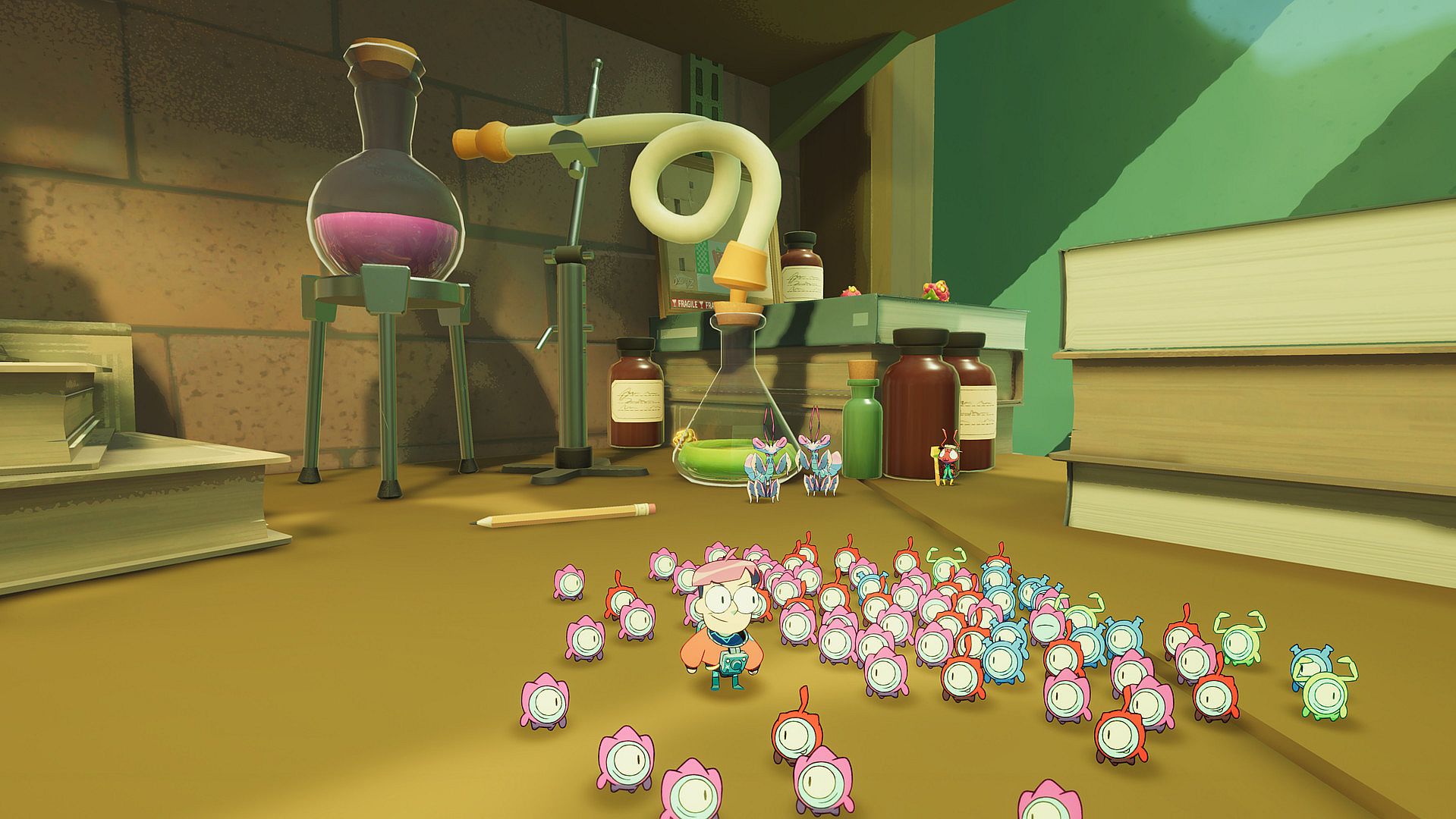
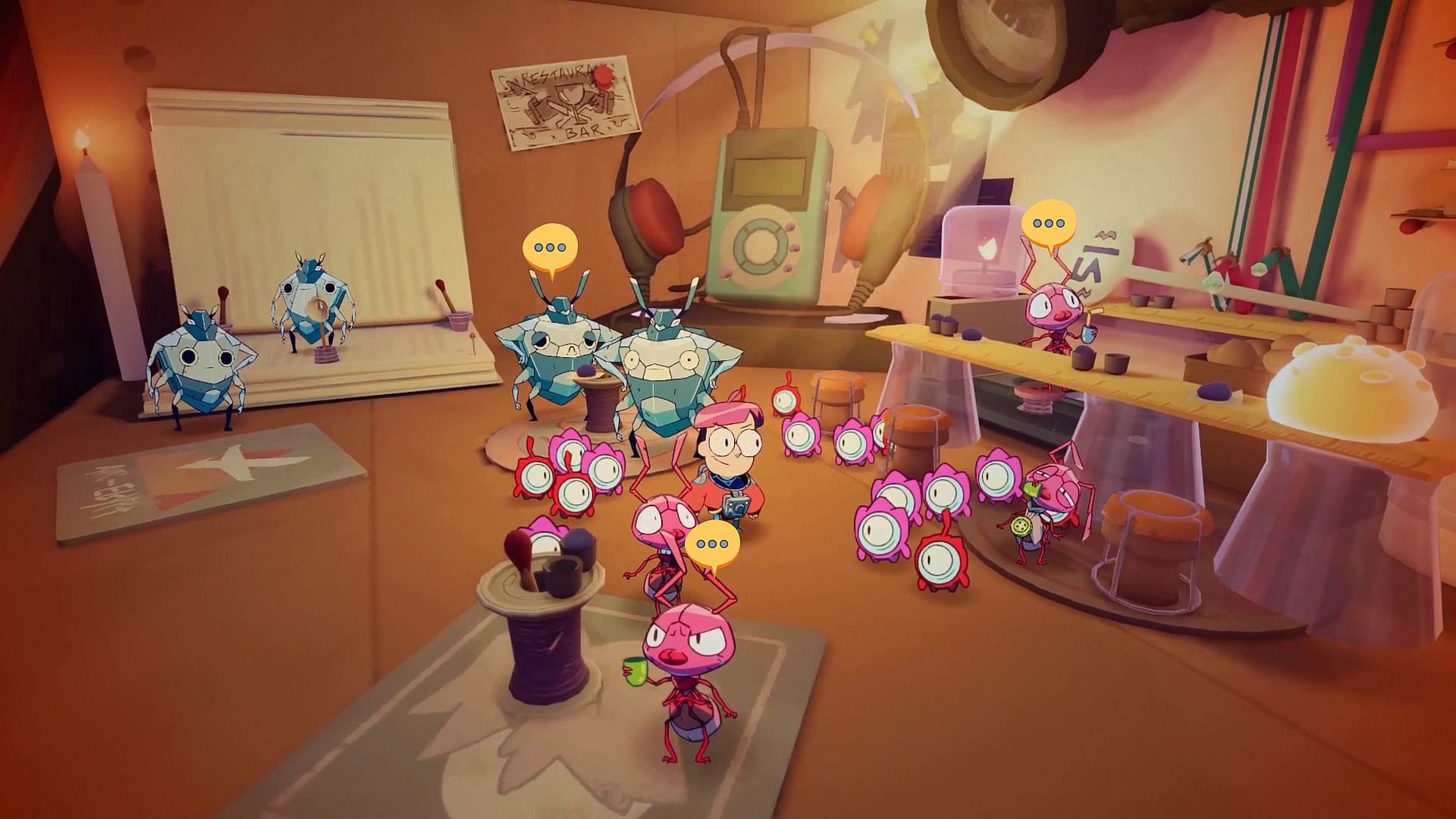
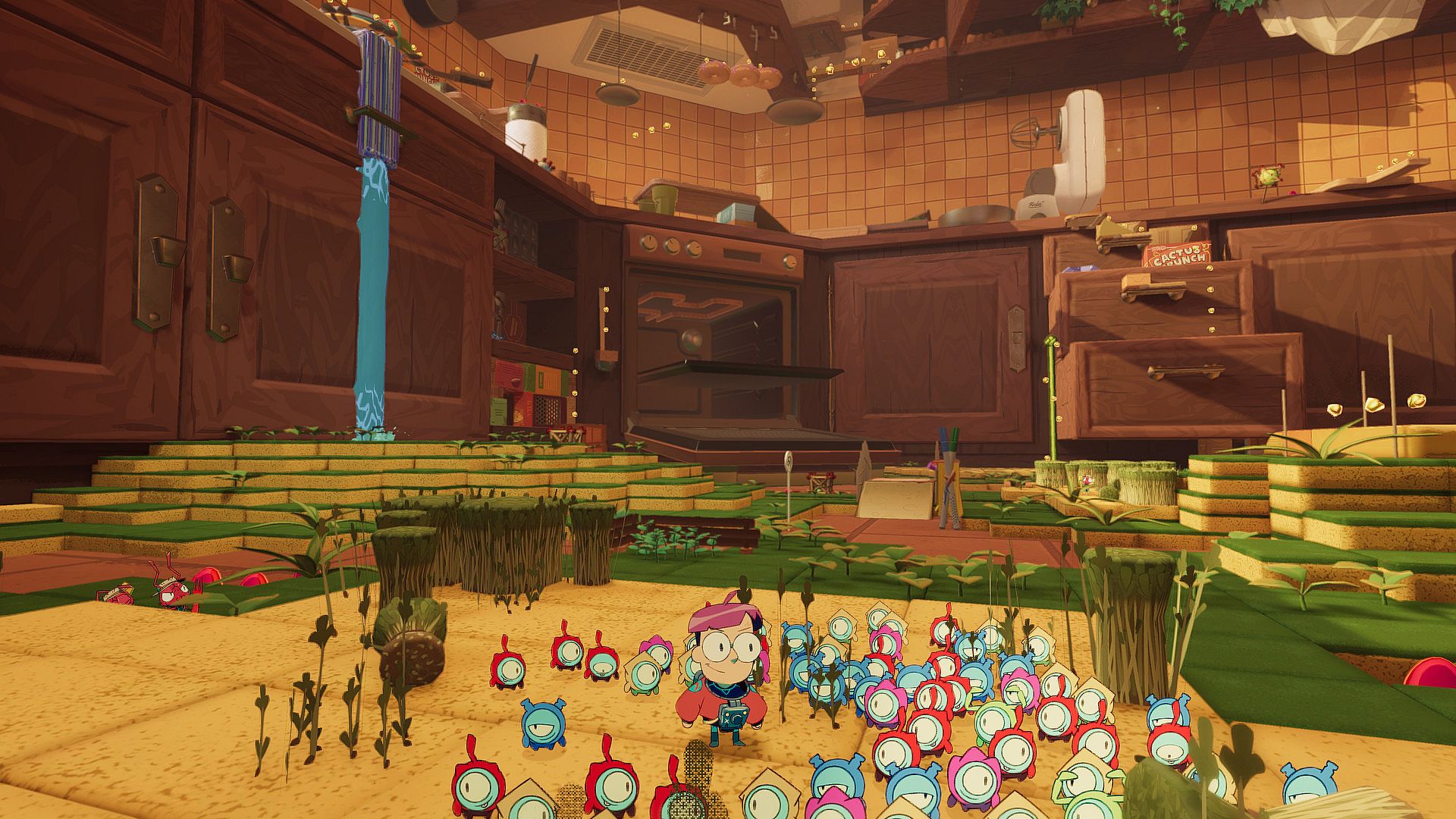
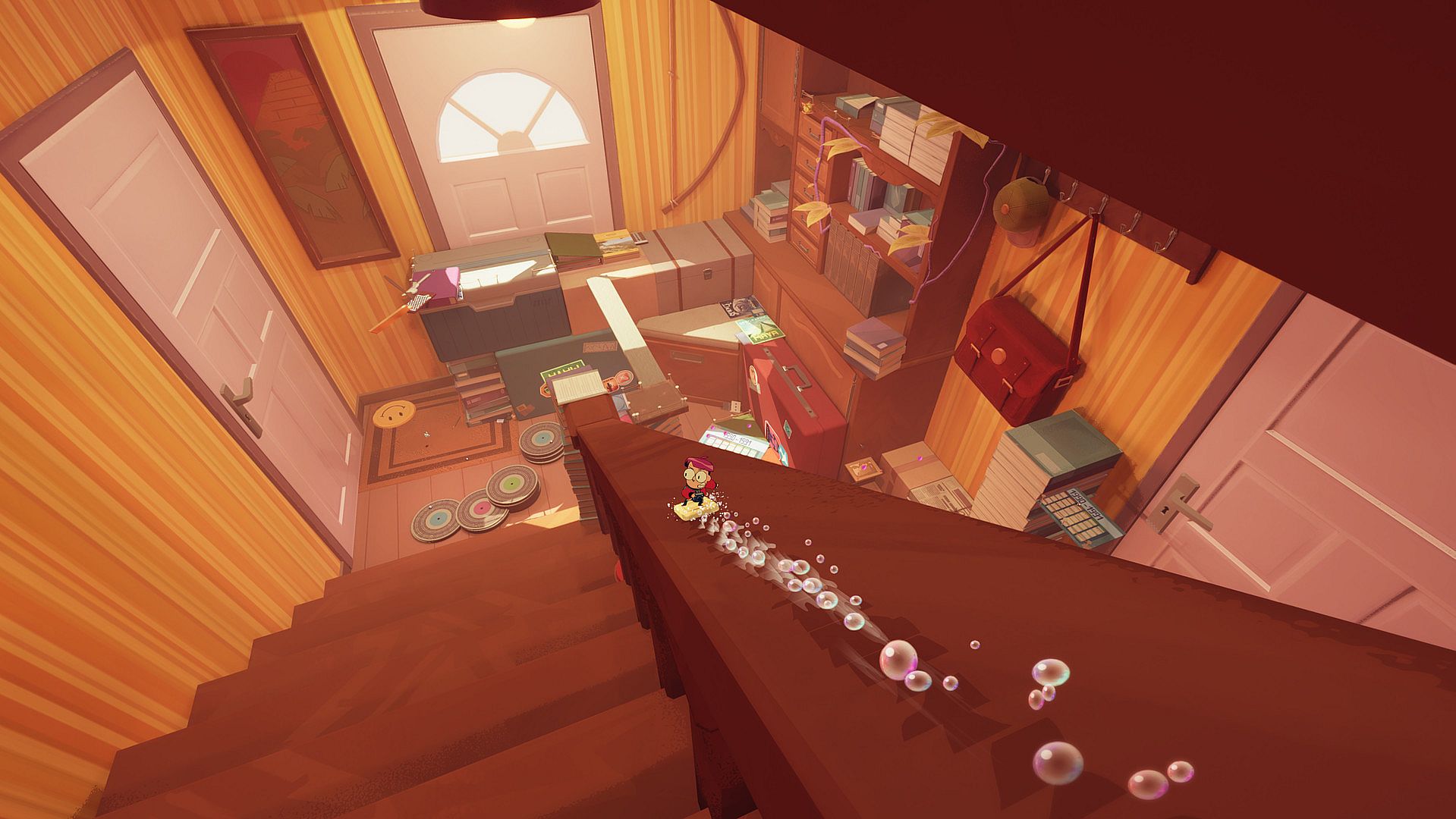
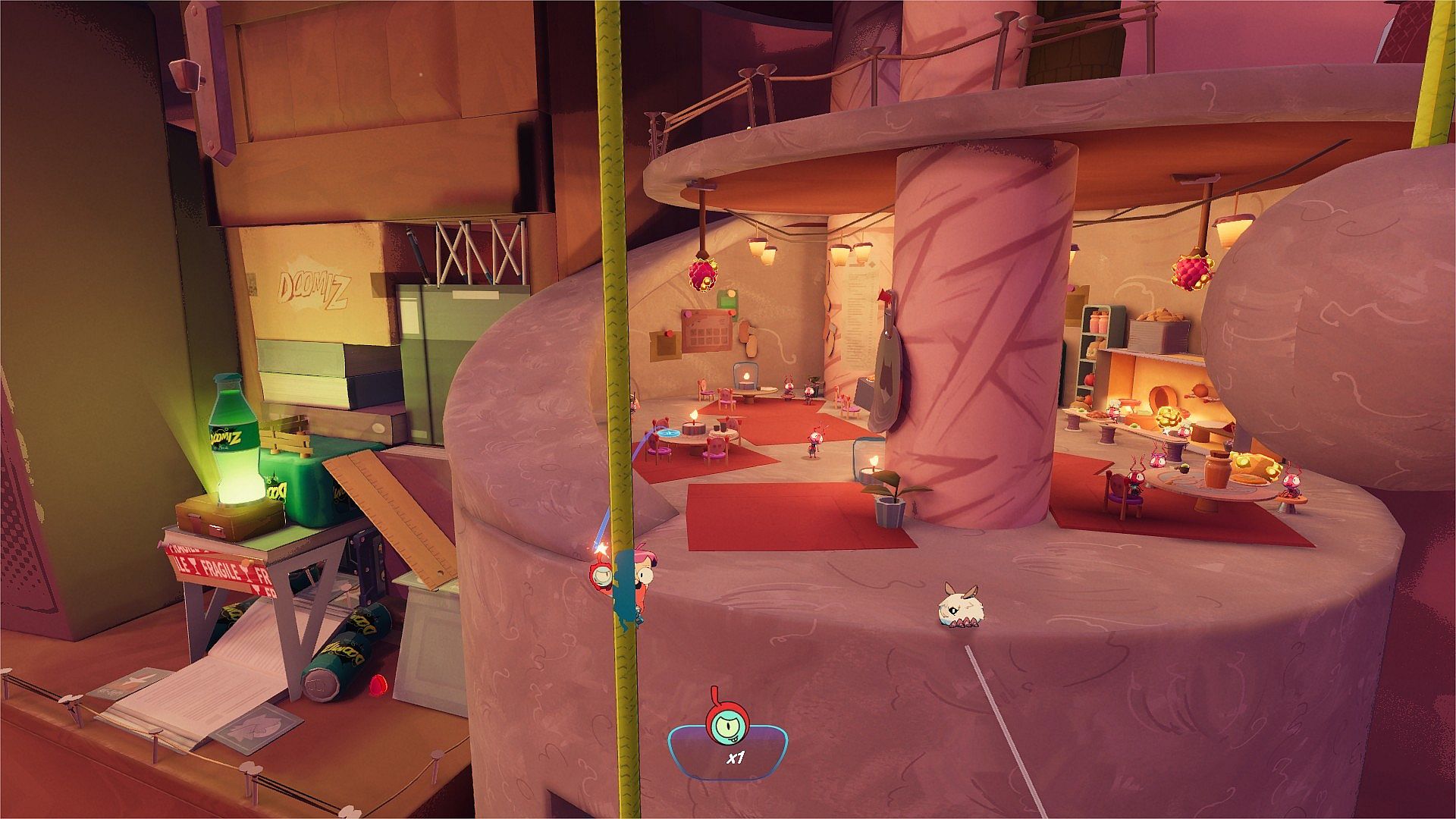
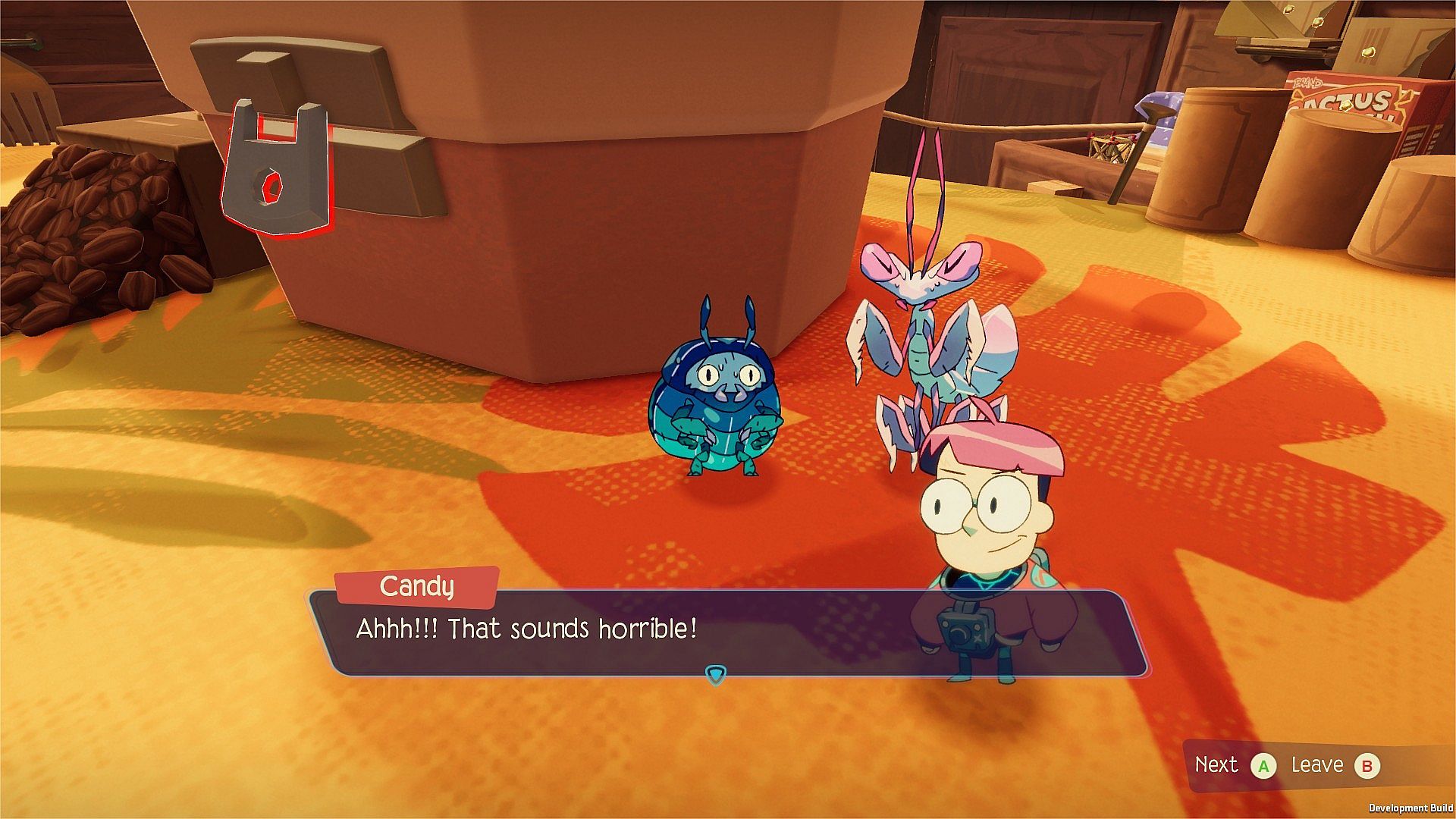
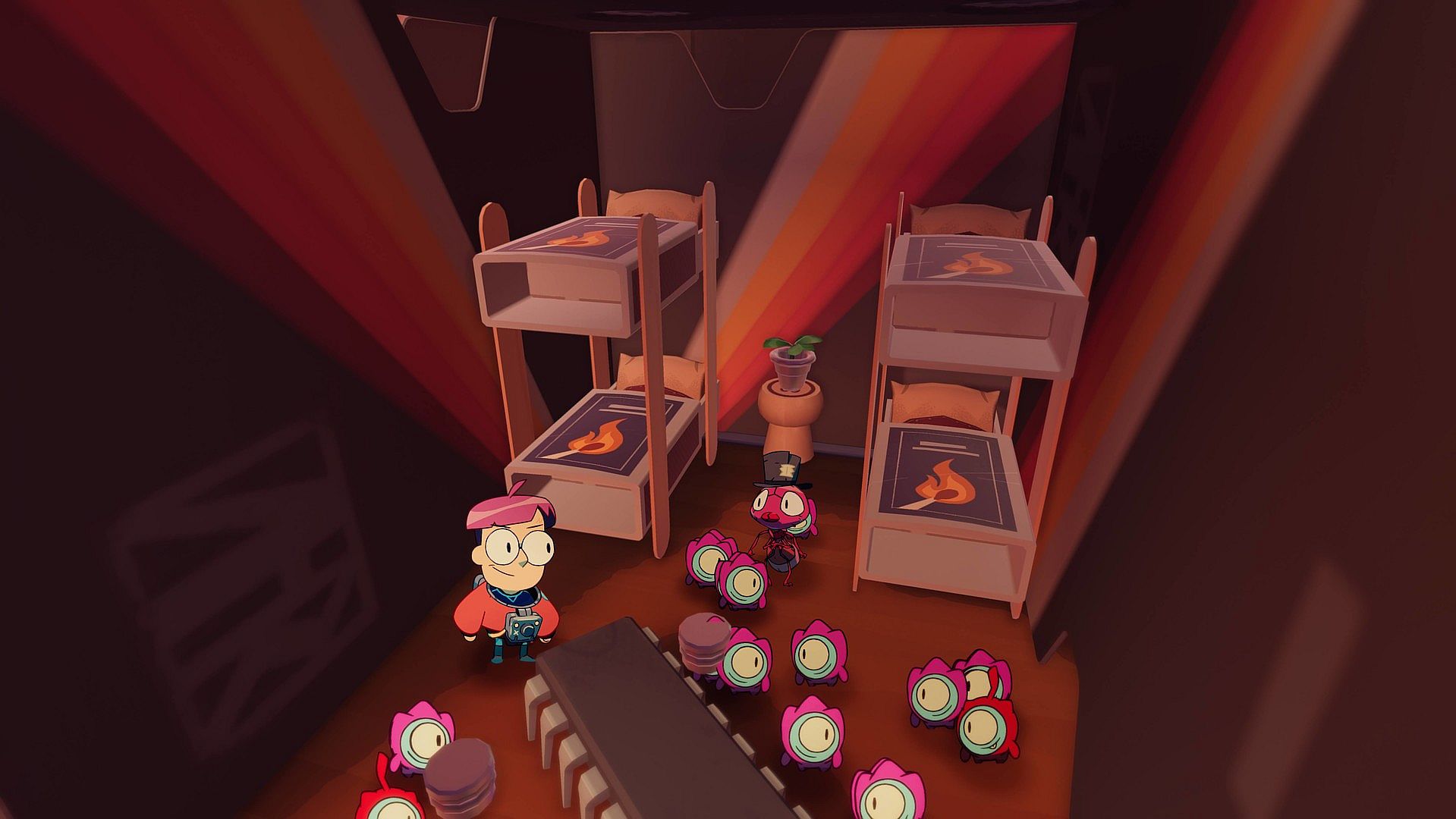
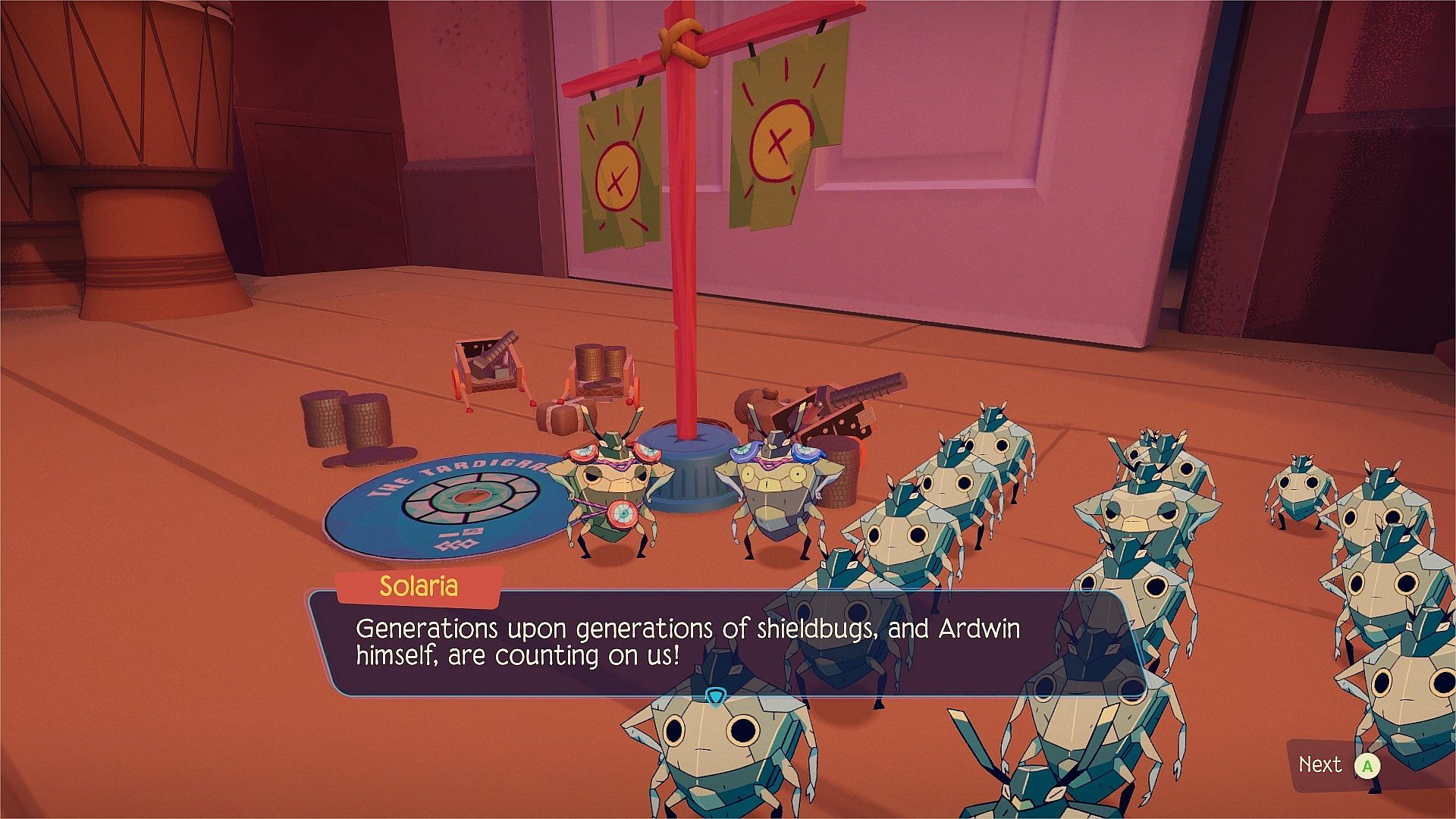

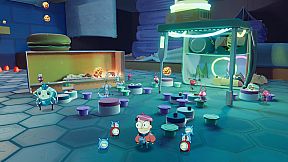
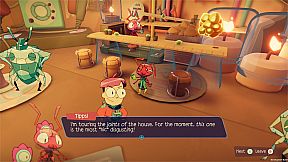
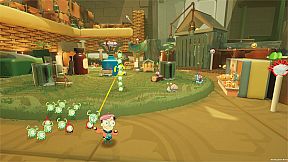
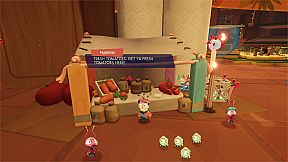
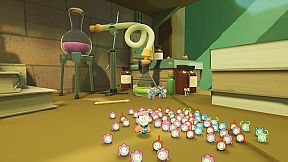
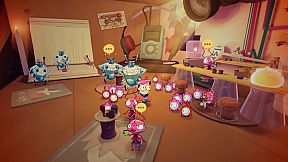
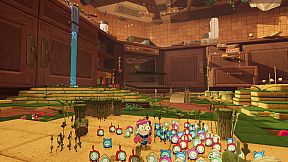
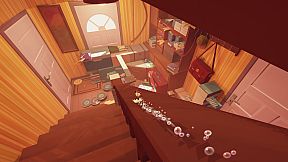
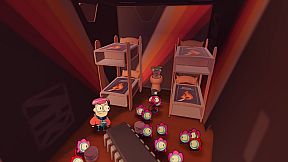
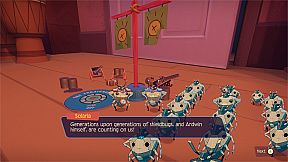
Tinykin is a single-player 3D platformer adventure game that places players in control of Milo, a character who finds himself reduced to insect size in a familiar yet abandoned human home frozen in time since 1991. The core experience revolves around exploration, precise jumping, and creative problem solving in detailed environments scaled to ant proportions. Players collect and command groups of tinykin creatures whose distinct abilities open new paths, activate mechanisms, and overcome obstacles throughout multiple interconnected rooms and areas.
Gameplay
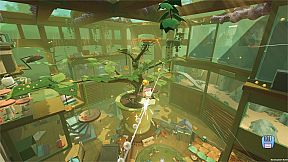
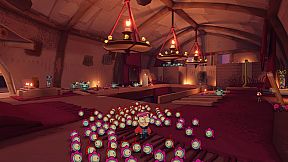
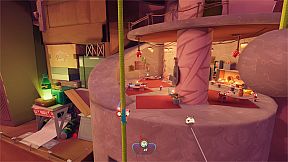
The gameplay centers on fluid third-person platforming combined with the strategic deployment of tinykin. Milo moves through household spaces reimagined as vast cities, navigating furniture, wires, and everyday objects that now tower overhead. Collecting pollen serves as a primary objective that fuels progression and unlocks further abilities. Tinykin come in several varieties, each suited to specific tasks such as forming temporary structures, generating force, or clearing blockages. Players direct these creatures toward marked targets using simple controls that integrate seamlessly with jumping and climbing sequences.
Levels encourage thorough searching for hidden items and alternate routes. The platforming feels responsive, with momentum and timing playing key roles in crossing gaps or reaching elevated platforms. Puzzle elements arise naturally from the environment, requiring players to combine tinykin powers in sequence to advance. Backtracking becomes rewarding once new abilities allow access to previously unreachable sections, creating a satisfying loop of discovery and mastery.
Game Modes
Tinykin operates entirely as a single-player experience focused on a linear yet open-ended campaign. The main story guides players through successive rooms while encouraging side exploration for collectibles. After completing the primary objectives, a set of time attack challenges becomes available in completed areas. These optional races test speed and efficiency across short and long tracks, with personal best times tracked for comparison. No competitive or cooperative multiplayer features exist.
Exploration and Progression
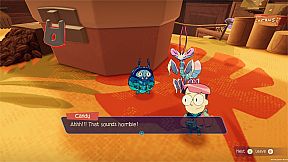
Progression ties directly to the number and type of tinykin gathered. Early sections introduce basic commands, while later areas demand more sophisticated combinations of abilities to solve multi-step puzzles. The setting blends nostalgia with mystery, as everyday objects from the early 1990s form the backdrop for an unfolding narrative about disappearance and scale. Players gradually piece together clues about the world while expanding their toolkit of tinykin companions.
Collectibles scattered throughout each room reward careful observation and repeated visits. These items contribute to overall completion metrics without gating core story access. The design keeps movement engaging across both vertical and horizontal spaces, with frequent opportunities to experiment with different approaches to the same challenge.
Is It Worth Playing?
Tinykin delivers a polished single-player platforming adventure that emphasizes creativity and steady pacing over intense difficulty. Its reception among players remains strongly positive, with the majority of reviews highlighting the satisfying integration of platforming and creature mechanics. The free challenge update added post-launch content in the form of time trials and cosmetic options, extending playtime for those who finish the main campaign.
This title suits anyone drawn to exploration-driven adventures with light puzzle elements and charming presentation. Those who enjoy methodical collection and creative use of companion abilities will find the systems rewarding. The experience stays focused and self-contained, making it a strong choice for short to medium play sessions on PC without requiring ongoing updates or additional purchases beyond the base game.