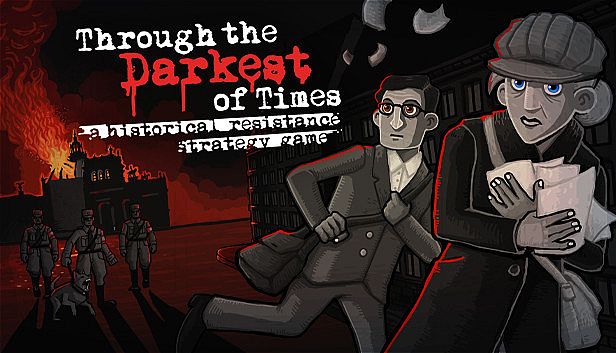




























Through the Darkest of Times is a single-player strategy simulation adventure game set in Nazi Germany. Players lead a small resistance cell of ordinary citizens in Berlin from 1933 onward, balancing covert operations against the constant threat of discovery and arrest.
Gameplay
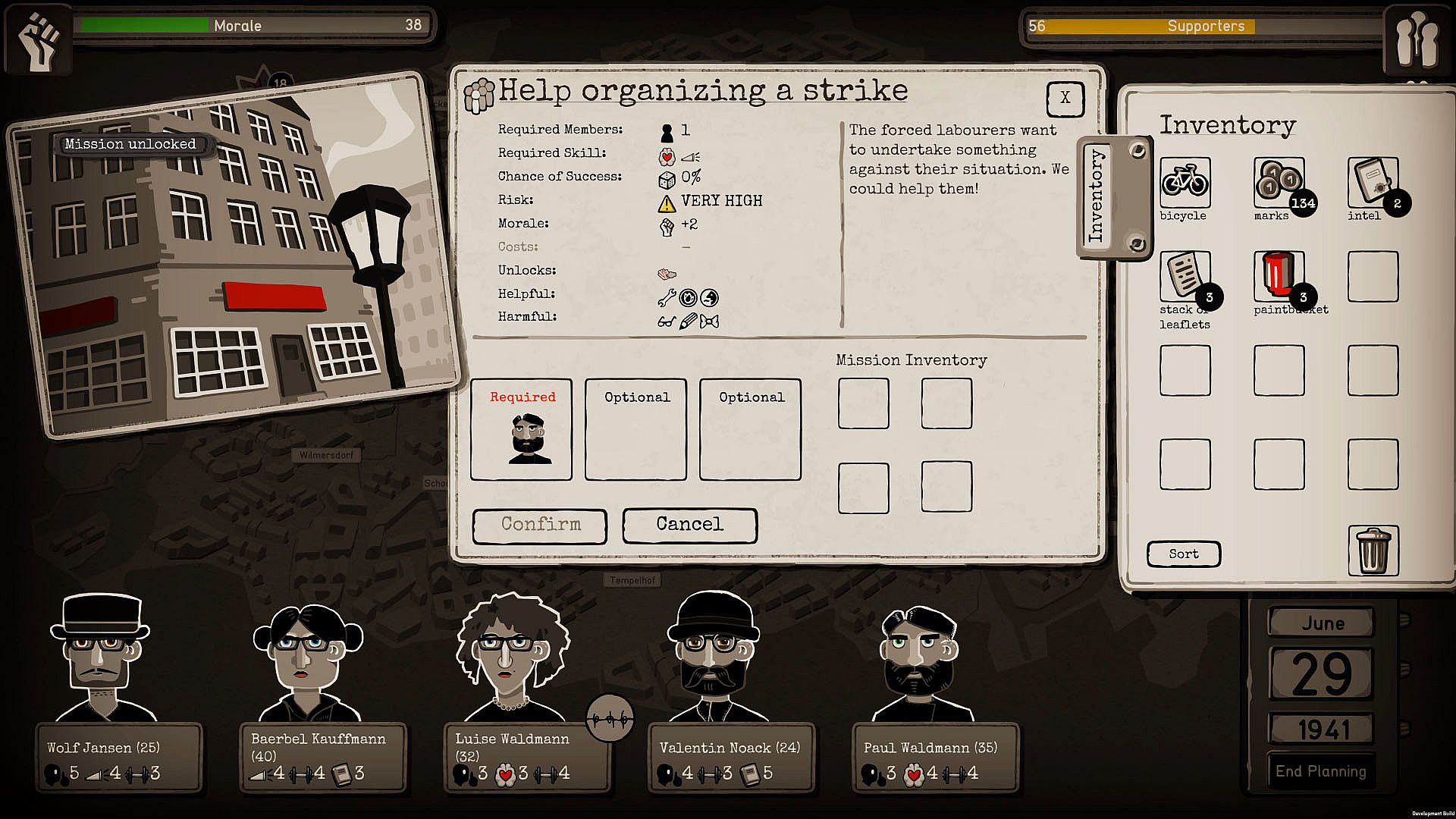
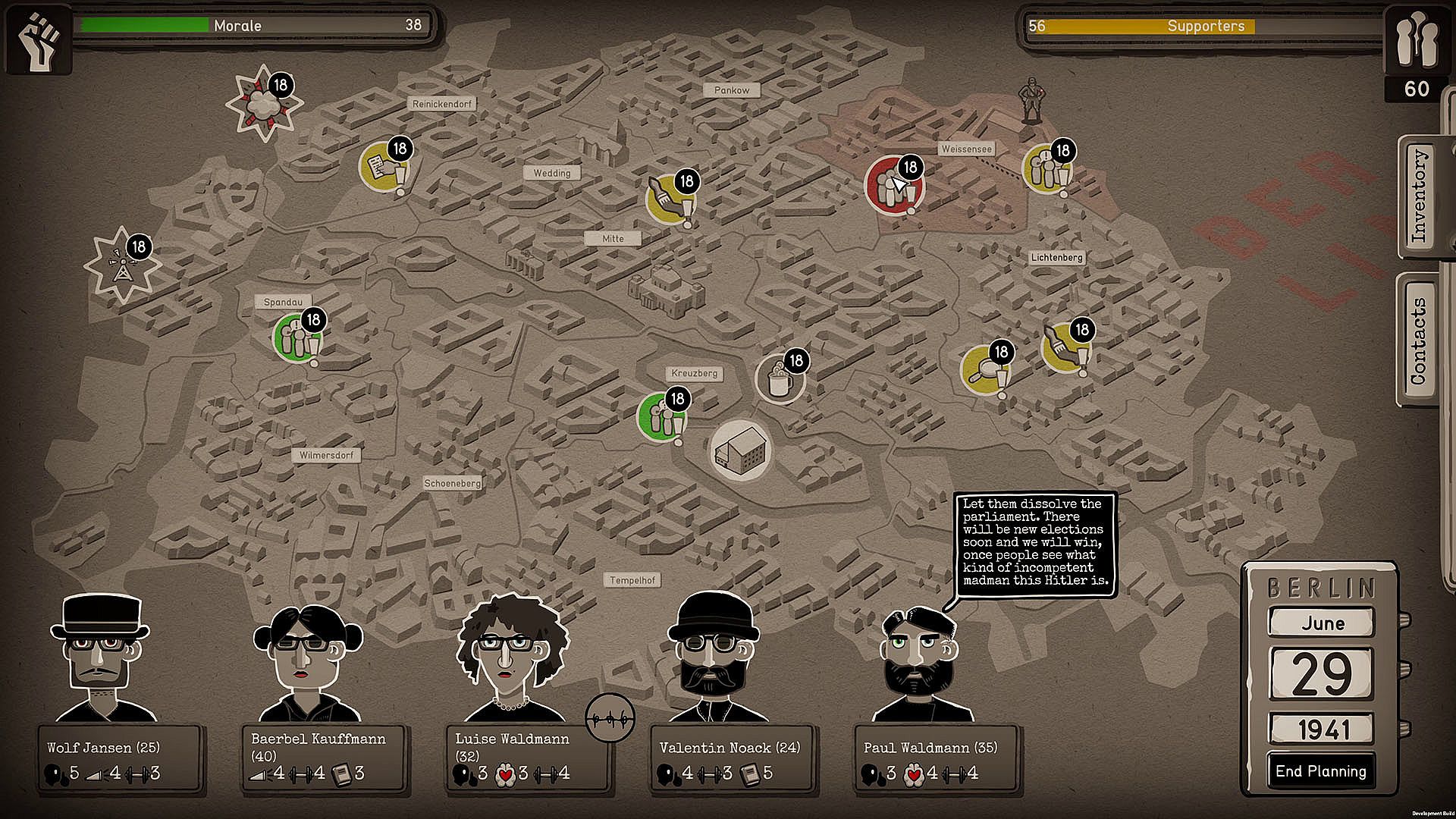
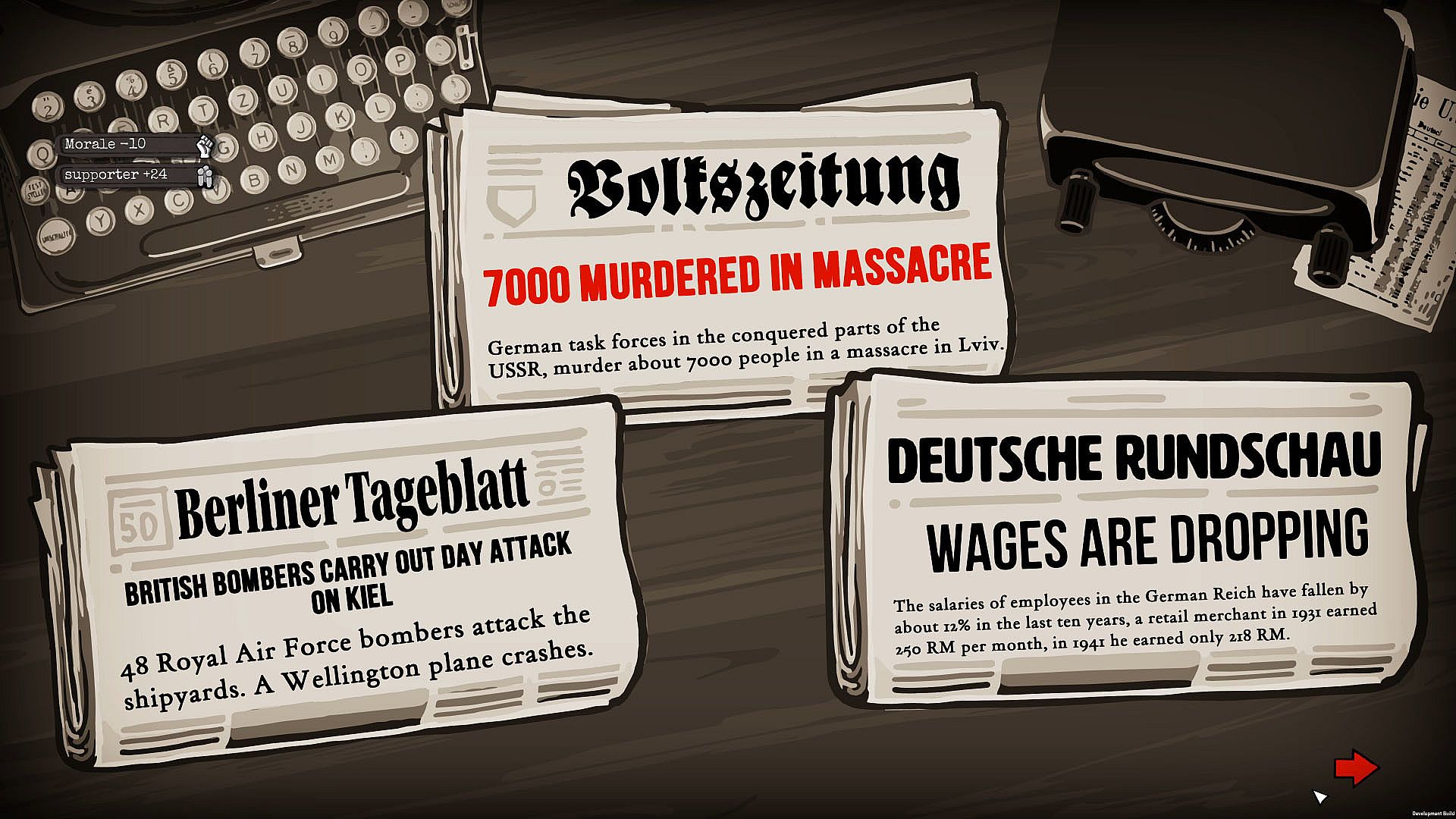
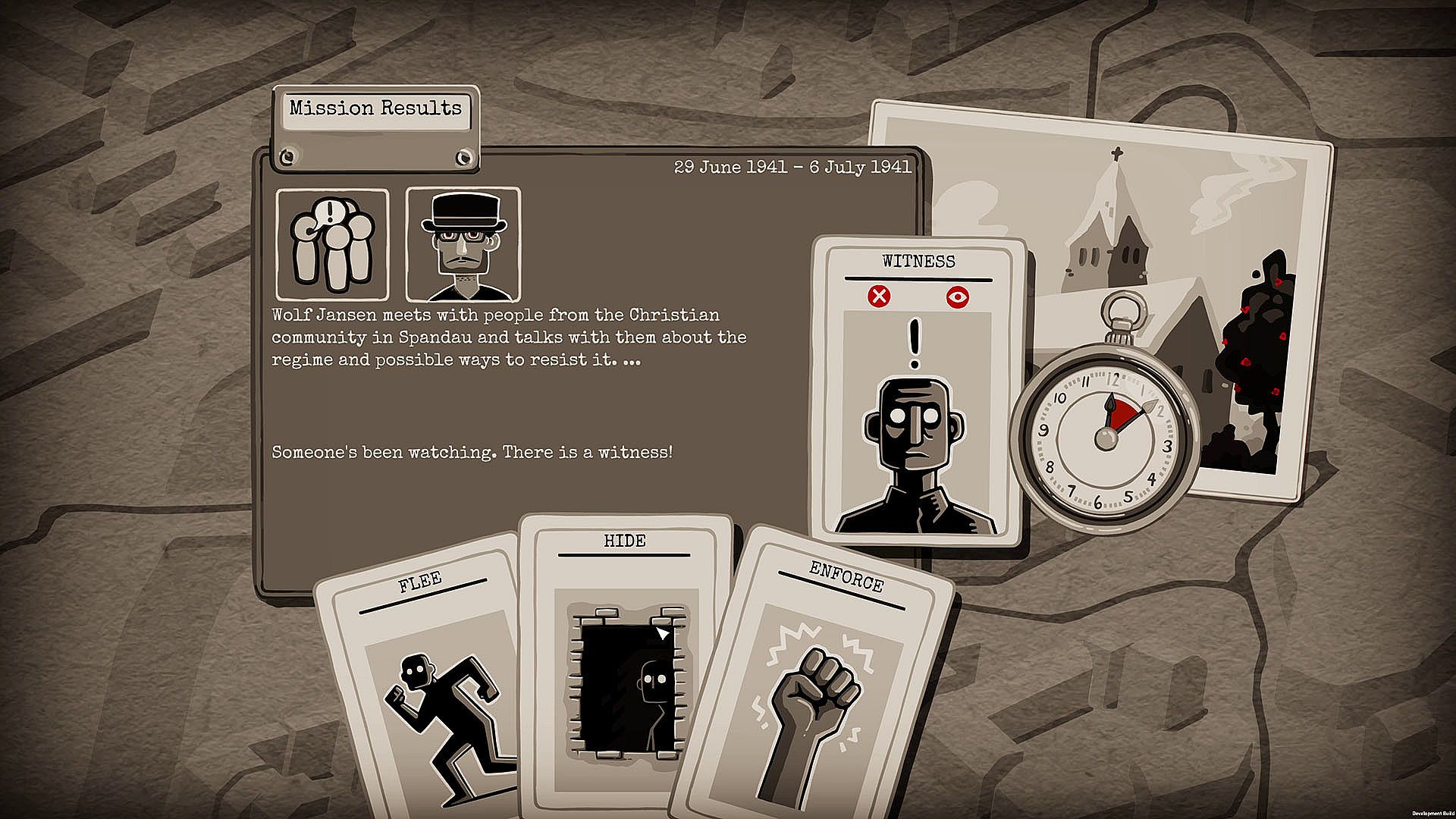
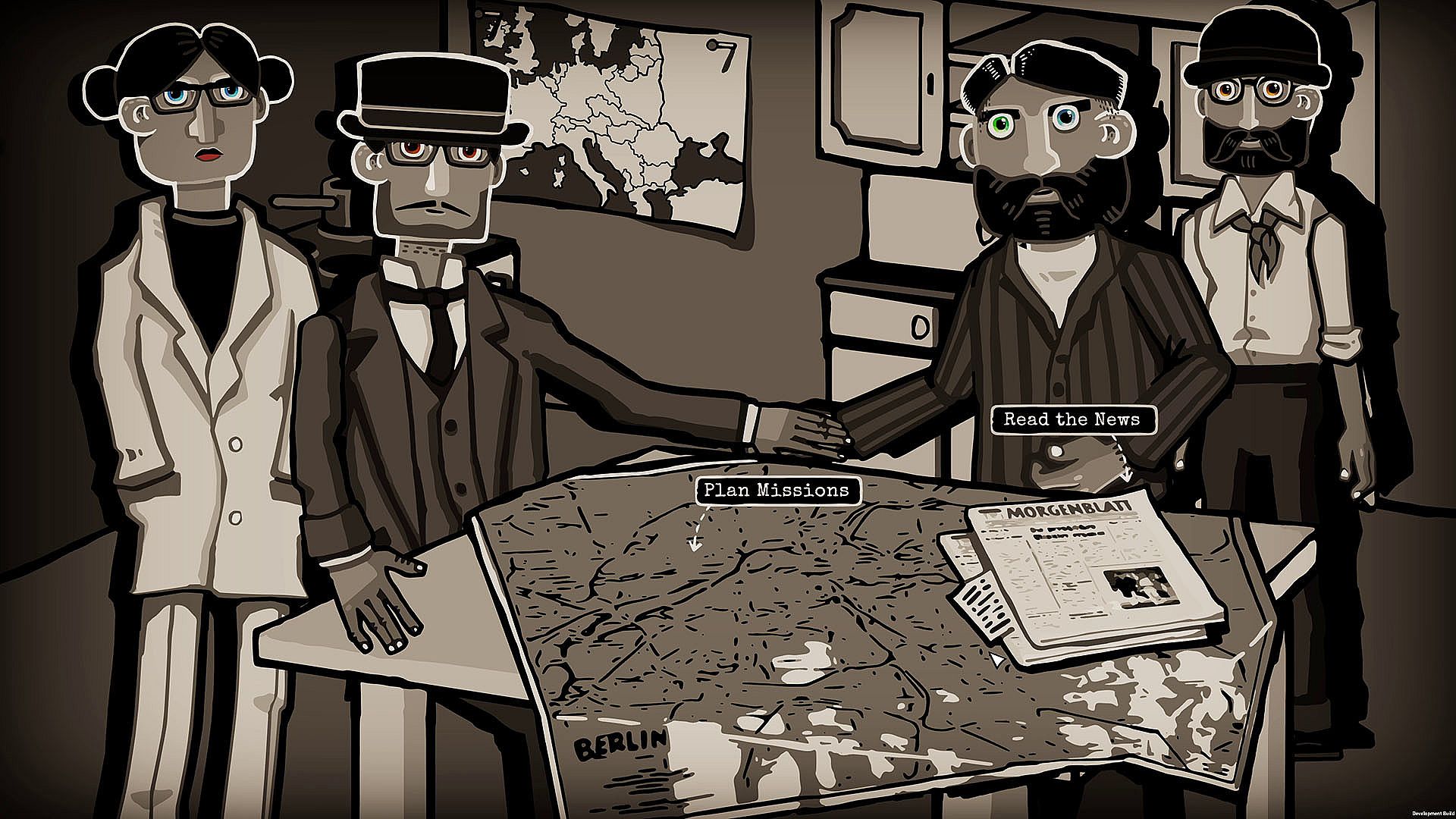
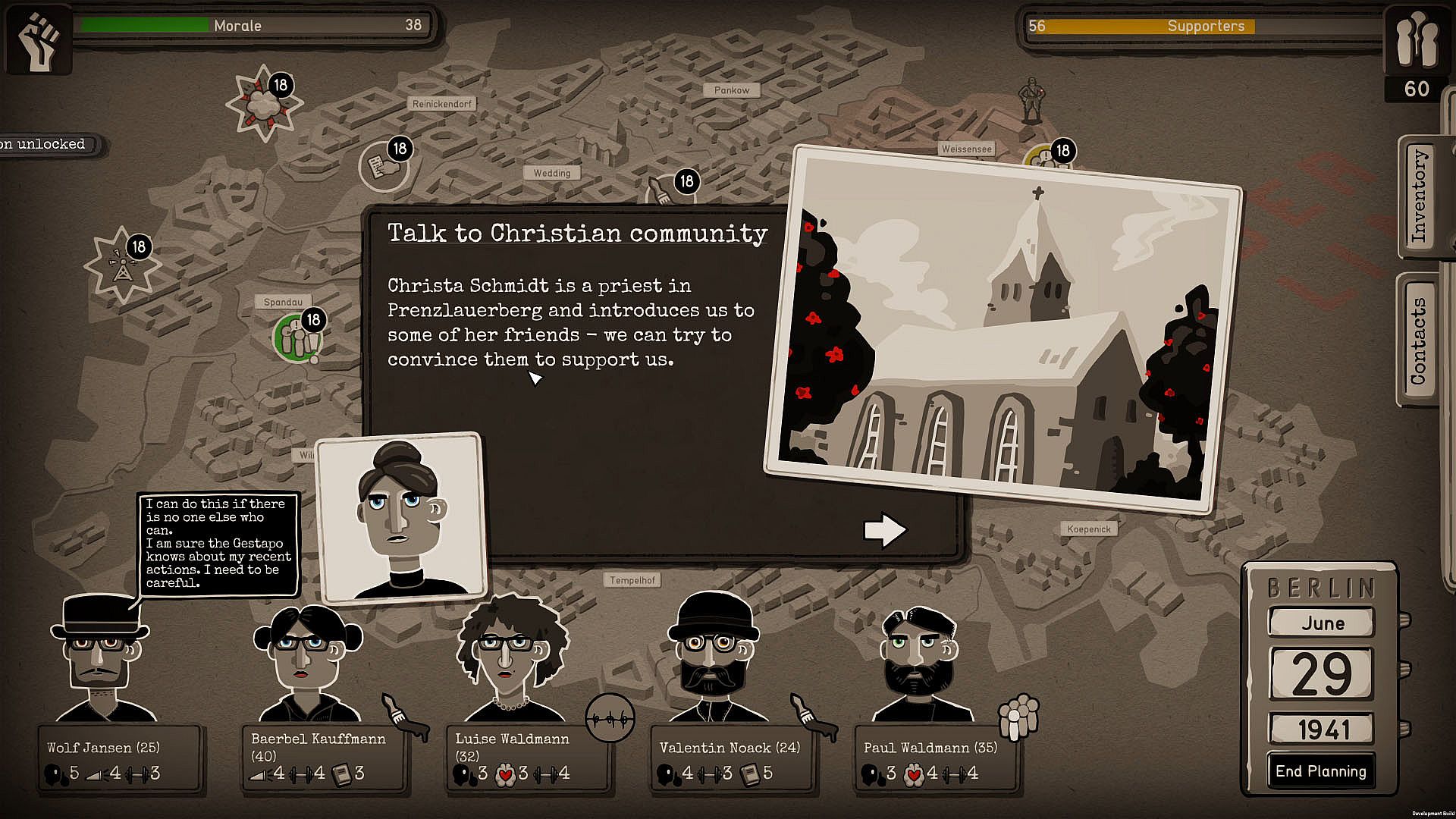
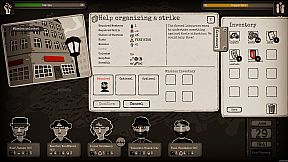
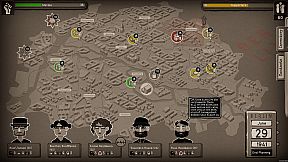
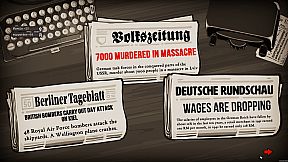
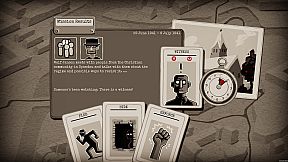
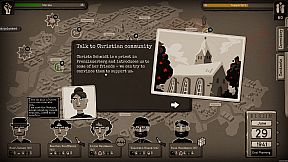
The core loop revolves around weekly turns across four distinct time periods. Each week begins with historical context delivered through newspaper-style reports, after which the player assigns three to five group members to tasks such as distributing leaflets, painting slogans, gathering intelligence, recruiting new supporters, or carrying out sabotage. Resources like supplies and morale must be tracked carefully, as failed or risky actions can lead to arrests or worse.
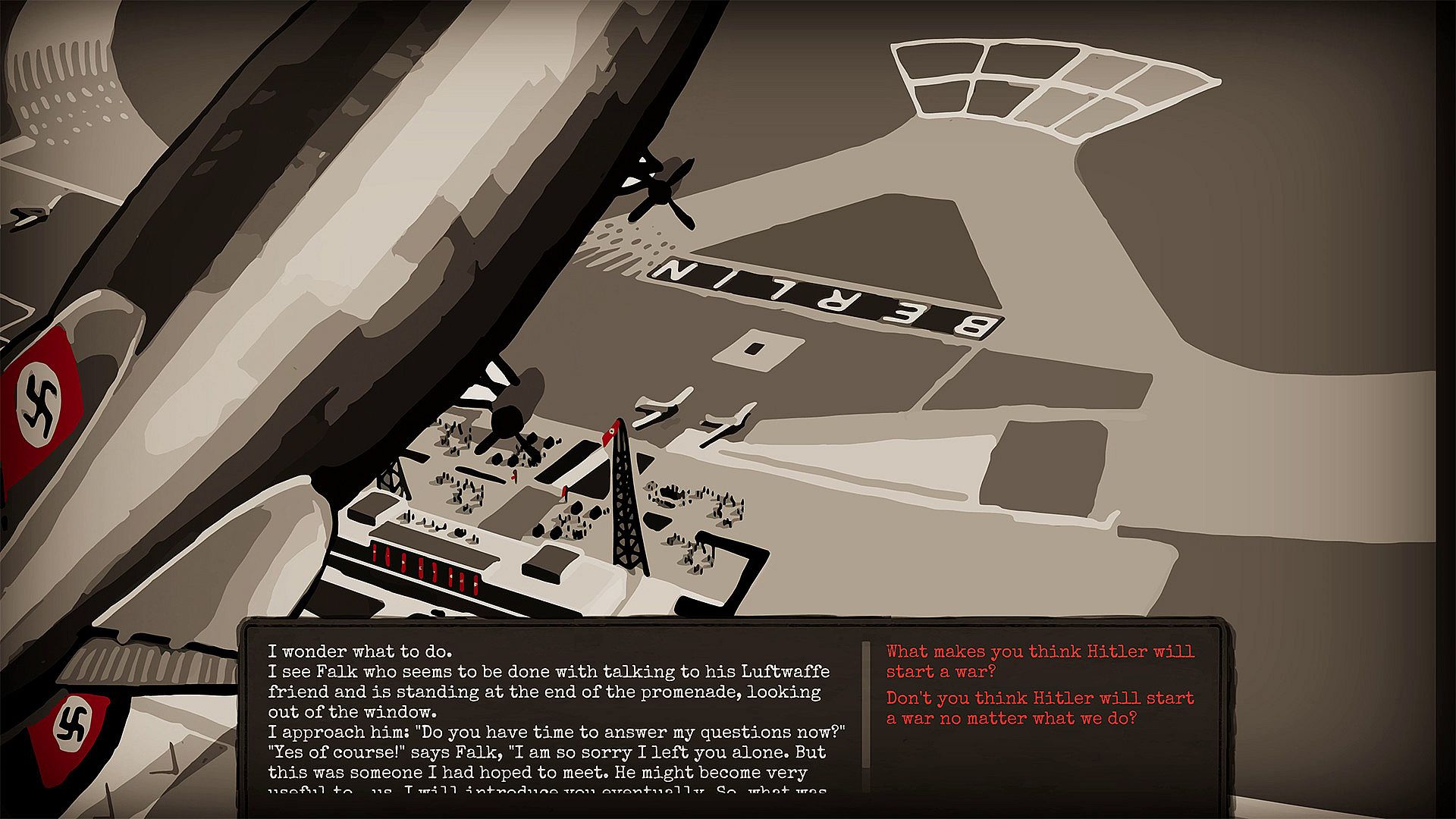
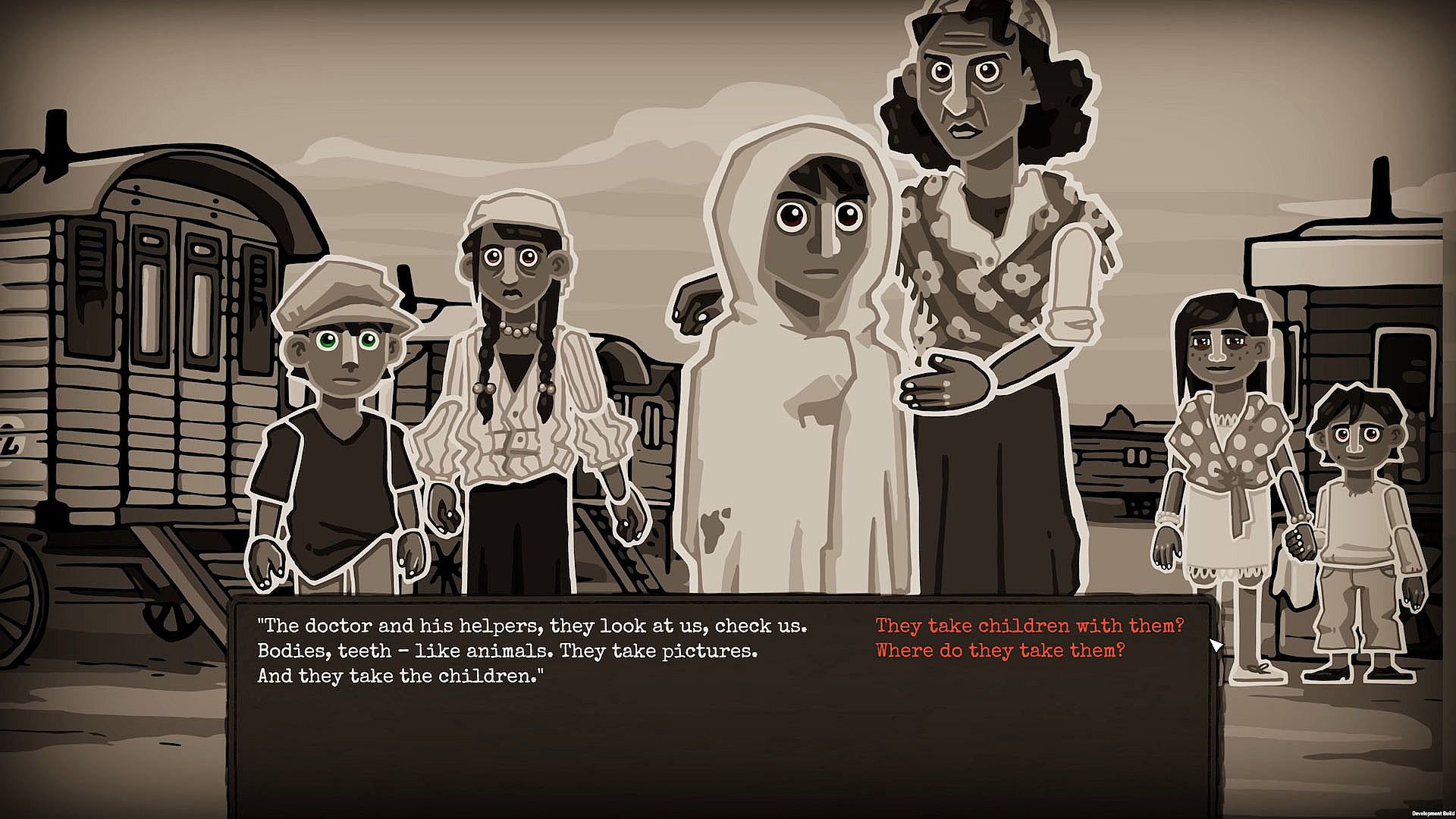
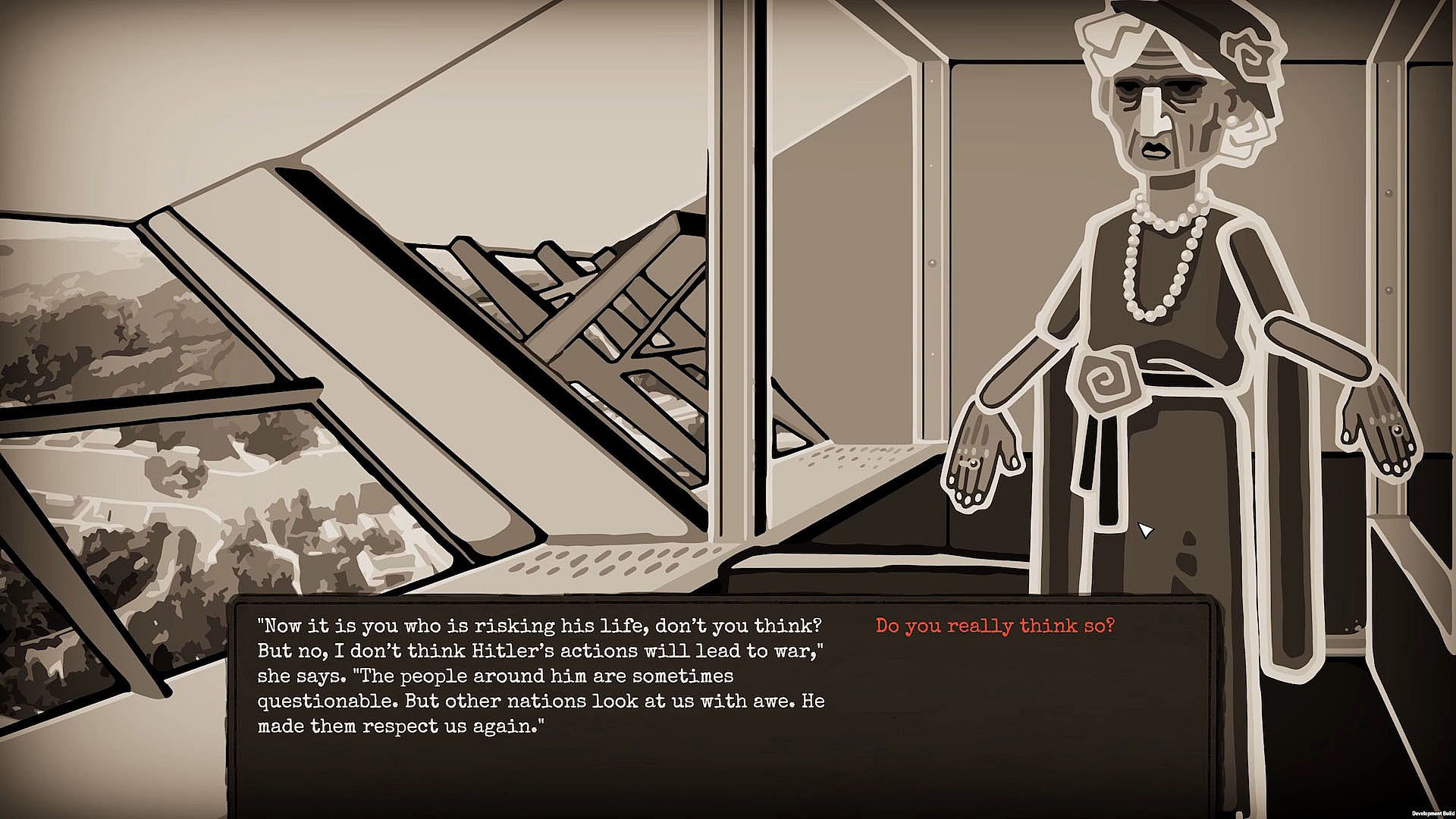
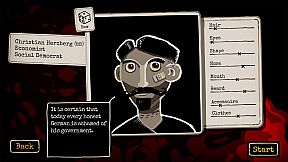
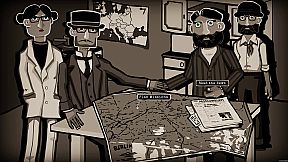
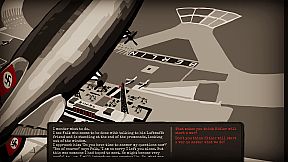
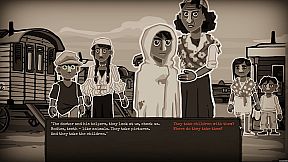
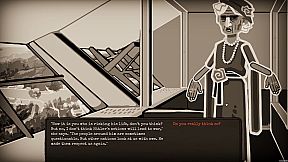
Decisions carry weight beyond immediate results. Players weigh the potential gains of an operation against the danger of exposure, and events often force choices between protecting individuals or advancing the cause. Between turns, dialogue scenes with citizens and group members add personal stakes, showing how ordinary people navigate fear and moral dilemmas under the regime.
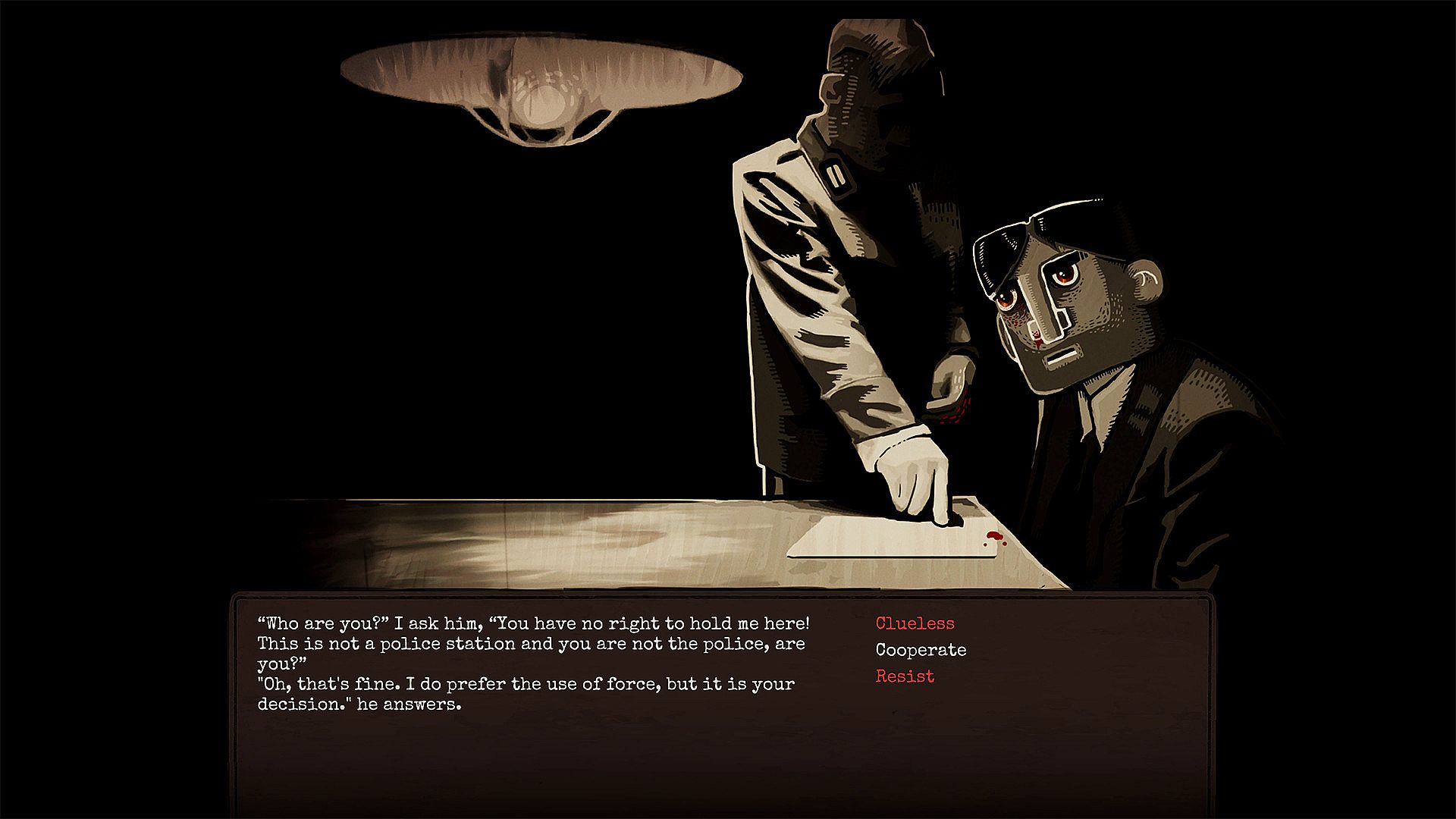
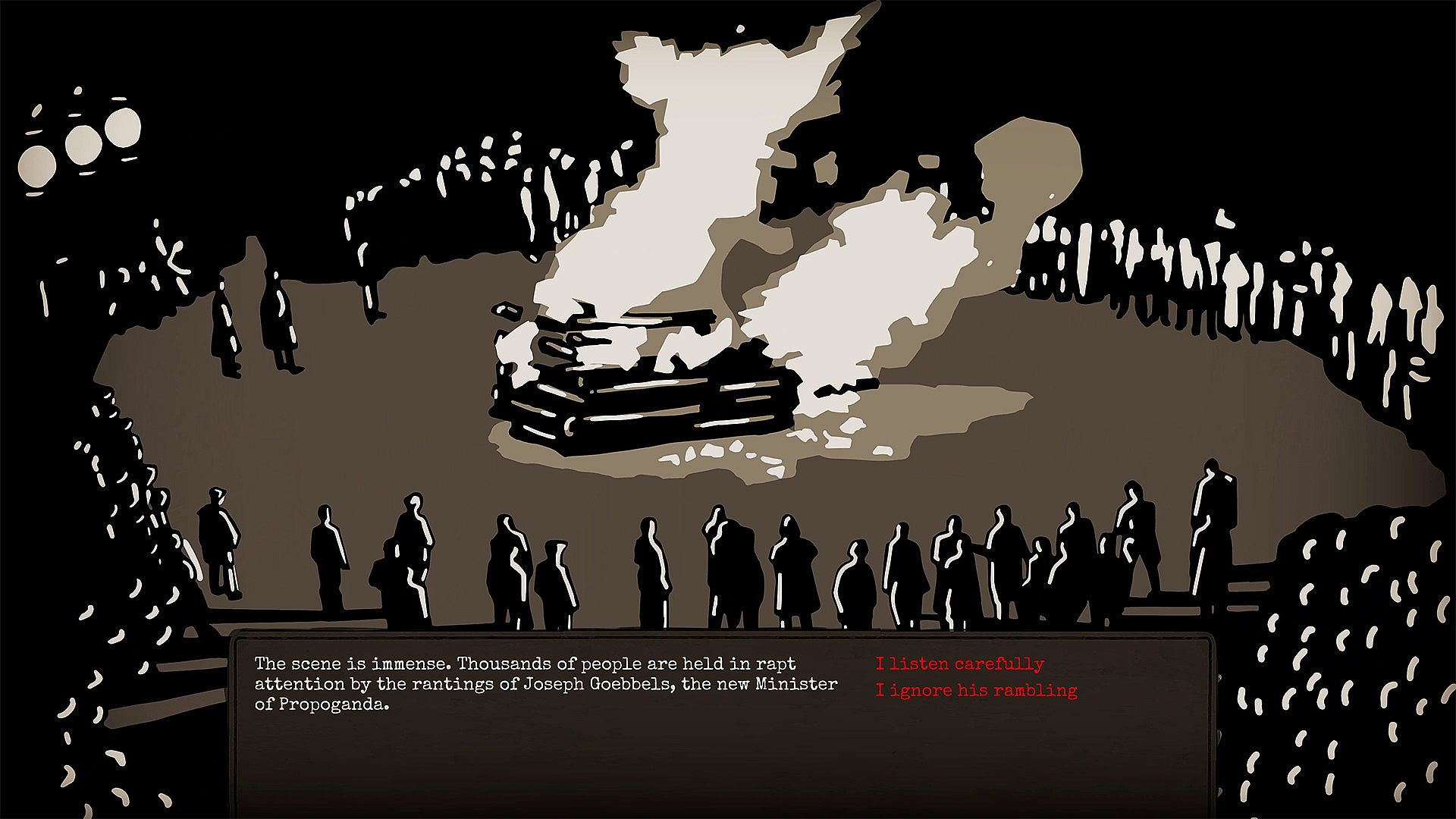
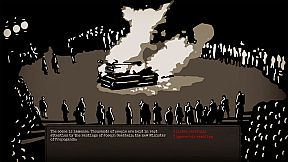
Expressionistic illustrations depict key scenes and outcomes, reinforcing the somber atmosphere without relying on action sequences. The focus remains on management and planning rather than direct confrontation, with historical accuracy ensuring that individual efforts cannot alter the larger course of events.
Game Modes
The game offers a single continuous campaign structured around four chapters. Each chapter spans roughly twenty weeks and resets certain resources like supporter counts at the start while advancing the timeline through major historical milestones. Optional side objectives appear in each chapter, providing additional goals such as specific resource collections or targeted actions without altering the main progression.
Progress depends on maintaining enough supporters to continue operations into the next chapter. There are no separate difficulty settings, multiplayer options, or alternative play styles; the experience centers on one narrative-driven resistance effort that unfolds sequentially from the early 1930s through the final years of the war.
Historical Context and Mechanics
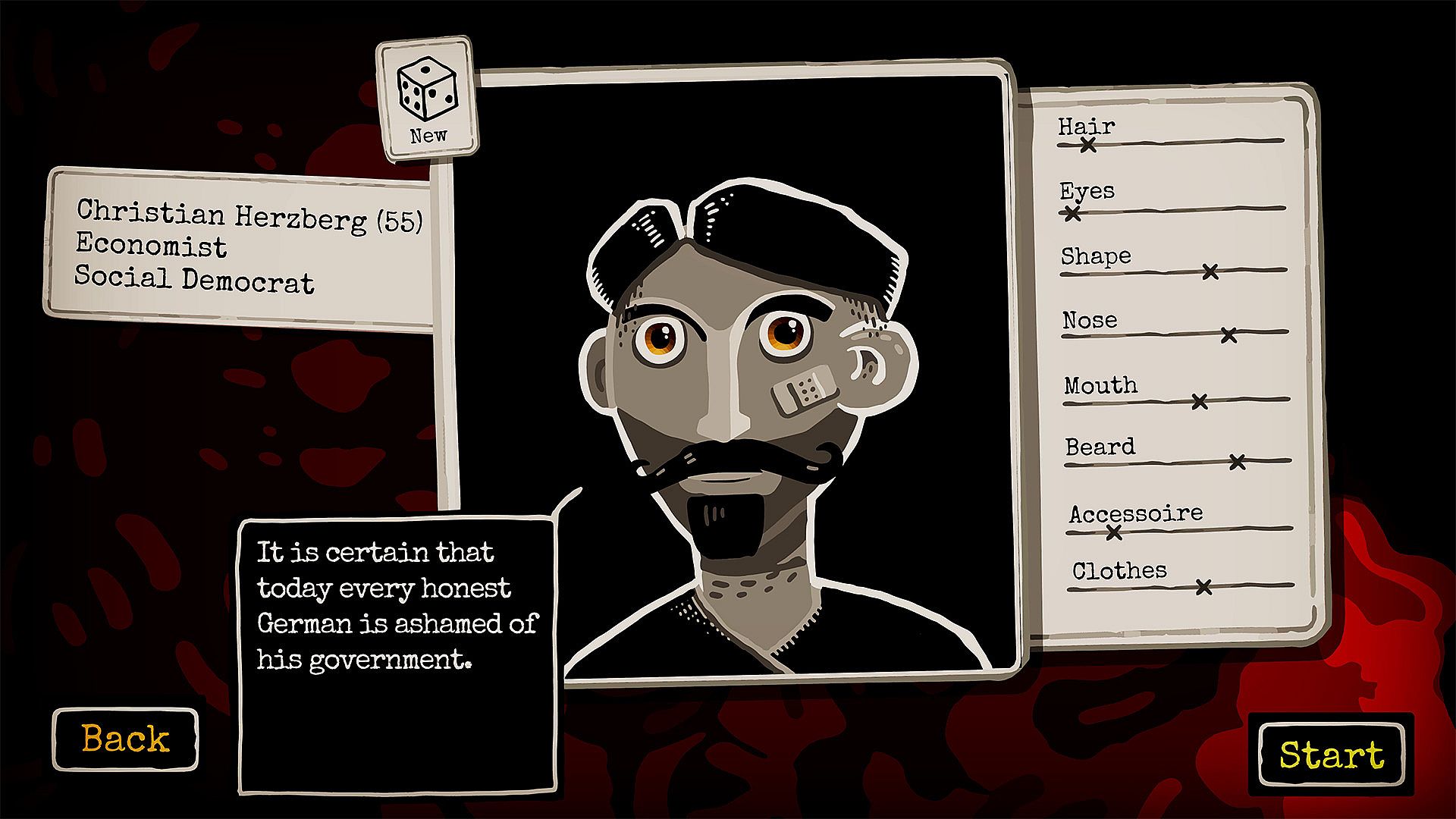
Mechanics emphasize risk management and long-term planning over combat. Group members possess individual traits that influence success rates on different tasks, and players must rotate assignments to avoid burnout or repeated patterns that raise suspicion. Recruitment expands the team gradually, while information gathering unlocks safer or more effective options later in a chapter.
The simulation tracks consequences across multiple turns, with arrests removing members permanently and affecting overall morale. This system highlights the precarious nature of resistance work, where small successes accumulate slowly and setbacks can cascade quickly.
Is It Worth Playing?
Players seeking a thoughtful strategy experience grounded in historical events will find the game delivers a focused campaign that prioritizes narrative impact and decision-making over extended playtime. Reviews consistently note the strength of its storytelling and the way mechanics support the theme of limited but meaningful opposition.
The title suits those interested in simulation and management genres who appreciate shorter, self-contained stories rather than open-ended or competitive play. Its single-player structure and emphasis on atmosphere make it a strong choice for anyone drawn to indie historical titles that explore difficult periods through personal-scale actions.