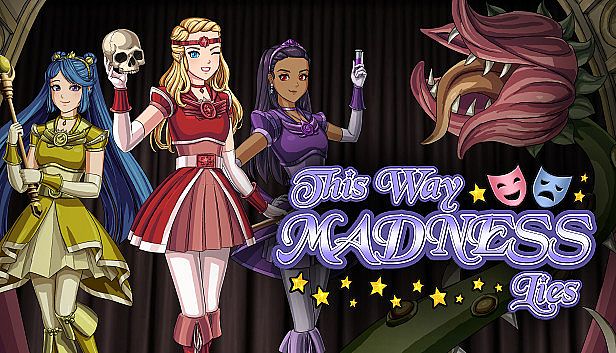

















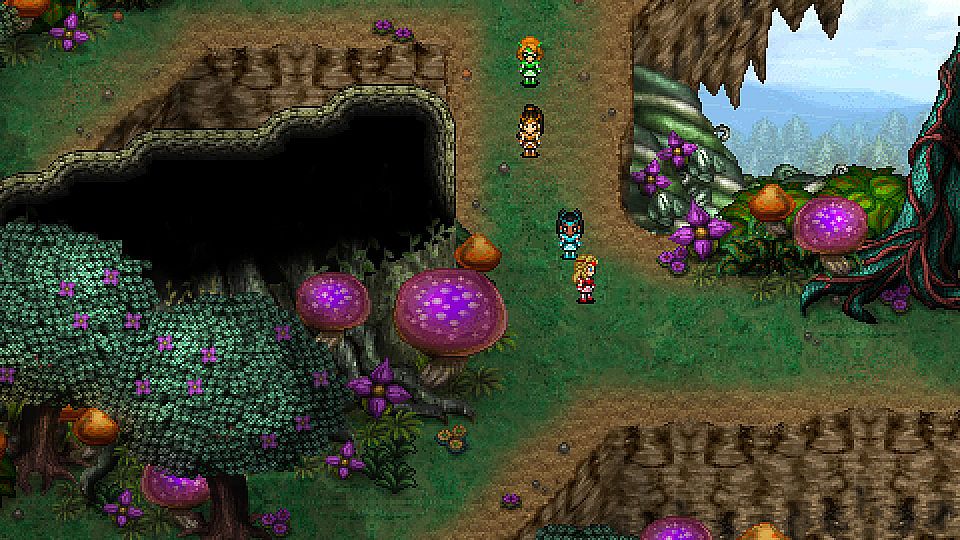
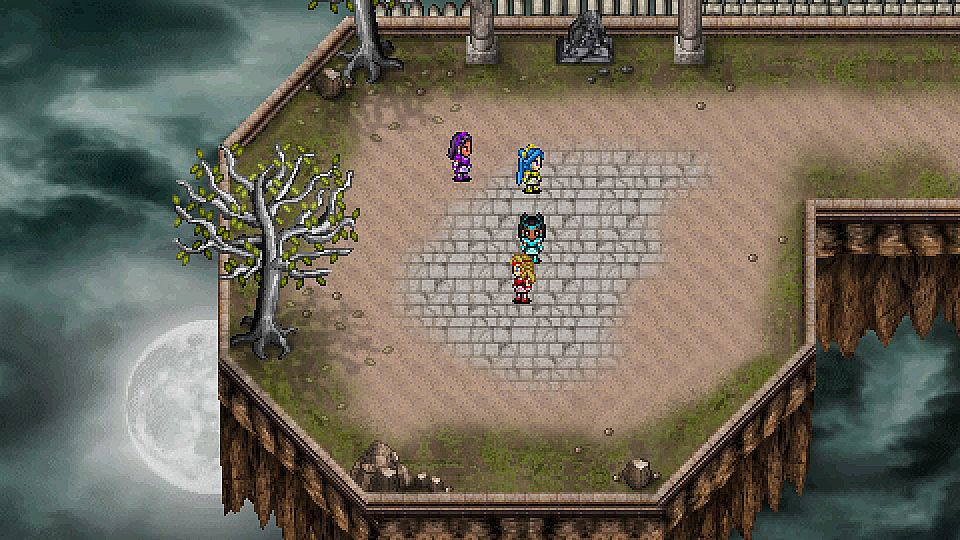

This Way Madness Lies is a turn-based JRPG that blends Shakespearean settings with magical girl action in a compact package designed for PC players seeking a focused experience rather than sprawling epics.
Gameplay
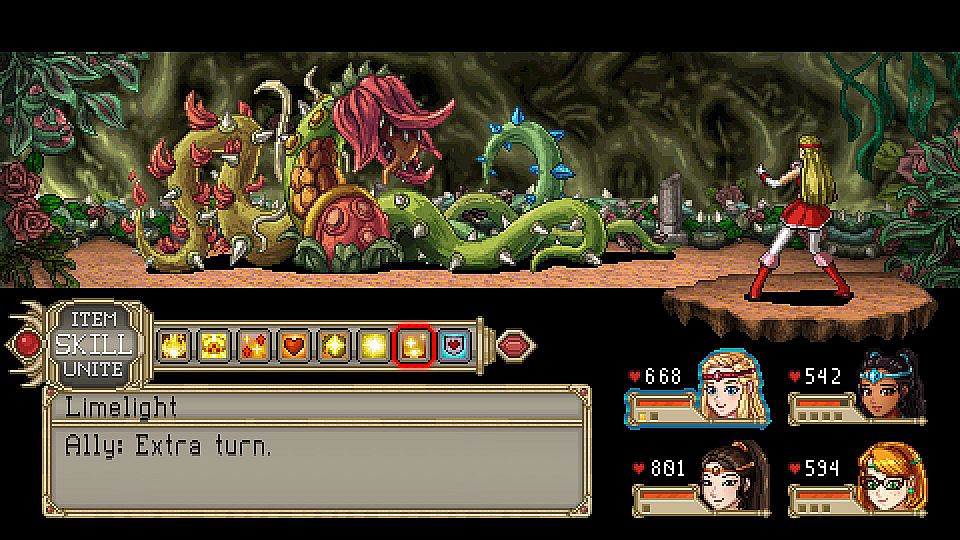
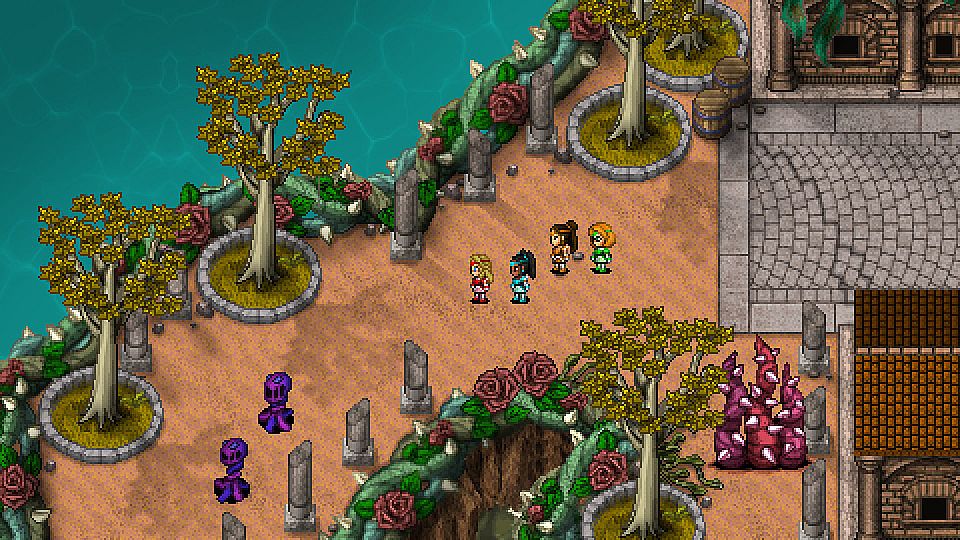
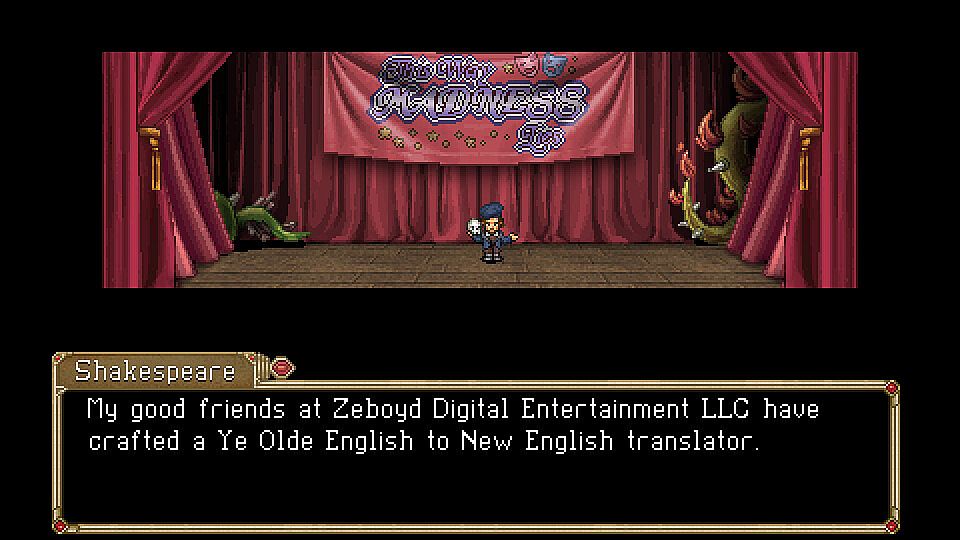
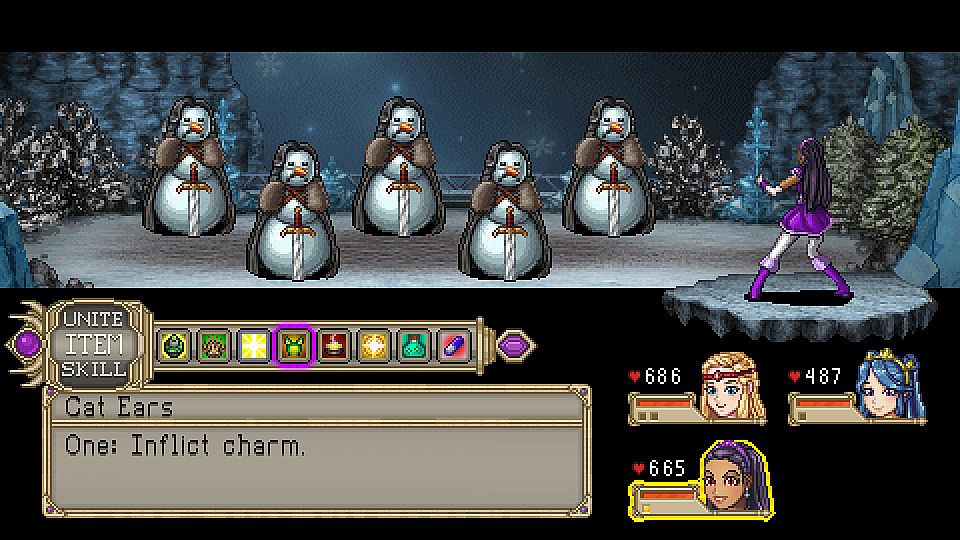
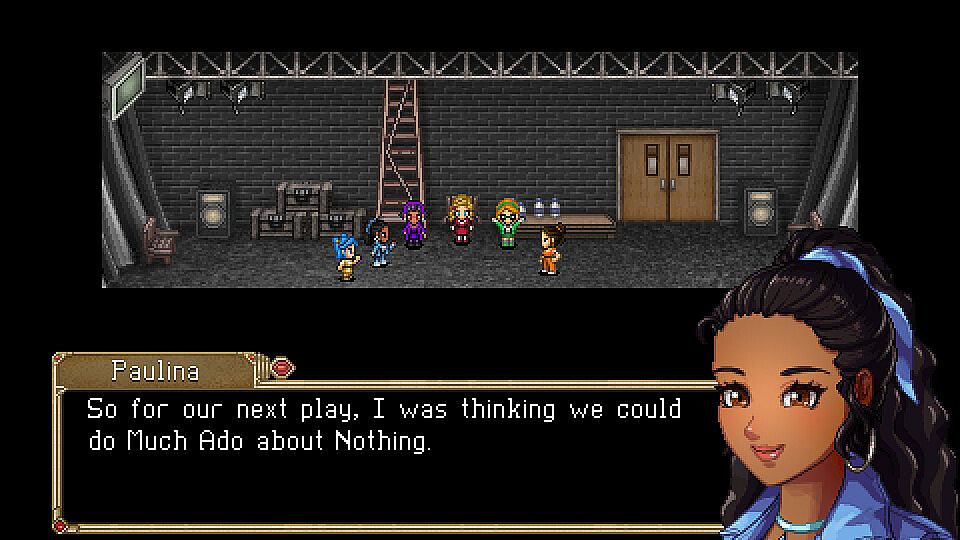
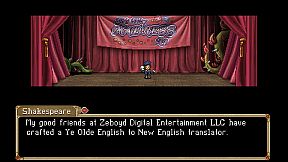
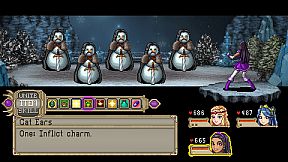
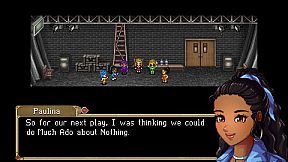
The core loop centers on leading a group of high school friends who double as magical girls. Players control Imogen and her companions as they teleport between dimensions inspired by Shakespeare plays to battle forces of Nightmare. Combat unfolds in a classic turn-based format where positioning and ability timing matter, with options to engage enemies directly from the menu for targeted grinding. Party management involves selecting up to four characters at once, though certain story segments restrict combinations to specific lineups. Multi-character unite abilities provide powerful joint attacks that reward coordination and timing. A built-in translator converts Shakespearean dialogue into modern English on demand, keeping the story accessible without breaking immersion. Side activities include spending time with friends and staging plays, which tie into character development and light progression. A pet companion adds another layer of interaction during downtime. The overall pacing keeps sessions brisk, with maps that prioritize story beats over extensive exploration.
Game Modes
The game operates as a single-player campaign with adjustable difficulty settings. Standard playthroughs follow the main narrative across Shakespeare-inspired worlds, while hard mode increases challenge and encourages deeper use of the skill and unite systems. No separate multiplayer or competitive modes exist. The structure remains linear, guiding players through sequential dimensions and battles without branching paths or optional side campaigns. This setup suits players who prefer a straightforward progression loop focused on combat refinement and story delivery.
Story and Setting
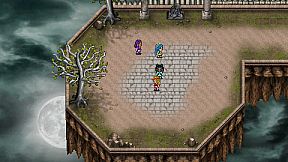
The narrative opens in Verona, Italy, where the Stratford-Upon-Avon High Drama Society operates as a cover for magical defense against Nightmare incursions. Each dimension draws directly from Shakespeare works, transforming familiar tales into battlegrounds filled with mutant threats and comedic twists. Dialogue mixes original Shakespearean phrasing with the translator tool for clarity. Character interactions emphasize friendship and theater production, grounding the fantastical elements in everyday high school life. The story concludes after a concise sequence of events, delivering its full arc without extended padding.
Is It Worth Playing?
Reviews consistently highlight the strong combat system, pixel art, and soundtrack as standout elements that deliver value within a short runtime. Players who enjoy bite-sized JRPGs with humorous writing and Shakespeare references find the experience satisfying and replayable on higher difficulties. The game appeals most to those seeking a weekend-length title rather than long campaigns, with positive feedback on its pacing and lack of filler. It remains available as a complete release with no ongoing seasonal content or major updates required. Those drawn to turn-based combat, party-based strategy, and light-hearted storytelling will likely appreciate the focused design and character-driven moments.