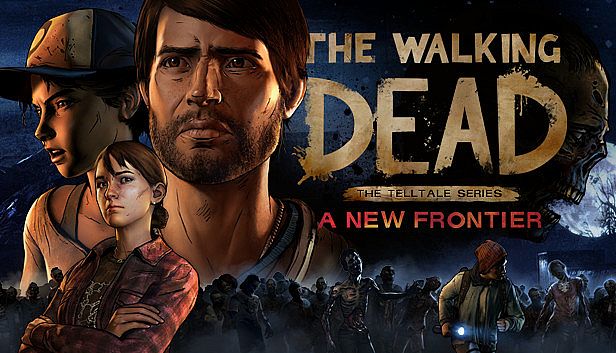




















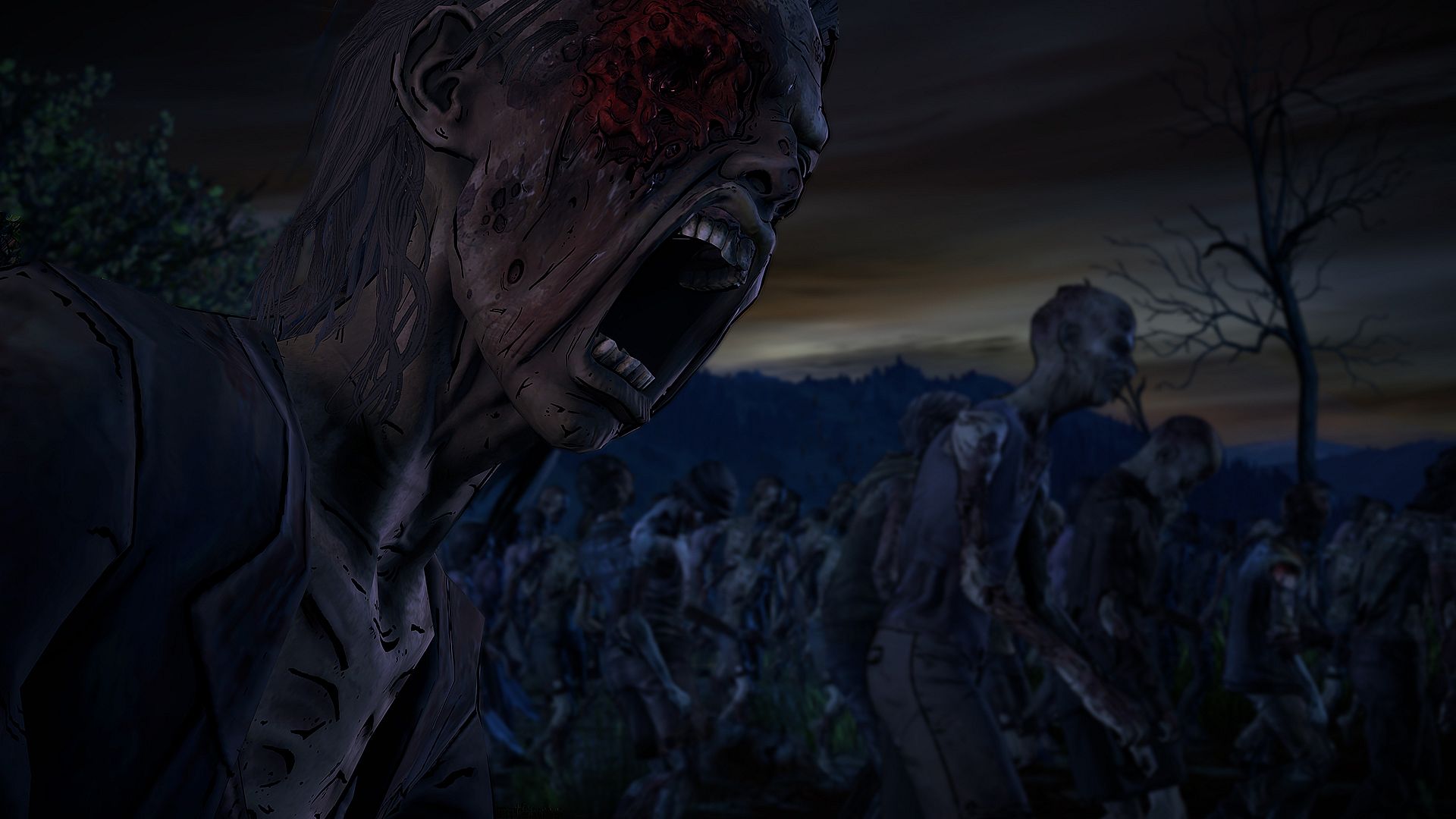
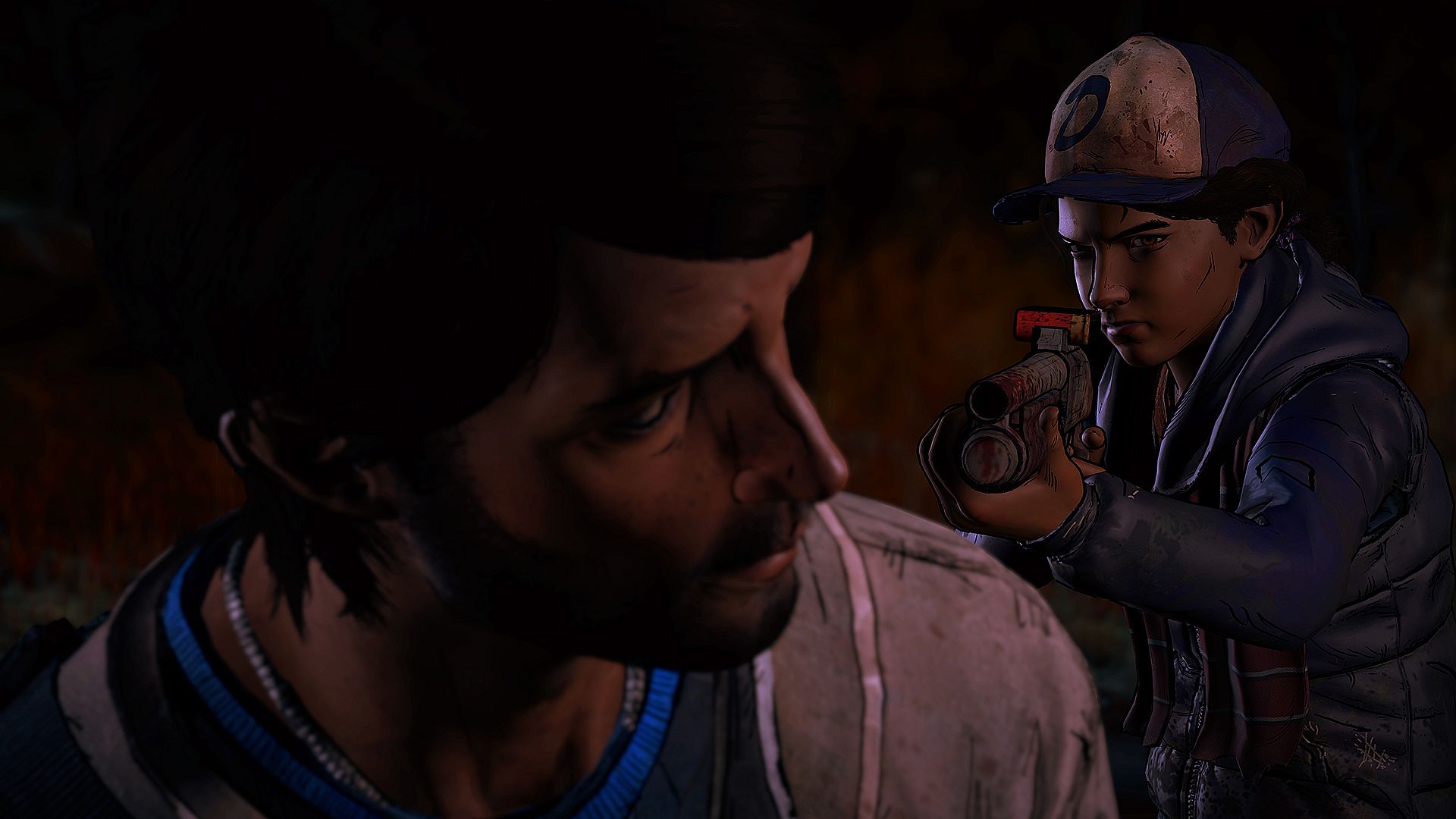
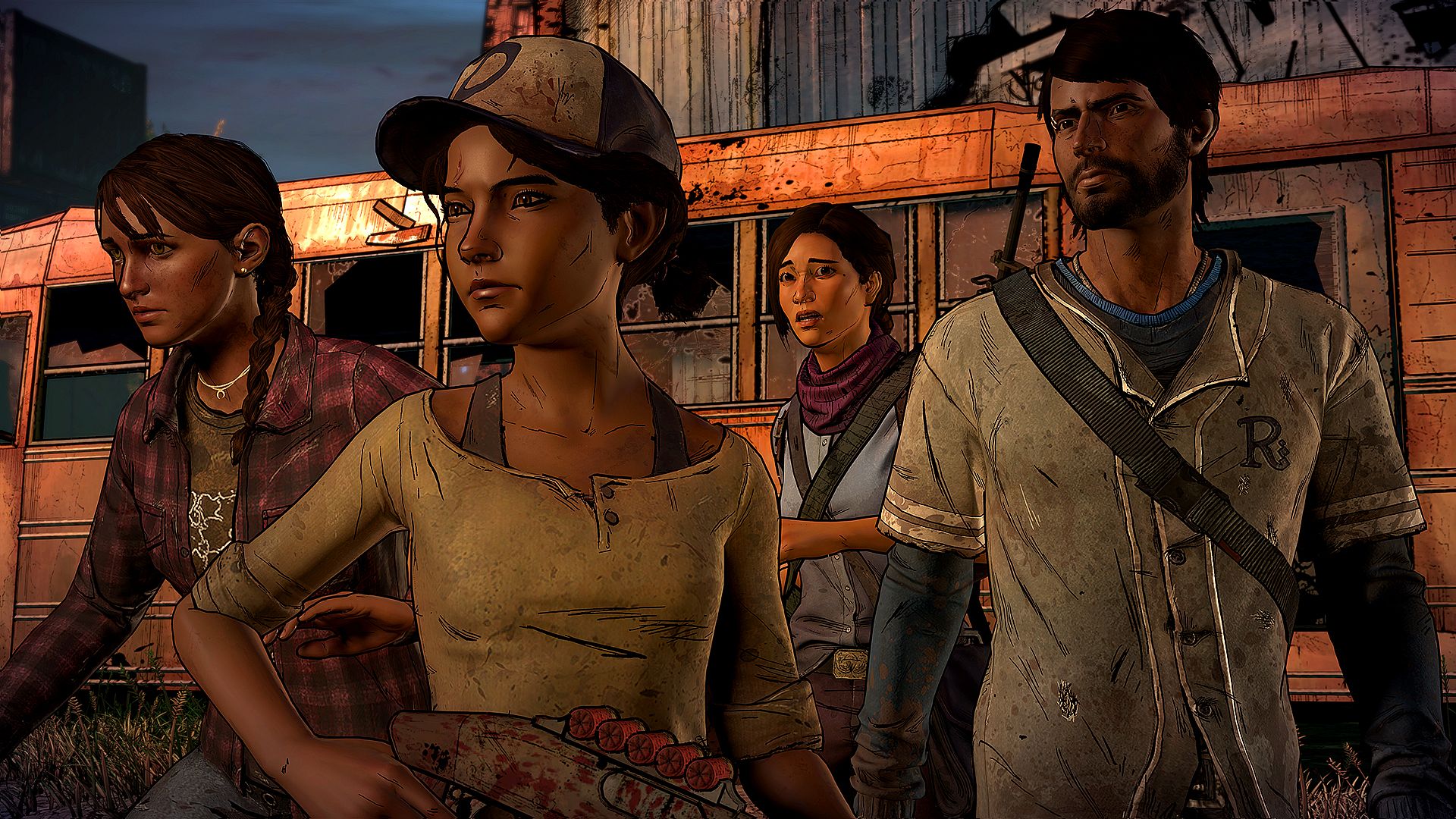
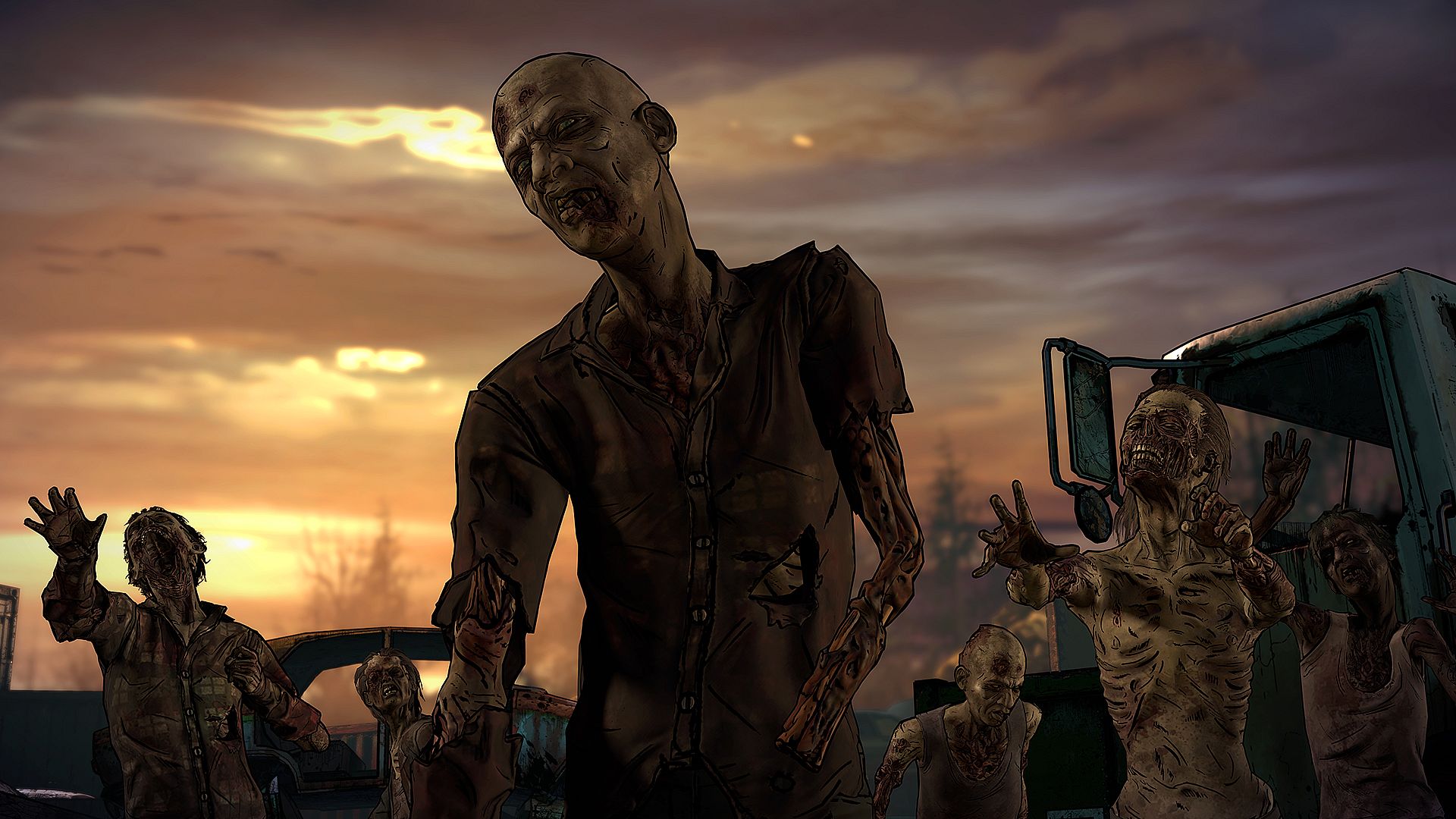
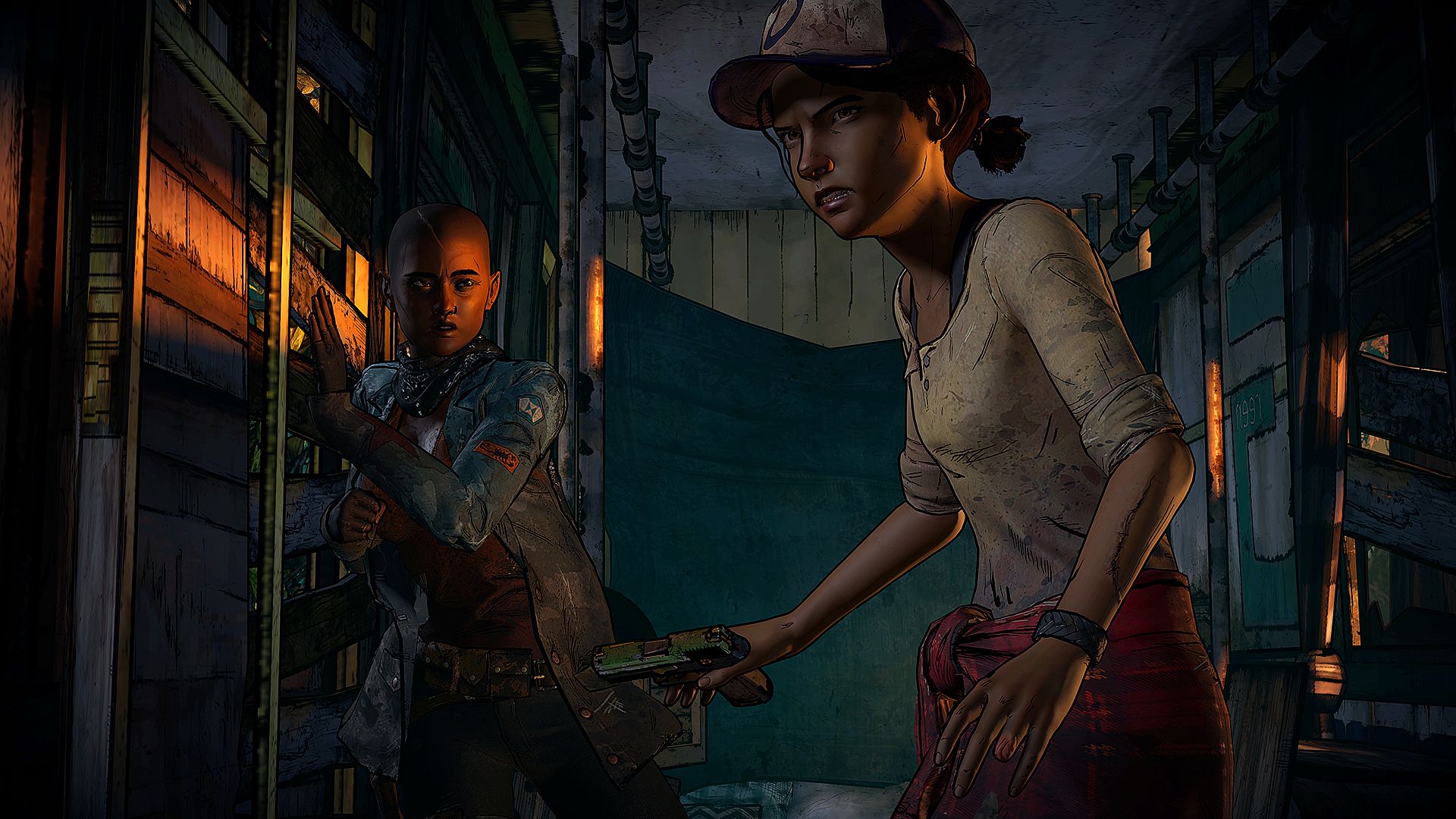
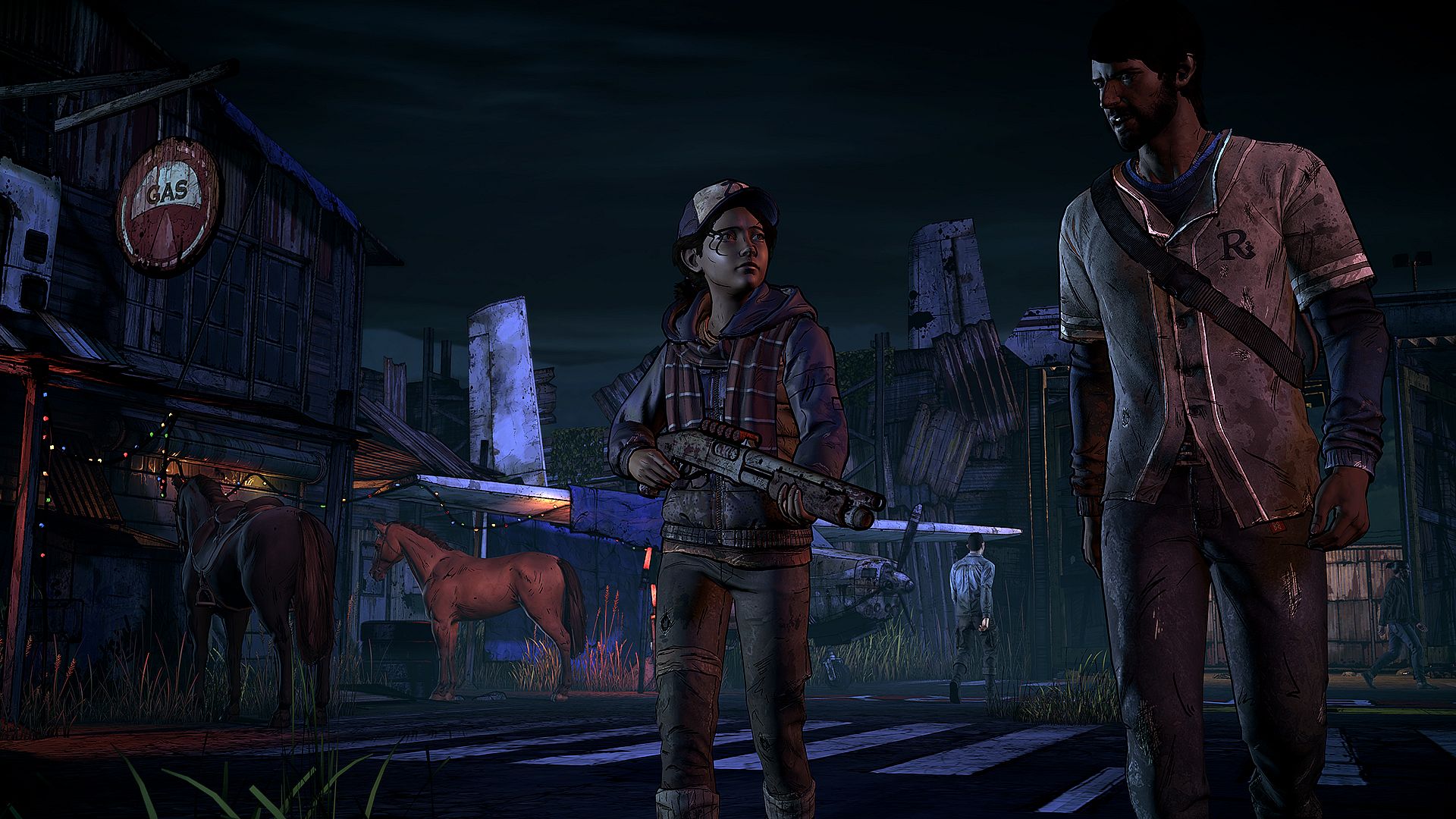
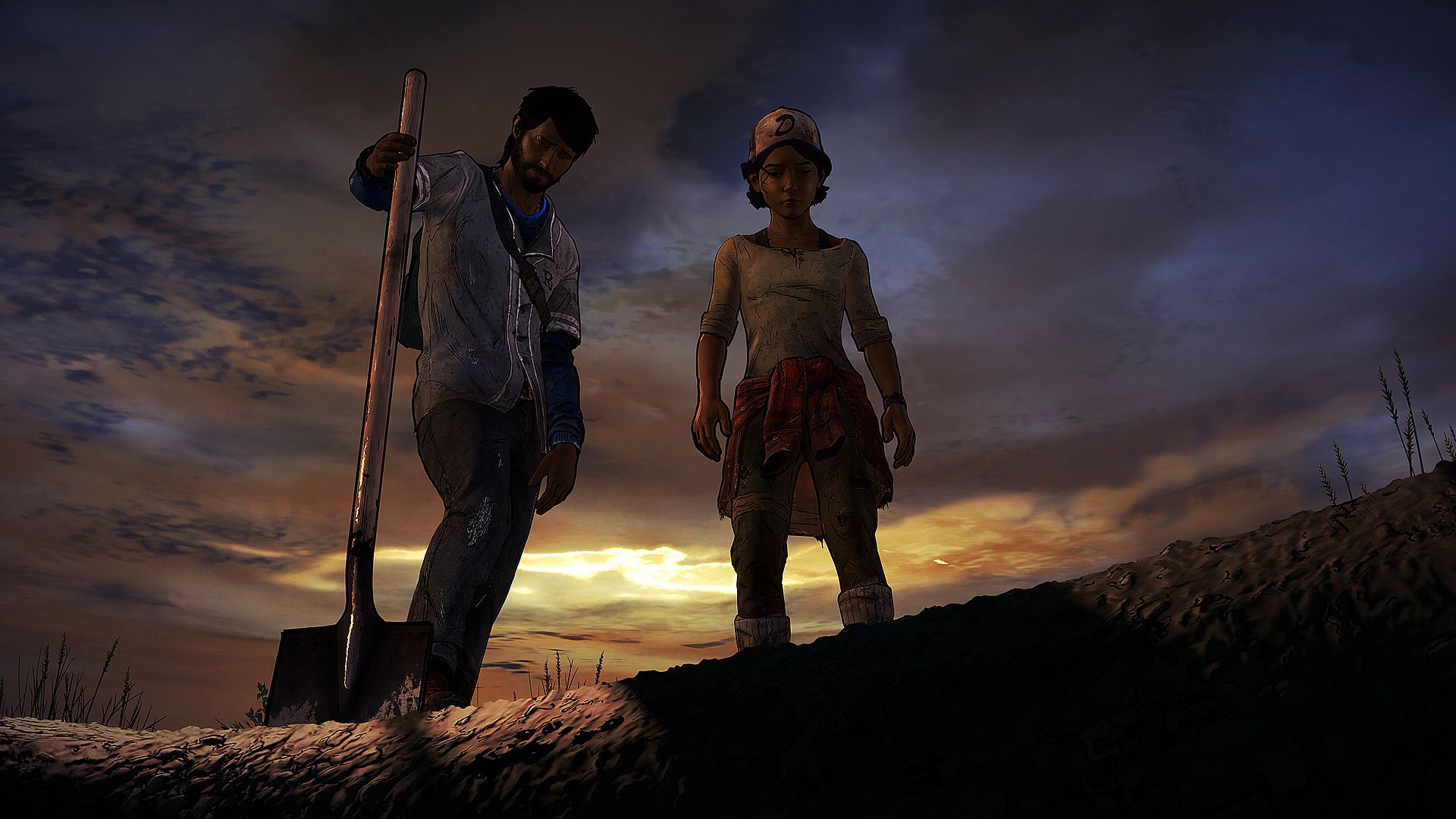
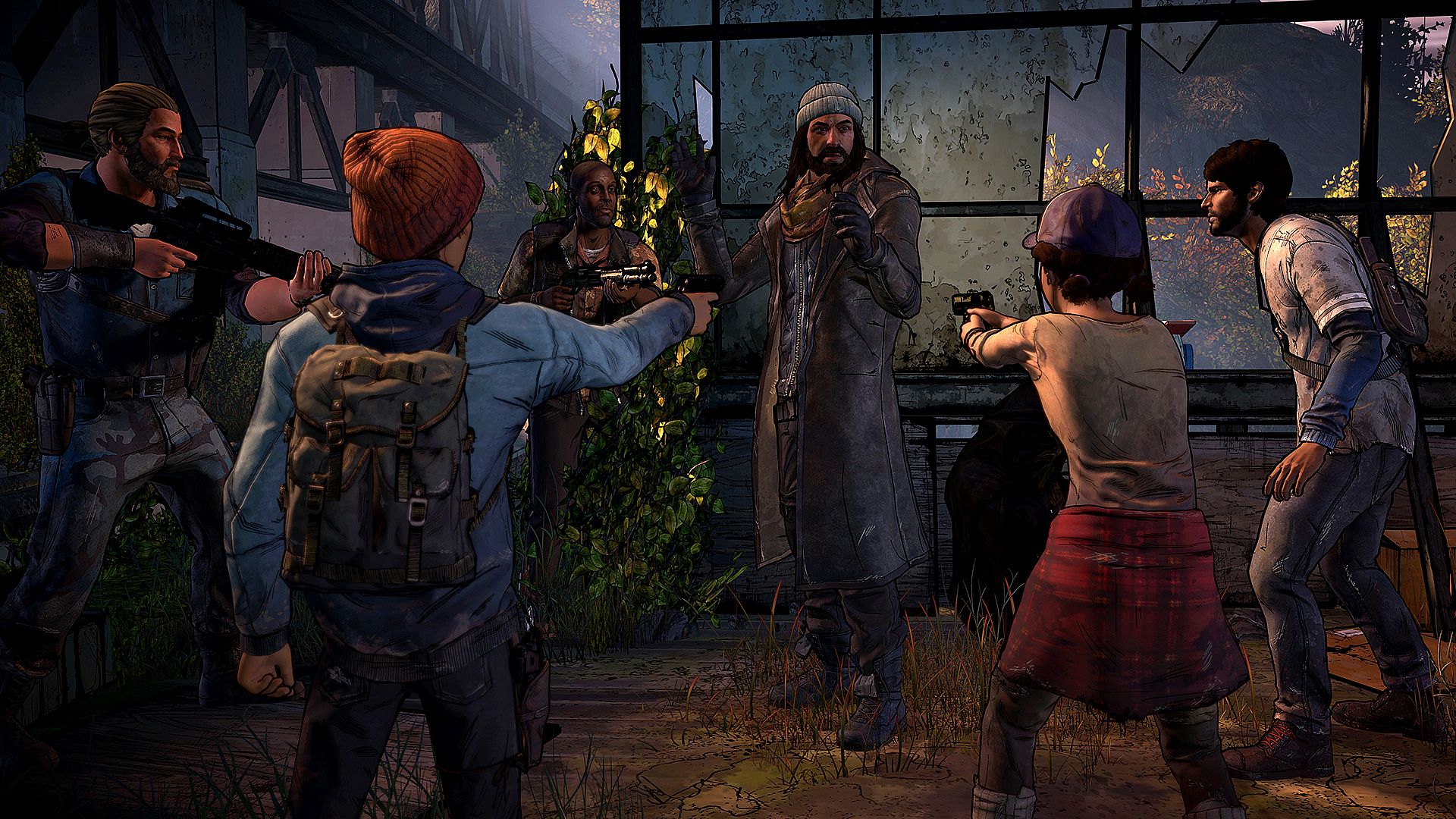


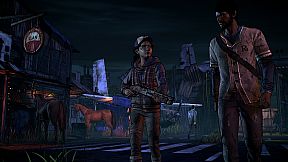

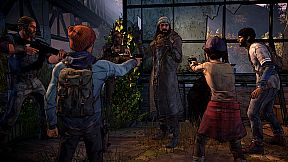
The Walking Dead: A New Frontier is a single-player graphic adventure game that places players in control of Javier, a man searching for his family in a world shattered by the undead. The story connects his journey with Clementine, a survivor from earlier chapters in the series, as their paths cross amid the remnants of civilization. Choices made during conversations and key moments shape relationships and outcomes, with the narrative emphasizing the cost of trust and survival decisions.
Gameplay
Players navigate environments through point-and-click interactions, examining objects and locations to gather items or uncover details that advance the plot. Conversation trees form the core of progression, where dialogue options appear with time limits, and remaining silent counts as a valid response that can alter how characters react. Quick-time prompts and simple action sequences occasionally interrupt the story during tense encounters, requiring timed inputs to resolve conflicts or escape threats.
The experience unfolds across episodic chapters that build on personal stakes rather than large-scale exploration. Inventory management stays minimal, focused on using collected items in specific situations to solve immediate problems. Character interactions drive the emotional weight, as decisions influence alliances and betrayals without relying on combat systems or resource crafting.
Game Modes
The game operates exclusively in single-player mode, with no multiplayer components or alternate play styles available. The structure follows a linear episodic format that delivers the complete story through sequential chapters, each advancing the central plot while incorporating player choices that carry forward. This setup encourages replaying sections to explore different dialogue branches and their consequences on the narrative path.
Story and Characters
Javier serves as the primary protagonist, driven by the need to reunite with his family after the collapse of society. His encounters with Clementine introduce a partnership rooted in shared loss, where both characters navigate moral dilemmas about protecting loved ones. The narrative explores themes of loyalty and survival in isolated communities that have formed their own rules in the aftermath of widespread destruction.
Supporting figures appear through the episodes, each presenting opportunities for the player to decide how Javier responds to their motivations and conflicts. These interactions highlight the tension between individual survival and group dynamics without introducing external factions or large-scale conflicts beyond personal stakes.
Is It Worth Playing?
This title suits players who enjoy narrative-driven adventures centered on meaningful choices and character development in a post-apocalyptic setting. The episodic release allows for focused sessions that build tension across the story arcs. Reception among players highlights its strengths in scripting and decision consequences, though some note it as a less impactful entry compared to earlier parts of the series.
Availability on PC keeps the full experience accessible for those interested in the Telltale style of interactive storytelling. No ongoing updates or additional content seasons have followed the original episodes, leaving the game in its completed form for new players to experience the core campaign. Those drawn to stories where every selection carries lasting weight will find the structure rewarding, while action-focused gamers may prefer titles with more mechanical depth.