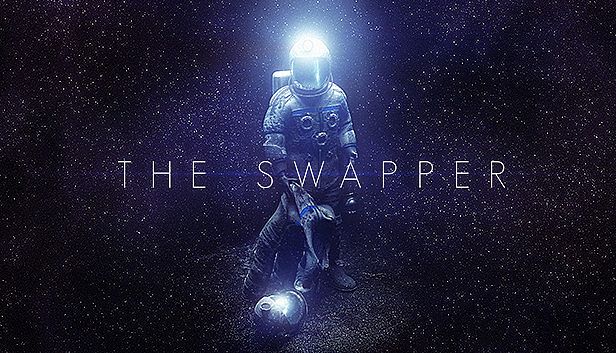











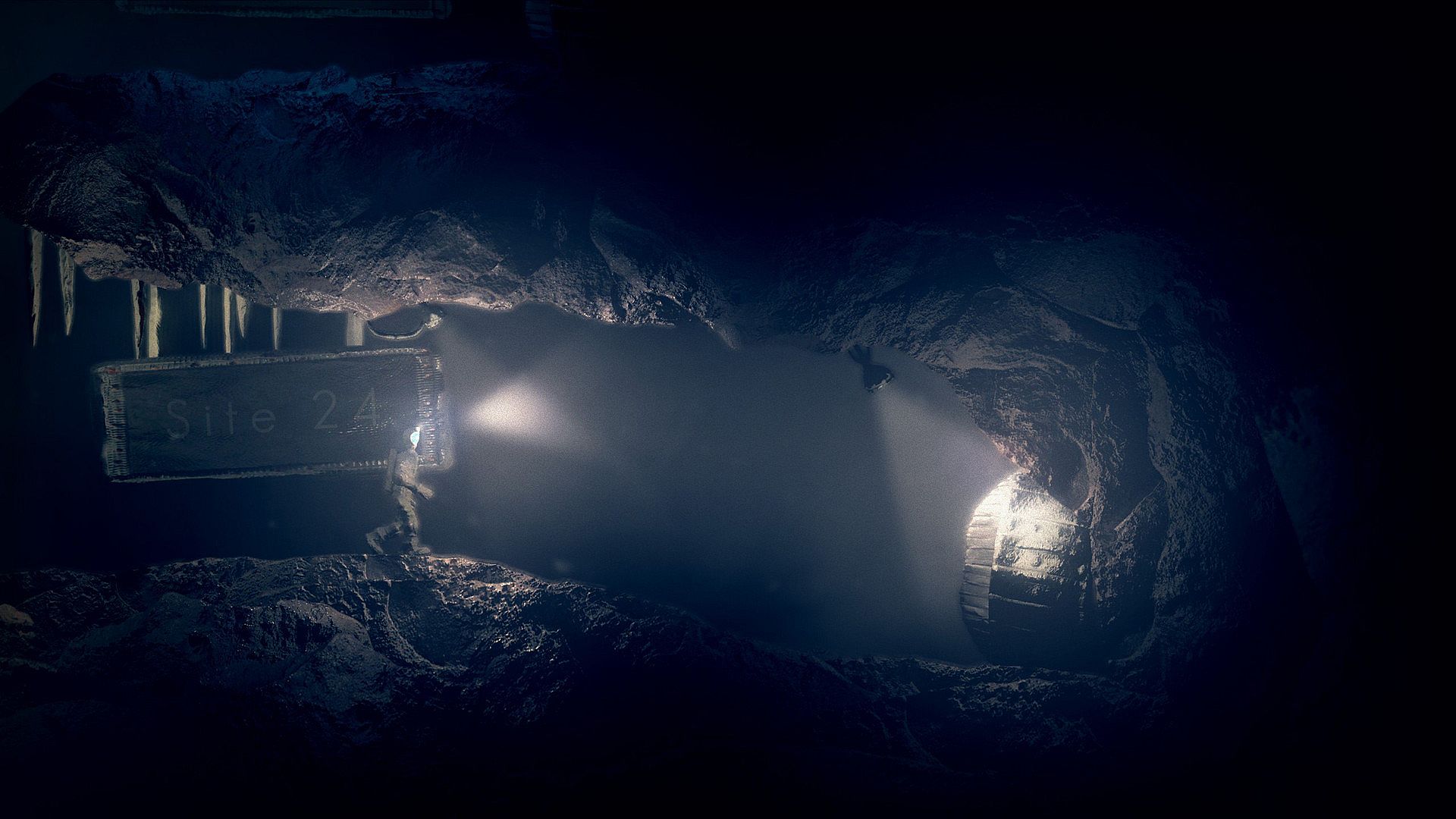
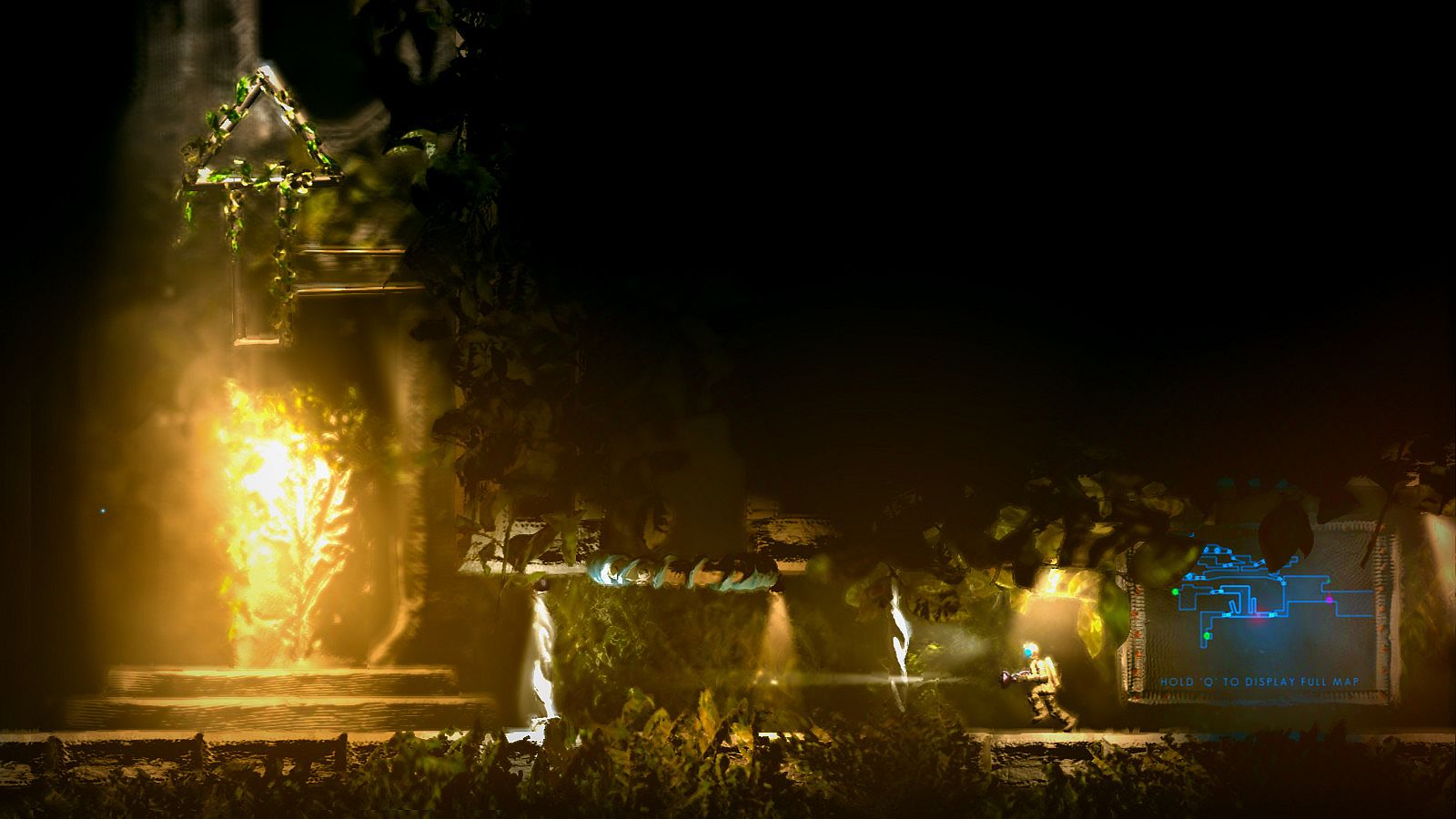
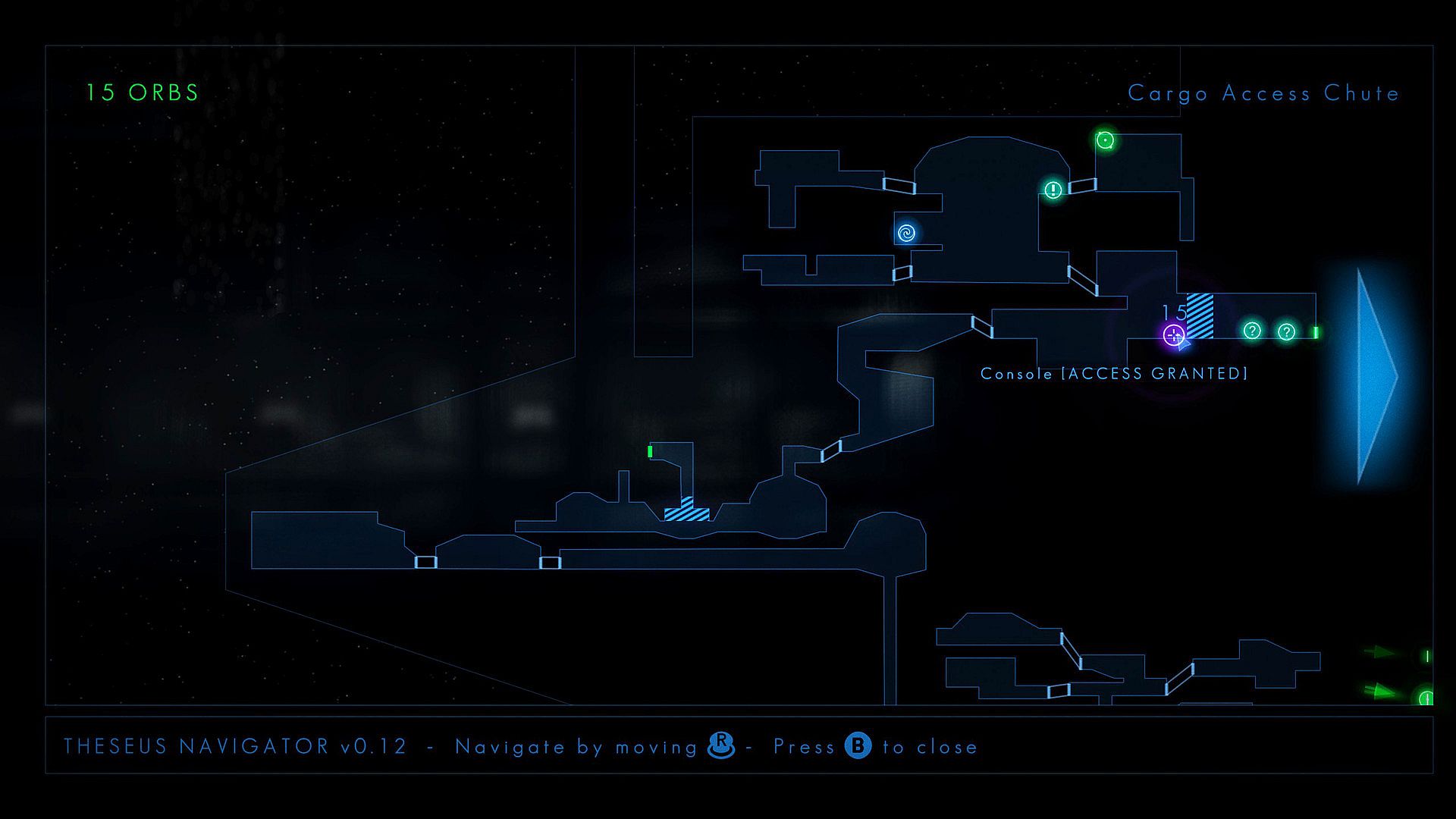
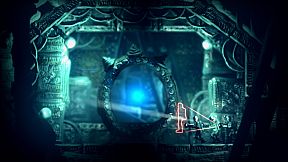
The Swapper is a single-player puzzle-platformer that places players in control of a scavenger exploring an abandoned research station in deep space. The core experience revolves around an experimental device that creates clones of the player character and transfers consciousness between them to navigate environmental obstacles and collect orbs required for progression.
Gameplay
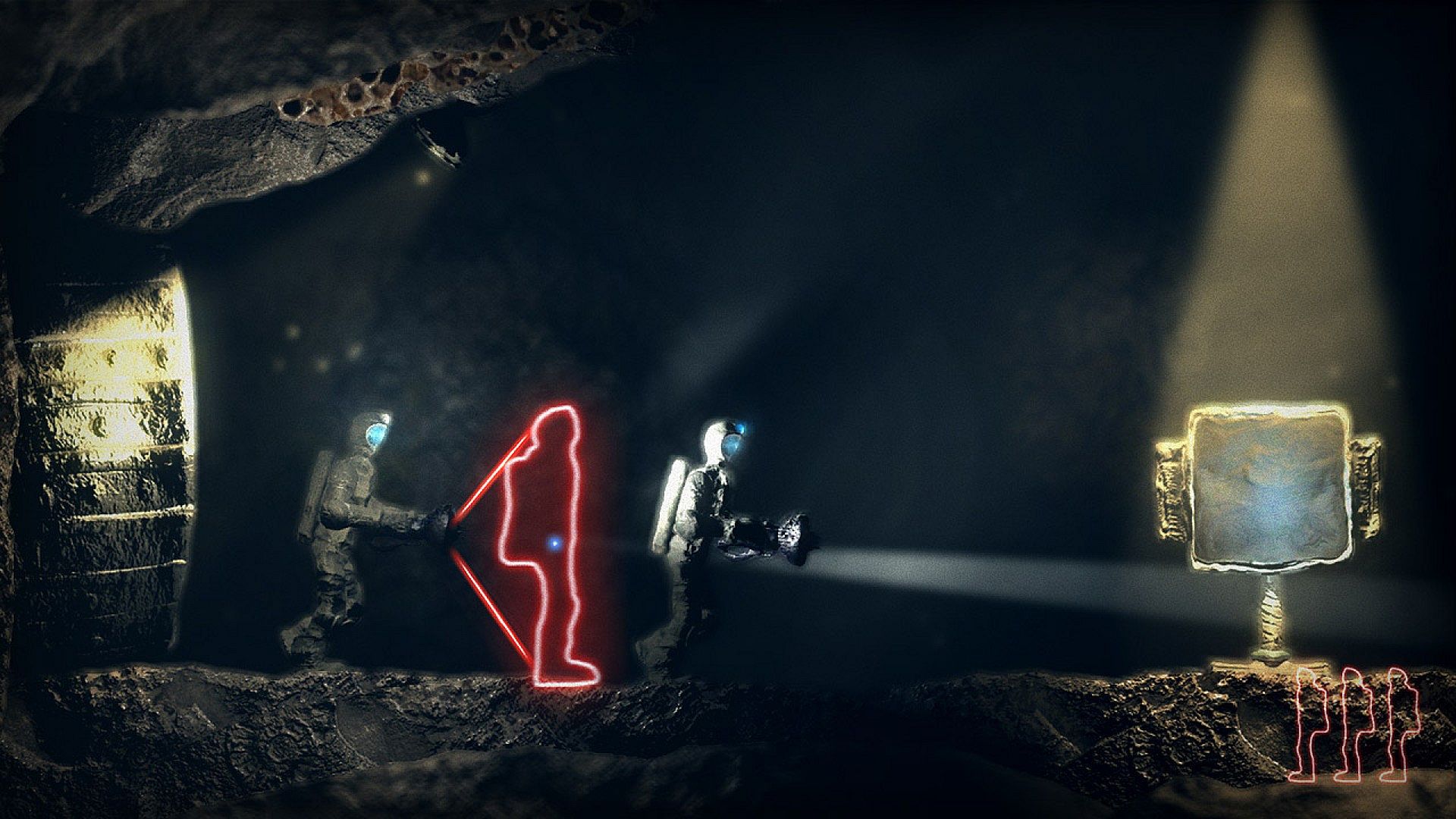
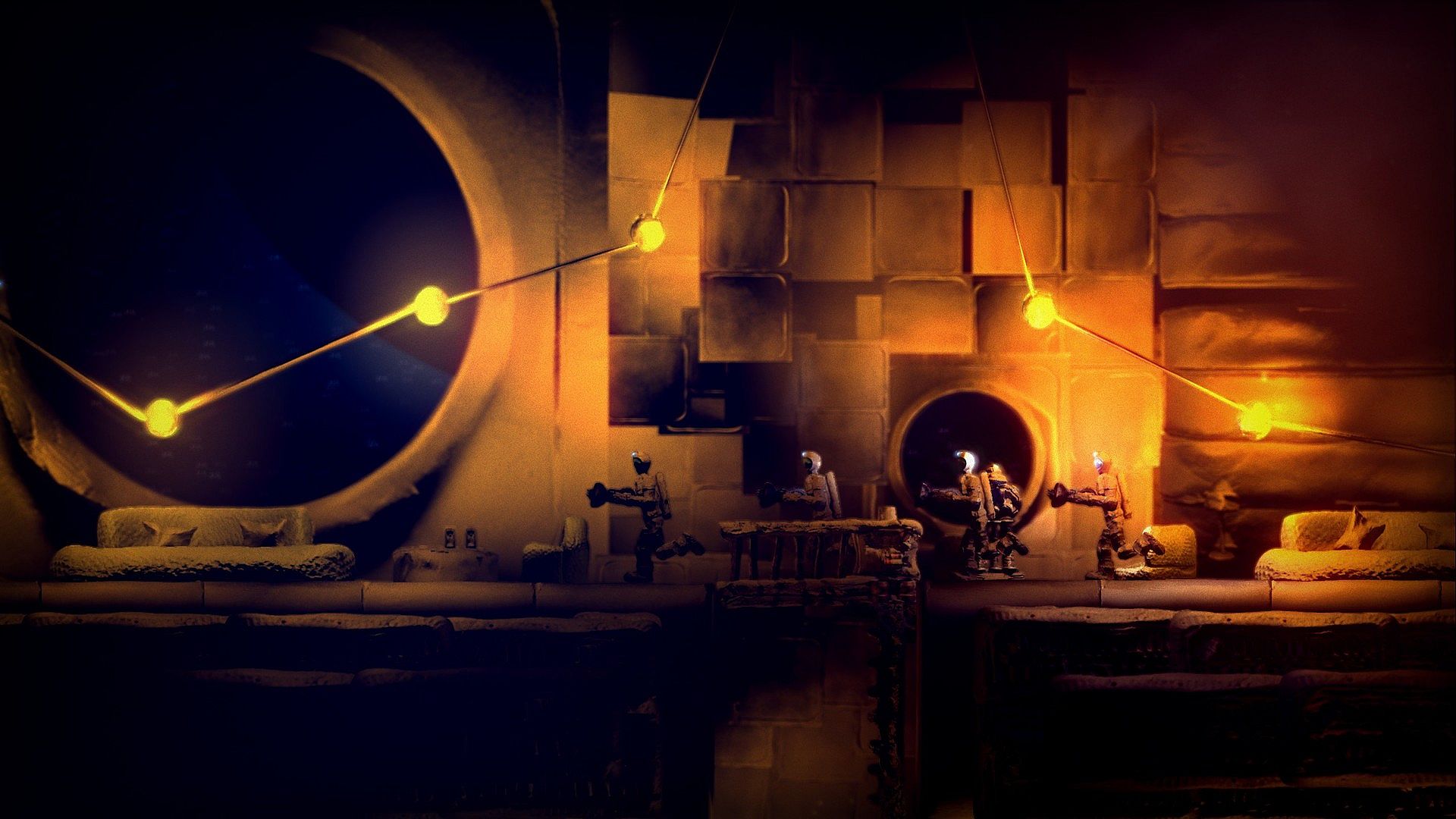
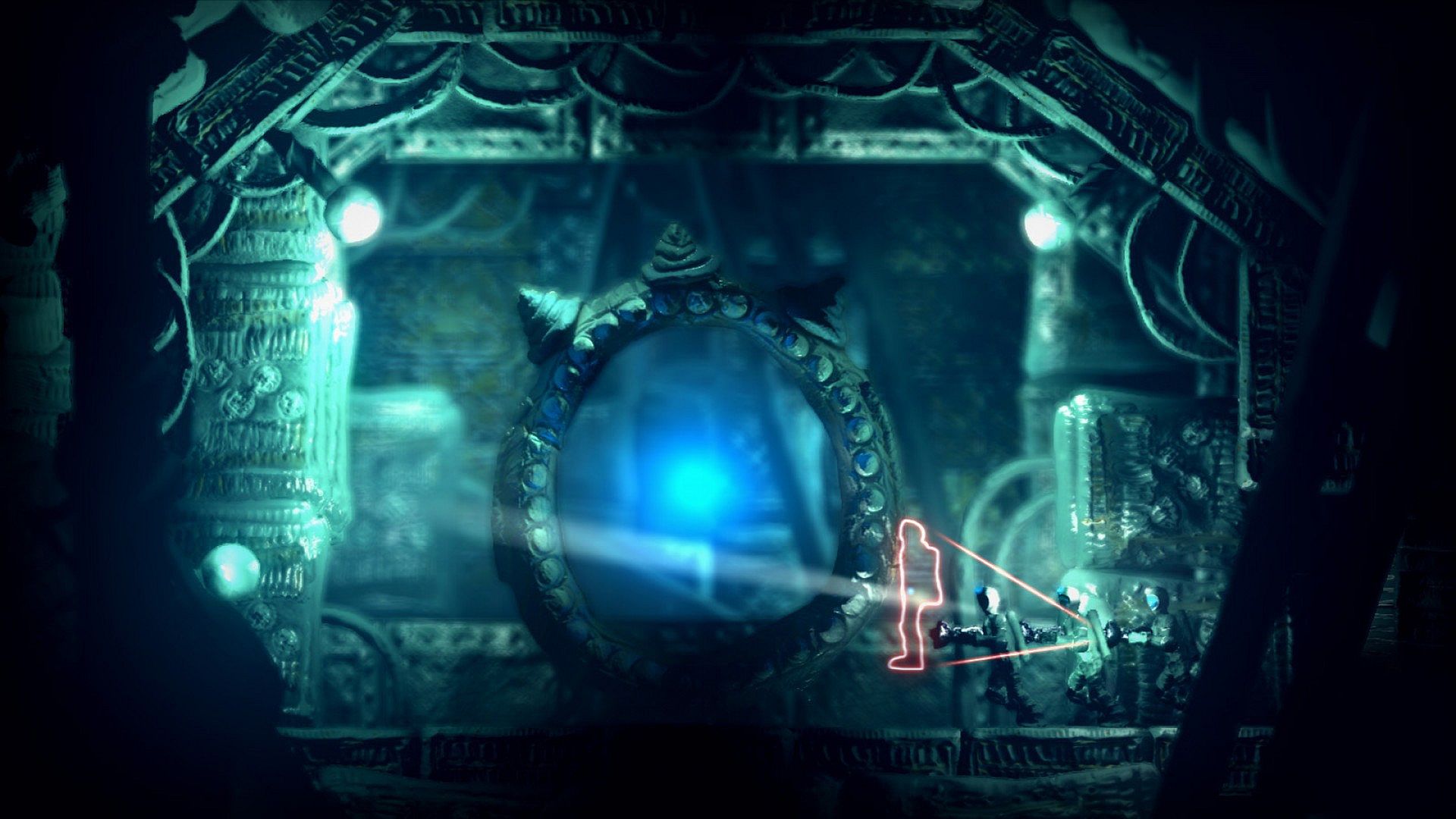
The central system involves creating up to four clones at once and swapping control to any visible clone. Clones replicate the player's movements exactly unless blocked by walls or other objects, which allows precise positioning for activating switches, reaching platforms, or manipulating objects. Time slows when aiming the device, giving room for careful placement during complex sequences.
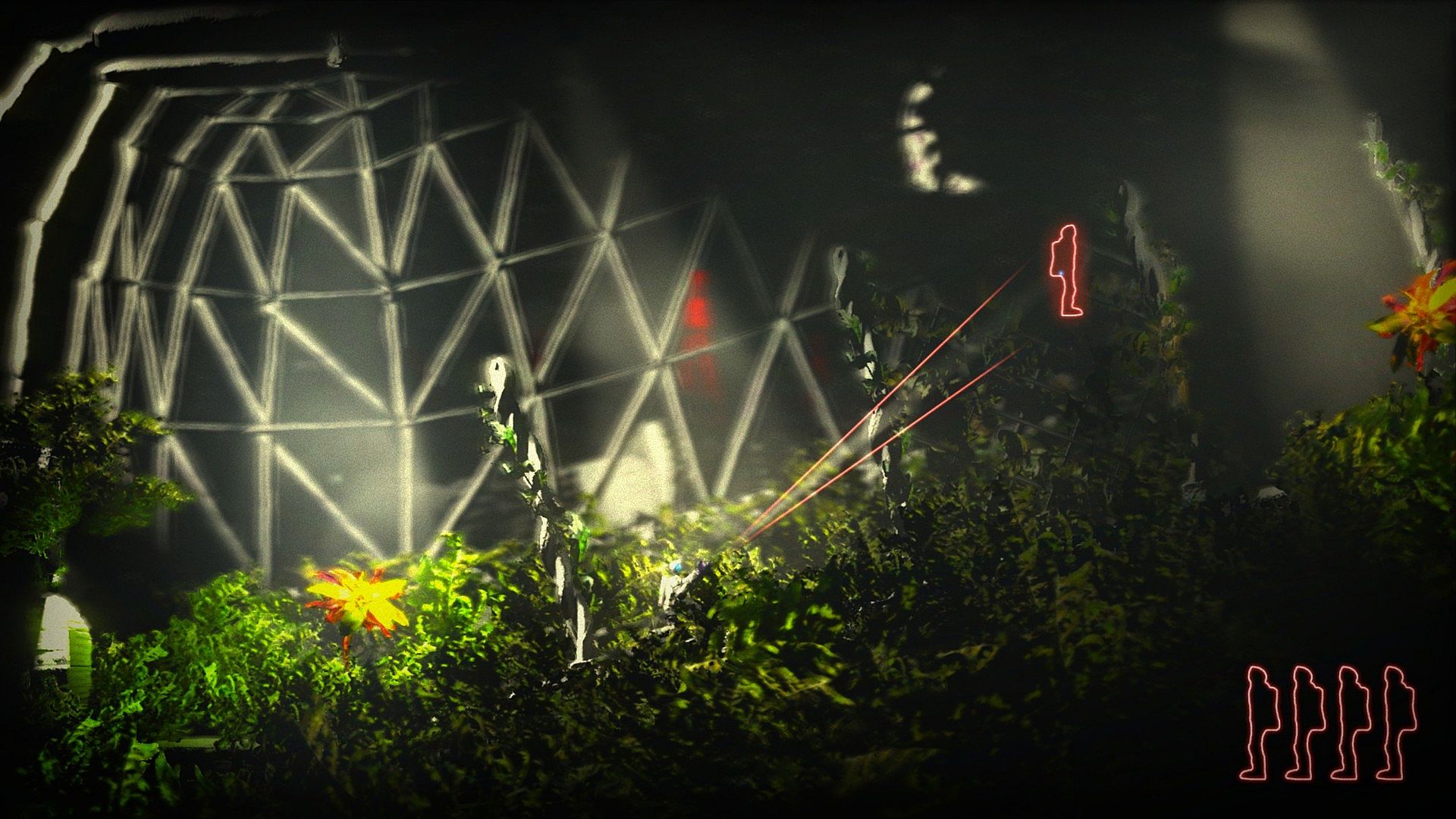
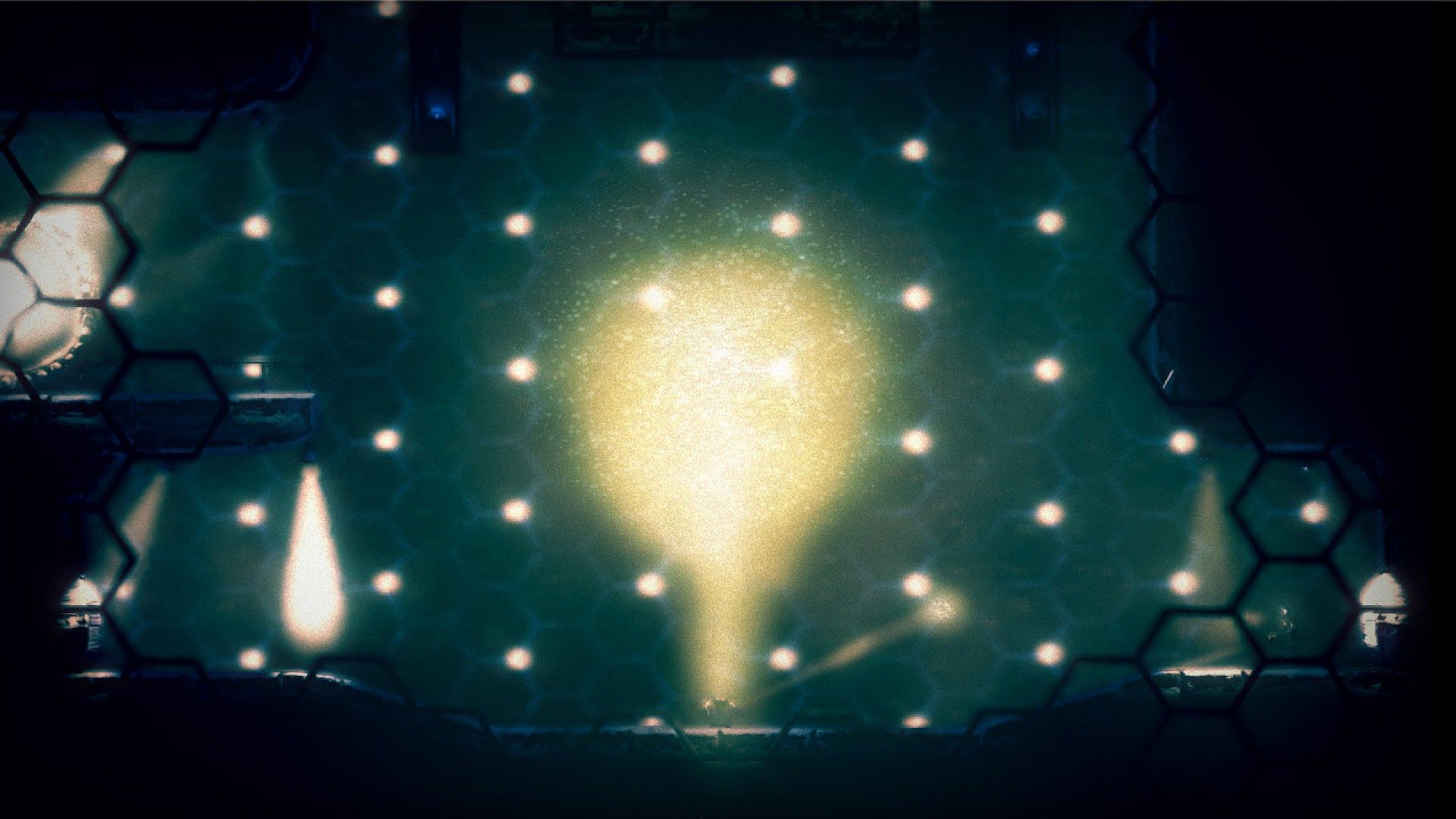
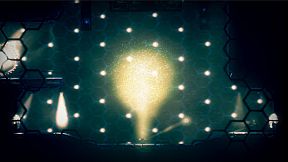
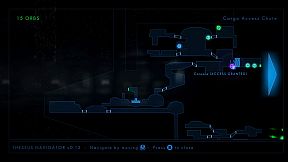
Environmental restrictions add layers to the puzzles. Blue lights block clone creation in their area, red lights prevent swapping, and purple lights disable both functions. Gravity reversal sections force players to adapt movement and clone strategies to ceilings and inverted spaces. Clones can be destroyed by hazards such as falls or by colliding with the player character, reclaiming the slot for new creations. Progress depends on collecting scattered orbs that unlock doors deeper into the station, often requiring backtracking through previously explored areas once new techniques are understood.
Platforming elements integrate directly with the cloning tool rather than relying on separate upgrades. Players must solve sequences that combine timing, line-of-sight swapping, and environmental interaction without combat or resource management beyond clone slots.
Game Modes
The Swapper offers only a single-player campaign. There are no multiplayer options, competitive modes, or separate challenge arenas. The entire experience consists of linear progression through the station's rooms, with puzzles that build on the cloning mechanic from start to finish. Exploration remains tied to the main path, though some rooms encourage revisiting after learning advanced swapping techniques.
Story and Atmosphere
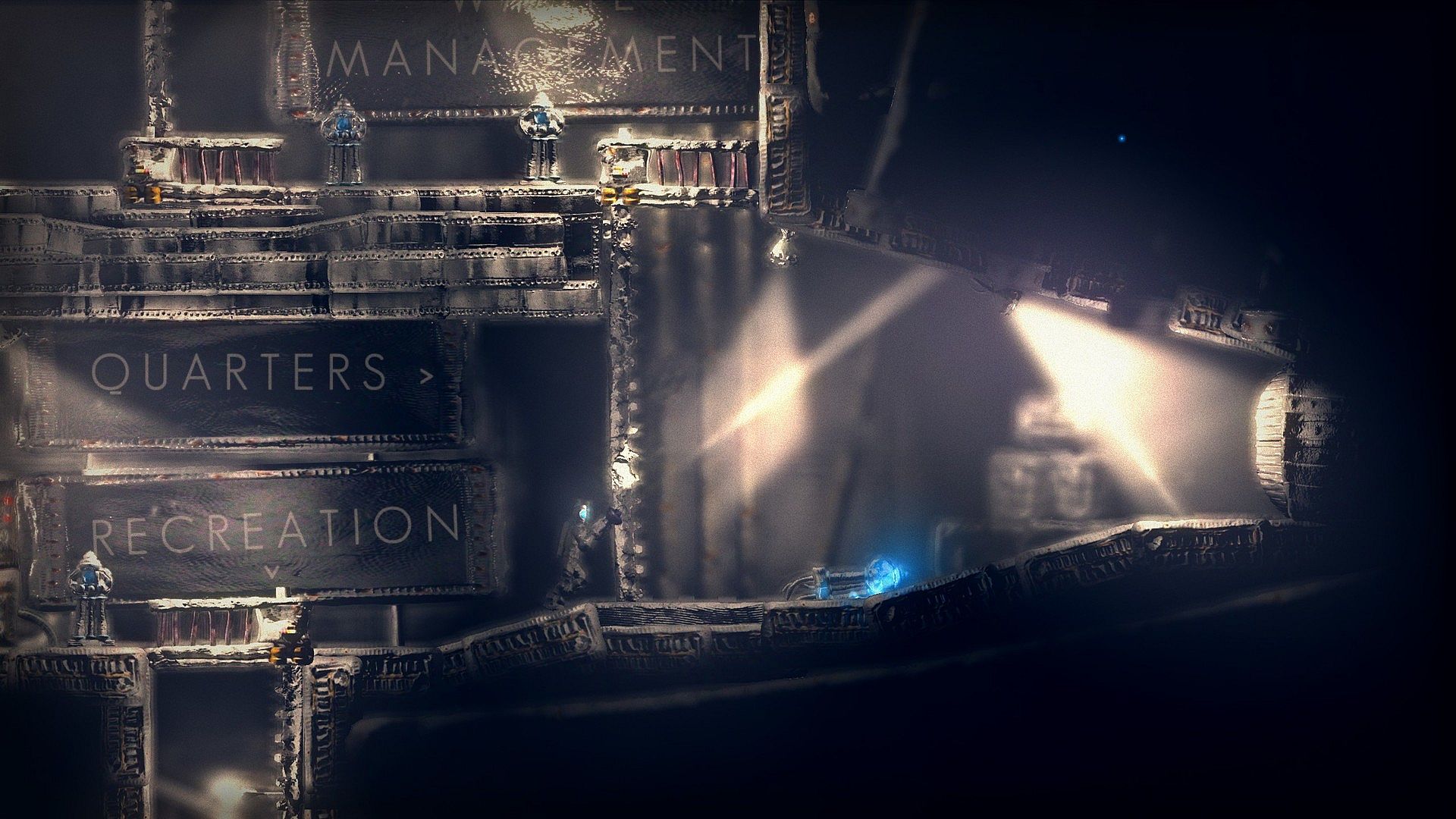
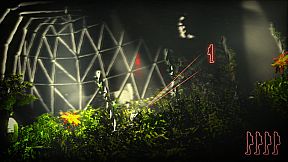
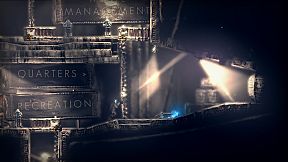
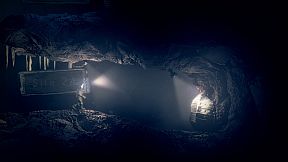
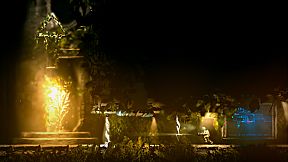
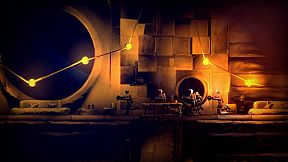
The narrative unfolds through environmental details and sparse audio logs rather than direct exposition. Players piece together the fate of the station's researchers while confronting themes of consciousness, identity, and the consequences of body transfer. The setting remains isolated and dimly lit, emphasizing solitude and the ethical weight of sacrificing clones. Visual design uses physical clay models and everyday materials to create distinctive textures and lighting that reinforce the eerie, handcrafted sci-fi tone.
Writer Tom Jubert shaped the story structure, focusing on philosophical questions that emerge naturally from the mechanics themselves. The game avoids traditional cutscenes, instead letting the environment and occasional voice recordings convey the plot.
Is It Worth Playing?
Players who enjoy deliberate puzzle-platformers will find consistent challenge that escalates without becoming unfair. The cloning system receives thorough exploration across dozens of rooms, rewarding observation and experimentation over trial-and-error. Reception highlights the atmospheric presentation and the way mechanics support the story's ideas about self and mortality.
The campaign runs several hours and delivers a focused, self-contained experience without ongoing content updates or additional modes. It suits those seeking a thoughtful single-player adventure built around one inventive system rather than broad action or open-world elements. Availability on PC remains straightforward, and the title continues to attract new players interested in its distinctive approach to puzzle design.