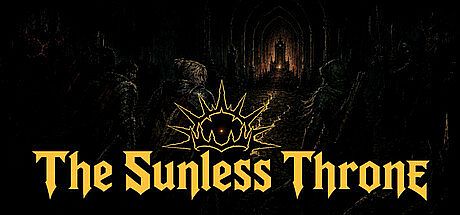


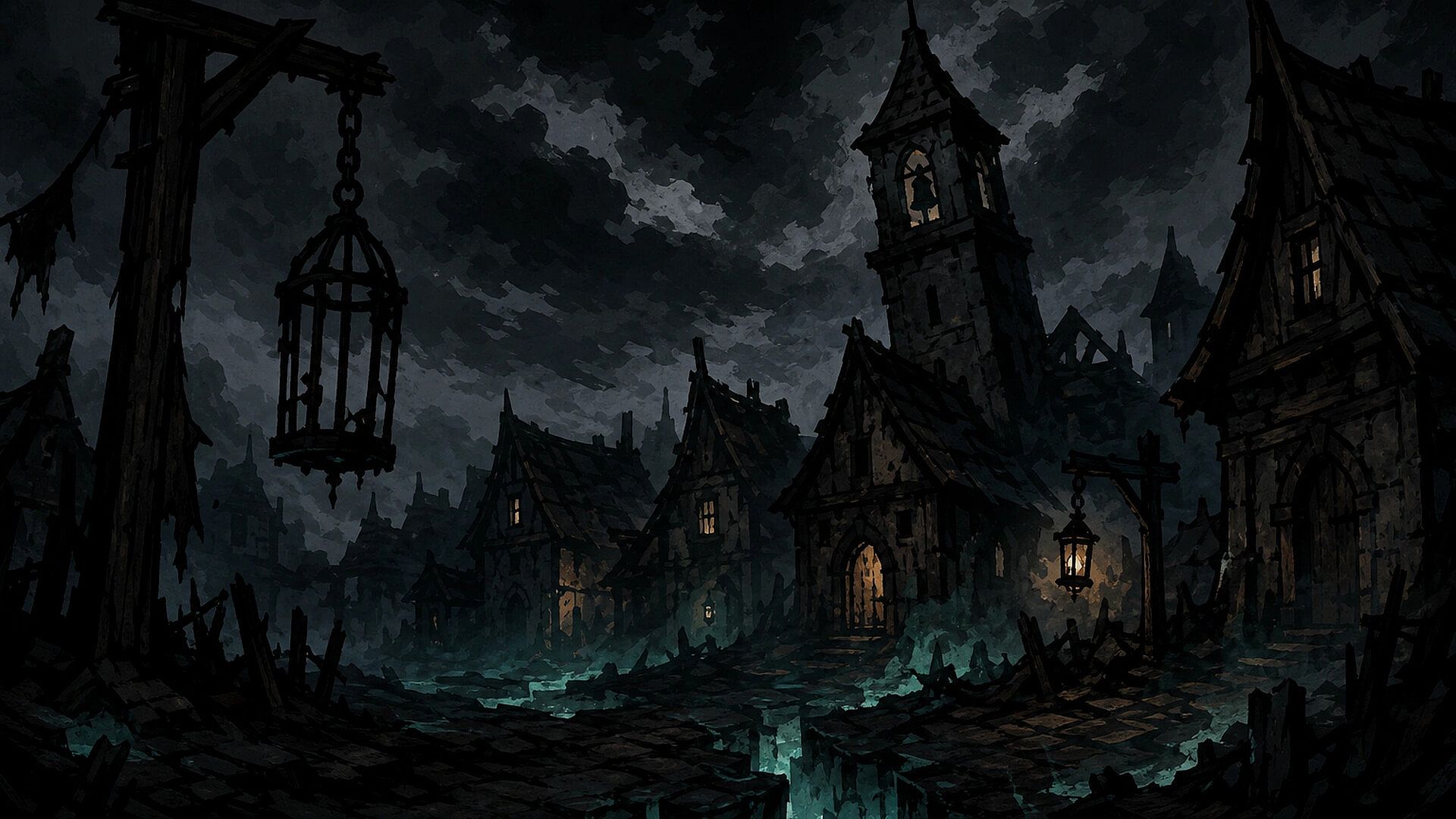
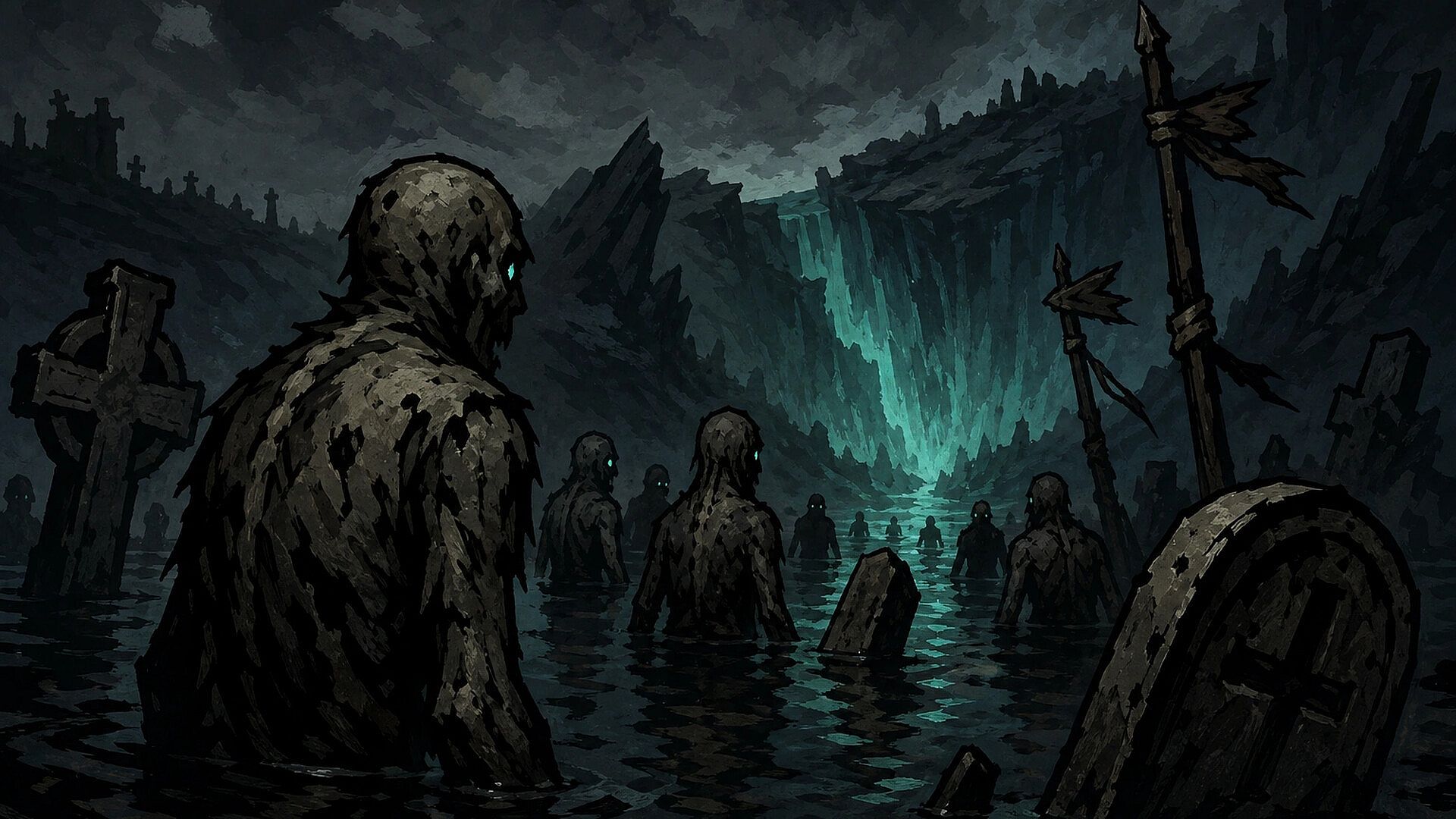
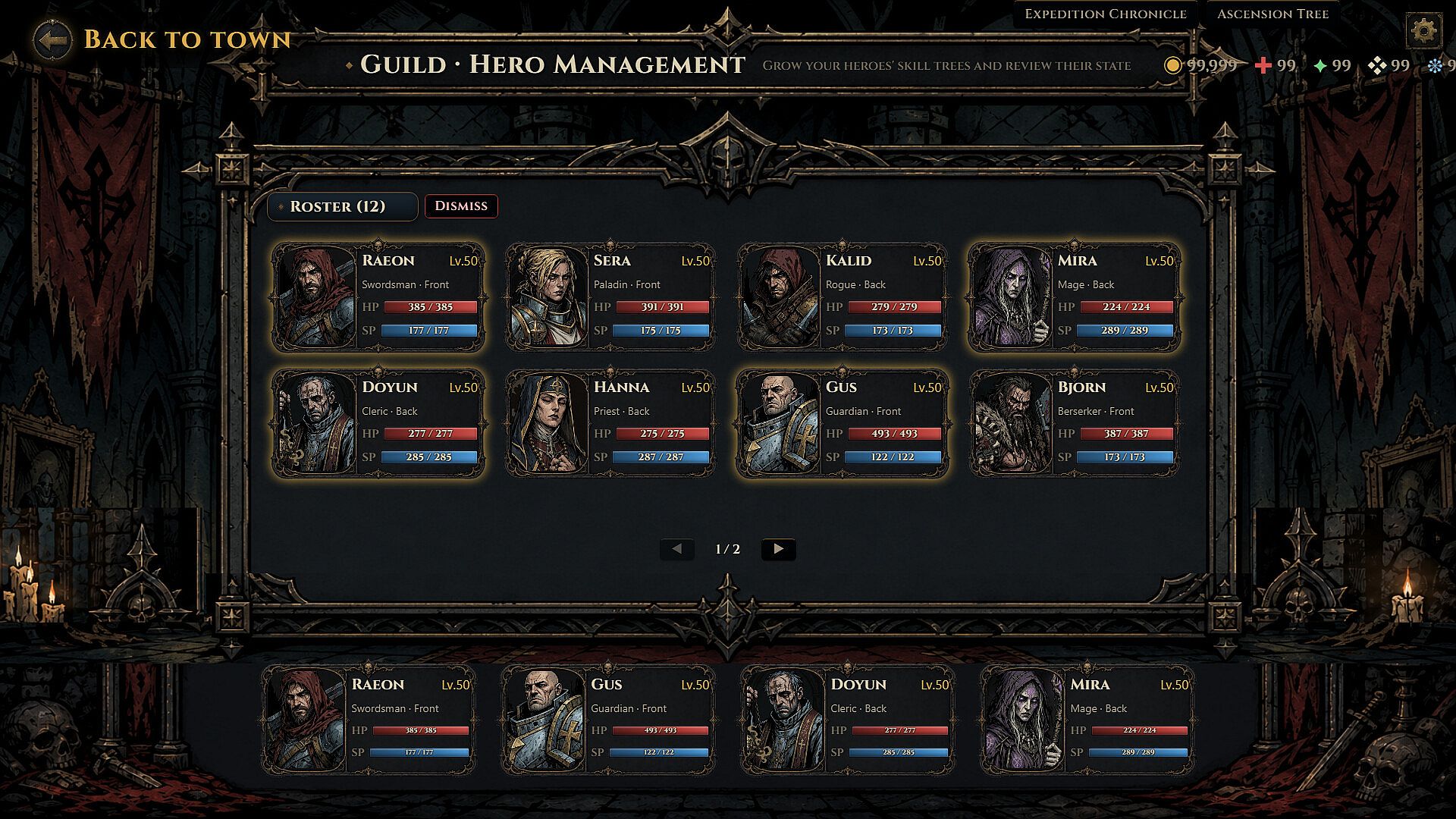
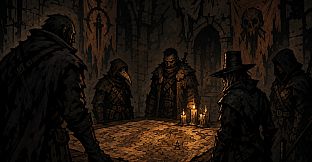
The Sunless Throne is a strategy RPG simulation game set on PC in which players lead a guild of adventurers rather than a single protagonist. The dead walk again as an ancient bell signals danger from beneath five sealed gates. Command falls to a fallen expedition guild that recruits unproven adventurers to hunt the awakening calamity below. Every successful return strengthens the guild for deeper descents through flooded crypts, echoing mines, a fogbound labyrinth, ember warrens, and a frozen abyss.
Gameplay
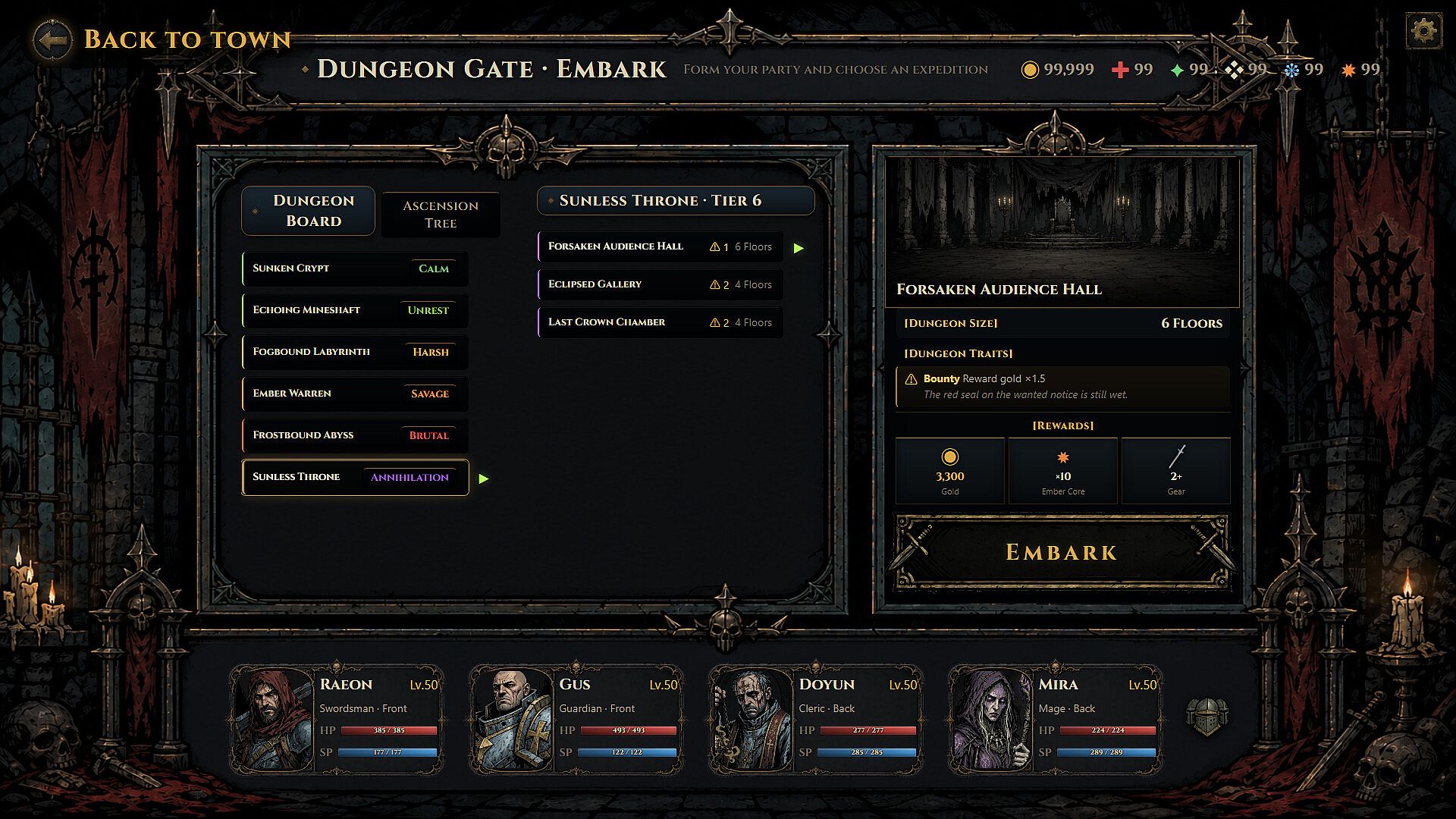
Expeditions form the core loop. The board presents dungeons with varying risks and rewards. Players select a party, then navigate a procedurally generated top-down grid. Limited stamina points, escalating encounter danger, and the return journey all factor into decisions. Reaching the exit alone does not complete the run. An elite party guards the final path, and defeating it seals the expedition success. Pushing farther yields greater rewards, yet withdrawal remains an option while the group retains enough strength to make it back.
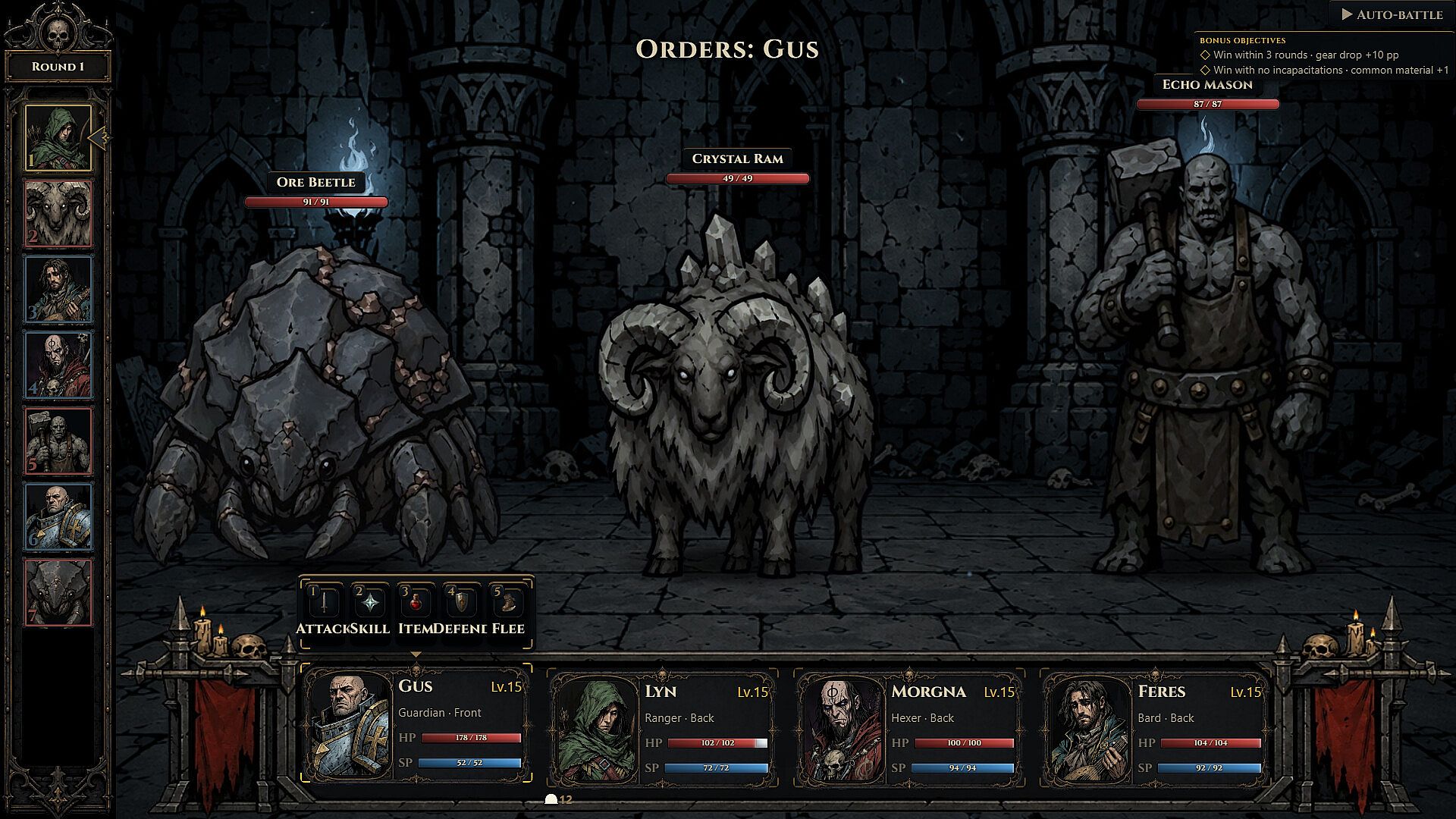
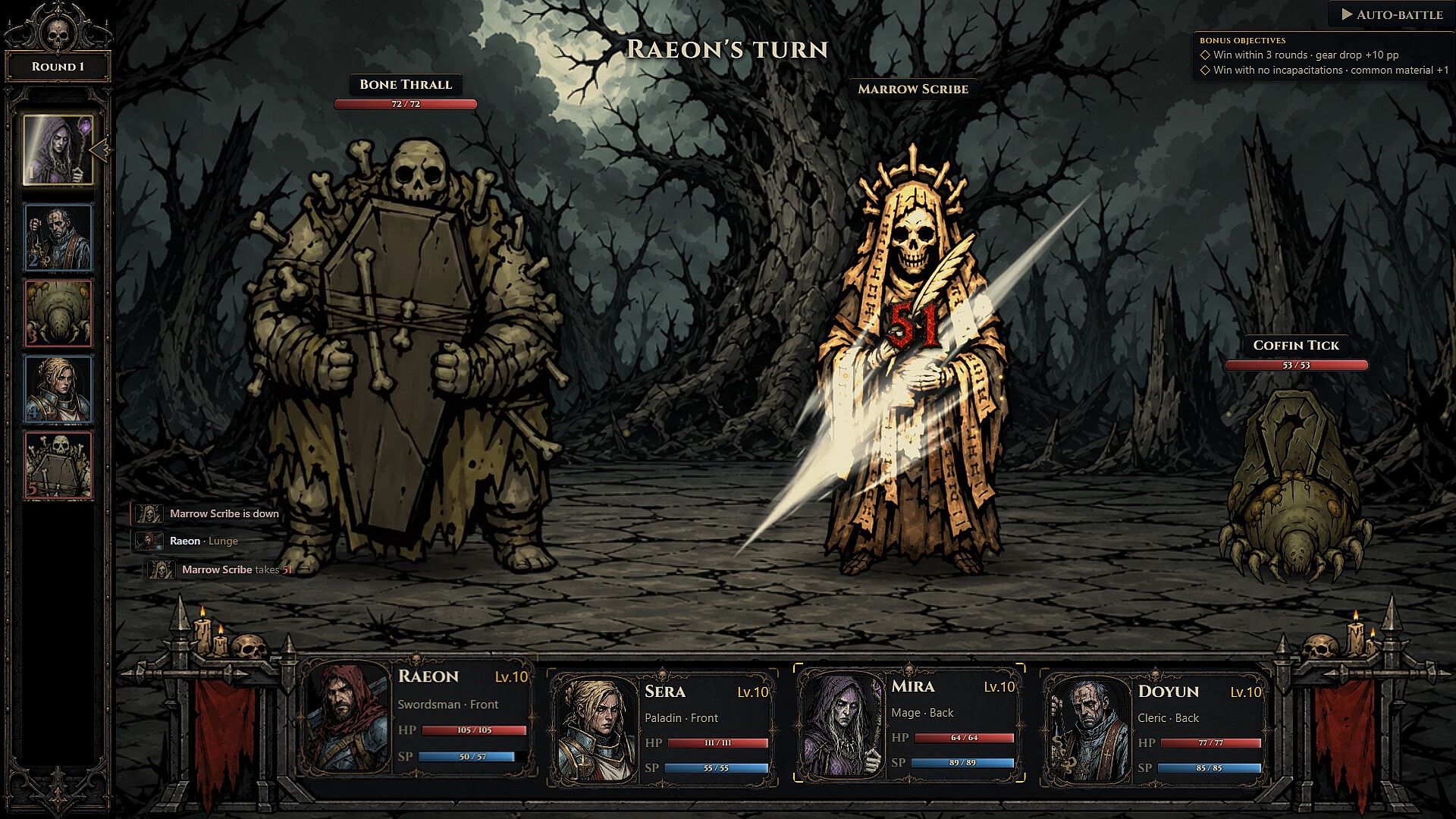
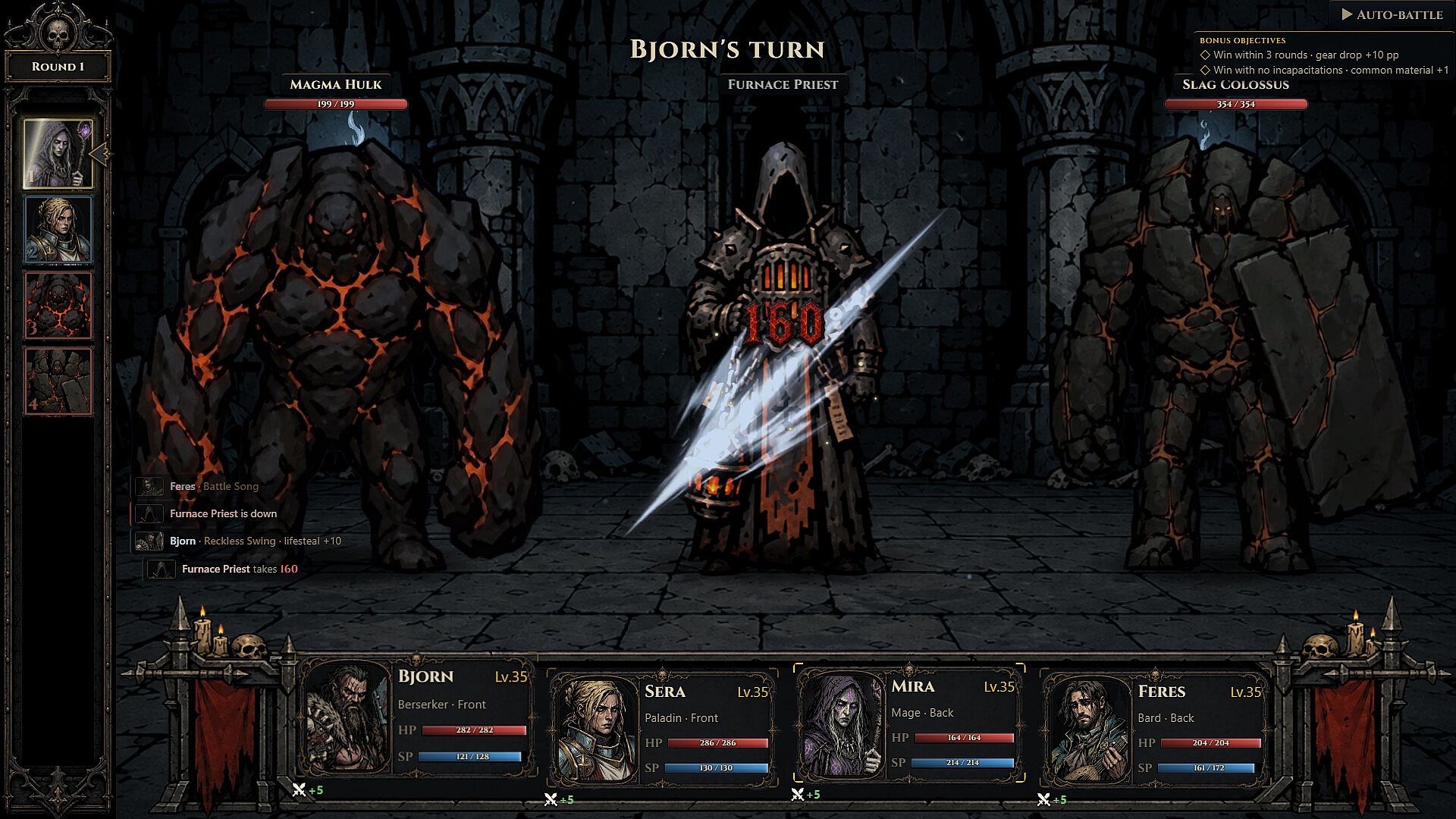
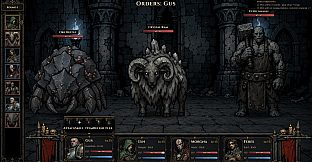
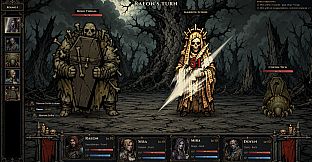
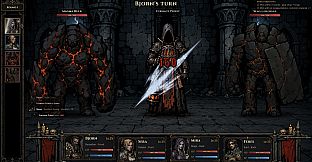
Combat unfolds in classic row-based turn-based battles. Players review formation, turn order, remaining stamina, and enemy roles before acting. Guardians anchor the front line, damage dealers strike openings, healers sustain the rear, and controllers disrupt enemy plans. More than seventy monsters appear across six regions and eighteen expedition sites. Common enemies drain resources steadily, while elites and gate bosses push the limits of any assembled party.
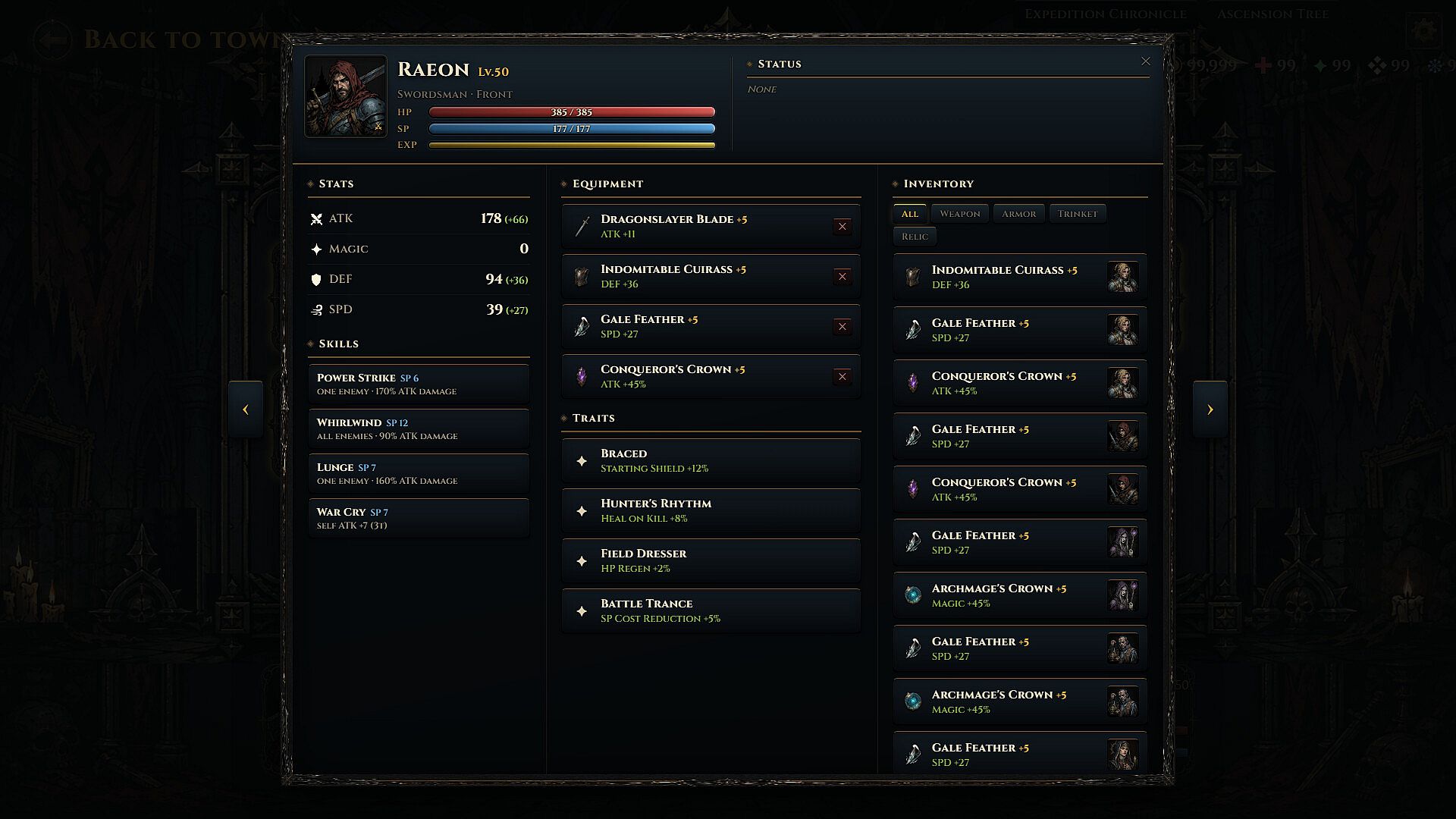
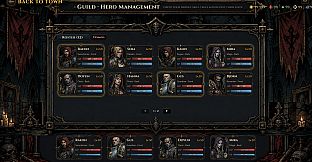
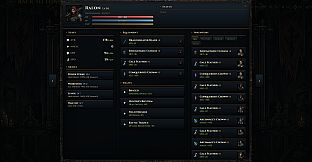
Character progression emphasizes variety. Hundreds of skills and equipment options support distinct builds across adventurer classes and combat roles. Dungeon traits shift both risk and reward. In-run drafts of abilities and gear sit alongside permanent guild upgrades. Multiple parties operate simultaneously because heroes require recovery time after each outing. Second and third teams handle tasks while veterans rest, allowing the roster to adapt to the next dungeon's demands.
Game Modes
Two distinct modes shape long-term play. Standard mode centers on roster management without permanent loss. Fallen adventurers return after recovery, supporting steady guild growth through repeated expeditions. Hard mode introduces permanent death. Any adventurer who falls is gone for good, raising the stakes for every decision and forcing careful rotation of teams.
Both modes share the same expedition structure and combat system. The difference lies in how losses affect future planning. Standard mode rewards experimentation with lineups and builds. Hard mode demands tighter resource control and deeper knowledge of enemy patterns across the regions.
Story and Progression
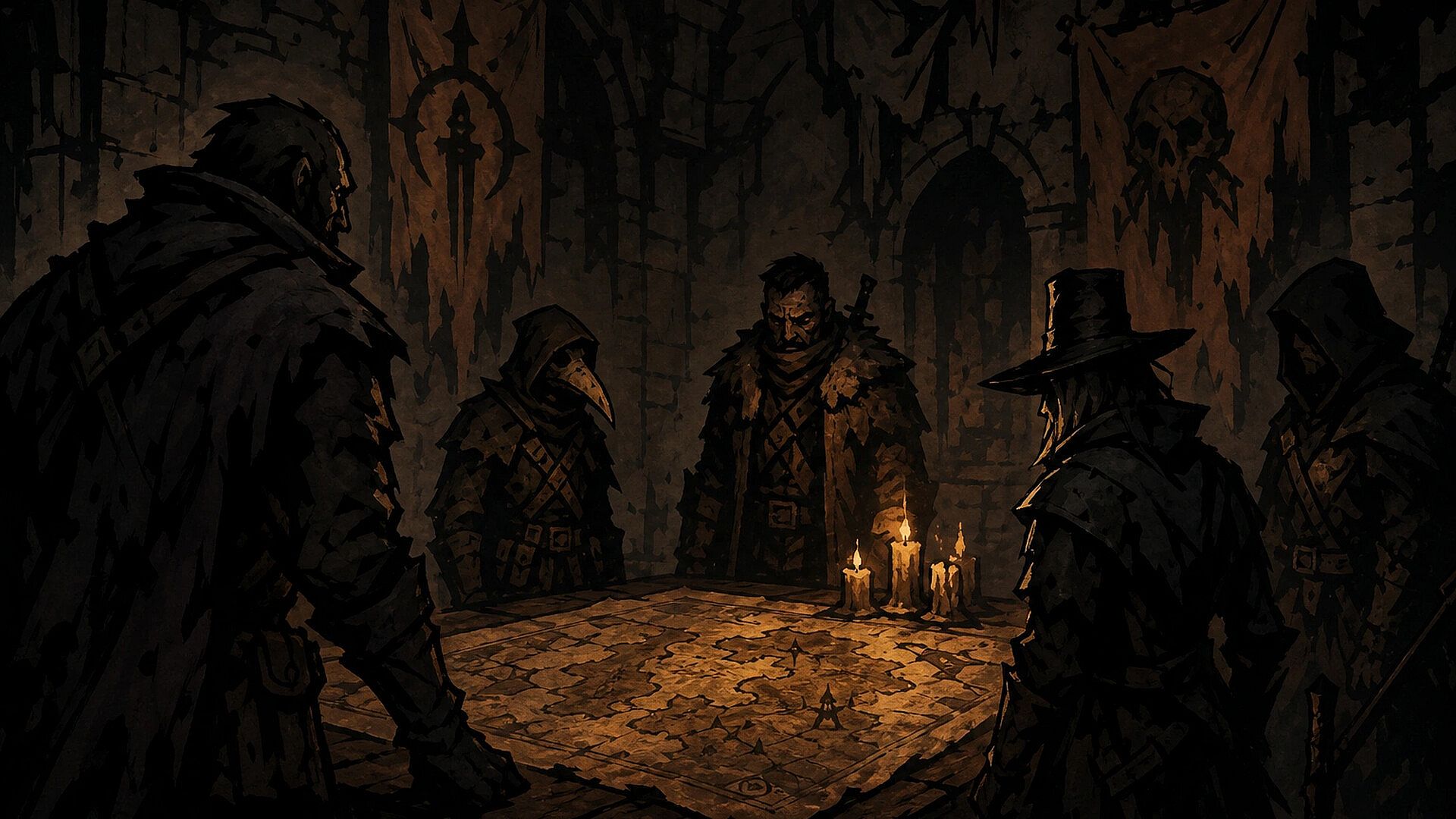
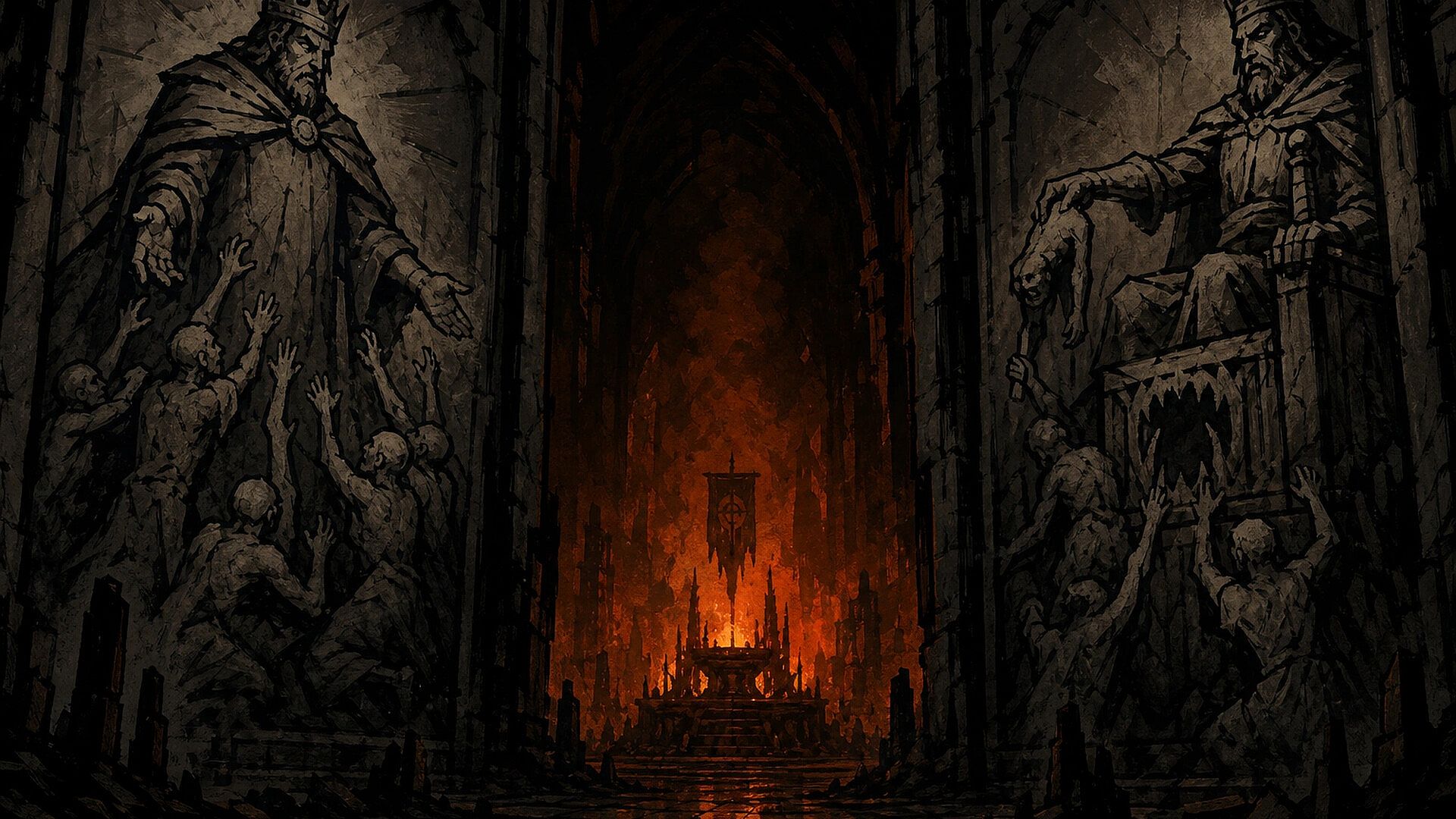
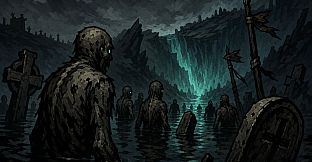
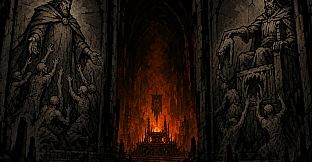
Full-screen story scenes reveal records of a dead kingdom as each gate breaks. Descent uncovers fragments of the past while the seals around the throne weaken. The power below stirs with every victory, and the guild must prepare multiple parties to confront what awakens. No single hero carries the tale. Collective strength from repeated expeditions determines how far the guild can push before the final confrontation.
Region-specific encounters and elite guardians add variety to the procedural layouts. Players learn to balance short, high-risk runs against longer pushes for better equipment and guild upgrades. The emphasis stays on preparation and adaptation rather than individual heroics.
Is It Worth Playing?
The Sunless Throne suits players who enjoy guild management, procedural exploration, and deliberate turn-based combat. Its focus on rotating multiple parties and handling recovery cycles sets it apart from single-hero adventures. Those drawn to roguelite elements combined with permanent progression systems will find depth in the expedition board and trait interactions.
Standard mode offers accessible entry for learning formations and enemy roles. Hard mode appeals to veterans seeking higher tension through irreversible losses. The game rewards careful planning across short expeditions and long-term roster development. Availability on PC makes it straightforward to try once released, particularly for fans of strategy RPGs that prioritize group tactics over lone protagonists.