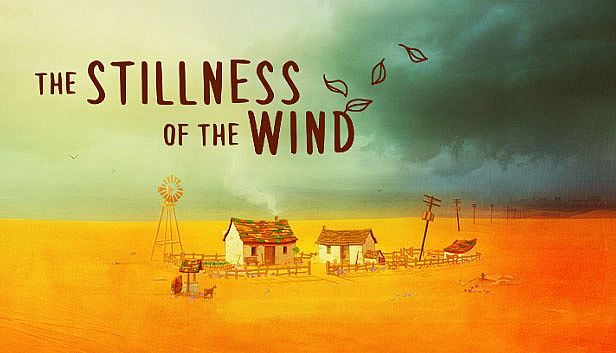










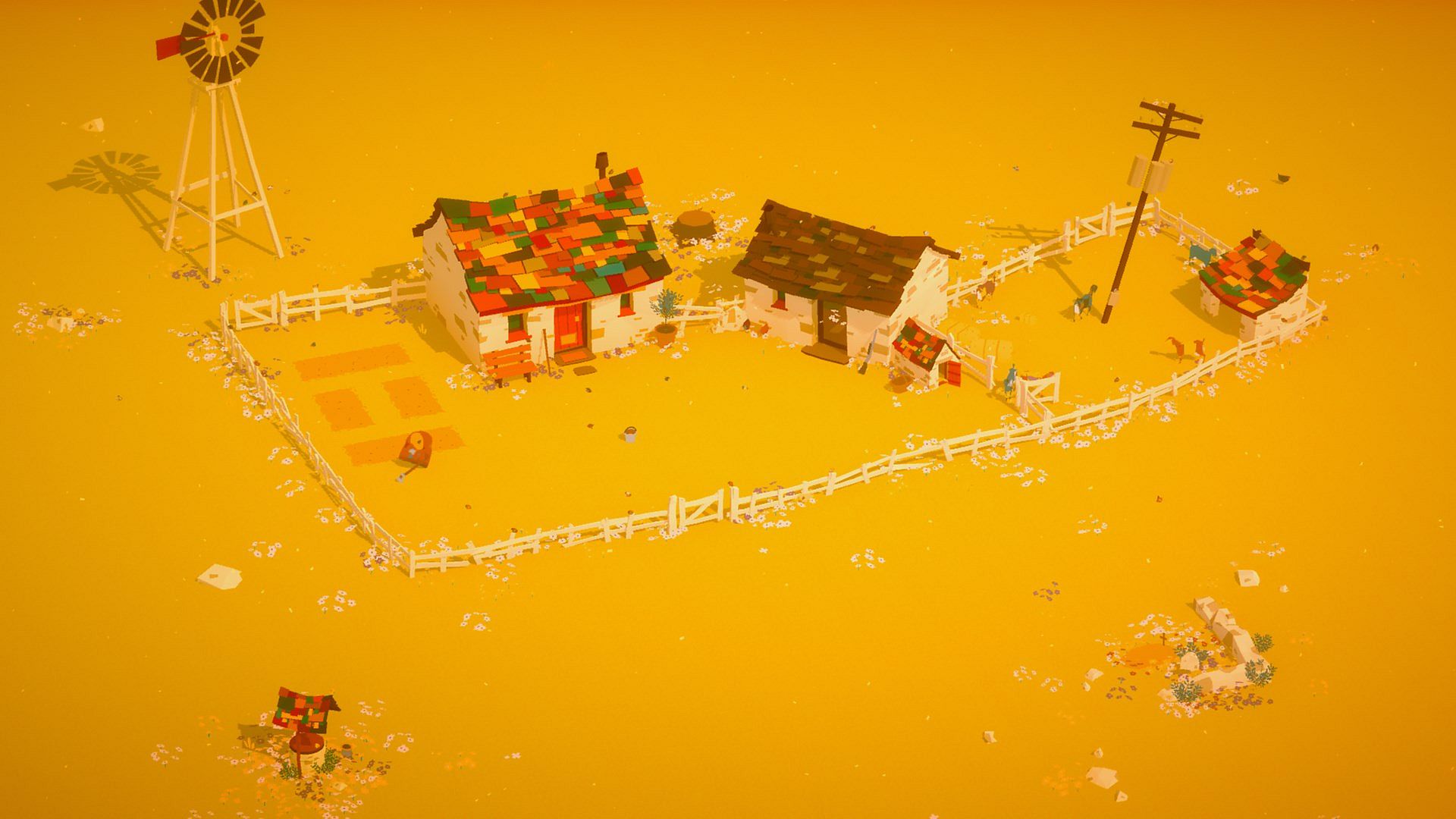
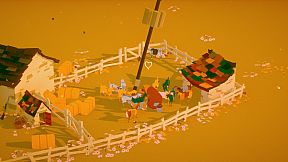
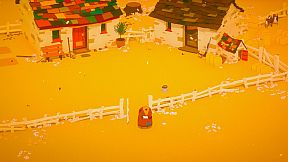
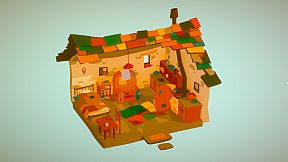
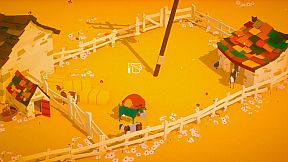
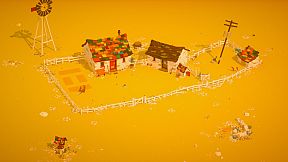
The Stillness of the Wind is a single-player indie adventure game that blends elements of RPG and simulation. Players take on the role of Talma, an elderly woman living alone in a deserted village as she tends to her homestead in a quiet desert setting. The experience centers on building a personal daily routine around farm chores, animal care, and limited interactions with a traveling merchant who delivers letters from family members who have moved to the city.
Gameplay
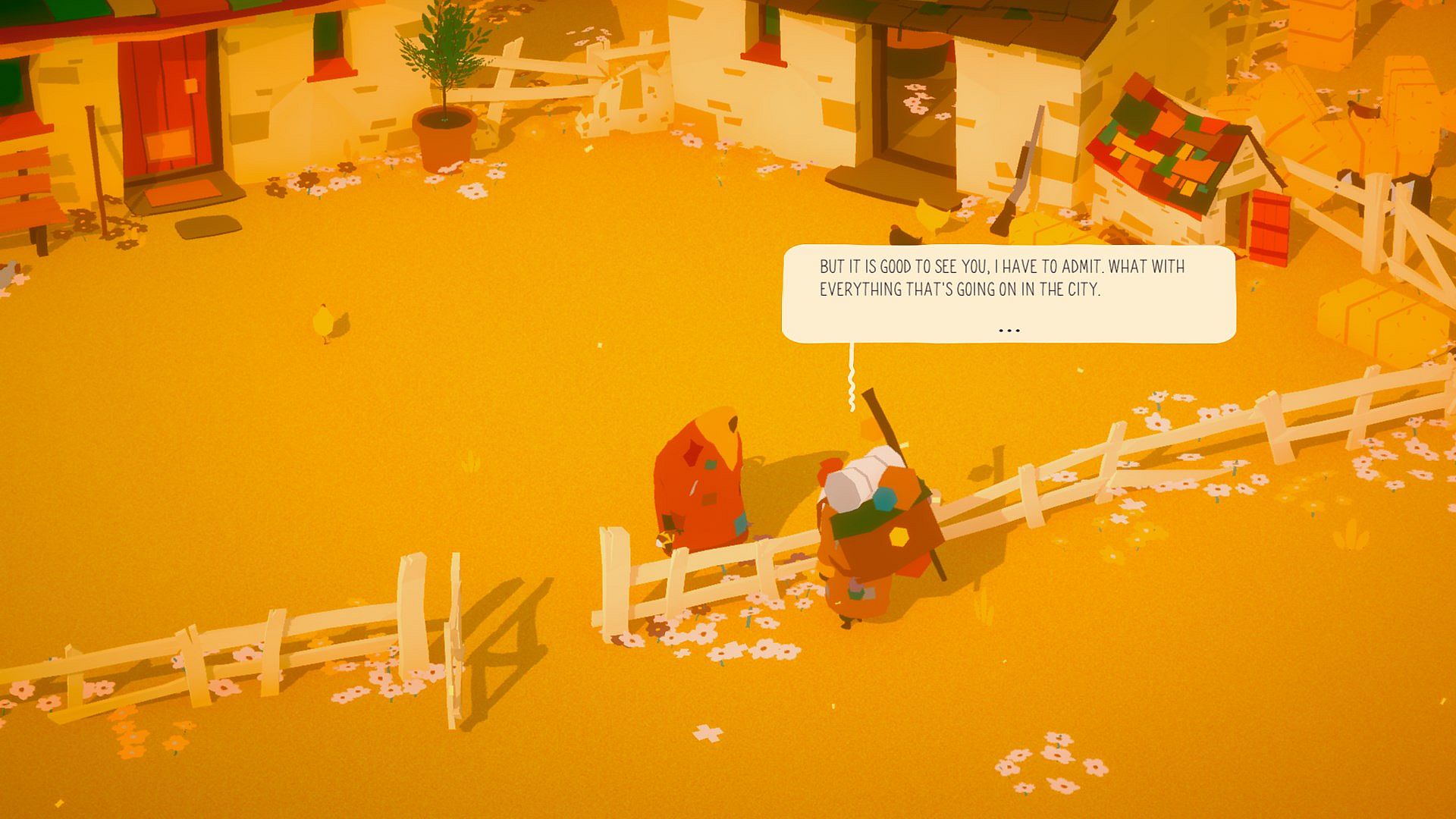
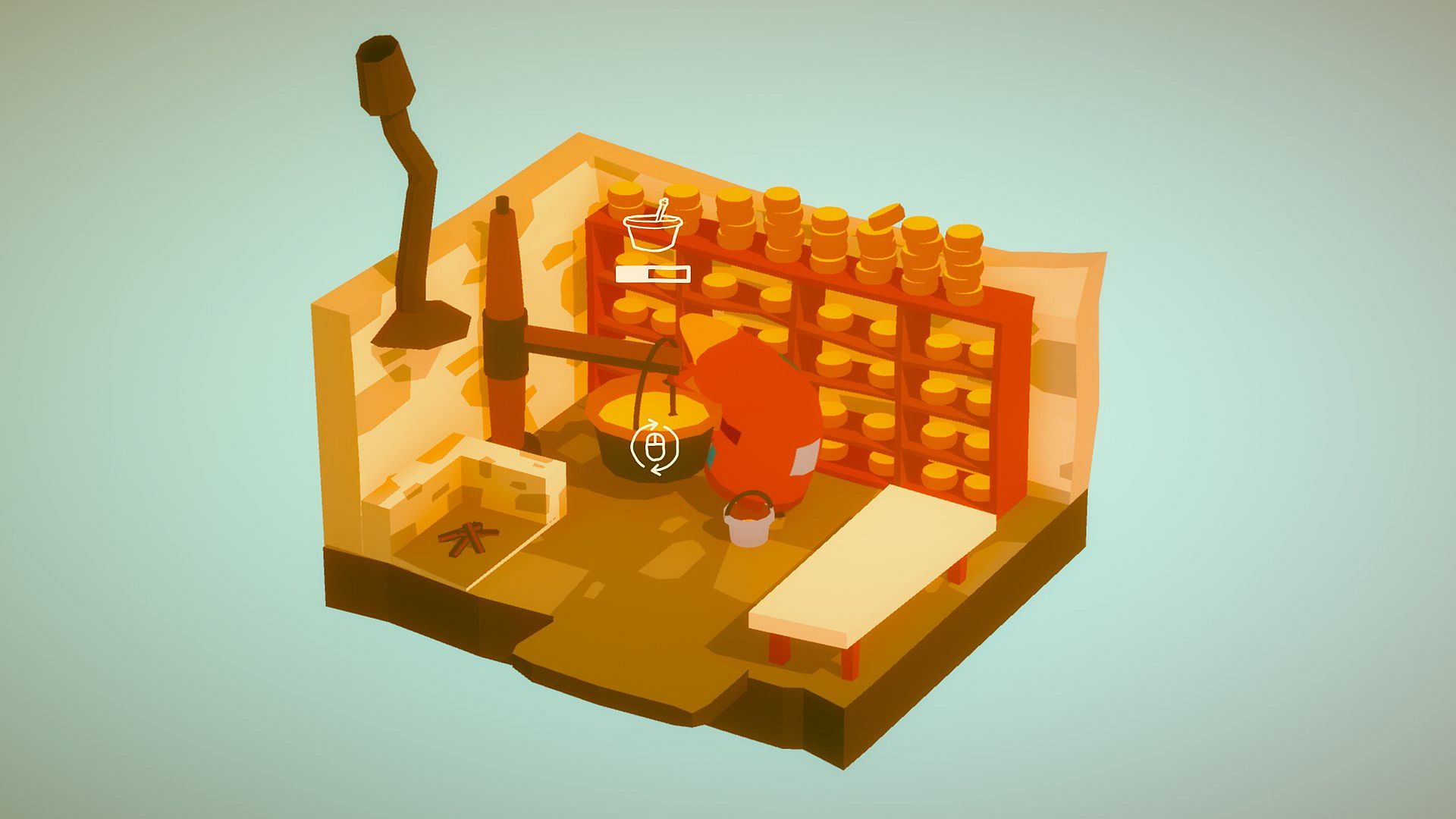
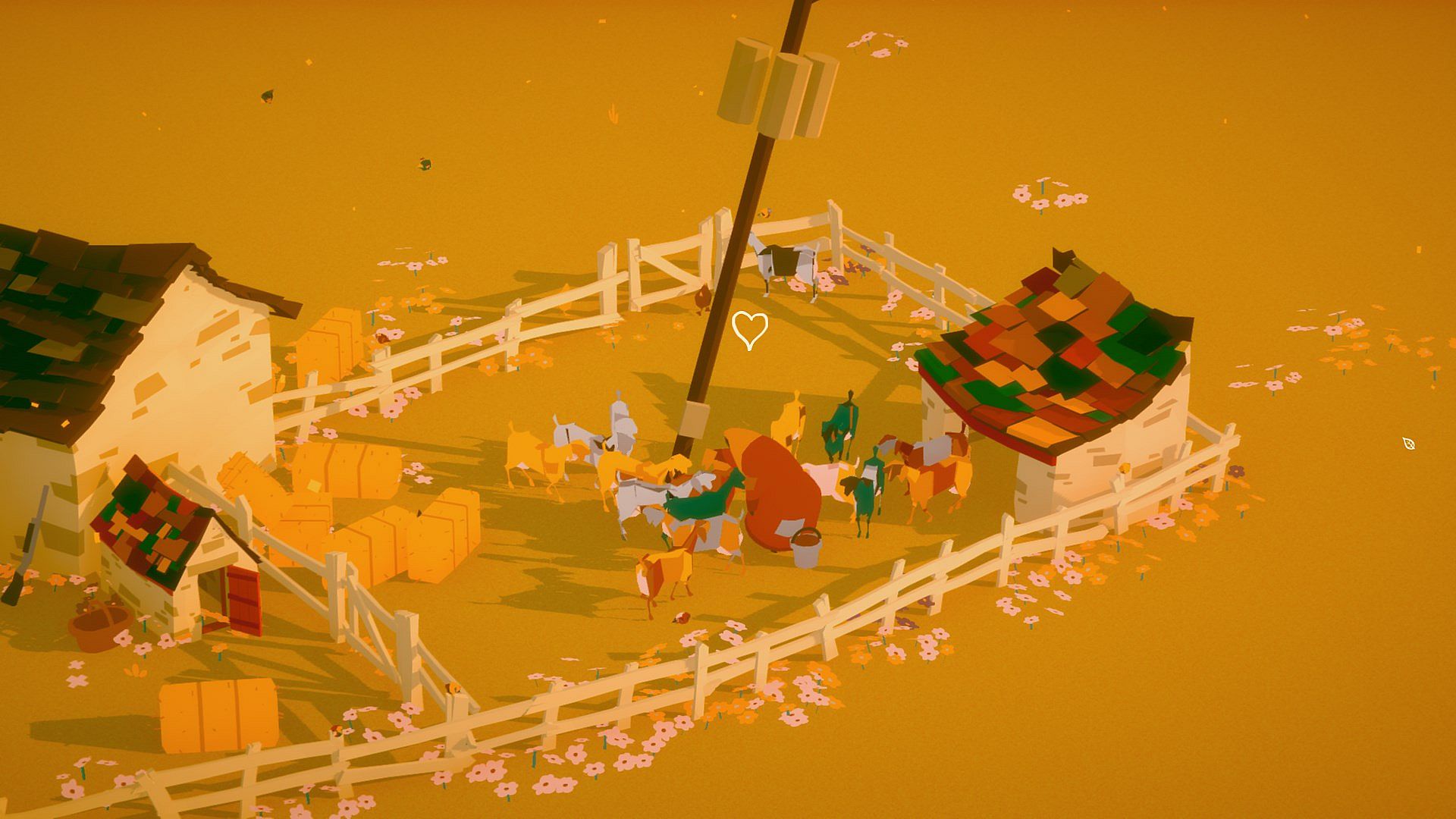
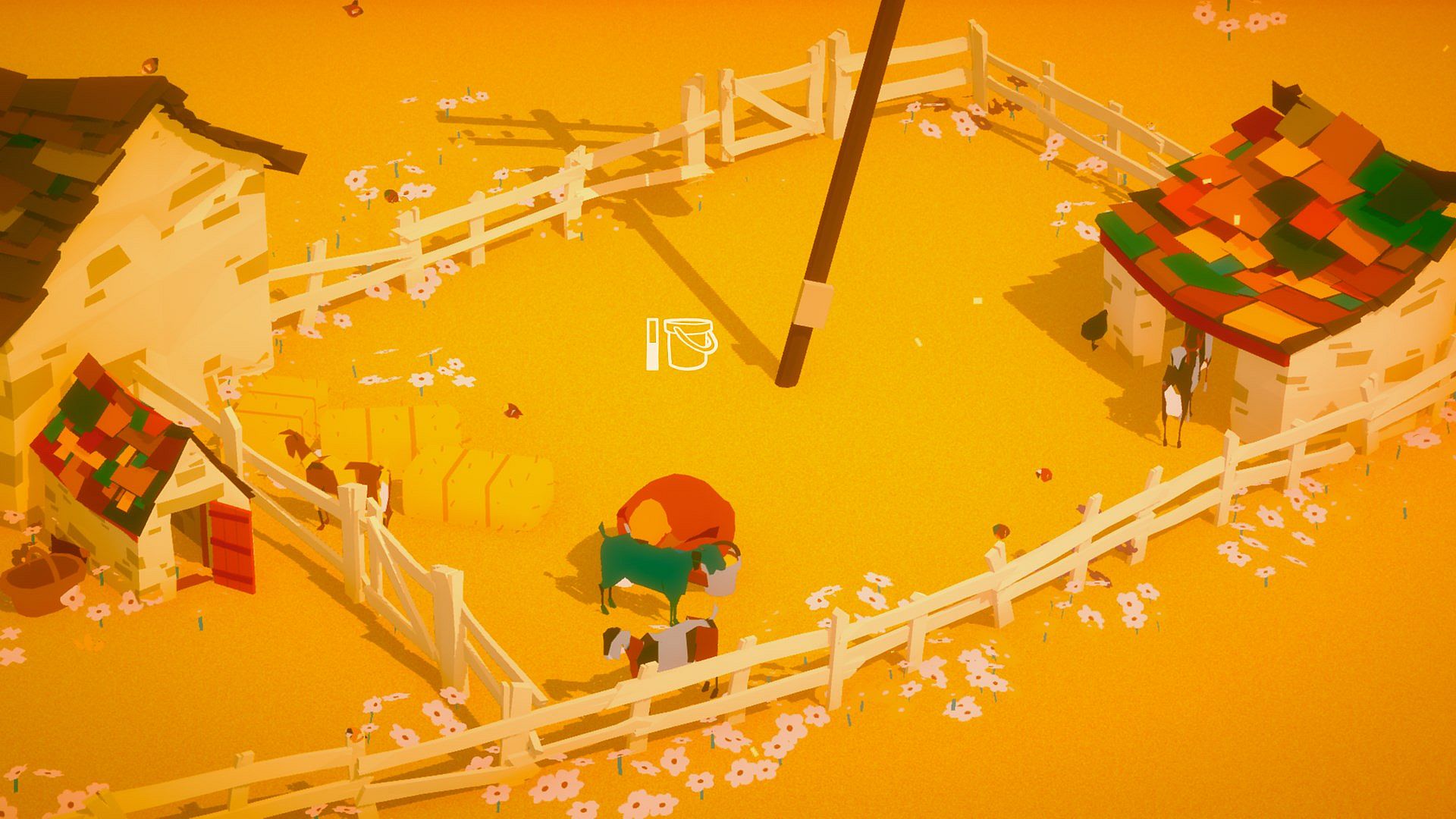
Core gameplay revolves around managing Talma's simple subsistence life through a series of repeatable tasks. Players care for goats by breeding them, providing hay, and milking them to produce cheese. Additional activities include collecting eggs, cooking meals, planting and watering vegetables, and scaring away birds that threaten crops. Time passes in daily cycles where the player decides how to allocate Talma's hours, whether focusing on chores, wandering the surrounding desert, or engaging in small reflective actions like drawing patterns in the dirt.
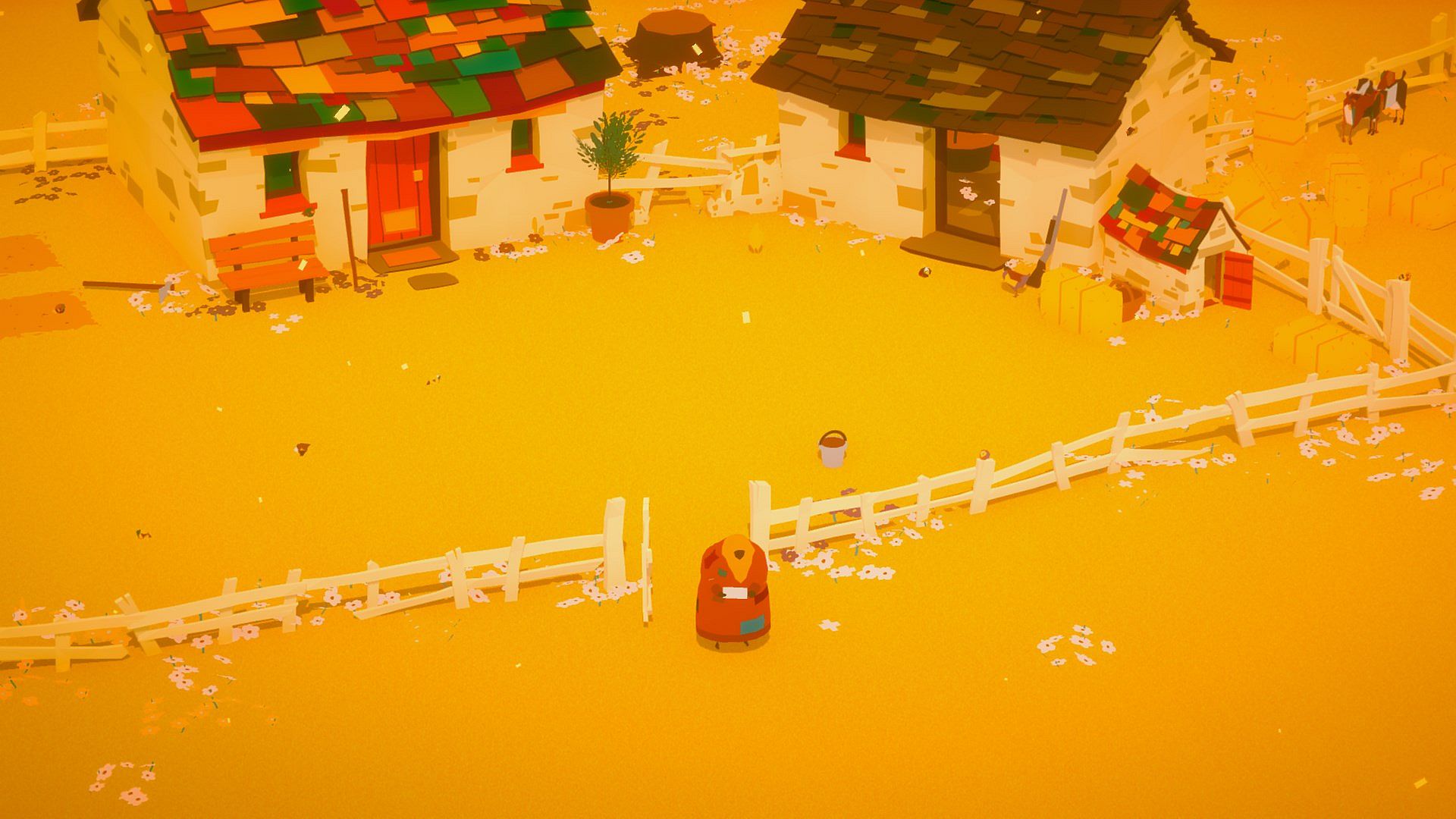
Bartering forms a key mechanic. Excess cheese and other goods can be traded with the merchant for essential supplies such as hay, seeds, and occasional items like shotgun shells. The merchant also brings letters that reveal glimpses of life in the distant city, adding layers to the solitary routine without introducing combat or complex progression systems. The game emphasizes choice in pacing, allowing players to shape Talma's days around survival needs or moments of quiet contemplation.
Game Modes
The Stillness of the Wind offers a single continuous experience without separate game modes or multiplayer options. All play occurs in one cohesive single-player campaign that unfolds through the daily routine and narrative elements delivered via letters and environmental details. There are no branching campaigns, competitive modes, or cooperative features, keeping the focus entirely on the solitary life simulation and its themes of routine and isolation.
Story and Atmosphere
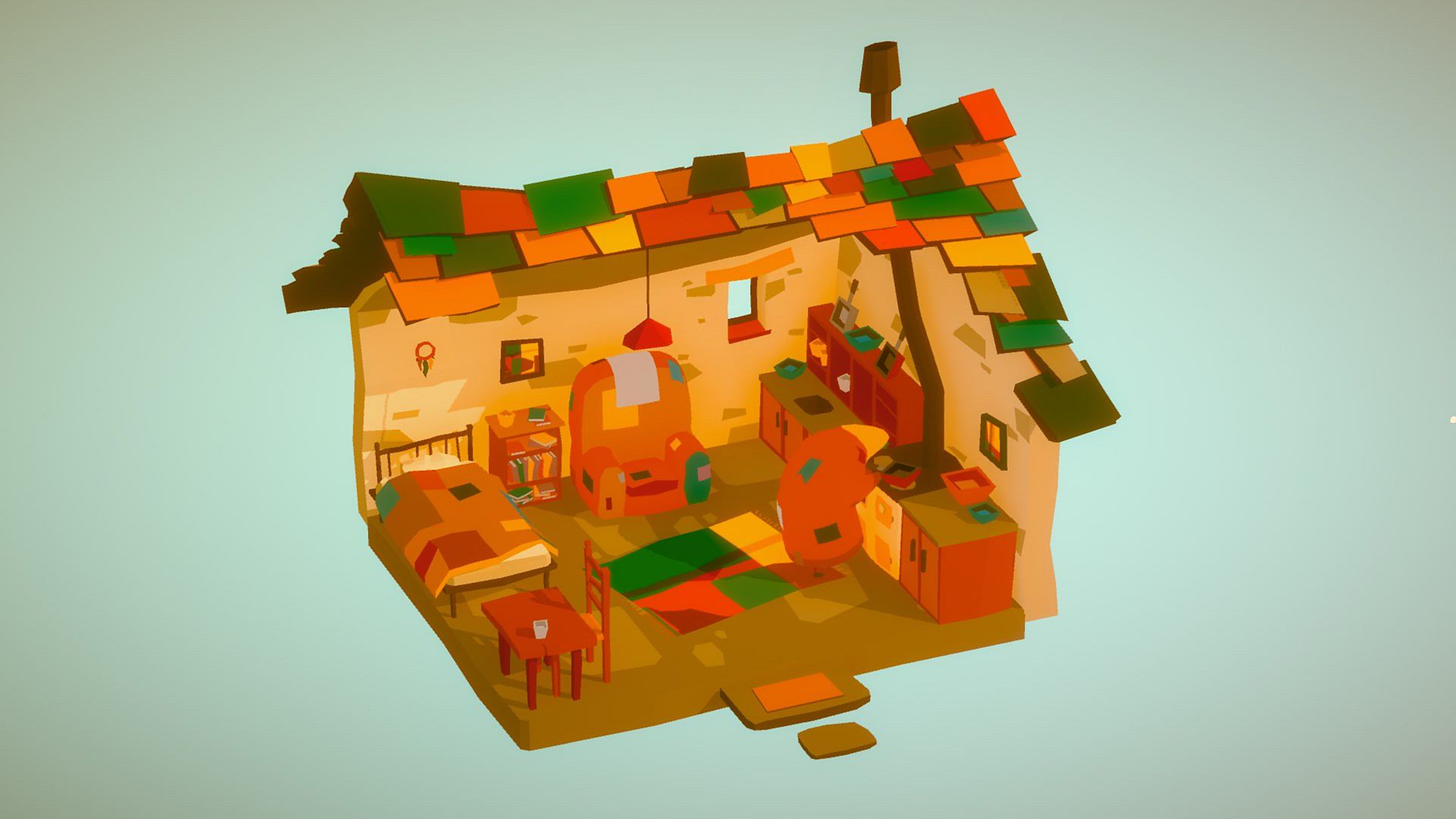
The narrative follows Talma as the last resident of her village, with everyone else having left for urban life. Letters from family and friends gradually introduce a sense of distance and change, highlighting the contrast between her peaceful but demanding existence and the world beyond. The desert environment and homestead serve as the primary setting, where small actions like tending animals or growing food reinforce the game's exploration of endurance in later life. The tone remains understated, relying on the accumulation of daily tasks and occasional correspondence rather than dramatic events or dialogue trees.
Is It Worth Playing?
This title suits players who appreciate slow-paced, reflective single-player experiences centered on routine and personal choice rather than action or fast progression. Its short length, typically completed in a few hours, makes it accessible for those seeking a focused narrative without long-term commitment. Reception among players has been mostly positive, with feedback highlighting the appeal of designing one's own schedule and the emotional weight of the solitary setting. Those drawn to indie adventures with farming and life-simulation elements may find value in its deliberate pace, while others preferring more direction or variety might find the repetition limiting. The game remains available on PC with no ongoing seasonal updates or additional content expansions.