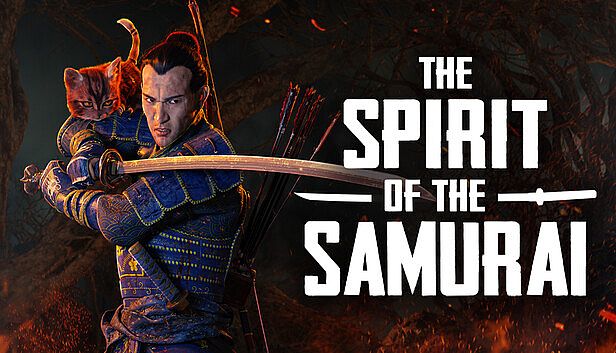













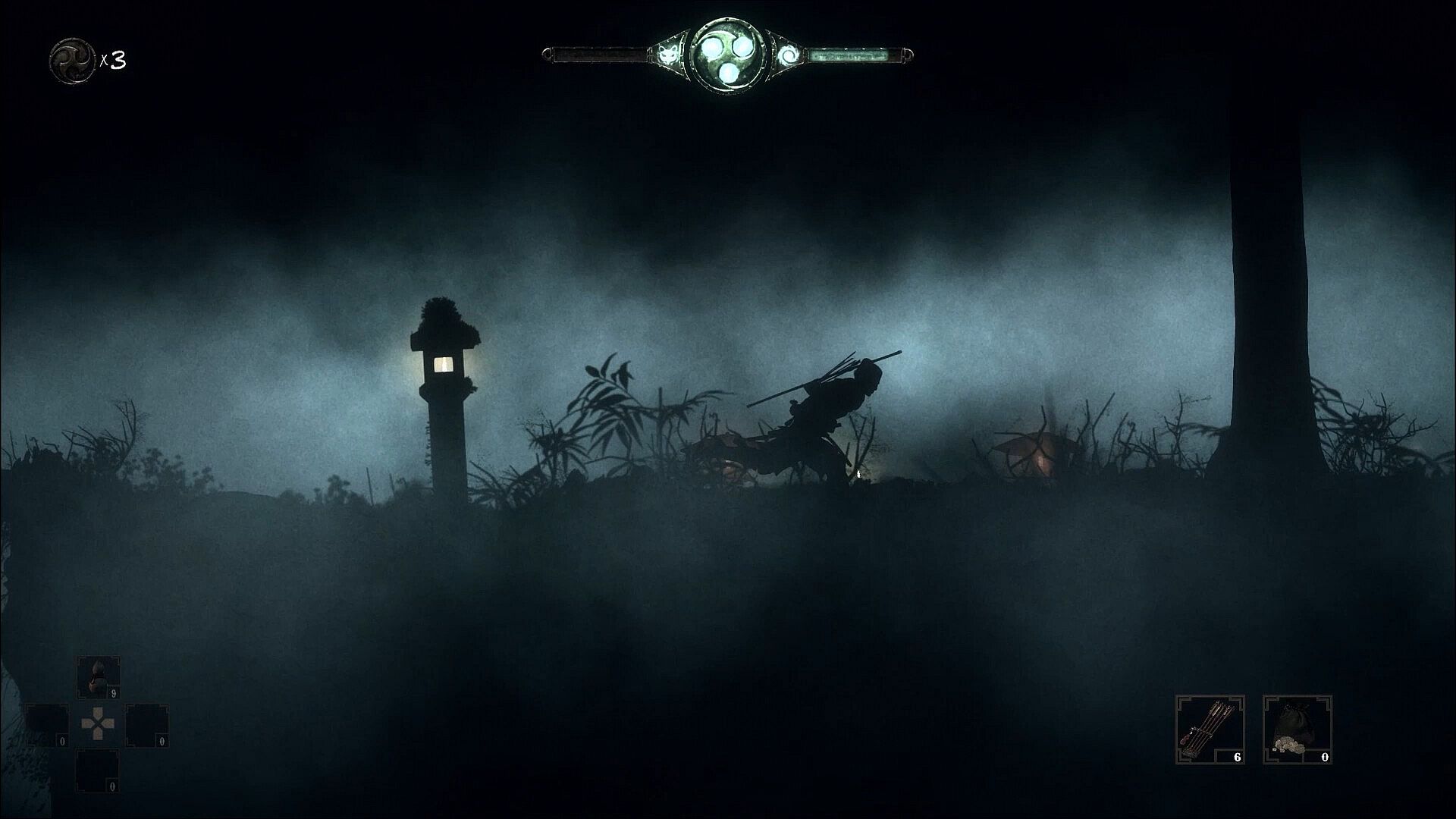
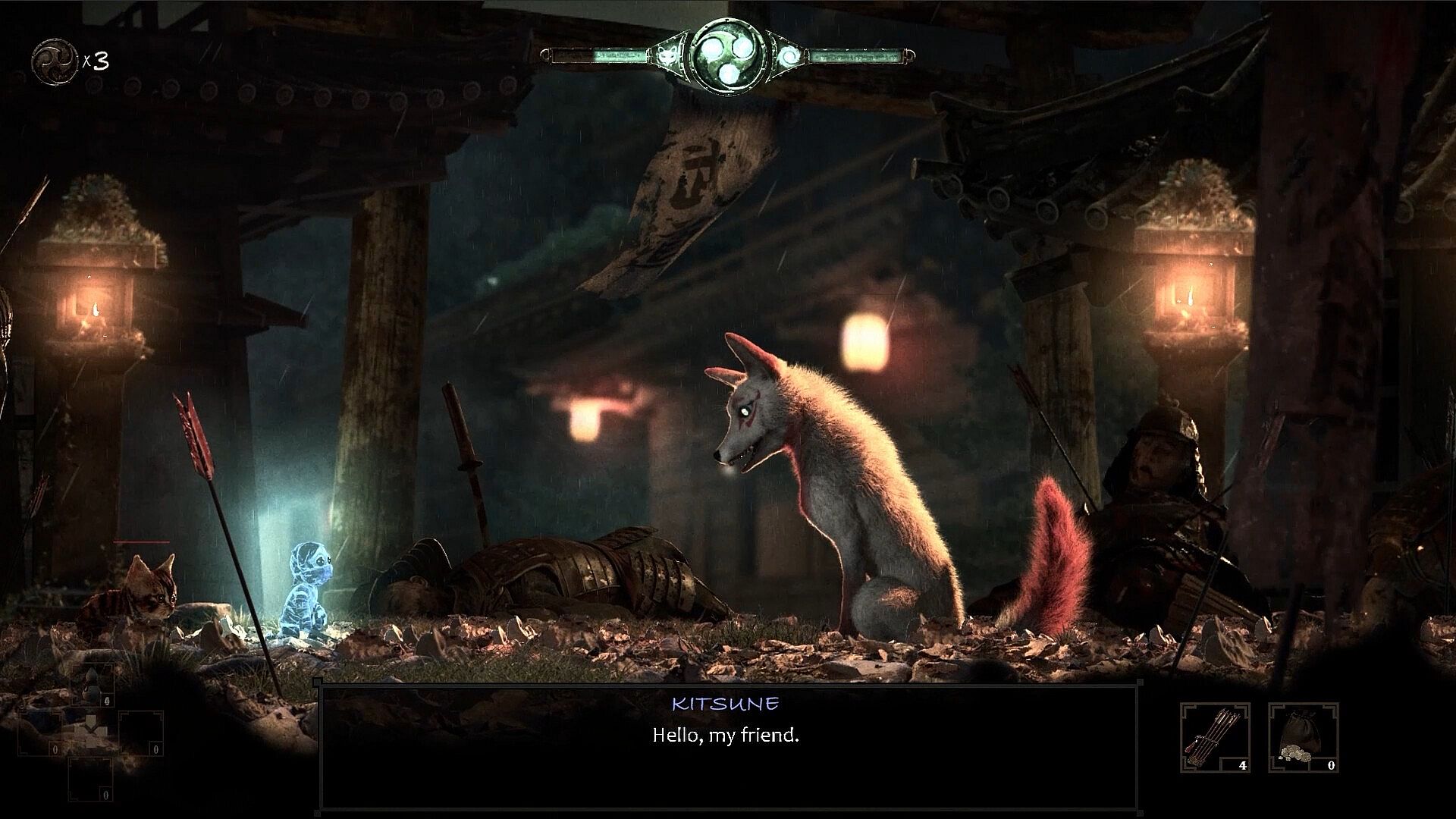
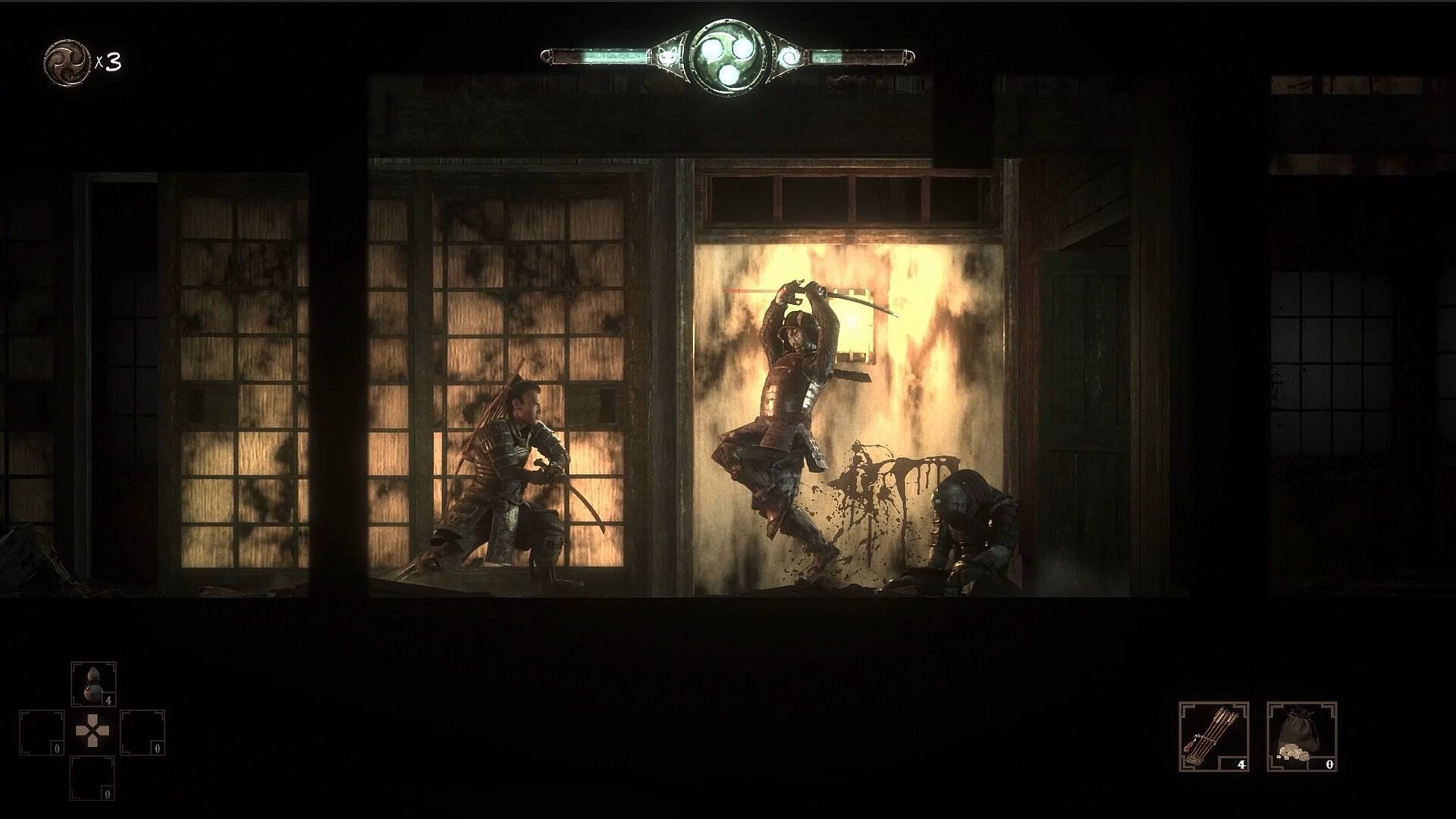
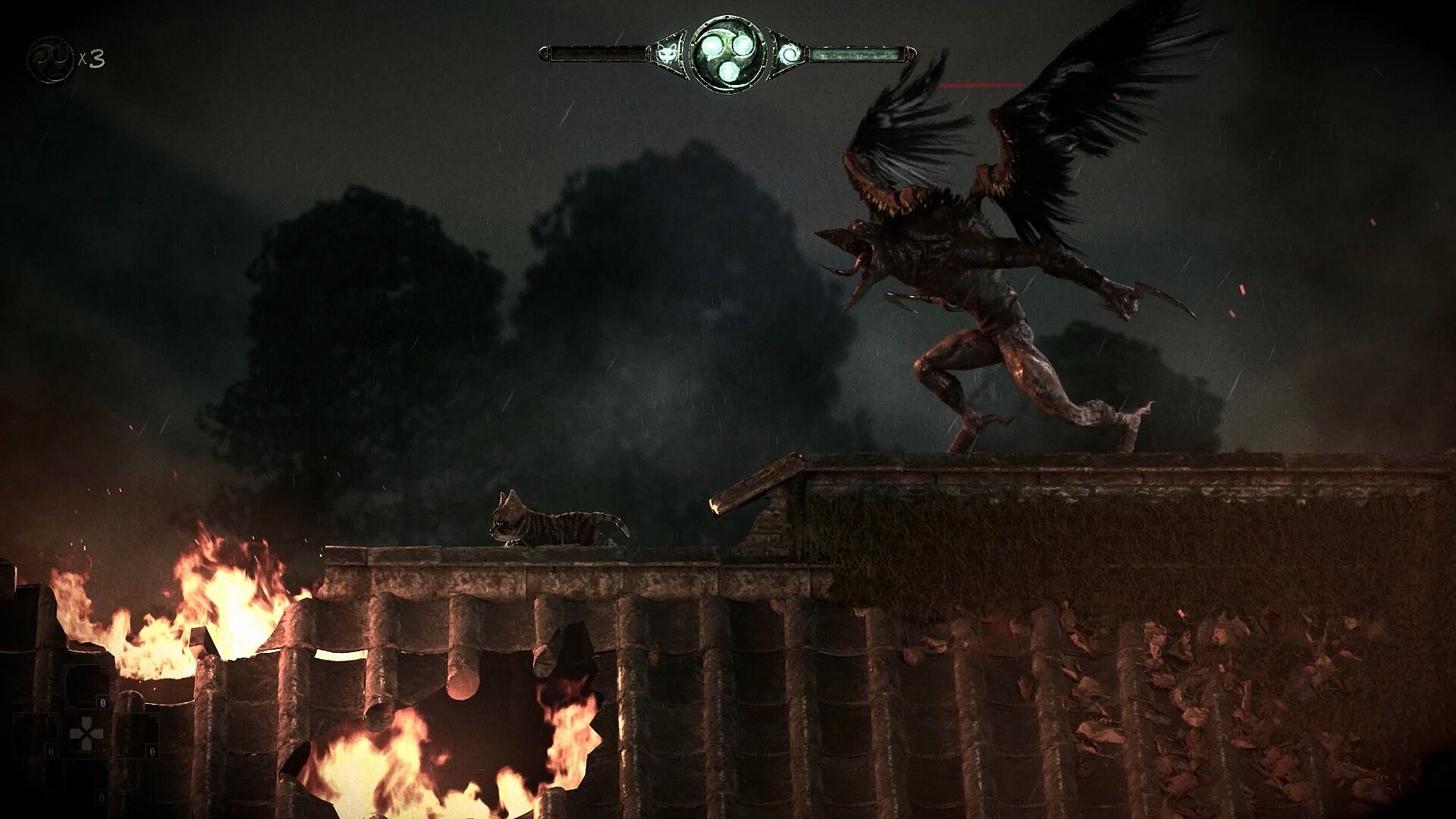
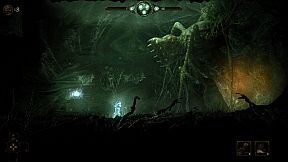
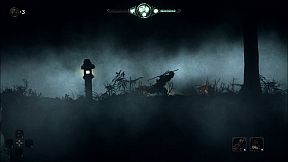
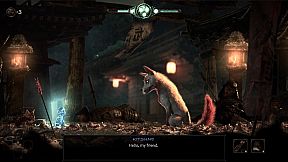
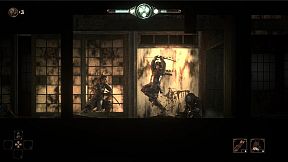
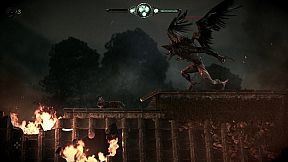
The Spirit of the Samurai is a 2D action-adventure game with Metroidvania and Soulslike elements set on PC. Players assume the role of Takeshi, a samurai tasked with defending his village from an Oni and its forces drawn from Japanese mythology, including tengu, undead warriors, and the Jorogumo spider demon.
Gameplay
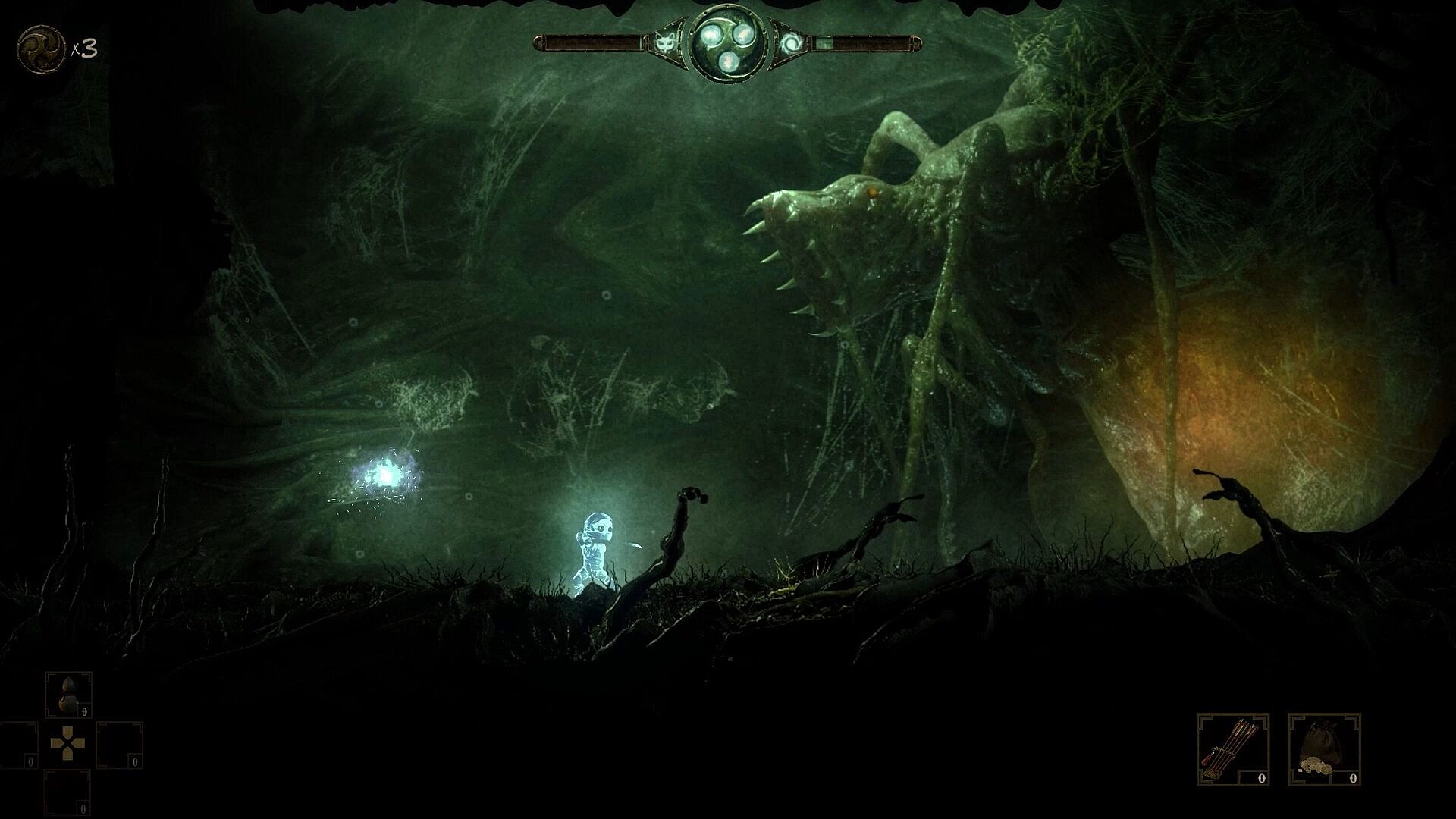
Core gameplay centers on side-scrolling exploration and combat across detailed environments such as ruined villages, mountain caves, and cemeteries. The game uses a stop-motion animation style reminiscent of classic techniques, with characters and enemies rendered in a highly detailed, cinematic manner. Progression involves gathering experience from defeated foes to improve stats, unlock abilities, and customize moves.
Combat relies on weapons including the katana for close-range strikes, the yari spear for reach, and the bow for ranged attacks. Each of the three playable characters handles differently: Takeshi focuses on sword combat, Kodama emphasizes precise platforming as a small spirit, and Chisai brings agile cat-like movement. Special power attacks and combos can be chained, with an in-game editor allowing players to create and refine custom sequences. Enemy AI responds dynamically to player actions, creating varied encounters. Controls support both gamepad and keyboard, with a recent update refining keyboard input for smoother character movement and precision matching gamepad feel.
Game Modes
The experience consists of a single-player campaign structured around linear progression with Metroidvania-style exploration. Players advance through atmospheric levels filled with secrets, battling yokai and demons while switching between the three characters to solve traversal challenges and overcome obstacles. No separate multiplayer or competitive modes exist. The campaign incorporates Soulslike mechanics such as challenging enemy encounters and resource management tied to experience gains.
Visuals and Atmosphere
Levels draw from Japanese folklore and mythology, presenting a world of desolate cemeteries, forested mountains, and abandoned settlements. The stop-motion aesthetic extends to cinematics and character designs, creating a distinctive visual identity. Secrets scattered throughout the environments encourage thorough exploration, though the overall structure remains focused on forward momentum rather than open-world freedom.
Is It Worth Playing?
Recent user reviews on the primary distribution platform show mixed results, with 63 percent positive from the last 30 days based on a small sample. The unique stop-motion presentation and folklore-inspired enemies stand out as strengths for players interested in indie action-adventures. A July 2026 update addressed control fluidity, improving keyboard responsiveness. Those who enjoy Metroidvania exploration combined with combo-driven combat and character switching may find value in the campaign. Individuals seeking extensive multiplayer options or highly nonlinear worlds may encounter limitations in the current release. The game remains available as a paid title on PC with no free modes or trials confirmed.