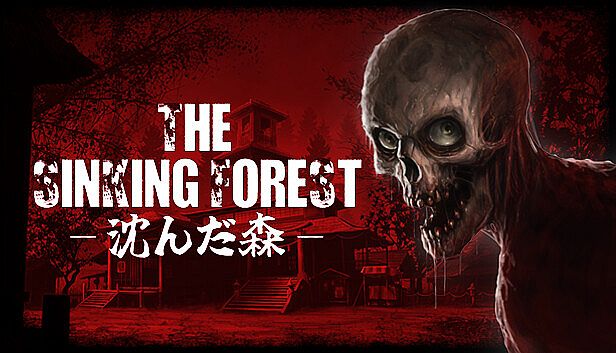













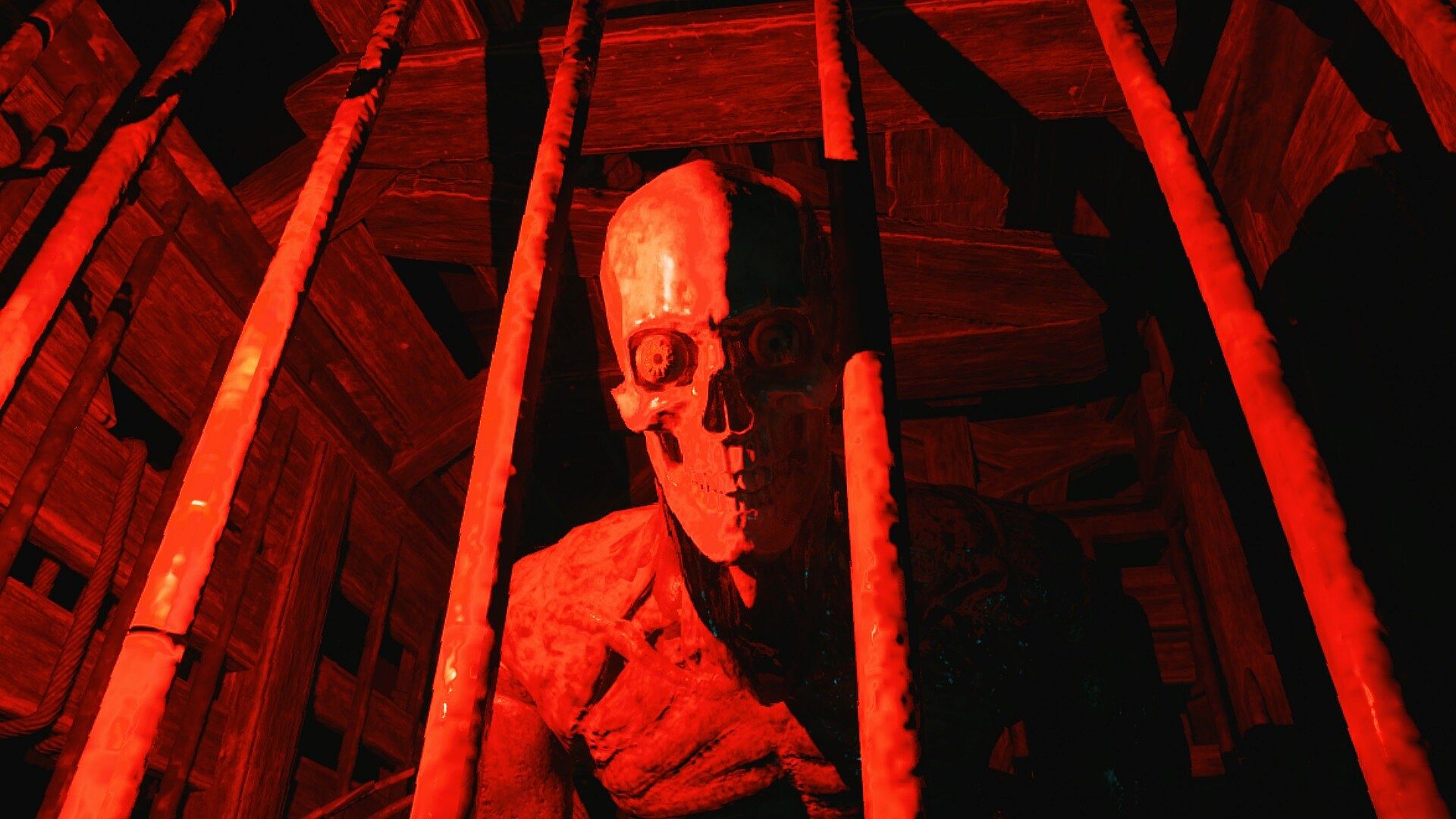
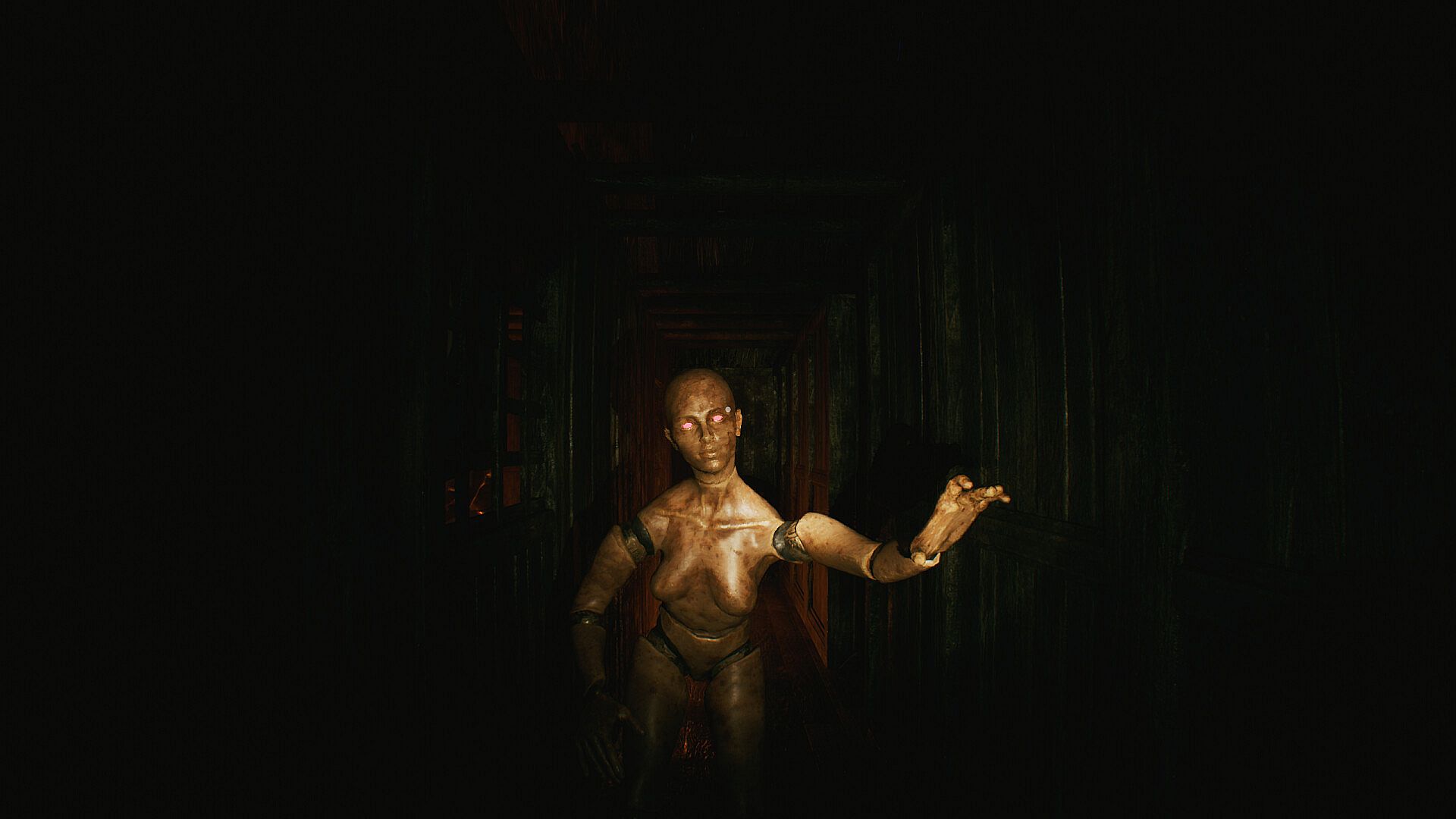
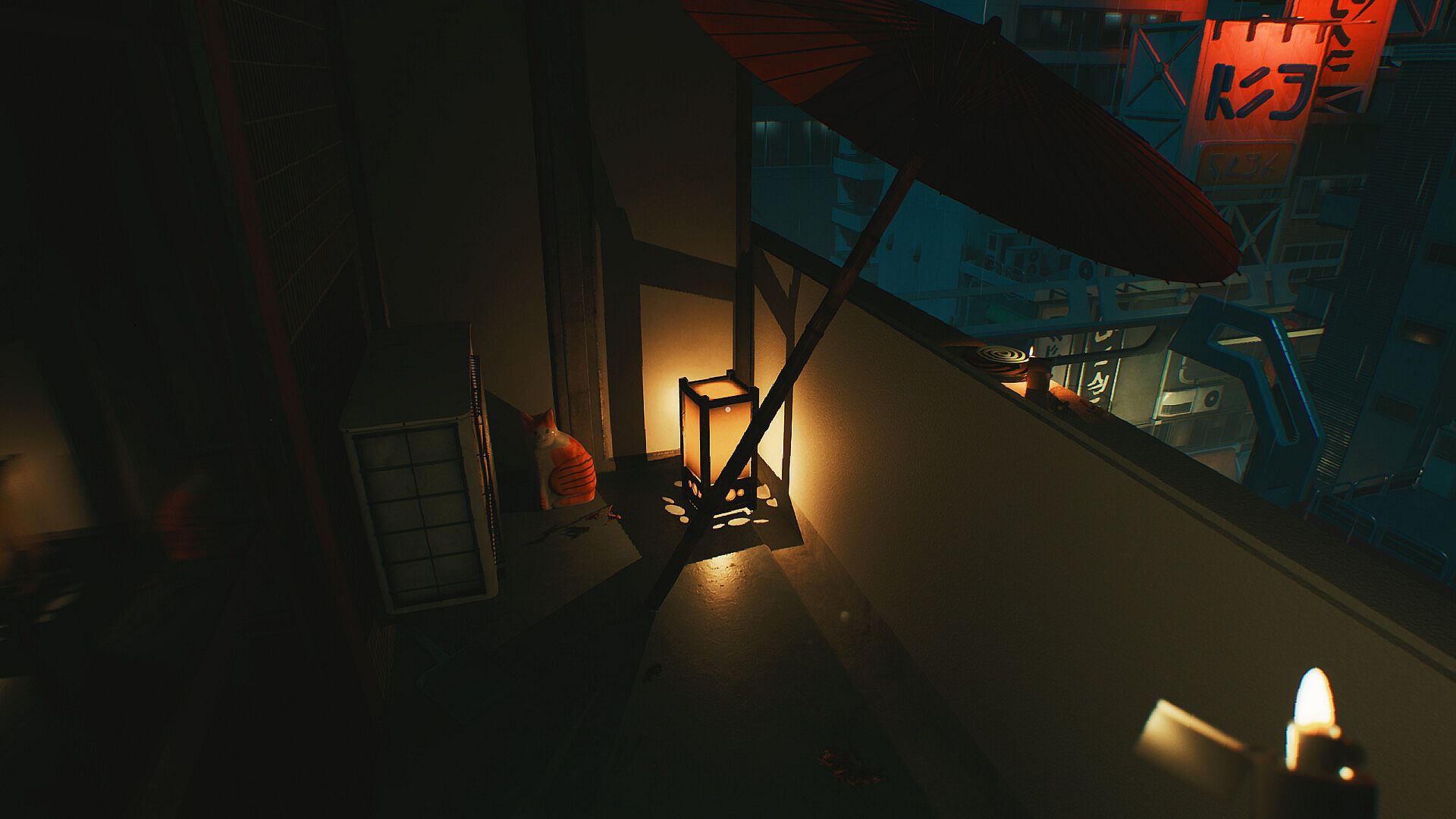
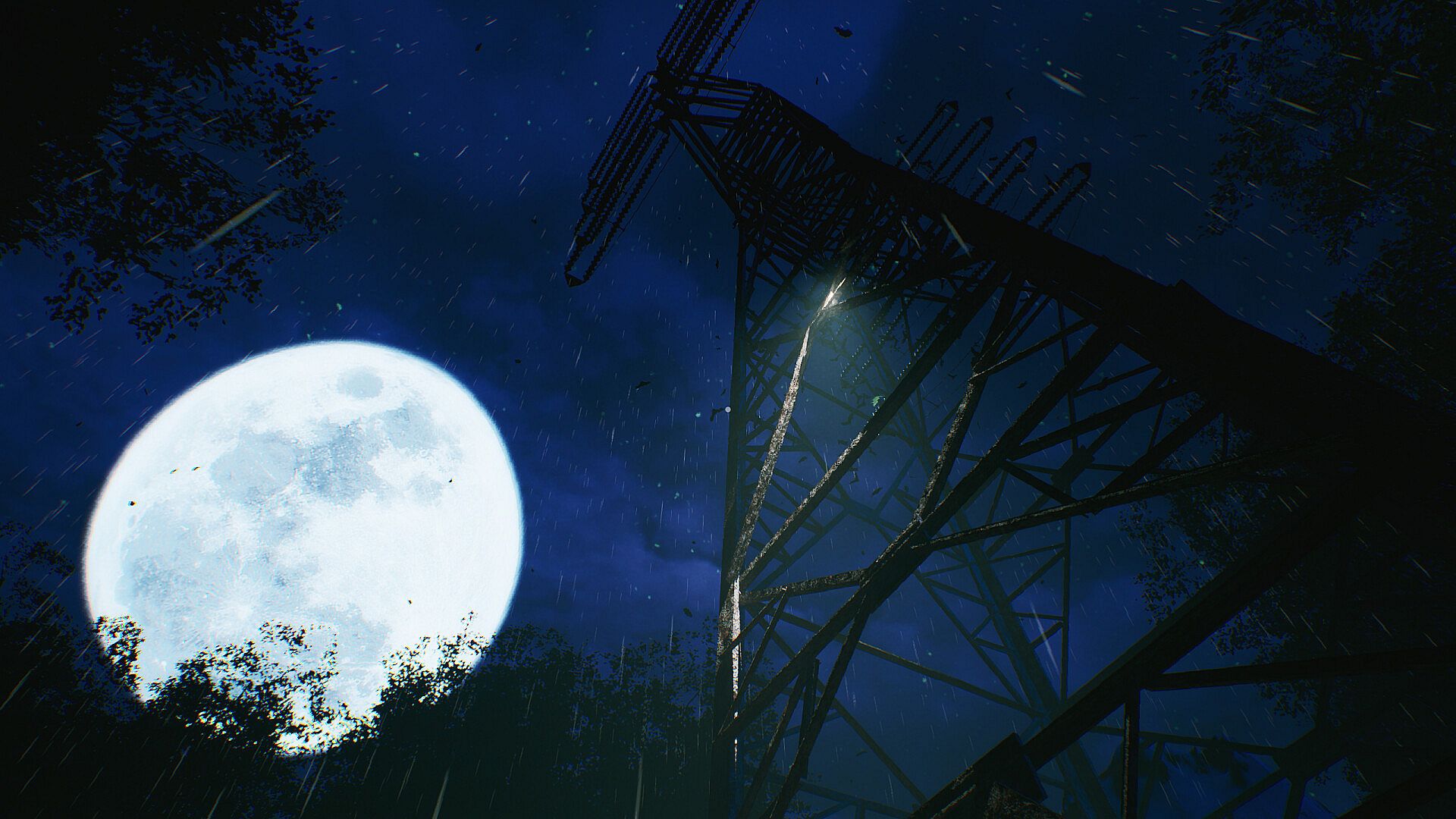
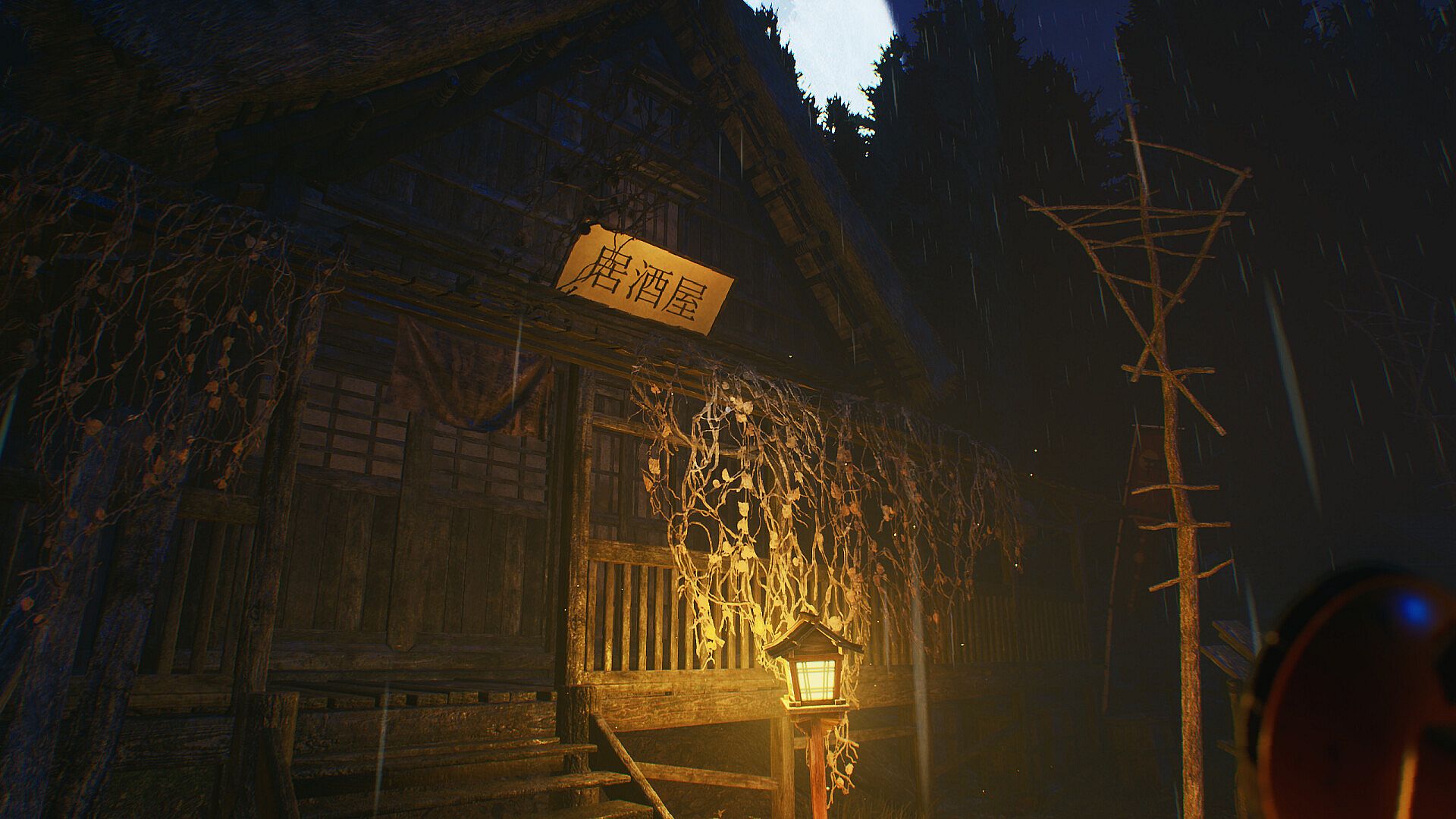
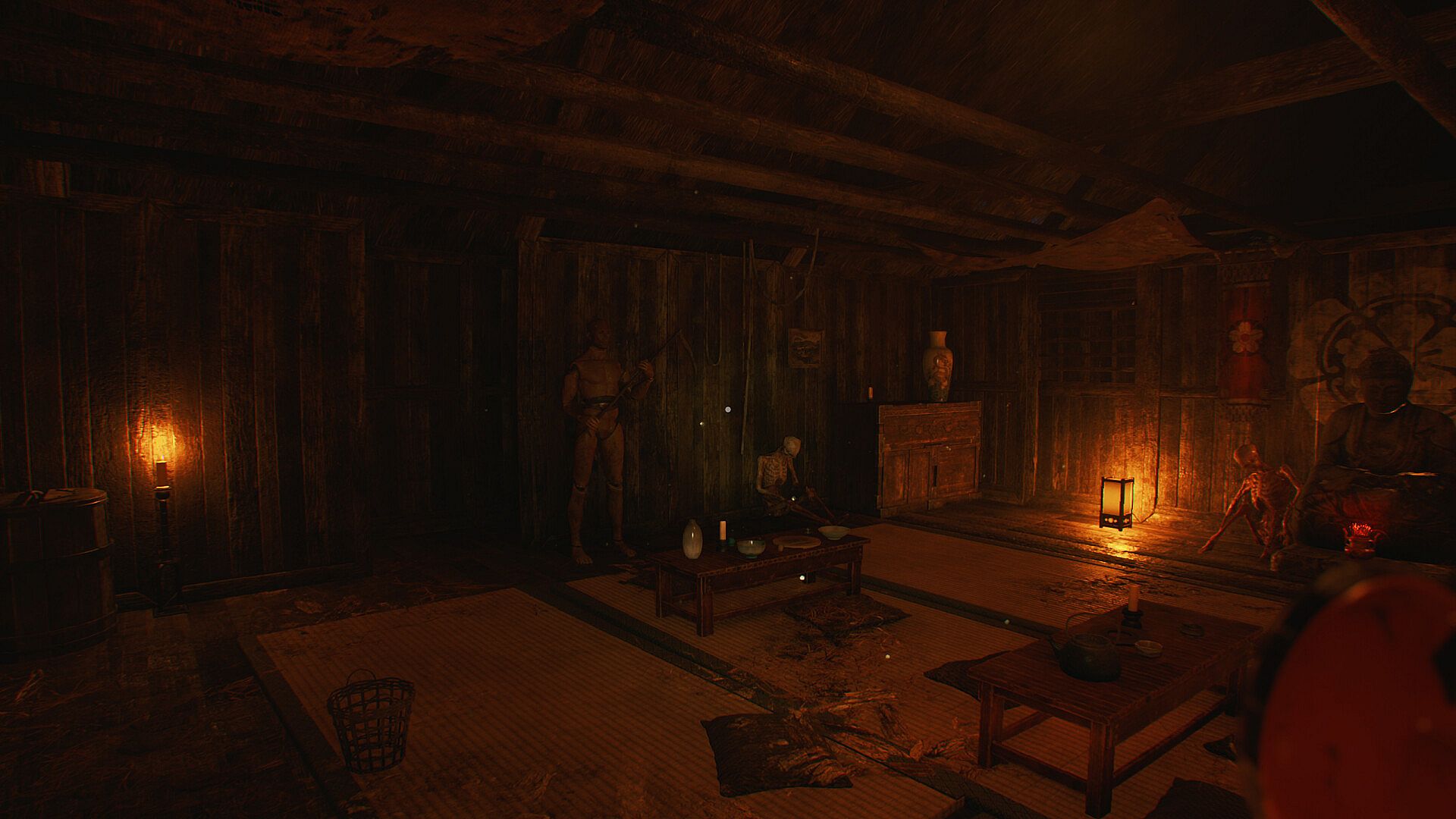
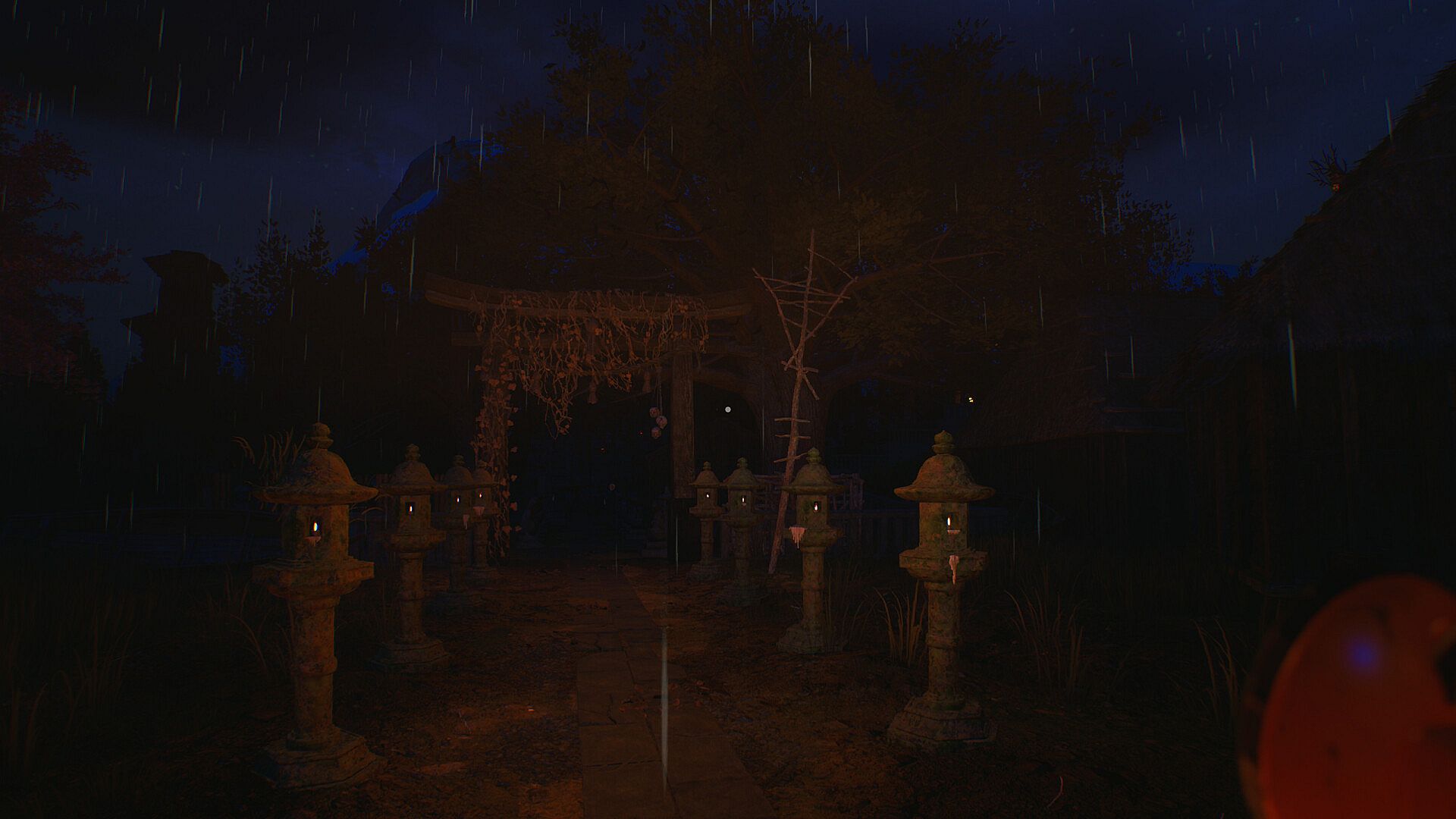
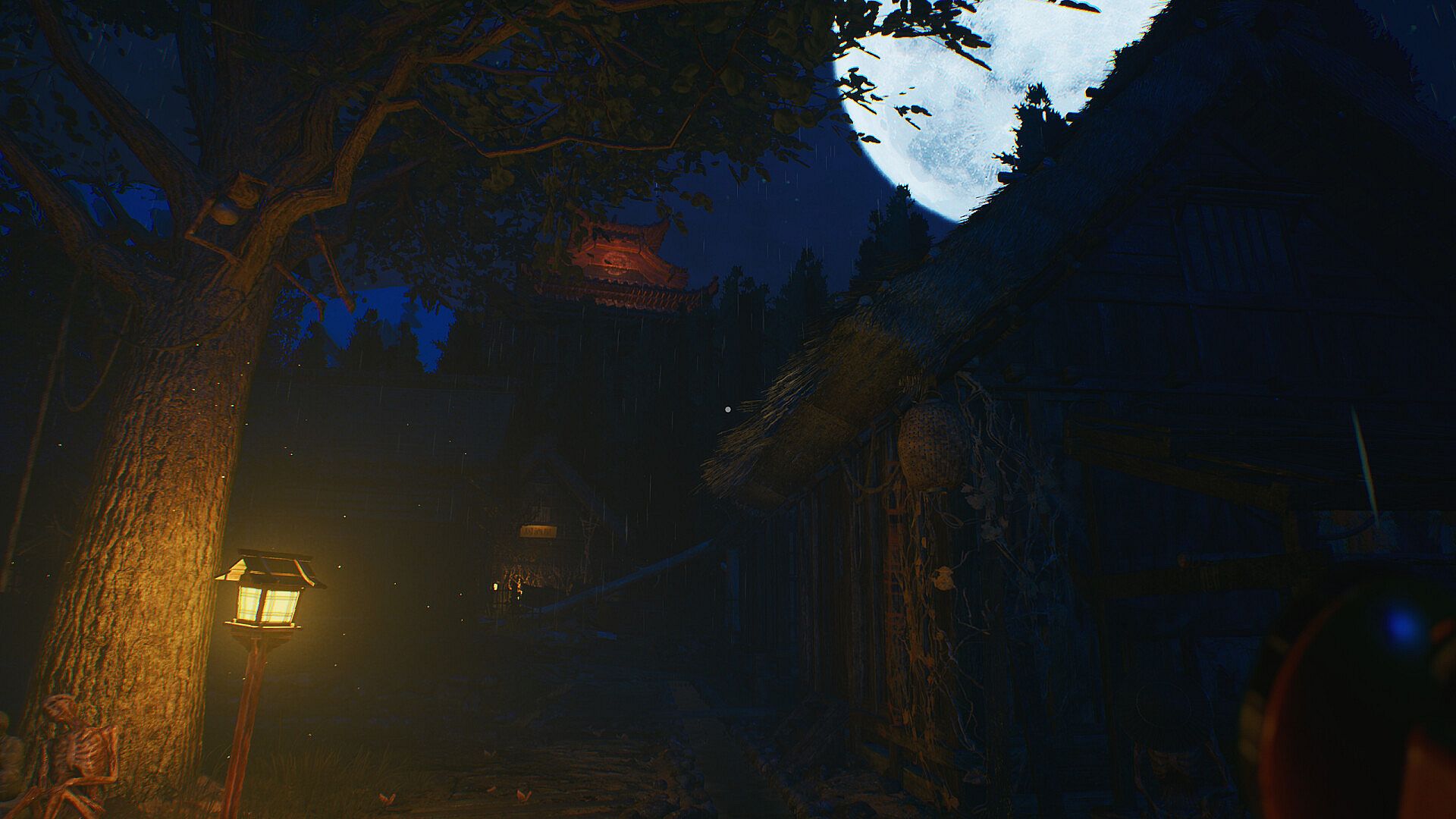

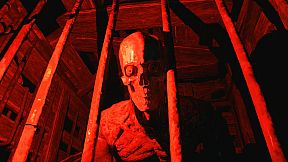
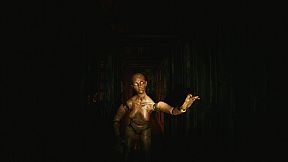



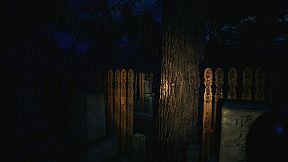
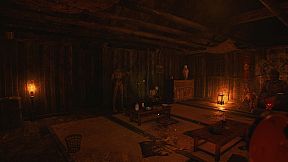
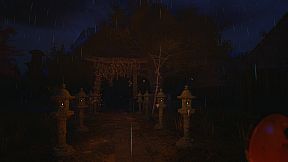
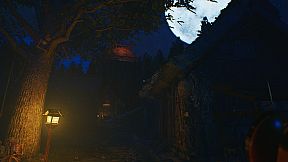
The Sinking Forest - 沈んだ森 - is a single-player psychological survival horror game that blends action, adventure, and indie elements into a compact narrative experience set in a remote Japanese village. Players take on the role of a young man searching for his missing sister, Sayuri, amid ruined temples, flooded passageways, and fog-covered paths that gradually reveal a darker story of family, loss, and folklore twisted into terror.
Gameplay
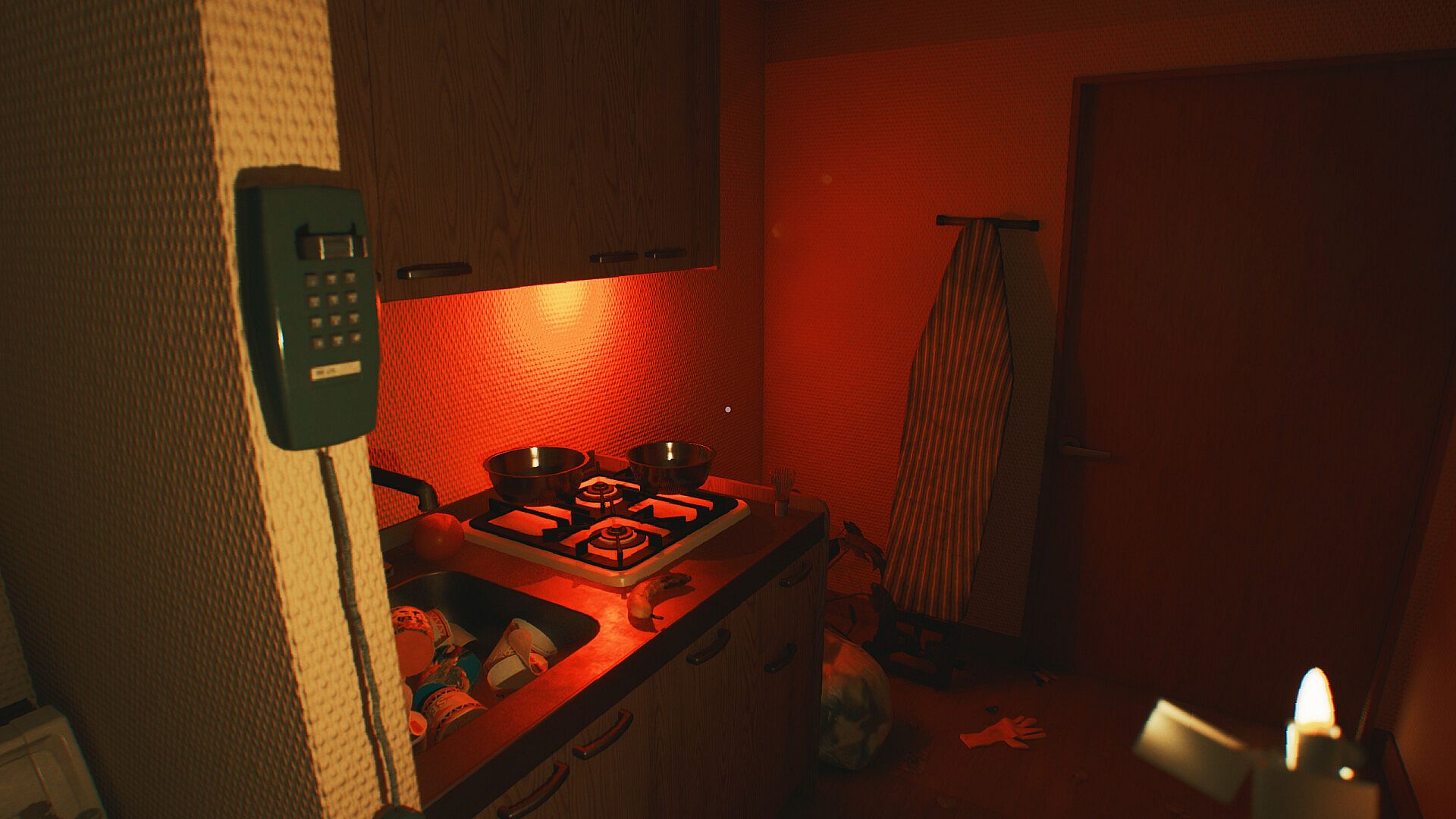
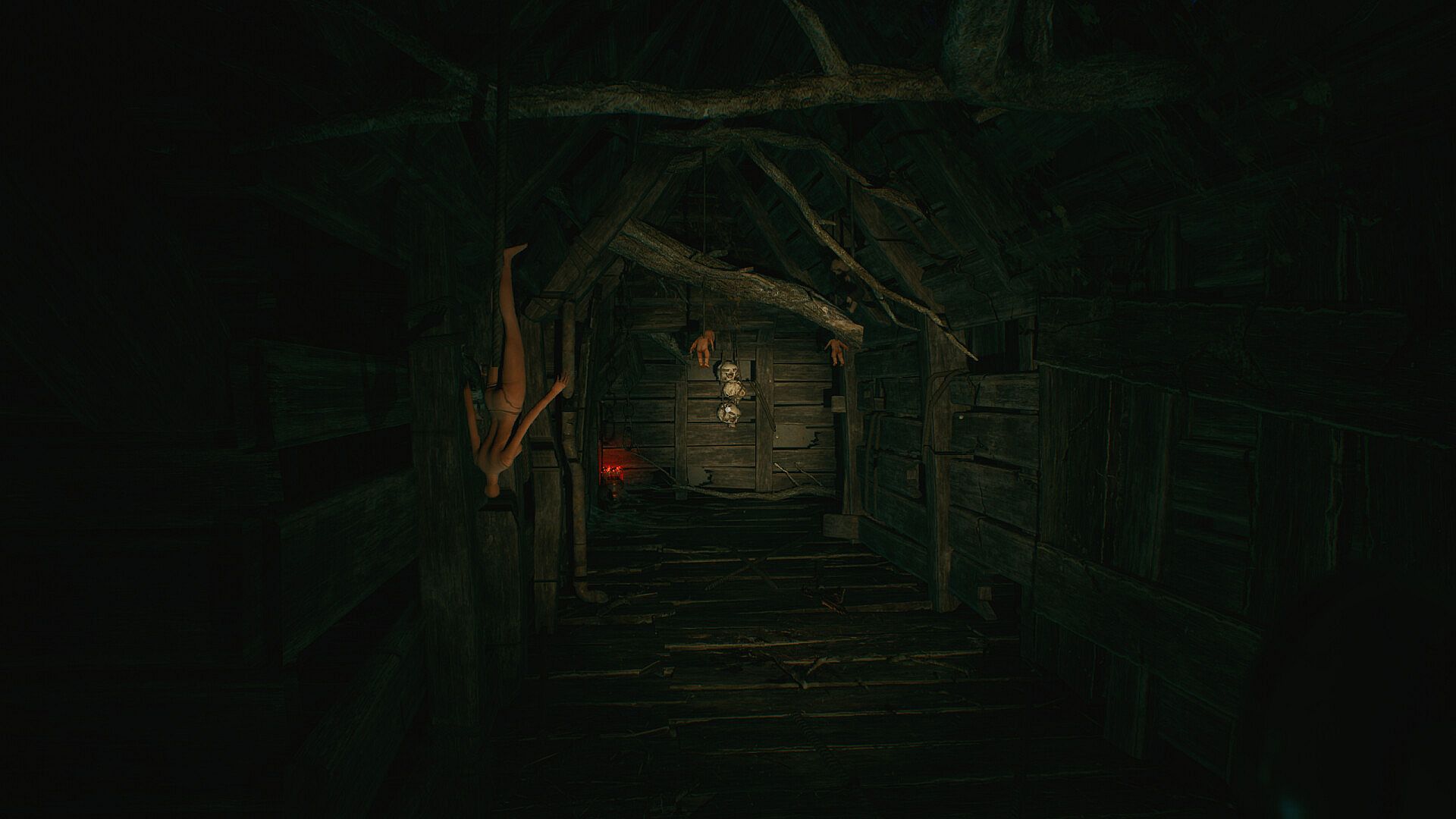
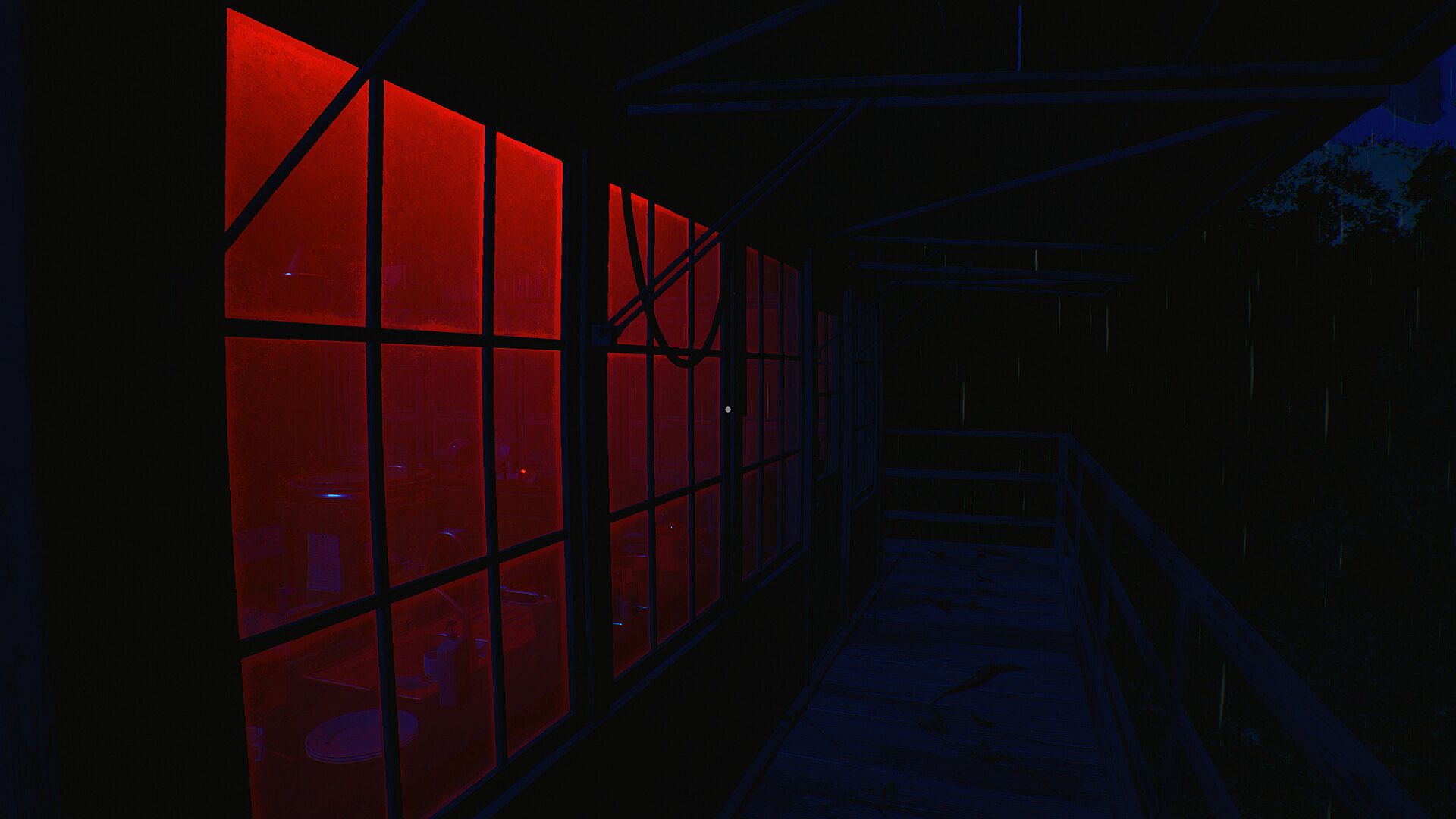
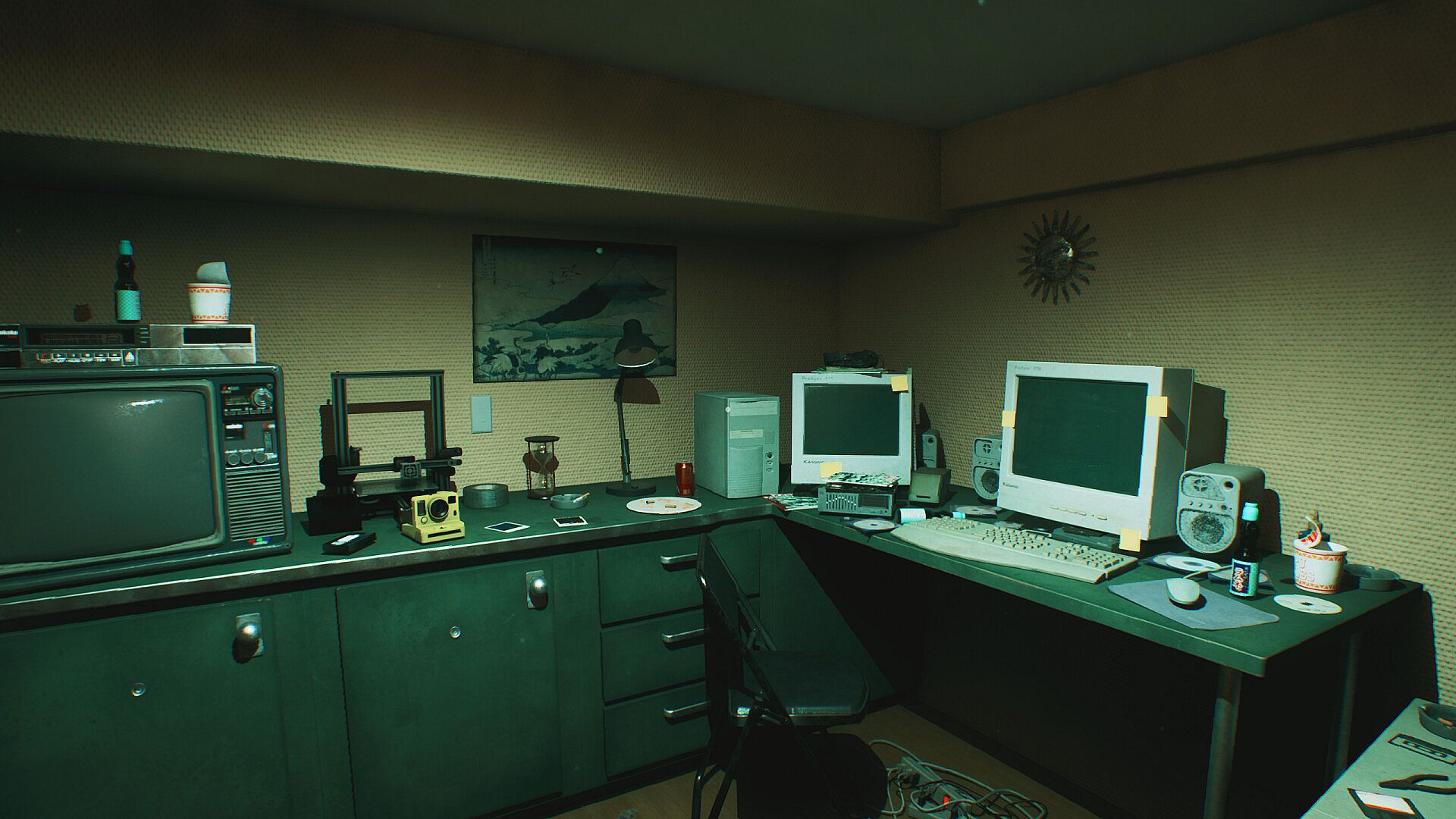
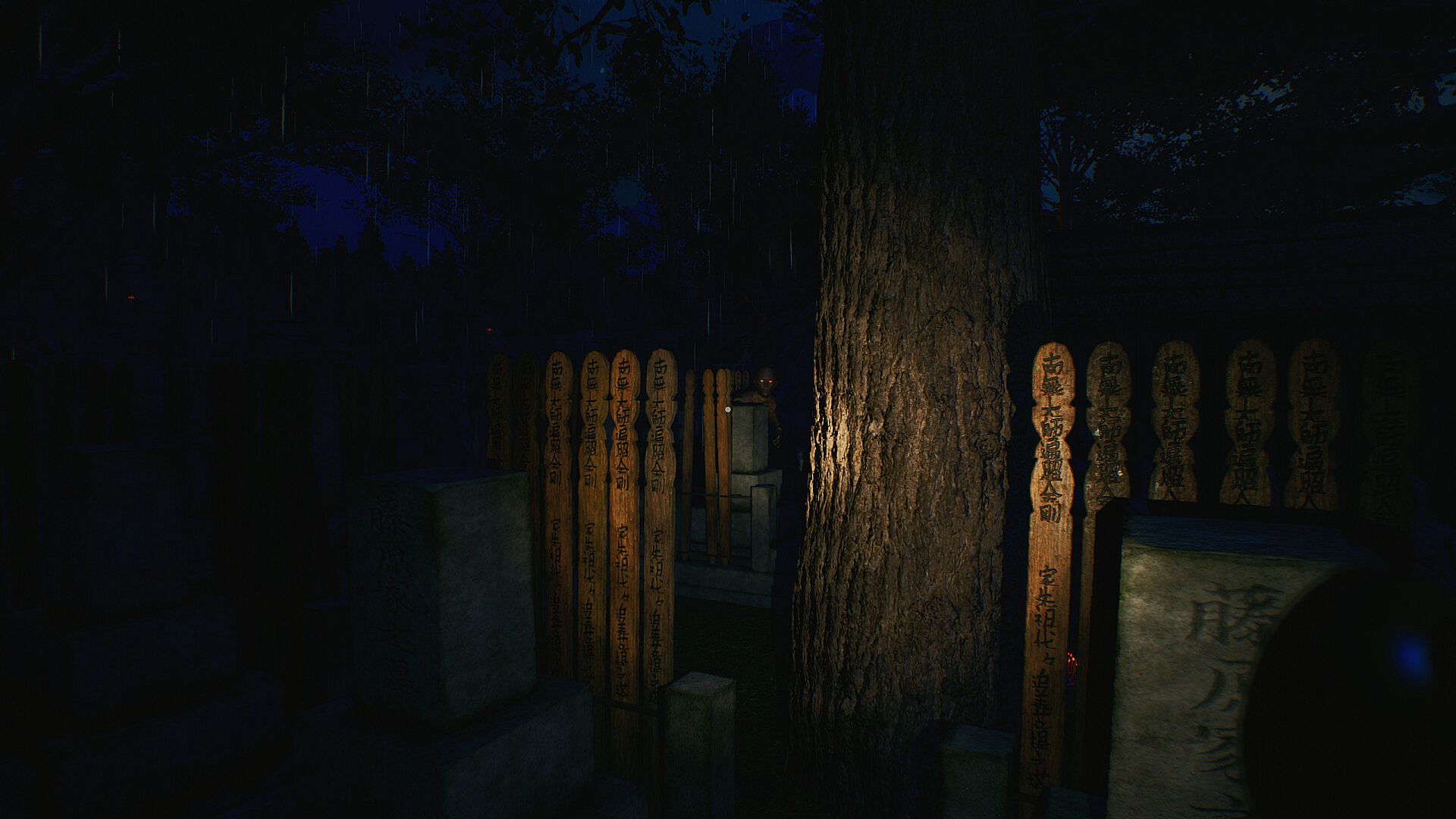
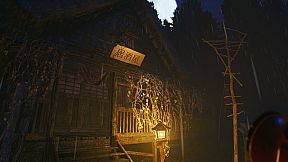
The core loop centers on exploration through abandoned houses, overgrown shrines, and withered cherry trees rendered in Unreal Engine 5. Tension builds as players navigate these environments while solving challenging puzzles that require careful observation of the surroundings. Limited resources force strategic decisions during survival combat encounters, where direct confrontation is risky and conservation matters. Japanese folklore elements surface through environmental storytelling and encounters that heighten the sense of dread, supported by an oppressive atmosphere featuring haunting taiko drums and tense string compositions. An autosave system tracks progress throughout the roughly two-hour journey, allowing focus on the unfolding nightmare without interruption from manual saves.
Game Modes
The experience remains a linear single-player narrative with no separate multiplayer components or distinct modes. All progression ties directly into the main story path, emphasizing sequential exploration, puzzle resolution, and resource-managed combat as the sole way to advance. This structure keeps the focus on the tragic tale and atmospheric tension rather than branching options or competitive elements.
Atmosphere and Setting
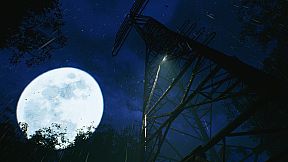
Oppressive fog and detailed environments create a constant sense of unease that aligns with the psychological horror roots. Abandoned structures and natural decay serve as both obstacles and narrative tools, revealing painful discoveries through careful searching. Sound design reinforces isolation, with audio cues that follow player movement and signal approaching threats. The setting draws from Japanese cultural motifs reimagined as sources of horror, turning familiar elements into unsettling threats without relying on overt jump scares alone.
Story and Themes
The plot begins as a straightforward family search but evolves into revelations about violence and things that refuse to be forgotten. Themes of loss and remembrance drive the emotional weight, with each discovery adding layers to the protagonist's motivation. The short length concentrates these elements into a focused arc that rewards attentive players who piece together environmental clues and dialogue fragments.
Is It Worth Playing?
Player reception on Steam stands at Mostly Positive, with 74 percent approval from 54 reviews, indicating solid appreciation for its atmospheric delivery and concise storytelling. The game suits those seeking a brief, intense psychological horror session centered on exploration and resource tension rather than extended campaigns or multiplayer features. Its two-hour runtime and autosave support make it accessible for a single sitting, particularly for fans of indie survival horror that prioritizes mood and folklore-inspired dread over complex systems or ongoing updates. Those preferring longer experiences or varied modes may find the focused scope limiting, but the verified mechanics deliver a consistent sense of unease for the right audience.