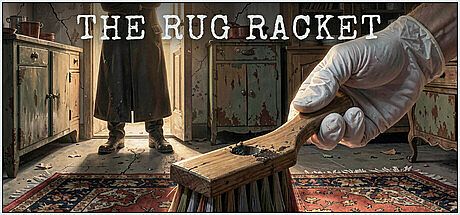


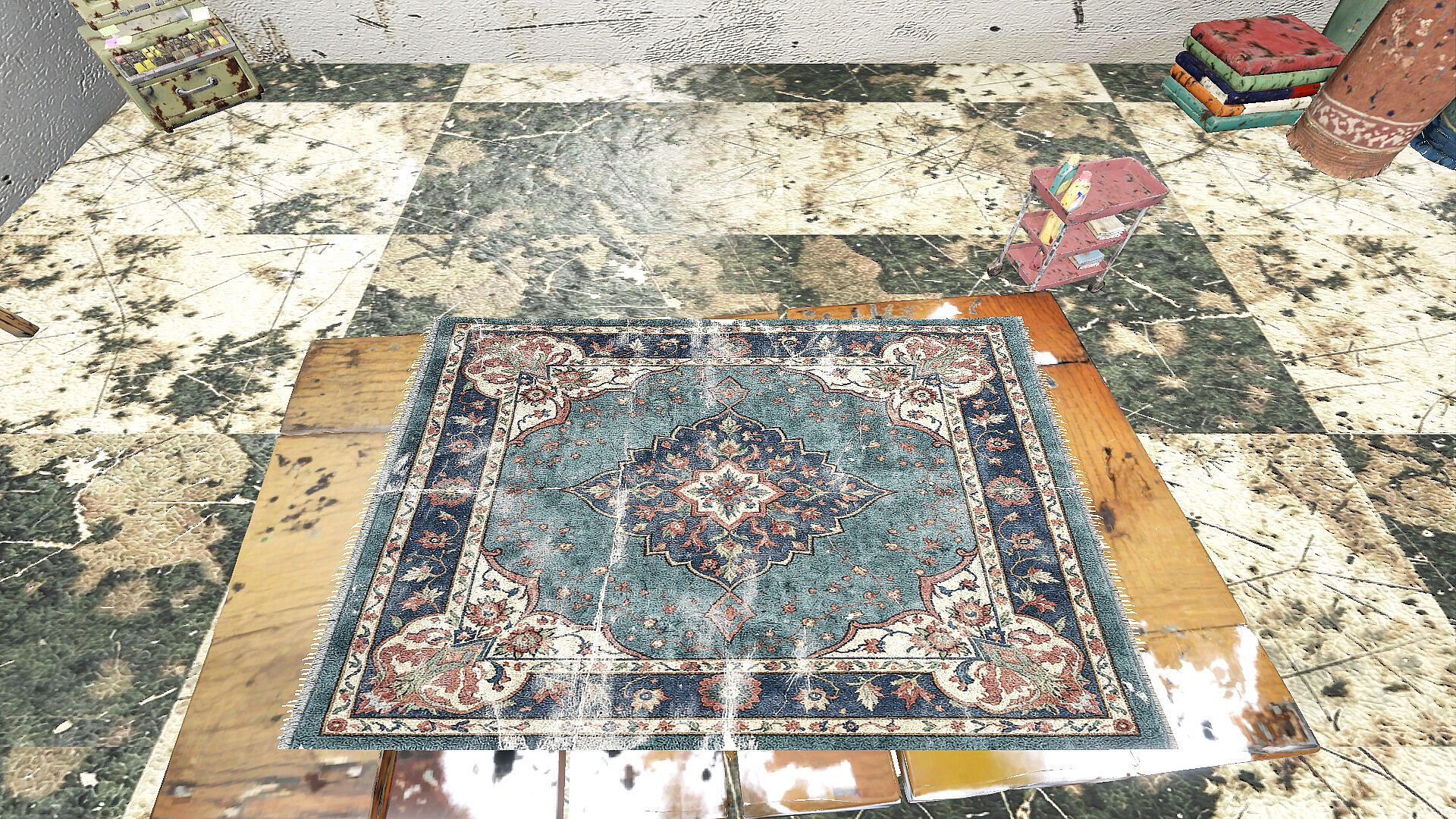
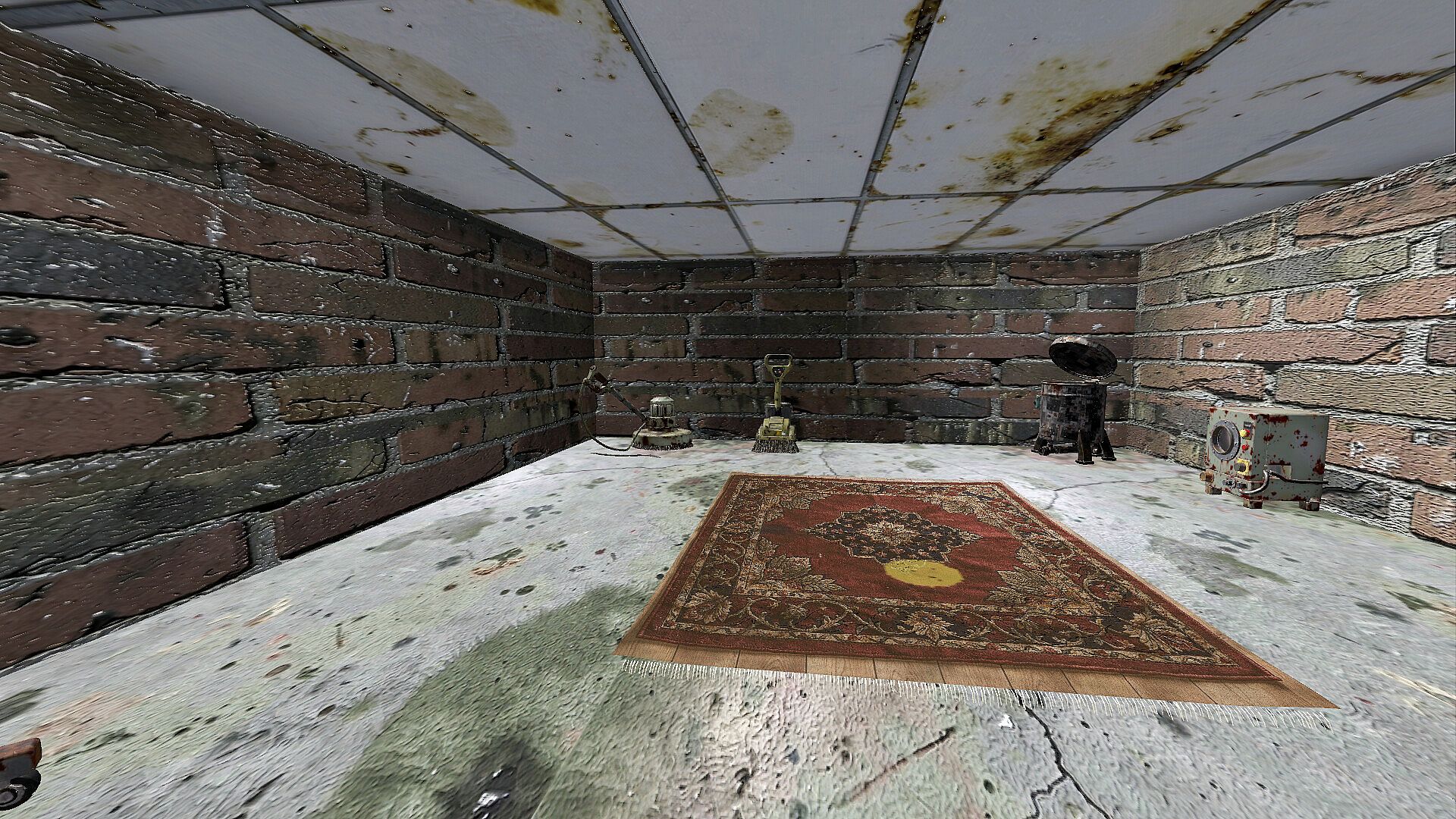
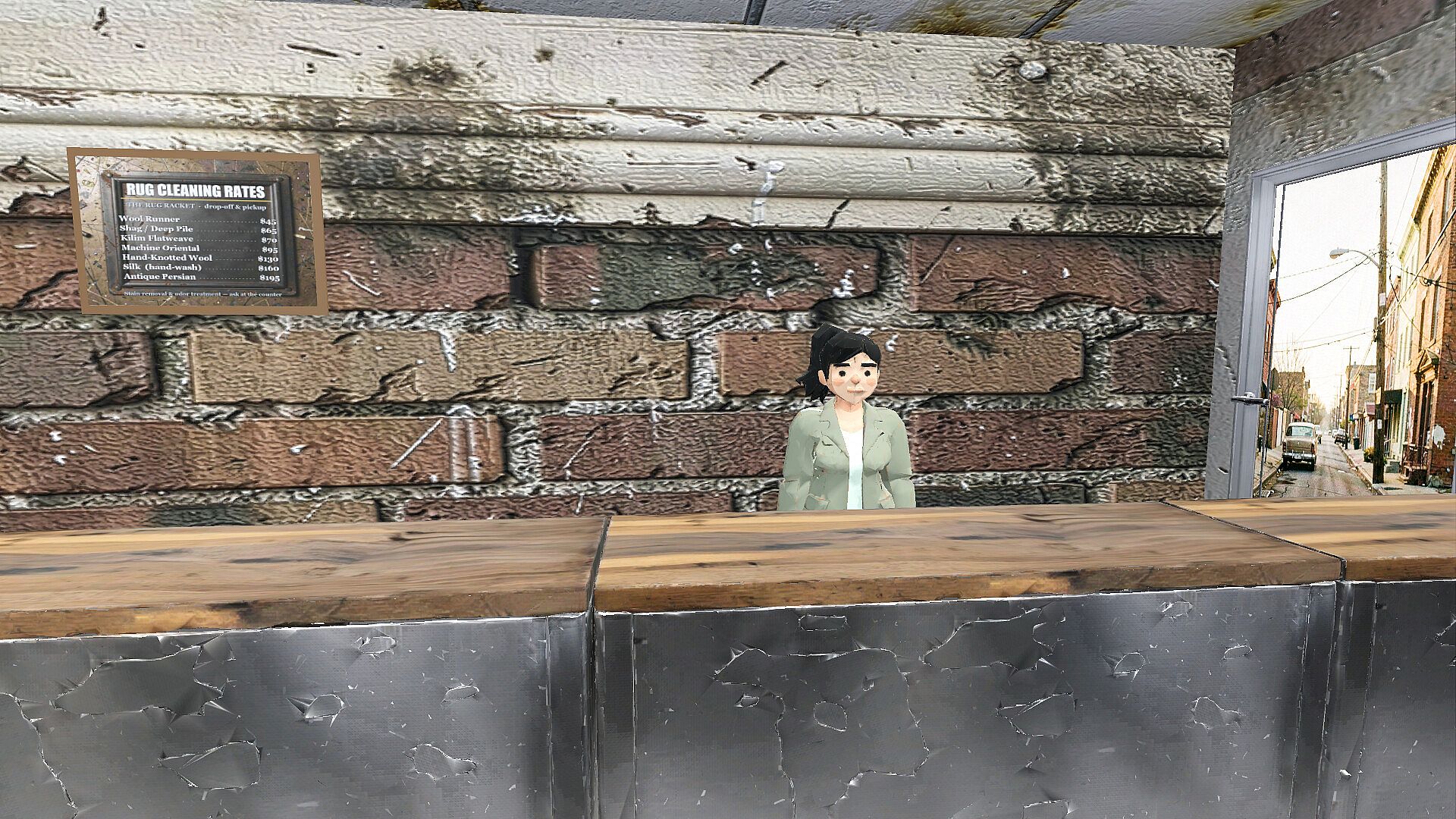
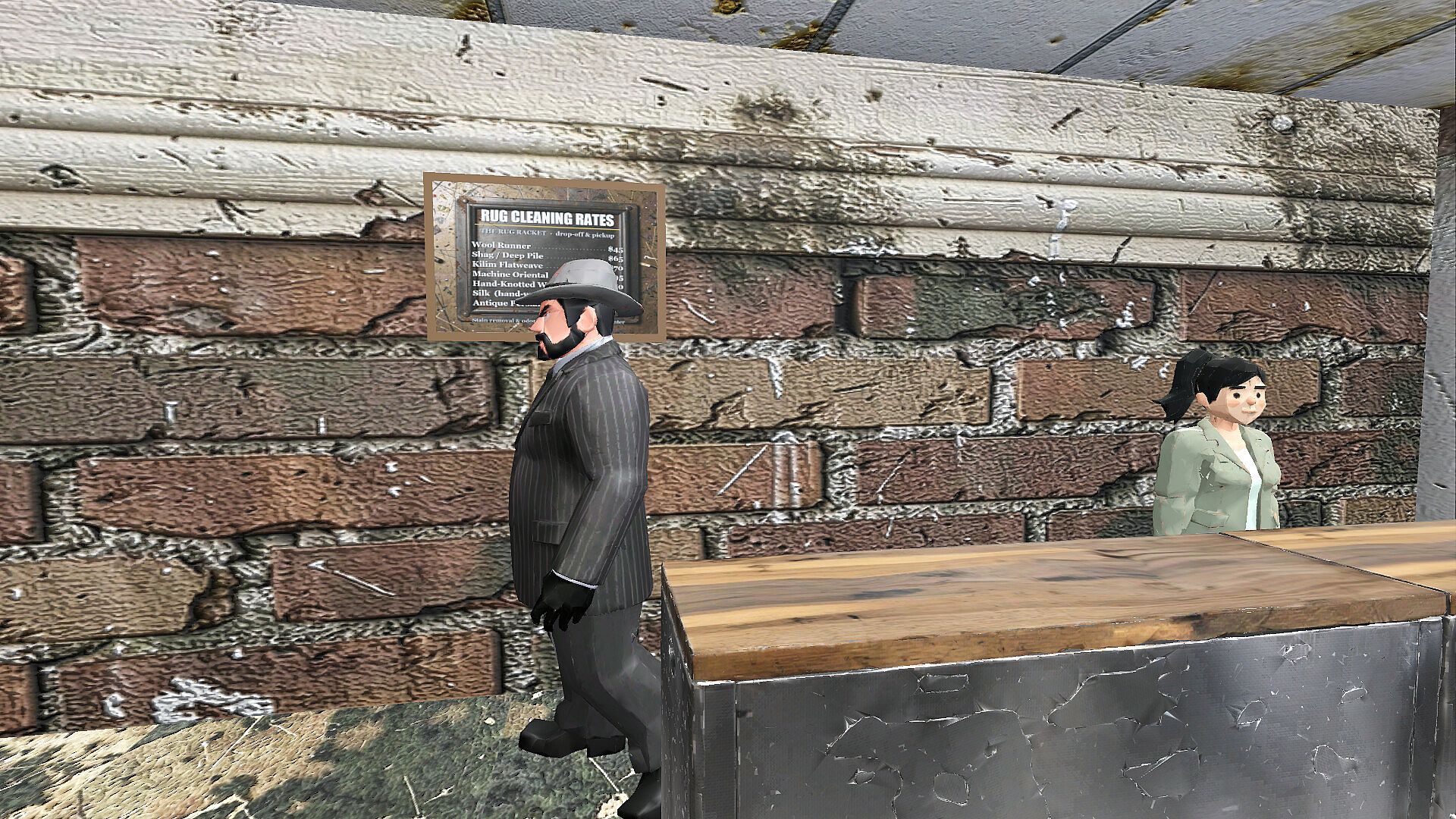
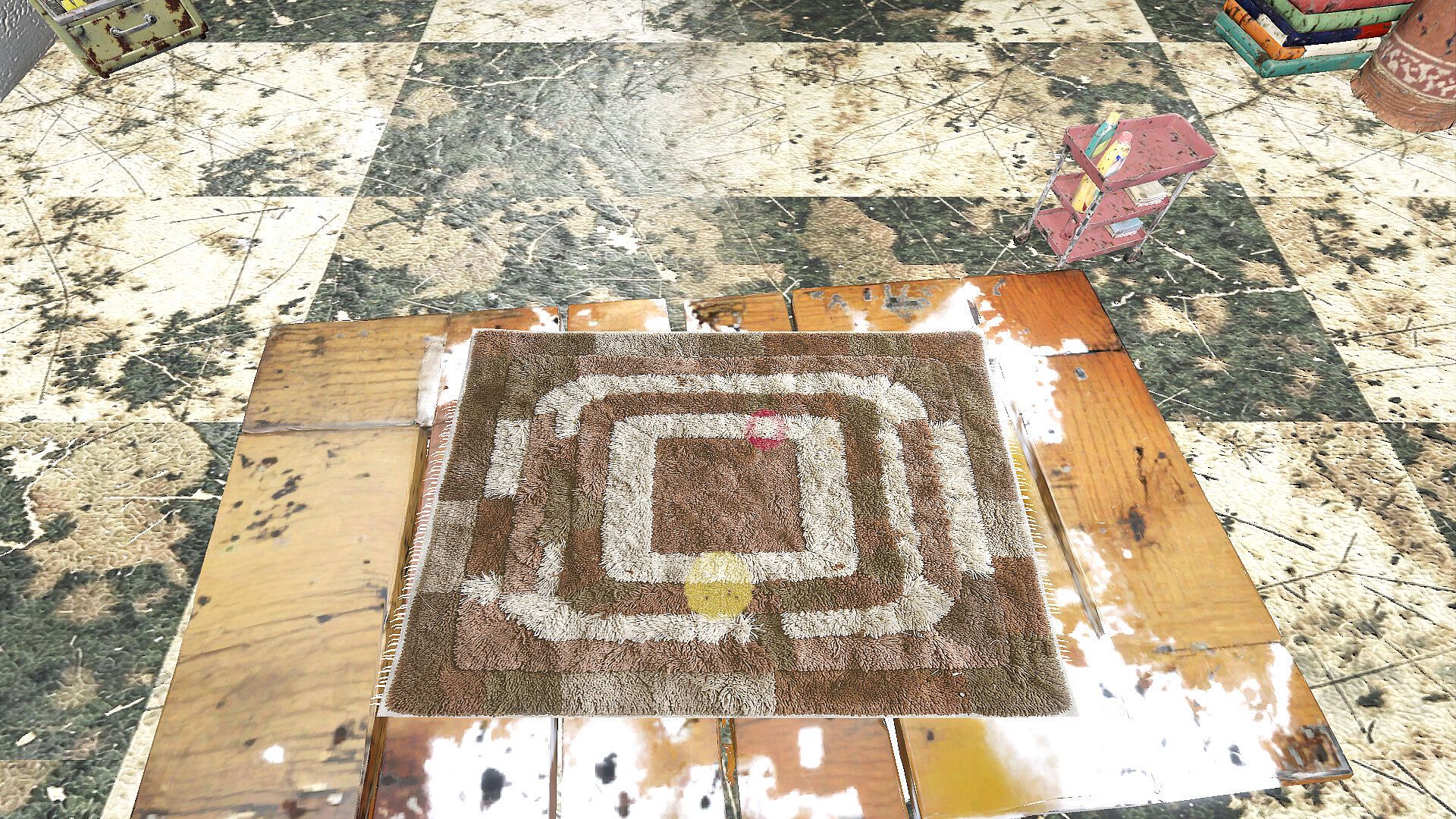
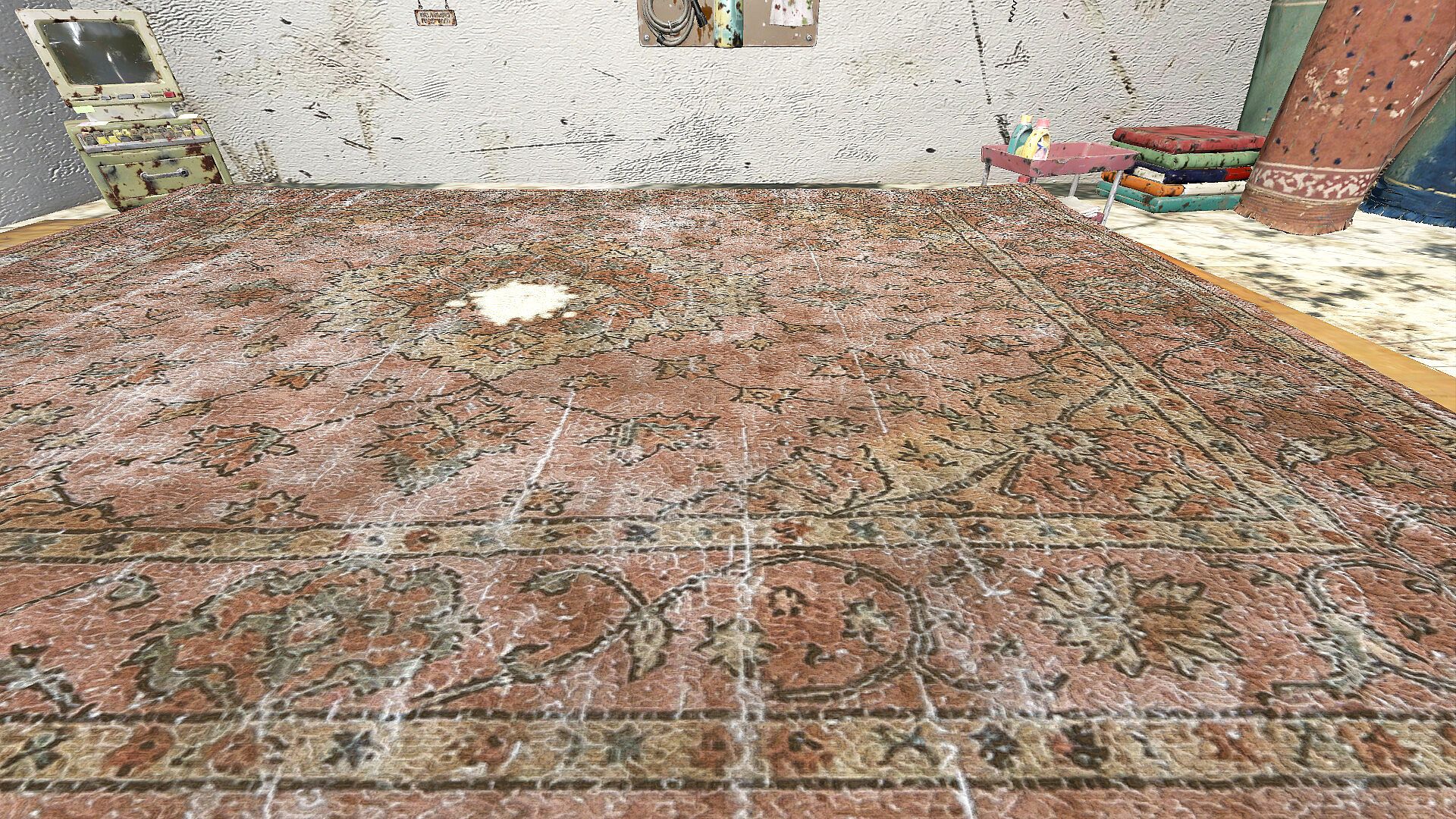
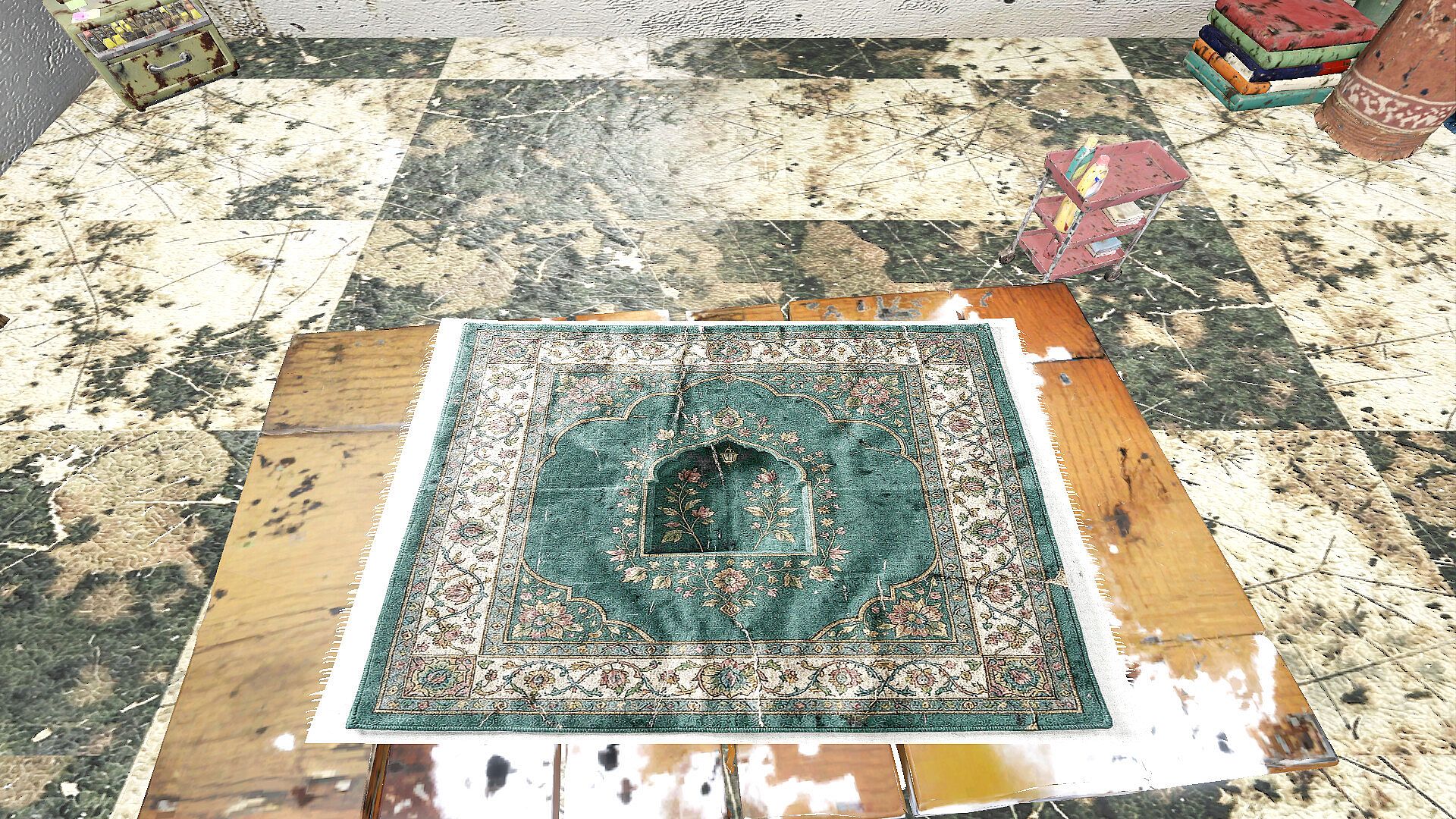
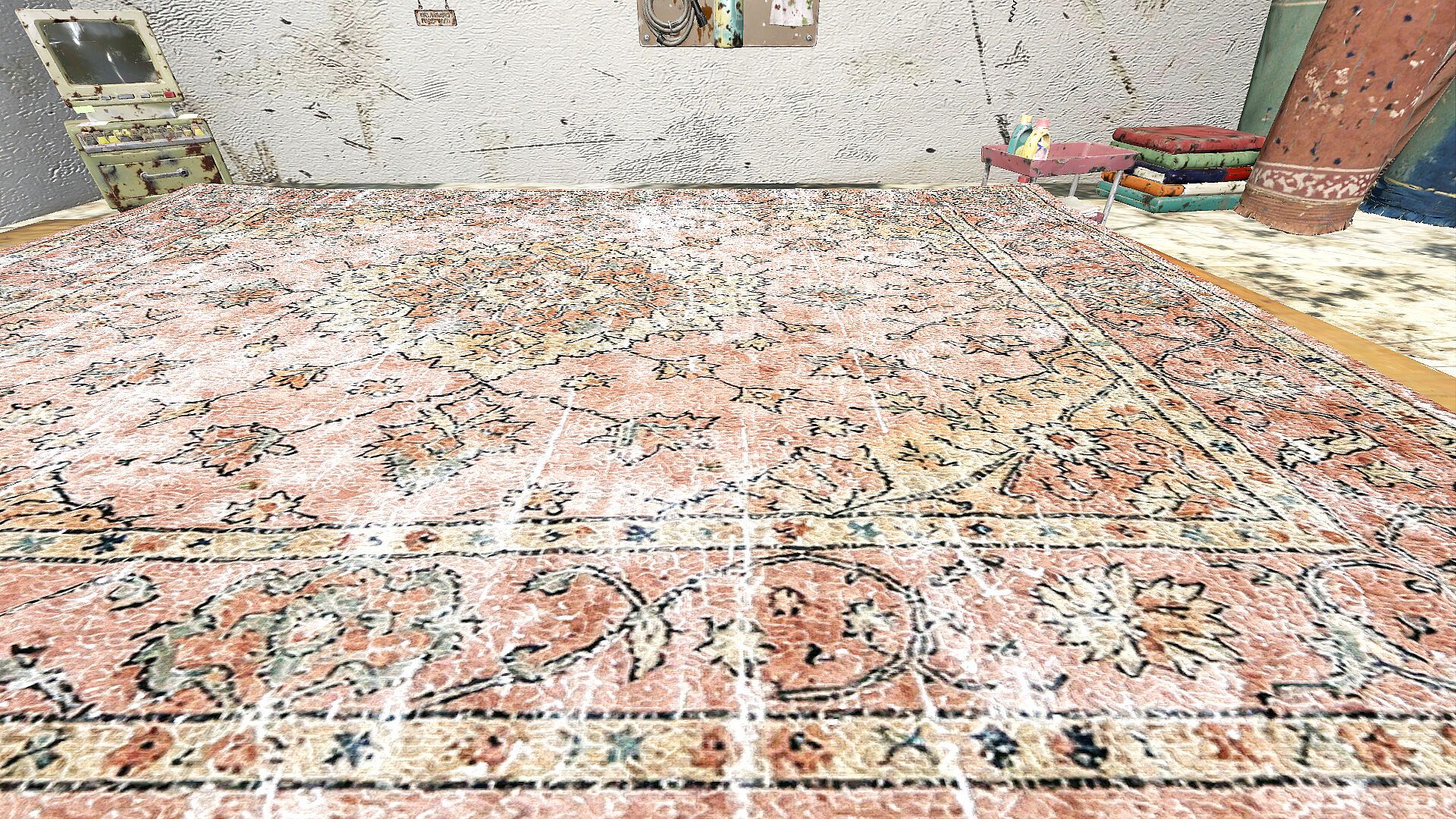
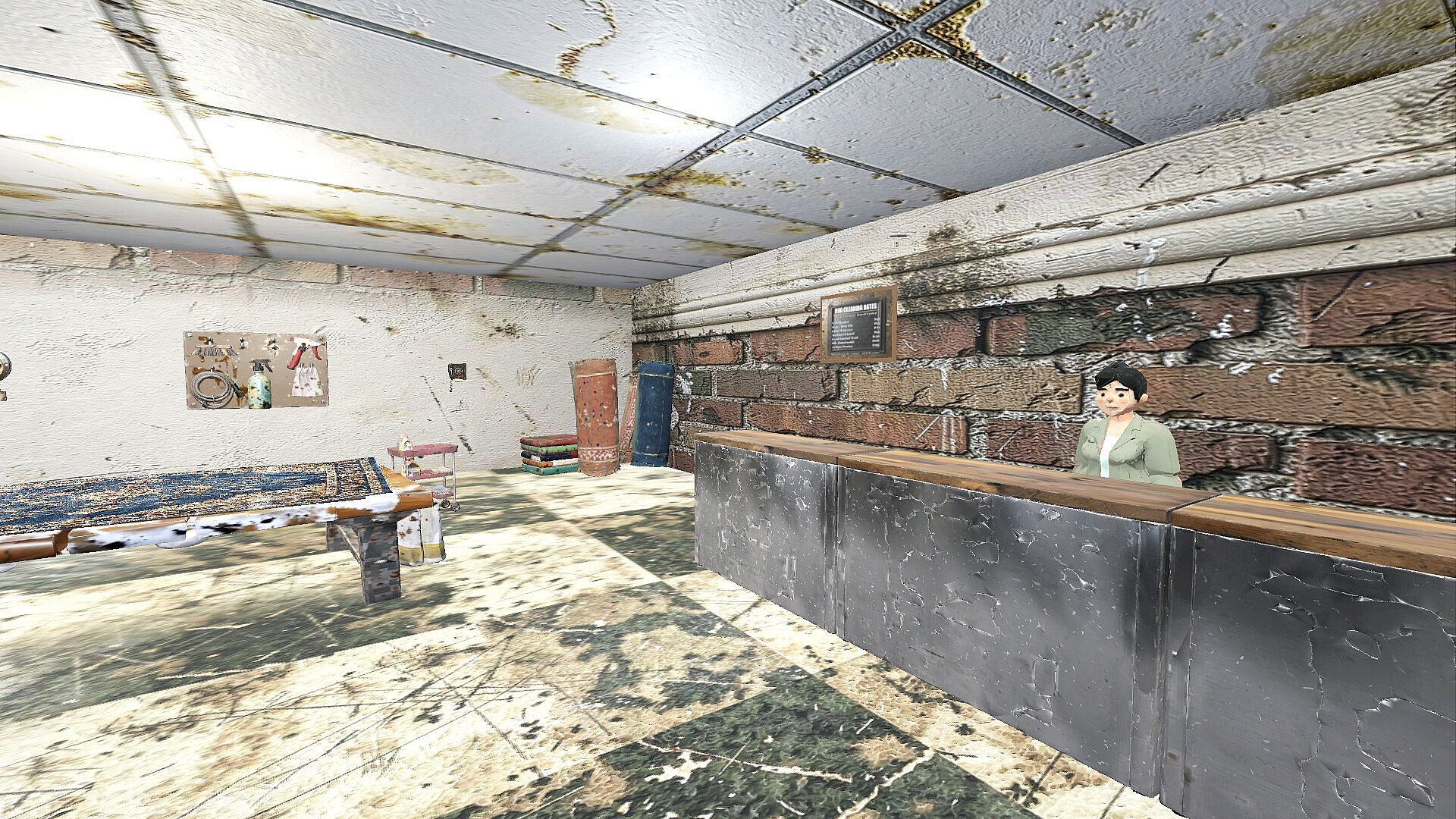
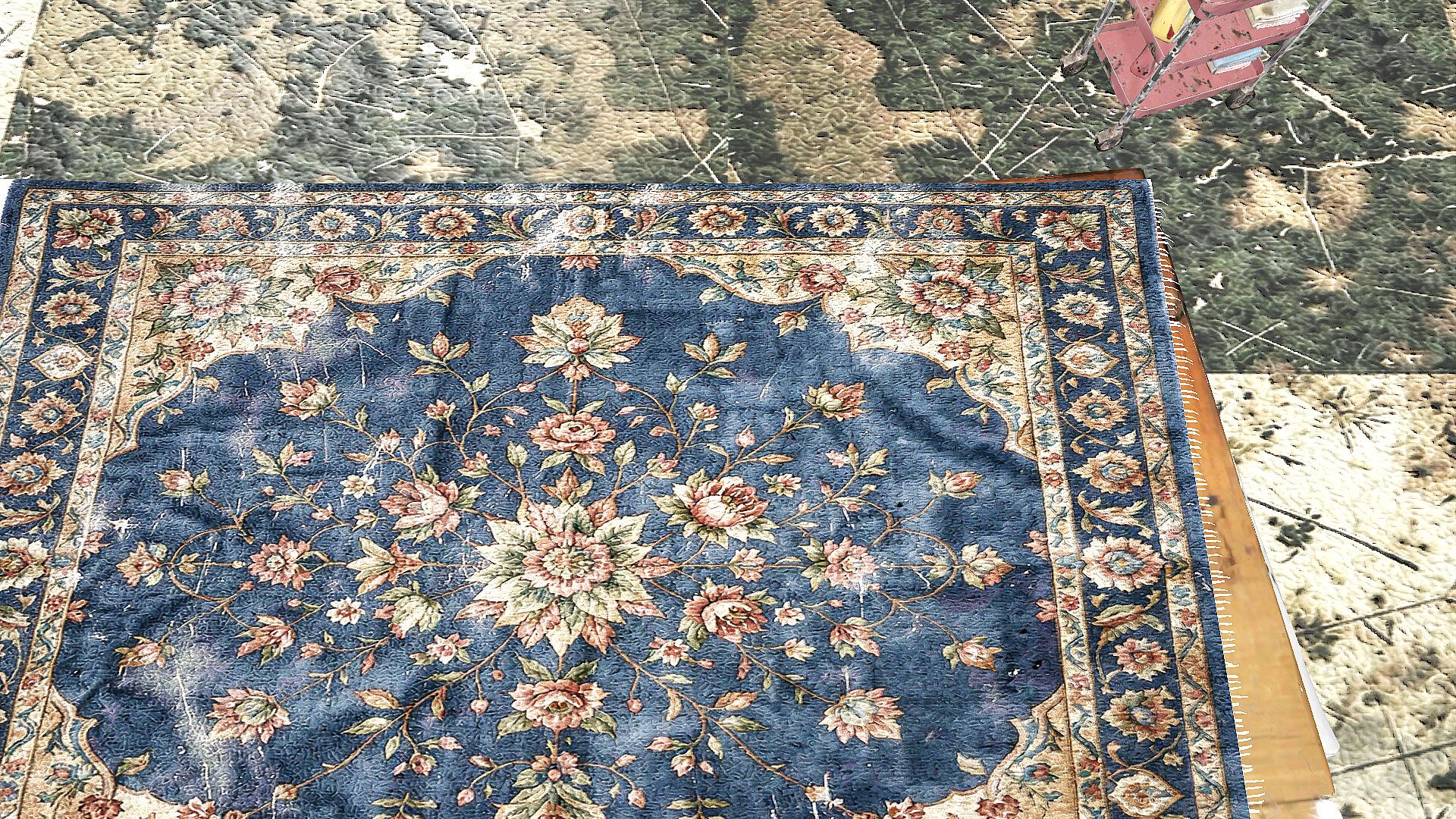
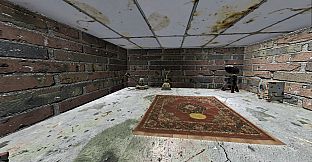
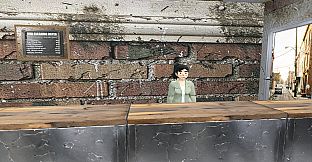
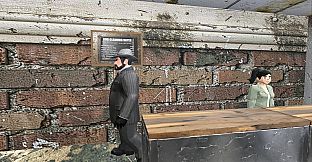
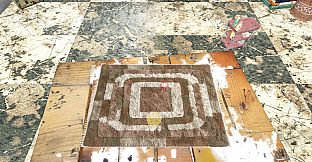
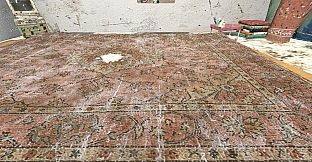
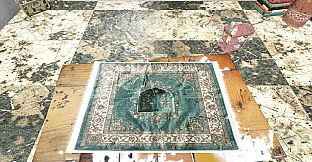
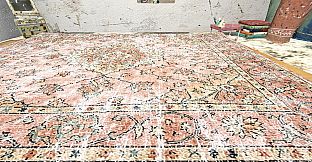
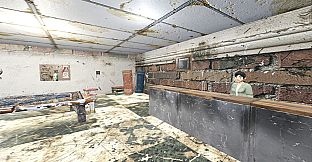
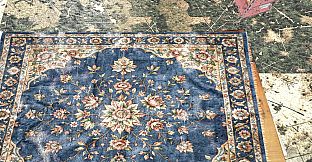
The Rug Racket is a strategy indie simulation game set in a single player experience where players take over a struggling rug cleaning business. The core loop revolves around detailed restoration work combined with business decisions and narrative pressure from external forces. Players handle individual rugs through a multi step process while balancing finances, customer expectations, and ongoing obligations that shape the overall progression.
Gameplay
Each rug requires five distinct stages of work: dust removal, colorfast testing, washing, rinsing, and extraction followed by drying. The process demands attention to material properties because certain fibers can scorch under excess heat and dyes may bleed if handled incorrectly. Wrong tool choices or overheating can cause permanent damage that ends the job unsuccessfully. Successful cleaning revives damaged pieces and generates income while building toward larger goals.
Customers arrive with specific demands that affect outcomes. Some tolerate no imperfections while others bring sensitive antiques that react poorly to steam or aggressive methods. Reputation operates along three separate axes that influence future opportunities and payment reliability. Four upgrade paths allow investment in tools, efficiency, or capacity to handle growing volume. Overhead costs rise steadily and require consistent revenue to avoid shortfalls.
Debt management forms a central tension. Weekly payments must be met or penalties accumulate. External visits add complications that force choices between compliance and risk. The business starts under outside control and the path to full ownership involves navigating increasing demands across multiple phases.
Game Modes
Standard cleaning jobs follow the core five stage process with rules tied to fiber type and heat limits. Restoration mode activates for severely damaged rugs that appear beyond typical repair. This approach allows deeper intervention but carries higher failure risk if steps are rushed or misapplied.
Special jobs introduce altered conditions. The Flood scenario leaves rugs saturated and prone to mold growth while limiting tool effectiveness. The Stash job involves hidden elements within the rug that must remain undisturbed during cleaning to avoid complications. These assignments reward careful execution but punish overreach or incomplete attention.
Business and Story Progression
Building the shop involves recruiting repeat customers and responding to events that test resource management. Upgrades branch into areas that improve speed, quality, or handling of difficult materials. Legendary moments emerge from particularly challenging restorations that stand out in the shop's history.
The narrative unfolds across three acts with rising stakes. Pressure builds through enforcement encounters and law enforcement interest. Multiple endings exist depending on how debt, reputation, and special jobs are handled. Independence comes only after meeting the buyout conditions or through alternative resolutions that reflect accumulated choices.
Is It Worth Playing?
The game targets players who enjoy methodical simulation combined with strategic resource allocation and light narrative consequences. Its tactile cleaning mechanics and layered business systems offer a focused single player loop without multiplayer elements. As the title remains unreleased with no user reviews available, suitability depends on interest in precise craft simulation and management under persistent constraints. Those drawn to indie titles that blend everyday work with escalating external pressures may find the combination distinctive once it launches.