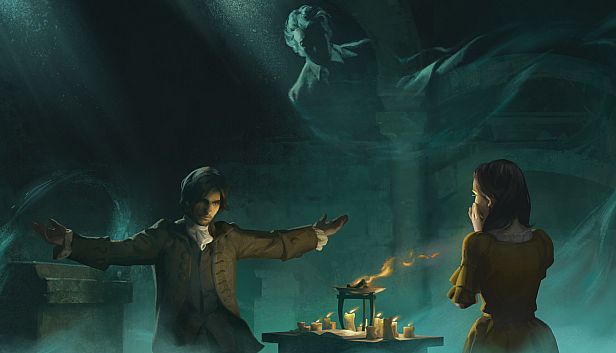


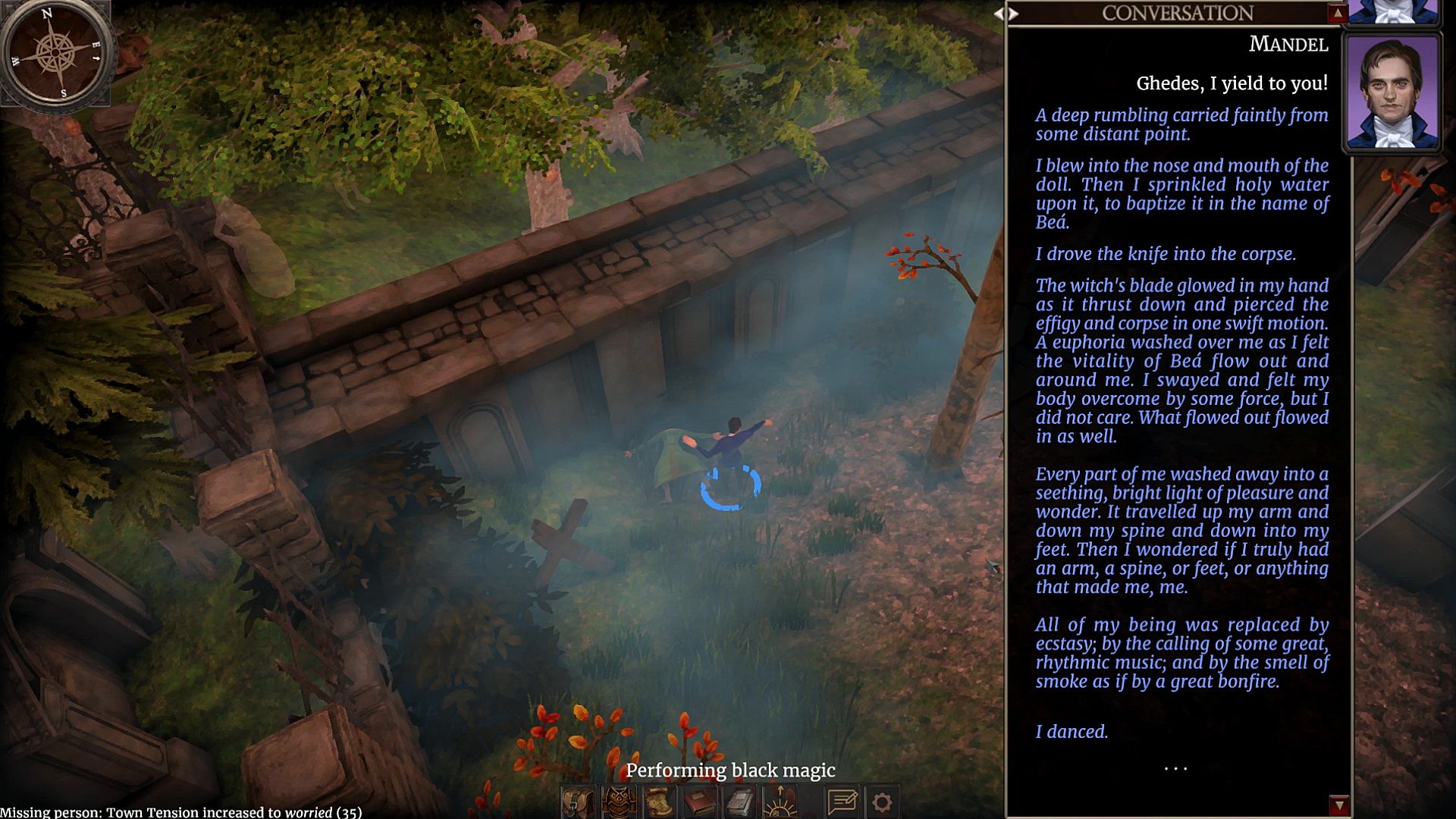
The Necromancer's Tale is a story-rich gothic RPG that blends strategy elements with deep narrative choices. Players take on the role of a minor noble in an alternate-history 1733 setting near Venice, gradually drawn into necromantic arts through an ancient spellbook while navigating courtly intrigue, superstition, and emerging science.
Gameplay
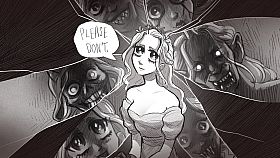
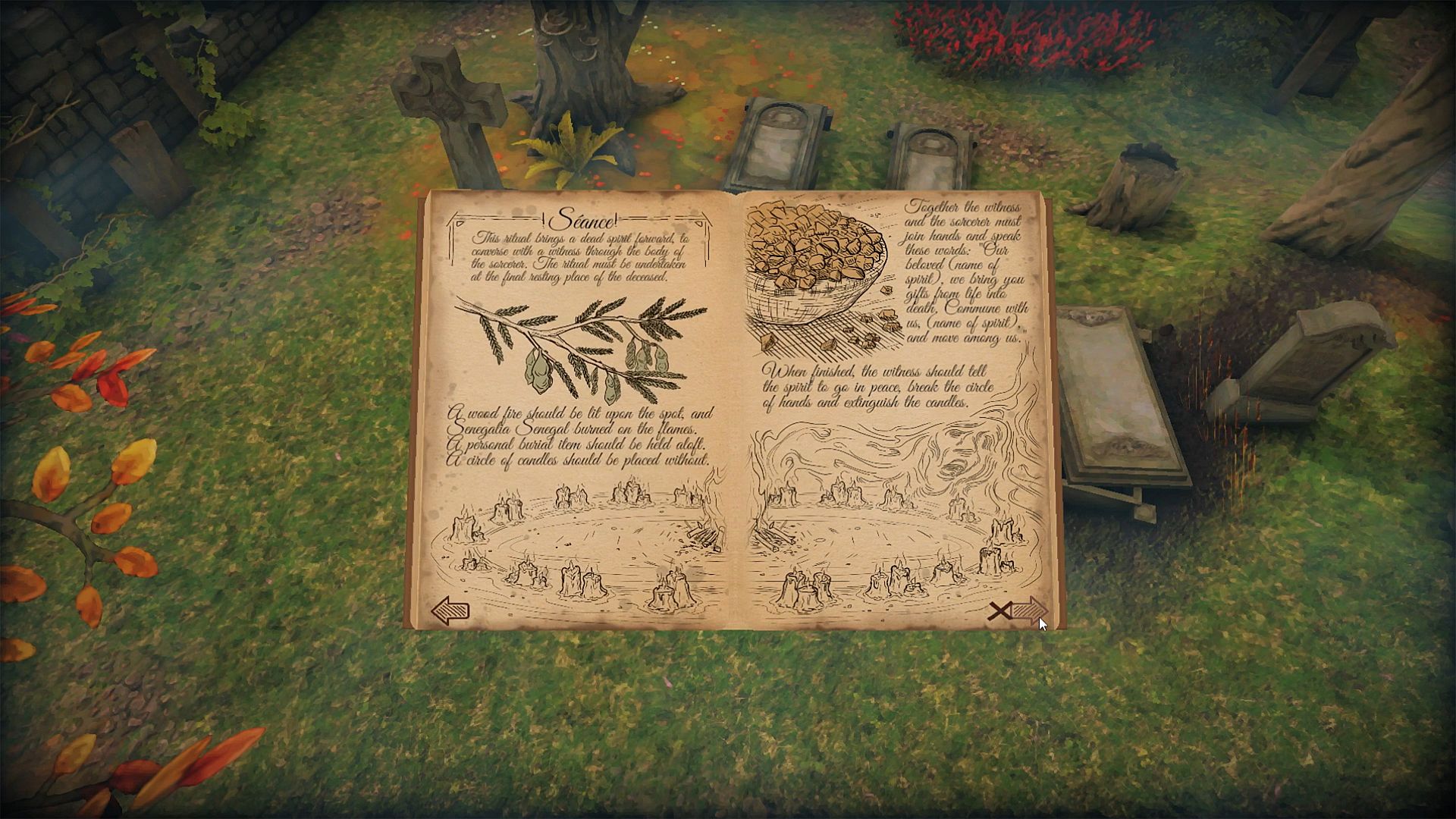
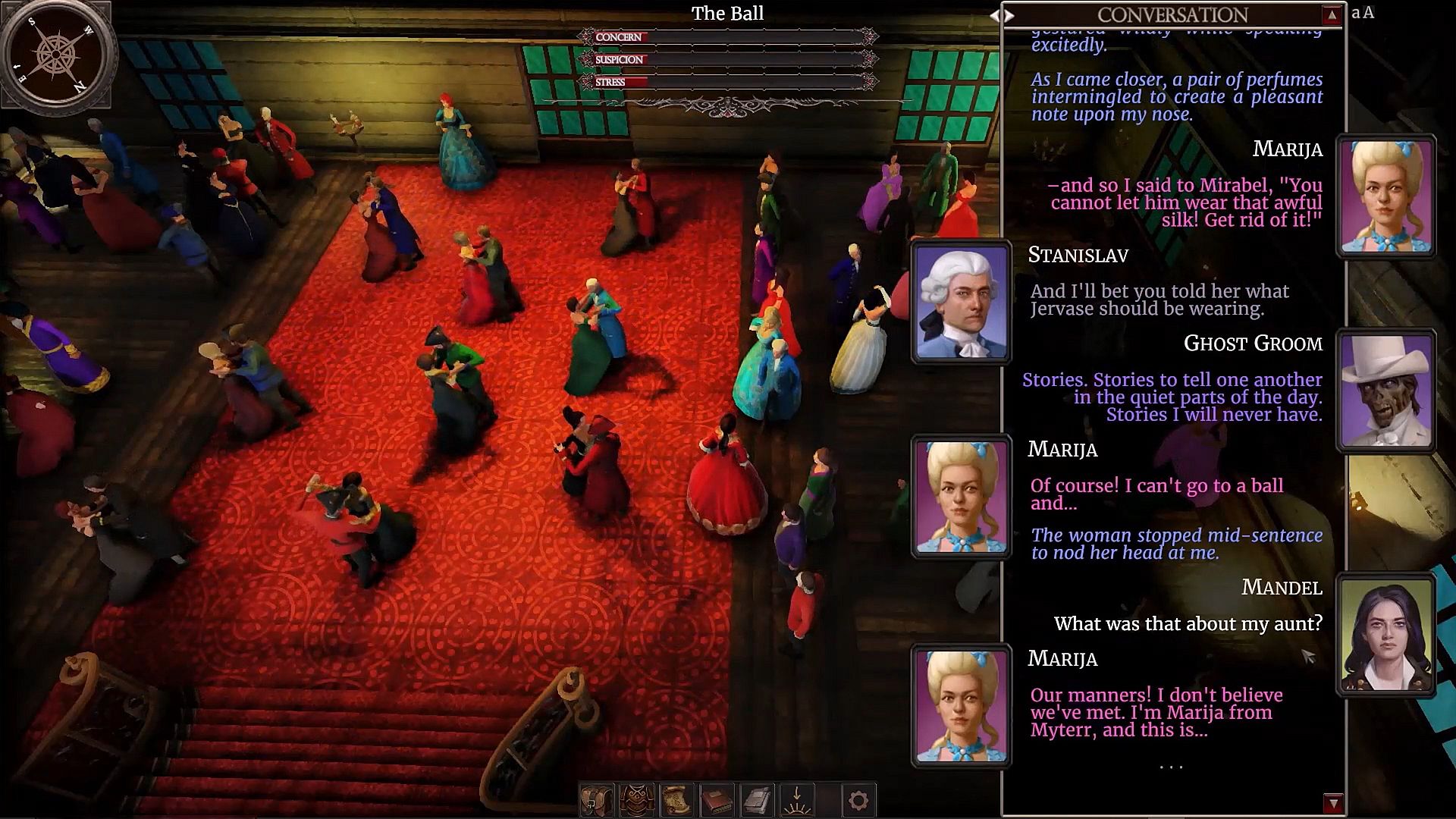
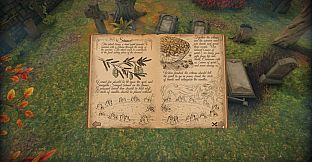
Core gameplay centers on mastering rituals from a powerful spellbook to raise and command an undead army. Progress demands secrecy and careful management of relationships with over 180 NPCs, each featuring unique hand-drawn portraits. The Trust system tracks how townsfolk view the player, influencing dialogue options and overall progression. Low trust can restrict choices or lead to severe consequences such as trial and execution.
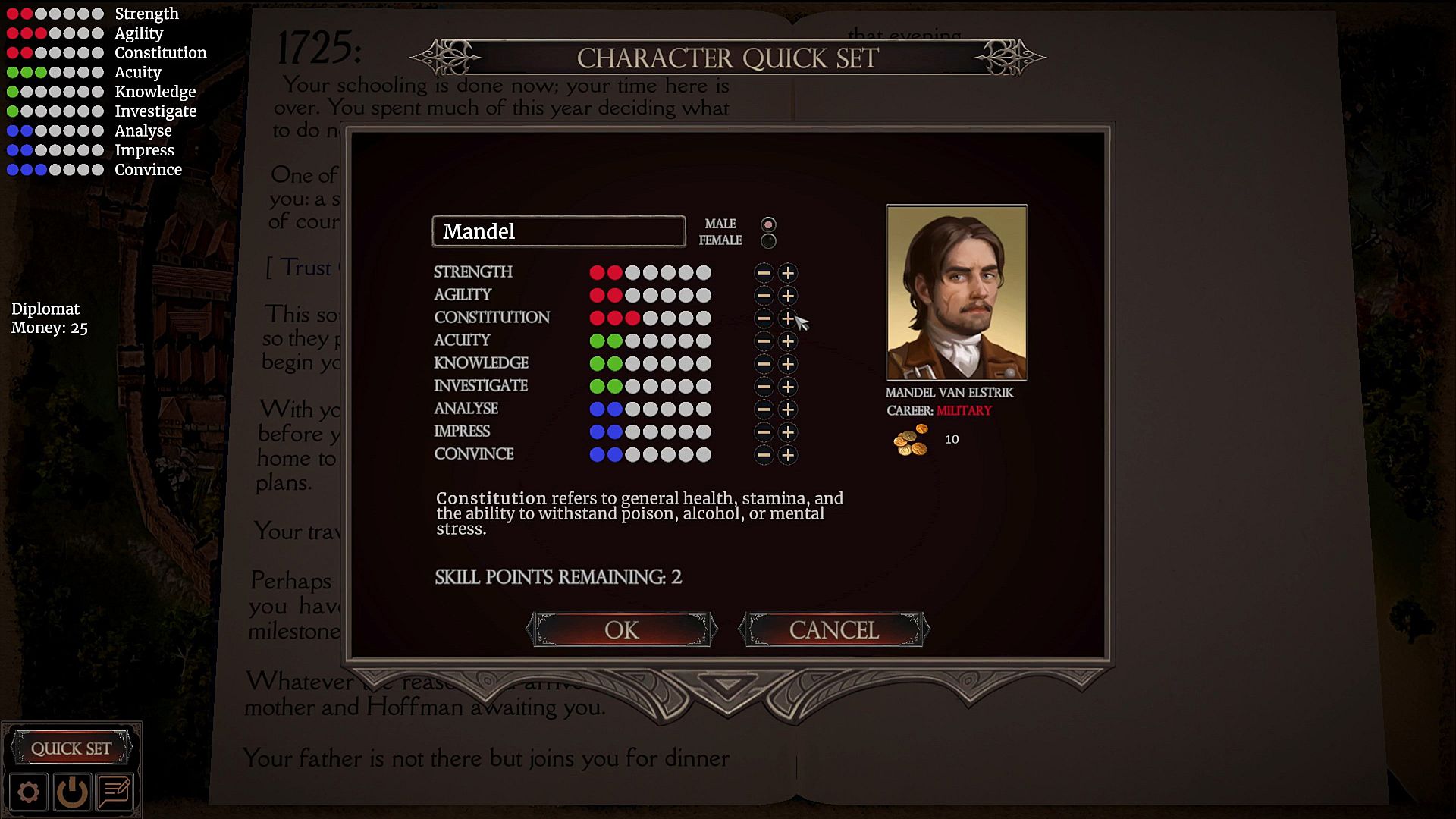
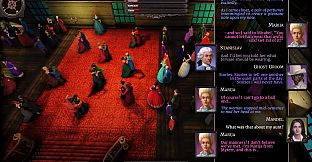
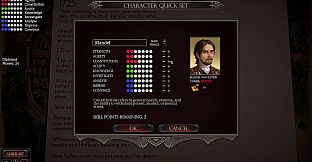
Character creation occurs through a fully voiced, interactive backstory that defines gender, early life experiences, skills, and career paths in military, diplomatic, or academic fields. These decisions shape available narrative branches throughout the main story. Exploration unfolds across a dark, dangerous world where diplomacy, blackmail, coercion, and seduction serve as tools to advance aims before any open confrontation.
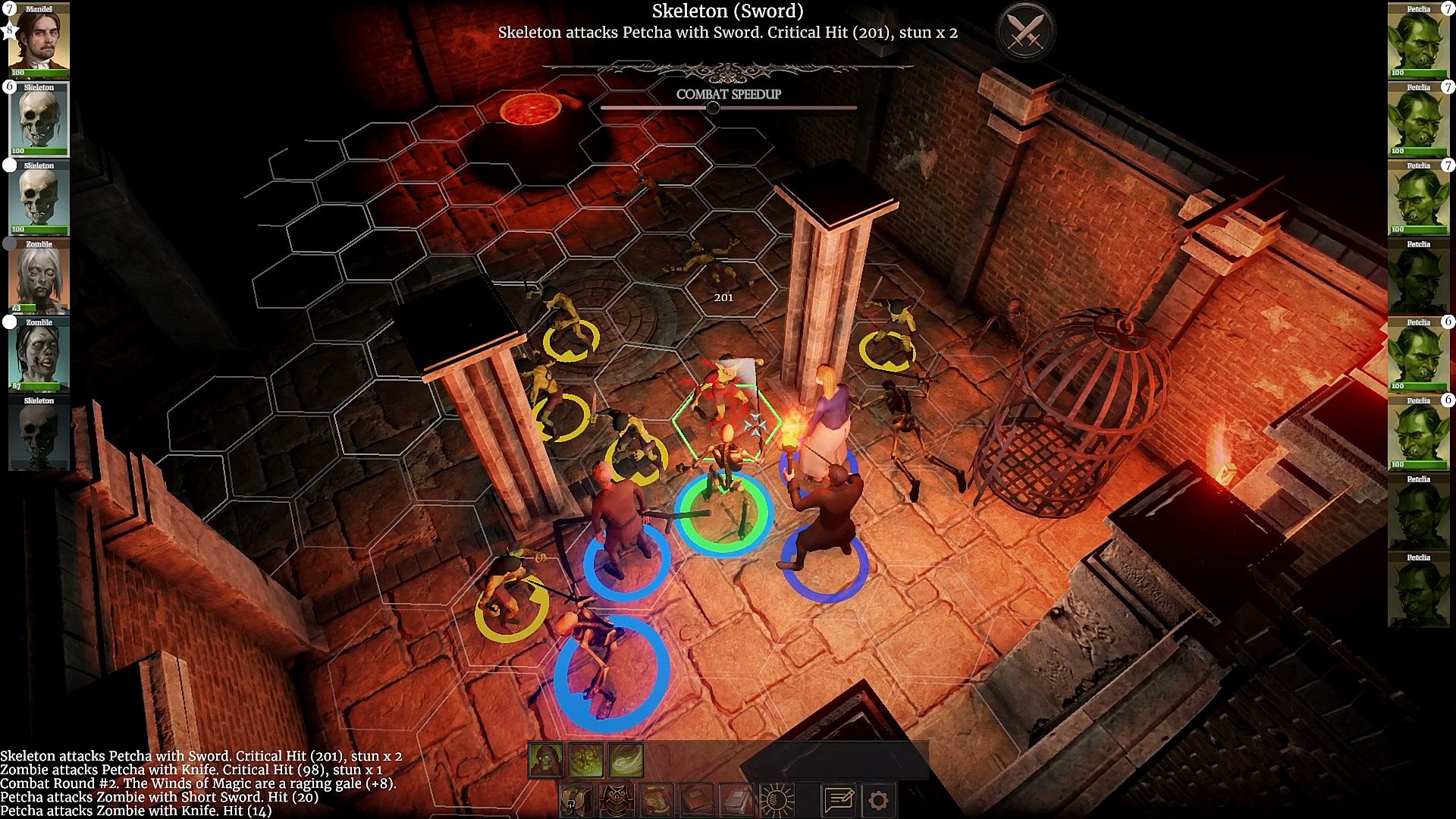
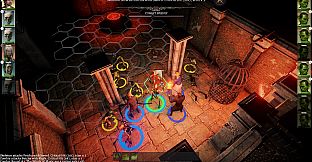
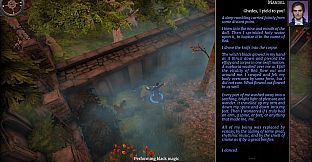
Tactical turn-based combat pits the player, allies, and undead minions against natural and supernatural foes. Weapons, rituals, and battle spells provide varied options in these encounters. Play sessions range from 25 to 50 hours depending on engagement with side content and whether battles receive manual control or automatic resolution.
Game Modes
The experience remains single-player focused throughout, emphasizing personal narrative progression over competitive or cooperative elements. Difficulty options allow tailoring the balance between story and mechanics, including modes that prioritize narrative flow with automated combat resolution. Multiple endings reflect the cumulative impact of choices made across the 400,000 words of hand-written narrative and lore.
Players advance through layered systems of investigation, negotiation, and power-building rather than traditional open-world freedom. The structure guides the descent into madness and necromancy while rewarding cunning and determination in maintaining secrecy until the right moment to act openly.
Narrative and World
Set at the intersection of rational thought and superstition, the alternative-history kingdom offers a grounded yet atmospheric backdrop. Courtly politics collide with black magic as chemistry begins to emerge from alchemy. The story explores themes of power, secrecy, and psychological strain as the player communes with the dead and builds influence.
Every conversation carries weight due to the Trust system, making even minor interactions meaningful. The game avoids generative AI for its extensive character art and writing, relying instead on hand-crafted elements to deliver consistent tone and detail across the lengthy script.
Is It Worth Playing?
Reviews highlight strong reception for the writing, voice acting, atmospheric score, and meaningful choice consequences. Players who enjoy slow-burn narrative CRPGs with rich character interactions and tactical combat will find substantial depth here. The game suits those drawn to gothic themes, moral ambiguity, and the gradual corruption of a protagonist through forbidden knowledge.
Combat receives mixed notes for its simplicity compared to the narrative strengths, though automatic resolution options mitigate this for story-focused runs. With positive overall feedback and multiple paths to explore, the title delivers a focused, replayable experience for fans of story-driven strategy RPGs on Xbox Series and PC platforms.