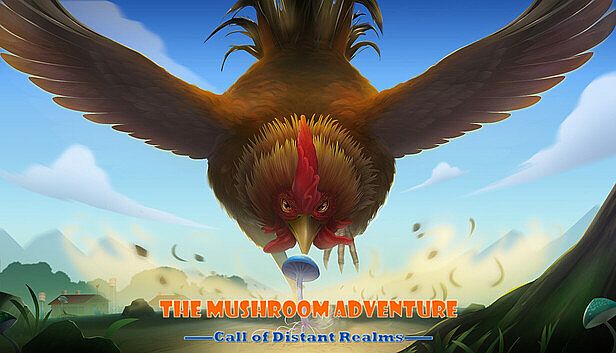



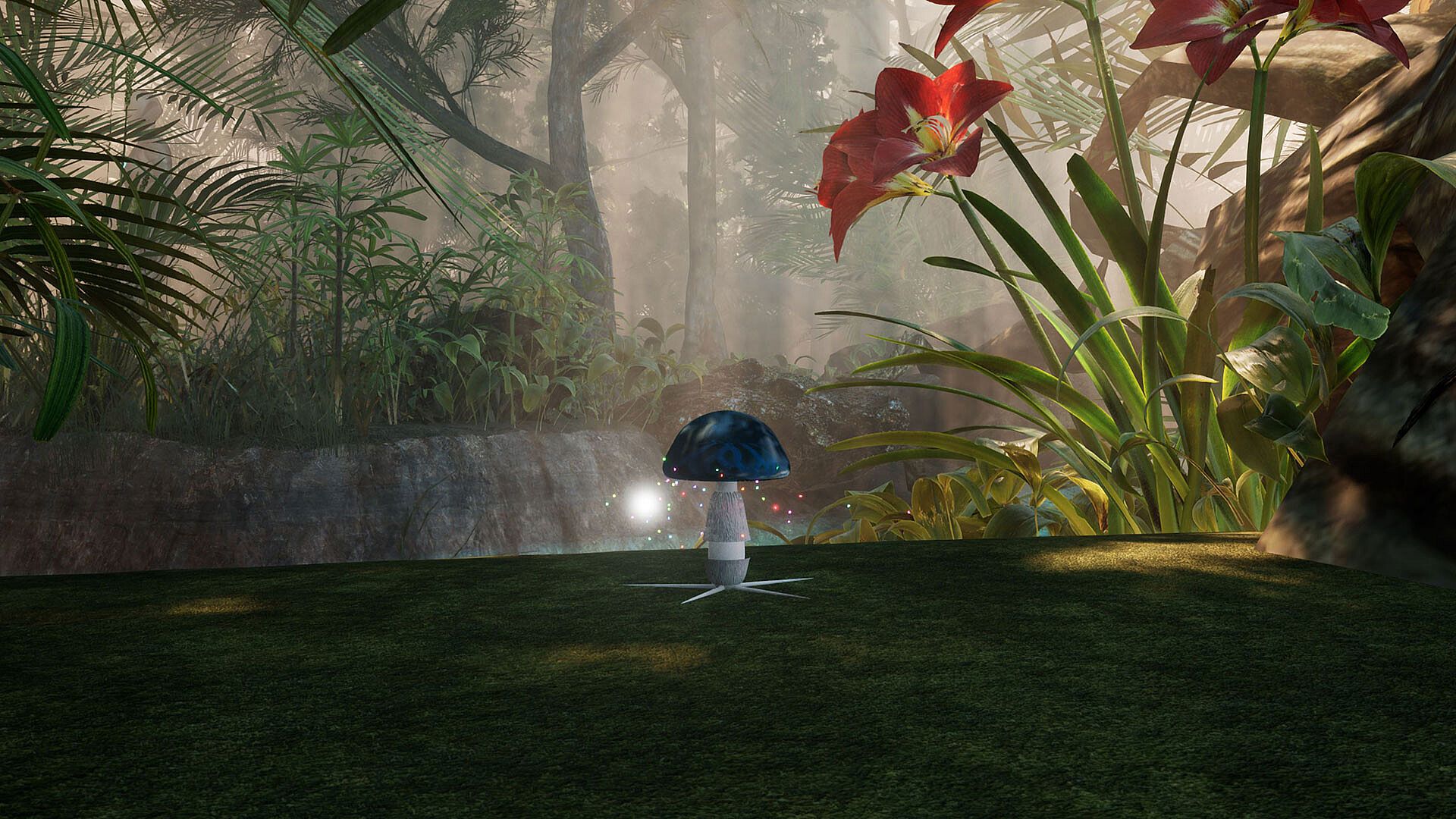
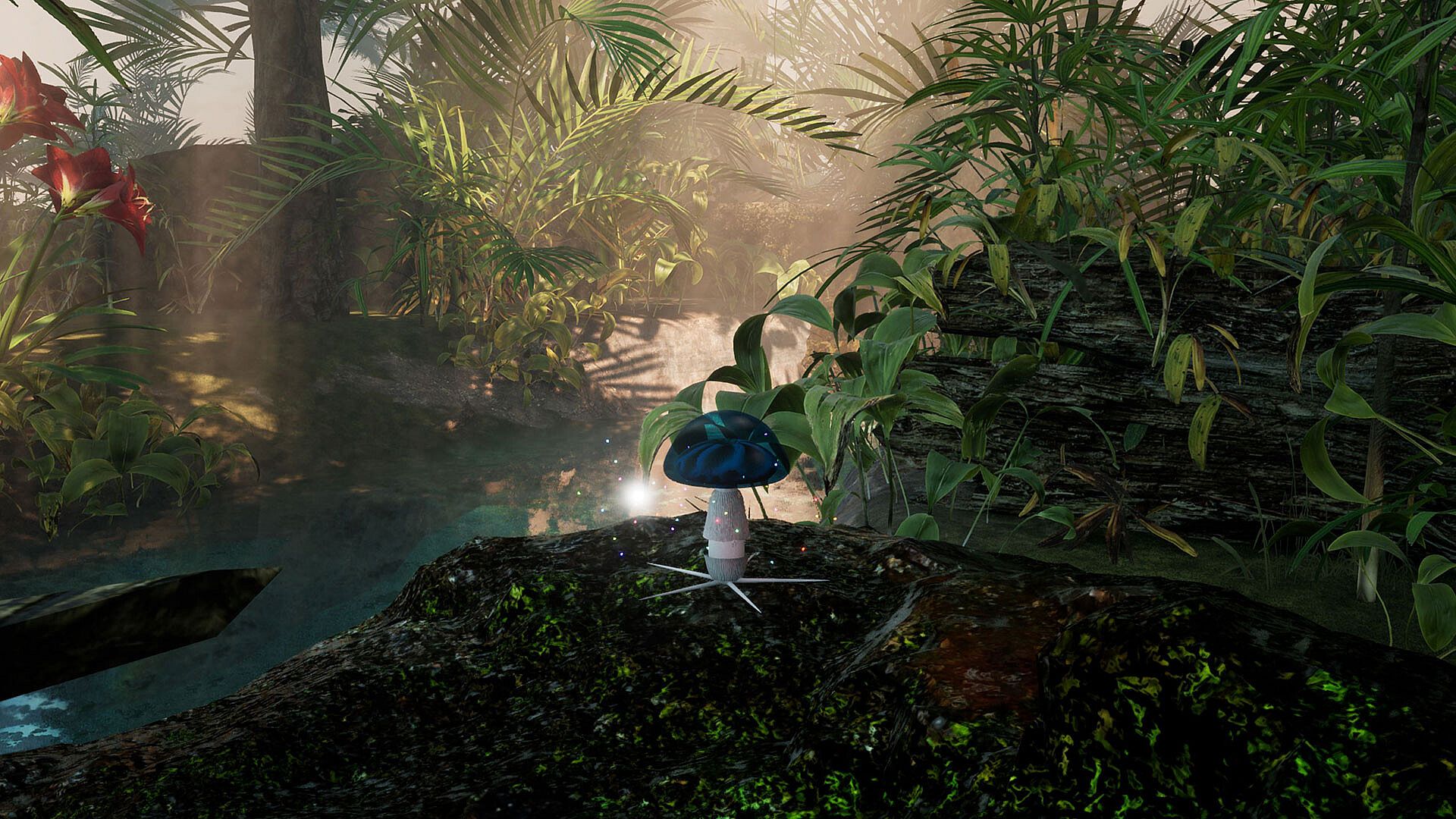
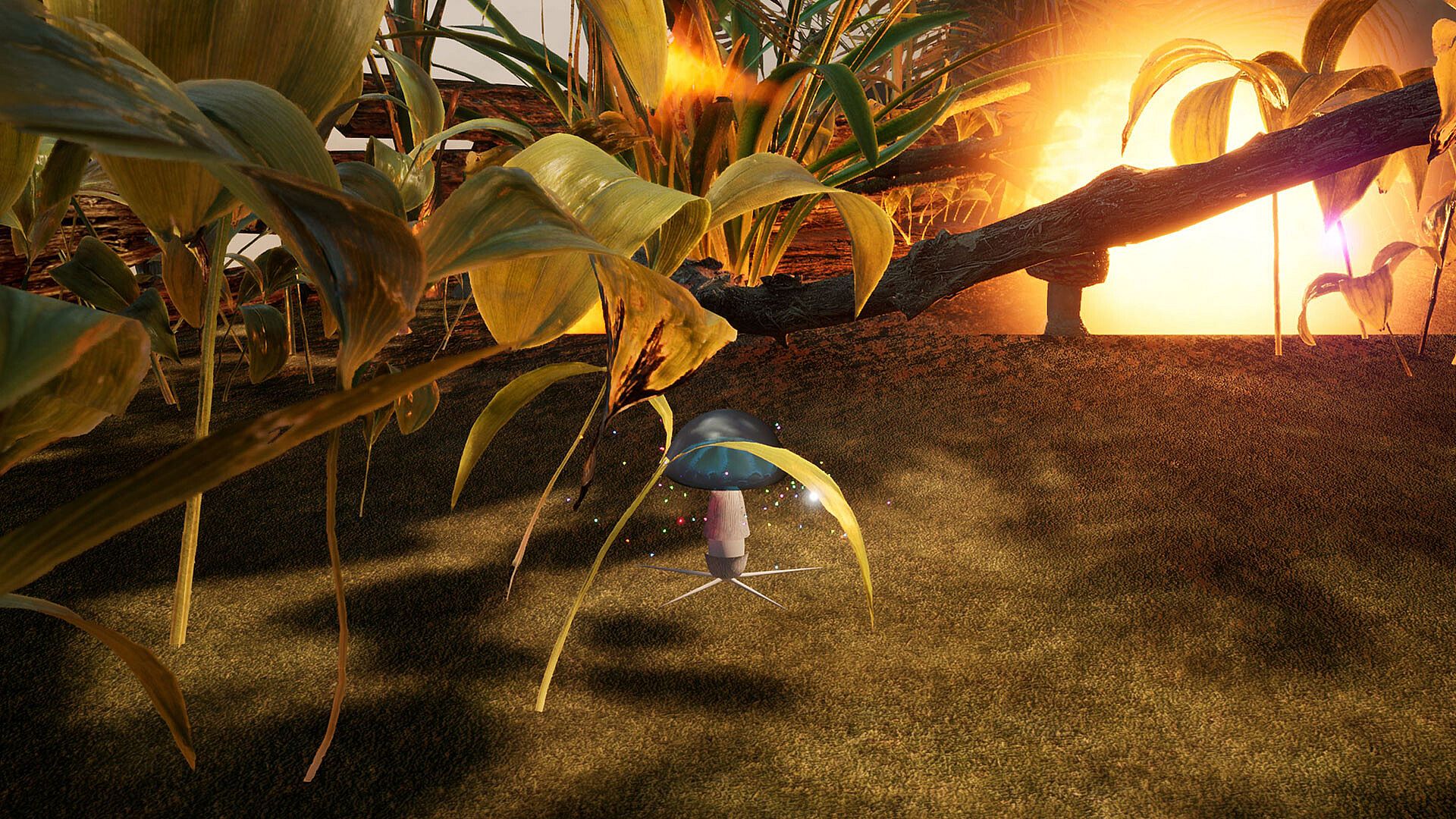
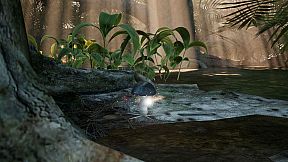
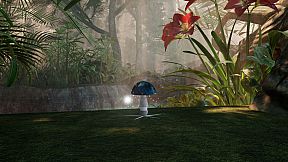
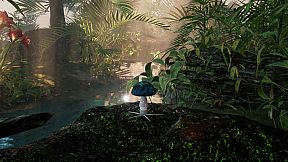
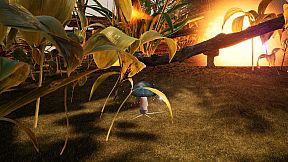
Perhaps an ordinary day for humans is the tumultuous, magnificent lifetime of a mushroom...
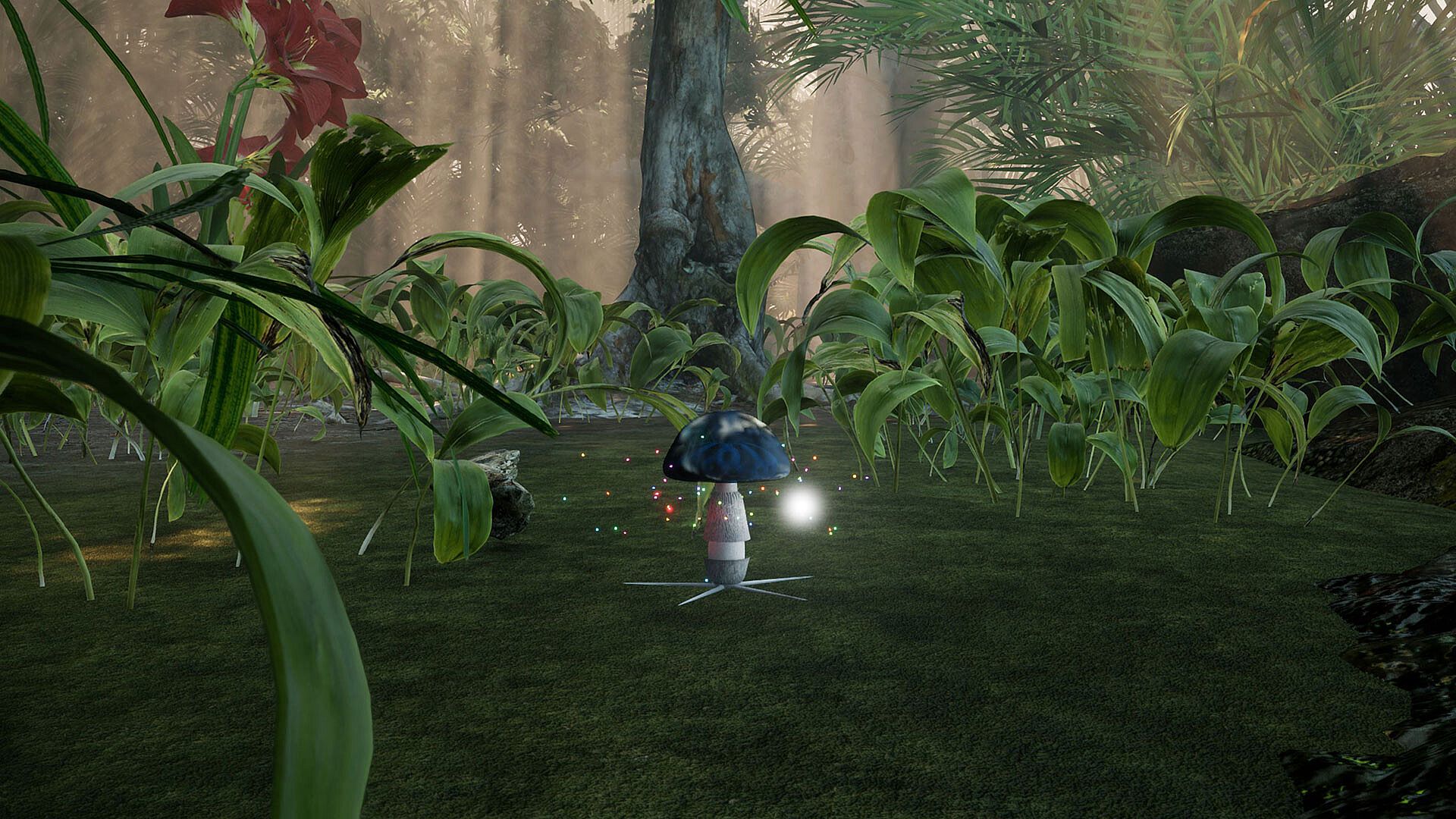
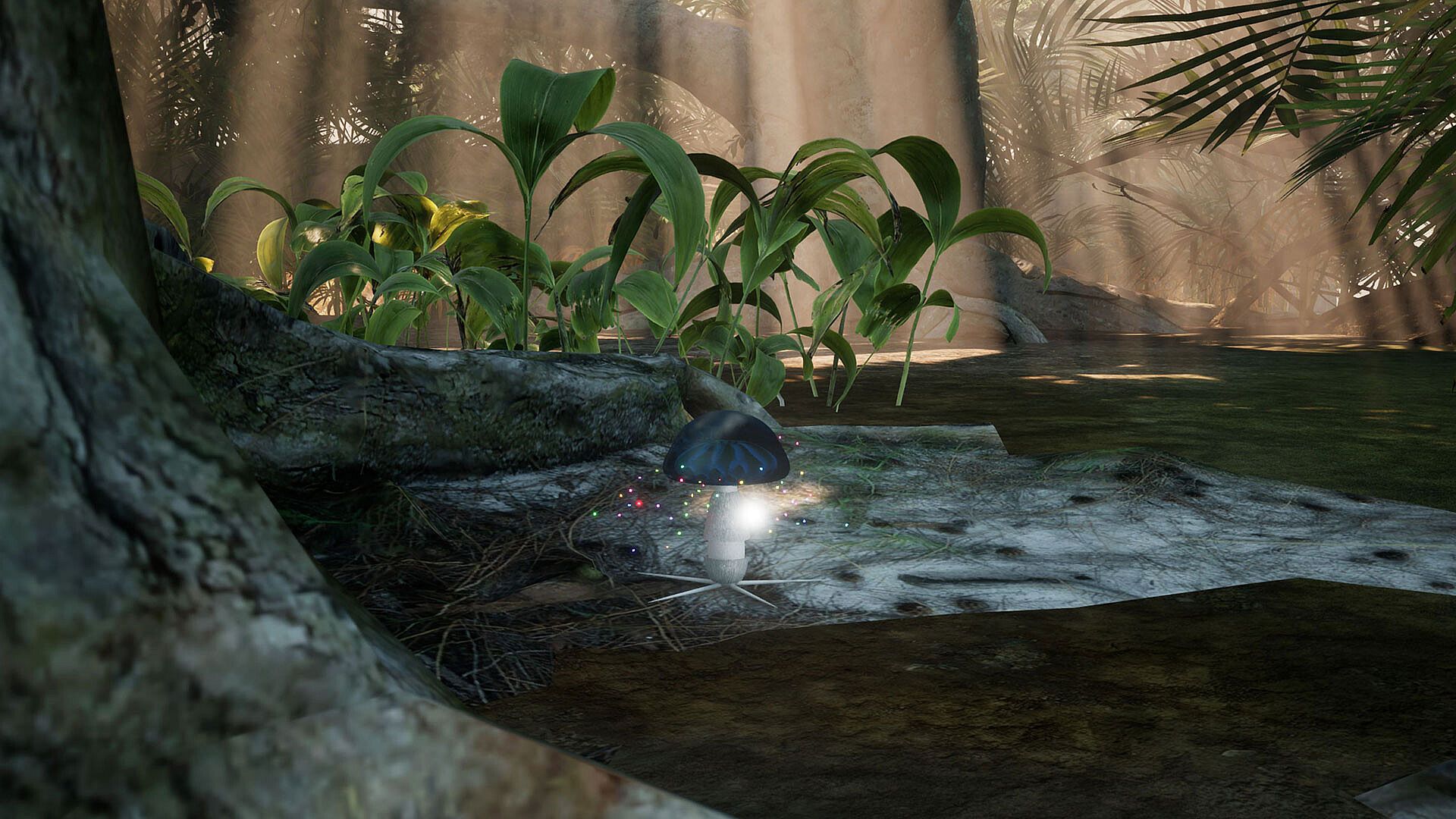
This is the story of a mushroom's adventurous life, showcasing the world of microscopic organisms and the vibrant, colorful ecology from a mushroom's perspective.
The game employs a cutting-edge, physiology-driven, environmentally-deep, immersive interactive experience:
No Traditional UI (information is conveyed through biological signs and environmental feedback).
No Quest Lists (replaced by environmental storytelling and dynamic events).
No Experience or Levels (growth is represented through a scar system).
Unique Mushroom Spore Combat System (incorporates collection, tower defense, strategy, and ecological wisdom).
No Dialogue System (emotions are conveyed through biological behaviors, eliminating language barriers).
Scar Archive System (saving mechanism is integrated into the narrative theme—the body is its history).
Simplified Controls: Traditional WSAD for movement, Left SHIFT for sprinting, Hold F to take root and recover (when health is low, the cap flashes red), Mouse (Left click or Hold to release—'planting' mushrooms, Scroll wheel to switch spore release states—merge/separate). Acquire a variety of skills by automatically absorbing spores from other mushrooms.
Important Note:
The combat system in The Mushroom Adventrue has been fundamentally redesigned. Players are not intended to traditionally defeat enemies. The game emphasizes symbiosis, escape, non-violent conflict, and deep immersion. Therefore, when encountering an enemy you cannot hit or defeat, run away quickly! As the weakest protagonist in gaming history, your goal is to use every means to protect yourself before the game ends, not to be a hero.
The Mushroom Adventrue achieves the following by eliminating traditional settings:
Thematic Consistency: All systems serve the core experience of "fungal survival".
Emotional Immersion: No UI, no reliance on text, allowing players to "become the mushroom".
Strategic Depth: Simple controls (3 primary keys) give rise to complex ecological interactions.