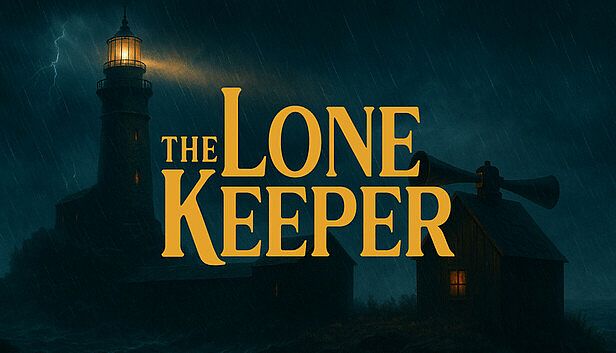


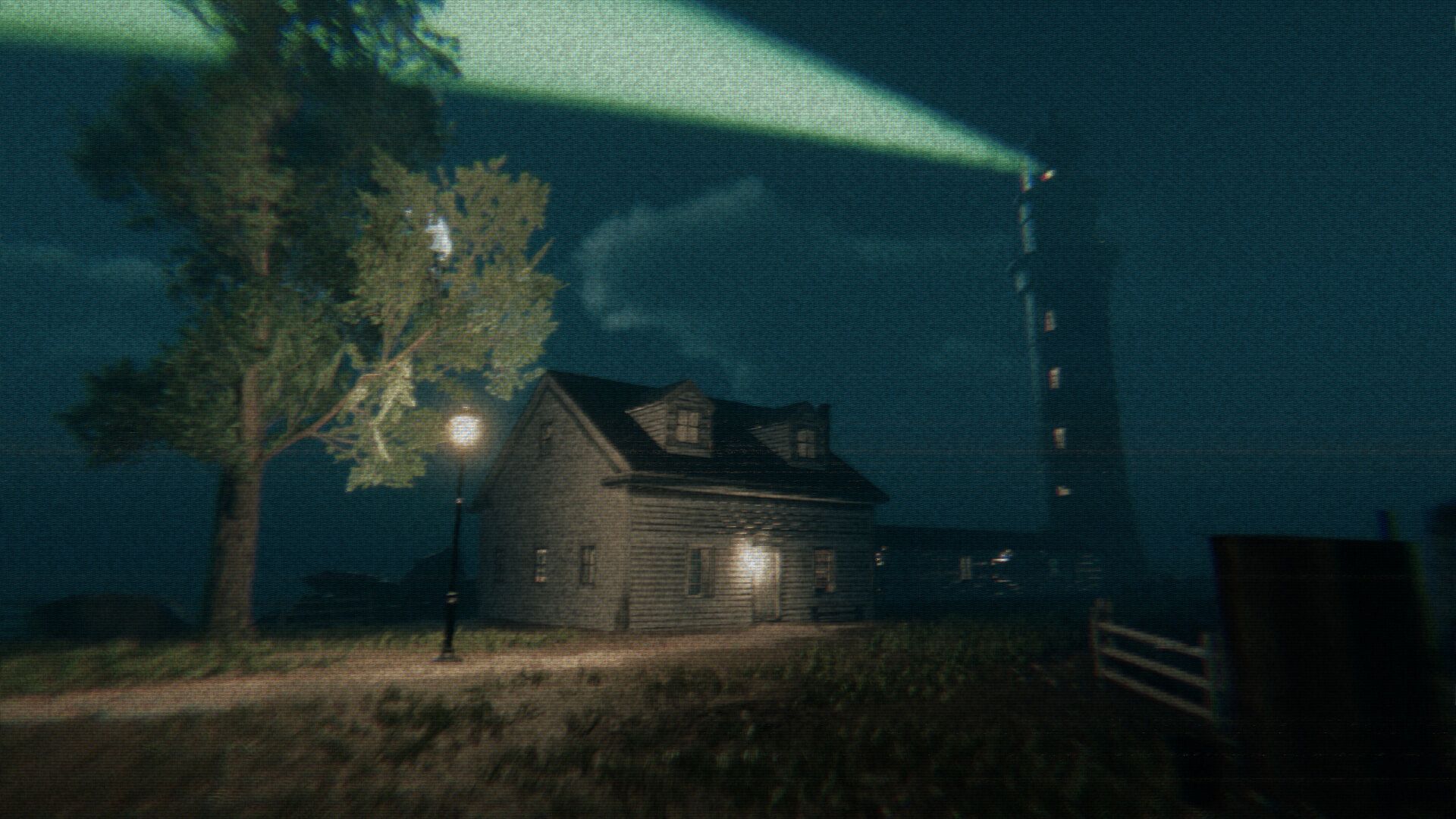
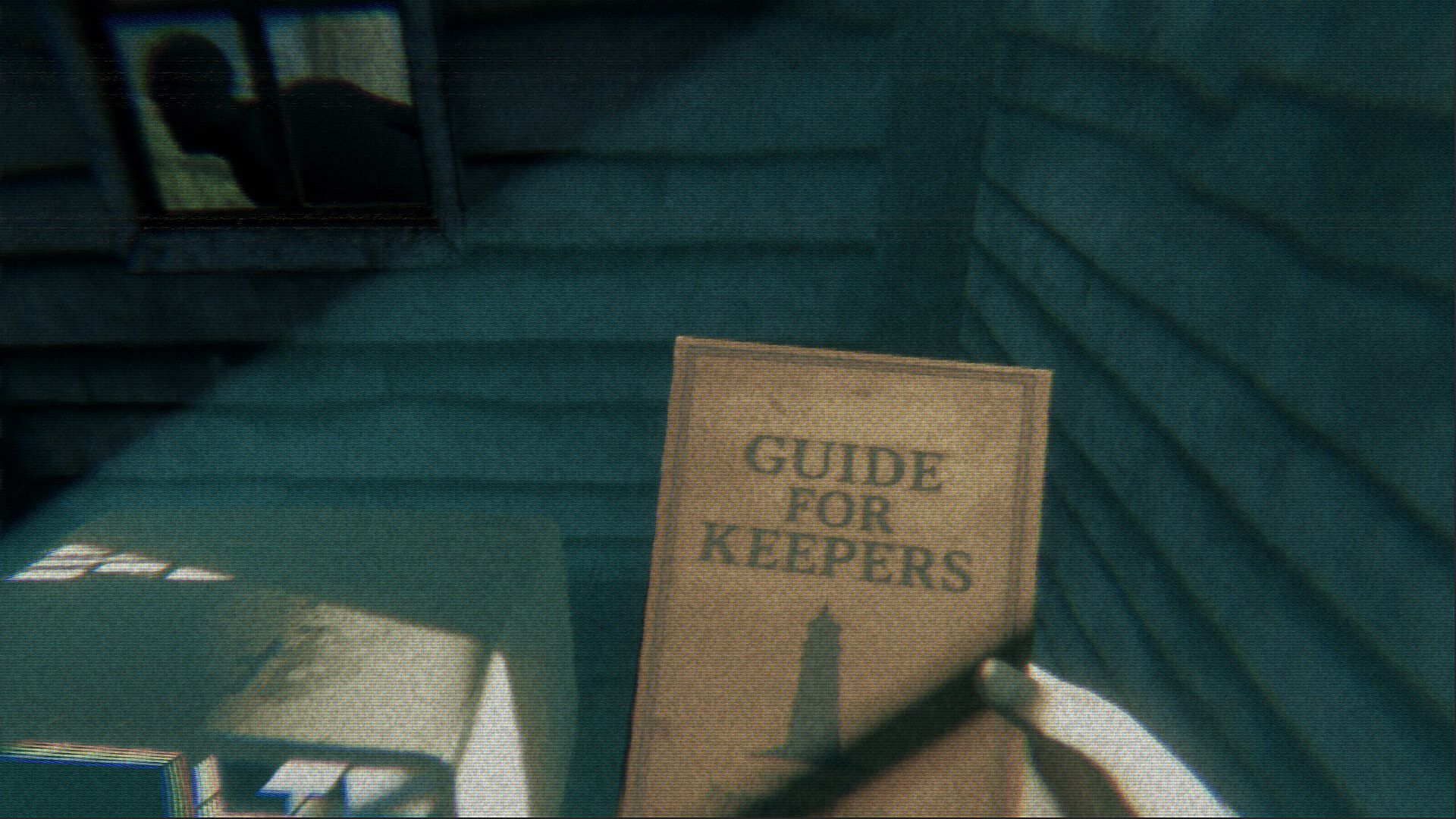
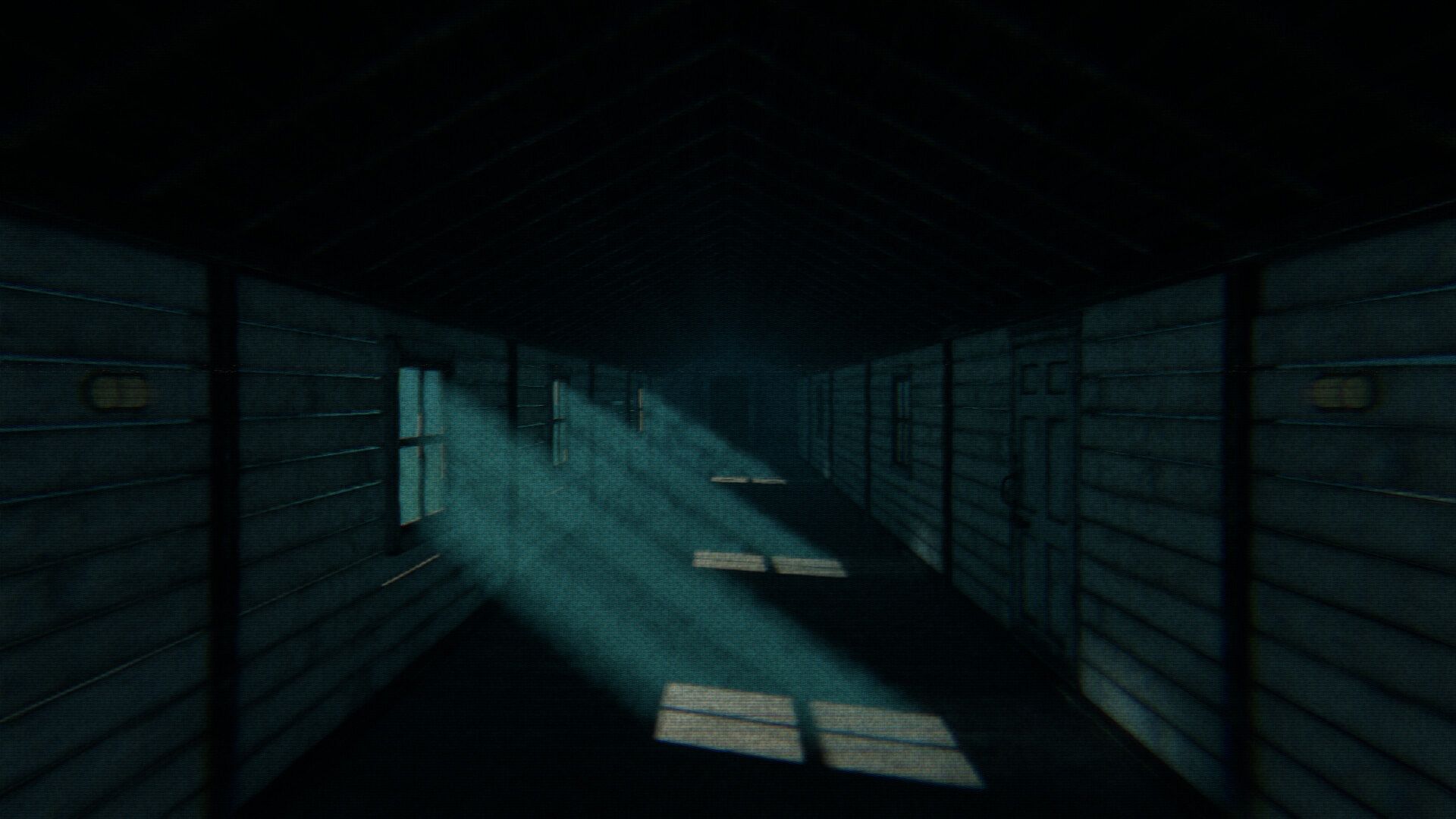
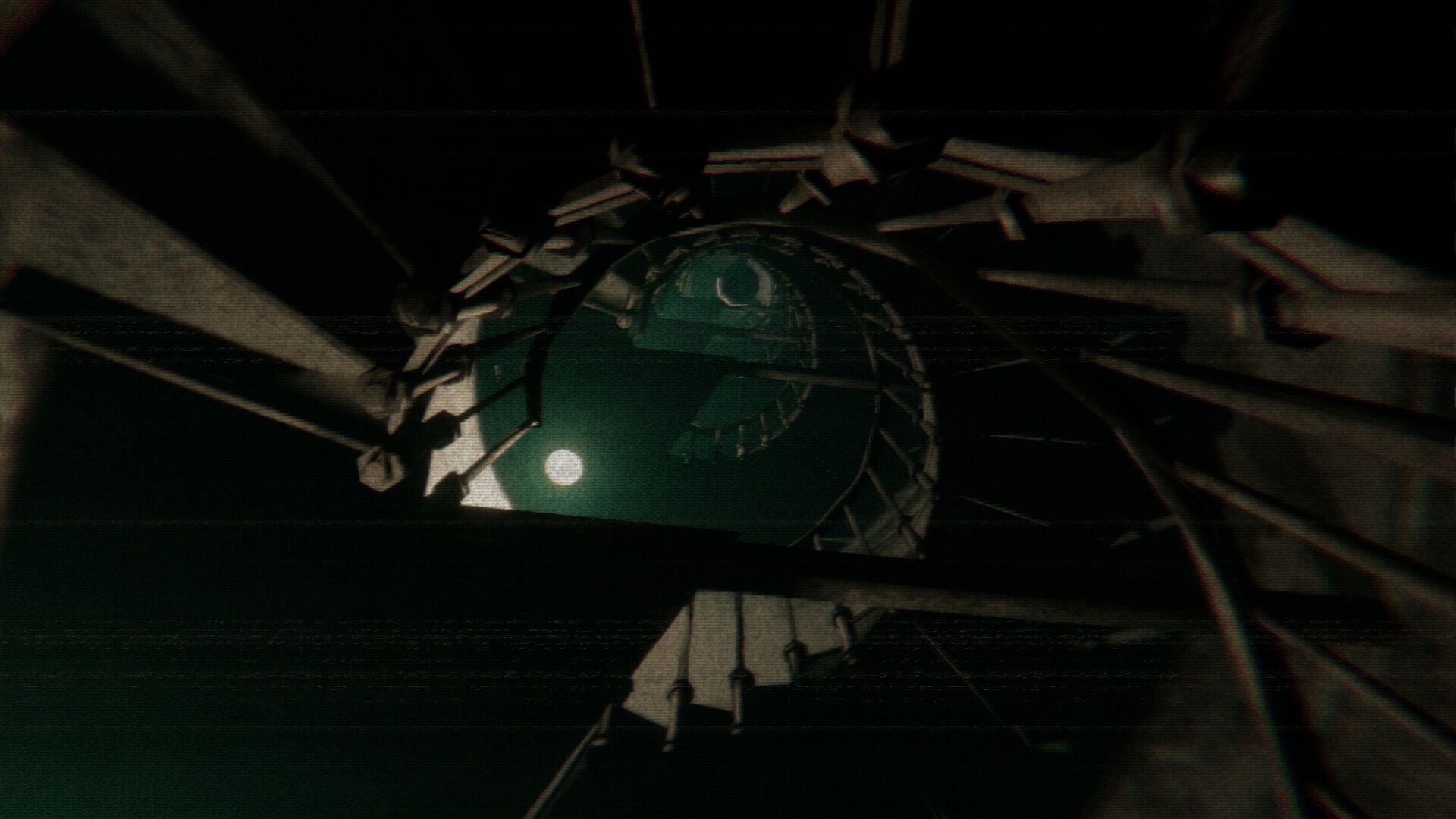
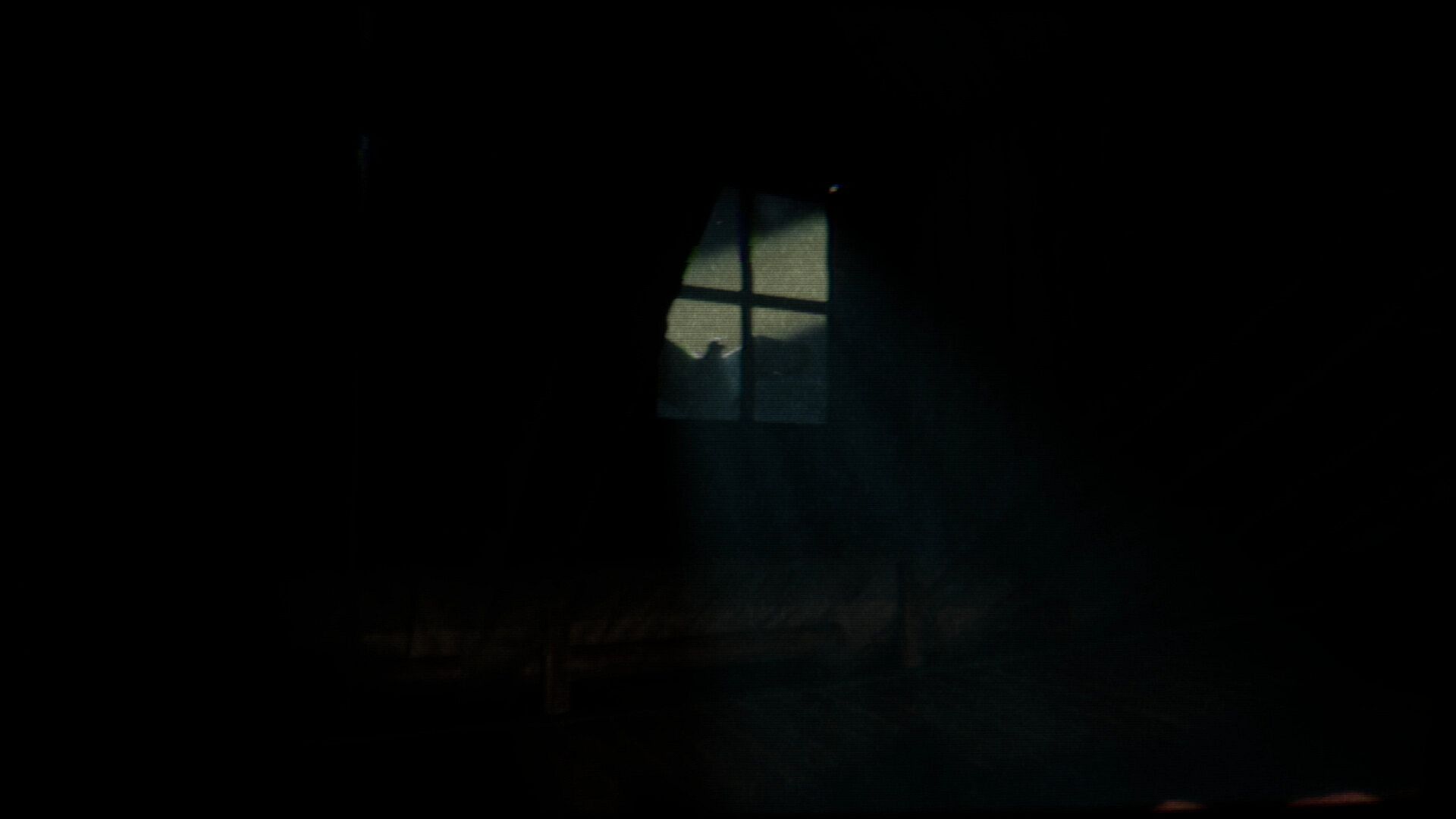
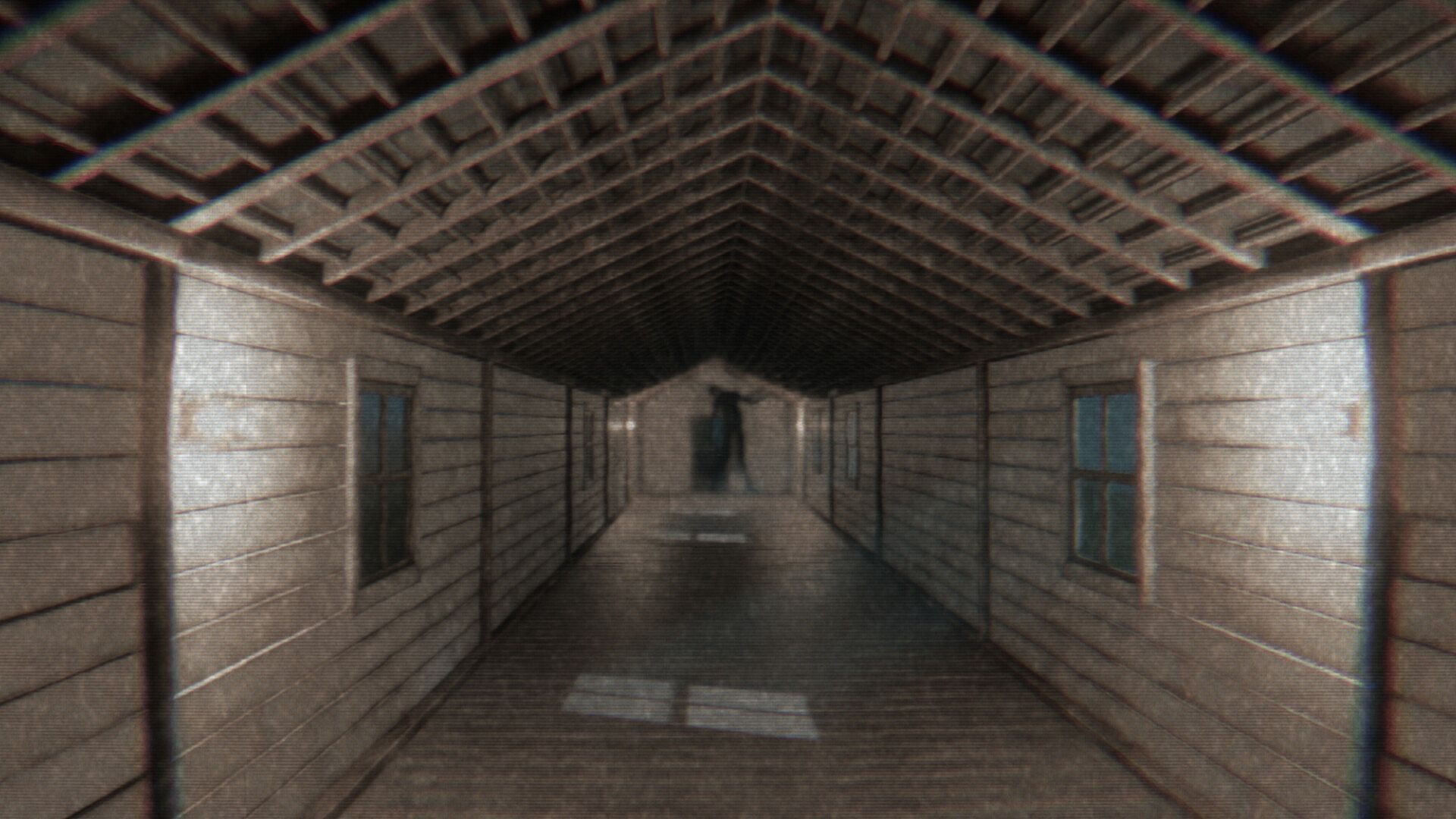
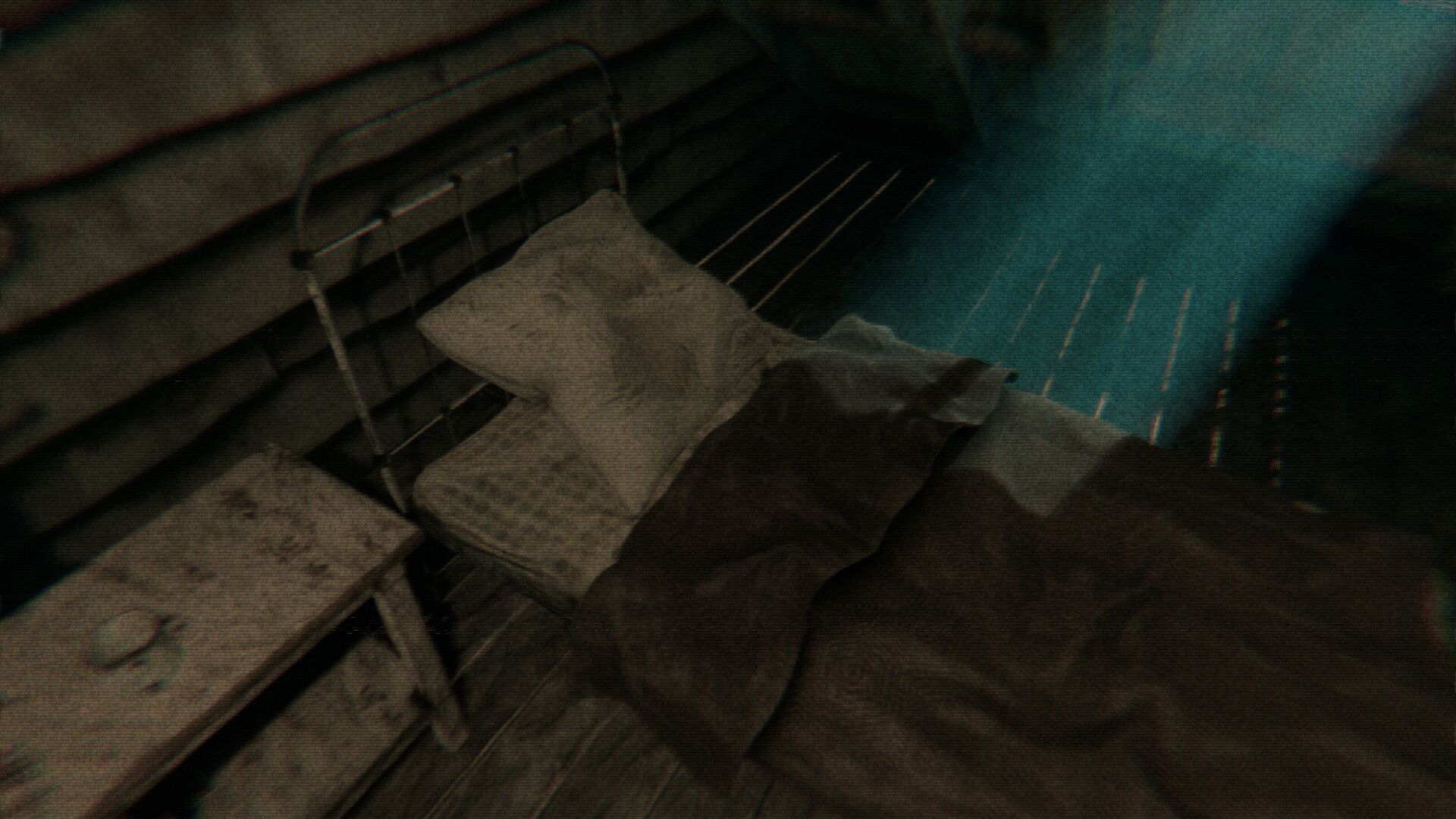
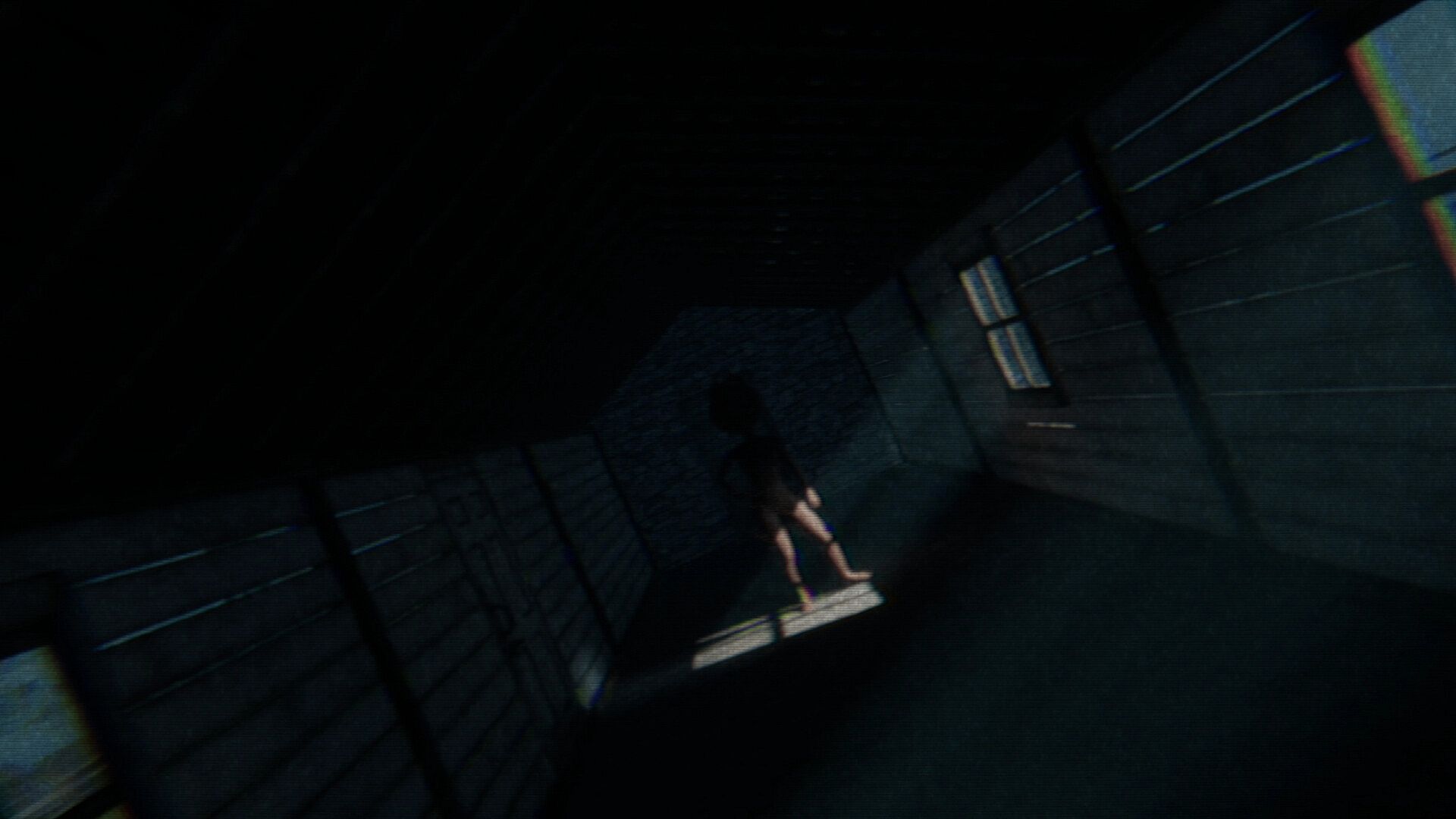
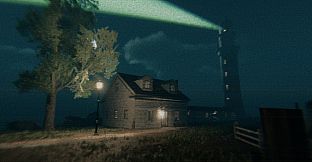
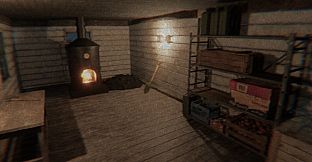
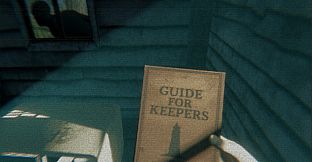
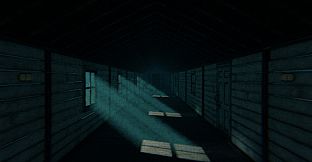
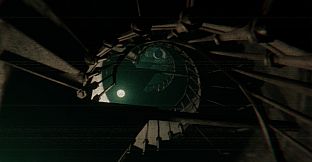
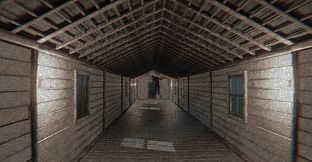
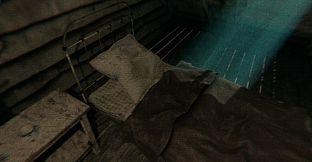
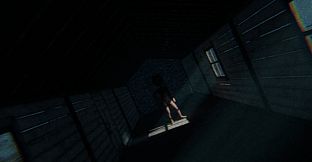
The Lone Keeper stands out as a first-person psychological horror game that plunges players into the depths of isolation and mental unraveling. Set on a remote island lighthouse surrounded by endless ocean, this indie title blends elements of action, simulation, and adventure to create an unsettling experience. You step into the role of a newly hired lighthouse keeper, tasked with overnight maintenance duties that start off routine but gradually twist into something far more disturbing. Available on PC, the game draws inspiration from real psychological phenomena, challenging your perception of reality through subtle environmental shifts and ambiguous events.
Gameplay
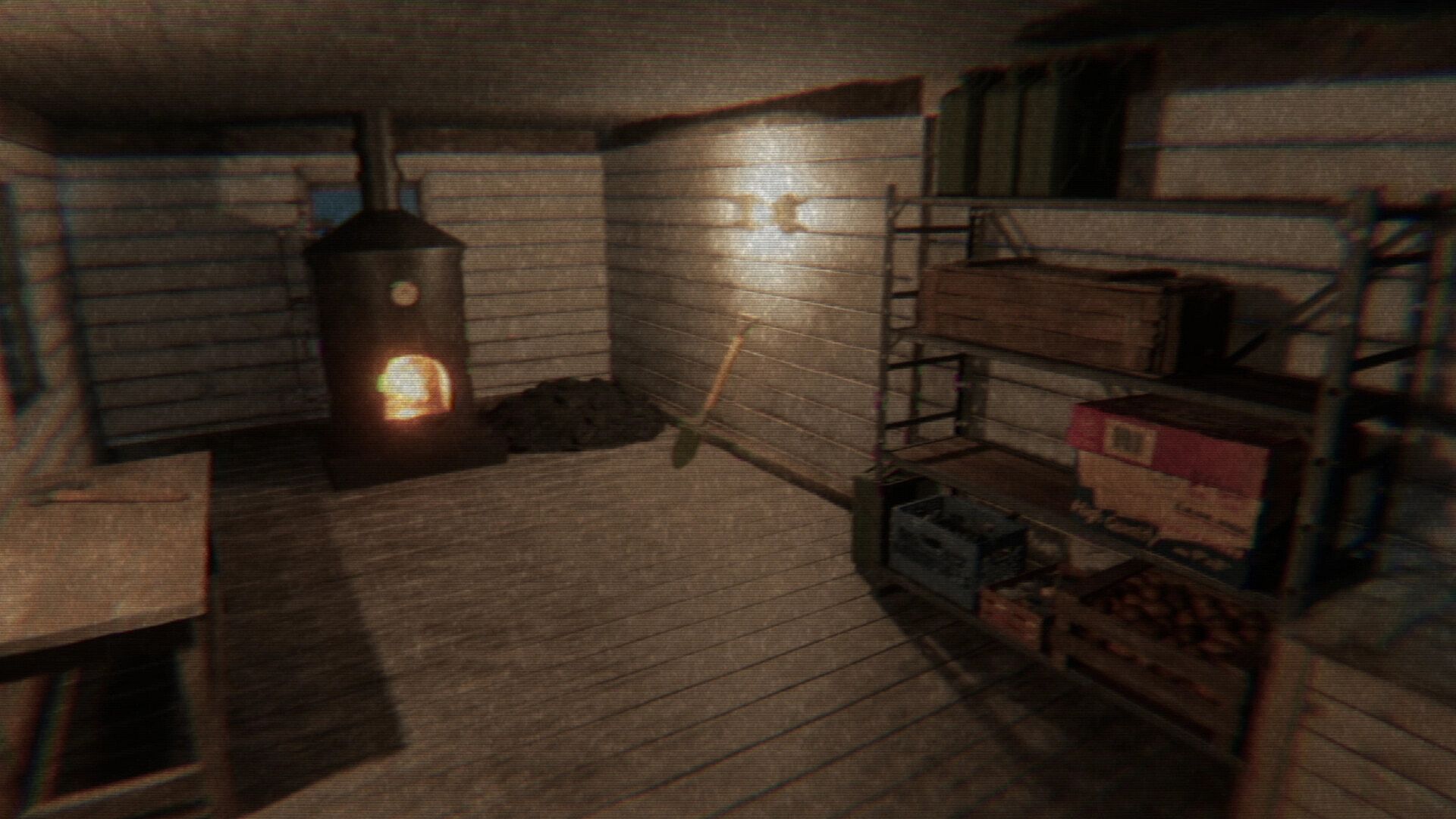
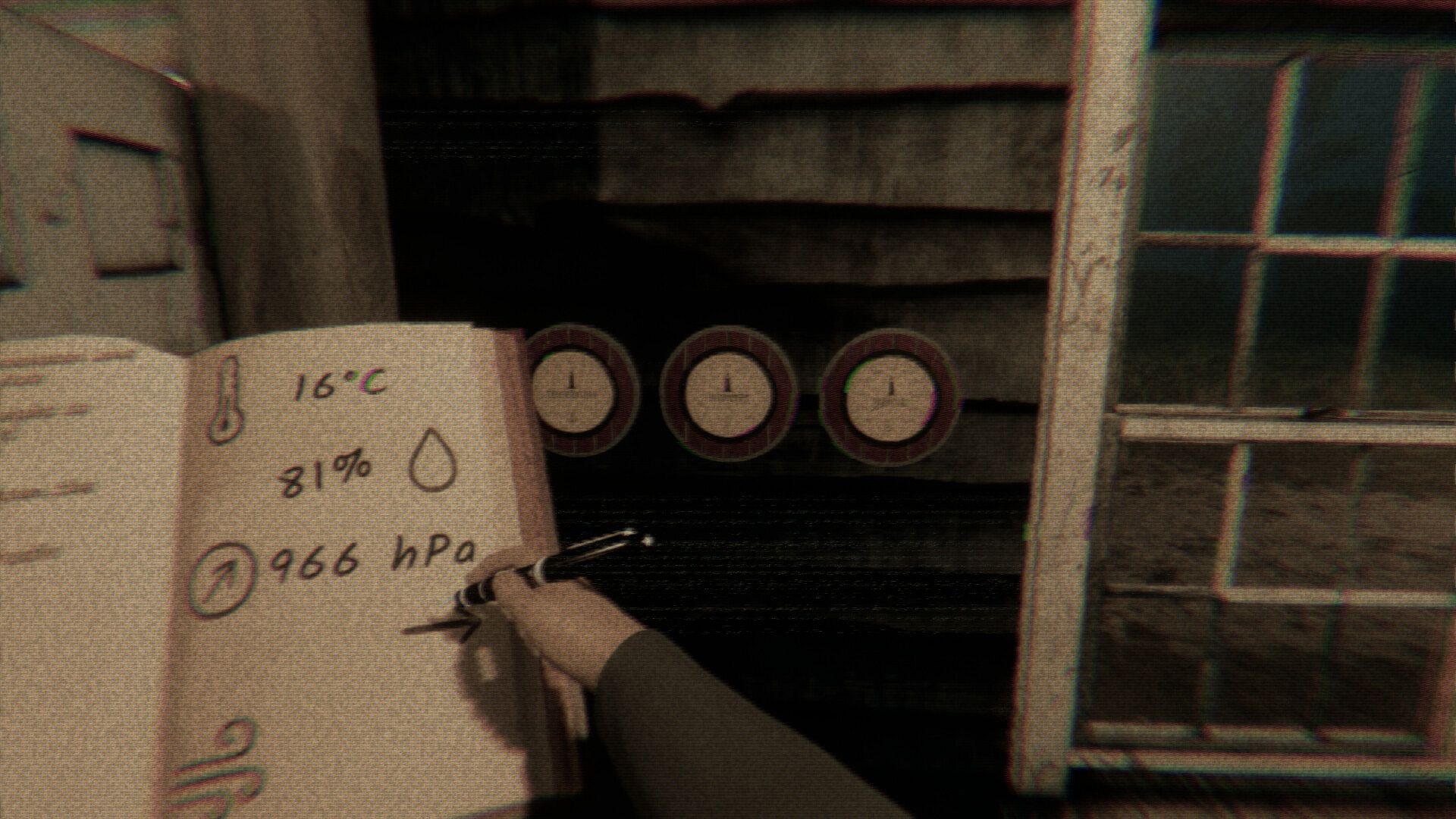
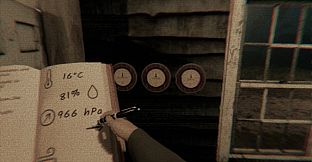
In The Lone Keeper, gameplay revolves around performing daily routines that mimic the life of a lighthouse keeper. Each day begins with tasks like fueling the generator, reporting weather conditions, and monitoring the radio for ship signals. These actions ground the experience in simulation elements, requiring attention to detail and a sense of mundane responsibility. As the game progresses, psychological horror mechanics come into play, influenced by pareidolia, where objects in the environment appear to change shape based on your perspective. A shadow might resemble a figure, or a wall stain could look like a face, blurring the line between imagination and reality.
Exploration drives the narrative forward without any combat systems. Players navigate the lighthouse and its surroundings, interacting with physical tools and environments in a minimalistic way. The absence of a heads-up display enhances immersion, forcing reliance on observation and intuition. Nighttime brings dreams and hallucinations that fracture time and perception, making every routine feel increasingly unstable. This setup creates a slow-burn tension, where isolation amplifies internal fears and external ambiguities.
Game Modes
The Lone Keeper focuses on a single-player narrative experience, without distinct multiplayer or competitive modes. The core mode immerses you in the keeper's solitary shift, unfolding over multiple in-game days that build toward a psychological climax. There are no alternative playstyles like survival challenges or timed runs; instead, the game emphasizes atmospheric storytelling through exploration and routine management.
Key Features
One standout aspect is the pareidolia mechanics, which make environmental objects shift in appearance, encouraging players to question their observations. The game avoids traditional horror tropes like jump scares, opting for subtle unease through sounds, such as a groaning foghorn that hints at something unnatural. Narrative elements are delivered via radio reports and personal reflections, with no external guidance or objectives beyond daily tasks.
Atmosphere plays a central role, with a design that keeps the user interface minimal to heighten realism. Physical interactions, like handling tools, feel tangible and grounded, contrasting with the internal chaos of the protagonist's mind. This combination suits those who prefer thoughtful, introspective horror over action-packed sequences.
Is It Worth Playing?
For fans of psychological horror that builds tension through isolation and ambiguity, The Lone Keeper provides a compelling short experience. It appeals to players who enjoy narrative-driven games without combat, focusing instead on mental descent and perceptual tricks. If you appreciate titles that linger in your thoughts long after playing, this one fits well, especially for those drawn to indie simulations with adventure elements. However, if you seek fast-paced action or clear resolutions, it might not satisfy. Given its emphasis on slow progression and atmospheric depth, it's a solid choice for horror enthusiasts looking for something introspective on PC.