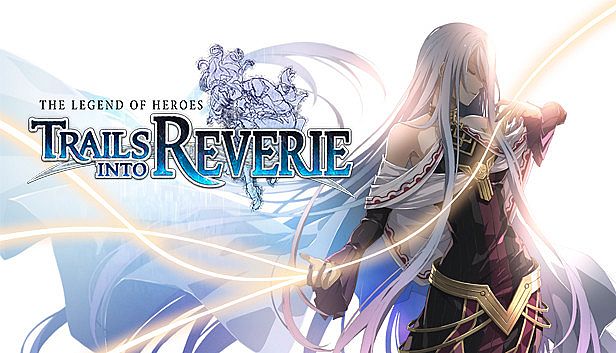














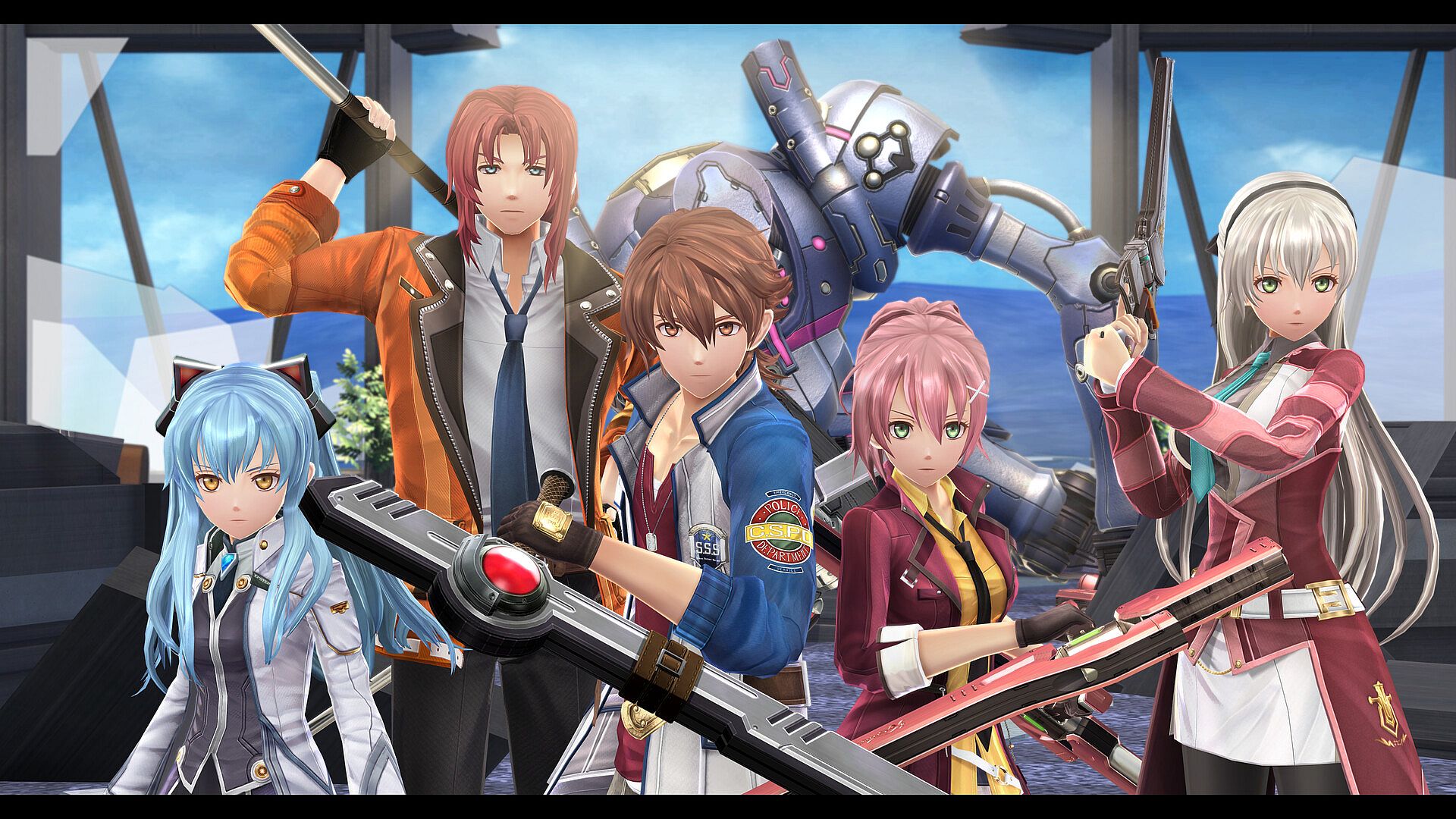
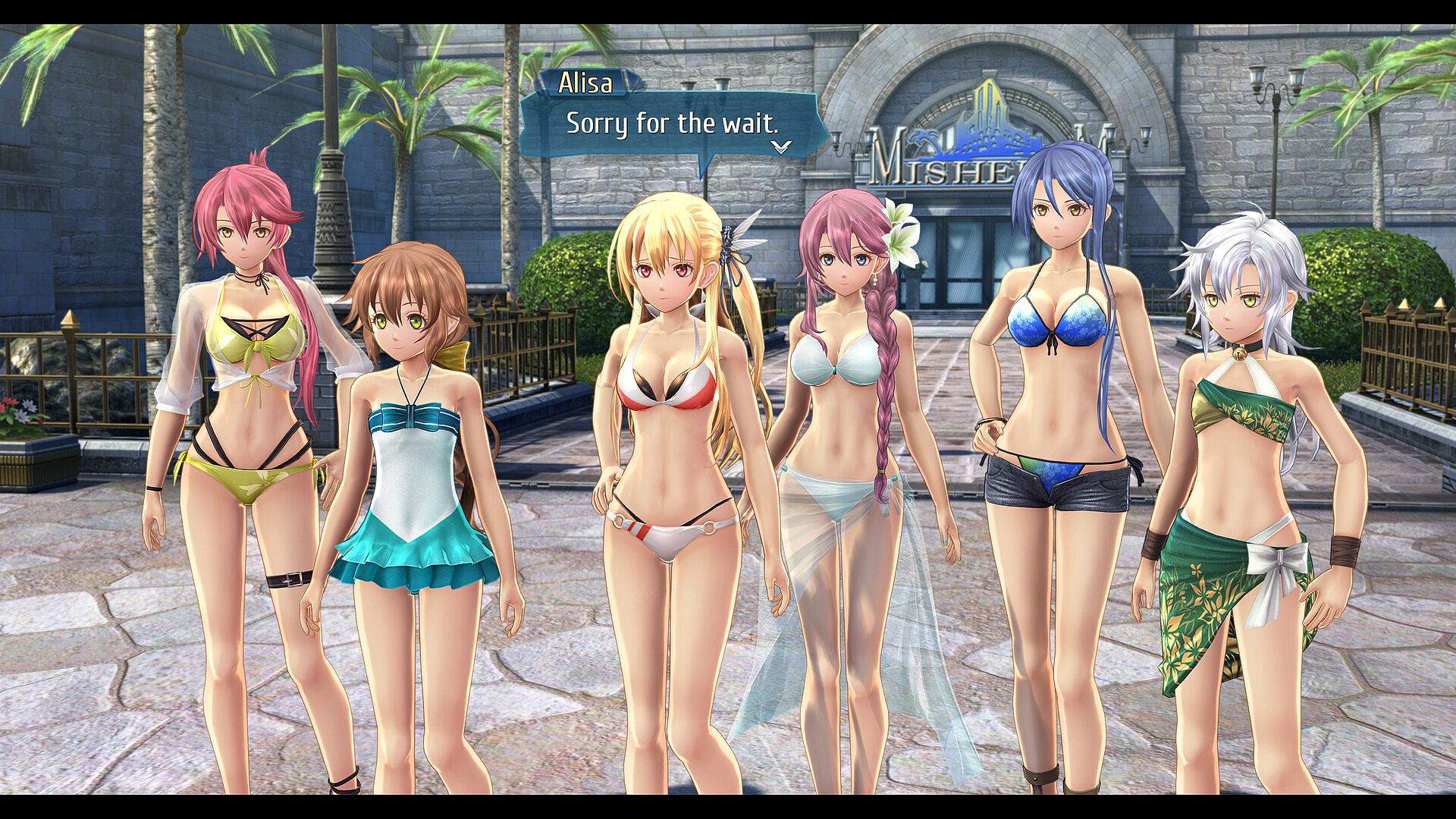
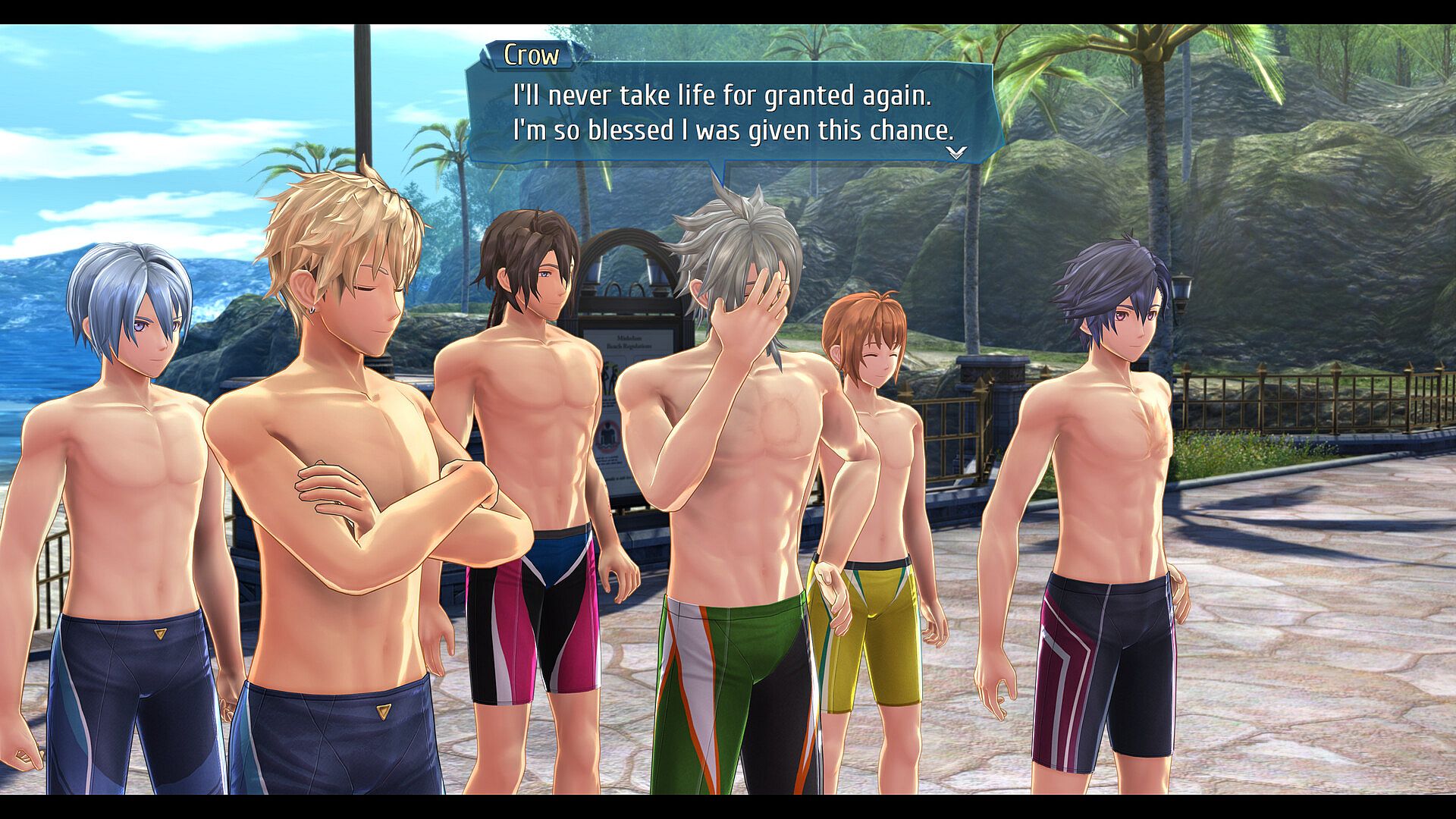




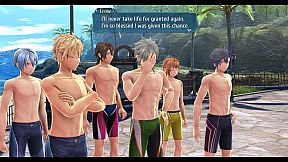

The Legend of Heroes: Trails into Reverie is a turn-based RPG that follows three intertwined storylines set in the world of Zemuria. Players control Rean Schwarzer, Lloyd Bannings, and the masked figure known as C as their paths converge on major events involving Crossbell and Erebonia. The game emphasizes narrative progression through character-driven chapters while incorporating tactical combat and optional exploration elements.
Gameplay
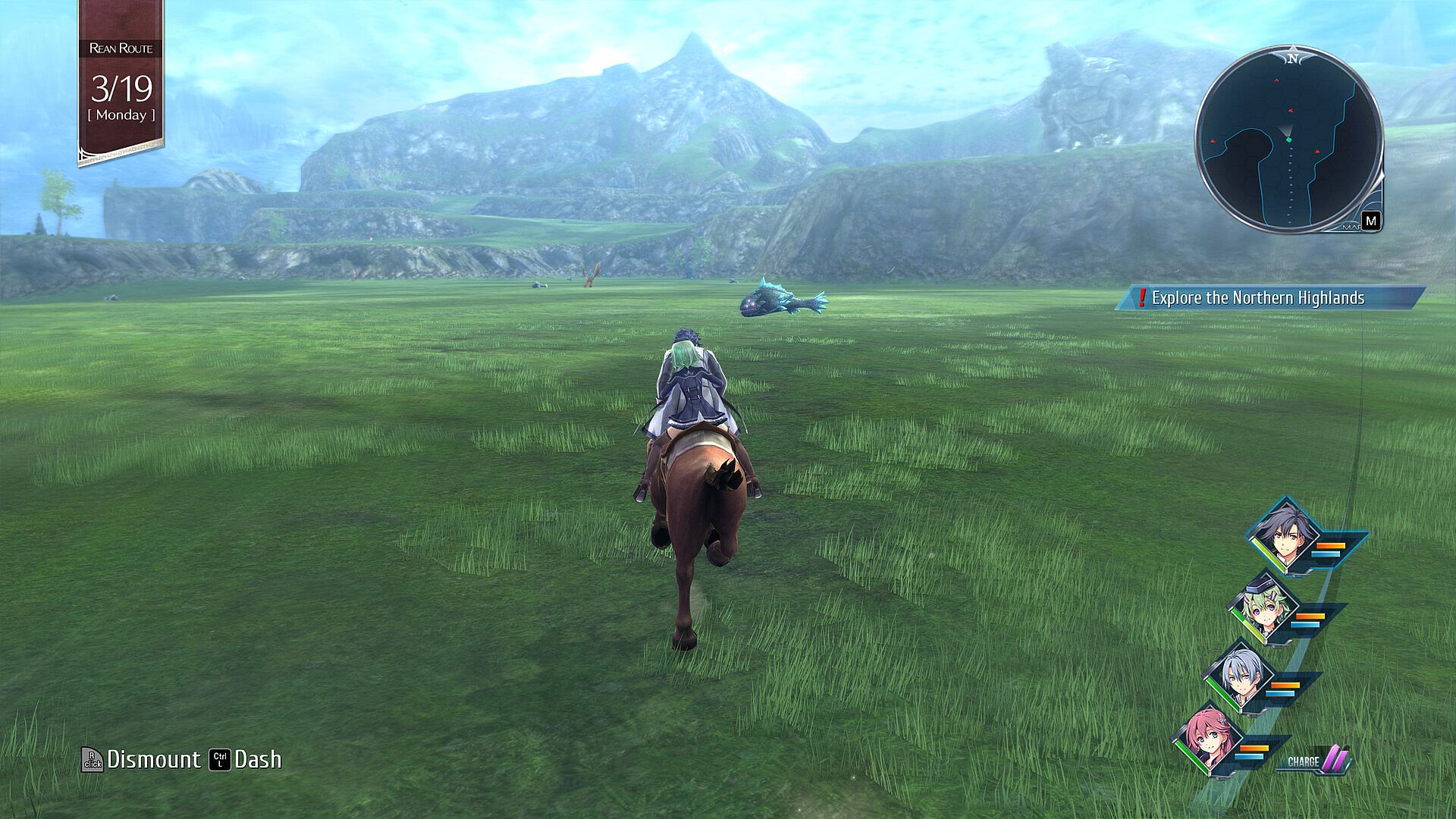
Core gameplay centers on switching between the three protagonists using the Trails to Walk system. This feature lets players move freely between the separate story arcs at most points, advancing each route independently before they intersect. Side episodes expand on supporting characters and locations without altering the main progression.
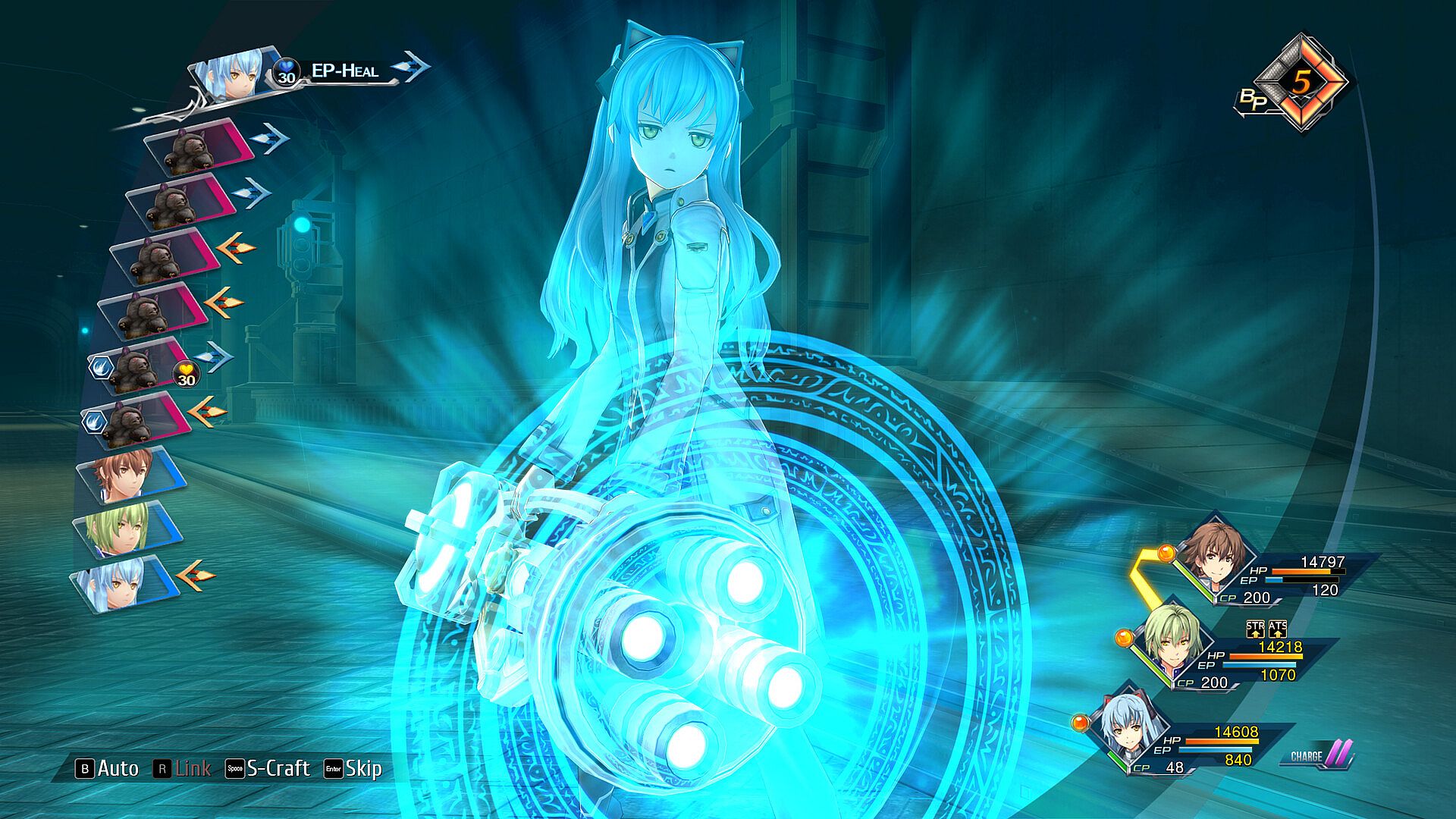
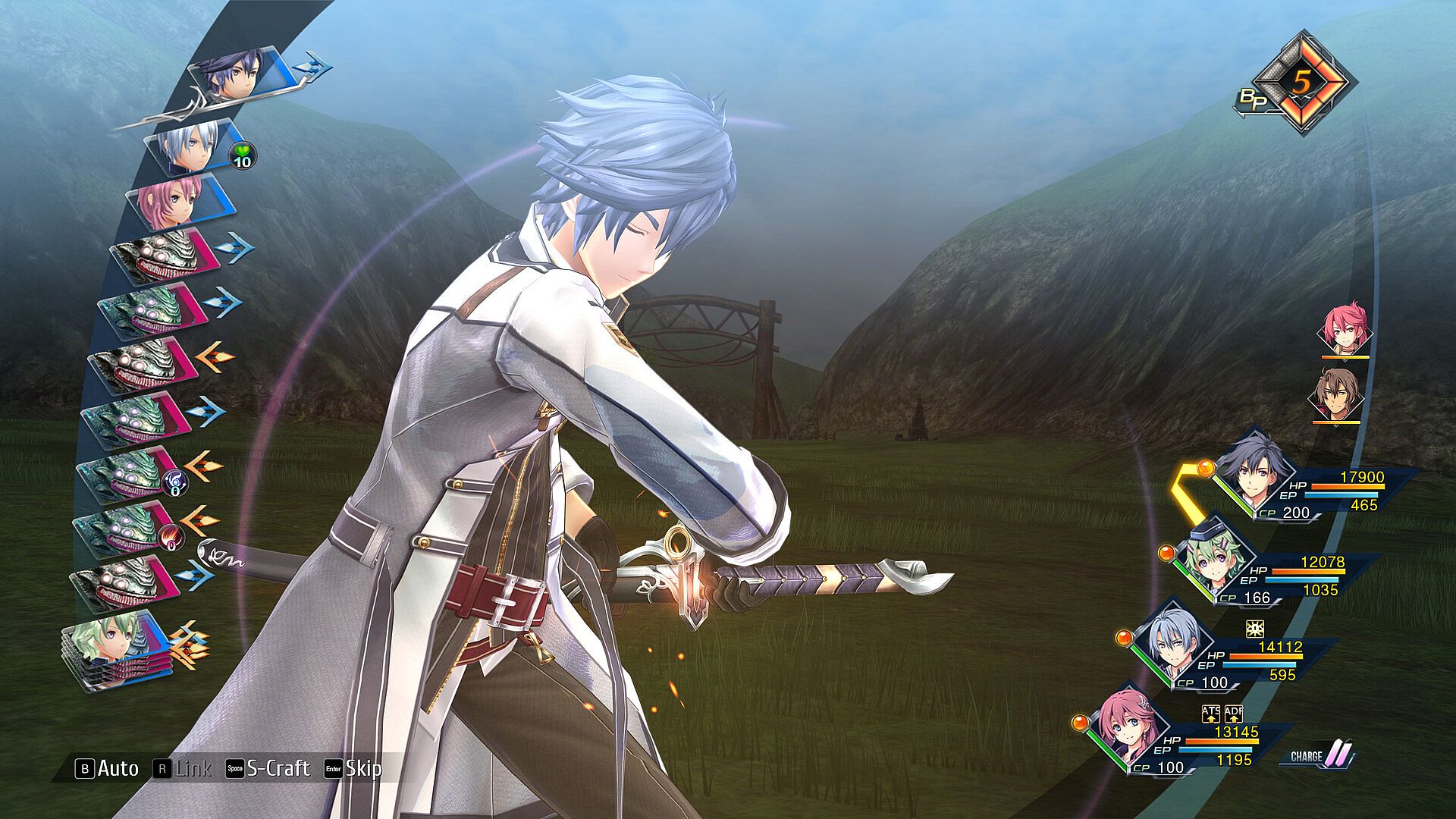
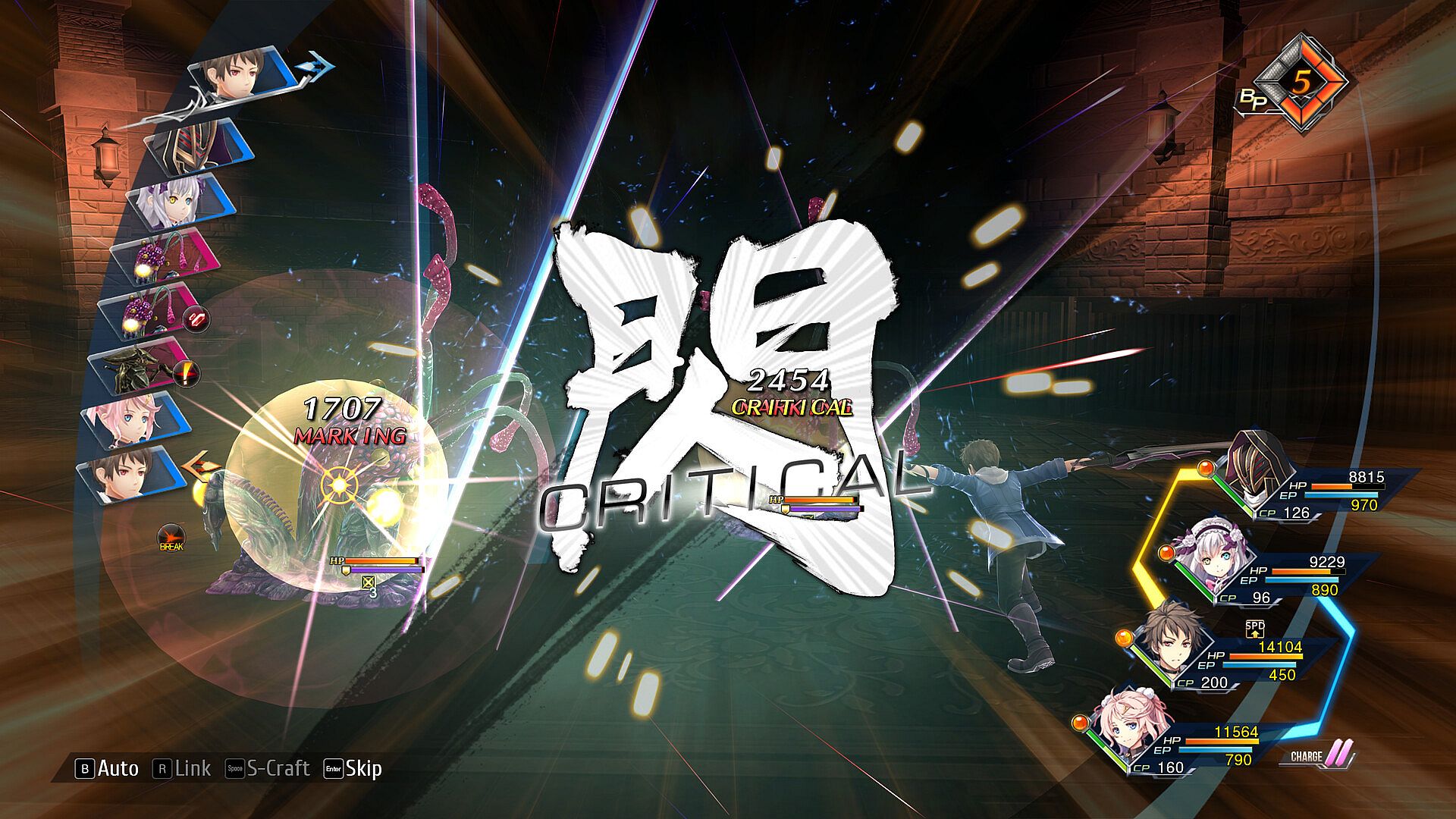
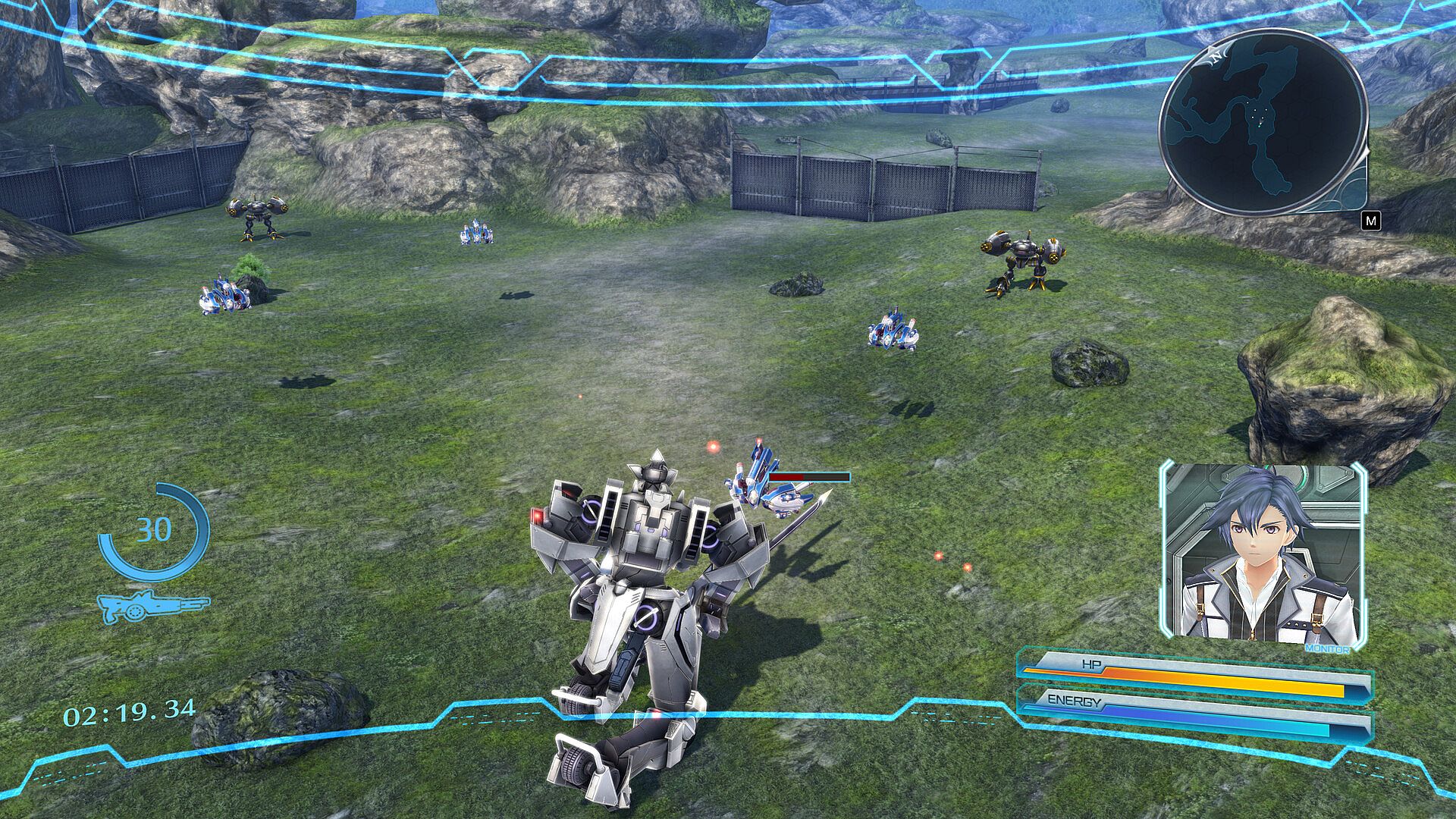
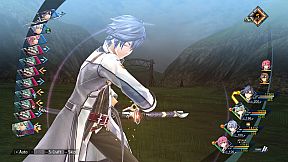
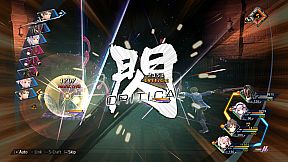
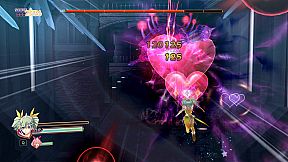
Combat relies on a refined turn-based system that builds on prior entries in the series. Players select Arts for elemental damage, issue Brave Orders to coordinate party actions, and apply standard tactics such as positioning and timing. The United Front mechanic allows the full party to combine efforts for powerful joint attacks or support effects that strengthen individual members. Battles occur in standard encounters and scripted story fights, with emphasis on party synergy rather than individual heroics.
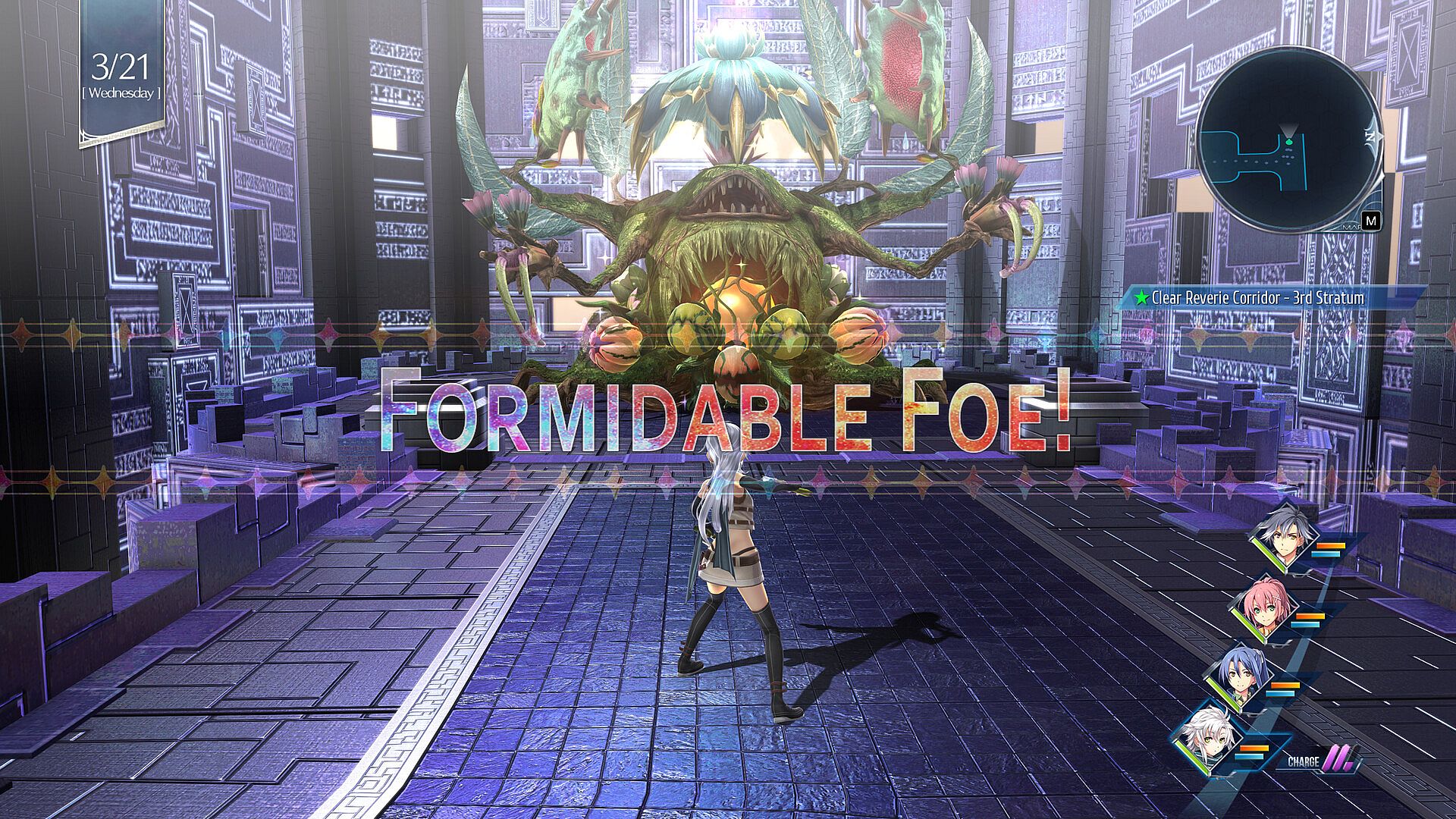
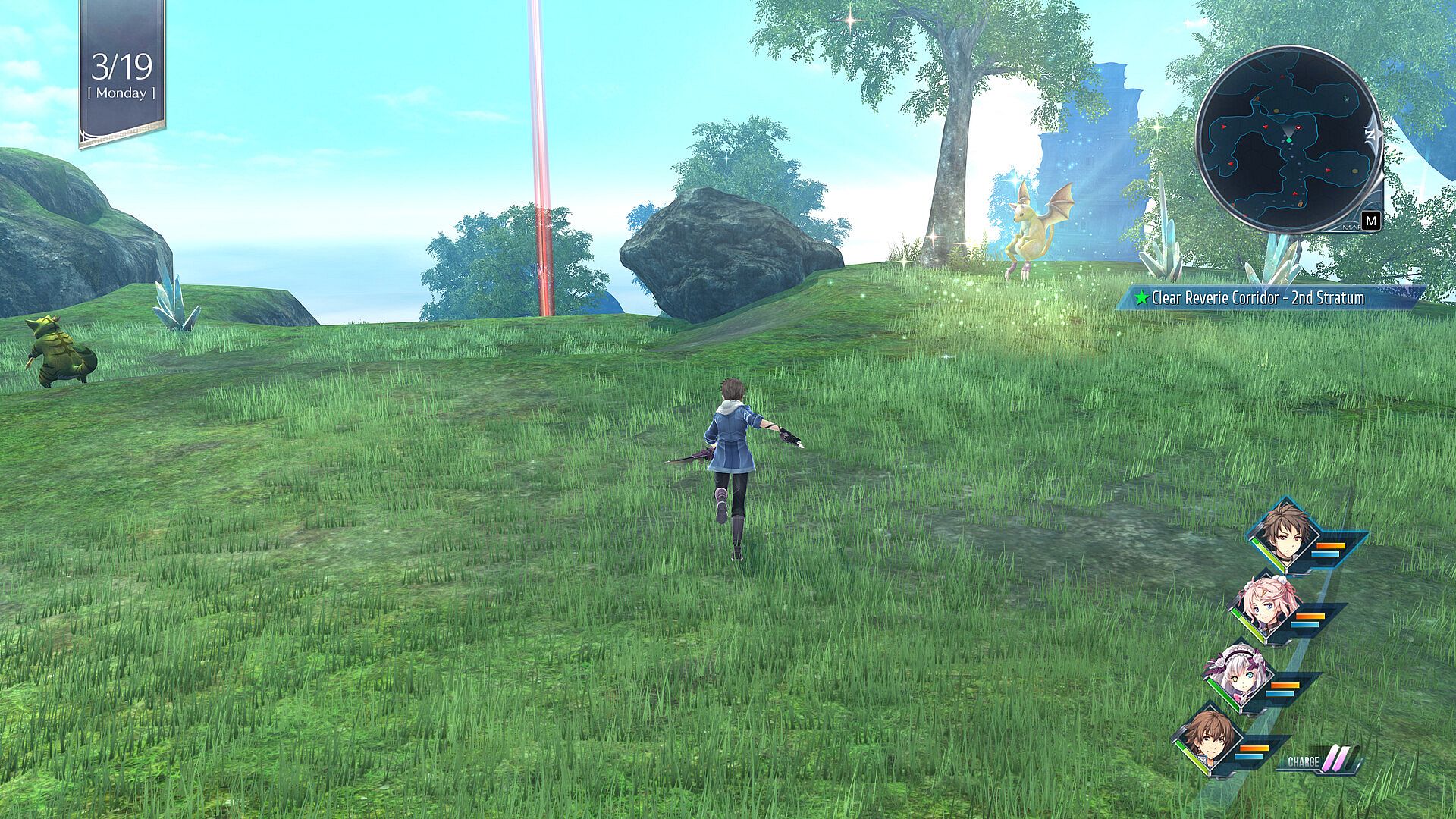
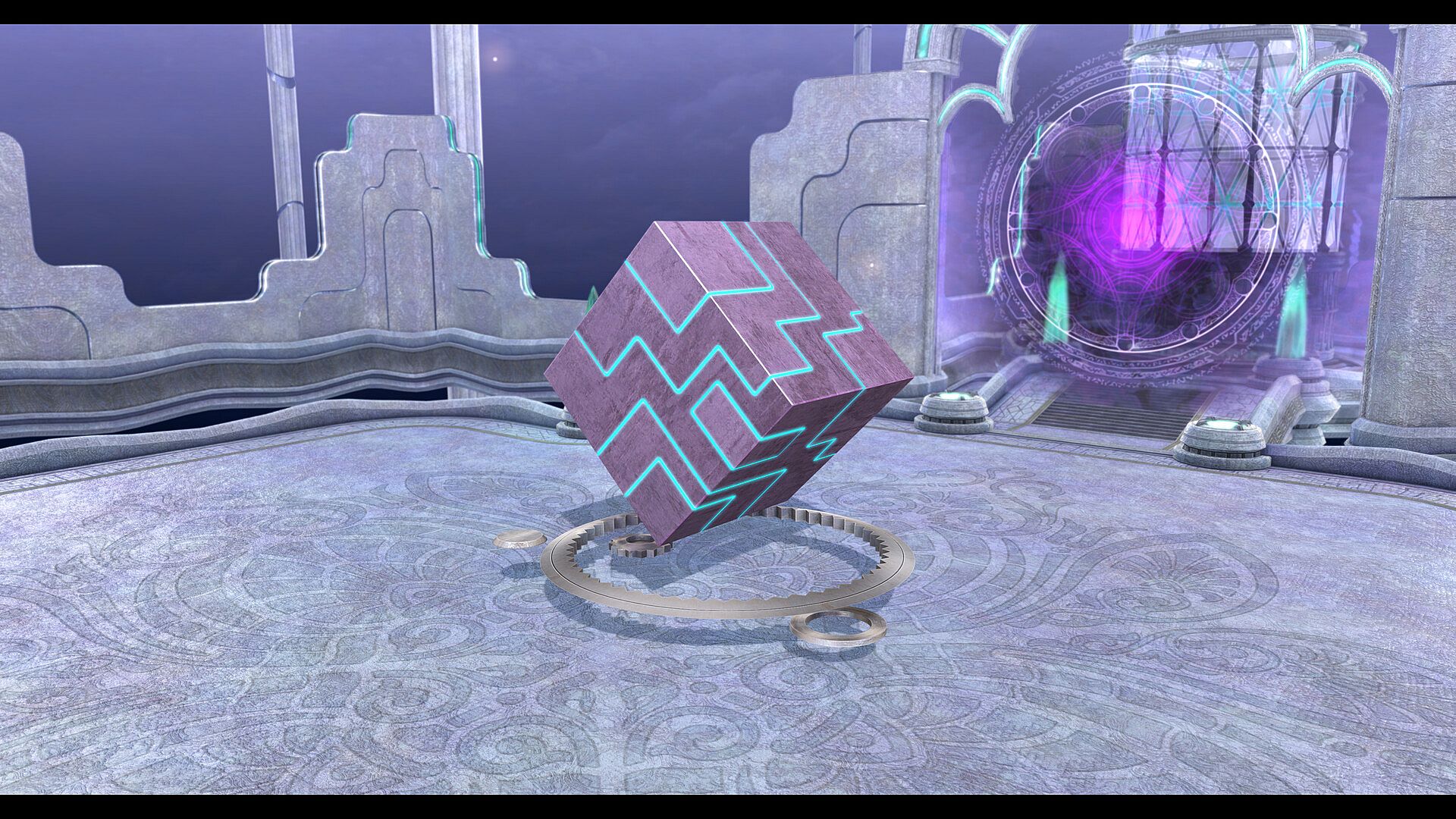
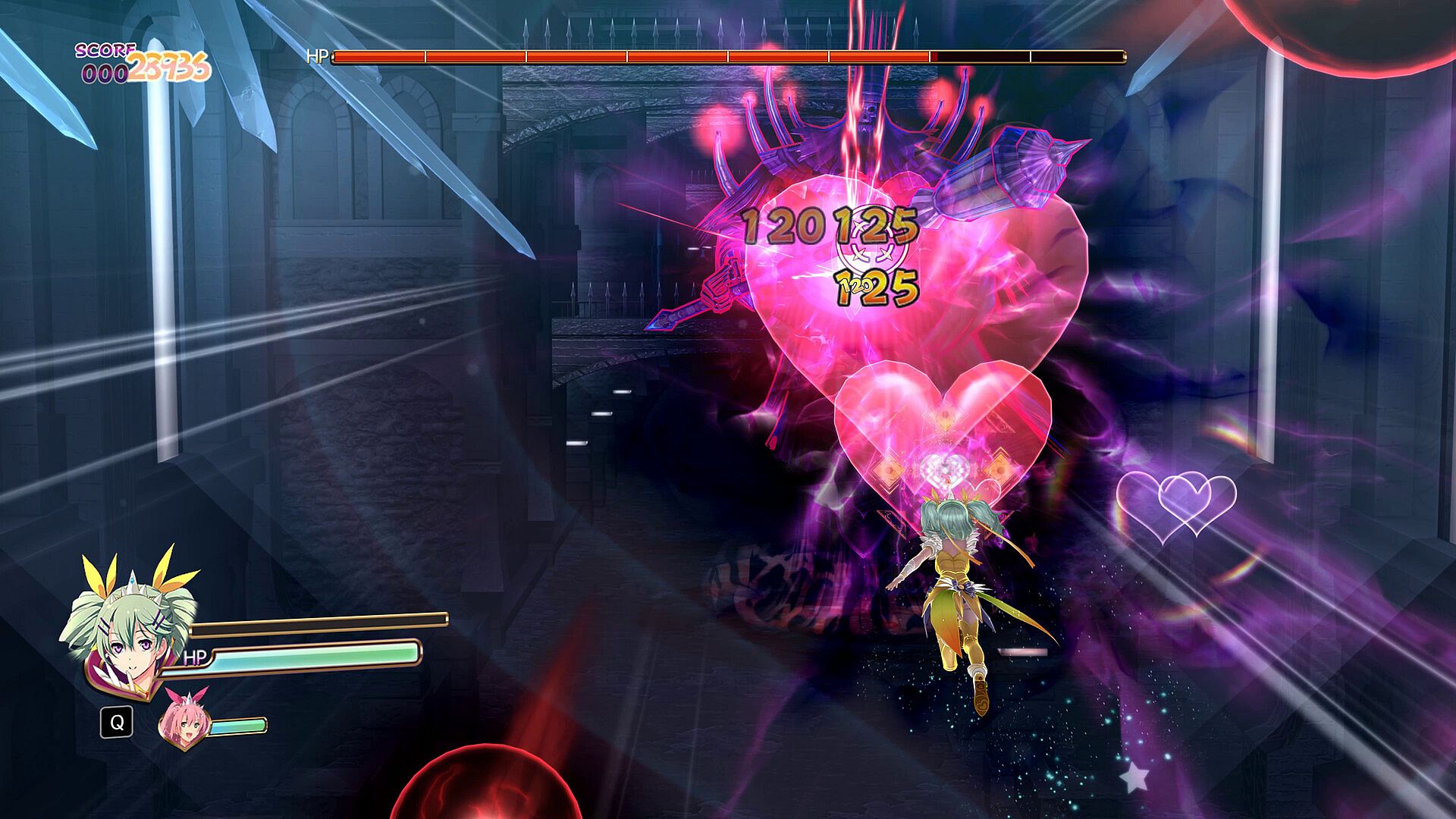
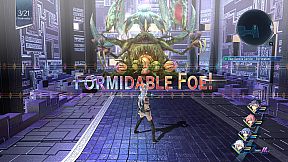
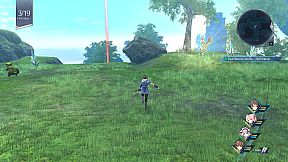
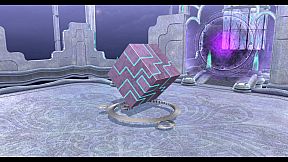
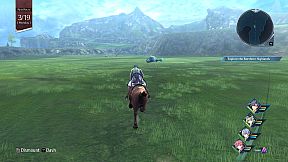
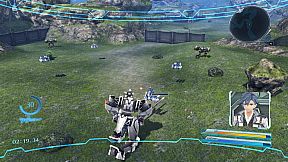
Outside of main story sections, the True Reverie Corridor serves as a hub for additional activities. Players can recruit characters from across the Zemuria setting, explore procedurally generated dungeon floors, and participate in several mini-games. These elements provide opportunities to test builds and gather resources without advancing the primary narrative.
Game Modes
The game structures its content around three distinct story routes that players alternate between via the Trails to Walk system. Each route focuses on one lead character and their immediate allies, covering events in Crossbell and Erebonia after previous major conflicts. Progression requires balancing time across the routes to unlock shared developments.
The True Reverie Corridor functions as a separate gameplay loop. It includes randomly generated dungeon runs for combat practice and resource collection, character recruitment sessions, and a selection of standalone mini-games. These activities remain available throughout the campaign and after key story milestones.
Side episodes appear as optional narrative branches tied to specific characters or locations. They do not replace the main routes but add context and character development that can influence later events when completed.
Story and Setting
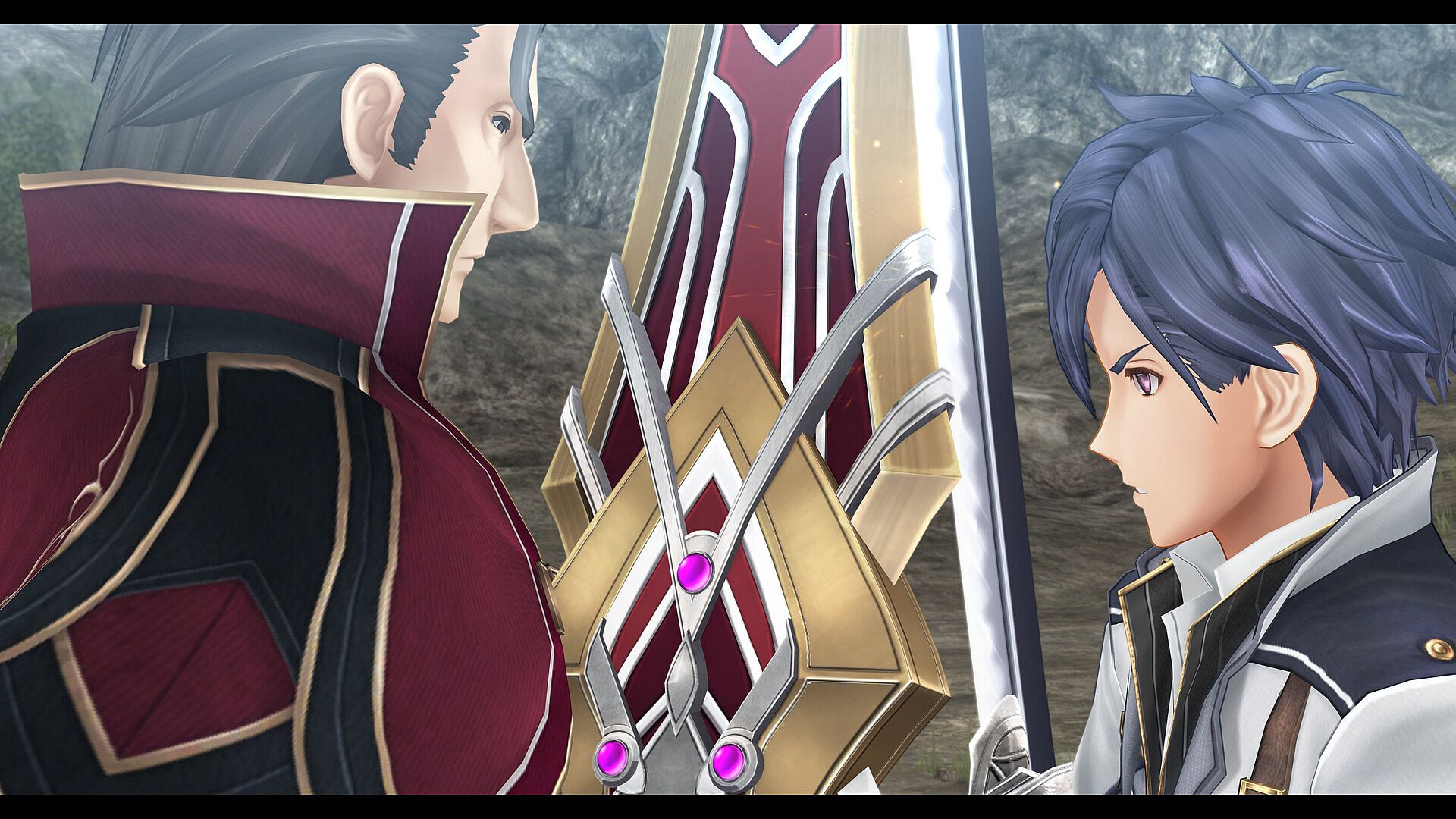
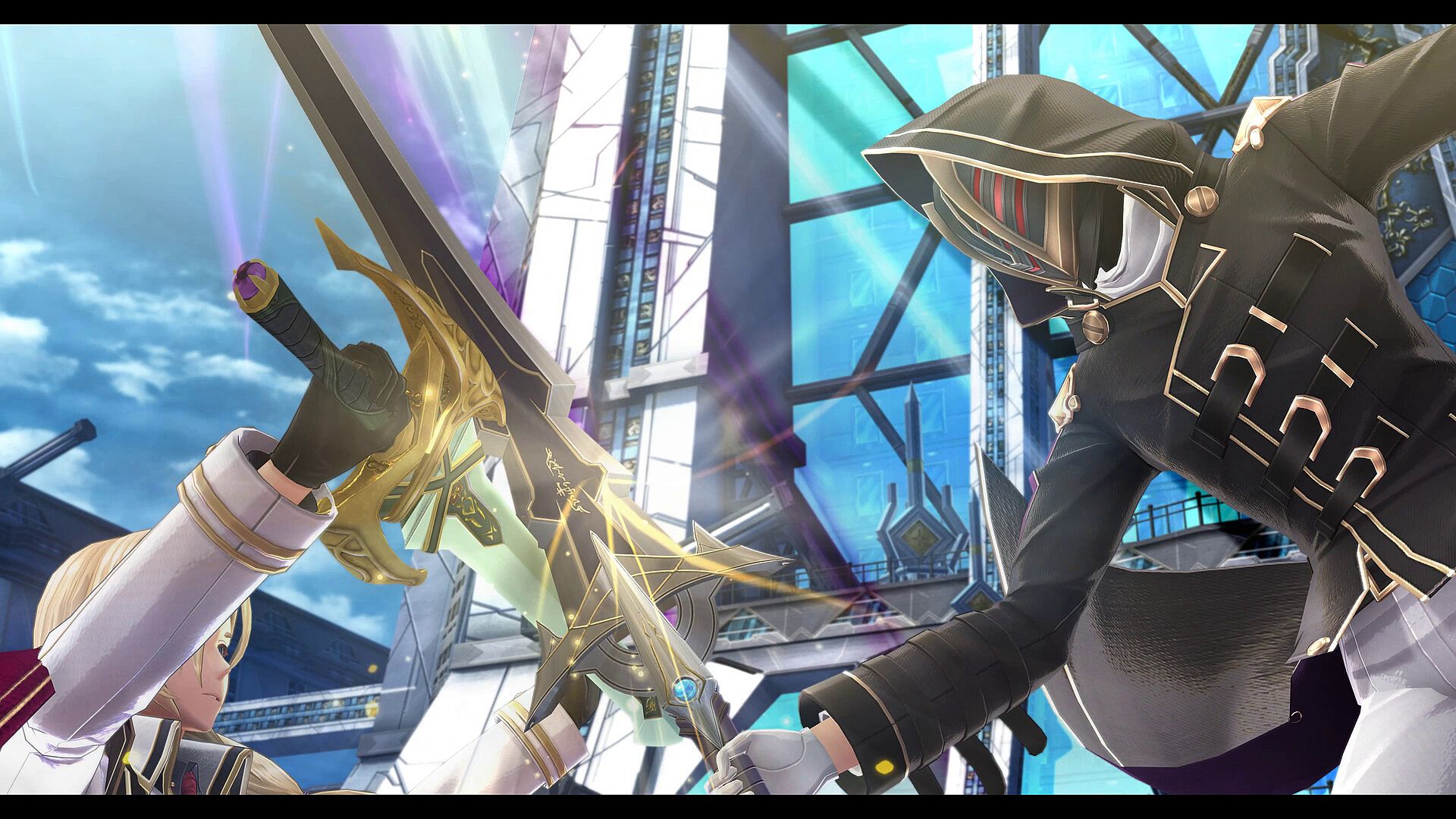
The narrative picks up after the Great Twilight and Crossbell's independence efforts. Rean returns to his role at the branch campus only to face new threats. Lloyd works to protect Crossbell from resurgent dangers during its celebrations. C leads a covert group investigating a former governor general's claim on the city-state. The three arcs gradually reveal connections among the protagonists and recurring figures from the broader series.
Key locations include urban centers in Crossbell and Erebonia alongside the mysterious True Reverie Corridor. The story examines themes of legacy, independence, and hidden motives through dialogue-heavy scenes and chapter-based pacing.
Is It Worth Playing?
Reception has been generally favorable among critics and players who appreciate detailed turn-based RPGs with strong emphasis on story and party management. Reviews highlight the effective integration of the three routes and the United Front additions to combat as improvements over earlier mechanics. The game appeals most to those already familiar with the series' world and characters, though newcomers can follow the self-contained arcs with some background reading.
Availability on PC supports standard single-player sessions with no ongoing seasonal content or live-service elements. Those seeking a complete, narrative-focused experience with tactical battles and optional dungeon exploration will find the structure consistent and self-contained. The title suits players who value character interaction and route-switching systems over open-world freedom or multiplayer features.