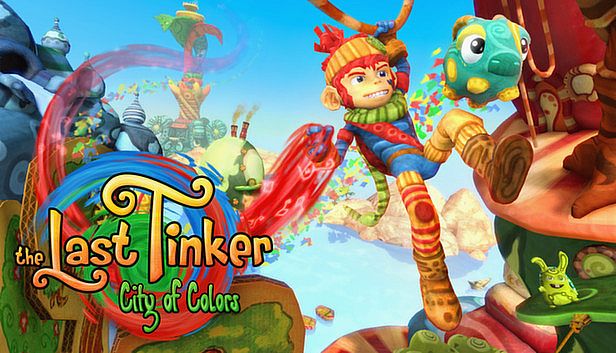



















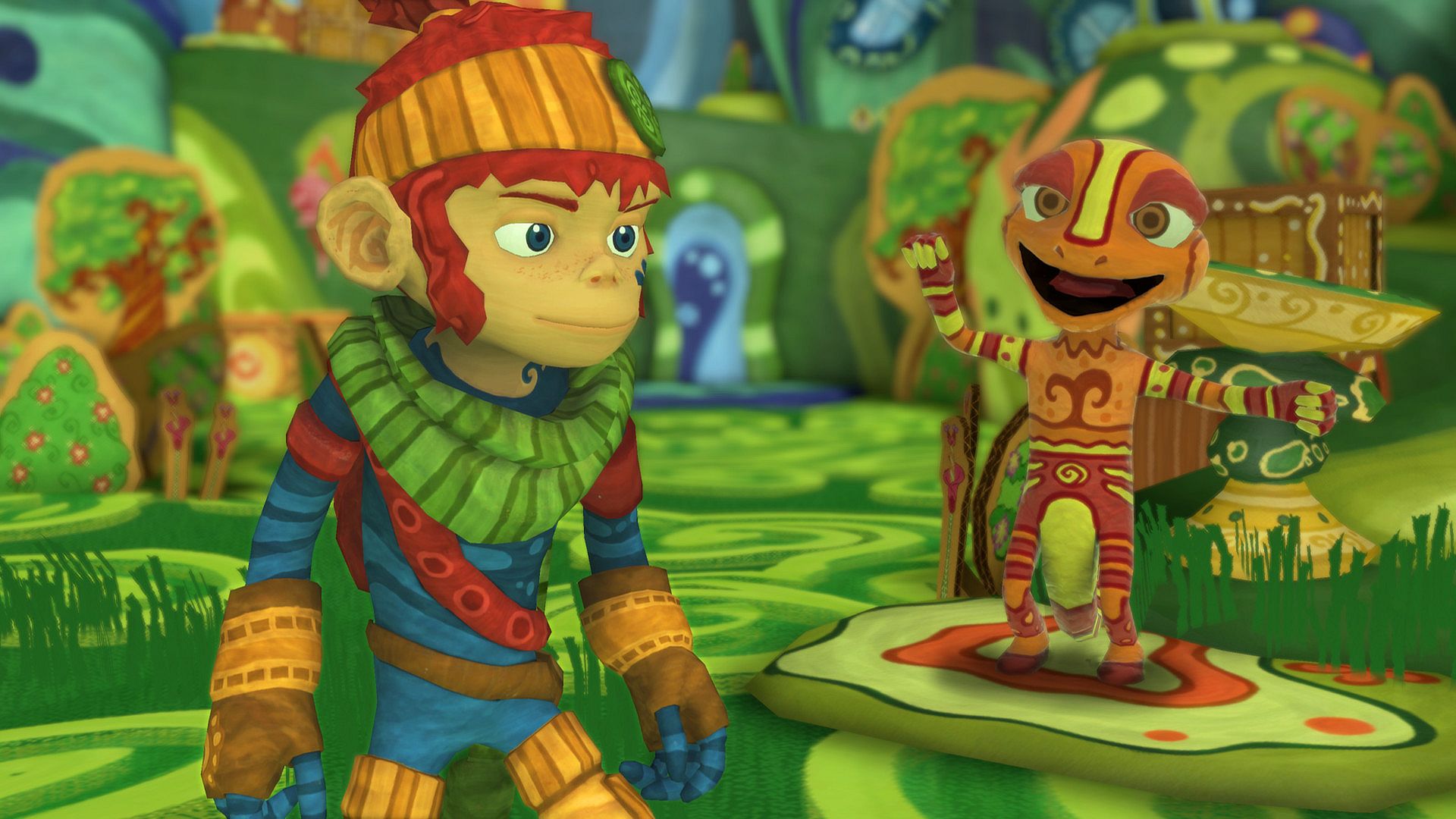
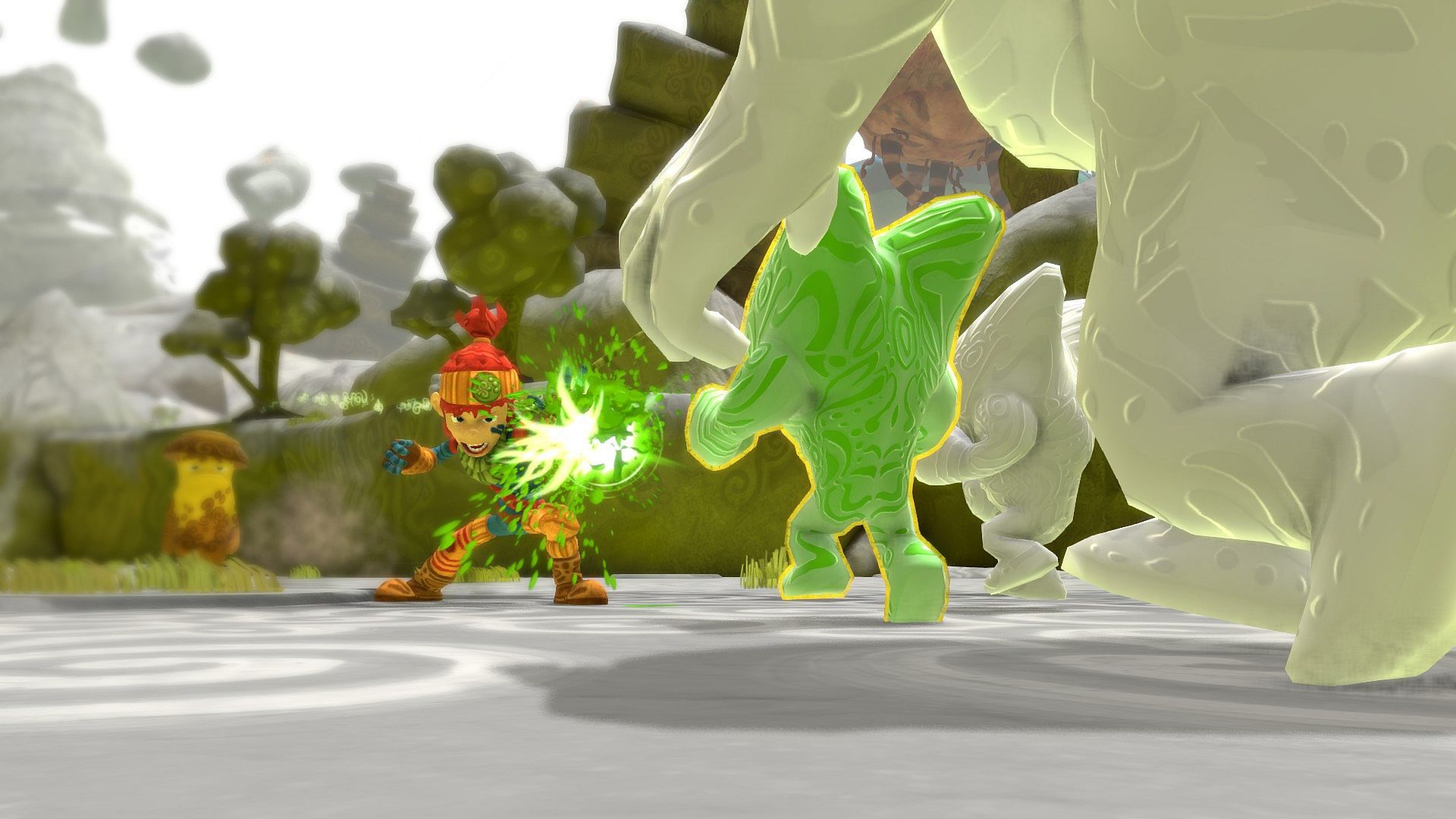
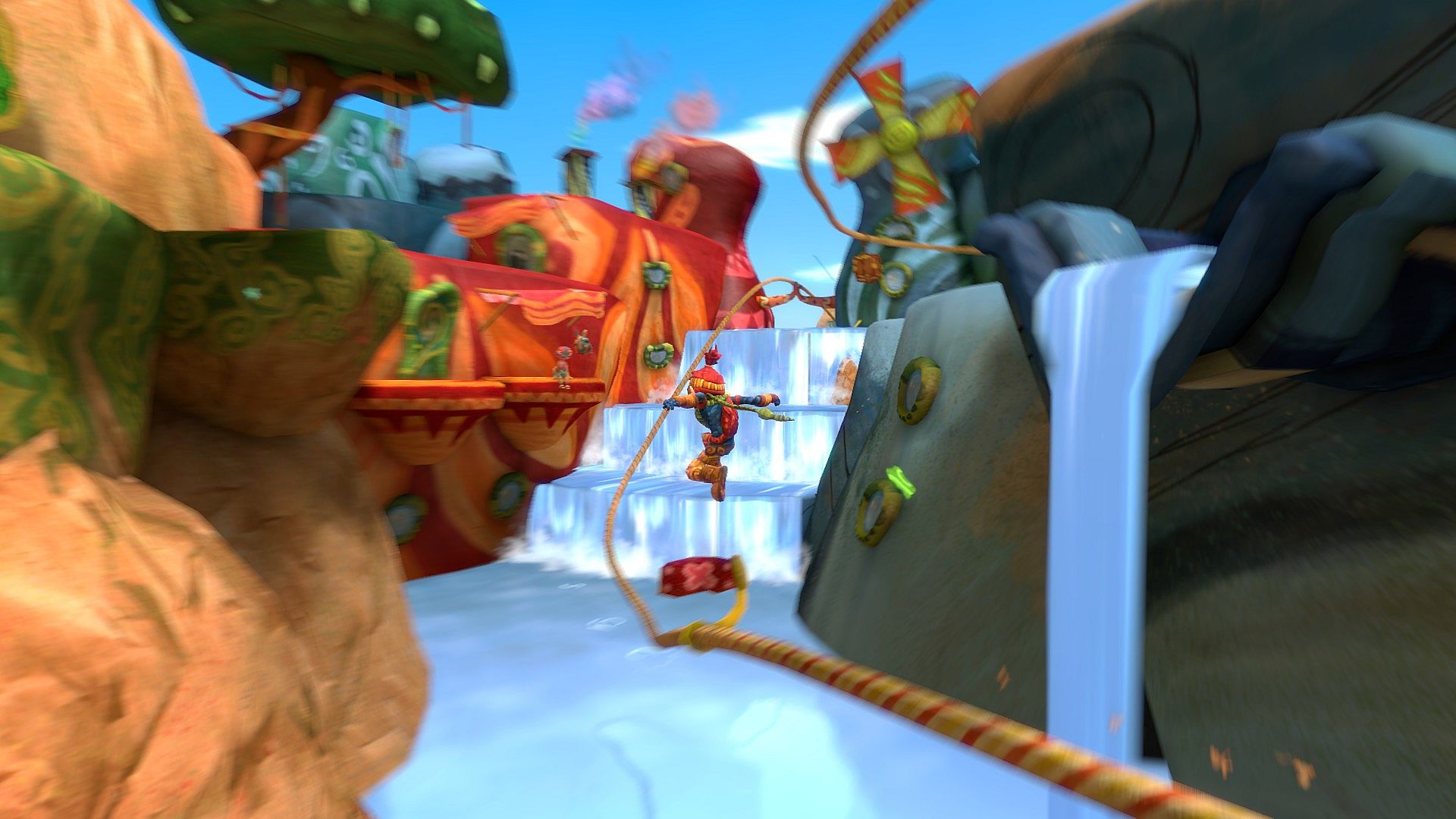
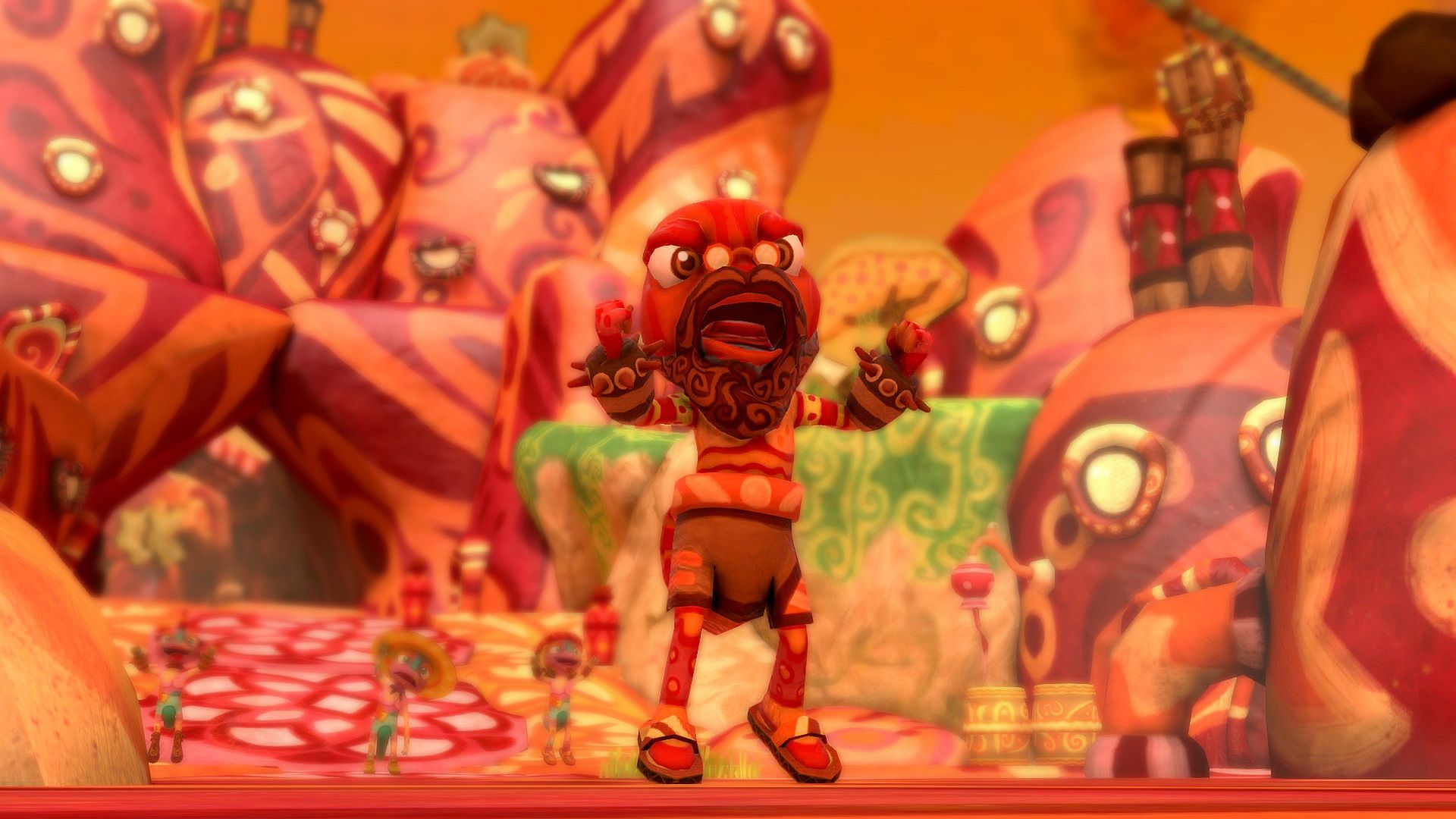
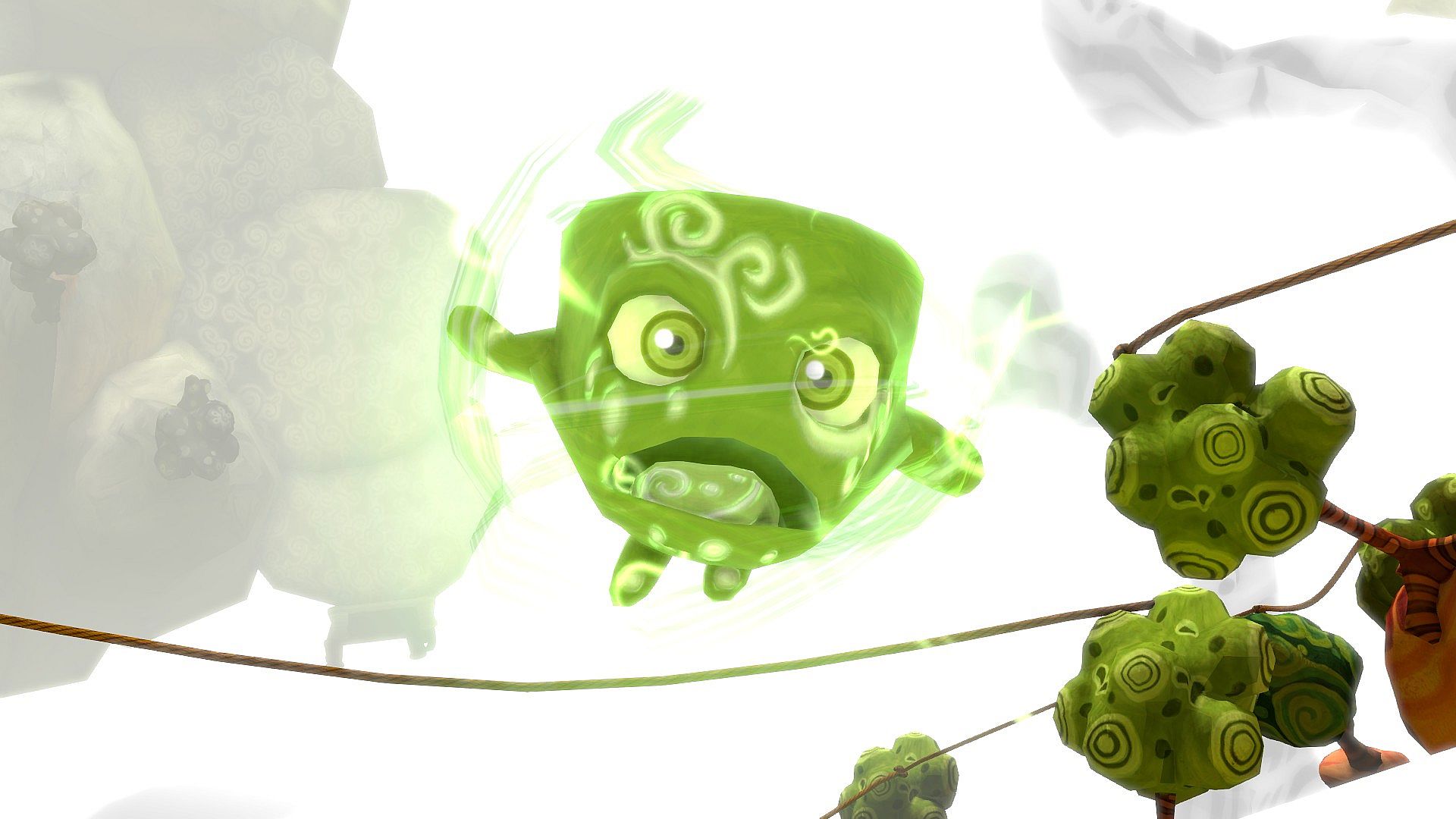
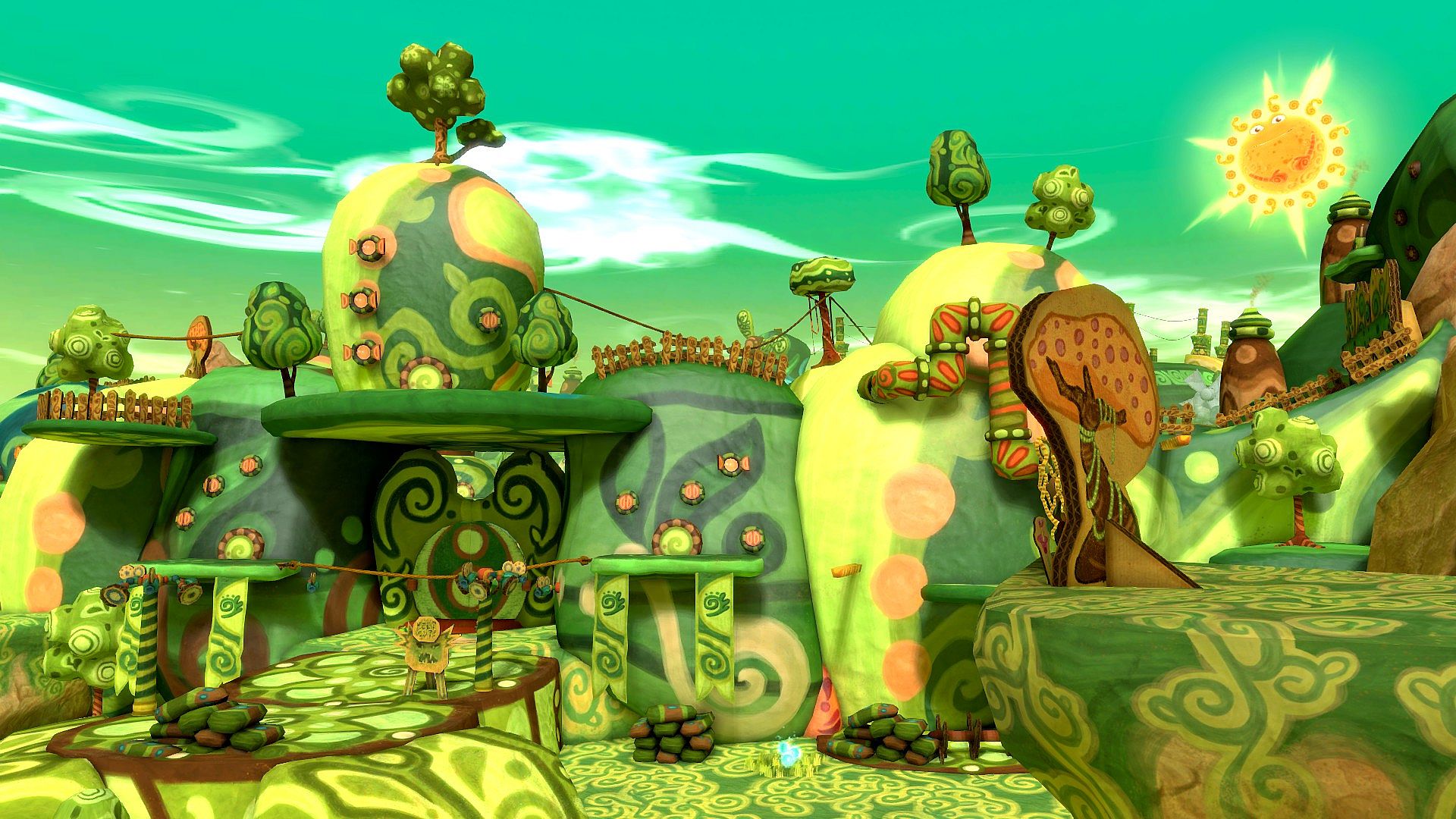
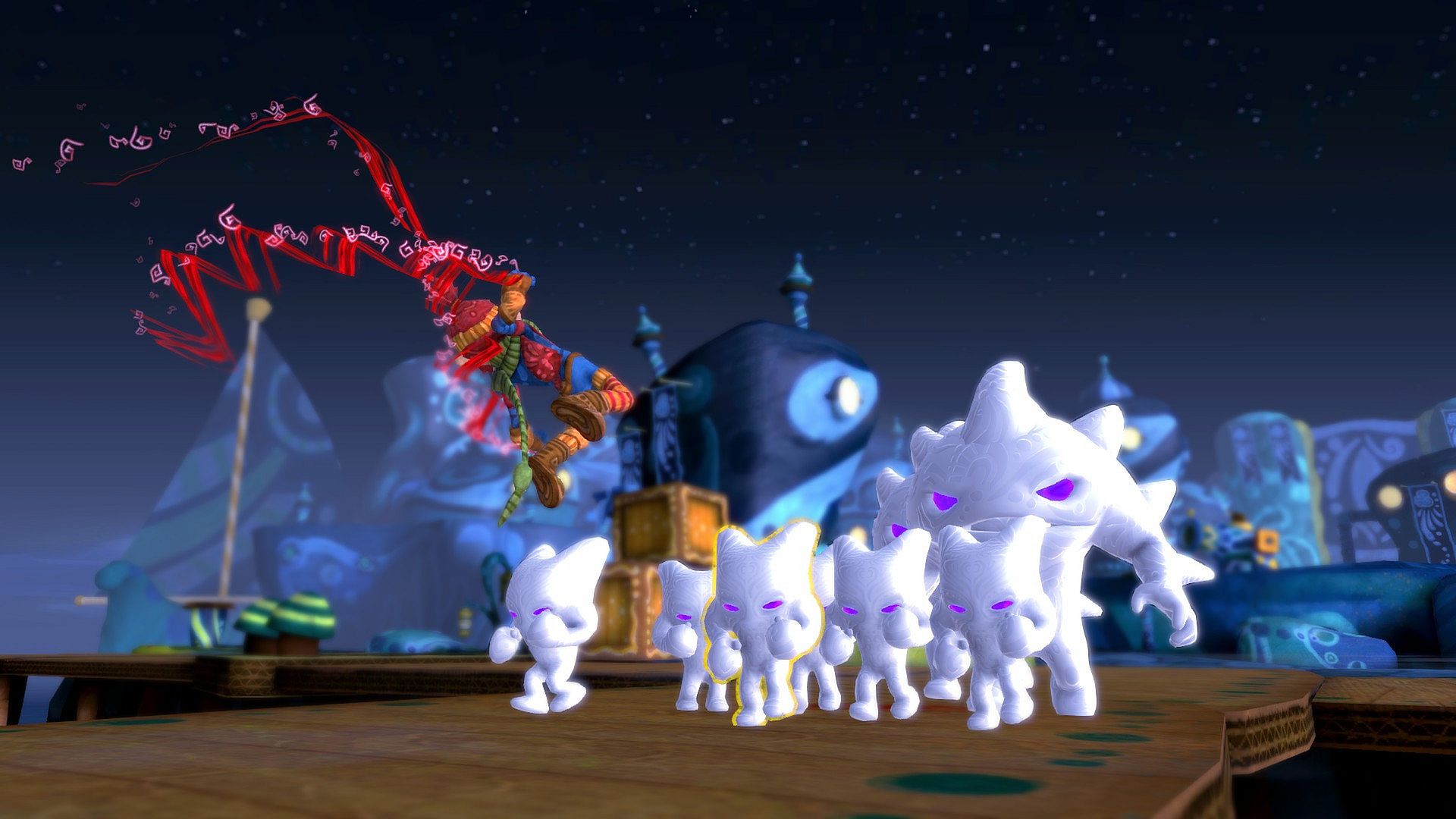
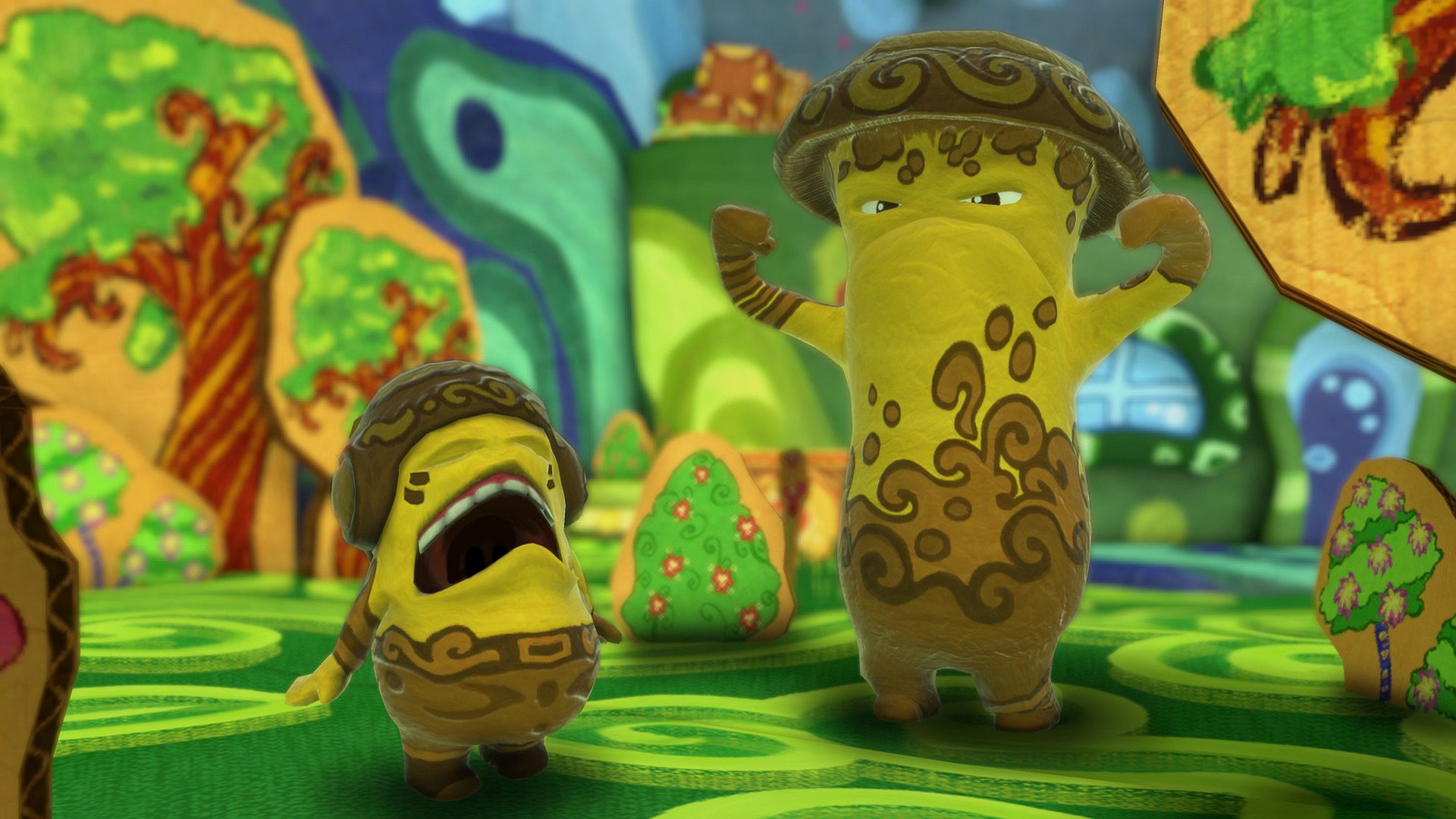

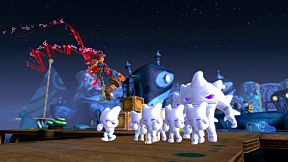
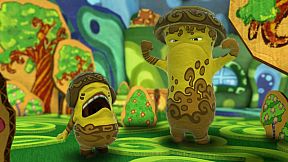
The Last Tinker: City of Colors is a single-player action-adventure platformer developed by Mimimi Productions and released on PC in 2014. Players control Koru, a young monkey from the slums of Colortown, as he confronts the Bleakness, a dark force draining color and joy from the world. The game emphasizes creativity, emotion, and collaboration through its core systems rather than traditional platforming conventions.
Gameplay
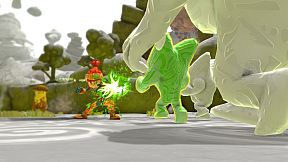
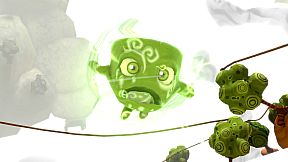
Core movement relies on walking, running, and interacting with the environment without a dedicated jump mechanic. Koru navigates Colortown's vibrant districts by using momentum, climbing structures, and activating color-based abilities. Different hues influence both the world and enemies in distinct ways, such as altering emotional states to solve puzzles or gain advantages in encounters. Combat integrates these color effects directly, turning fights into sequences where players match or counter enemy reactions rather than relying on standard attacks. Puzzle elements appear throughout levels, requiring players to manipulate colored objects, shift emotional tones in the surroundings, or collaborate with non-player characters to progress. The experience draws from classic 3D platformers in its exploratory level design and character interactions while keeping the focus on thoughtful navigation and creative problem-solving over precision timing or vertical leaps.
Game Modes
The game consists entirely of a single-player campaign. There are no multiplayer options, competitive modes, or additional variants. Progression follows a linear story path through Colortown's districts, with each area building on previous mechanics through new color applications and environmental challenges. Achievements track completion milestones, collectibles, and specific interactions within the campaign.
Story and World
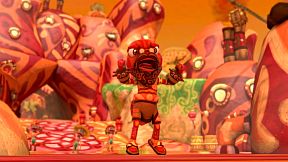
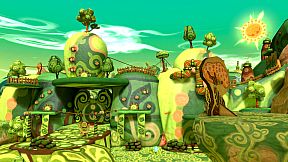
Colortown serves as the central setting, a place constructed around creativity and emotional expression that faces gradual desaturation from the Bleakness. Koru begins in the less colorful slums and ventures outward, encountering residents who represent different aspects of the world's vibrant culture. The narrative unfolds through character conversations and environmental storytelling, highlighting themes of restoring balance through personal action and community ties. Levels reflect this progression with shifting palettes and designs that emphasize collaboration between characters and the player.
Is It Worth Playing?
Player reception on Steam stands at mostly positive overall, with recent reviews trending very positive. Critics from the release period noted the game's charm, distinctive art direction, and soundtrack as strengths, while pointing out that some sections feel straightforward and lack deeper challenge. The experience suits those seeking a relaxed, family-friendly platformer that prioritizes atmosphere and creative mechanics over intense difficulty or complex systems. It remains available as a complete, self-contained title with no ongoing updates or seasonal content. Those who enjoy short, focused single-player adventures centered on exploration and color-driven interactions will find it aligns well with that preference, particularly if they appreciate throwback styles from earlier platformer eras.