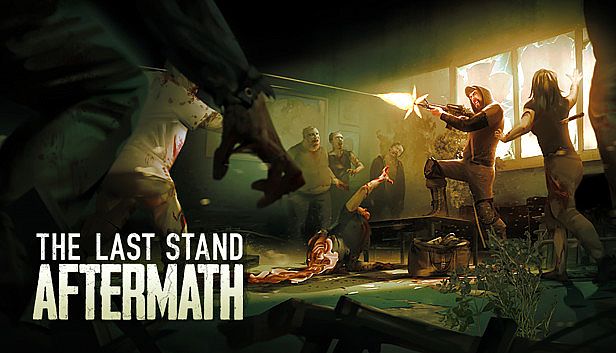

















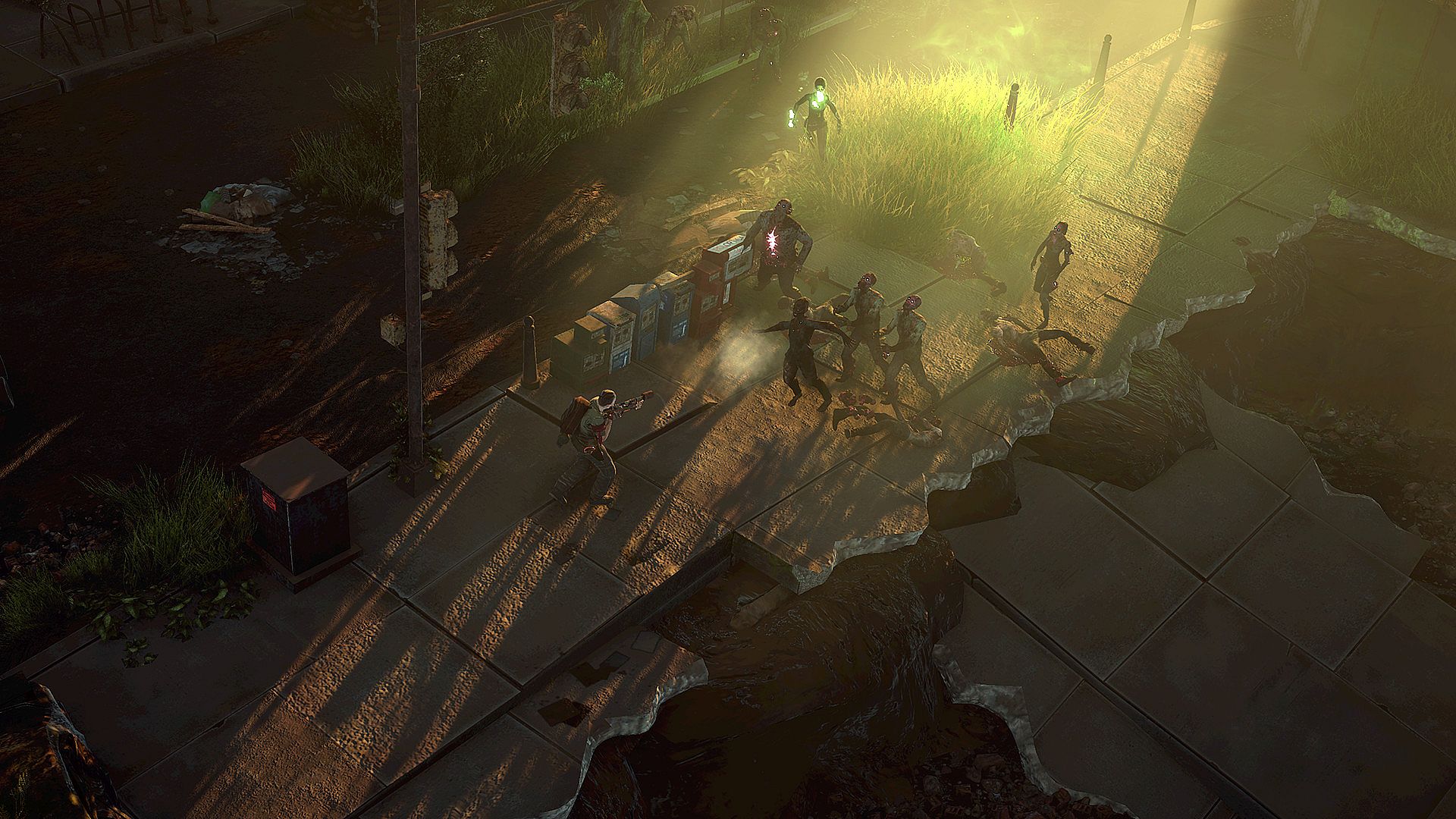
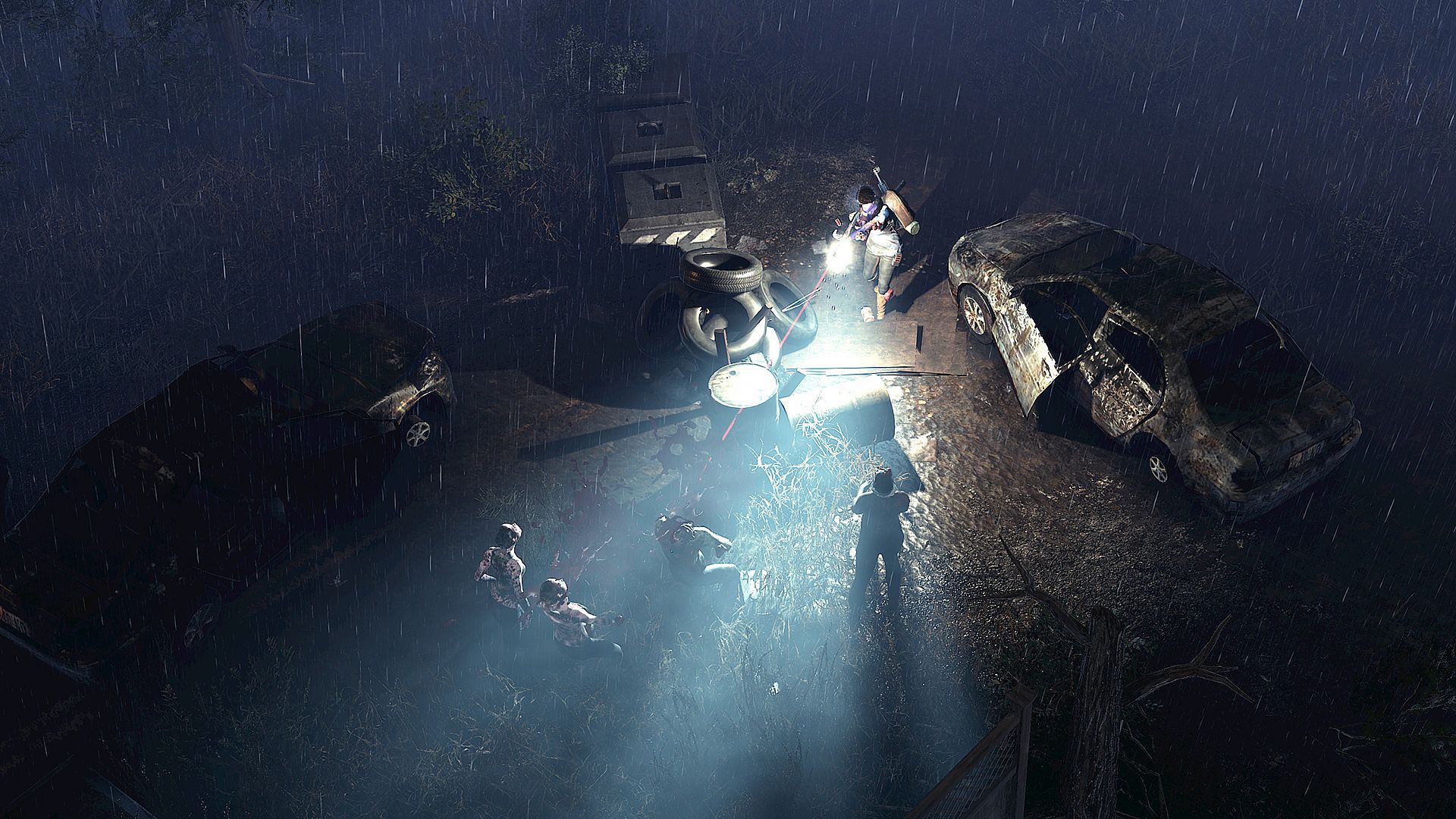
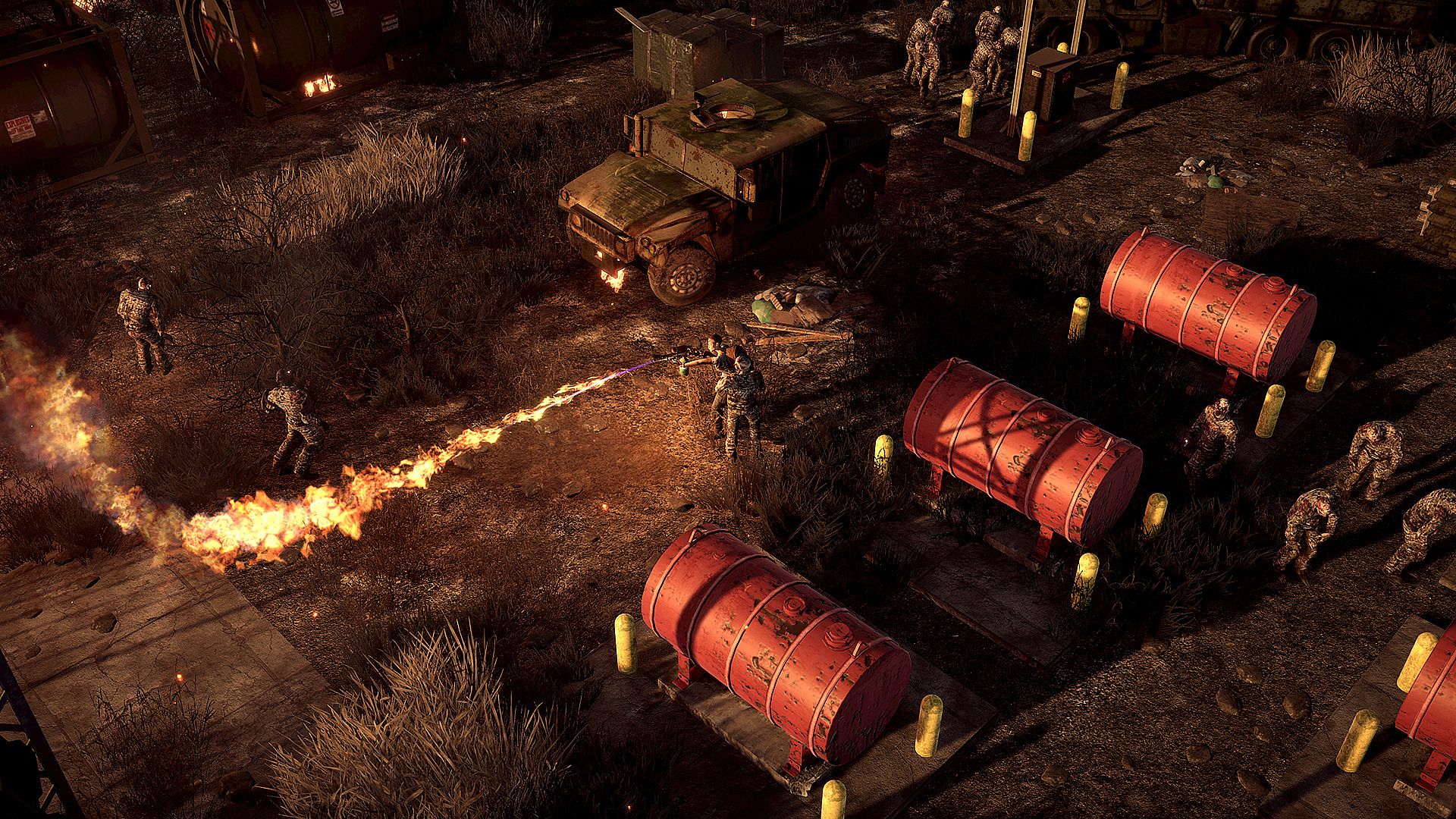
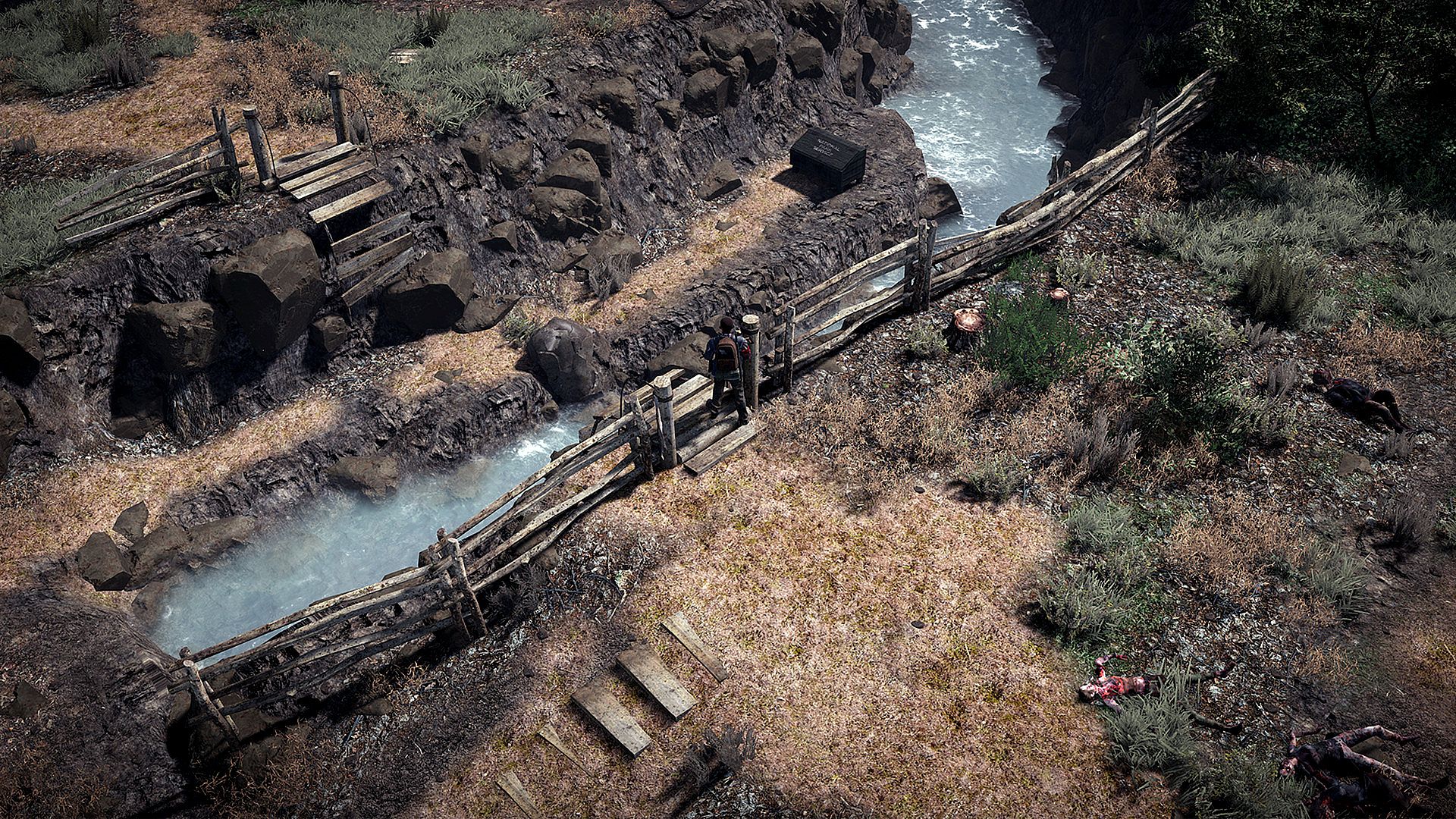
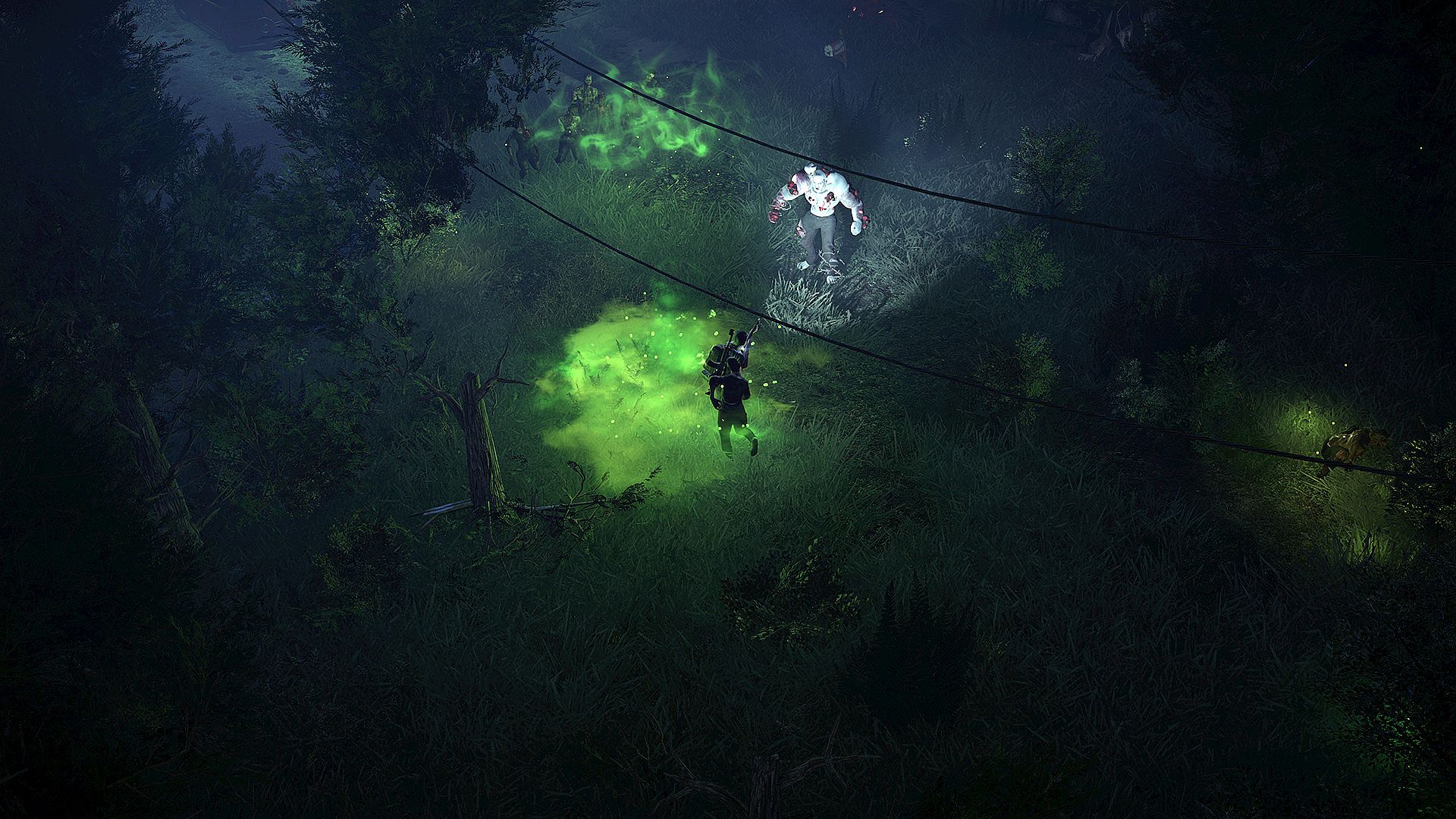
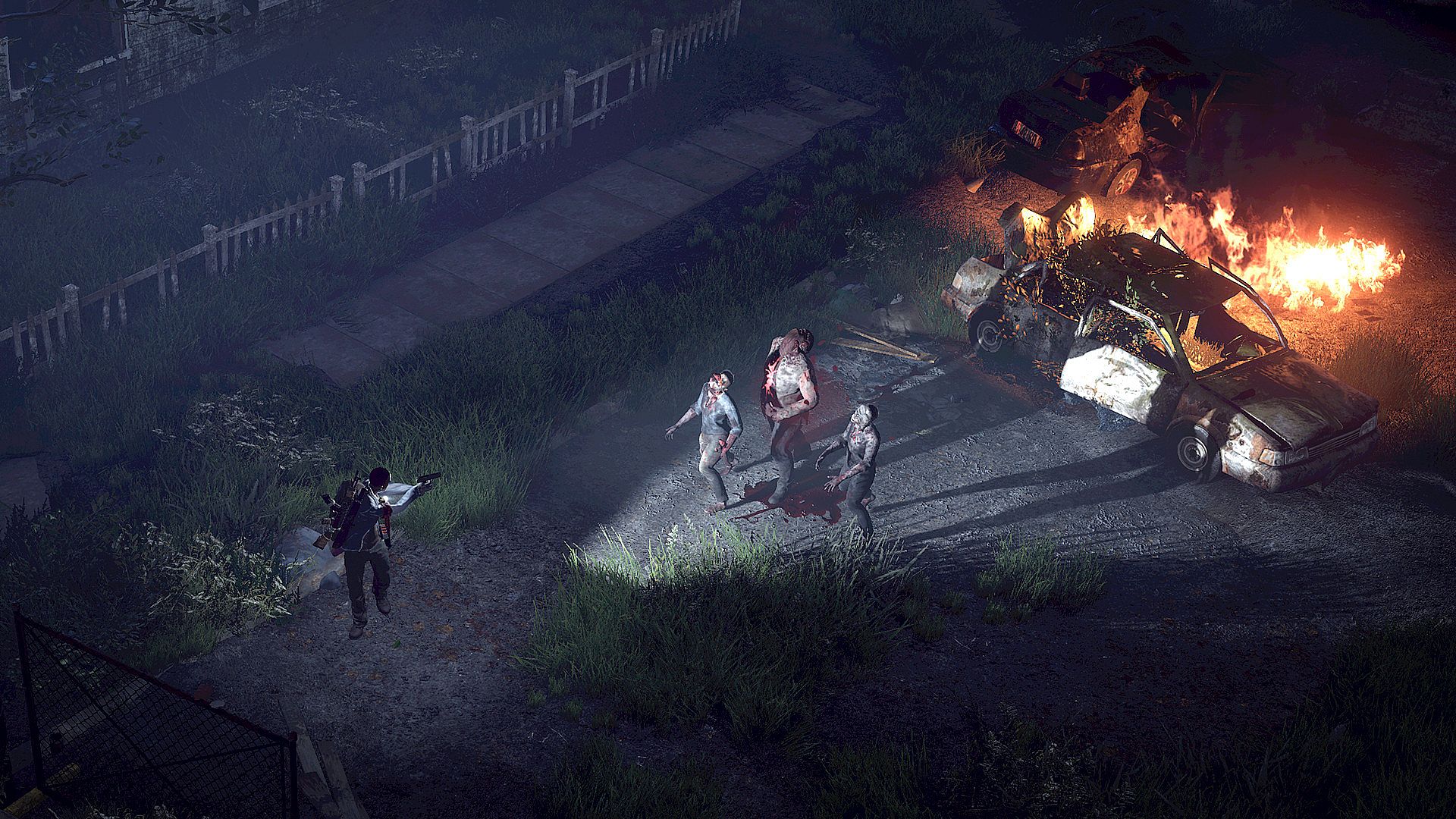
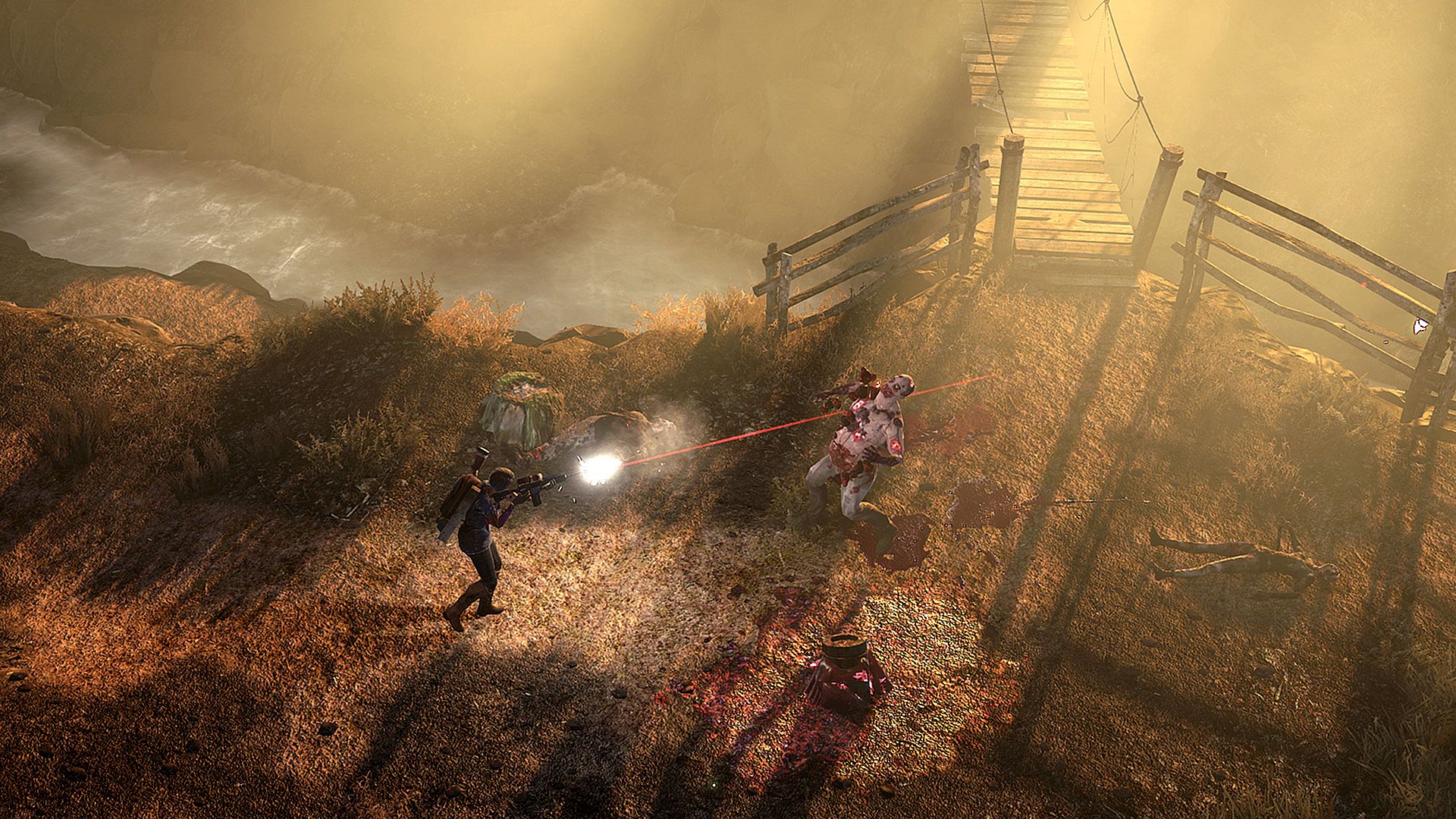
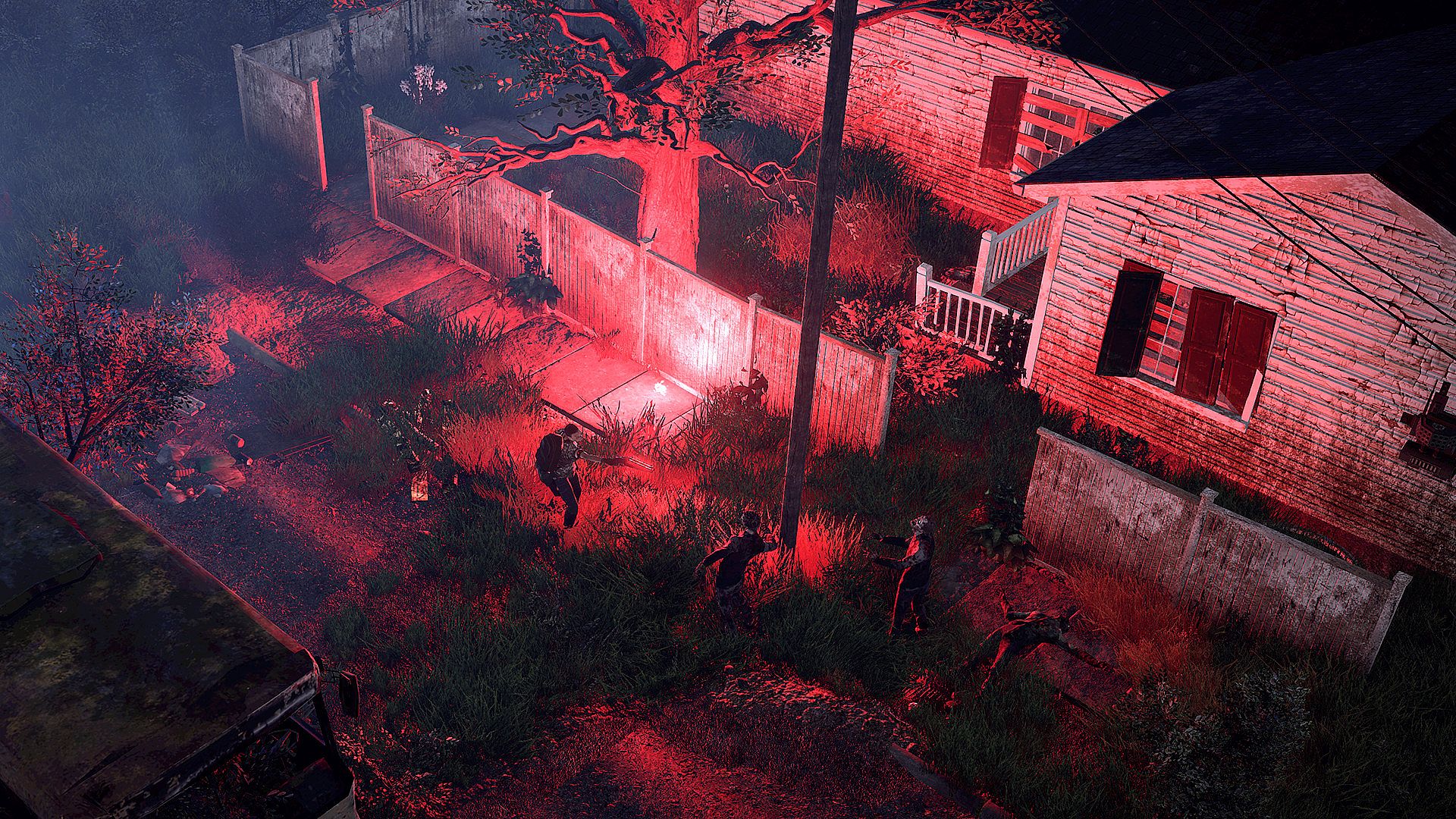
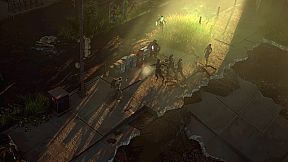
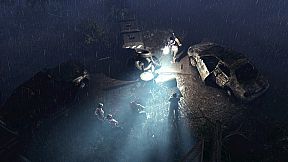
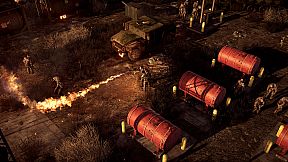
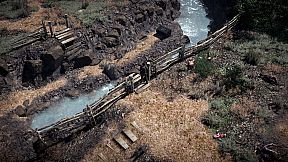
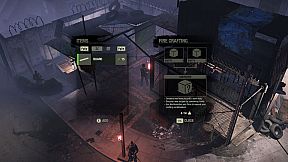
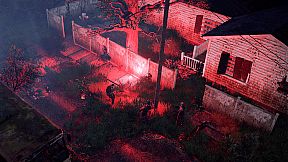
The Last Stand: Aftermath is a singleplayer rogue-lite action adventure game set in a post-apocalyptic world overrun by zombies. Developed by Con Artist Games, it places players in control of infected survivors who must scavenge the ruins of civilization before the virus claims them. The experience centers on exploration, resource management, and combat in an isometric perspective with twin-stick controls, emphasizing careful movement and decision-making over direct confrontation.
Gameplay
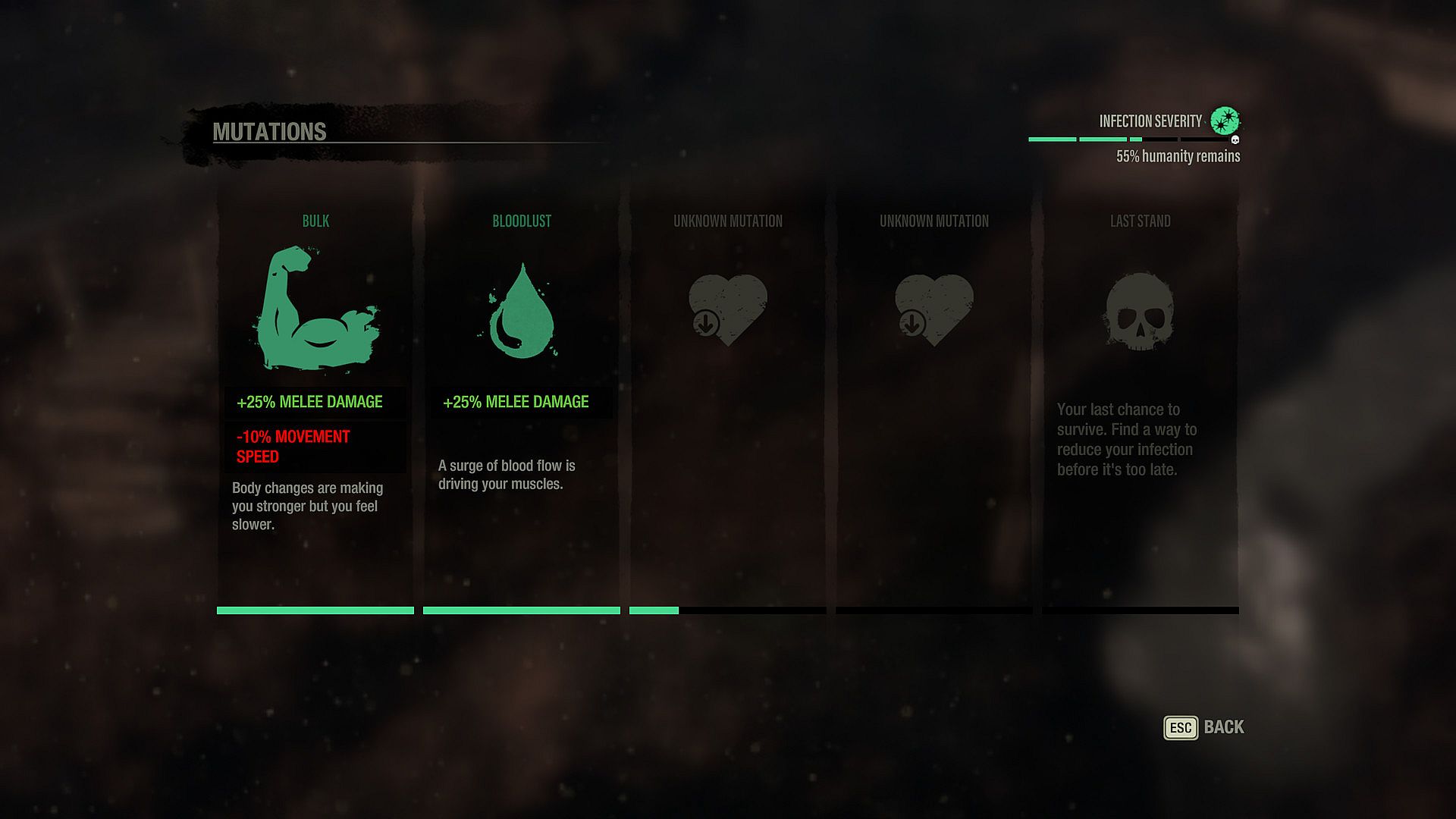
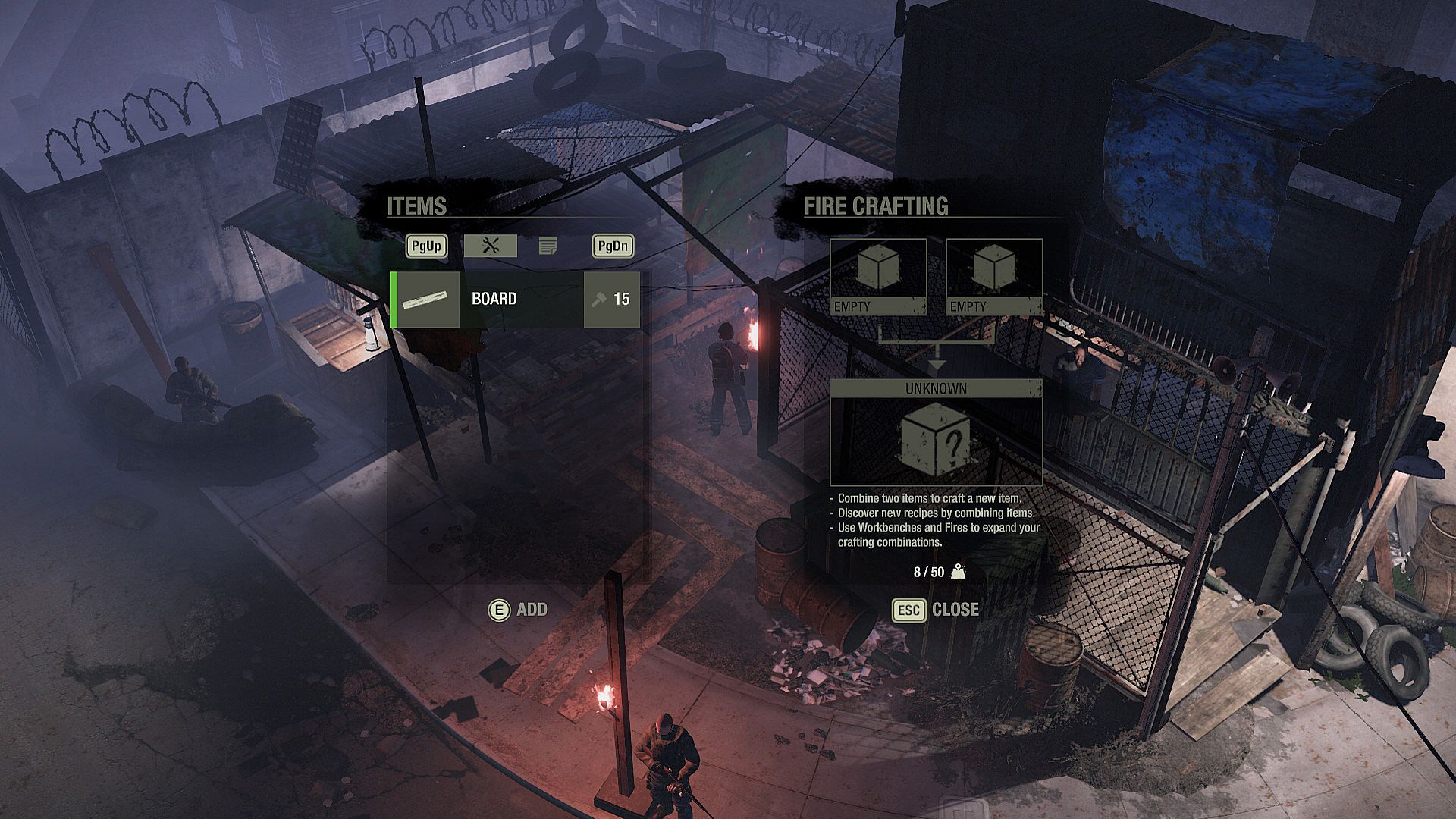
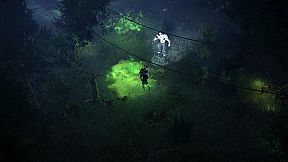
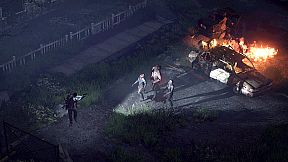
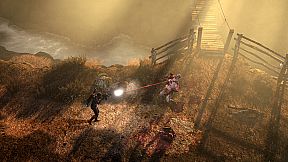
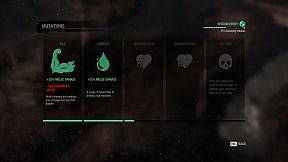
Players begin each run by selecting a survivor and heading out in a vehicle that requires fuel to reach new areas. Scavenging forms the core loop, as characters gather materials to craft weapons, ammunition, and other supplies while navigating dangerous environments. Combat involves sneaking past or engaging hordes of the undead, some of which possess special abilities that demand specific tactics to overcome. The infected status adds urgency, as health gradually declines and mutations become available. These mutations grant powerful bonuses, such as increased unarmed damage, but reduce the overall health pool and accelerate the transformation process.
A skill tree supports long-term progression by improving crafting efficiency, item discovery rates, and fuel collection. Randomization in map layouts, loot placement, and enemy encounters ensures each attempt feels distinct. When a survivor succumbs to zombies or the virus, the run ends, but earned perks and upgrades carry over to the next character. This structure encourages experimentation with different builds, including melee-focused approaches that leverage mutation effects for high-risk, high-reward play.
Game Modes
The game operates entirely within a singleplayer framework built around repeated runs in a rogue-lite format. There are no separate multiplayer or co-op options. The primary experience revolves around the core survival loop of exploration, crafting, and combat, with progression tied to unlocks that persist across attempts. Community discussions reference hardship runs as a self-imposed challenge for experienced players, involving restarts without using accumulated upgrades to increase difficulty. This approach extends the replay value for those seeking greater tension after initial completions, though it remains an optional variation rather than a distinct mode.
Progression and Survival Mechanics
Progression emphasizes meta-upgrades that enhance future runs without altering the fundamental risk of each outing. Survivors collect resources not only for immediate survival but also to unlock permanent improvements in areas like combat effectiveness and resource efficiency. The mutation system integrates directly into this loop, offering trade-offs that players must weigh carefully during extended expeditions. Environmental hazards and zombie behaviors require adaptive strategies, such as prioritizing stealth in crowded areas or conserving crafted items for critical moments. The atmospheric presentation reinforces the isolation of the wasteland, with limited resources forcing players to balance exploration against the ticking clock of their infection.
Is It Worth Playing?
This title suits players who enjoy singleplayer rogue-lites focused on zombie survival and crafting systems. The gameplay delivers consistent tension through its infection mechanic and randomized elements, rewarding careful planning and build experimentation. Reviews highlight the satisfying combat and sense of progression across runs, though some note that the content can feel limited after multiple completions. It remains a premium purchase with no ongoing seasons or live-service elements, making it ideal for those seeking a complete, self-contained experience. Fans of isometric action adventures with high replayability through death and restart cycles will find the mechanics engaging, particularly if they appreciate the blend of scavenging and mutation-driven power spikes.