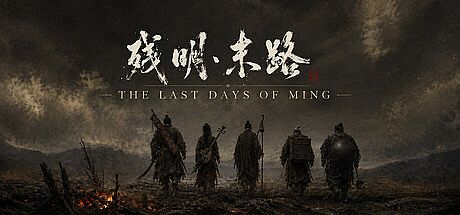


The Last Days Of Ming is a strategy indie RPG set during the turbulent final years of the Ming dynasty. Players guide a band of exiles fleeing the fall of the capital and the loss of the Liaodong frontier, navigating a harsh southward journey marked by scarcity, pursuit, and difficult choices. The game blends resource management, tactical combat, and character-driven narrative in a single-player experience focused on survival and moral decisions.
Gameplay
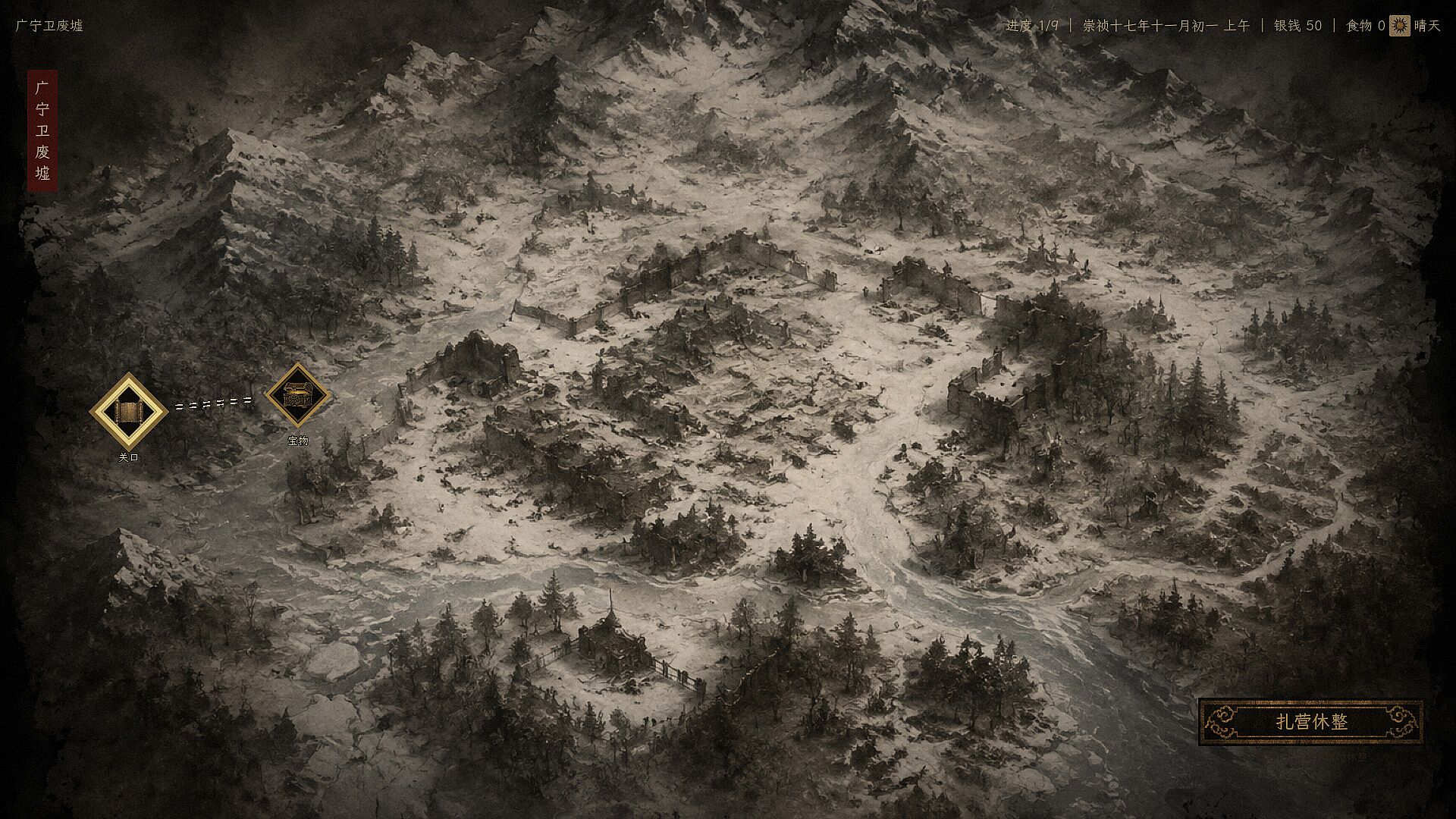
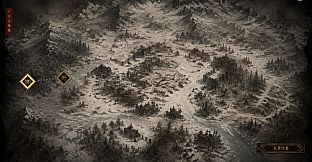
Core play revolves around managing a small company of twelve exiles, each with distinct backgrounds, temperaments, and relationships. These characters suffer physical wounds and lasting psychological effects during the trek. Anxiety, fear, and morale collapse influence performance in combat and camp life, requiring careful attention to rest, rations, and assignments. The road itself forms a central system: players chart routes across a map while contending with blizzards, outbreaks of plague, and hostile forces that can force detours or ambushes.
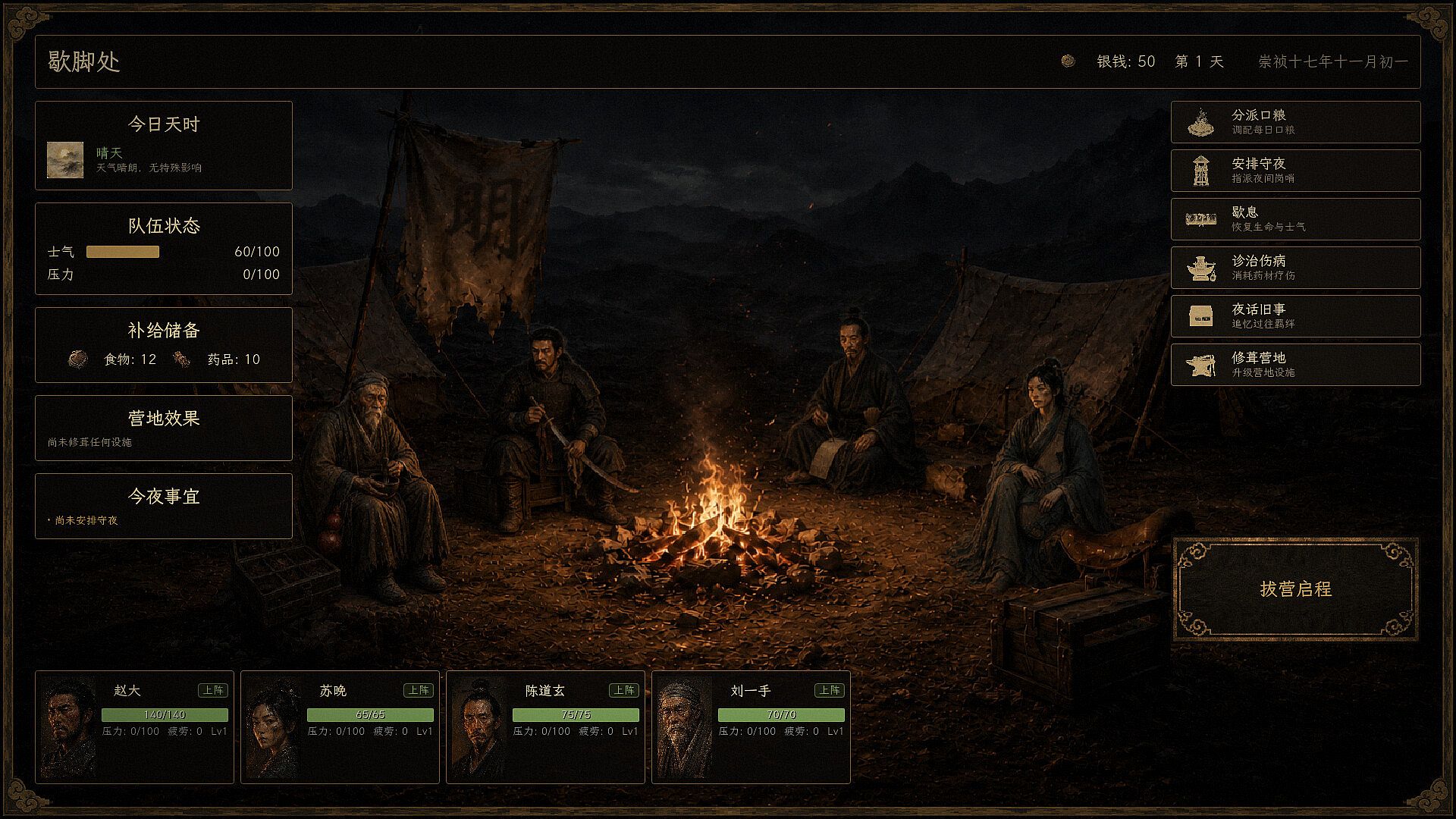
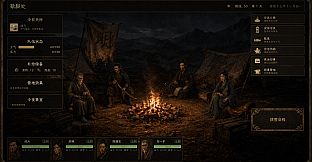
Camp management adds another layer. Setting up nightly shelters, allocating limited food supplies, and posting watches determine how well the group recovers before the next day's march. Over time, injuries accumulate and some exiles may die permanently, with their names recorded on a roll of the departed. This creates ongoing pressure to balance short-term survival against long-term group cohesion.
Game Modes
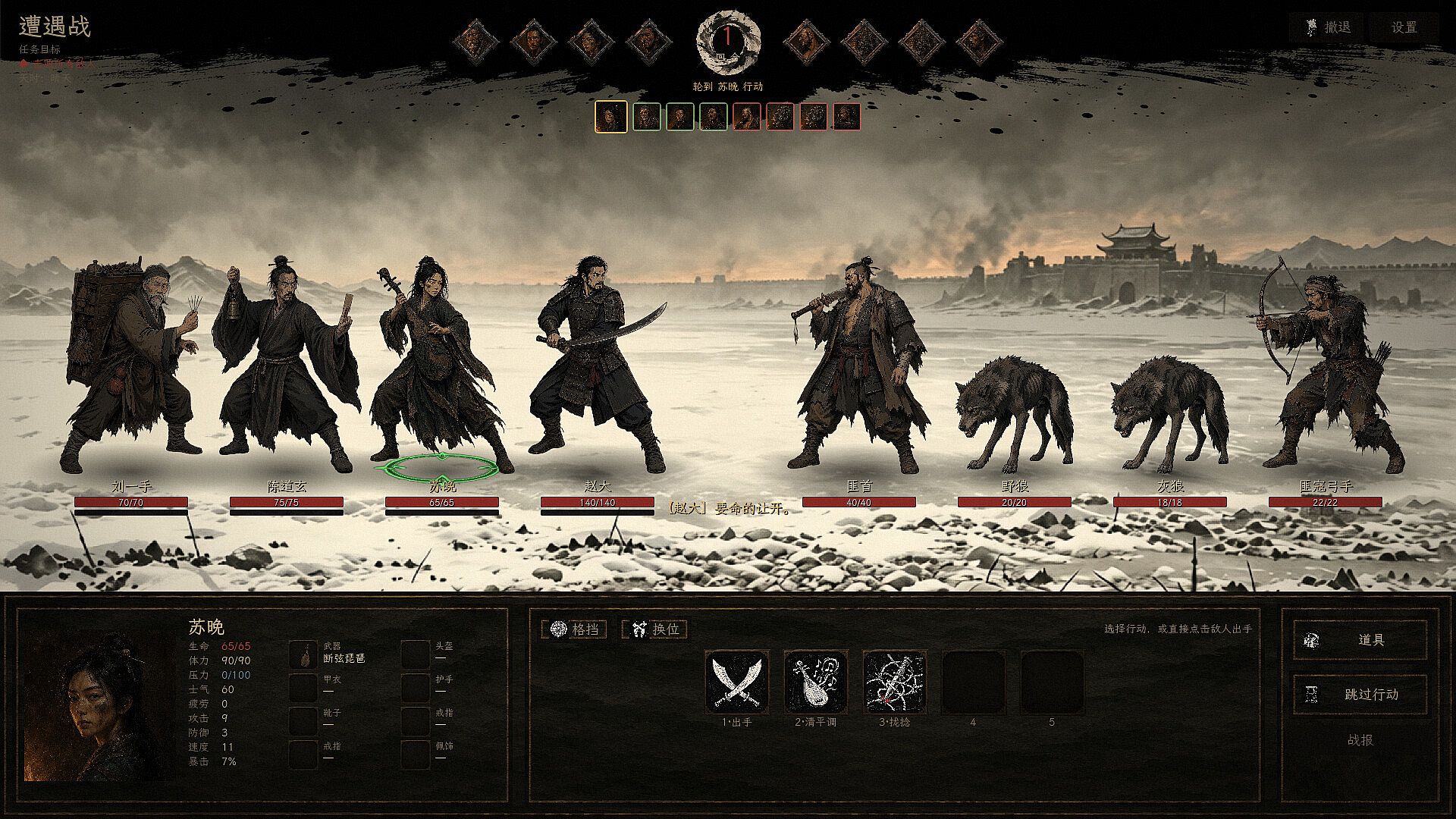
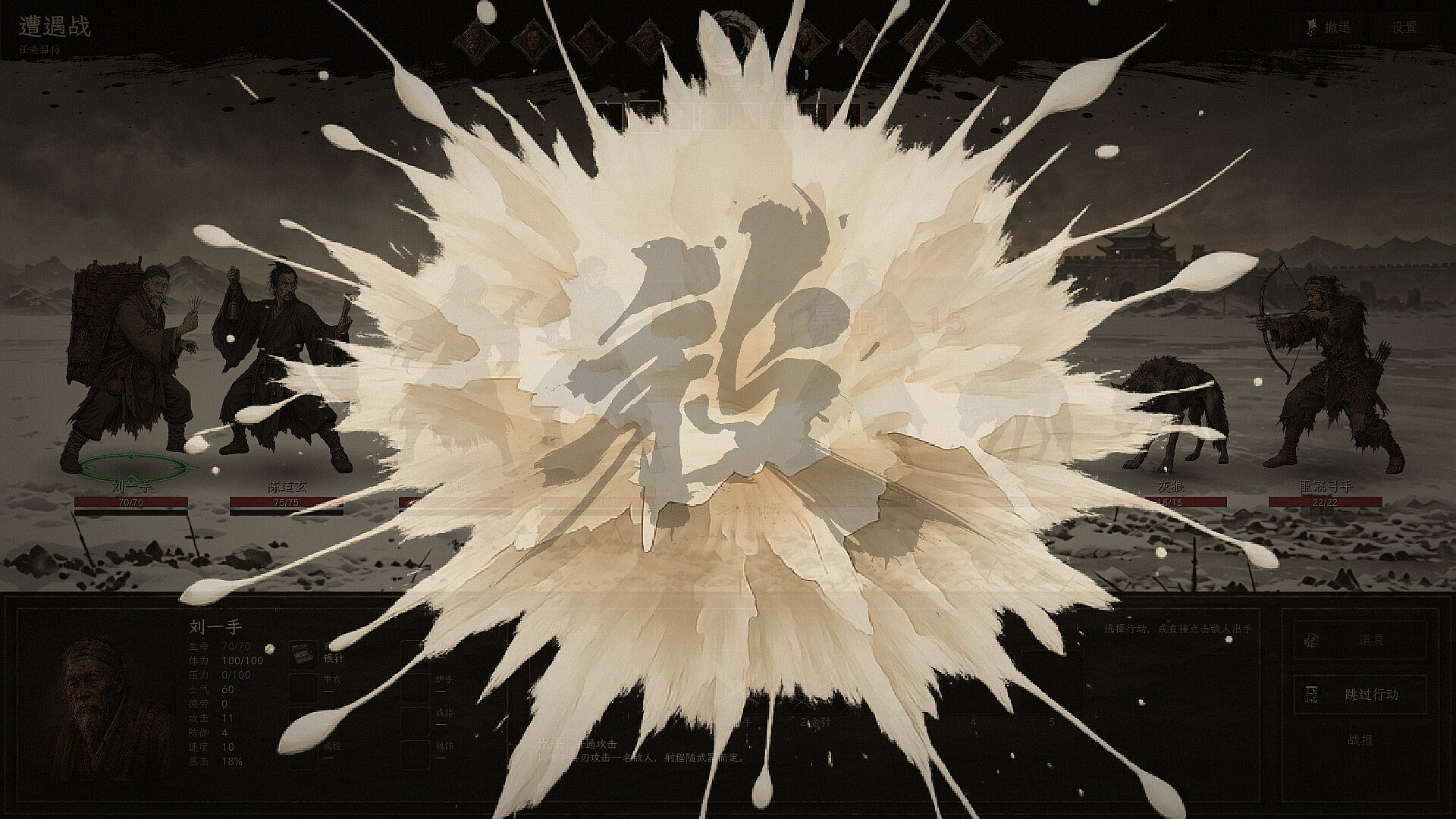
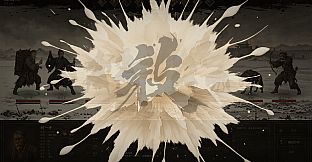
The primary experience centers on turn-based formation combat. Players arrange their ranks before each engagement, choosing positions that affect reach, protection, and timing. Blocking and repositioning at the right moment can turn the tide, but a single misstep often proves fatal. Combat emphasizes preparation and adaptation rather than raw power, as the exiles remain vulnerable throughout.
Exploration and camp phases operate alongside combat as integrated systems rather than separate modes. Route planning on the overworld map determines encounters and resource opportunities, while camp routines directly feed into the next battle's readiness. Multiple endings branch from these cumulative choices, leading toward either a stand in Yunnan or departure from Quanzhou and the homeland.
Art and Atmosphere
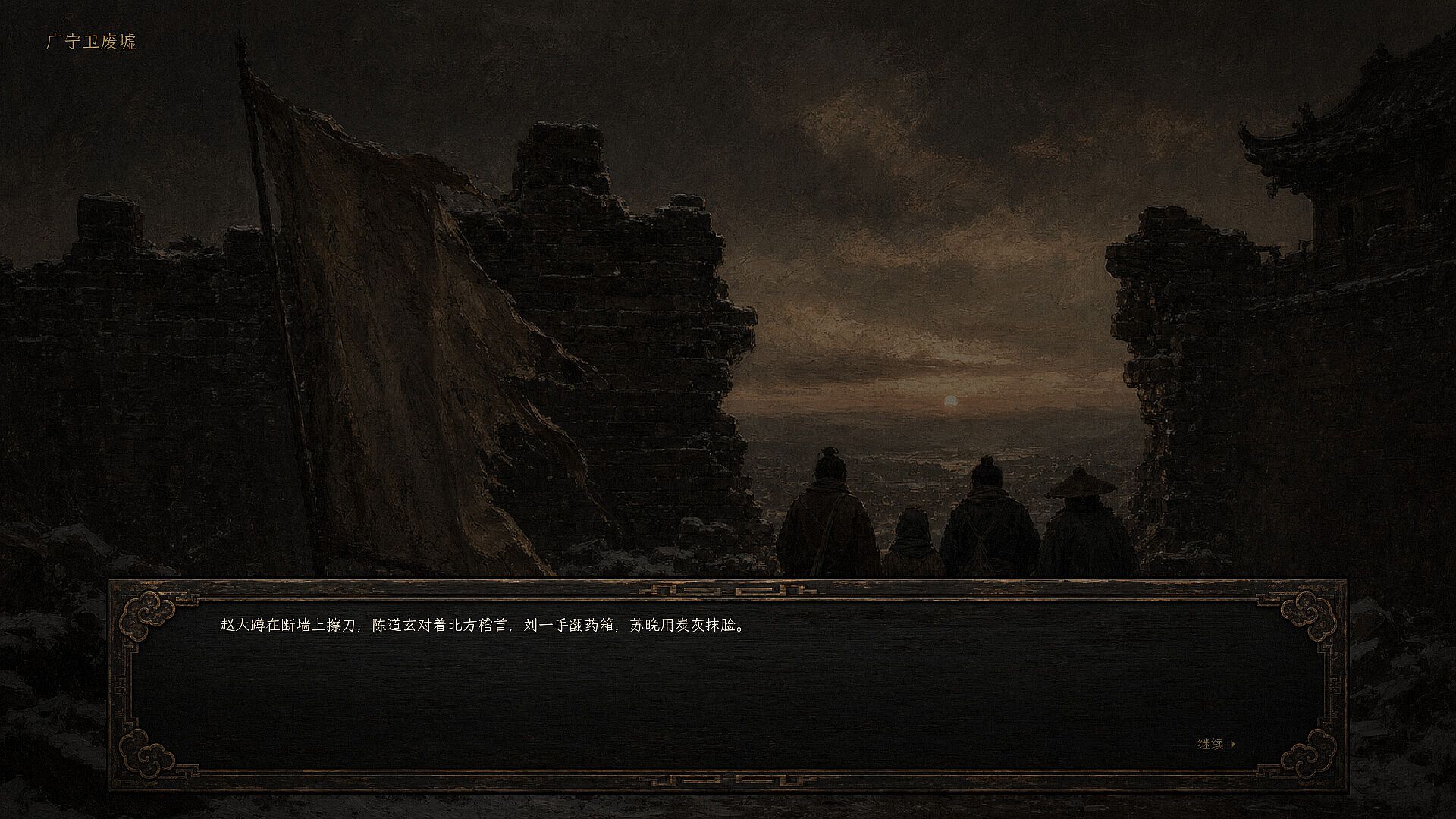
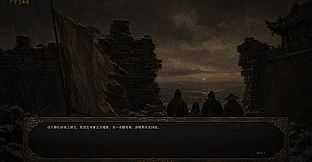
Visual presentation uses a hand-painted ink-wash woodcut style rendered in dark monochrome tones. The aesthetic reinforces the grim historical period, with skies and landscapes that convey unrelenting hardship. Character portraits and environmental details reflect the personal toll of exile, from scarred faces to makeshift shelters.
Sound and narrative delivery stay understated, letting the weight of decisions and losses emerge through text and subtle cues. The setting draws from documented events of the Chongzhen era without embellishment, placing the player among deserters, entertainers, priests, and healers who have no choice but to move south together.
Is It Worth Playing?
This title suits players who enjoy deliberate strategy RPGs with permadeath elements and resource scarcity. The combination of formation tactics, morale tracking, and route management creates a tense loop where every decision carries weight. Those drawn to historical themes or narrative-focused indies may find the twelve-exile system and branching conclusions particularly compelling, as repeated playthroughs reveal different survivor outcomes and paths.
Because the game emphasizes careful planning over fast action, it rewards patience and experimentation with camp assignments and combat positioning. Availability remains limited to PC, with no additional modes or expansions confirmed at this time. Prospective players should consider their tolerance for high-stakes character loss and slow-burn progression before committing.