













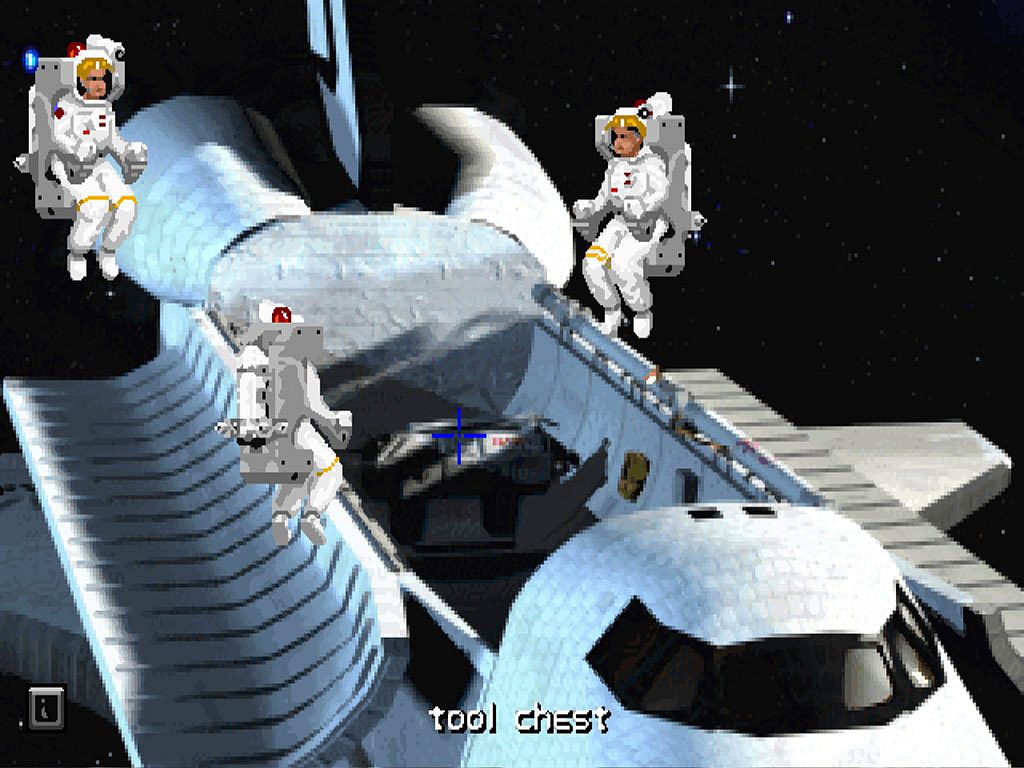
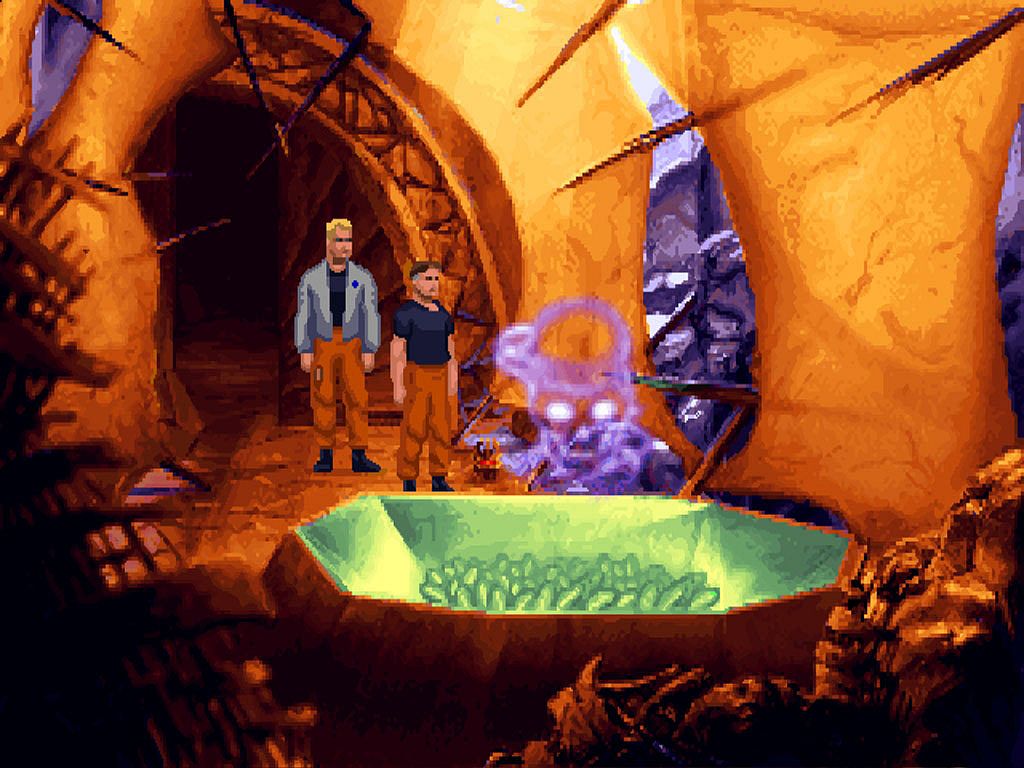
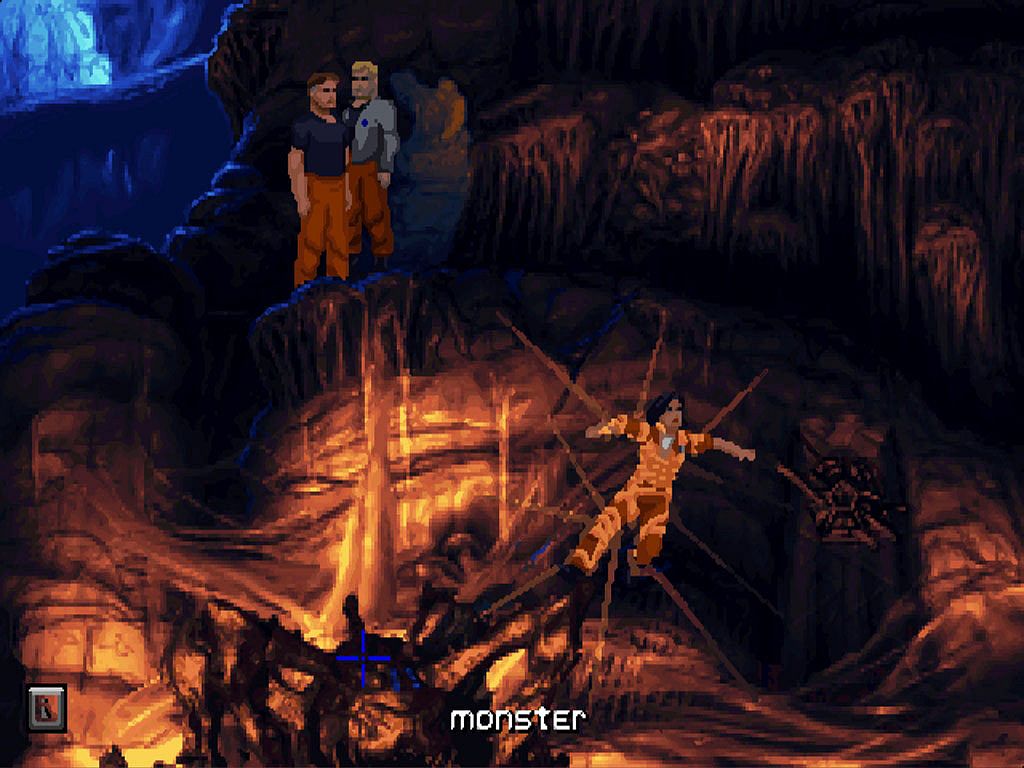
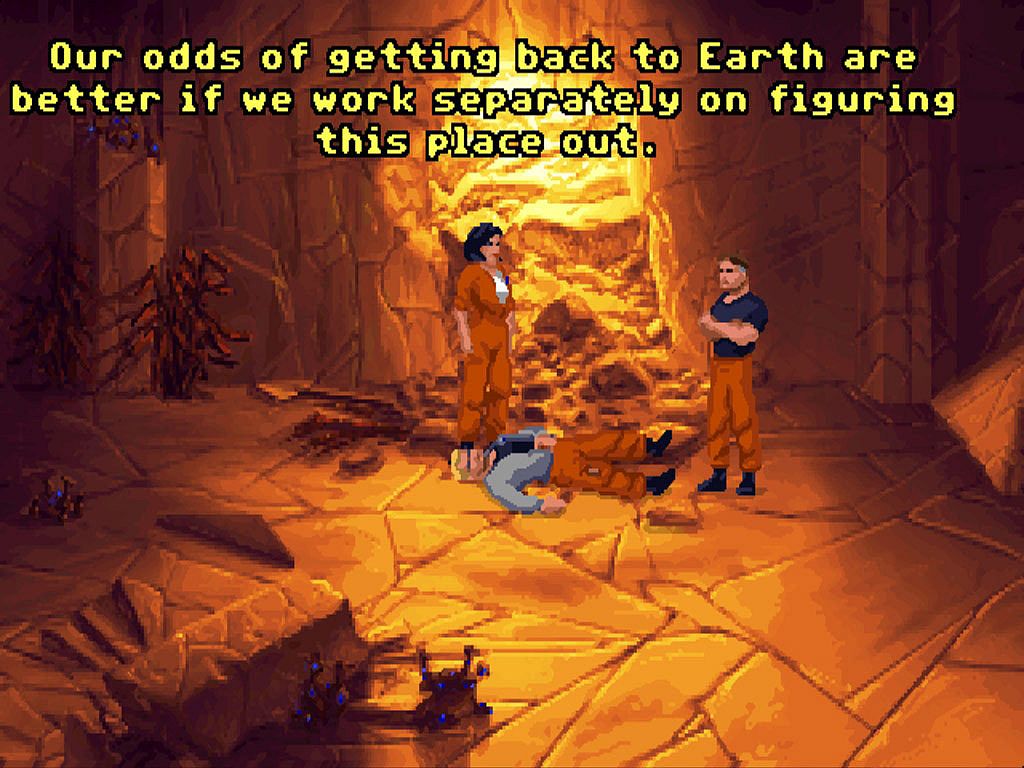
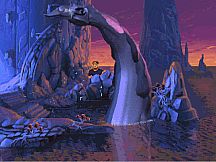
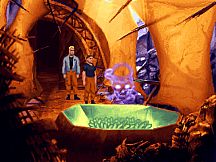
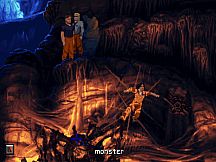
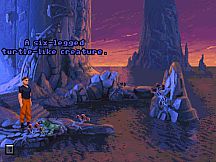
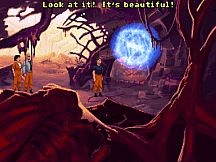
The Dig is a point-and-click adventure game developed by LucasArts and released in 1995 for PC. Players control NASA veteran Boston Low as he leads a small team on a mission to divert an asteroid threatening Earth, only to find themselves transported to a mysterious alien planet filled with ancient technology and unanswered questions.
Gameplay
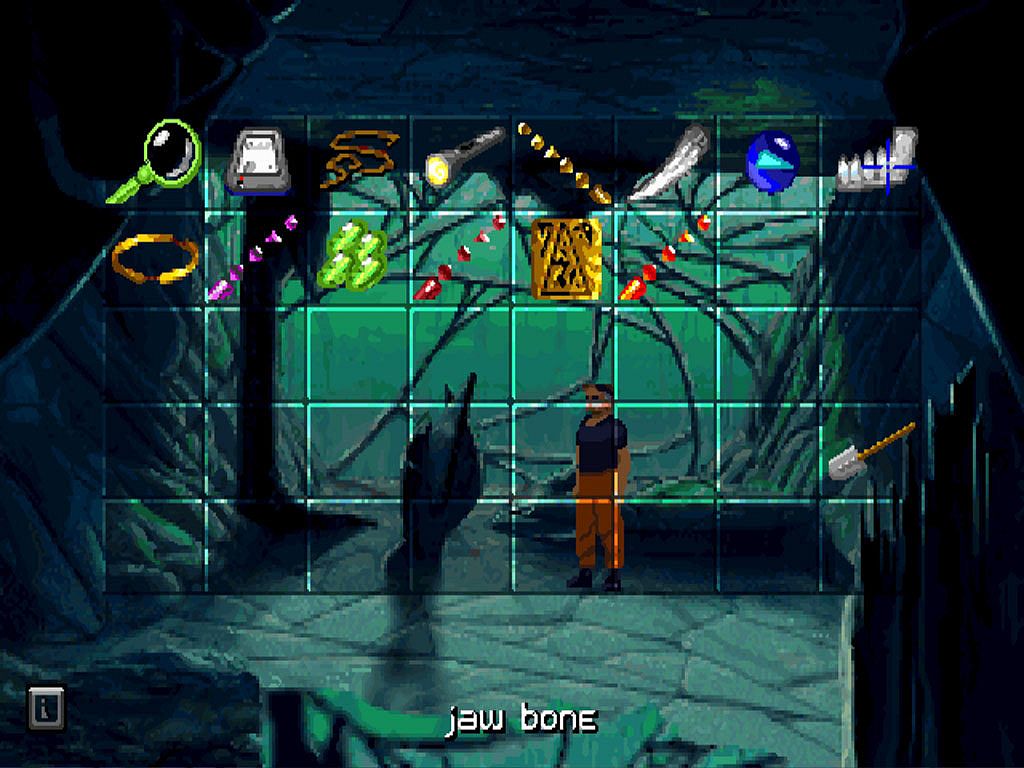
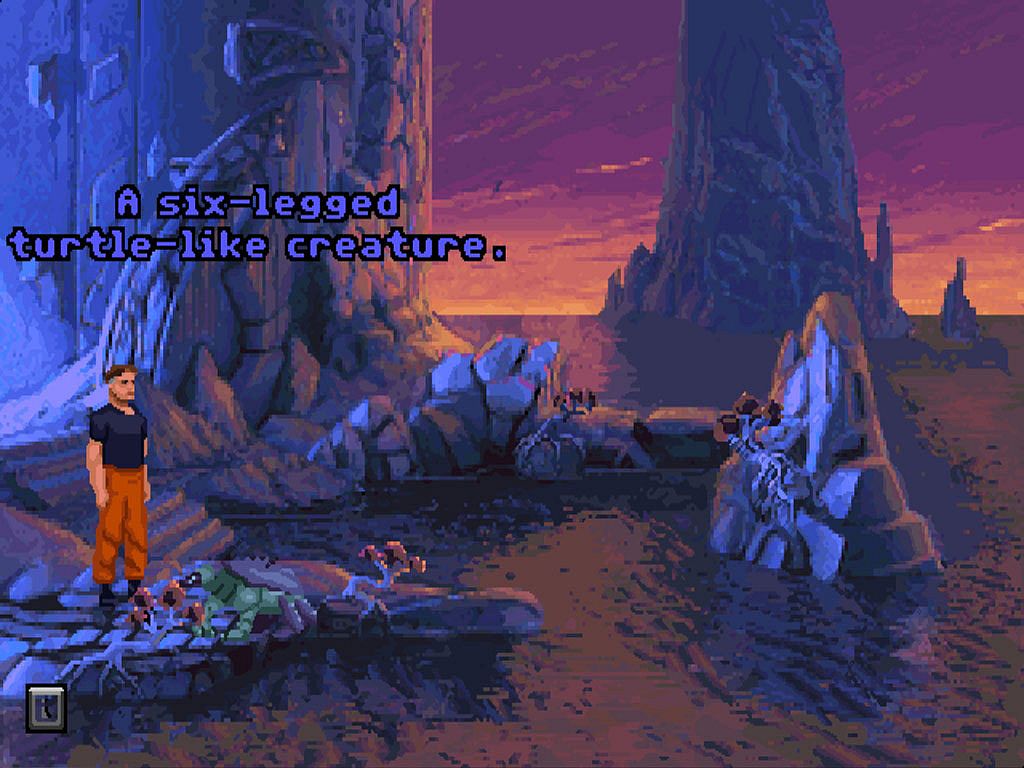
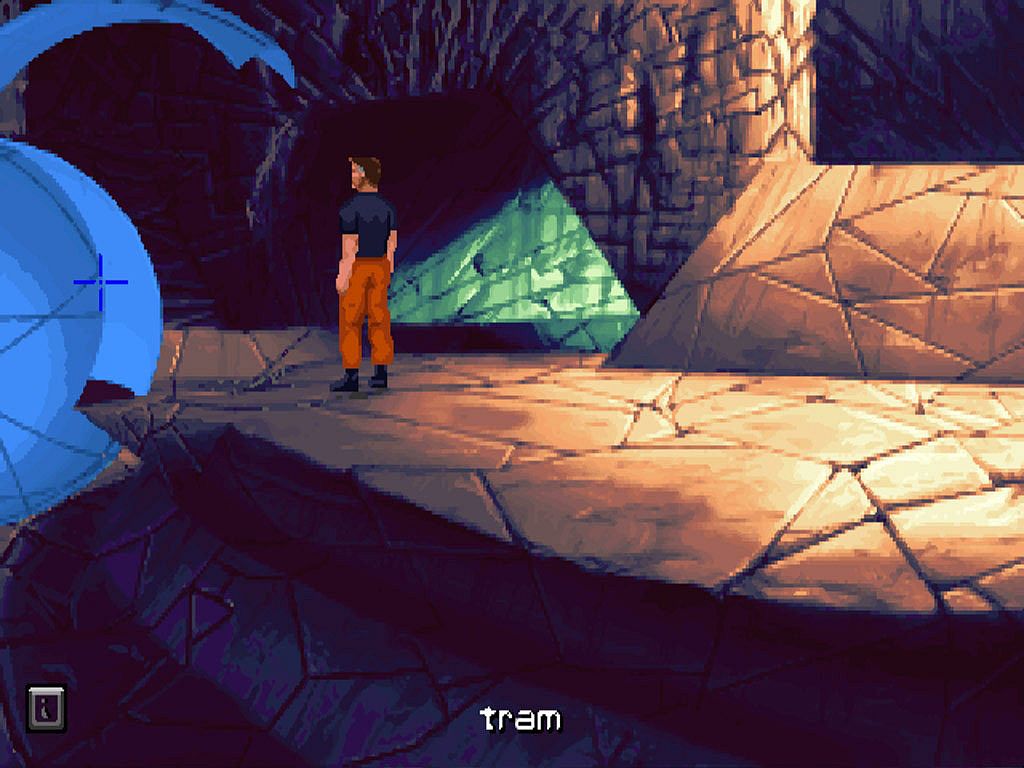
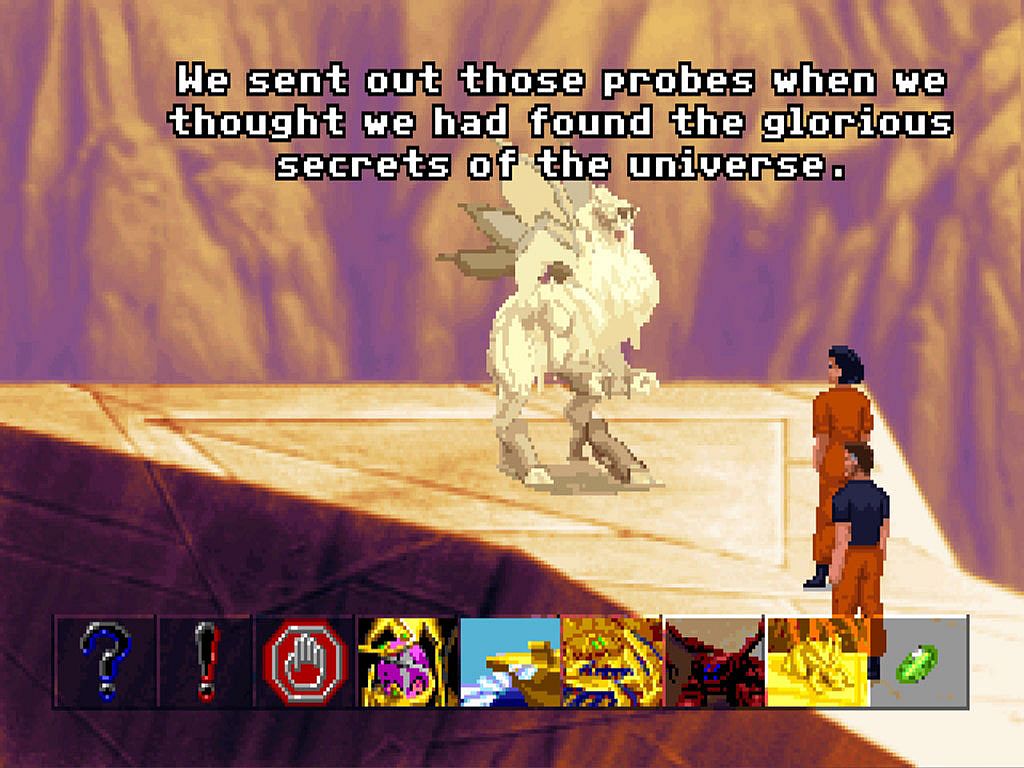
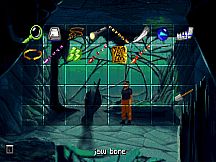
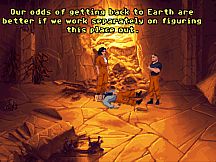
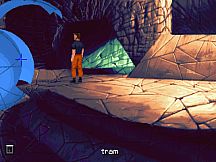
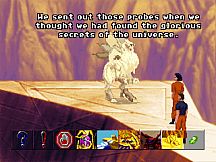
The core loop centers on exploration across nearly 200 locations and interaction with the environment through a streamlined point-and-click interface. Players examine objects, collect items into an inventory, combine them to solve puzzles, and converse with the two other crew members who accompany Low. The interface simplifies actions so that a single click on a hotspot typically performs the most logical interaction, such as picking up an item or initiating dialogue.
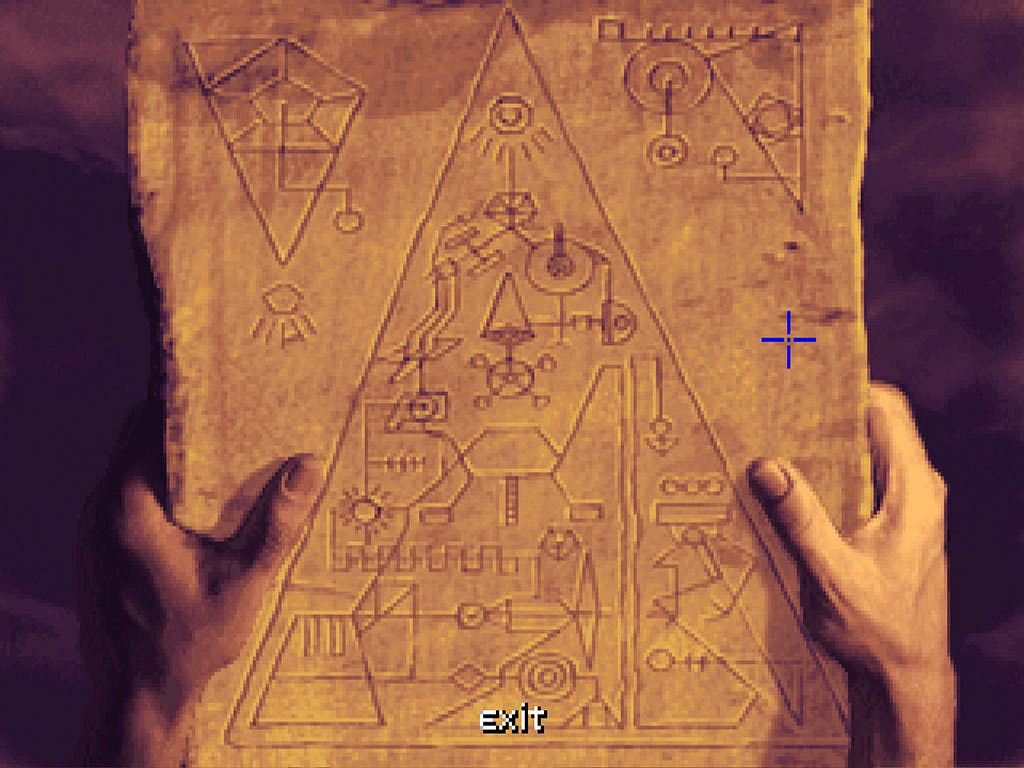
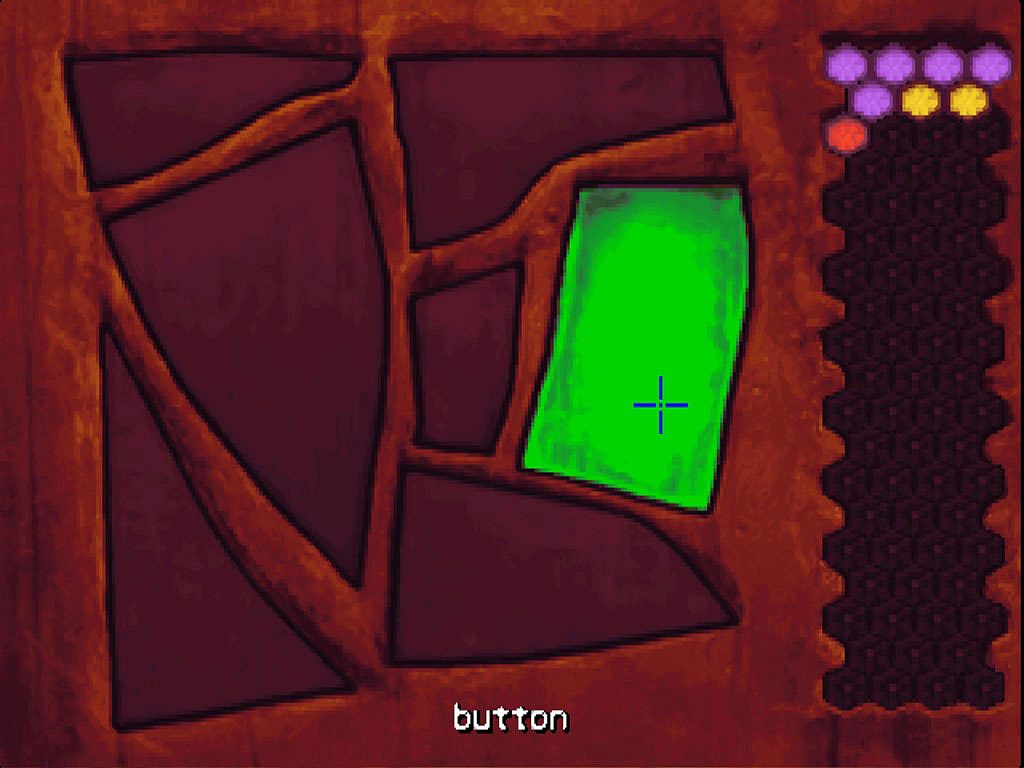
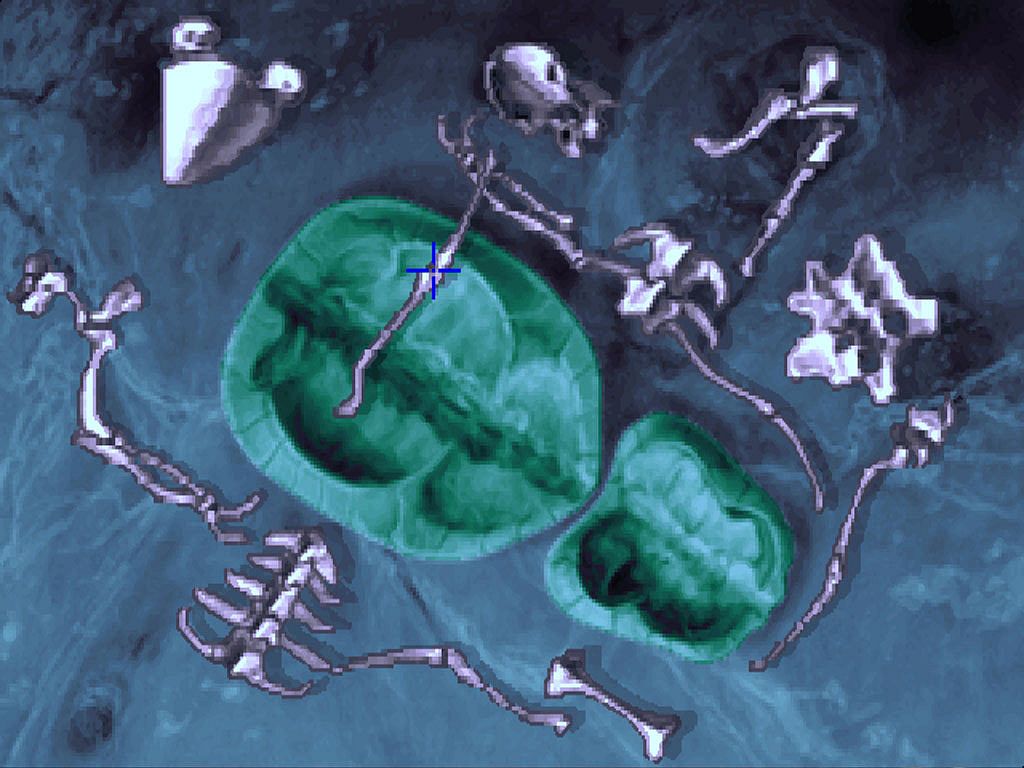
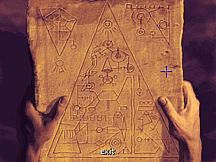
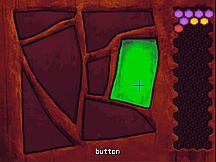
Puzzles form the backbone of progression and often require careful observation of the alien surroundings, logical use of collected artifacts, and occasional experimentation. Some sections emphasize trial and error within the context of an unfamiliar world, while others tie directly into the unfolding narrative of discovery. A small minigame called Asteroid Lander appears on the team communicator device and offers a brief diversion styled after classic lunar landing simulations.
Voice acting brings the characters to life, with Robert Patrick providing the lead performance as Boston Low. The somber tone avoids the humor common in other LucasArts titles of the era, instead focusing on isolation, mystery, and the psychological strain on the stranded crew.
Game Modes
The game operates exclusively in single-player mode. There are no multiplayer options, competitive elements, or alternate play styles beyond the standard story-driven campaign. Progression follows a linear path through the narrative, with puzzles serving as the primary gatekeepers between sections.
Story and Setting
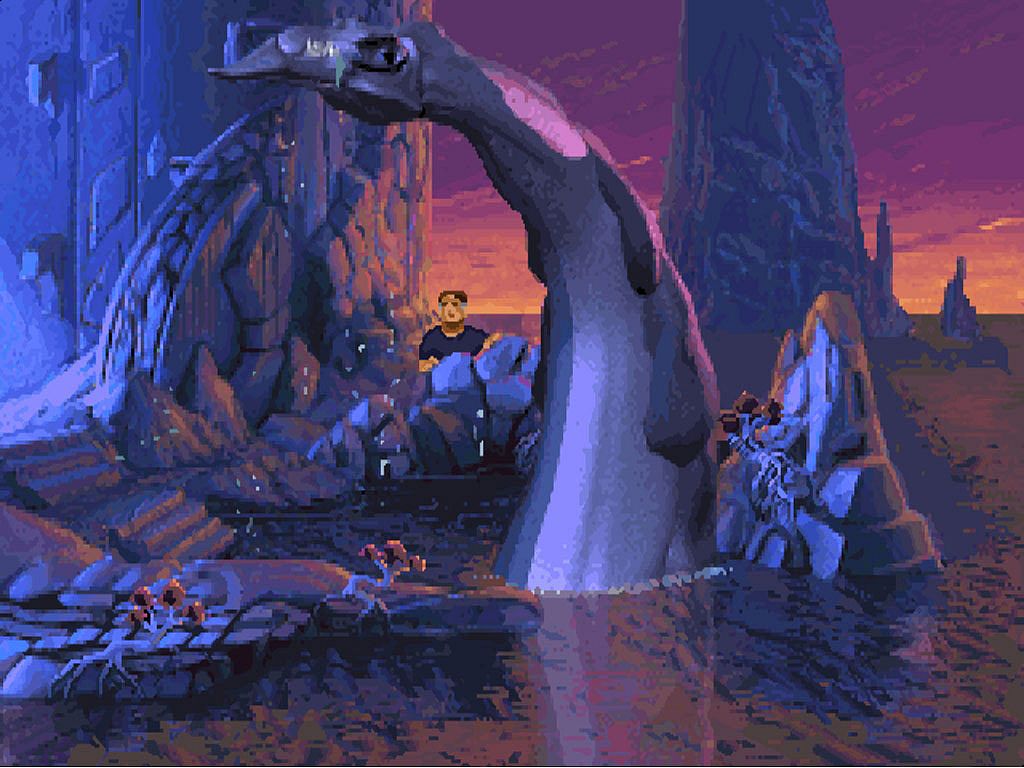
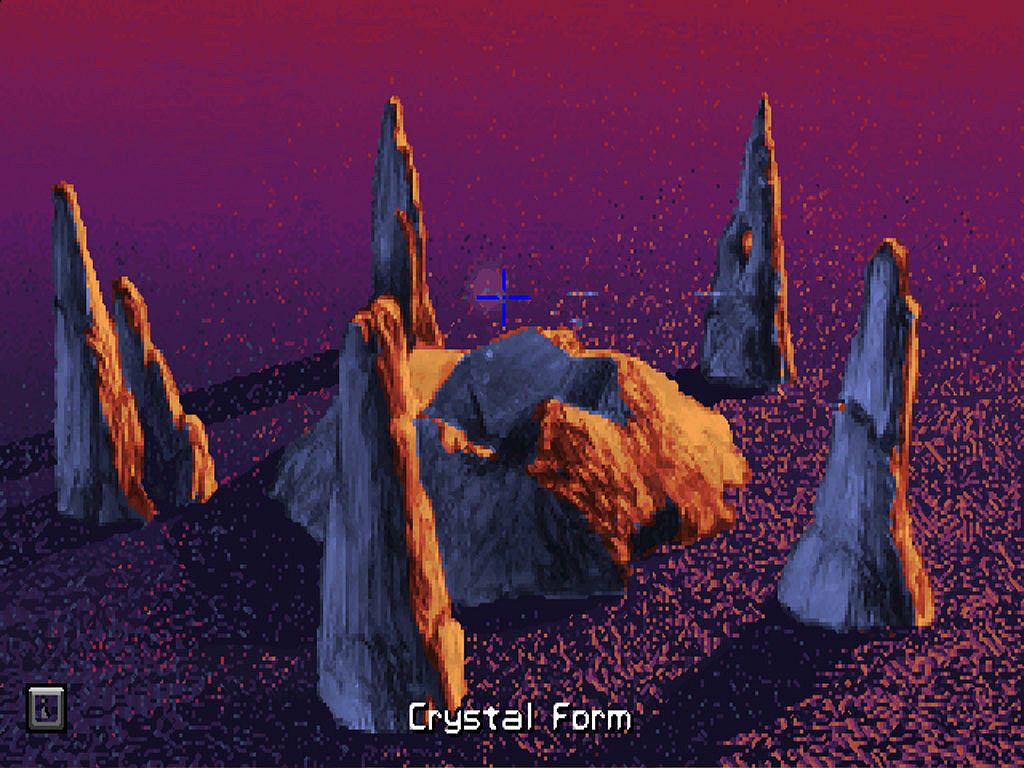
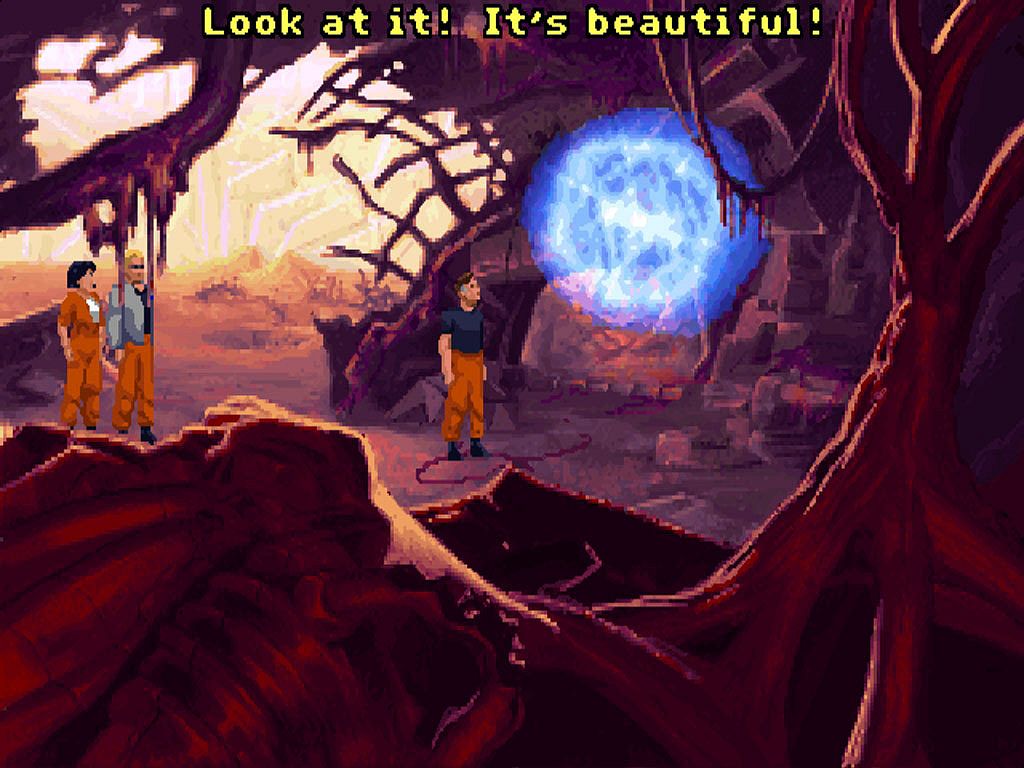
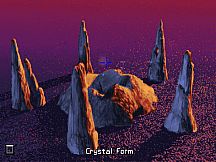
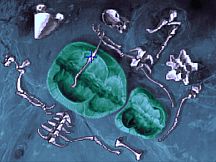
After successfully altering the asteroid's trajectory, the team investigates its surface and activates an ancient mechanism that transforms the rock into a spacecraft. They arrive on a barren world once home to an advanced civilization, now reduced to ruins and underground networks. The absence of any living inhabitants raises questions about what happened to the original residents, while strange apparitions and advanced devices add layers to the central mystery.
Dialogue written by science-fiction author Orson Scott Card deepens the character interactions and explores themes of uncertainty and survival. The musical score reinforces the epic yet desolate atmosphere throughout the journey.
Technical Features
Special effects contributions from Industrial Light and Magic enhance the visual presentation of alien architecture and technology. The game runs on the SCUMM engine, which supports the extensive inventory management and environmental interactions required for its hundreds of puzzles.
Is It Worth Playing?
Player reception on current digital platforms remains very positive, with many highlighting the strong narrative, atmospheric world, and memorable voice work as standout elements. The experience suits fans of classic point-and-click adventures who enjoy methodical puzzle solving and a serious science-fiction tone without comedic interruptions.
Those sensitive to occasional obscure puzzle logic or slower pacing may find certain sections demanding, yet the overall structure rewards persistence with a cohesive story that builds toward its conclusion. The title continues to be available for modern systems, preserving its original design for new players interested in 1990s adventure gaming.