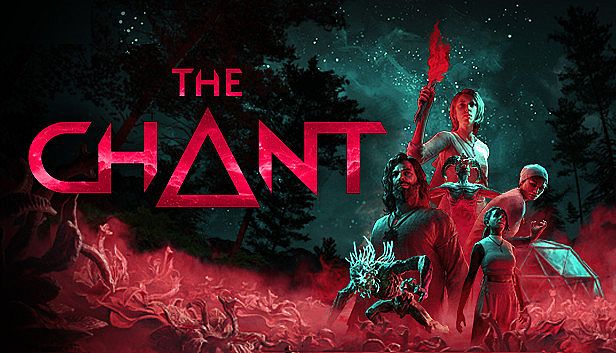














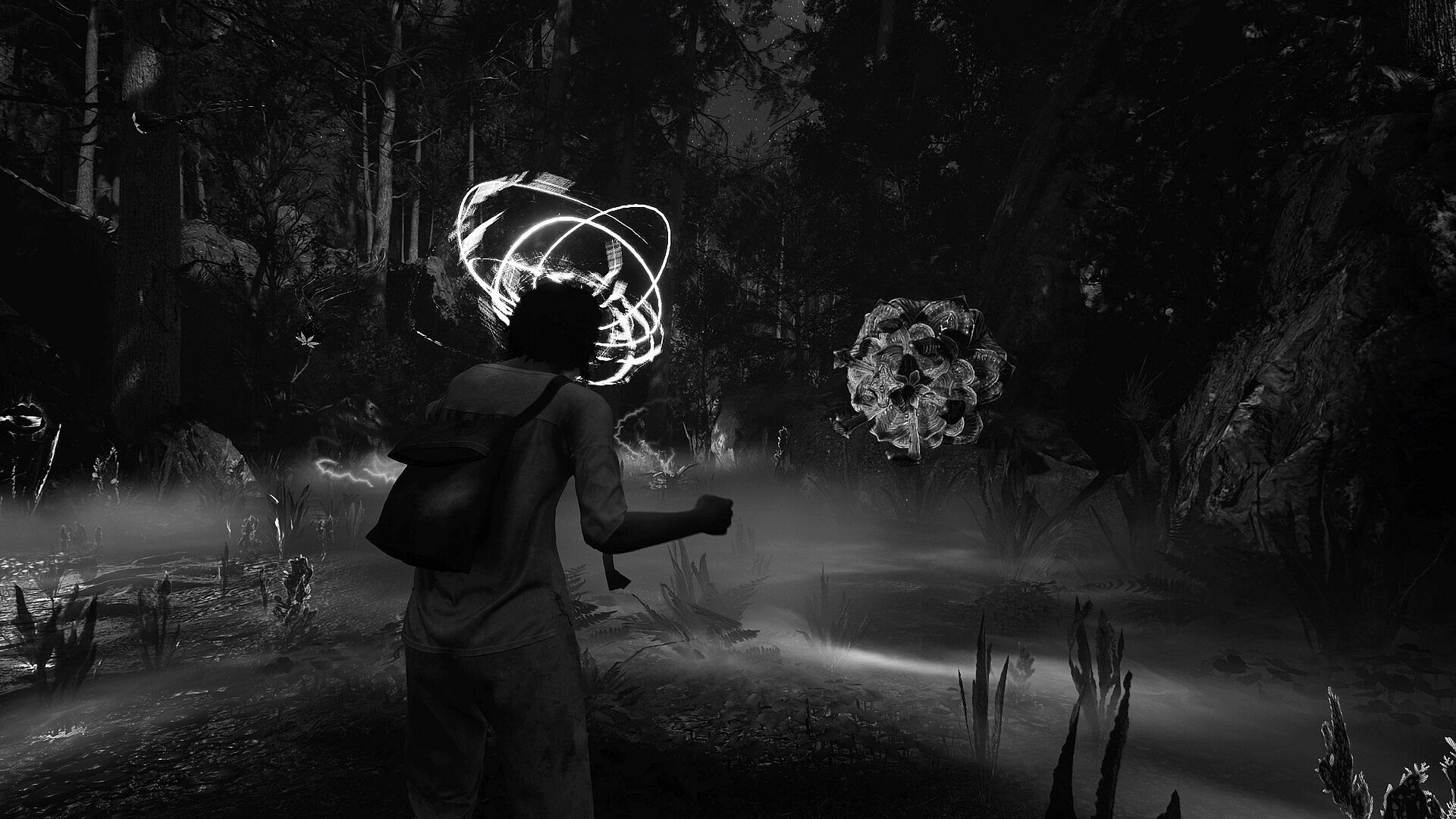
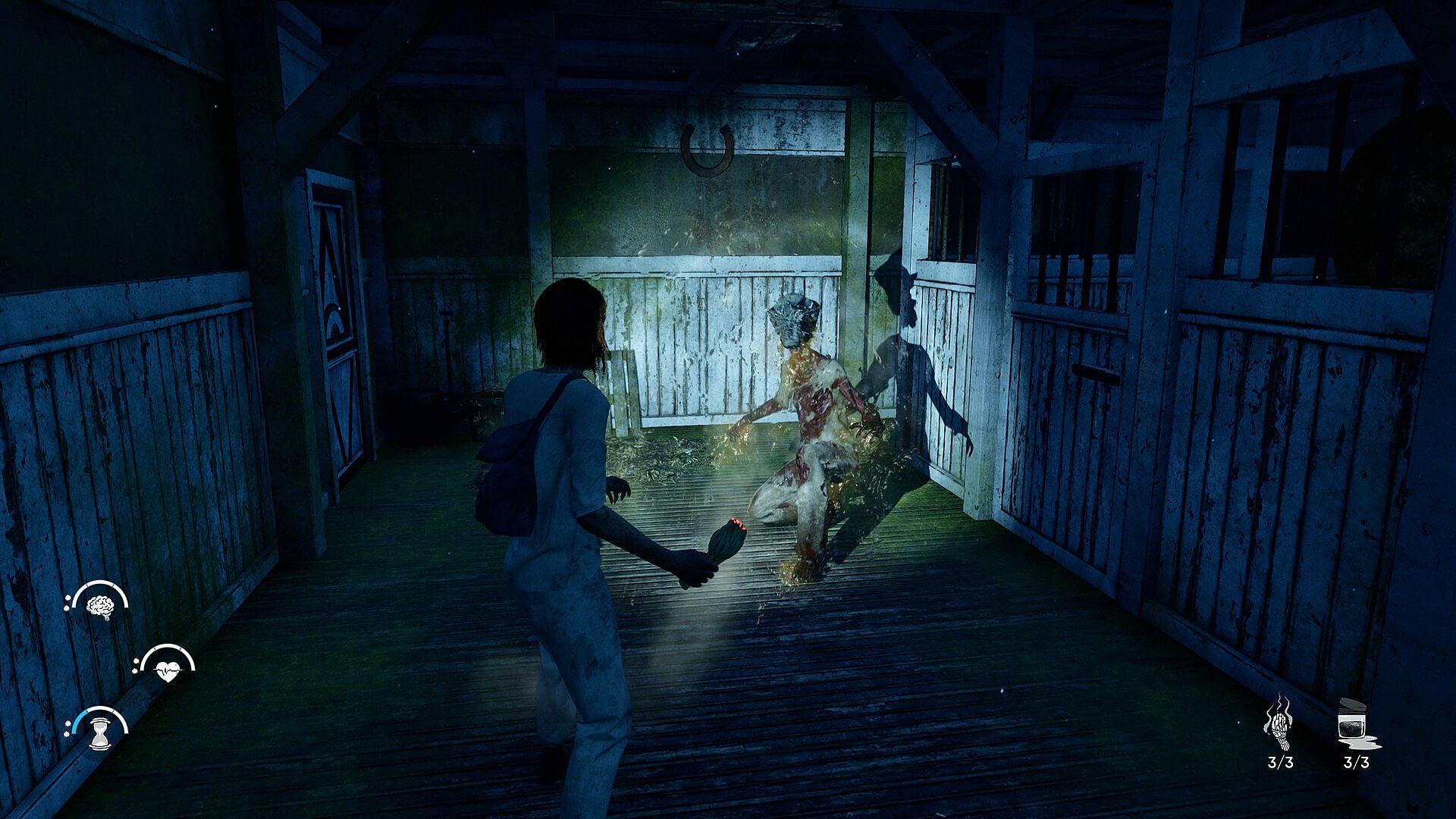
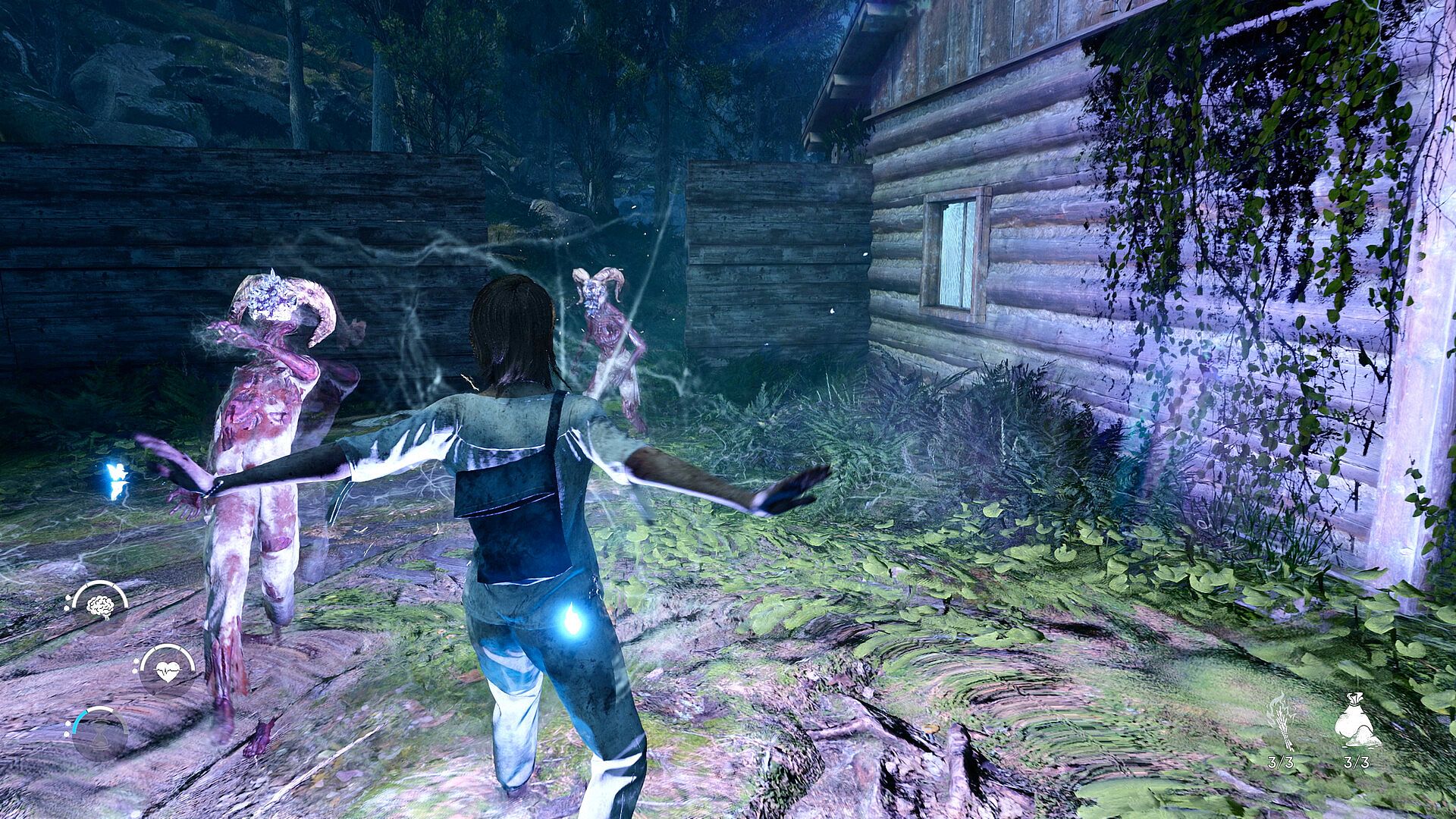
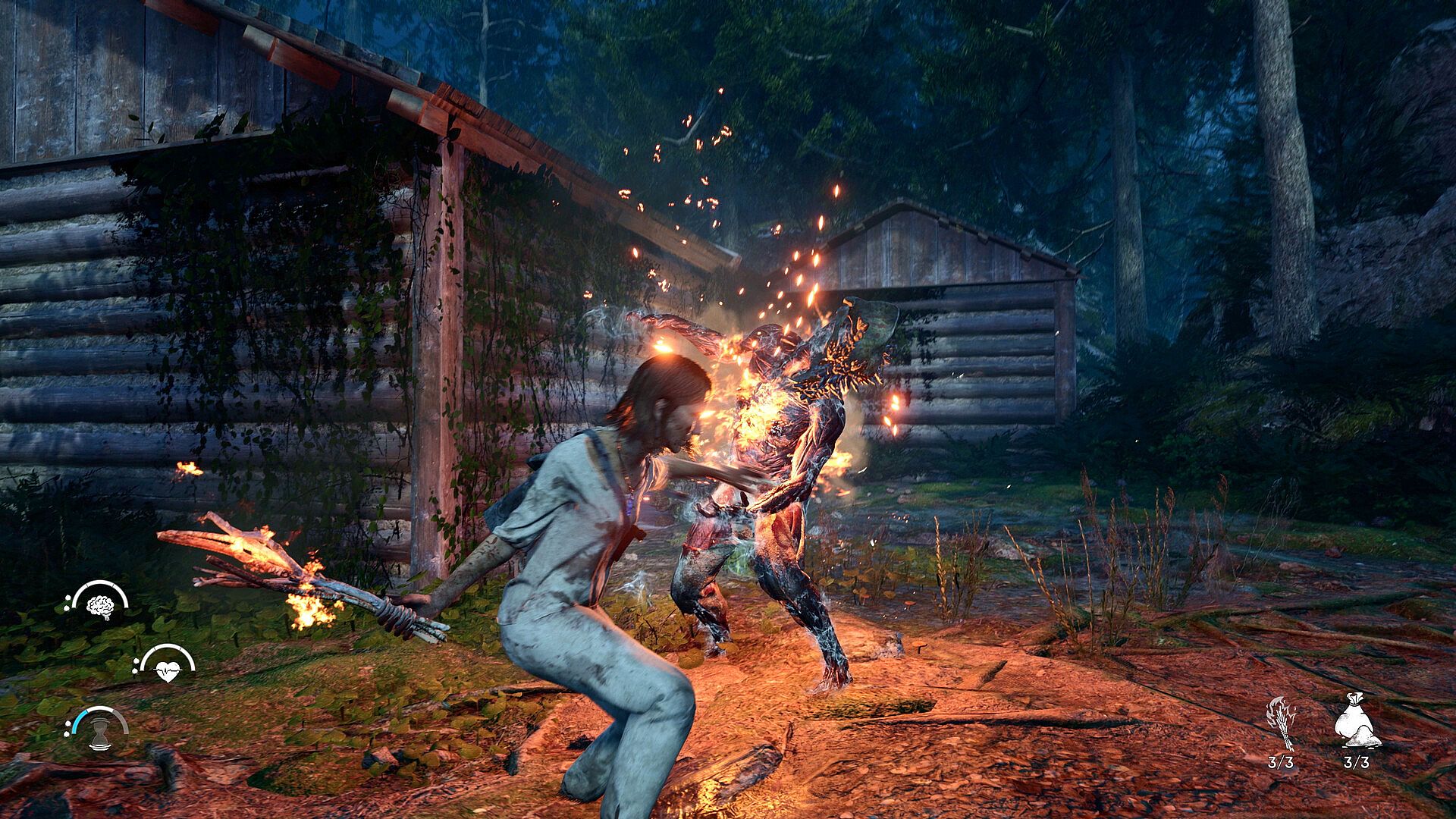
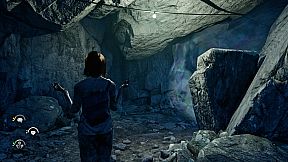
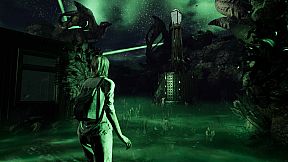
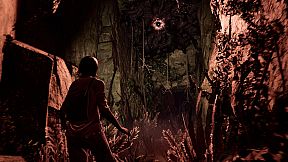
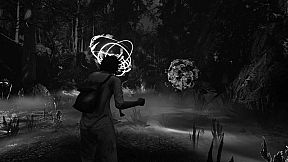
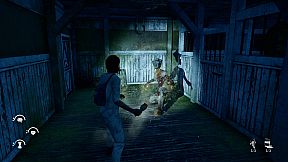
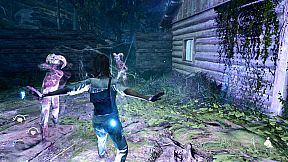
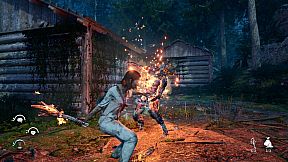
The Chant is a single-player third-person horror action-adventure game set on a remote island spiritual retreat. Players take on the role of Jess, one of several attendees whose peaceful weekend unravels when a group chant opens a psychedelic dimension known as The Gloom. This realm feeds on negative emotions and releases prismatic creatures along with remnants of a 1970s cult. The experience blends exploration, resource management, and combat choices while players interact with a cast of survivors who gradually succumb to their own fears.
Gameplay
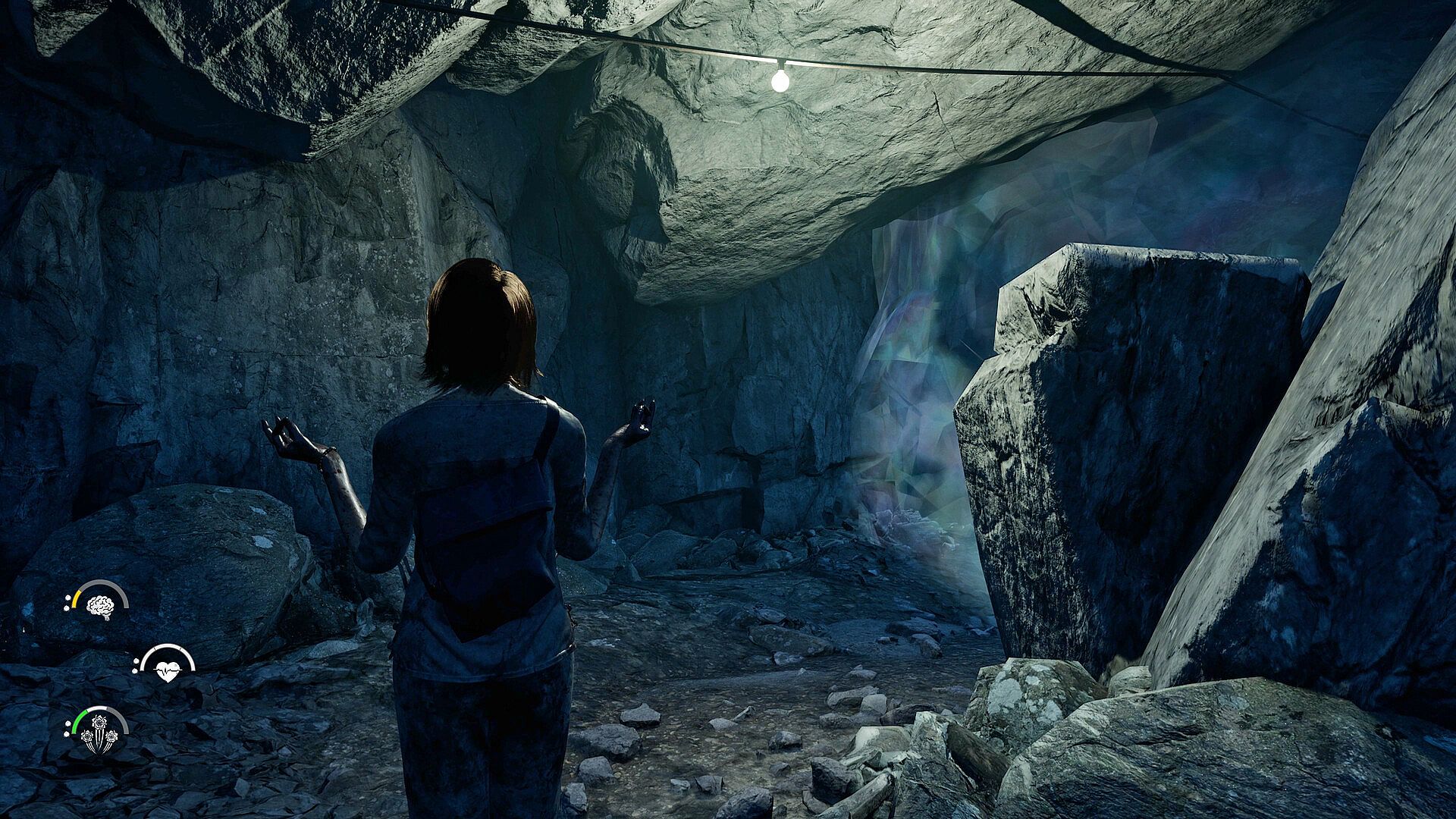
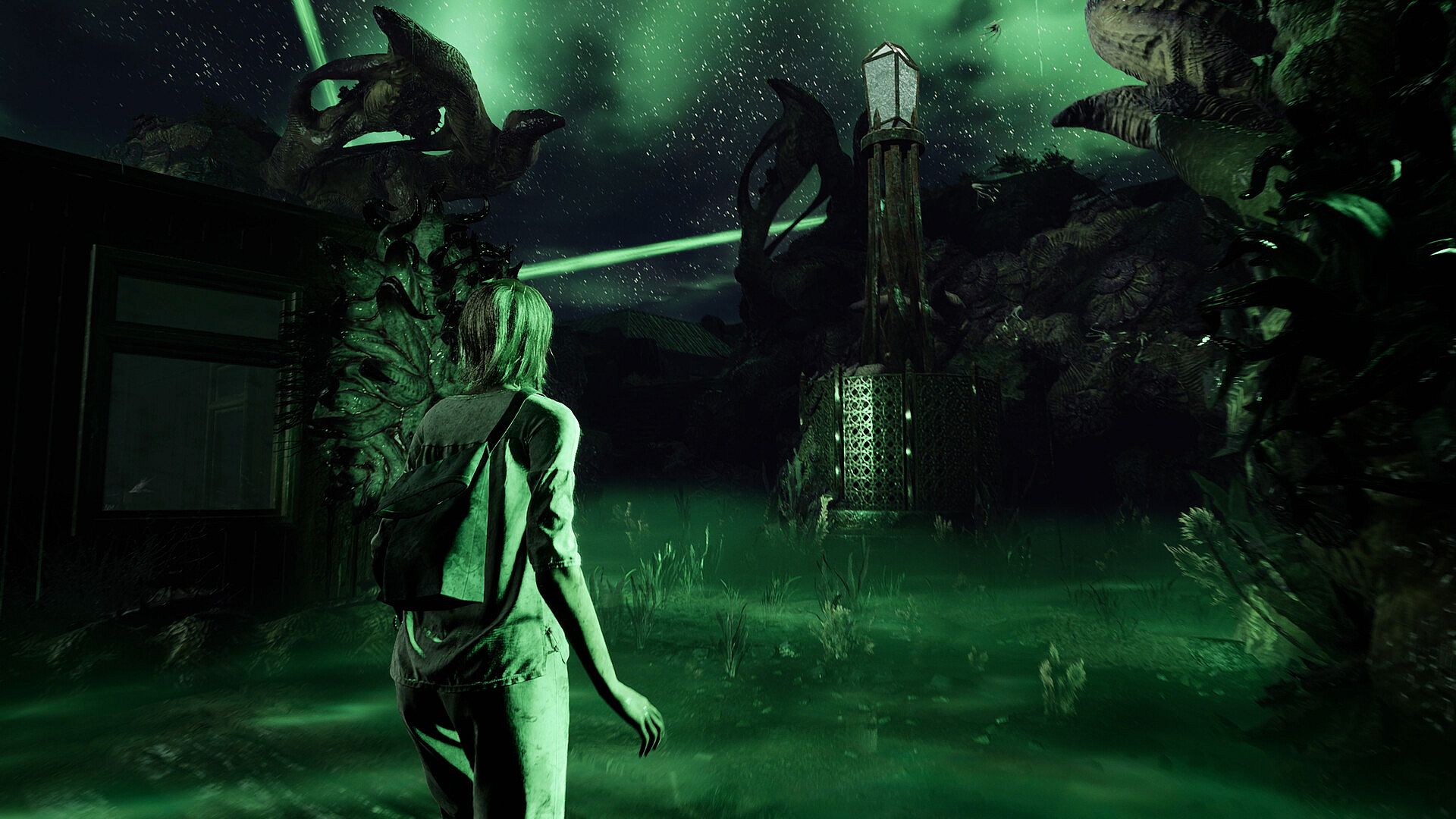
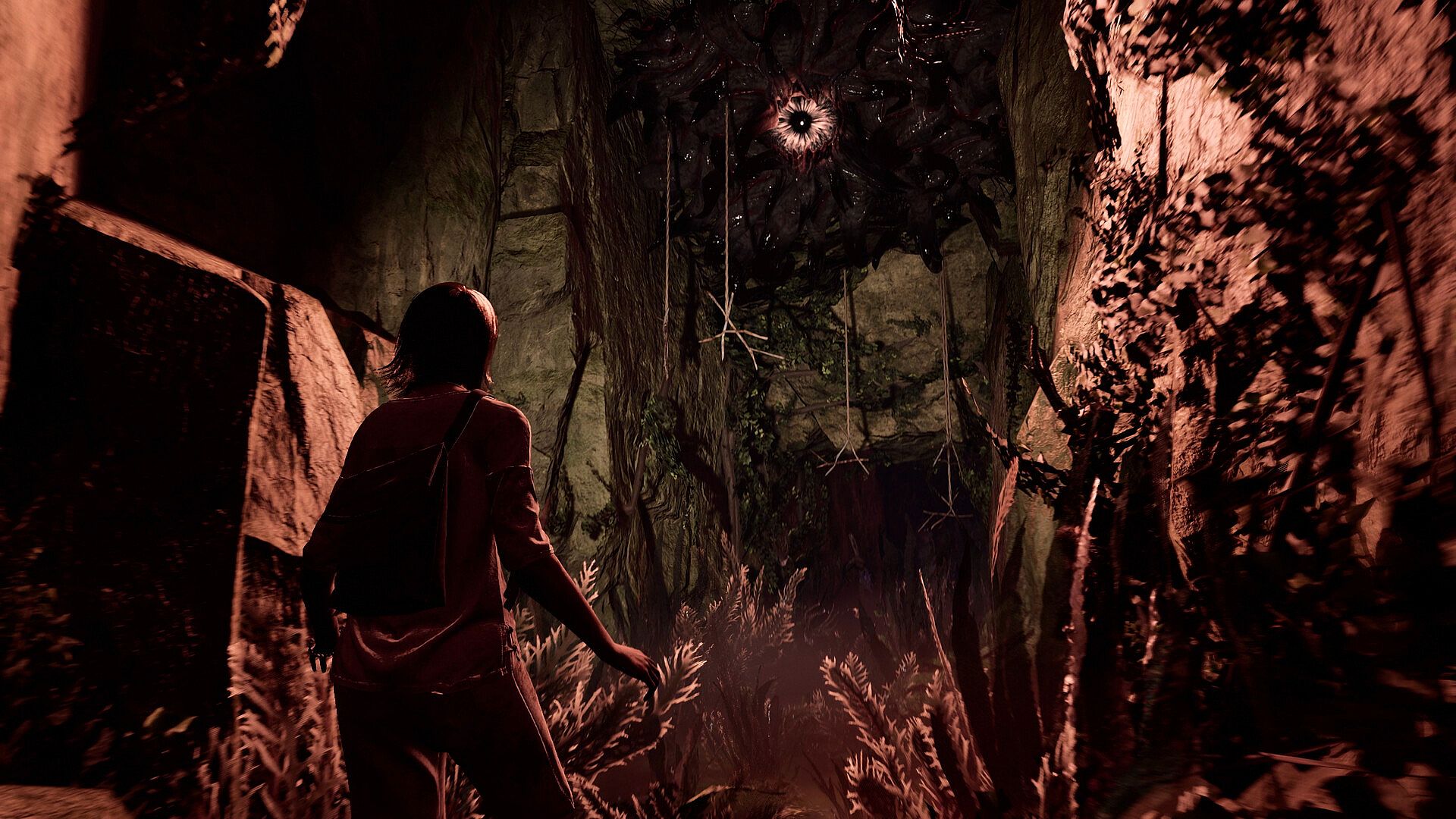
Core gameplay revolves around navigating the island's environments while managing three interconnected systems: mind, body, and spirit. Mental balance helps resist panic and hallucinations triggered by The Gloom's influence. Physical health requires avoiding or countering direct threats from creatures and cultists. Spiritual energy allows access to meditative abilities that provide temporary advantages in tense situations. Players collect materials to craft spiritual weapons and items, then decide whether to engage enemies in close combat or attempt to evade them. Resource scarcity encourages careful planning rather than constant aggression. The narrative unfolds through conversations with recurring characters, environmental storytelling, and documents that reveal the island's history tied to the cult's legacy. Combat emphasizes deliberate pacing, with limited ammunition and stamina forcing players to weigh risks. The visual style draws from 1970s psychedelic aesthetics through colored lighting and shifting perspectives, paired with an electronic rock soundtrack that heightens moments of dread.
Game Modes
The Chant offers a single-player campaign focused entirely on the story of the retreat and the unfolding events surrounding The Gloom. There are no separate multiplayer modes, co-op options, or additional game types such as survival challenges or versus encounters. Progression follows a linear yet explorable structure where players uncover revelations about the cosmos and the island's past while balancing the three core attributes. The experience remains consistent across playthroughs, with choices centered on combat approach and character interactions rather than branching paths or alternate endings that alter the fundamental mode.
Story and Setting
The narrative centers on a group of retreat participants whose weekend transforms into a fight for survival against otherworldly forces. Players untangle connections between the current events and a cult active in the 1970s, encountering terrifying insights into dimensions beyond normal perception. Interactions with characters like Kim, Maya, Sonny, Hannah, and Tyler reveal personal struggles that feed The Gloom, adding layers to the cosmic horror theme. The island itself serves as both a physical location and a psychological space, with environments that shift under the influence of negative energy. Voice performances bring distinct personalities to each survivor, grounding the supernatural elements in relatable human reactions.
Is It Worth Playing?
Reception for The Chant has been mixed to positive among players who enjoy deliberate survival horror. On Steam the game holds a Mostly Positive rating based on hundreds of reviews, while Metacritic reports a critic score of 71 and a user score of 7.2. Reviewers note strengths in atmosphere, the unique mind-body-spirit mechanic, and the psychedelic presentation, though some mention technical issues and uneven pacing as drawbacks. The title suits those seeking a contained single-player horror experience with resource-driven combat and narrative focus rather than fast-paced action or multiplayer elements. No major updates or additional content have appeared since launch, so the game stands as a complete package for interested players. Those drawn to 1970s-inspired cosmic horror and character-driven tension will find the most value, while fans of high-intensity shooters or open-ended survival sandboxes may find the scope more limited. Availability on PC makes it accessible for those matching the described preferences.