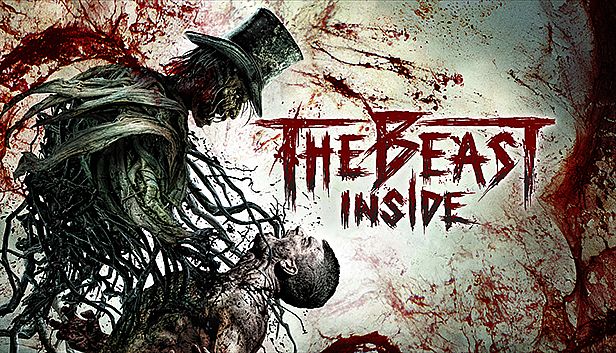















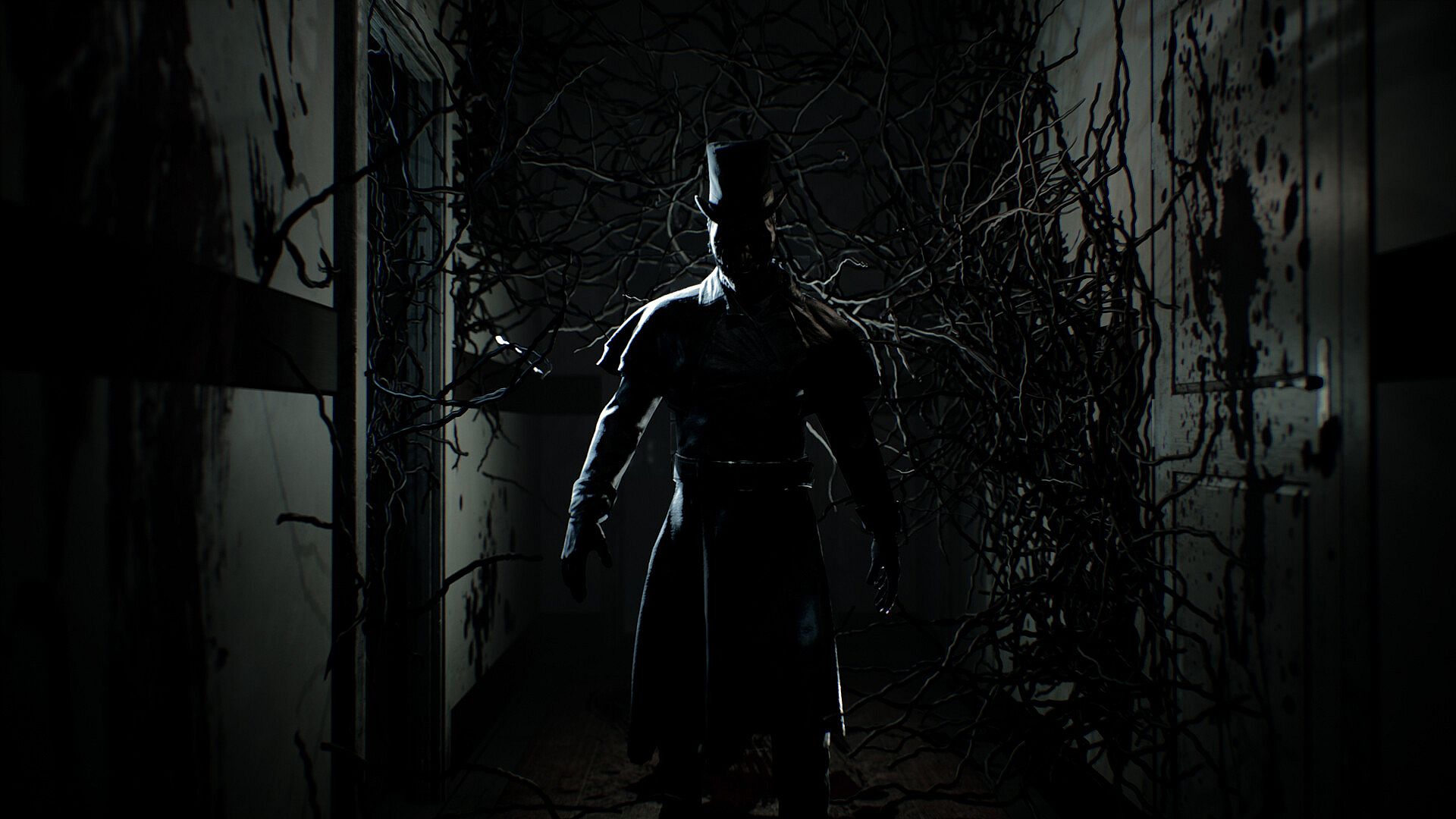
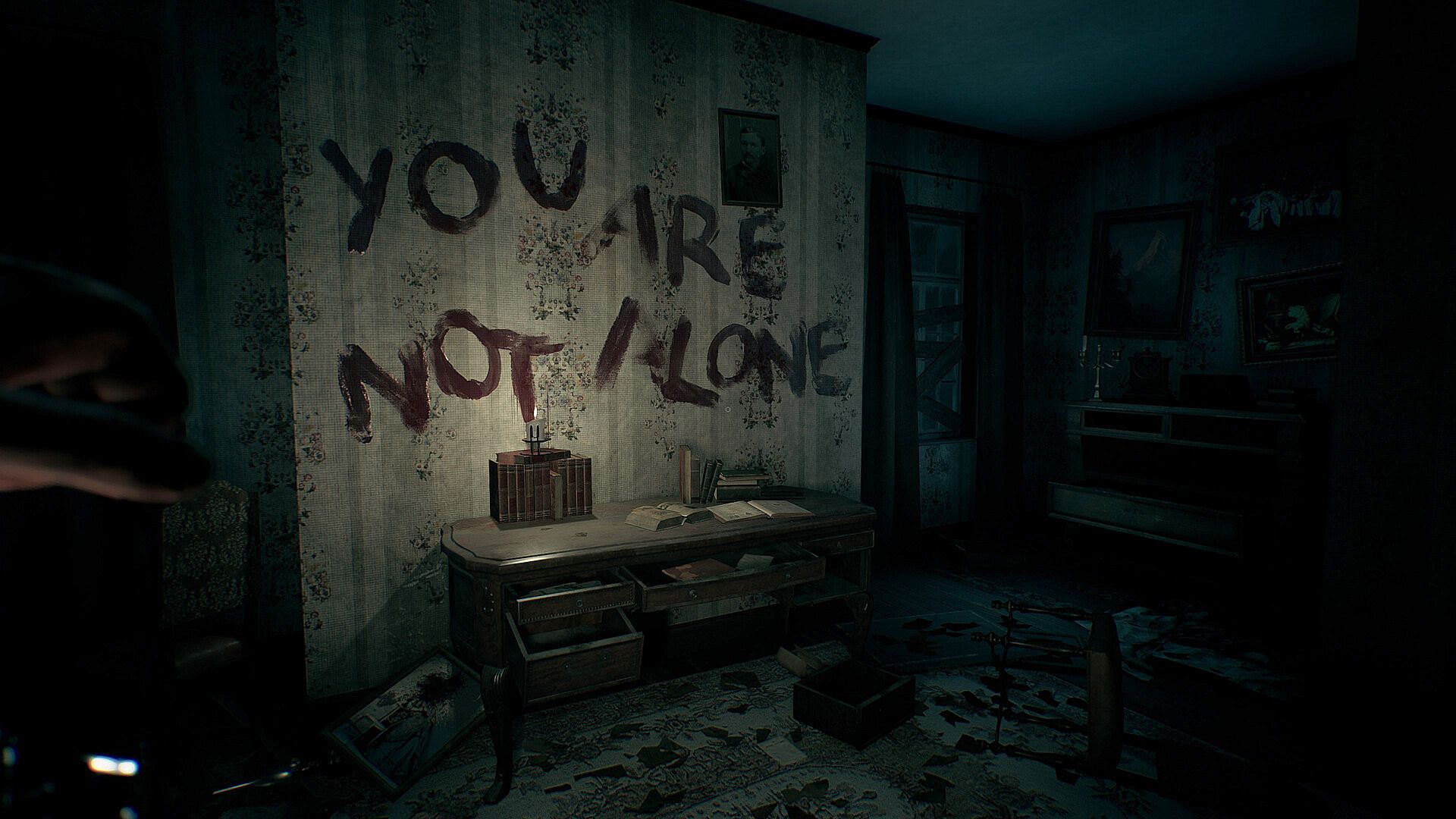
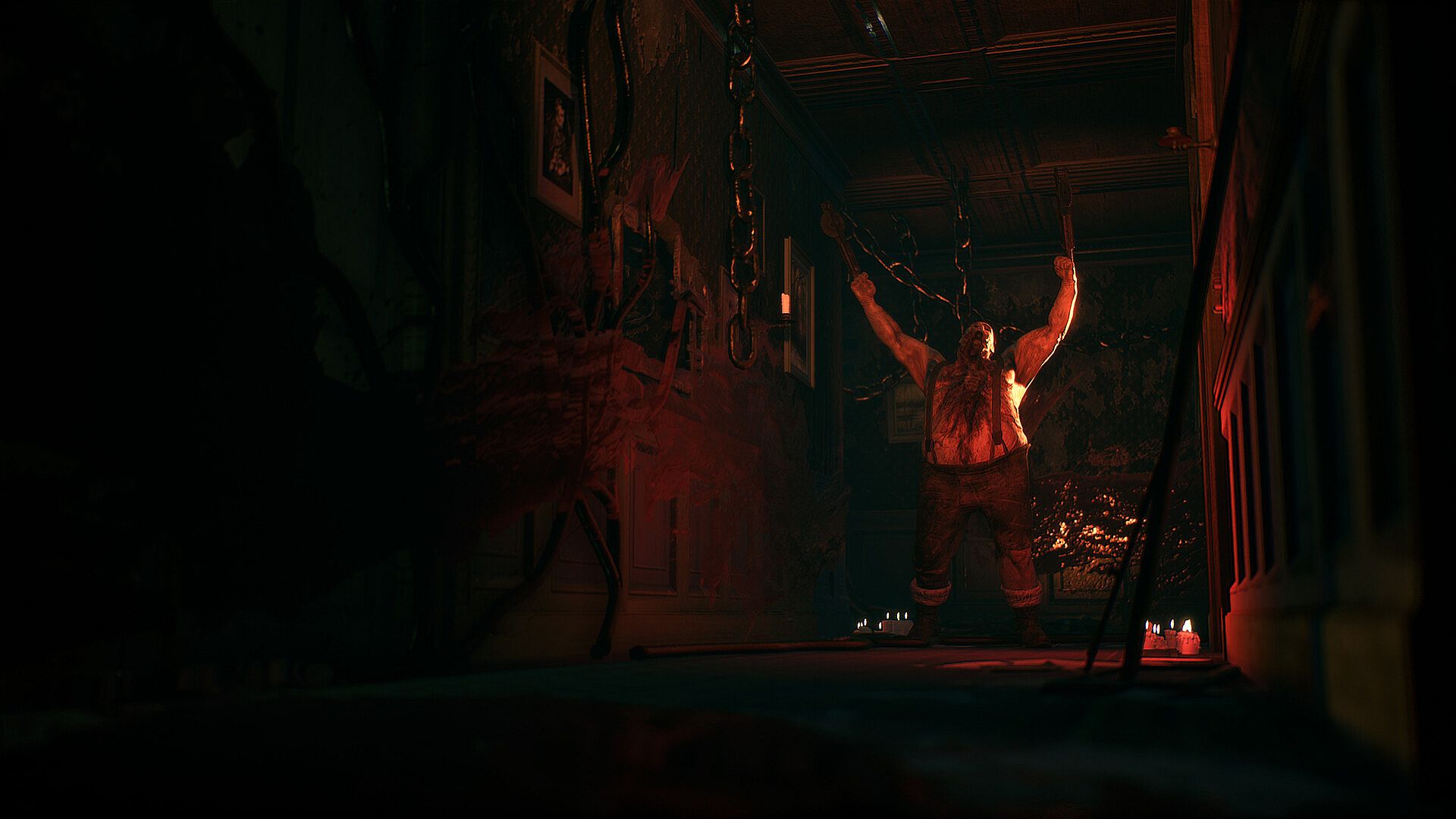
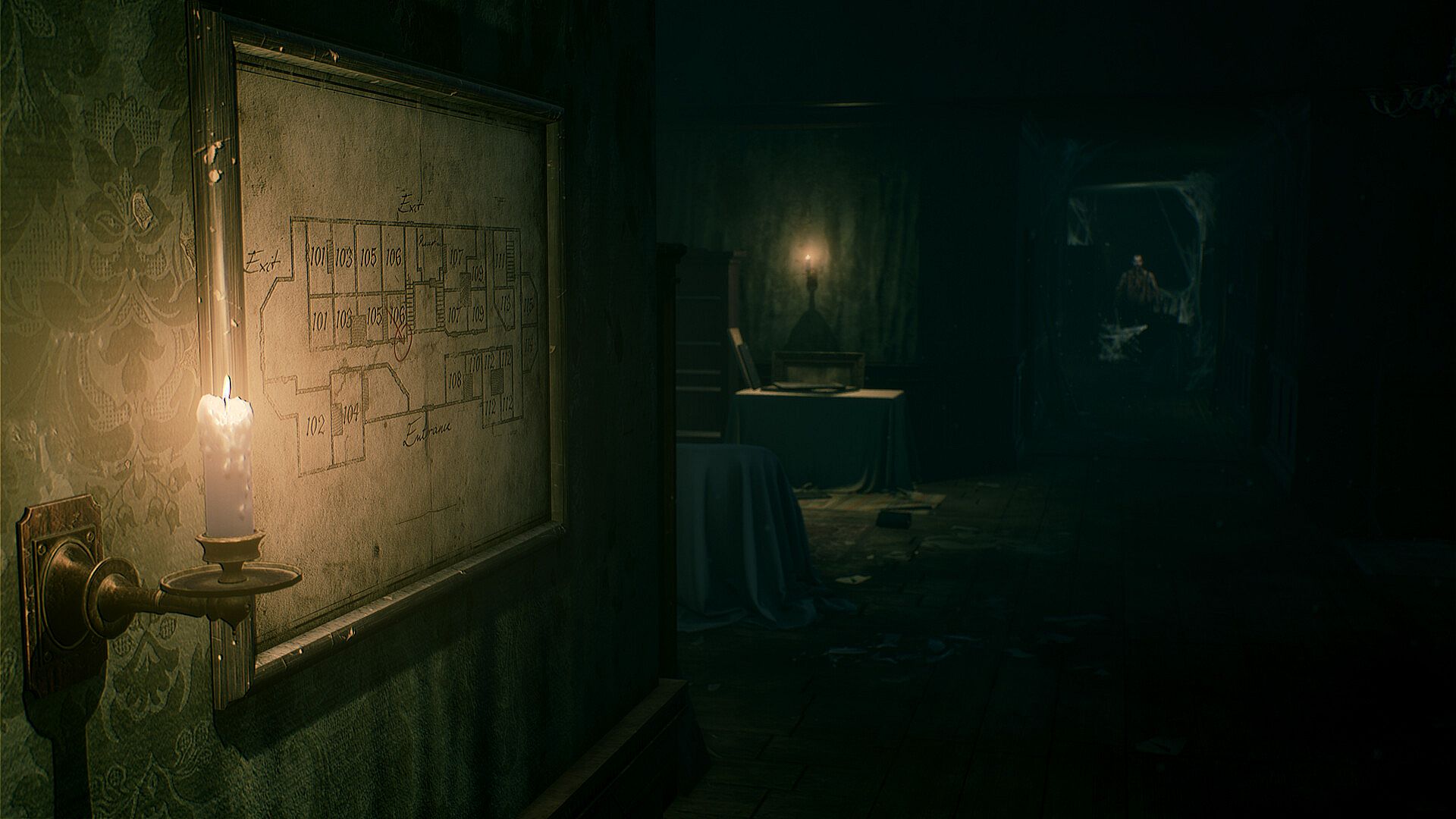
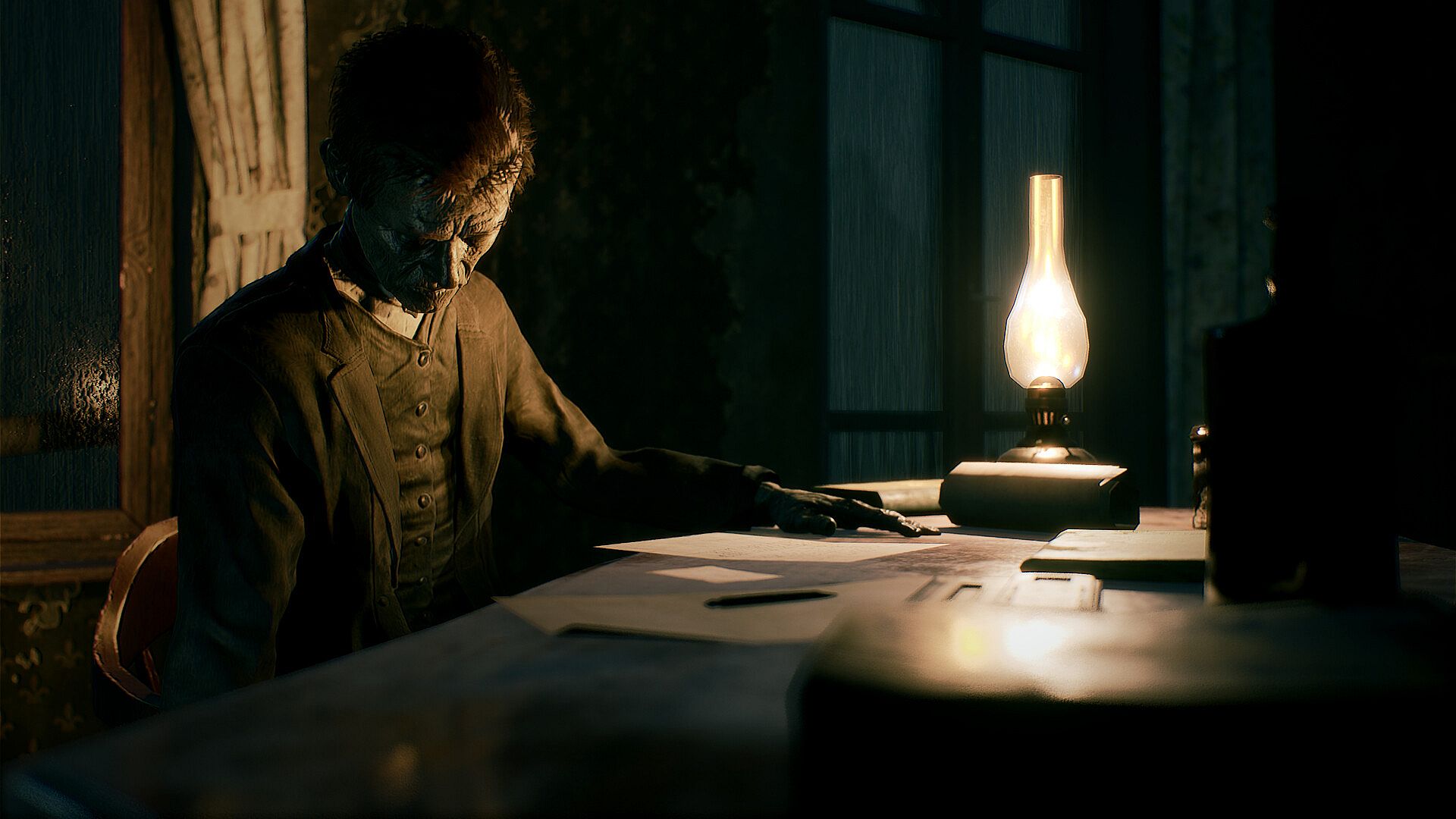
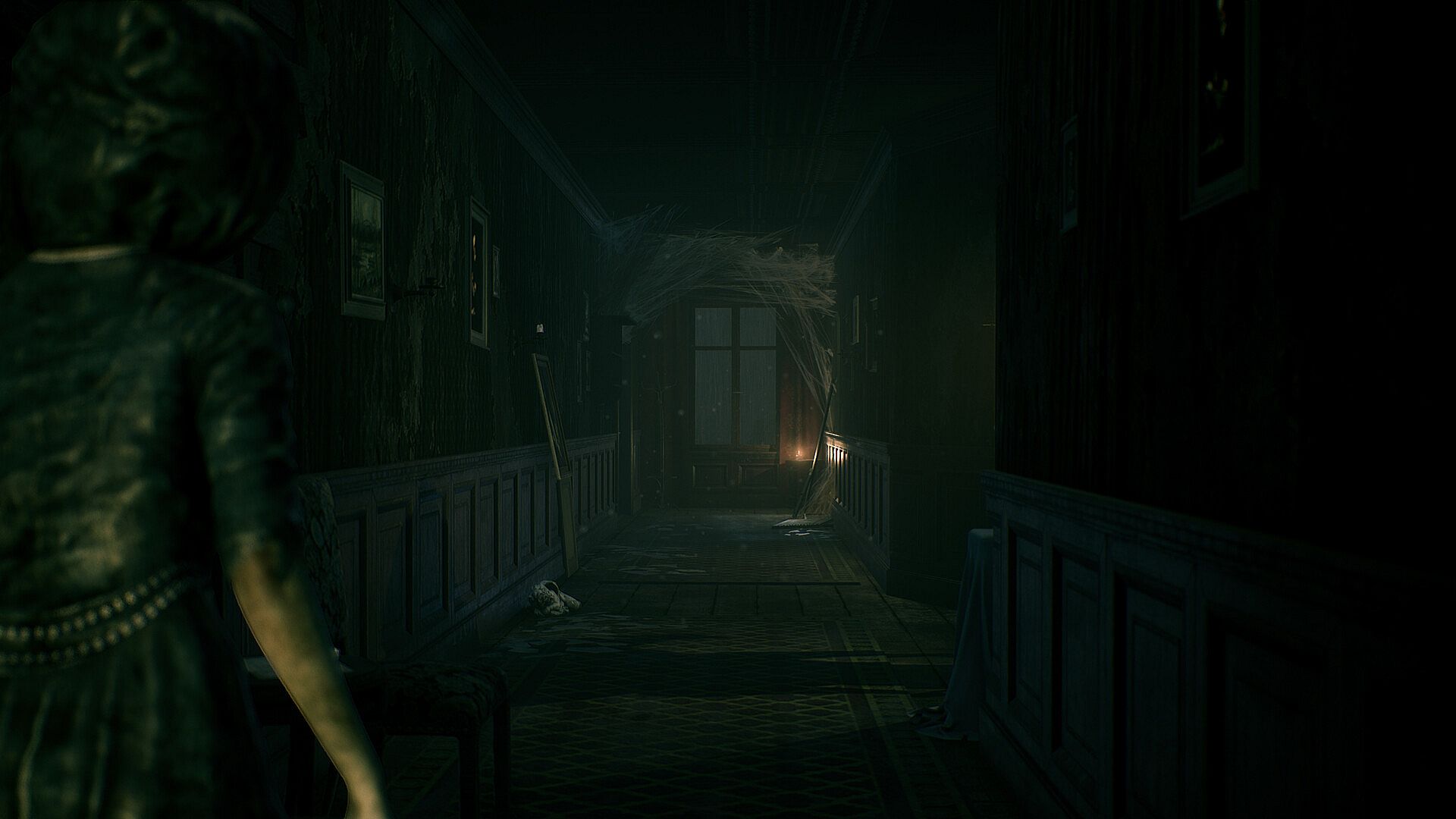
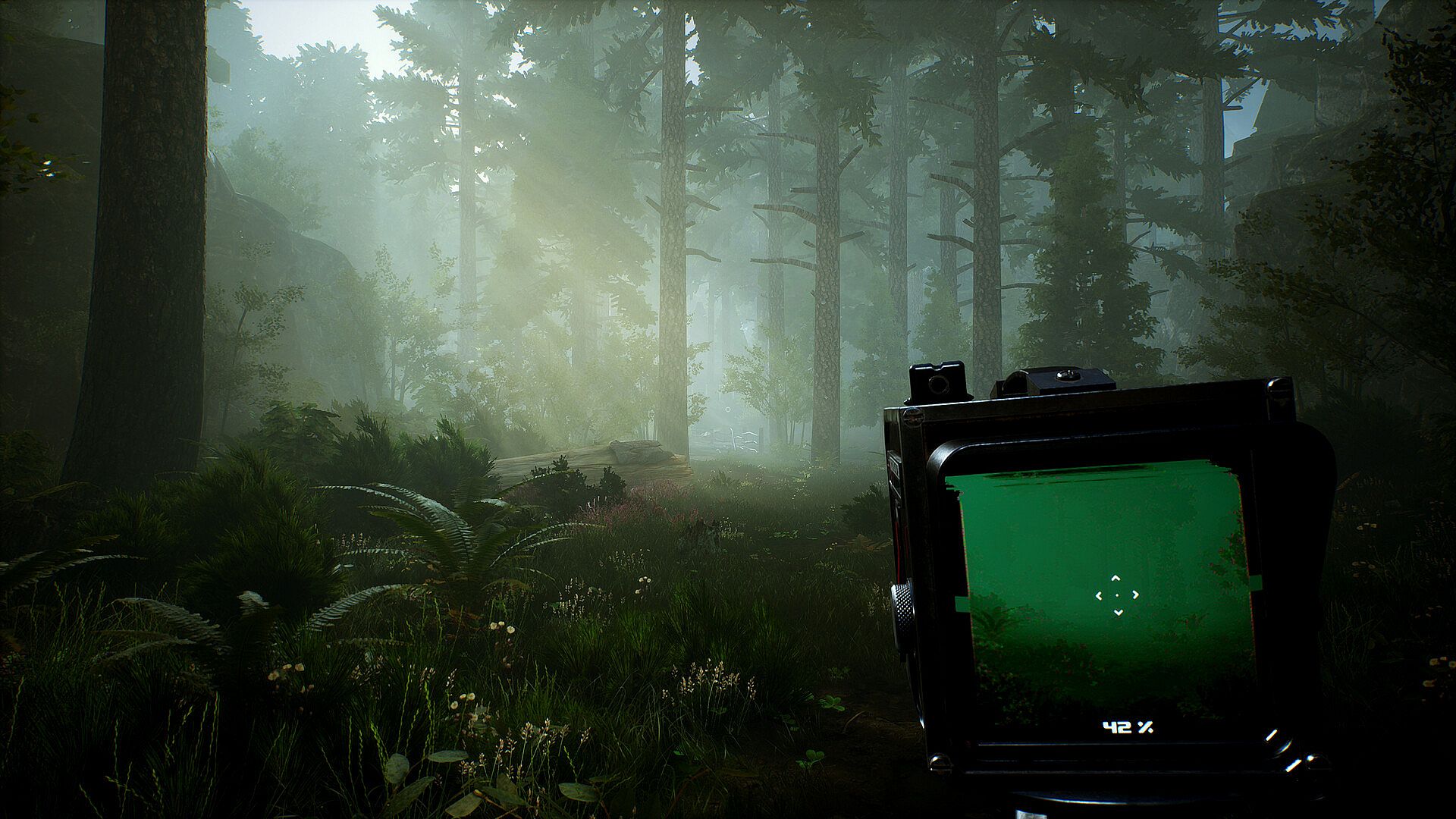
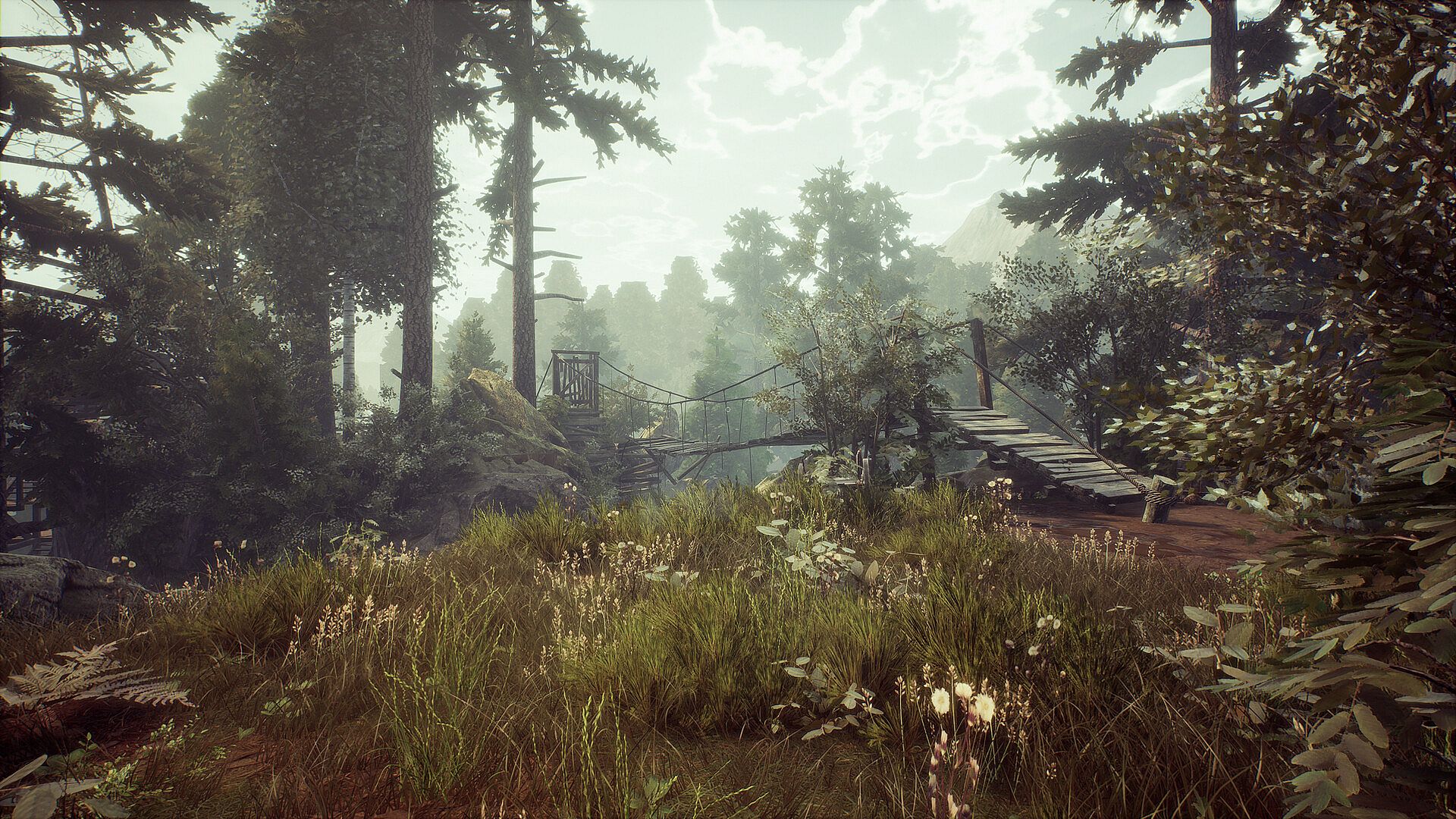
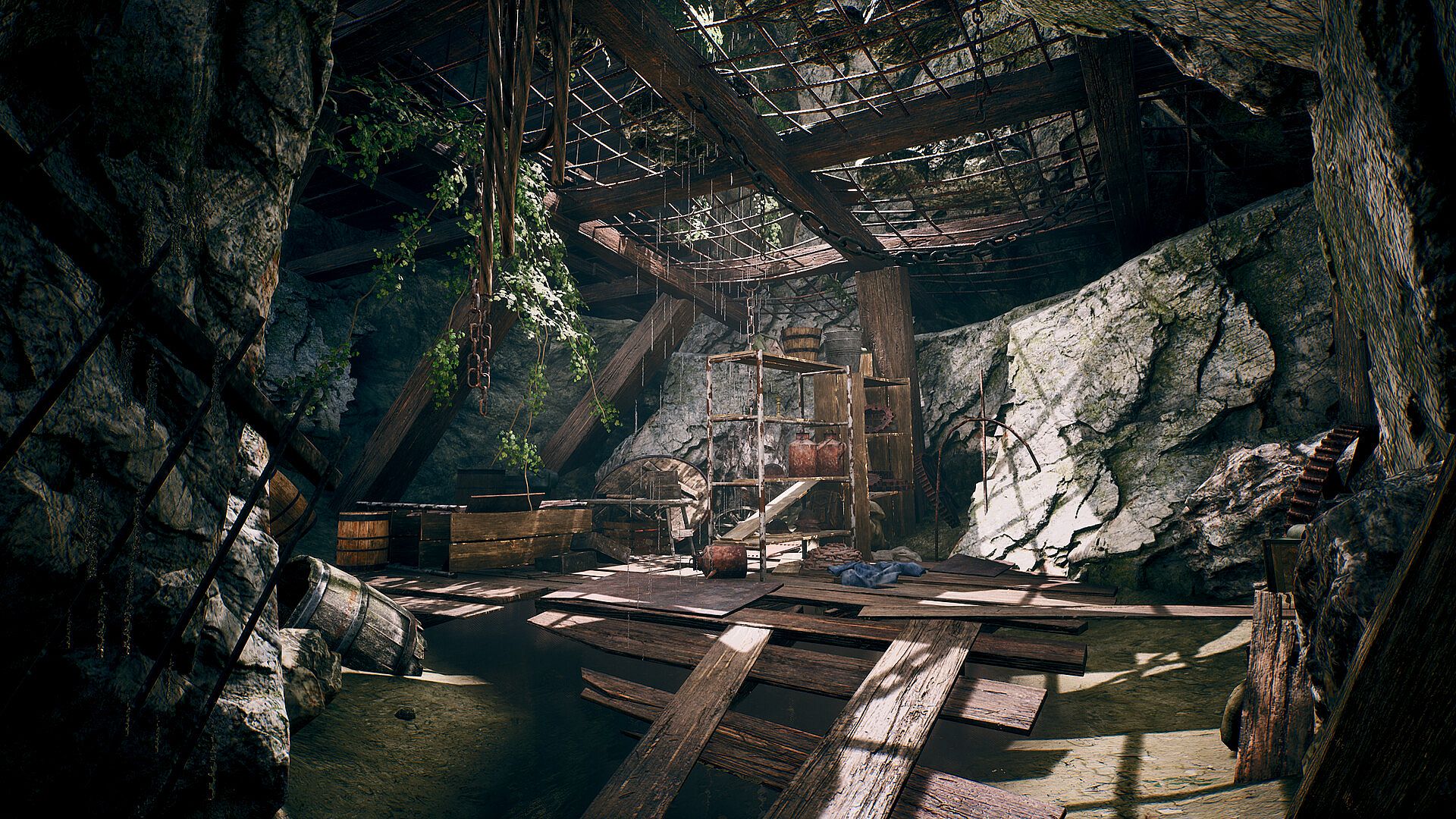
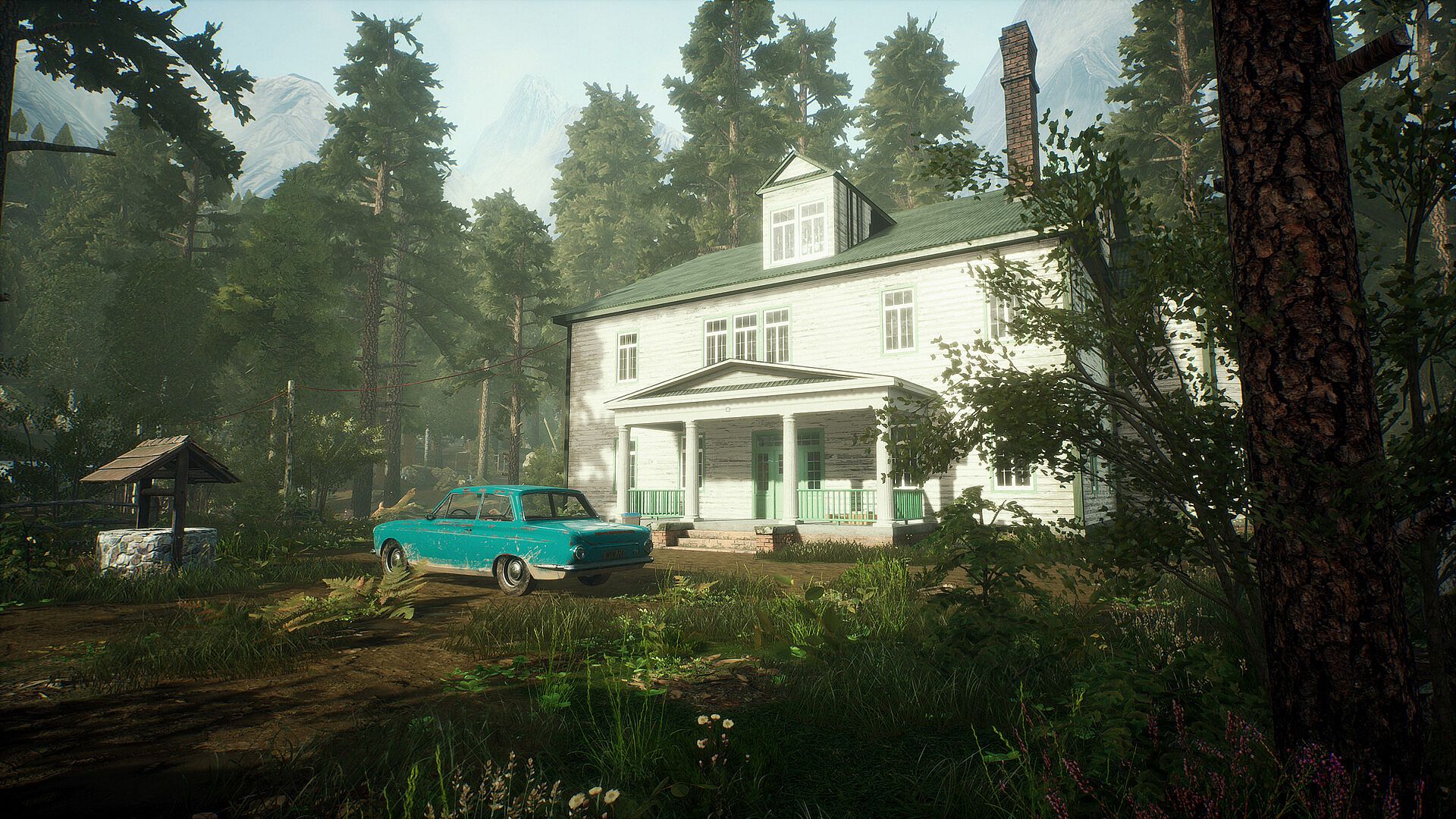
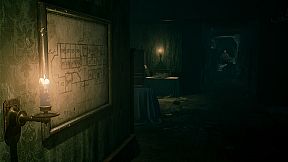
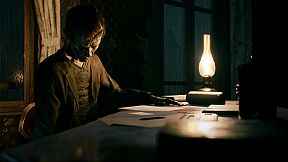
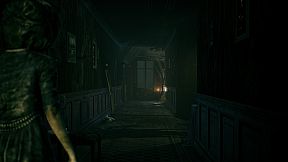
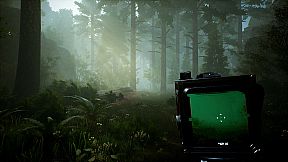
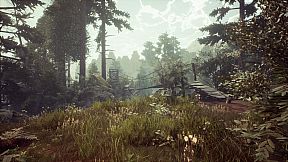
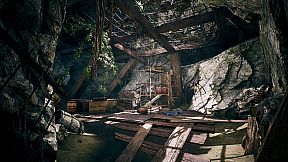
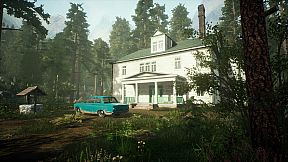
The Beast Inside is a first-person survival horror adventure game that blends narrative exploration with tense encounters across two distinct time periods. Players control separate protagonists connected by a shared location and family legacy, moving between 1979 and the 1860s while uncovering layers of mystery and threat. The experience emphasizes careful investigation, environmental interaction, and occasional combat or evasion against hostile forces in detailed, photogrammetry-scanned settings.
Gameplay
Core mechanics center on first-person exploration of a rural estate and surrounding areas. Players examine objects, collect documents, and solve puzzles that range from simple item combinations to code-breaking sequences tied to one protagonist's background. Stealth sections require avoiding detection in confined spaces or during pursuit sequences, while limited combat involves a revolver for direct confrontations in high-pressure moments. Motion-captured animations enhance character movement and horror set pieces, creating a grounded sense of physicality during chases or struggles.
Switching between the two protagonists alters the pace and tools available. One timeline features more daytime investigation and puzzle focus, while the other leans into darker, more immediate survival challenges. Environmental details built from real-world scans contribute to a consistent sense of place, with interactable elements like ladders, boxes, and locks adding to progression without relying on complex systems. The loop alternates between quiet discovery and sudden tension, supported by sound design that heightens awareness of nearby threats.
Game Modes
The game operates as a single-player campaign structured across thirteen chapters that alternate between the two timelines. Difficulty settings adjust enemy behavior and resource availability, influencing overall playtime which typically falls between seven and nine hours for a first completion. Choices made during key story moments lead to multiple endings, encouraging replay to see alternate outcomes without altering core mechanics.
No separate multiplayer or competitive modes exist. Progression remains linear within each chapter but allows backtracking for missed clues in the shared environment. The structure prioritizes story delivery through sequential narrative beats rather than open-world freedom or side activities.
Story and Setting
The narrative follows Adam, a cryptanalyst relocating to the countryside in 1979, and Nicolas Hyde, a resident from the previous century whose diary links the eras. Events unfold in and around a single house and its grounds, revealing connections through personal tragedies and hidden history. Players gather evidence by reading entries, inspecting rooms, and piecing together events that bridge the timelines.
Atmosphere relies on period-appropriate details and escalating dread rather than constant action. The dual perspective highlights how past actions influence present dangers, with the environment serving as both a puzzle space and a source of unease.
Is It Worth Playing?
Reception highlights strong atmosphere and narrative integration alongside occasional complaints about controls and repetition in exploration segments. The game suits players who enjoy story-focused horror with puzzle and stealth elements over pure action or resource management. Its contained length and multiple endings provide replay value for those interested in the dual-timeline structure.
Availability remains on PC with no ongoing seasonal content or major post-launch expansions reported in recent years. Those seeking a self-contained experience with verified mechanics like revolver use, lockpicking, and chase sequences will find the core loop intact. The title appeals most to fans of indie horror adventures that prioritize atmosphere and investigation over high production spectacle or multiplayer features.