










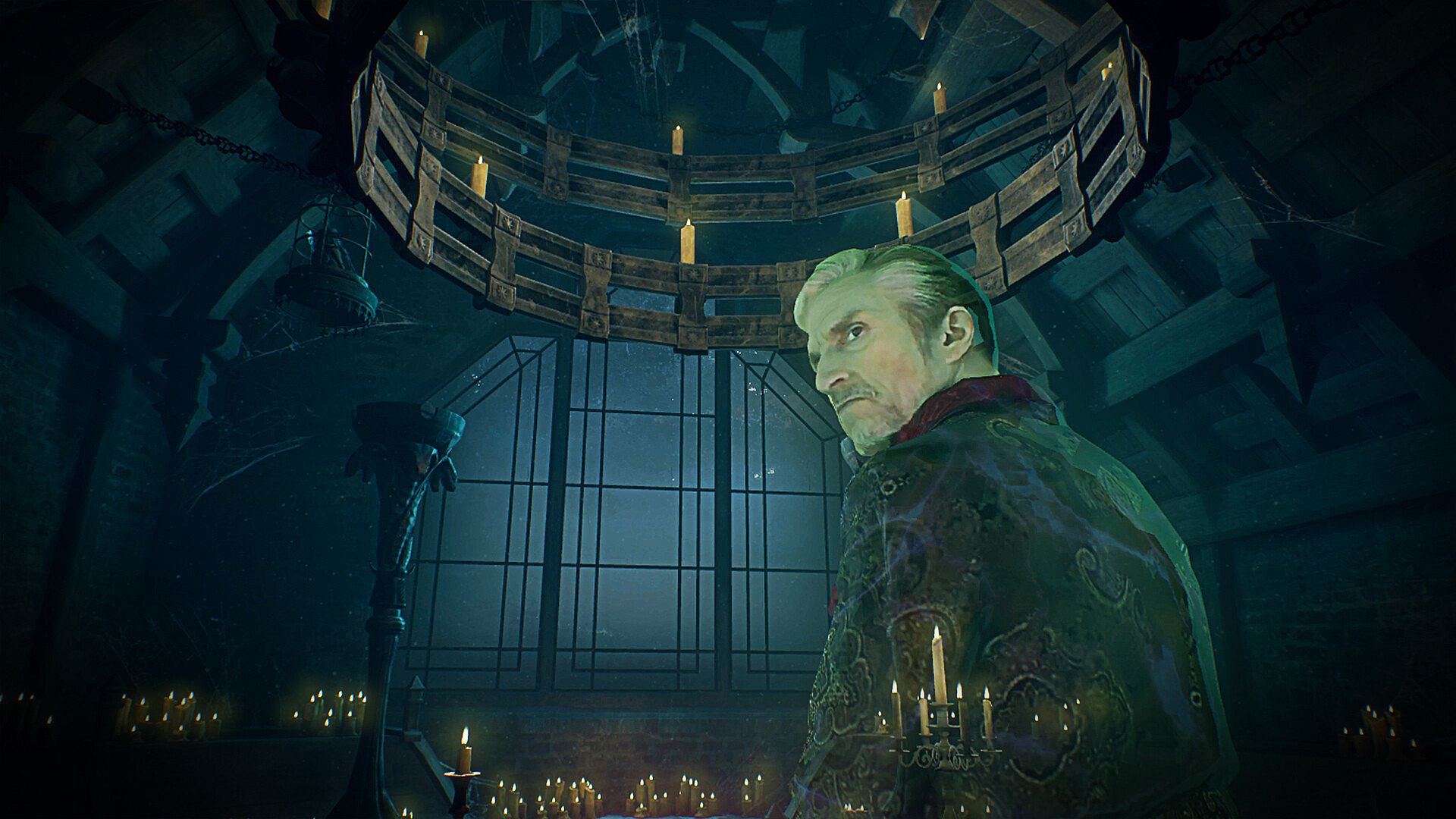
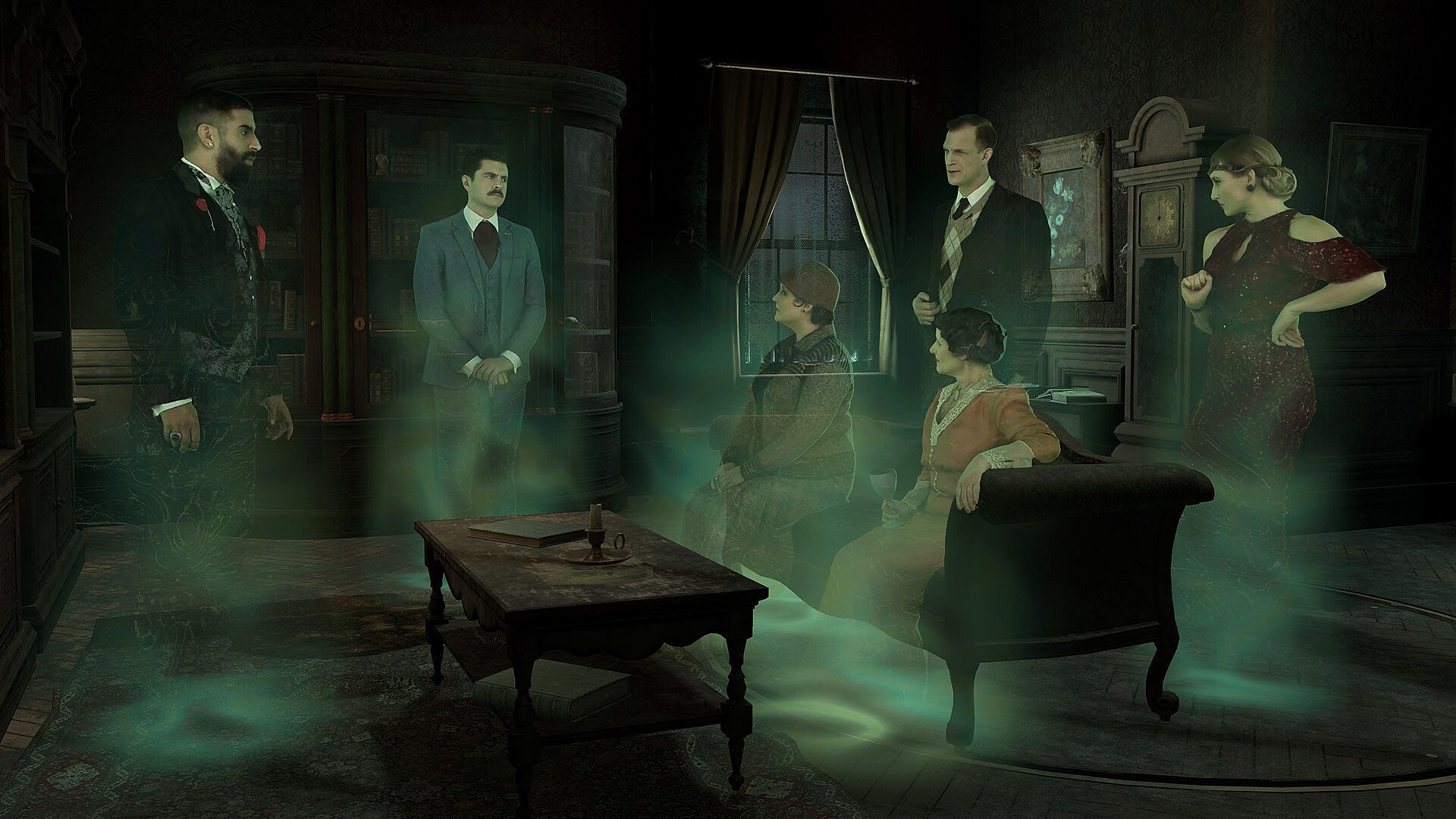
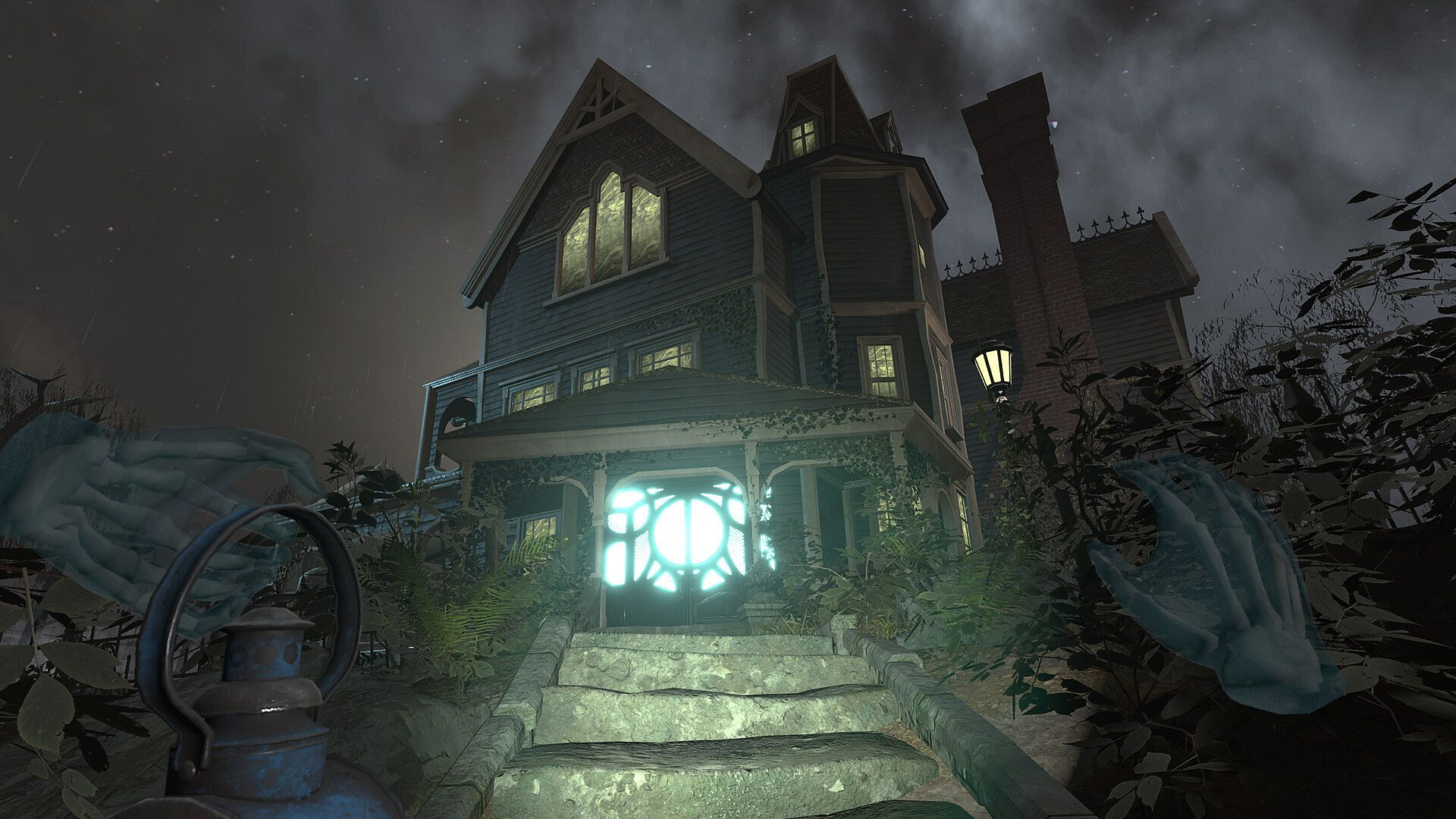
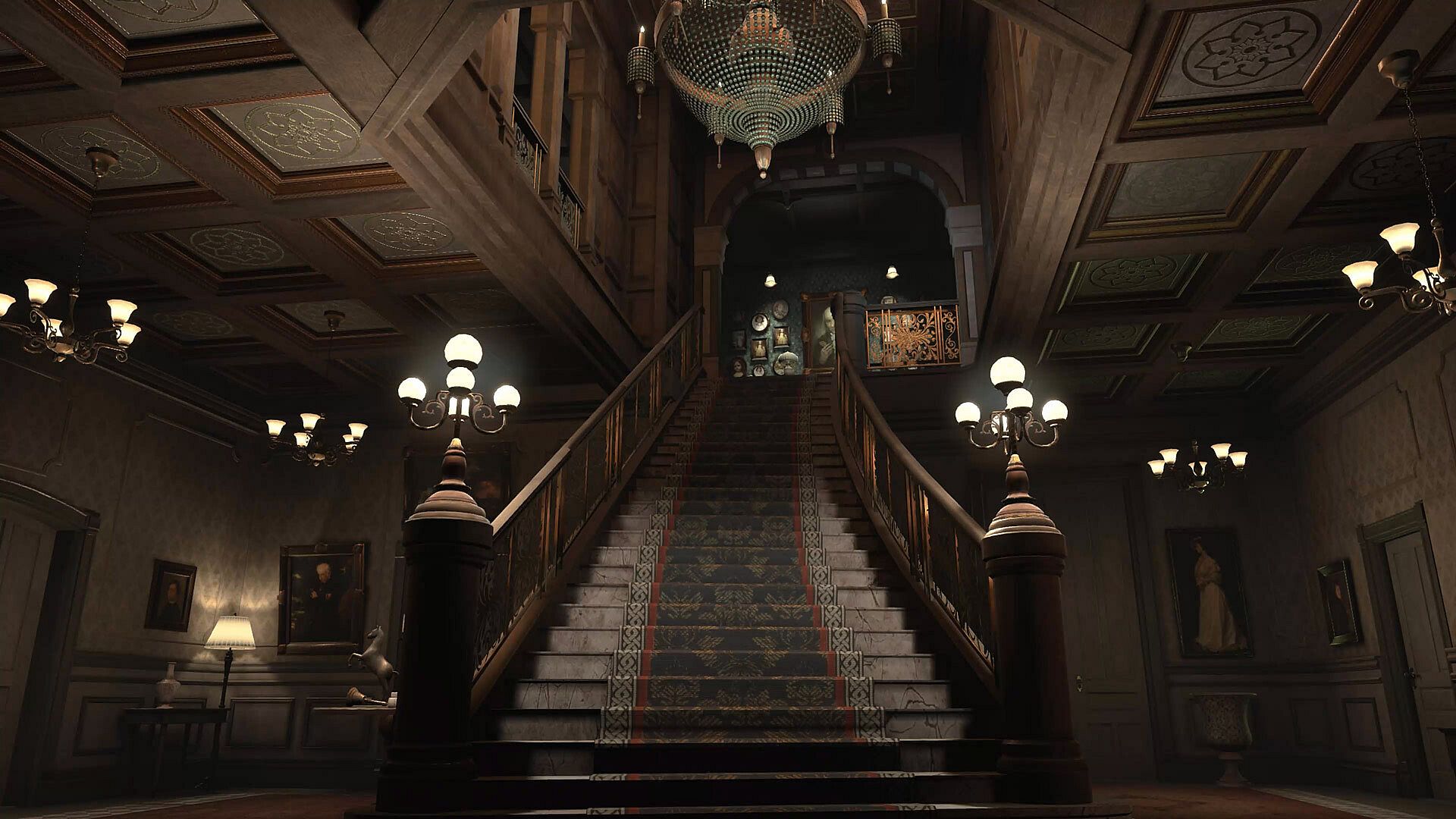
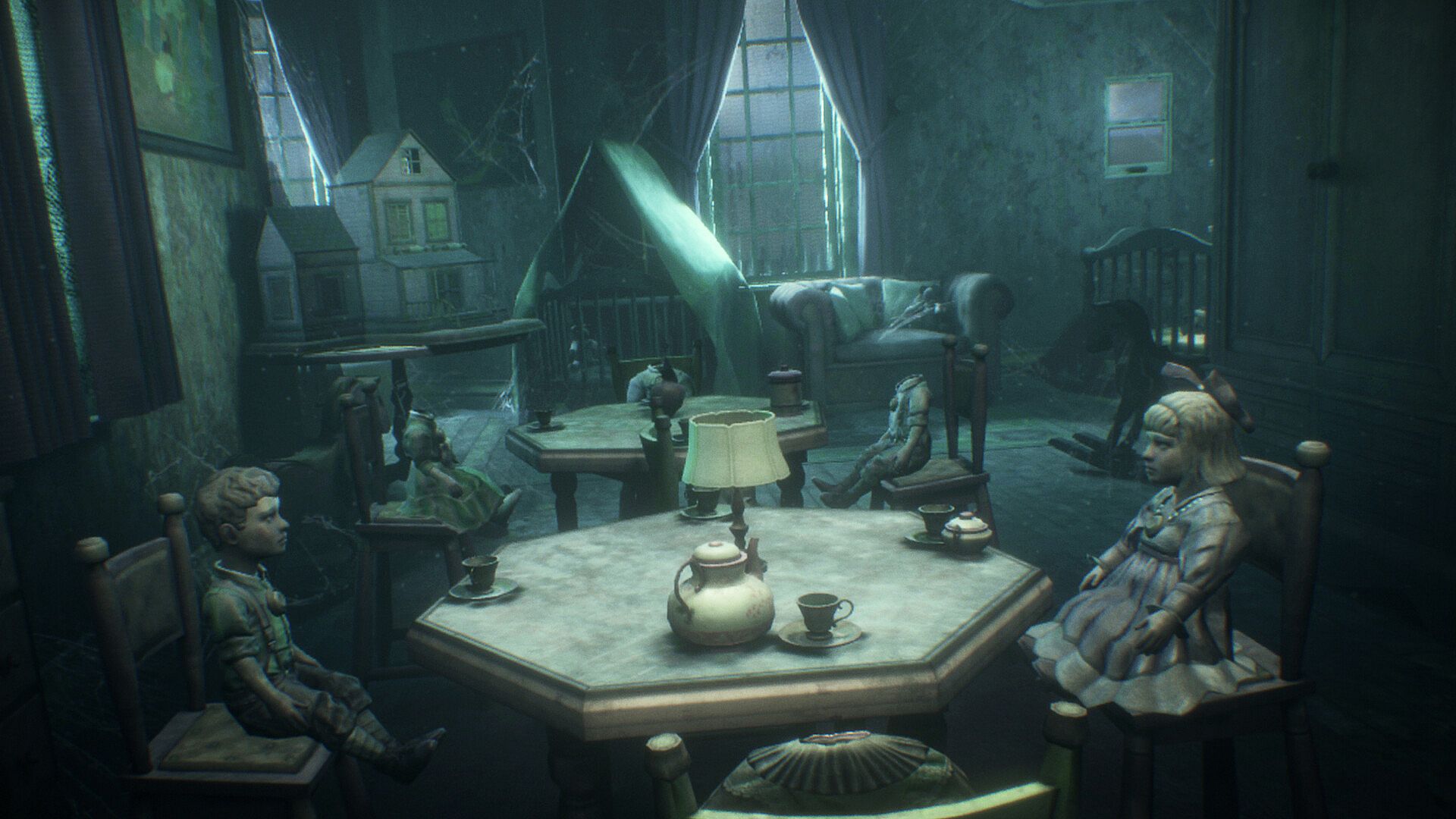
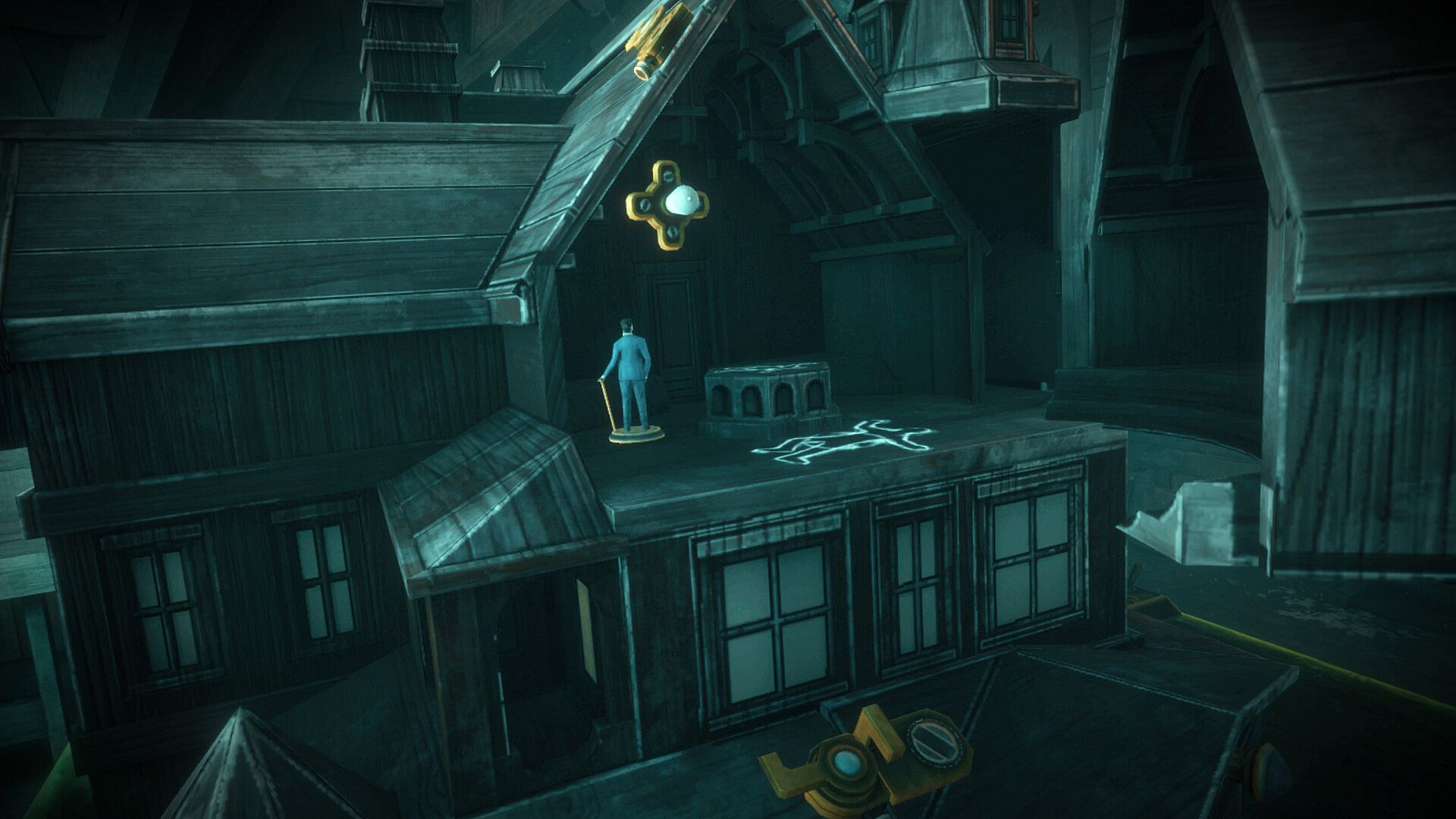
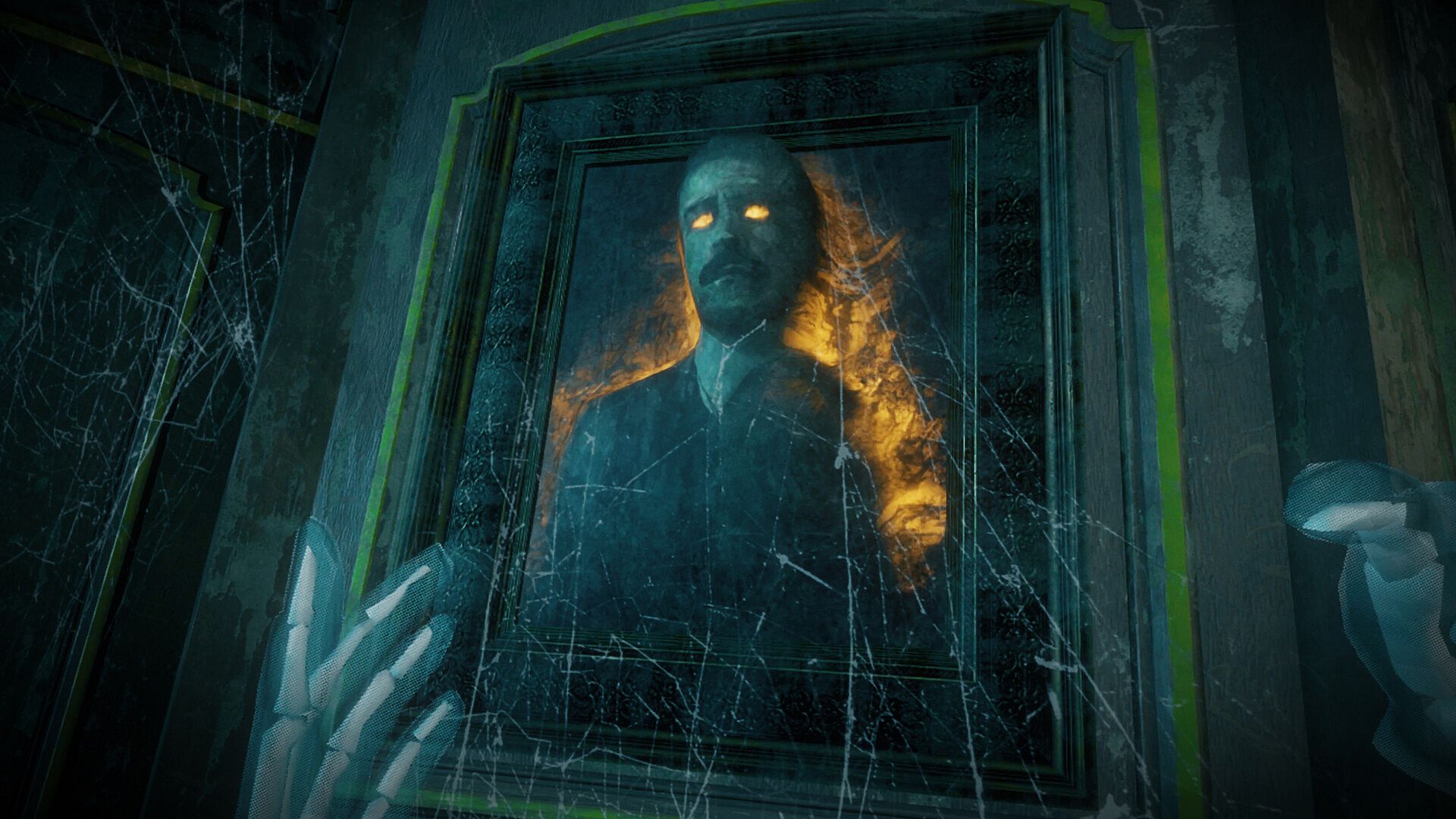
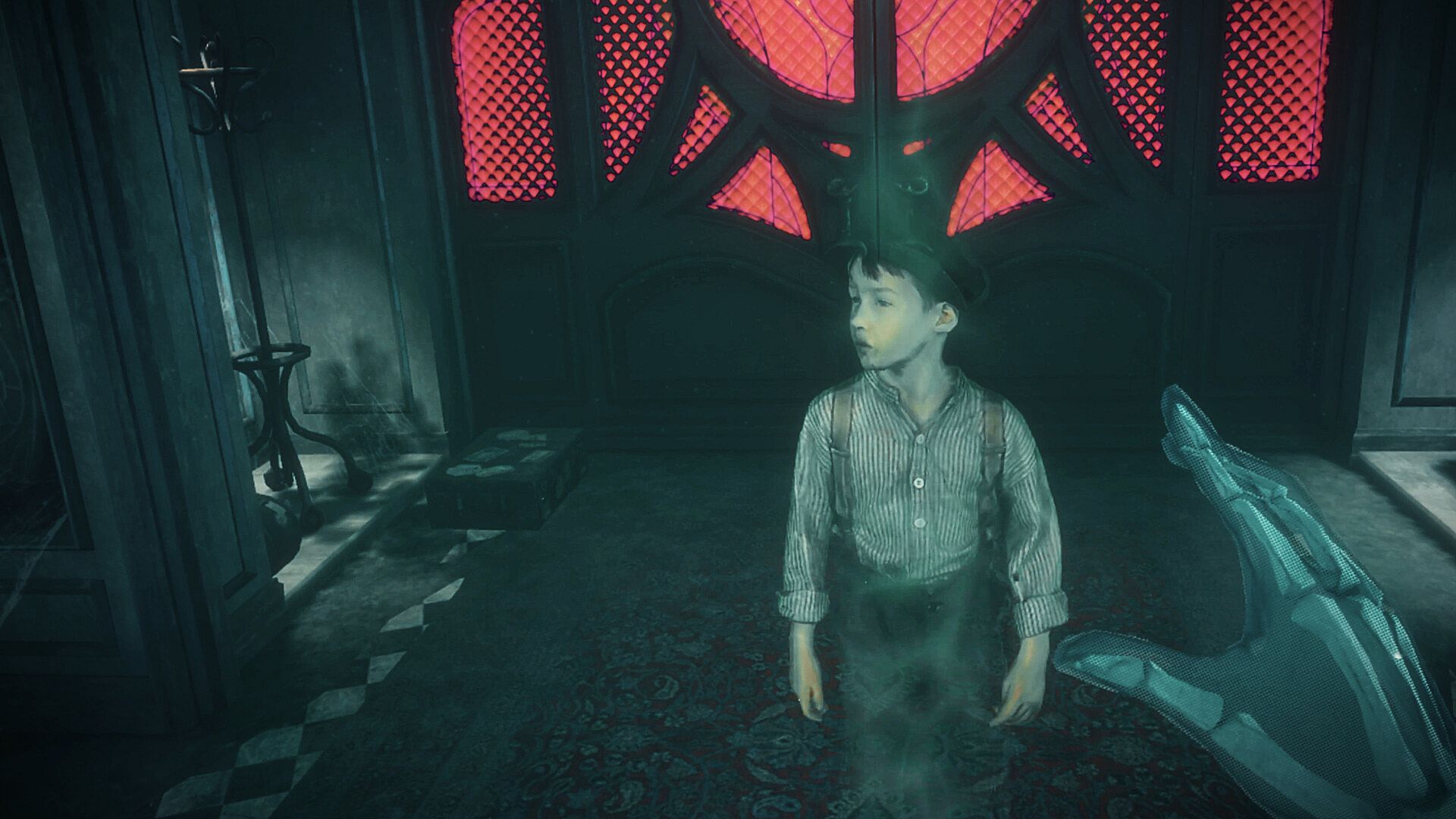
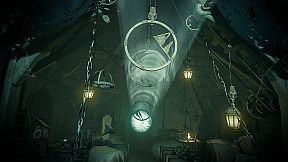
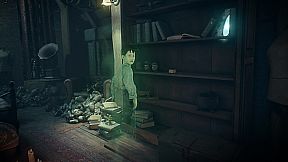
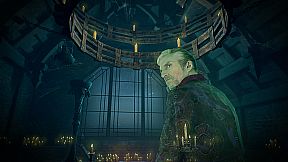

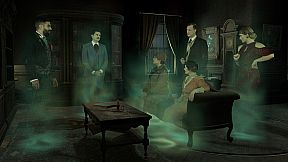
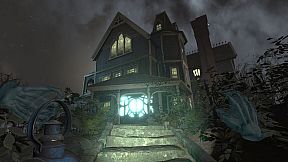
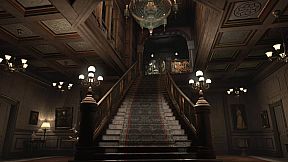
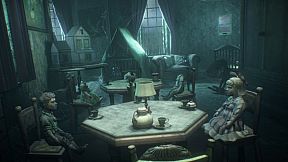
The 7th Guest VR is a singleplayer virtual reality adventure game that reimagines the classic 1990s mystery title for modern headsets. Players step into a foreboding mansion as one of six guests invited by the reclusive toymaker Henry Stauf, where they must navigate eerie rooms, solve intricate puzzles, and piece together a dark narrative centered on the identity of the seventh guest.
Gameplay
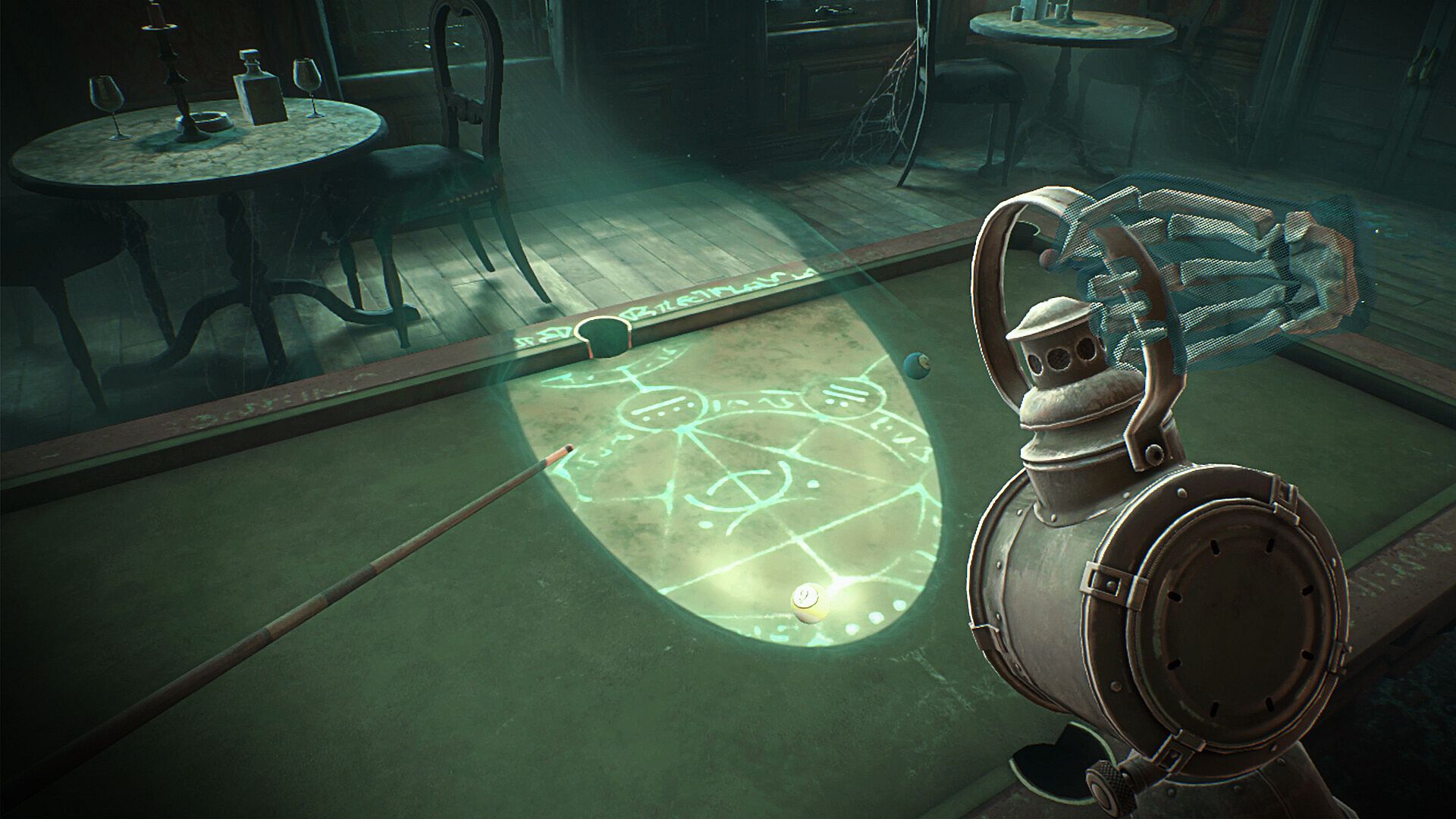
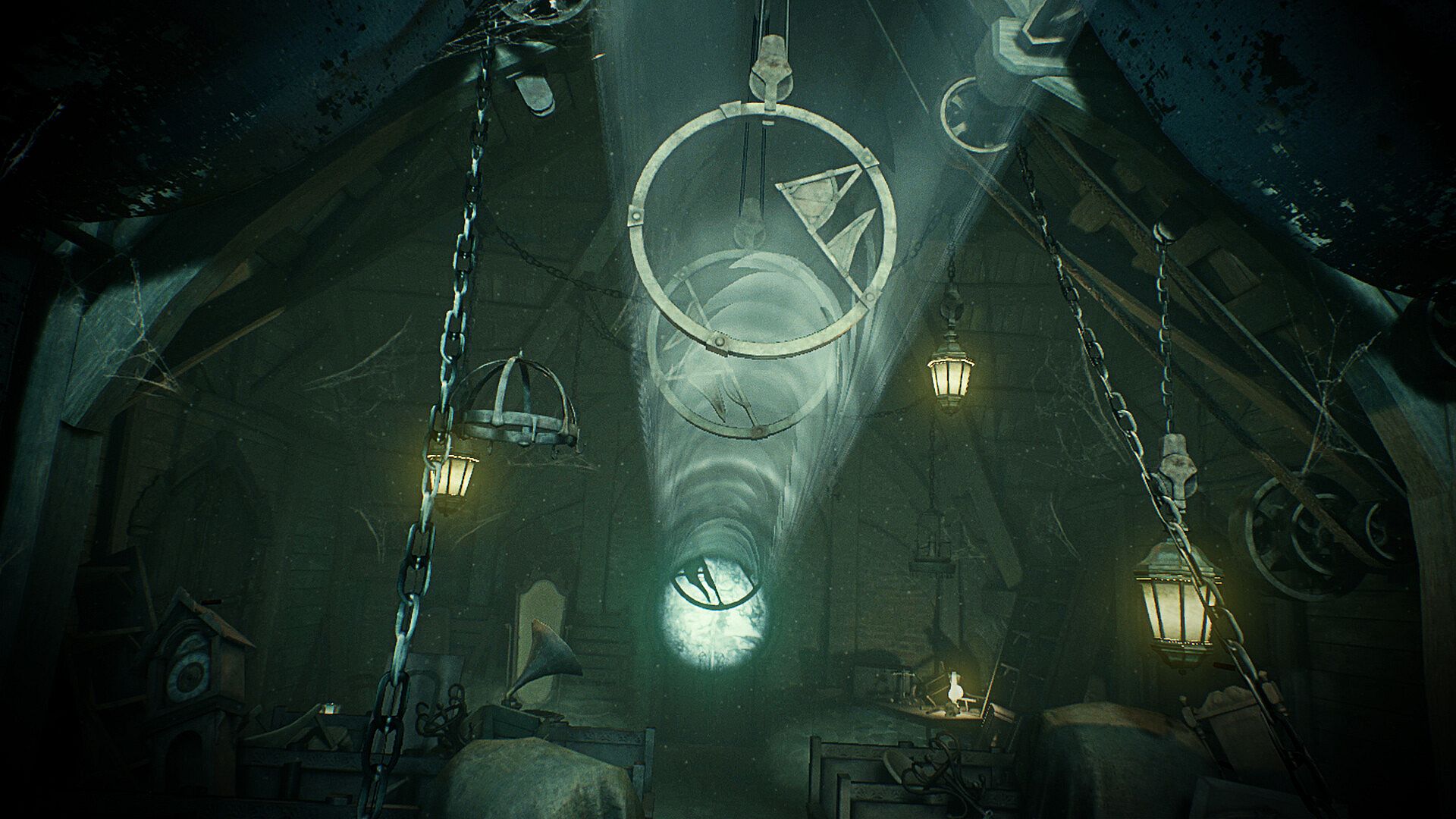
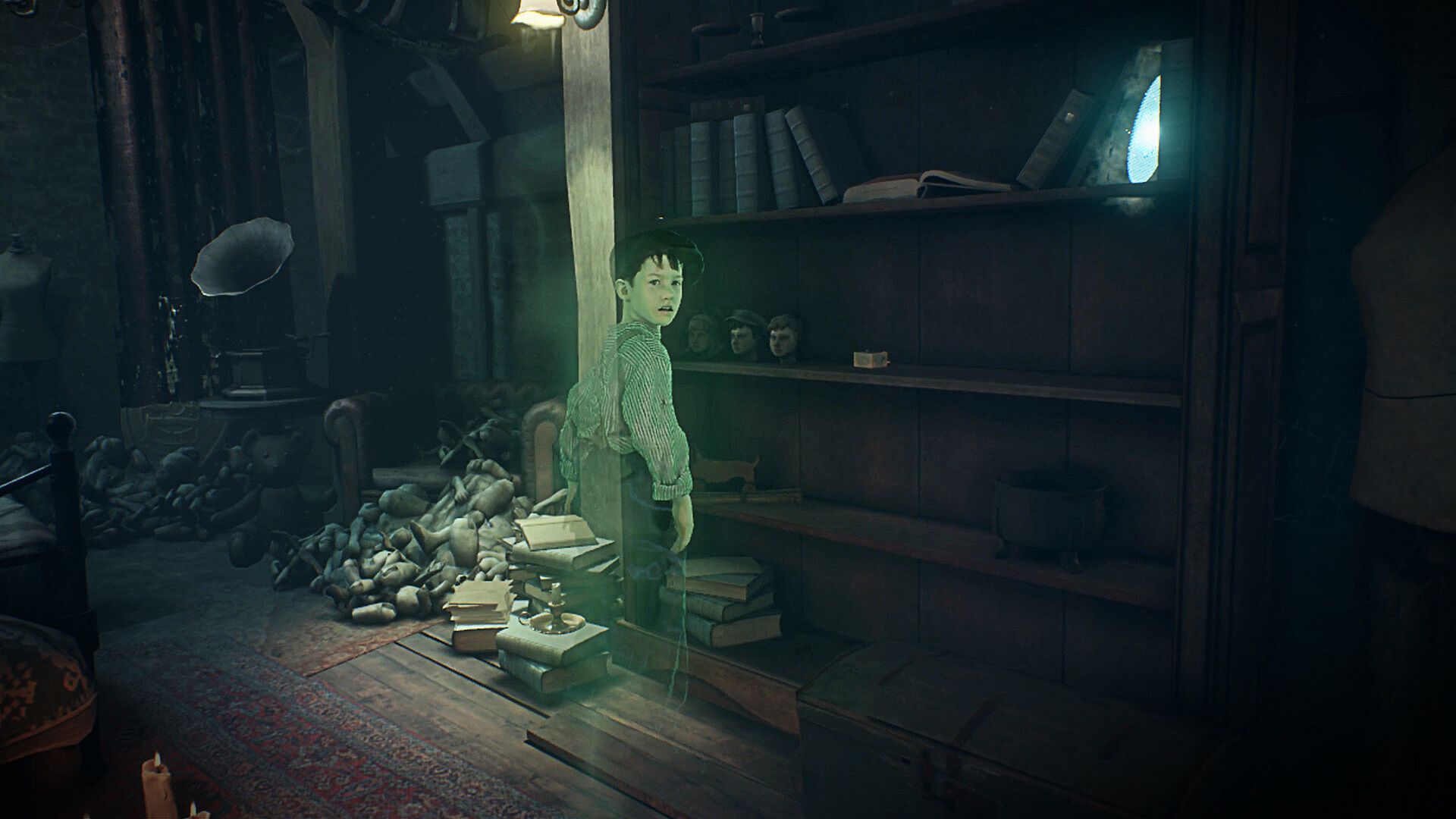
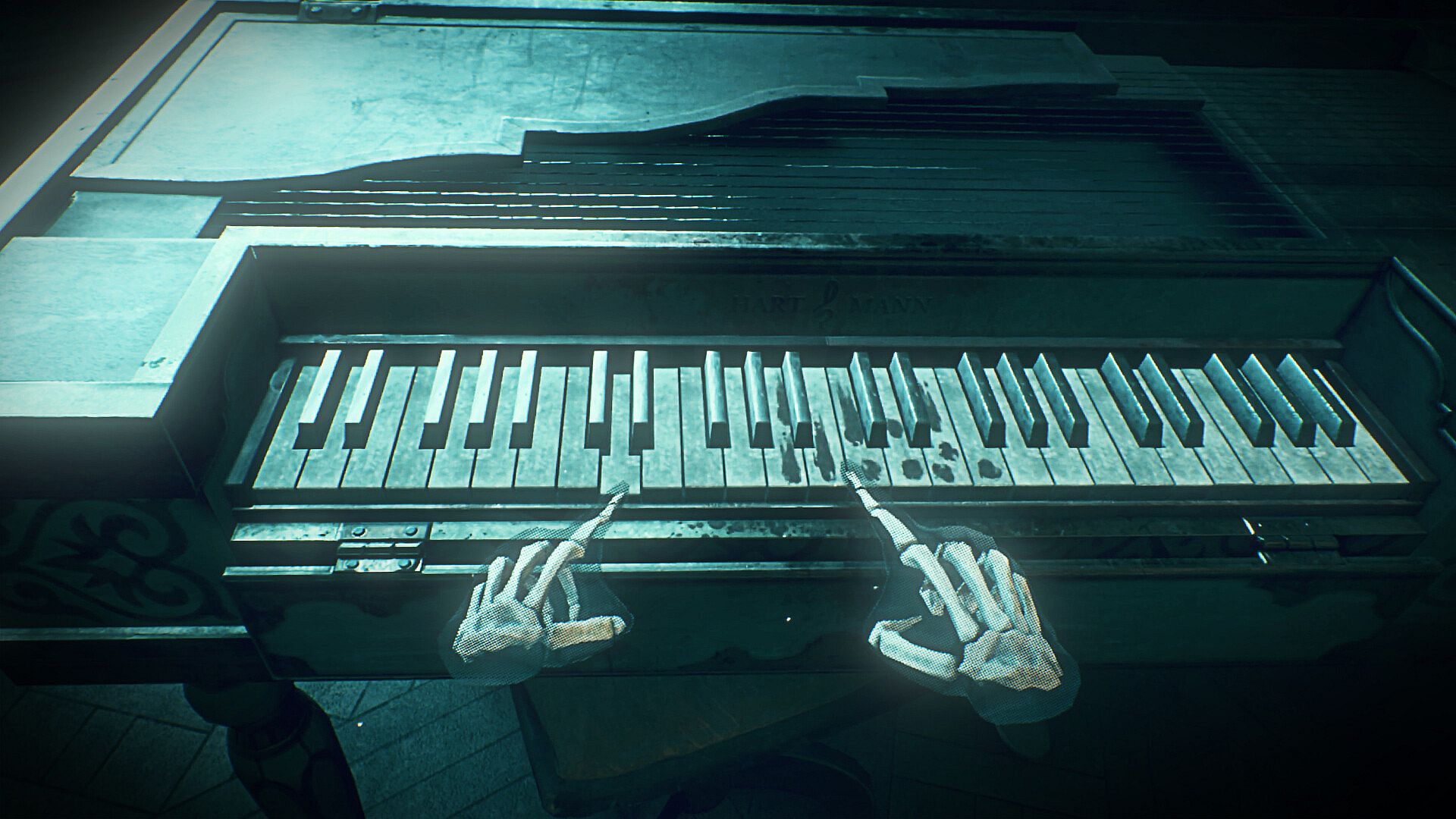
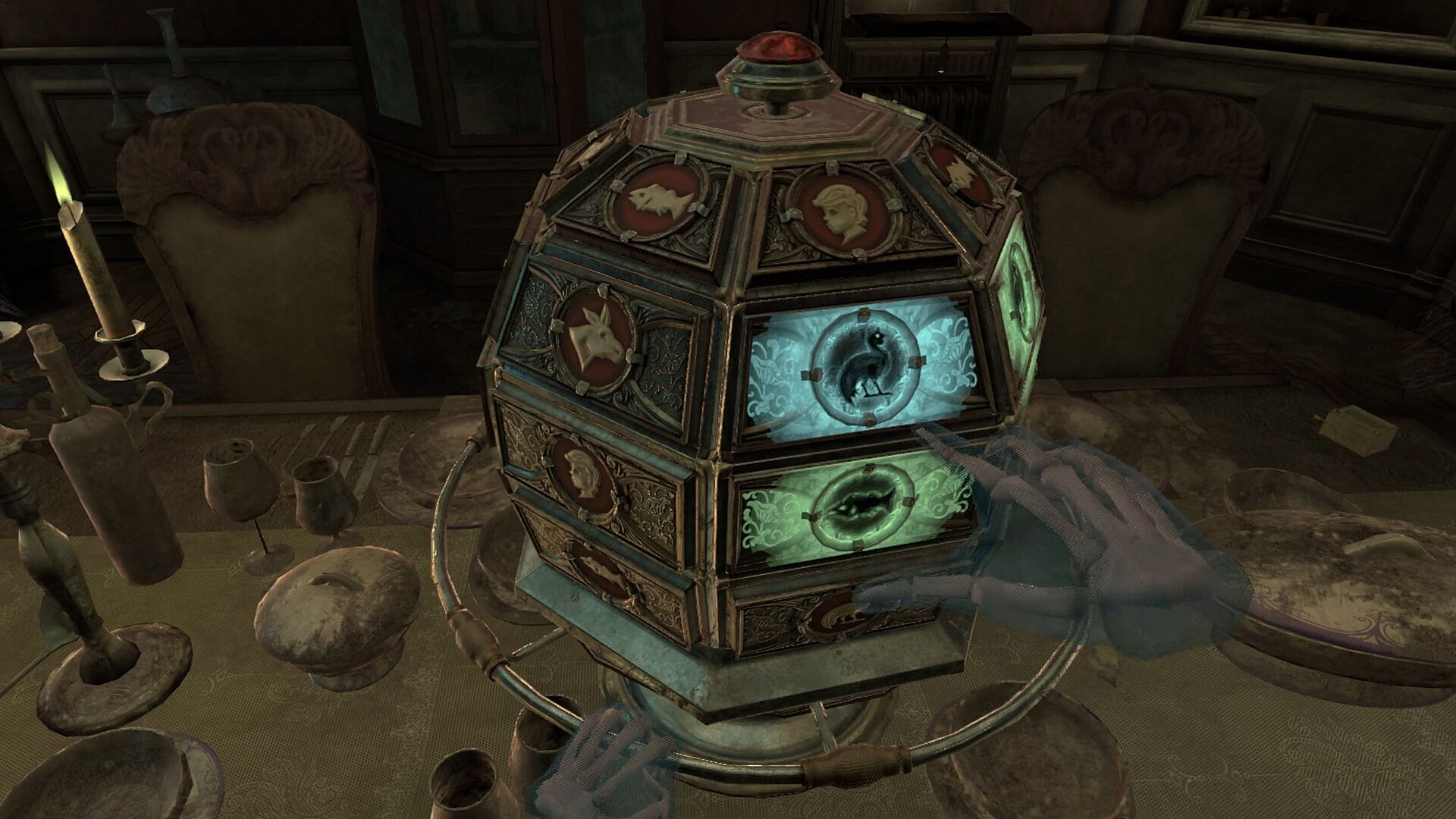
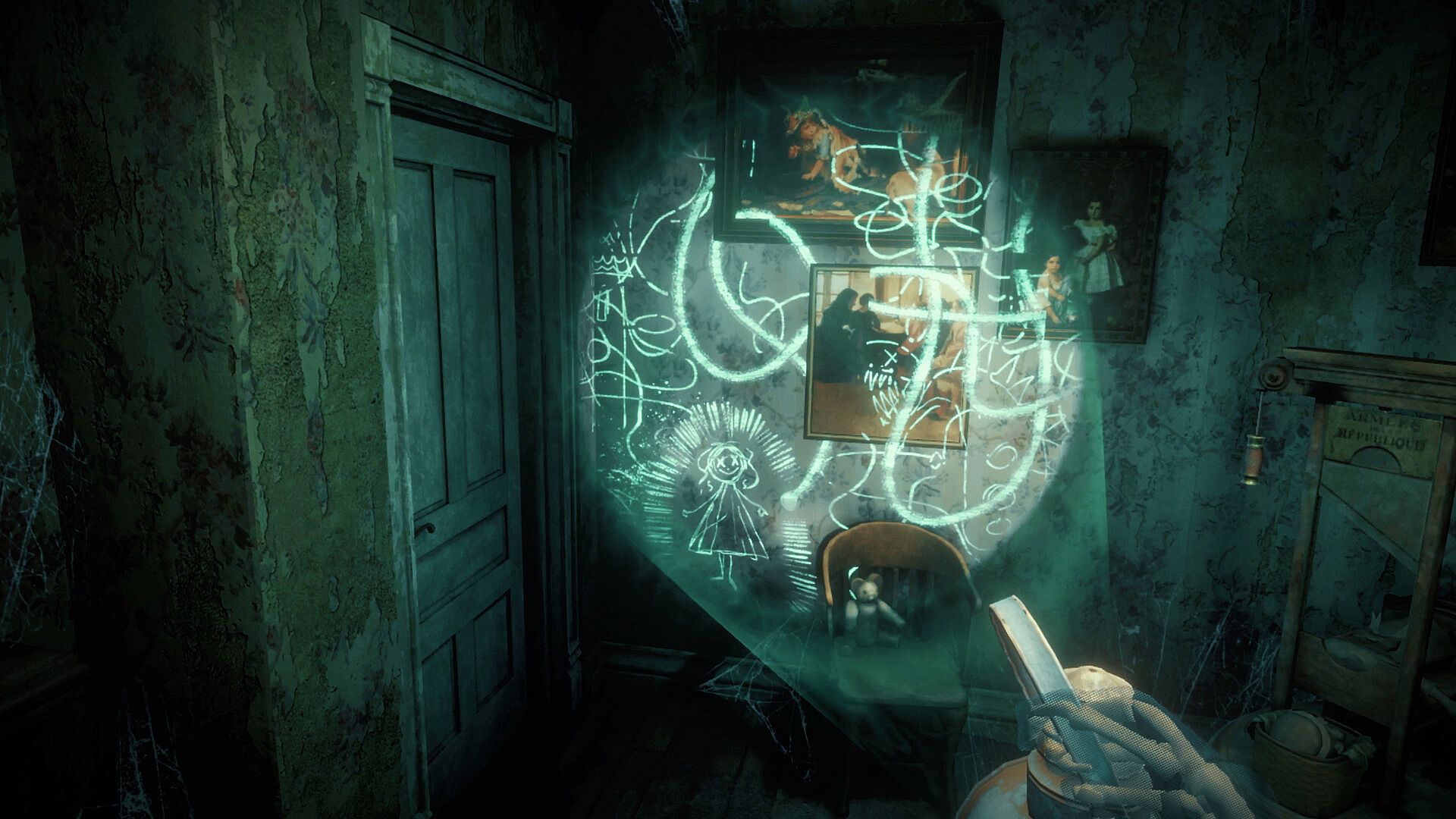
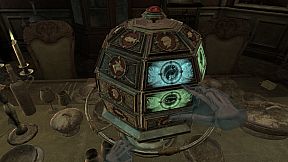
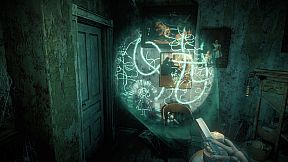
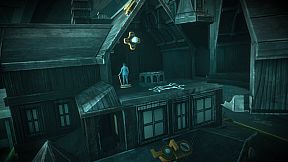
Exploration forms the core of the experience as players move freely through the detailed mansion environment in first-person VR. Interactions with objects rely on natural hand tracking and controller inputs to manipulate items, open doors, and examine clues scattered throughout the space. Puzzles range from logic-based challenges to spatial manipulations that take advantage of VR's immersive qualities, such as rotating mechanisms or aligning elements in three dimensions. The story unfolds through volumetric video sequences that replace traditional full-motion video, presenting characters and events with a heightened sense of presence and tension. Shadows, creaks, and environmental details build atmosphere while players uncover hidden passages and secrets that advance the plot. Dangers appear in the form of unsettling encounters that test composure without shifting into action sequences.
Game Modes
The game operates as a single continuous campaign with no separate multiplayer or competitive options. Progress follows a structured path through the mansion that unlocks new areas as puzzles are solved and story elements are revealed. There are no branching paths or alternate scenarios confirmed beyond the main narrative thread, keeping the focus on sequential exploration and puzzle resolution. Players can revisit completed sections to search for missed details, though the primary loop emphasizes forward momentum through the mystery.
Story and Atmosphere
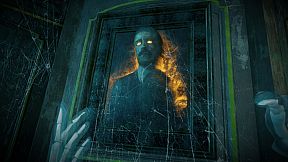
Henry Stauf serves as the central antagonist figure whose motives drive the central conflict. The narrative probes questions about the guests' selection and the mansion's hidden power through environmental storytelling and character interactions captured in volumetric footage. Tension builds gradually with each new room, where lighting shifts, sound design, and object placements reinforce the sense of isolation and impending threat. The experience suits those who enjoy methodical investigation over fast-paced action, rewarding careful observation and logical deduction.
Technical Features
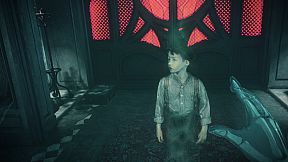
VR implementation emphasizes intuitive object handling and room-scale movement where supported by the headset. Volumetric video technology delivers character appearances that integrate more seamlessly into the 3D space compared to flat video. Puzzles have been redesigned from the original game to leverage VR controls, such as direct manipulation of physical elements rather than point-and-click mechanics. The title runs on PC VR platforms with compatibility for various headsets, maintaining consistent performance across sessions.
Is It Worth Playing?
Reception among players and critics highlights strong atmosphere, inventive puzzles, and effective use of VR for storytelling. Reviews frequently note the game's ability to maintain engagement through its mystery structure and polished presentation, with many recommending it specifically to fans of puzzle-driven adventures. Some feedback mentions occasional interaction stiffness or a deliberately campy tone in the narrative, yet these elements do not detract from the overall positive response. The game remains available as a complete singleplayer title with no ongoing seasons or updates required for the core content. It appeals most to those seeking a focused VR mystery experience rather than open-world or multiplayer formats, delivering a self-contained story that rewards completion in one or two sessions for most players.